
13 min 31 sec
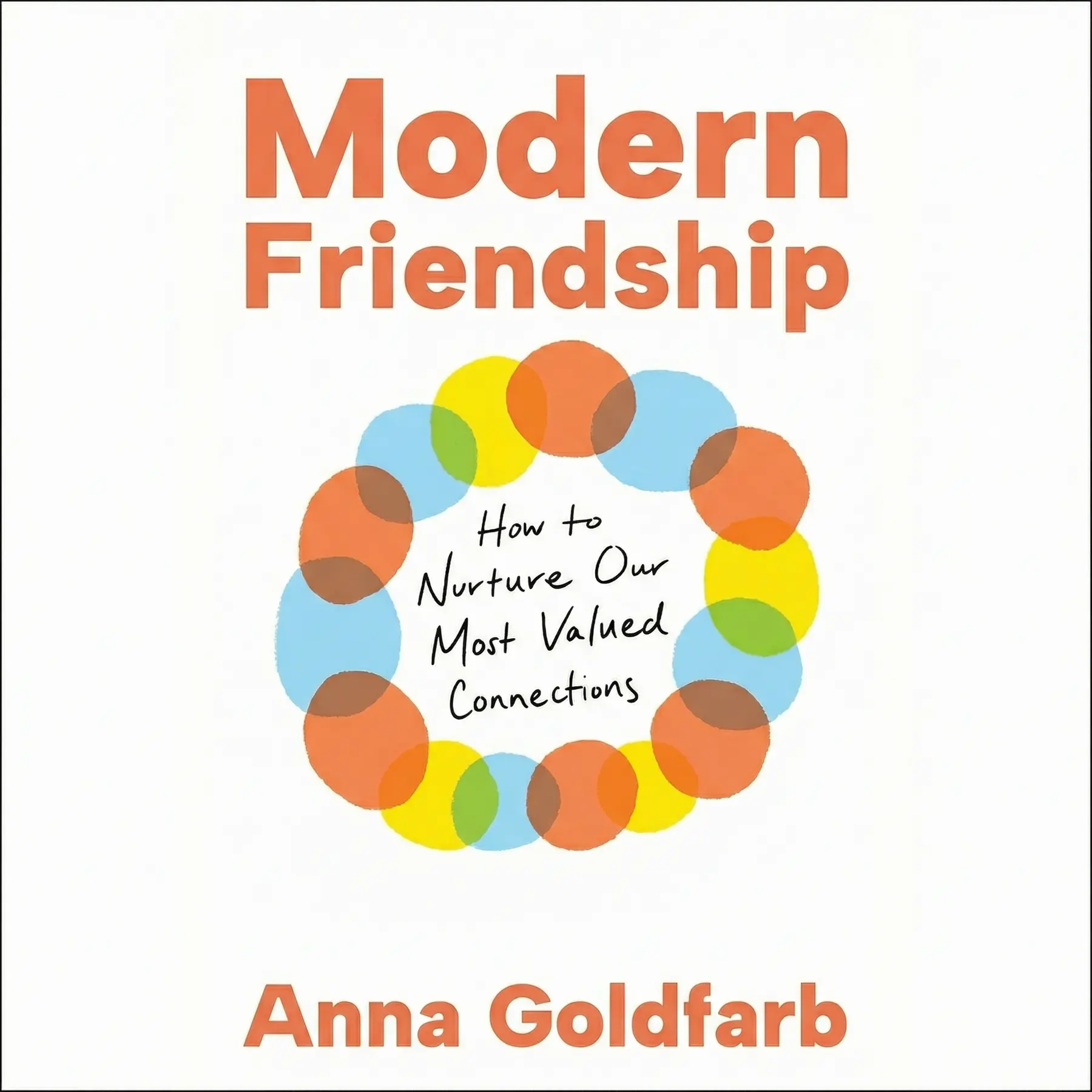
Modern Friendship: How to Nurture Our Most Valued Connections
Modern Friendship provides a practical roadmap for navigating adult relationships. Journalist Anna Goldfarb explores the psychological needs behind our connections and offers actionable tools to cultivate deeper, more resilient social bonds in a digital age.
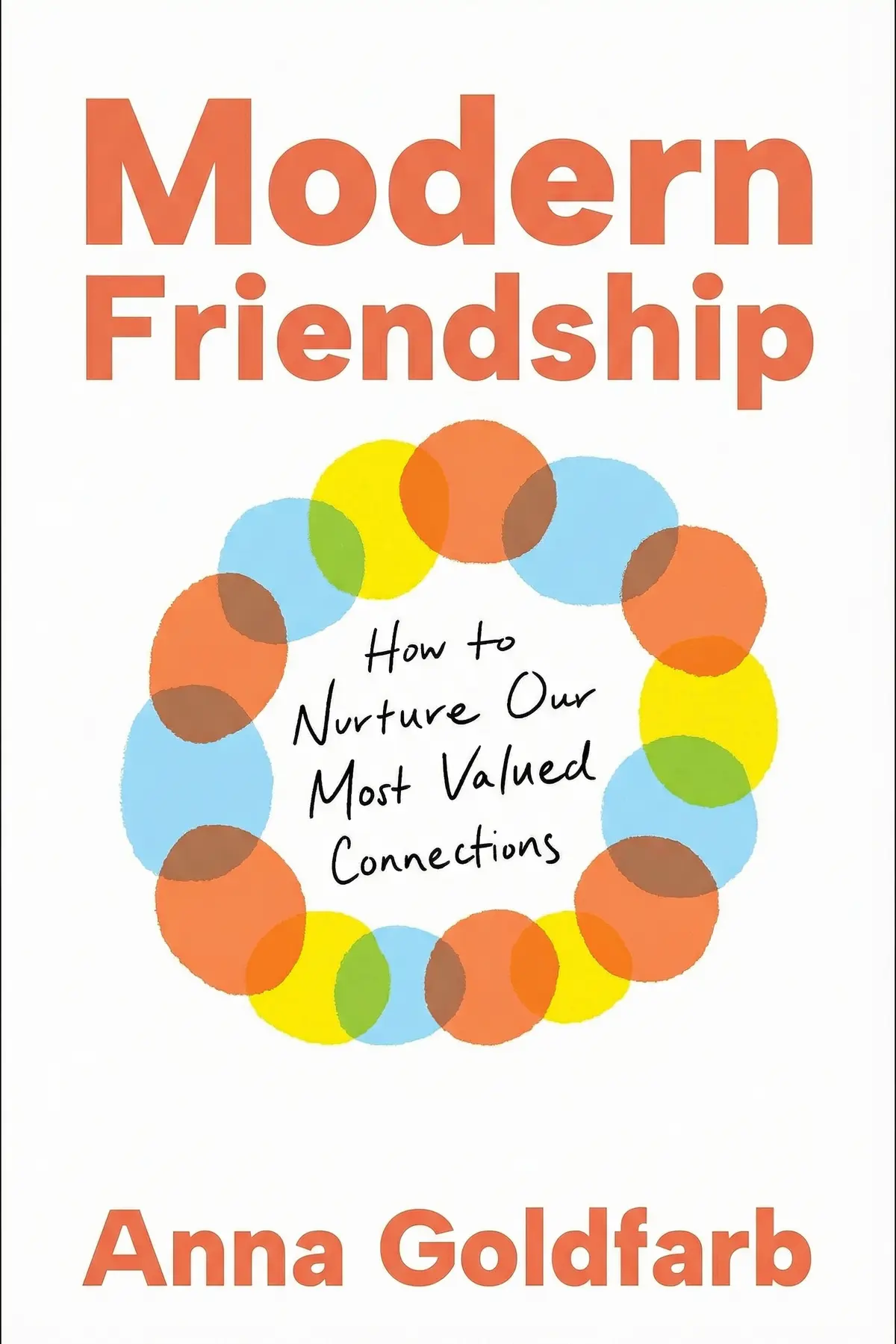
Table of Content
1. Introduction
1 min 22 sec
In our younger years, friendship often seems to happen by accident. You were thrown together in a classroom, lived on the same dorm floor, or played on the same sports team. But as we transition into adulthood, that natural glue of shared proximity begins to dissolve. Suddenly, keeping a friend requires more than just showing up to the same place at the same time; it requires a level of intentionality that many of us were never taught. You might find yourself looking at your phone, wondering why your circle is shrinking, or feeling hesitant to reach out to someone you haven’t spoken to in months.
Modern Friendship by Anna Goldfarb is a guide designed to navigate this often confusing landscape. It moves past the superficial advice of just ‘putting yourself out there’ and digs into the psychological and emotional mechanics that keep two people connected over the long haul. The throughline of this summary is the idea of becoming a ‘Wholehearted Friend’—someone who moves away from passive expectations and toward active, committed investment. We will explore the hard truths about why friendships change, the psychological needs that drive our choices, and the specific communication habits that separate lasting bonds from temporary acquaintances. By the end of this journey, you’ll have a clearer understanding of how to bridge the gap between the friendships you want and the reality of the relationships you currently have.
2. Confronting the Realities of Adult Connection
2 min 26 sec
Adult friendships are rarely as simple as we wish they were. Discover the six hard truths that will change how you view your social disappointments and relationship shifts.
3. Understanding the Psychological Drivers of Social Choice
1 min 56 sec
Why do we click with some people and distance ourselves from others? Explore how your basic human needs dictate your ‘Quality World’ and social patterns.
4. Mapping Your Social Ecosystem
1 min 50 sec
Not every friend can be your everything. Learn the eight vital roles friends play and how to diversify your support network for a more balanced life.
5. The Three Pillars of a Lasting Connection
2 min 10 sec
What is the ‘secret sauce’ that keeps a friendship alive for decades? It comes down to a triad of traits and a shared sense of purpose.
6. The Skill of Proactive Empathy
2 min 13 sec
Being a good friend is a skill you can practice. Discover the power of specific appreciation, practical support, and genuine curiosity.
7. Conclusion
1 min 34 sec
Building and maintaining adult friendships in the modern world can often feel like a full-time job, but the rewards are indispensable to our well-being. We’ve explored how to confront the hard realities of social disappointment and how to understand the psychological needs—like love, power, and fun—that draw us to others. We’ve looked at the importance of diversifying our social ecosystem and the ‘Three Ds’ that keep the engine of connection running: Desire, Diligence, and Delight.
The overarching takeaway from Modern Friendship is that you have the power to transform your social life by shifting from a passive observer to an active participant. You don’t have to wait for the ‘perfect’ friend to find you; you can start by being the friend who offers specific appreciation, the friend who provides practical support without being asked, and the friend who remains curious even after years of knowing someone.
As you move forward, take a moment to look at your inner circle. Identify one person you’ve been meaning to reach out to and send them a message with a clear ‘About.’ Instead of a vague ‘hello,’ offer a specific reason to connect or a specific bit of appreciation. By making these small, intentional choices, you bridge the gap between isolation and community, creating a life enriched by deep, resilient, and meaningful connections. Friendship is a practice, not a destination, and every small act of diligence brings you one step closer to the thriving social world you deserve.
About this book
What is this book about?
Modern Friendship addresses the unique challenges of maintaining close social ties in a fast-paced, often isolating adult world. While childhood friendships often form through proximity and shared schedules, adult connections require a much higher level of intentionality and emotional intelligence. The book explores why our social circles tend to shrink over time and how we can reverse that trend by becoming more proactive and empathetic participants in our own social lives. Goldfarb promises a shift in perspective, moving from a passive approach to friendship to one of active cultivation. She introduces psychological frameworks to help readers understand their own social motivations and the roles different friends play in their lives. By focusing on practical communication strategies—such as how to offer genuine comfort or how to express appreciation—the book provides a blueprint for building a supportive community that can withstand the pressures of modern life, career changes, and family obligations.
Book Information
About the Author
Anna Goldfarb
Anna Goldfarb is a renowned journalist and author specializing in the dynamics of modern friendships. She has gained prominence through her extensive coverage of friendship-related topics for the New York Times’ Smarter Living section and has contributed to major publications such as The Atlantic, TIME Magazine, and Vox.
Ratings & Reviews
Ratings at a glance
What people think
Listeners find the work both insightful and relatable, with one listener specifically noting the theory regarding distinct "pools" of potential friends. They also value its practical guidance, clear prose, and wit, calling the book a wonderful and hilarious read. Furthermore, the content earns praise for being intelligent and highly actionable. In contrast, the author's writing style draws a variety of mixed reactions from listeners.
Top reviews
Boss
As someone who has navigated the lonely waters of working from home for years, I found this to be a total breath of fresh air. Anna Goldfarb captures that specific, modern ache of wanting deeper connections but feeling too exhausted to initiate them. Her concept of the "igniter" role resonated deeply with me because I’m usually the one carrying the mental load of planning. Frankly, it was validating to see that dynamic analyzed through a research-backed lens rather than just feeling like a personal failure. The book is smart, empathetic, and occasionally quite funny in a self-deprecating way. While I didn't do every single workbook exercise, the ones I attempted helped me categorize my social circle into more manageable "pools." This isn't just a collection of platitudes; it’s an actionable guide for anyone feeling adrift in their thirties. I’ve already started being more intentional with my check-ins, and the results are tangible.
Show moreJiraporn
Wow, Goldfarb really hit the nail on the head with how draining it feels to be the one constantly making plans. I’ve always felt a bit resentful about being the "igniter," but this book helped me reframe that role as a strength. It’s an incredibly smart and hilarious look at why we struggle to maintain platonic bonds in a digital, fast-paced world. The advice is actionable, providing clear steps on how to nurture different "pools" of friends without feeling overwhelmed. I actually found the author's vulnerability about her own friendship failures to be the most helpful part. It made the whole process of self-improvement feel much less intimidating and more human. If you've ever felt like your social circle is shrinking and didn't know how to stop the bleed, buy this book. It’s a wonderful, tender manifesto for the importance of showing up for the people who matter.
Show moreKoi
Ever wonder why it's so much harder to maintain a social circle in your thirties than it was in your twenties? Anna Goldfarb answers that question with so much grace, humor, and actual data. This book felt like getting coffee with a very wise friend who isn't afraid to tell you where you’re messing up. I loved the emphasis on empathy and the practical breakdown of how to handle friendships that are naturally drifting apart. It made me feel so much more peaceful about my own social network and gave me the tools to be a better friend to those I value most. The writing is smart and sat-set (quick/direct), making it perfect for a busy professional. Even though I usually hate workbooks, the exercises here actually made me think about my priorities in a new way. This is a must-read for anyone who values their community but feels like they’ve lost the map.
Show moreDylan
Finally got around to reading this after a messy friendship breakup left me questioning my social skills. Goldfarb’s take on why friendships lapse was exactly what I needed to hear to stop spiraling into guilt. She explains that life shifts are normal and not every ending is a personal indictment of your character. I appreciated the smart, urban perspective on how capitalism and busy schedules actively work against our platonic bonds. The writing style is very casual—expect some profanity—but it feels like getting advice from a very smart, very honest older sister. Some stories were a bit cringy, yet they served a purpose in showing that nobody is a perfect friend all the time. I walked away with a few concrete strategies for being a better "igniter" without burning myself out in the process. It’s a solid 4-star read for anyone in a transitional season of life.
Show moreSamira
The chapter on how friendships lapse was exactly what I needed to hear this week as I navigate my 30s. It’s so easy to take it personally when people drift away, but this book redefines those moments as natural life cycles. I found the advice to be practical and grounded in real-world constraints like work-life balance and physical distance. While the workbook sections weren't really my thing, I still found the overall framework for "pools" of friends to be incredibly useful for my mental health. Not every friend needs to be a best friend, and accepting that has made me much more peaceful. The tone is very relatable and modern, though it does get a bit repetitive toward the middle of the book. Still, the smart emphasis on being an active participant in your social life is a kick in the pants I needed. It's an insightful guide for any introvert trying to expand their network.
Show moreTang
After hearing about the "friendship pools" concept on a podcast, I decided to buy the full book to help my social life. It provides a lot of tangible, research-based practices that go beyond just "be nice to people." To be fair, I skipped most of the workbook activities because I’m just not a therapy-homework kind of person. However, the anecdotes and the author’s chatty tone kept me engaged throughout the more repetitive sections. There’s a lot of empathy here for the modern struggle of juggling work, partners, and friends. I particularly appreciated the sections on navigating friendship breakups, which are rarely discussed with this much nuance. The book is easy to read and feels very current, dealing with the realities of our post-pandemic social fatigue. It’s a smart, practical guide that I’ll likely recommend to my fellow introverted friends who want to do better.
Show moreBrooklyn
The concept of organizing potential friends into different "pools" was definitely the highlight of this read for me. However, I have to be honest and say that much of the other advice felt a bit like a long-form magazine article stretched into a full book. The core message often boils down to being more considerate and showing up, which seems like common sense for most adults. To be fair, the author’s chatty and informal tone makes the pages fly by, even when the content feels repetitive. I struggled with some of the personal anecdotes, which occasionally felt a little bit self-centered or overly analytical for my taste. If you are someone who loves therapy homework or structured reflection exercises, you will likely get a lot more out of this than I did. It’s a decent primer for younger readers, but it didn’t offer the groundbreaking insights I was hoping for as an older reader.
Show moreCharlotte
Not what I expected from a friendship guide, as it reads much more like a workbook than a deep-dive sociology text. Personally, I found the core advice to be a bit surface-level, mostly urging the reader to be more empathetic and reliable. While these are great traits, I was looking for something a bit more groundbreaking or research-heavy. The first-person examples were a mixed bag; some were hilarious and relatable, while others felt like unnecessary filler. I think this would be a fantastic gift for a college graduate or someone in their early twenties who is just starting to navigate adult social dynamics. For those of us who have been in the trenches for a while, it might feel like a refresher course on things you've already learned the hard way. It’s a quick, easy read, but don't expect it to change your entire worldview on human connection. The profanity was a bit much at times too.
Show moreMoon
To be fair, I think I might just be the wrong audience for this specific writing style and format. The author is clearly very knowledgeable, but the chatty, profanity-laced tone occasionally felt like it was trying too hard to be "relatable." I also found the workbook aspect a bit distracting, as I prefer to read straight through rather than stopping for reflection exercises. That said, the insights on how urban life and capitalism affect our ability to stay connected were quite informative. It’s a decent book for someone who feels completely lost in their social life, but it felt a bit elementary for me. The advice essentially boils down to making an effort and being less selfish, which isn't exactly a revelation. It’s a fine read if you want something light and modern, but it didn't quite live up to the hype for me personally. 3.5 stars rounded down.
Show moreSirinat
Look, I really wanted to like this, but I couldn't get past the author's personal stories throughout the chapters. Many of the anecdotes left me feeling like Goldfarb was actually the difficult friend in the relationship, which made it hard to trust her guidance. The advice is remarkably basic—remind people you care, be empathetic, and make an effort to see them. Do we really need a whole book and a workbook for that? I found the writing style to be a bit too "high maintenance" and the constant over-analysis of small interactions felt exhausting rather than helpful. Maybe I’m just not the target audience, as I don't enjoy the "therapy homework" vibe of the reflection exercises. It felt like a classic case of an author trying to turn a few good insights into a manual. There are better books on platonic relationships out there that don't feel quite this revisionist or repetitive.
Show moreReaders also enjoyed
AUDIO SUMMARY AVAILABLE
Listen to Modern Friendship in 15 minutes
Get the key ideas from Modern Friendship by Anna Goldfarb, plus 5,000+ more titles in English and Thai.
- 5,000+ titles
- Listen as much as you want
- 7-day free trial
- Cancel anytime







