
19 min 15 sec
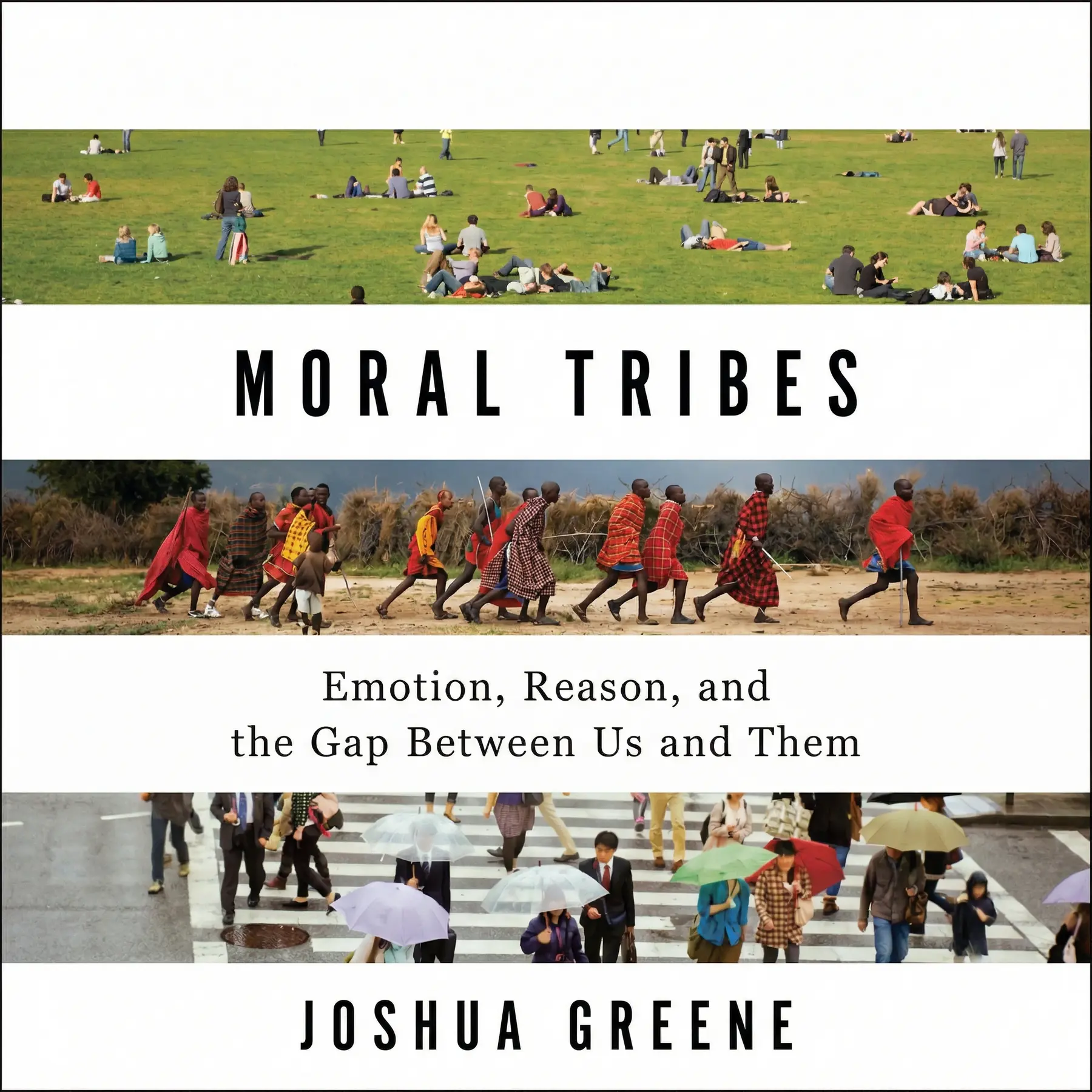
Moral Tribes: Emotion, Reason, and the Gap Between Us and Them
Moral Tribes examines the evolutionary roots of our modern social conflicts, explaining how our brains are wired for local cooperation but struggle to bridge the gap between competing groups in a globalized world.
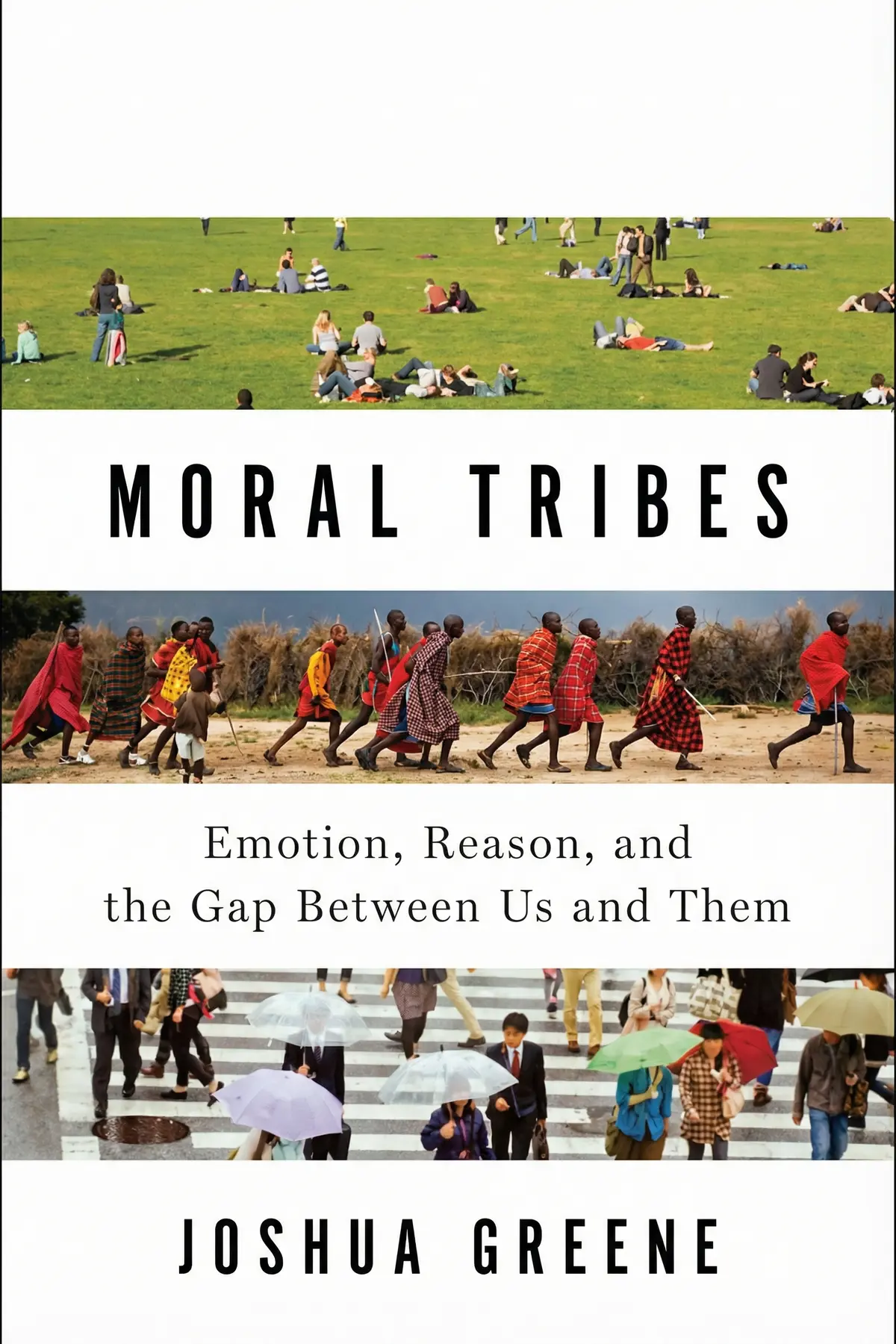
Table of Content
1. Introduction
2 min 11 sec
In today’s world, it feels as though we are constantly surrounded by friction. Whether you scroll through social media, watch the evening news, or listen to a heated debate at a dinner table, the atmosphere is often polarized. It seems that for every major issue—from healthcare and the environment to social justice—there are two sides that are not only in disagreement but are also convinced that they alone hold the moral high ground. This isn’t just a matter of different opinions; it feels like a clash of fundamental identities.
But why is it so difficult for us to see eye-to-eye? In Moral Tribes, Joshua Greene argues that the answer lies deep within our biological history. Our brains were sculpted by evolution to solve a very specific problem: how to get a small group of individuals to cooperate with one another. We are essentially designed to be tribal. This served our ancestors well when survival depended on the strength of the pack, but in a modern, interconnected world, this same biological hardware creates a massive glitch. We are excellent at cooperating with ‘Us,’ but we are naturally suspicious of, and often hostile toward, ‘Them.’
Throughout this summary, we will explore the internal mechanisms that drive these conflicts. We’ll look at why our intuitive sense of right and wrong—what Greene calls ‘commonsense morality’—is actually a primary source of modern tragedy. We will also examine the famous ‘Prisoner’s Dilemma’ to understand the mechanics of trust and why selfishness can be so destructive.
More importantly, we will discover a way out. By understanding the difference between our brain’s ‘automatic’ and ‘manual’ modes, we can begin to build a shared moral language based on reason and compassion rather than gut instinct. The throughline of this journey is simple but profound: if we want to thrive in a global society, we must learn to outsmart our own evolution. We need to move toward a more pragmatic, utilitarian approach that values the happiness and rights of all people, regardless of the tribe they call home. Let’s dive in and see how we can start closing the gap between us and them.
2. The Biological Roots of Cooperation and Conflict
2 min 27 sec
Discover how evolution shaped us to be master cooperators within our own circles, while inadvertently creating the perfect recipe for intergroup war.
3. Trust and the Prisoner’s Dilemma
2 min 29 sec
Why do we betray each other when cooperation benefits everyone? Discover how morality acts as the hidden machinery that transforms self-interest into mutual trust—and why extending that trust beyond our inner circle is humanity’s greatest challenge.
4. Utilitarianism and the Calculation of Happiness
2 min 38 sec
Most people recoil at pushing a stranger off a bridge to save five lives—but what if that same logic applied to slavery or war? Discover why utilitarianism offers the only common language tribes can actually share.
5. The Dual-Process Brain: Automatic vs. Manual Mode
2 min 33 sec
Your brain runs on autopilot most of the time—but that’s exactly why you struggle with moral decisions. Discover how switching to manual mode unlocks your capacity to think beyond tribal instincts.
6. The Limits and Levers of Empathy
2 min 27 sec
Your empathy feels universal, but it’s actually a local bias that blinds you to massive moral inconsistencies. Discover why reason, not emotion, must guide where your compassion truly matters.
7. Finding Common Ground Through Pragmatism
2 min 20 sec
Stop debating who’s right and start asking what actually works. Discover how shifting from abstract principles to real-world consequences can transform impossible moral standoffs into solvable problems.
8. Conclusion
2 min 10 sec
As we have seen, the path to a more peaceful and cooperative world isn’t through finding the ‘one true’ morality. Instead, it’s through understanding the limitations of the moralities we already have. Our brains are masterpieces of evolutionary engineering, designed to turn ‘Me’ into ‘Us.’ But they are also inherently biased, designed to view ‘Them’ as a threat. We are living in a global society with biological hardware designed for a small tribe.
This mismatch is the source of our most persistent conflicts, but it doesn’t have to be our destiny. The key is to recognize when our ‘automatic mode’ is leading us astray. When you feel that surge of righteous anger or that absolute certainty that your side is right and the other side is evil, that is your tribal brain talking. That is the ‘point-and-shoot’ setting. In those moments, the most moral thing you can do is to stop, take a breath, and engage your ‘manual mode.’
One actionable way to do this is to embrace intellectual humility. The next time you find yourself in a heated debate about a complex policy, try to explain the actual mechanics of how that policy would work. Most of us have strong opinions on things we don’t fully understand. When we force ourselves to look at the details—the actual ‘how’ and ‘what’ of the consequences—we often realize that our certainty was just a tribal reflex. This realization makes us more open to other perspectives and more likely to find a pragmatic solution.
Ultimately, Joshua Greene’s message in Moral Tribes is one of hope. We have the capacity for deep reasoning and global compassion. By choosing to speak the shared language of utilitarianism—by focusing on the tangible happiness and suffering of all human beings—we can begin to bridge the gaps that have divided us for millennia. We can move past the tragedies of the commons and of commonsense morality, and finally learn how to live together as one single, global tribe.
About this book
What is this book about?
Have you ever wondered why political and social debates feel less like a search for truth and more like a battle between two warring sides? Moral Tribes dives into the psychological and biological reasons behind this deep-seated tribalism. Author Joshua Greene, a neuroscientist and philosopher, explains that while evolution equipped humans with a 'moral compass' to help us get along within our own groups, it failed to provide us with a universal setting for getting along with 'them'—the people whose values differ from our own. This book promises to provide a new framework for resolving these seemingly impossible disagreements. By understanding the 'dual-process' nature of our brains—which switch between emotional, automatic reactions and slow, deliberate reasoning—we can learn to step back from our tribal instincts. Greene introduces utilitarianism not just as an abstract philosophy, but as a practical, common-sense language for a global society. The goal is to move past 'commonsense morality,' which often leads to conflict, and toward a pragmatic approach that maximizes happiness and reduces suffering for everyone, regardless of which tribe they belong to.
Book Information
About the Author
Joshua Greene
Joshua Greene is a multi-disciplinary scholar who has significantly influenced the fields of philosophy, psychology, and neuroscience. He completed his studies at Harvard and Princeton Universities, where he began exploring the intersections of brain science and moral ethics. His groundbreaking research on how the brain processes moral dilemmas has been featured in major publications like the New York Times. Currently, Greene serves as a professor of psychology at Harvard University, where he continues to lead the Moral Cognition Lab, investigating the underlying mechanisms of human decision-making and social conflict.
Ratings & Reviews
Ratings at a glance
What people think
Listeners find the work engaging and skillfully composed, with one listener noting how it integrates philosophy with psychology. Furthermore, the material is intellectual and profound, serving as essential listening for grasping modern moral psychology. Additionally, the tempo is well-regarded, with one review highlighting how it aids in managing individual and collective dynamics within a social environment.
Top reviews
Selin
Joshua Greene manages to bridge the gap between hard neuroscience and abstract ethics in a way that feels both urgent and intellectually satisfying. I loved the deep dive into how our brains process "Me vs. Us" and why that differs so wildly from "Us vs. Them." The writing is heady but remains incredibly accessible, making complex fMRI data feel relevant to our daily social interactions. While some of the philosophical arguments for "deep pragmatism" get a bit dense, the core insights into tribalism are essential for anyone trying to navigate our polarized world. It is a compelling look at the "automatic" versus "manual" settings of our moral minds.
Show moreSomrutai
As someone fascinated by fMRI studies and the biological roots of behavior, this was exactly what I was looking for. Greene’s Moral Cognition Lab at Harvard has done incredible work, and seeing it synthesized here is a treat. The distinction between the amygdala's emotional reactions and the prefrontal cortex's rational calculations explains so much about our "gut" reactions to controversy. The book is heady, but it never feels pretentious. It’s a contemporary masterpiece of moral psychology that forces you to confront the "tragedy of commonsense morality." If you want to understand why your brain is wired for tribalism, look no further.
Show moreMia
Wow, this really changed how I view political conflict. I used to think people on the "other side" were just irrational, but Greene shows how they are actually following a different set of deeply ingrained "automatic" moral rules. The way he uses the Tragedy of the Commons to explain modern political tribalism is genius. It's a compelling, well-written journey through the human mind that balances rigorous science with big-picture thinking. Some might find the focus on trolley problems a bit repetitive, but it’s a necessary foundation for his larger points about utilitarianism. This is essential reading for the 21st century.
Show moreNong
Ever wonder why we can't just get along? This book provides the best explanation I’ve seen for why "good" people are so frequently divided by politics and religion. Greene argues that our moral instincts are evolved for small-group cooperation, which makes them disastrously ill-equipped for global, multi-tribe issues. The pace of the book is excellent; it flows naturally from psychological experiments to broader social implications without feeling like a textbook. It’s a must-read if you want to understand the "biased fairness" that plagues our current cultural climate. It’s eye-opening and deeply insightful, even if you don’t agree with every utilitarian conclusion.
Show moreJoy
Picked this up on a whim and found it surprisingly emotional in parts. There's a section on how we view "statistics" versus "identifiable victims" that really made me rethink my own charitable giving and empathy. The author’s tone is conversational yet authoritative, blending heavy research with practical advice on managing personal and group relations. I did think the chapter on abortion was a bit of a missed opportunity, as it felt like it oversimplified the deeply held "rights" arguments on both sides. However, the overall message about switching our moral brains to "manual mode" is a powerful tool for self-reflection.
Show moreRod
The camera metaphor is what stayed with me long after I finished the last page. Our brains have these "automatic settings" for everyday life within our own tribe, but we need to switch to "manual" when we deal with other groups. It’s a simple but profound way to think about why we fail to communicate across political divides. Greene’s writing is well-paced and he has a knack for explaining complex game theory without losing the reader. I appreciated how he addressed the flaws in our innate sense of fairness. It’s a heady, insightful book that serves as a vital toolkit for social living.
Show moreKek
After hearing about Greene's work in a college psych course, I had to dive into the full text. It’s a fascinating combination of philosophy and psychology that explores why humans are simultaneously the most cooperative and most conflict-prone species. The discussion on "biased fairness" was particularly striking—it’s scary how easily we convince ourselves that what benefits us is actually the "moral" choice. While the book is long and sometimes talks down to the reader, the insights into in-group preferences are invaluable. It really helps you manage your own biases in a social environment once you see how they work.
Show moreHemp
Finally got around to this classic, and it mostly lives up to the hype. Greene is a brilliant thinker who manages to make "deep pragmatism" sound like the only logical way forward in a world of clashing values. The pacing is mostly good, though it drags a little when he gets into the weeds of philosophical rebuttals. Truth is, the most valuable part is the psychological data—like the fact that even infants have in-group preferences. It’s a heady read that provides a necessary framework for understanding contemporary moral psychology. A bit long, but definitely worth the investment for the perspective shift.
Show moreNora
The science here is top-tier, but the philosophical portions didn't quite land for me. Greene spends an enormous amount of time on "Trolley-ology," which is fascinating for the first fifty pages but starts to feel repetitive after a while. I was hoping for more data on how groups form in modern, non-geographical societies rather than just hypothetical switches and footbridges. To be fair, his explanation of the interplay between emotion and reason is brilliant, yet I found his defense of utilitarianism a bit too defensive and over-qualified. It's a solid read that could have been much tighter with a more aggressive editor.
Show moreJiraporn
Frankly, the utilitarianism defense felt weak and took up way too much of the book's second half. I came for the evolutionary psychology and the cool brain scans, not a several-hundred-page apology for a philosophy that often ignores individual rights. Greene tries so hard to make utilitarianism seem "pragmatic" that he ends up watering it down until it’s just common sense. The "manual mode" metaphor is okay, but I don't think it justifies the dismissal of deontological ethics as mere "rationalization." It’s an okay read for the science, but the philosophy is a bit of a slog and fairly unconvincing.
Show moreReaders also enjoyed
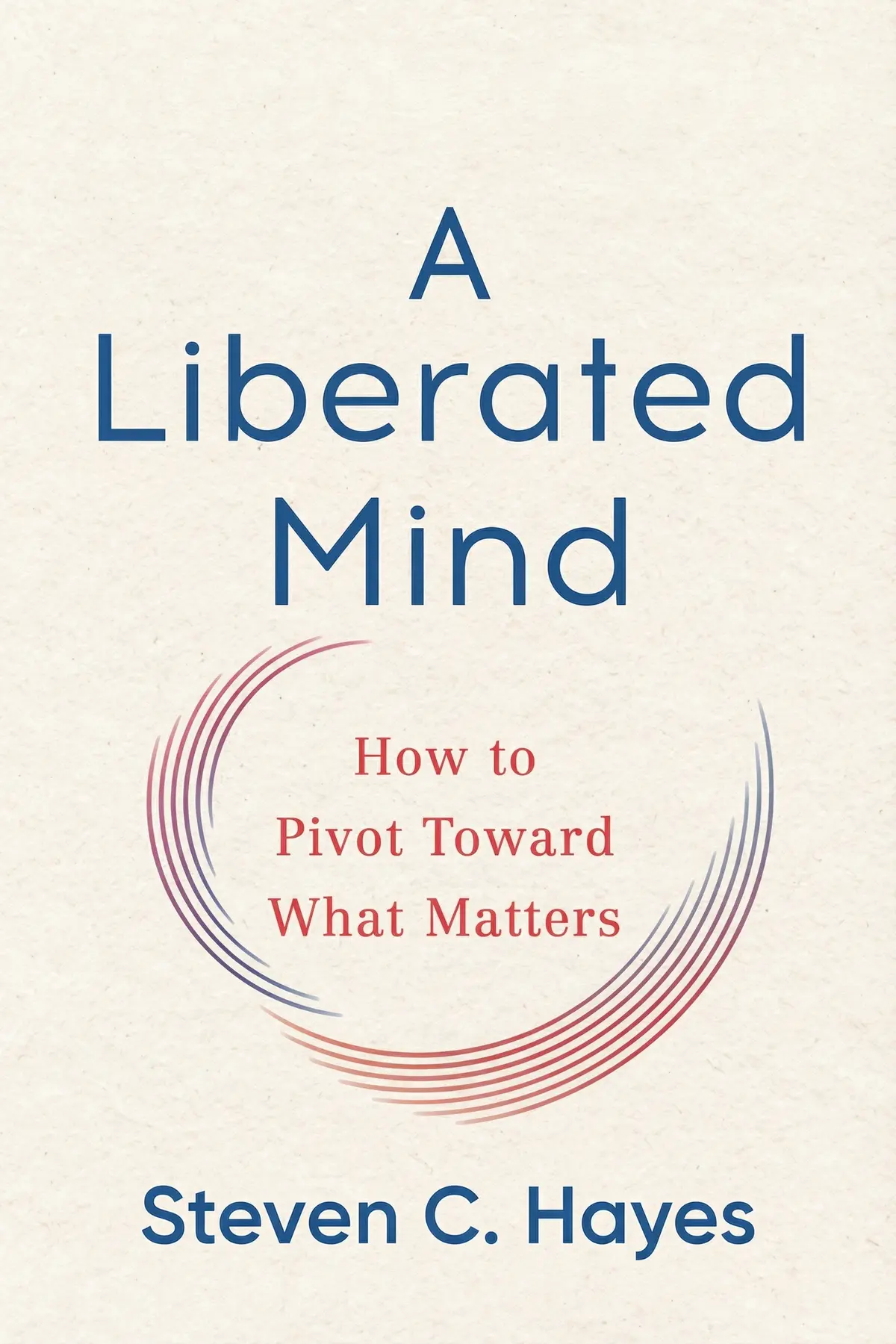
A Liberated Mind: How to Pivot Toward What Matters
Steven C. Hayes
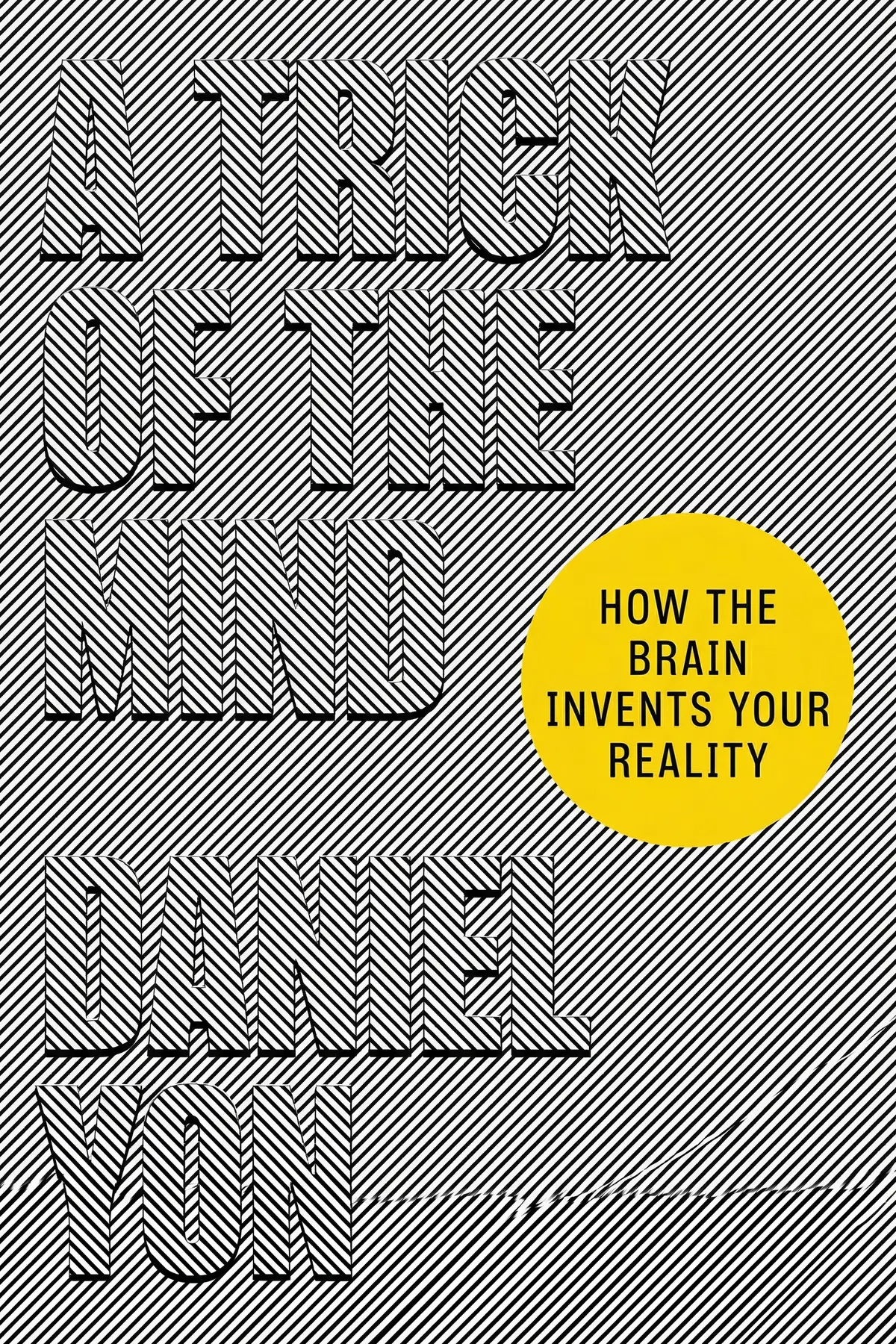
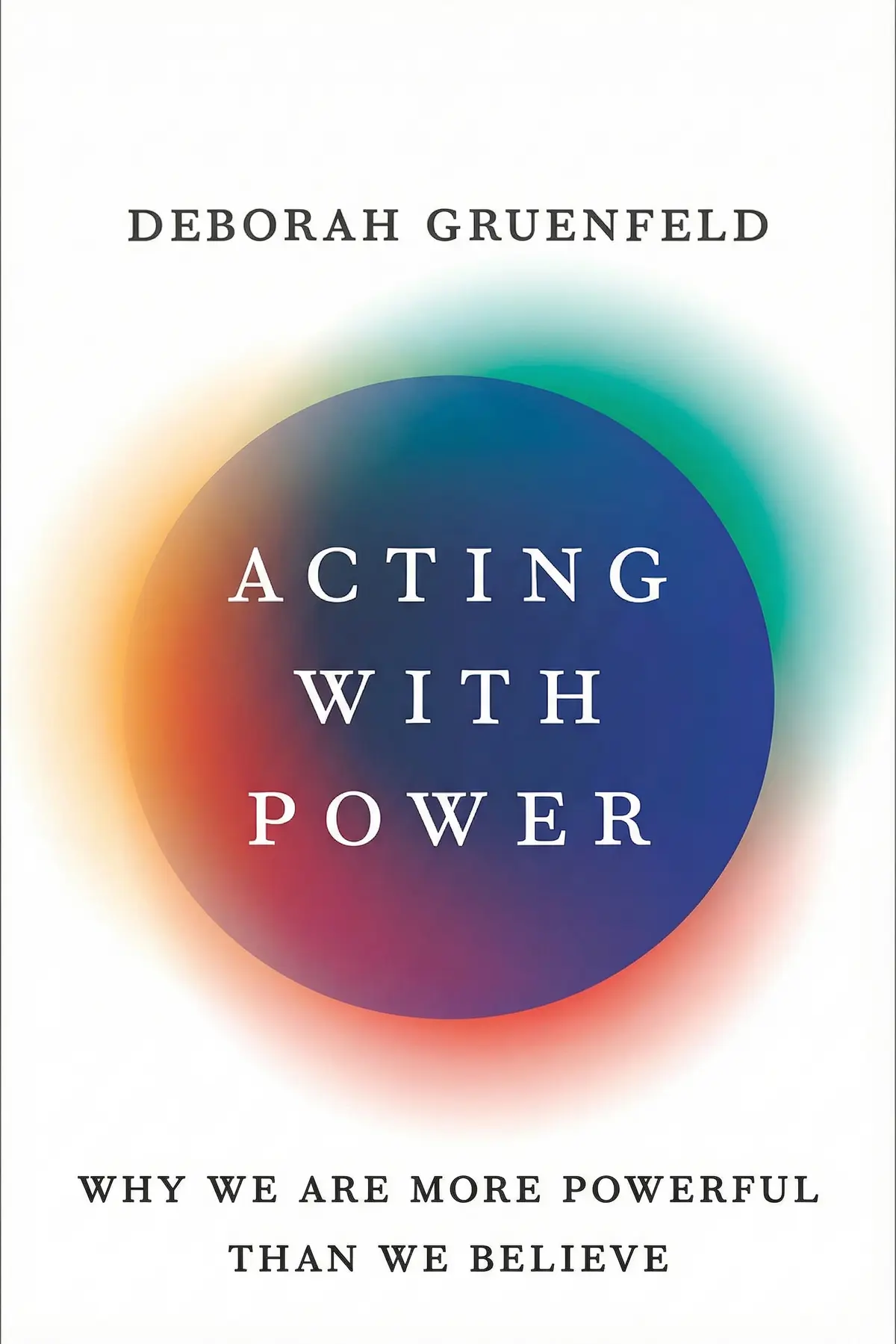
Acting with Power: Why We Are More Powerful Than We Believe
Deborah Gruenfeld
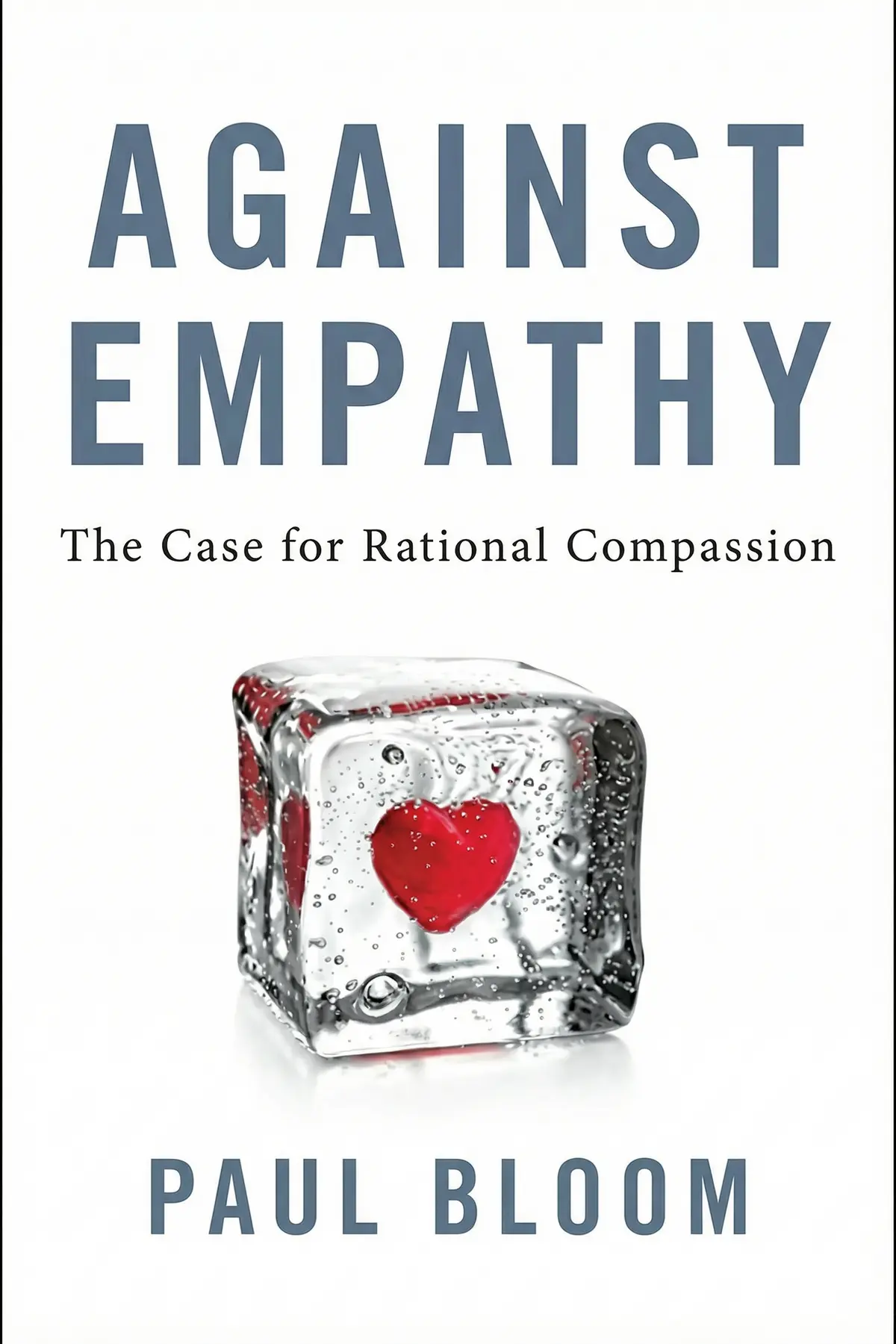
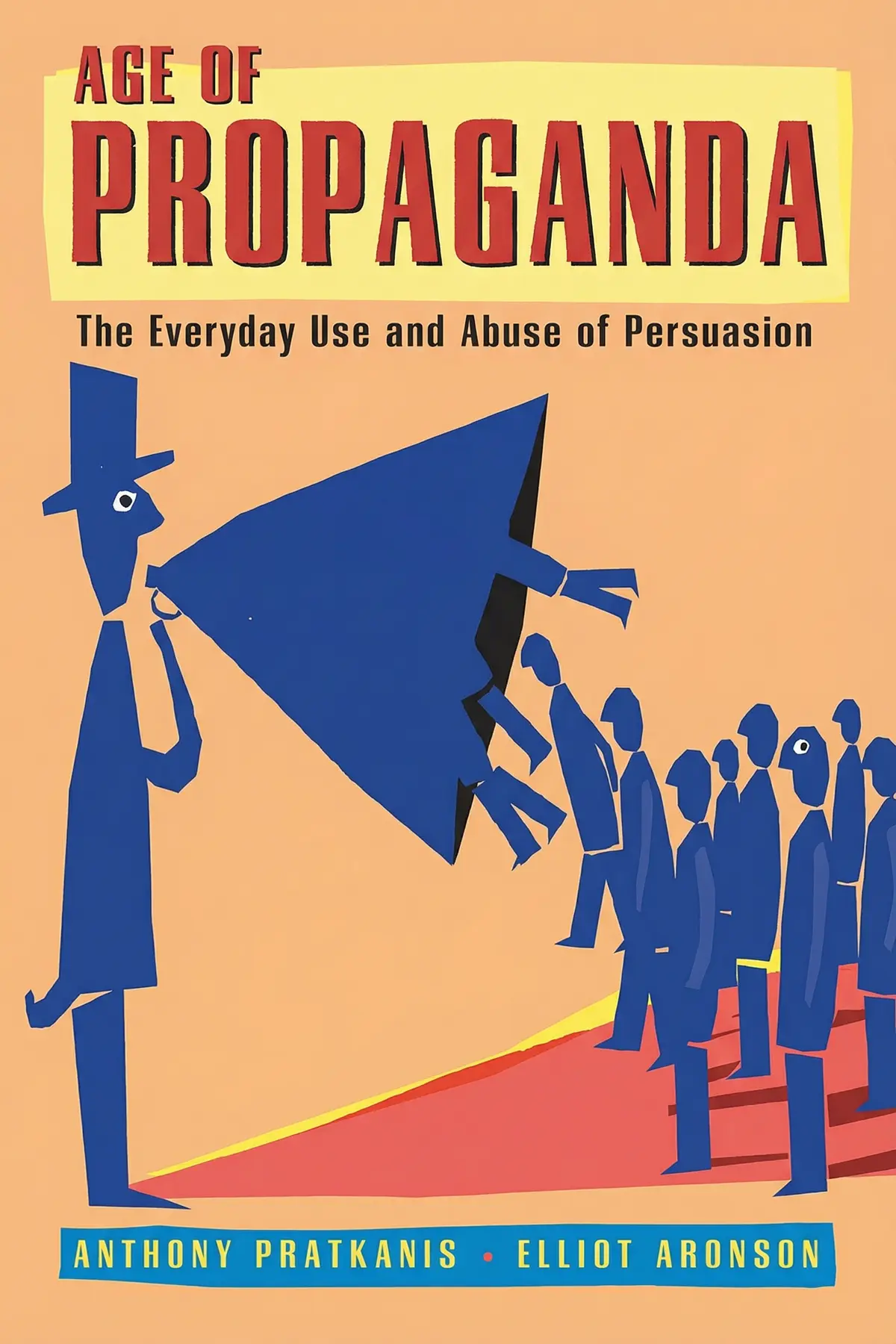
Age of Propaganda: The Everyday Use and Abuse of Persuasion
Anthony Pratkanis

AUDIO SUMMARY AVAILABLE
Listen to Moral Tribes in 15 minutes
Get the key ideas from Moral Tribes by Joshua Greene, plus 5,000+ more titles in English and Thai.
- 5,000+ titles
- Listen as much as you want
- 7-day free trial
- Cancel anytime







