
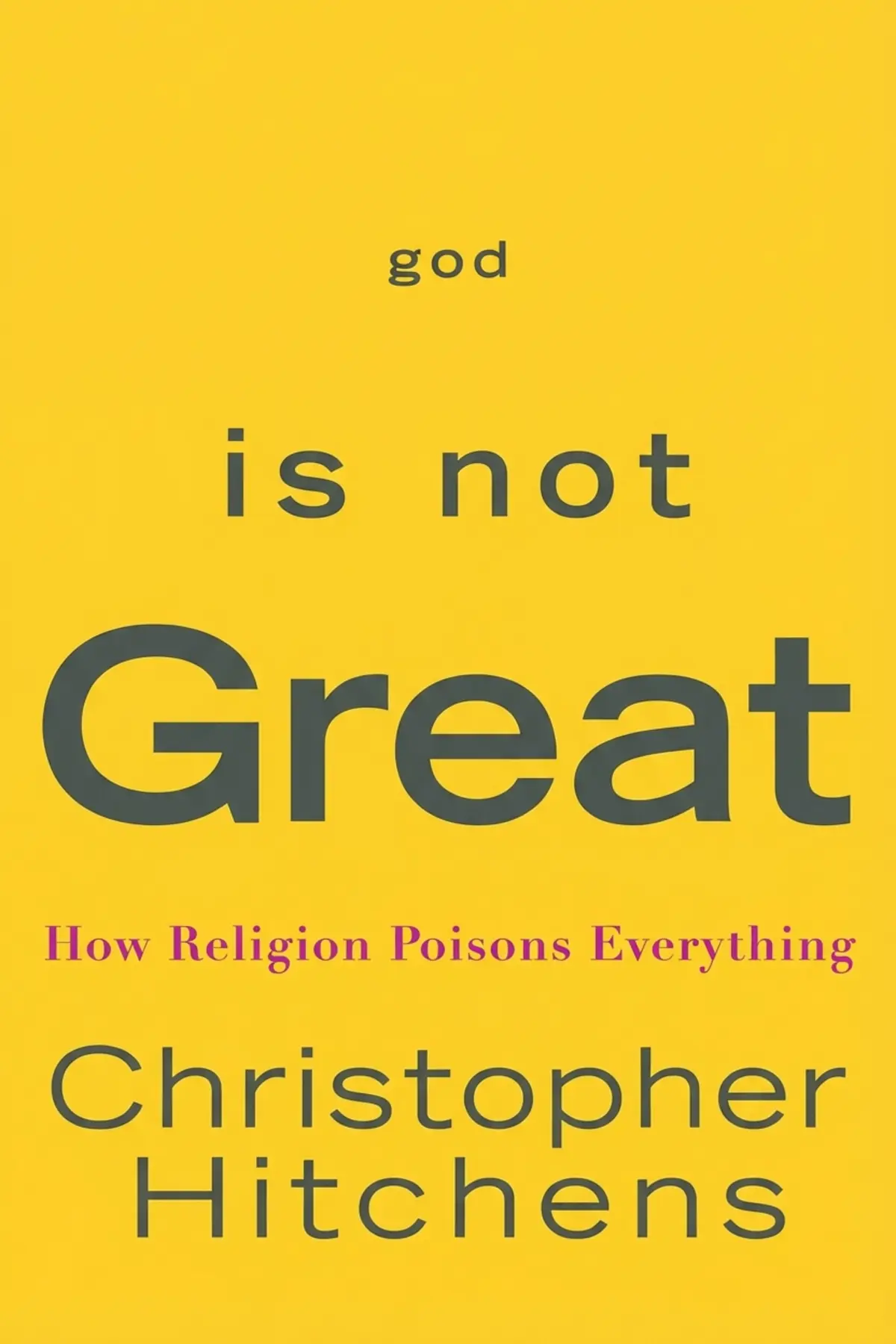
God Is Not Great: How Religion Poisons Everything
Christopher Hitchens
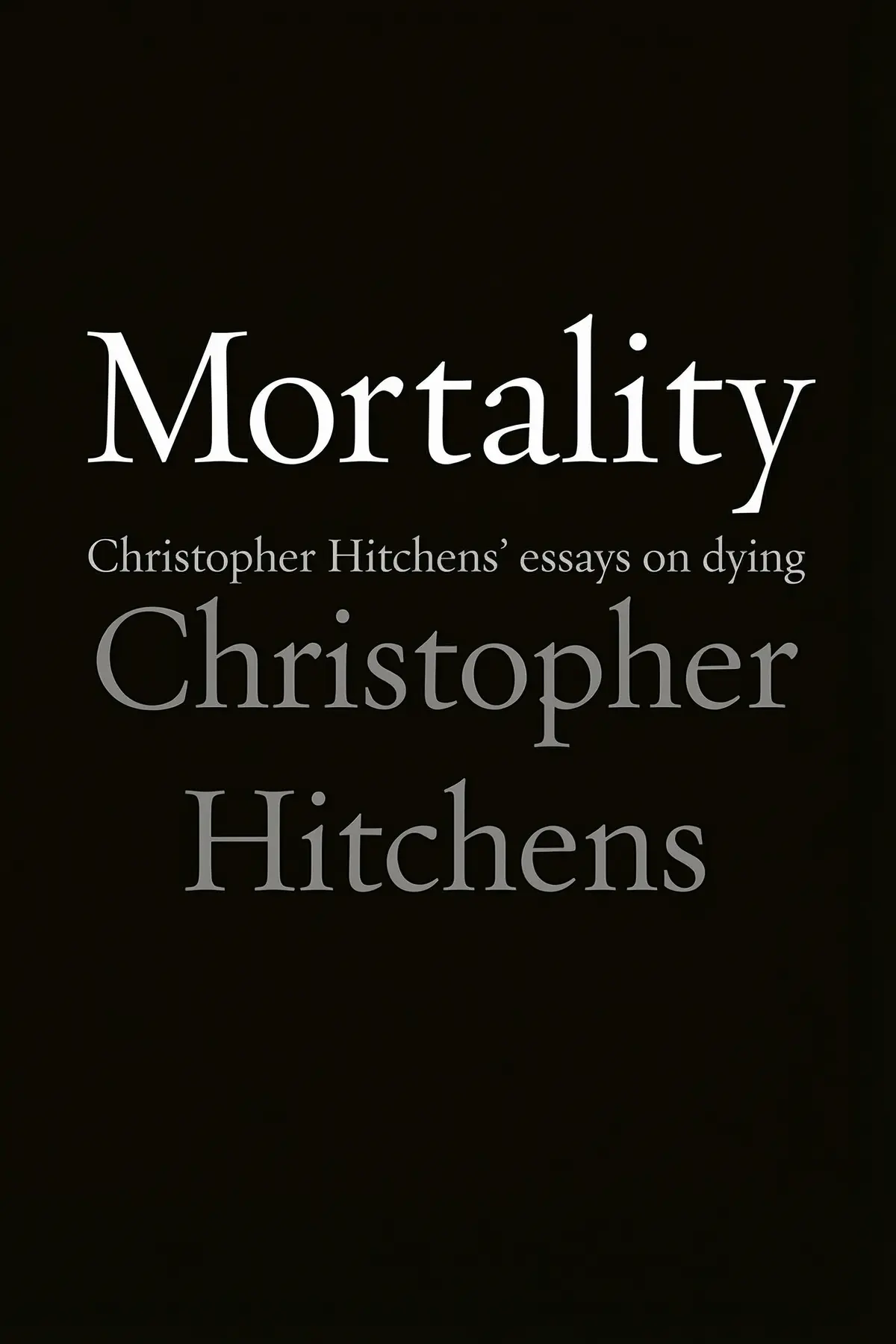
A poignant and intellectually sharp reflection on the final year of a renowned thinker’s life. It explores the physical and social realities of terminal cancer while maintaining a steadfast commitment to secular reason.
1 min 34 sec
Most of us go through our daily routines with a comfortable sense of permanence. We make plans for next year, we save for a distant retirement, and we assume that the gift of life is something we will possess for a long, predictable span of time. But every so often, we are given a stark reminder that our existence is incredibly fragile and fleeting. For Christopher Hitchens, that reminder arrived with the force of a thunderbolt in 2010. While on a tour for his memoir, the prolific writer and thinker collapsed, leading to a diagnosis of esophageal cancer. He was told he likely had less than a year to live.
What follows is not a story of a miraculous recovery or a sudden spiritual awakening. Instead, it is an unflinching look at the reality of dying from the perspective of a man who refused to let go of his critical faculties or his commitment to the truth, however uncomfortable that truth might be. Hitchens spent his final months exploring a profound and difficult question: How does it feel to live when you know the end is right around the corner?
In this summary, we will walk through Hitchens’s final reflections. We will examine the social friction that arises when death enters a room, the physical and psychological toll of aggressive medical treatment, and the ways in which a person’s core identity is tested by the proximity of the grave. This is a journey through the transition from the world of the healthy to the territory of the terminally ill, offering a rare glimpse into the mind of a thinker who remained a dedicated observer of his own demise until the very end.
2 min 37 sec
Discover why the way we talk to the terminally ill often fails both the speaker and the patient, and how honesty can bridge that gap.
2 min 19 sec
Explore the harsh reality that some struggles do not build character, but instead lead to a slow and painful erosion of the self.
2 min 11 sec
Consider why the pressure to find faith in one’s final moments can be an affront to a lifetime of intellectual honesty.
2 min 10 sec
Reflect on how the ability to speak is tied to our very identity and what happens when that fundamental connection is severed.
2 min 03 sec
Examine the tension between cutting-edge medical potential and the religious dogmas that sometimes stand in its way.
1 min 36 sec
As we reach the end of Christopher Hitchens’s reflections, we are left with a portrait of a man who looked into the abyss and refused to blink. Mortality is a subject that most of us spend our lives trying to avoid, yet Hitchens demonstrates that there is a profound, albeit painful, clarity to be found in facing it directly. His journey reminds us that life is not just a sequence of years, but a collection of experiences, relationships, and intellectual engagements that are all tied to our physical presence.
Through his experiences in ‘Tumortown,’ as he sometimes called it, we see the necessity of empathy and honesty in how we treat those facing the end of their lives. We are reminded that the phrases we use to comfort others are often more for our own benefit than theirs. Most importantly, we are encouraged to value the things that truly define us—our voices, our convictions, and our curiosity—even as they are threatened by time and illness. Hitchens’s final essays challenge us to live with the same intellectual rigor and honesty that he maintained until his last breath. They ask us to consider what we would stand for if we knew our time was short, and to advocate for a world where reason and science are given the space to flourish for the benefit of all. In the end, Hitchens’s account is not just about the end of a life; it is a testament to the enduring power of the human spirit to seek truth, even in the most difficult of circumstances.
This book is far more than a simple memoir of illness; it is a front-line dispatch from the boundary between existence and the unknown. It chronicles the final year of Christopher Hitchens, a man who dedicated his life to the power of the written and spoken word, as he confronts a terminal diagnosis that threatens to silence him. Through a series of deeply personal and intellectually rigorous essays, the narrative explores the shift from being a healthy member of society to becoming a resident of what Hitchens calls the land of the sick. It promises a raw, unsentimental look at the reality of the human condition, the failings of our social etiquette surrounding death, and the importance of maintaining one's convictions even when faced with the ultimate end. It is a meditation on what makes life worth living and how we might maintain our dignity when that life is cut short.
A journalist, author, literary critic, and political activist, Christopher Hitchens focused on the topics of religion, science, and atheism. He died in December 2011.
Christopher Hitchens
Christopher Hitchens
Christopher Hitchens
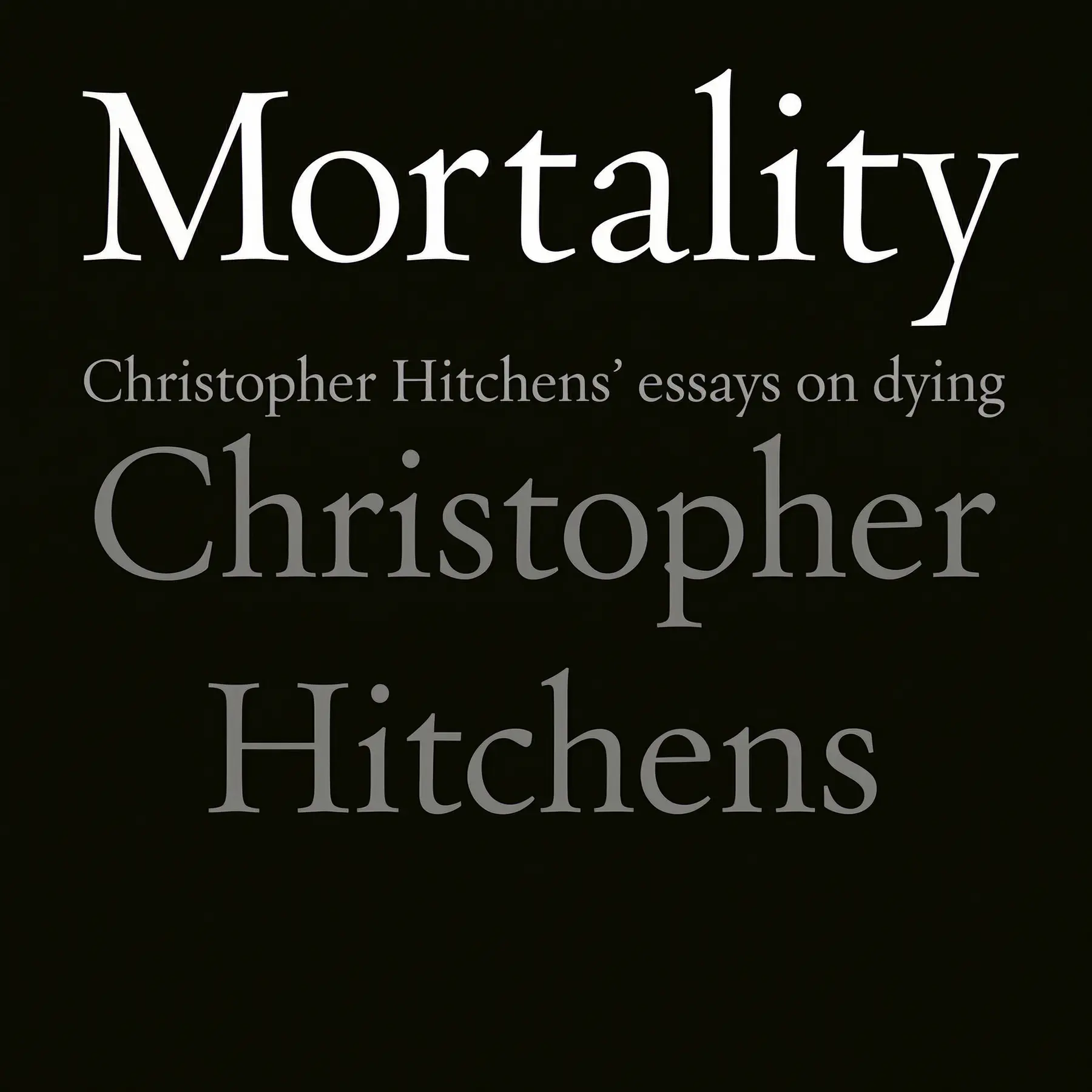
Listeners consider this work an exceptional experience, especially emphasizing it as essential for followers of Hitchens. Additionally, the prose is easy to engage with and deeply moving, offering poignant insights that avoid being overly sentimental. Listeners value the flow of the narrative, with one describing it as a complex book relating to life, and they enjoy the humor, remarking on how Hitchens maintains his wit alongside his honesty. The work earns praise for its stimulating ideas, with one review highlighting its sharp observations about human beliefs. Nevertheless, listeners have varied feelings regarding the total length, pointing out that the piece is quite brief.
Picked this up during a difficult season of my own, and it was exactly the bracing tonic I needed. Hitchens faces "Tumortown" with the same caustic wit and razor-sharp logic that defined his entire career as a polemicist. There is absolutely no sentimentality here, which is a massive relief compared to most memoirs about illness. He discusses the loss of his voice—the very tool of his trade—with a poignant clarity that stayed with me long after I finished the final page. Look, the book is incredibly short, but every sentence carries weight and a certain defiant energy. He refuses to indulge in false hope or religious platitudes, remaining a staunch materialist until the very end. It’s a masterclass in how to maintain one's dignity and intellect while the body slowly betrays itself. This is essential reading for anyone who values honesty over comfort.
Show moreFew writers possess the courage to document their own decline with such unflinching transparency. Hitchens remains a voice of truth, balancing logic and wit even as he navigates the "alien invasion" of his own cells. I love how he rejects the sugary, maudlin advice often forced upon the dying in favor of a clear-eyed look at the medical "roadblocks" ahead. The humor is dark, as expected, but it never feels forced or performative. In my experience, most books about death try too hard to find a silver lining, but Hitchens is content to let the darkness be dark. He proves that one can be "alive" and provocative right up until the transmission belts finally stop. It’s a complex, moving, and ultimately empowering read that avoids every possible cliché. We truly won't see his like again in the literary world.
Show moreAs someone who has lost a parent to cancer, I found Hitchens’ description of "Tumortown" to be painfully accurate. He captures that sense of entering a foreign country where the language is all medical jargon and the landscape is defined by pain. The book is remarkably free of self-pity, which makes his eventual loss of speech feel even more tragic. I appreciated how he called out the "cultural cult of positive thinking" that often makes patients feel like they aren't fighting hard enough. His wit remains intact throughout, providing brief flashes of light in a very dark subject. It’s a universal story told by a man who refused to be anything other than himself. The unfinished notes at the end are a haunting reminder of a mind that was still working until the very last second. This is a profound testament to a life well-lived.
Show moreTranscendent and terrifying. Hitchens takes a subject most people spend their lives avoiding and stares it down with a magnifying glass. There are no happy endings here, just the "stark backing" of a mirror that reflects what it truly means to be human. His prose is as sharp as a scalpel, cutting through the nonsense of religious "mercy" and the idiocy of "what doesn't kill you." It’s a short read but carries more weight than most 500-page biographies. Frankly, if you want a book that will make you think about your own existence without the sugar-coating, this is it. He remained a brilliant stylist until the end. Ten stars if I could.
Show moreAfter hearing so much about 'the Hitch' over the years, I finally sat down with his final work. The writing is remarkably accessible, stripping away the usual academic jargon to reveal a man grappling with the banal reality of a terminal diagnosis. I was particularly struck by his observations on the language of cancer, especially the tired "battle" metaphors we use to describe patients. He manages to be funny and sardonic even when describing the grueling side effects of chemotherapy and radiation. My only real complaint is the length; it feels more like a series of disjointed essays than a cohesive book. Some sections feel like rough notes, which I suppose is understandable given the circumstances. Still, his sharp observations about human belief systems provide plenty of food for thought. It’s a touching, if brief, testament to a brilliant mind.
Show moreThe chapter on the loss of voice is perhaps the most devastating thing I’ve read all year. For a man who lived by his speech, watching that connection to the world sever in real-time is a unique kind of horror. Hitchens handles it with a mix of grim humor and intellectual curiosity that is truly singular. He explores the paradoxes of prayer and the cruelty of those who claimed his illness was divine retribution for his atheism. Personally, I found his deconstruction of the "whatever doesn't kill you makes you stronger" cliché to be incredibly cathartic and long overdue. The prose is dense but rewarding, requiring a level of attention that most modern memoirs don't demand. It isn't a "feel-good" book by any stretch of the imagination, but it is a profoundly honest one. It makes you confront your own mortality without the safety net of superstition.
Show moreFinally got around to reading this and wow, it’s a heavy one despite being less than 150 pages. Hitchens doesn't pull any punches when describing the "suffocating world" of endless hospital tests and treatments. He has this amazing way of making complex philosophical questions feel urgent and personal. I found myself highlighting entire paragraphs, especially his thoughts on why we fear the end of our consciousness. Gotta say, his refusal to "bare his soul" in a sentimental way actually made the book more powerful for me. It felt more authentic to his character as a public intellectual and a skeptic. Some might find it a bit wordy or academic in parts, but the honesty is undeniable. It’s a sharp, unsentimental look at the one thing we all have to face eventually. Definitely a book that sticks with you.
Show moreEver wonder how a professional provocateur handles the end? Hitchens provides the answer with a series of essays that are as biting as they are insightful. He treats his own body like a laboratory, observing the "torture" of chemotherapy with a detached, almost scientific curiosity. I found his rules for medical etiquette to be particularly enlightening, especially for those of us who never know what to say to a dying friend. To be fair, the book is extremely thin and feels like it was cut short by the very thing it describes. You can see the struggle in the prose as his energy wanes toward the final chapters. Yet, his commitment to logic and reason never wavers for a second. It’s a touching, witty, and deeply brave final contribution to the world of letters. Every fan of "The Hitch" needs to read this.
Show moreIs it possible for a book to be too intellectual for its own subject matter? While I respect Hitchens immensely, Mortality often feels like it's keeping the reader at arm's length. He spends a lot of time on Nietzsche and the philosophy of suffering, but I wanted more of the personal, "down-to-earth" reflections found in his wife’s afterword. The truth is, the book is quite fragmented and ends abruptly, leaving me wanting a more thorough exploration of his inner life. I did appreciate his take on the etiquette of talking to the sick, which was both funny and practical. However, the tone is occasionally so coolly removed that it loses its emotional punch. It’s a decent collection for fans, but it might not resonate as deeply with those looking for a traditional narrative of survival or acceptance. It’s a quick read, but not necessarily a satisfying one.
Show moreNot what I expected from a man facing his own end. While I admire Hitchens' intellect, this collection felt cold and unnecessarily detached from the raw reality of esophageal cancer. The text wanders into dense discussions of Nietzsche and religion when I wanted to hear about his soul, not his library. To be fair, his descriptions of the physical "torture" of medical procedures are vivid, but he quickly retreats back into stolid prose. It feels like he’s performing for an audience rather than speaking from the heart. The afterword by his wife, Carol Blue, actually provides the warmth and sincerity the rest of the book lacks. It’s a very short read, but frankly, it felt like a chore because of the wordiness and passive voice. I wanted a human story, but I got a lecture on the way out the door.
Show more
Ben Macintyre
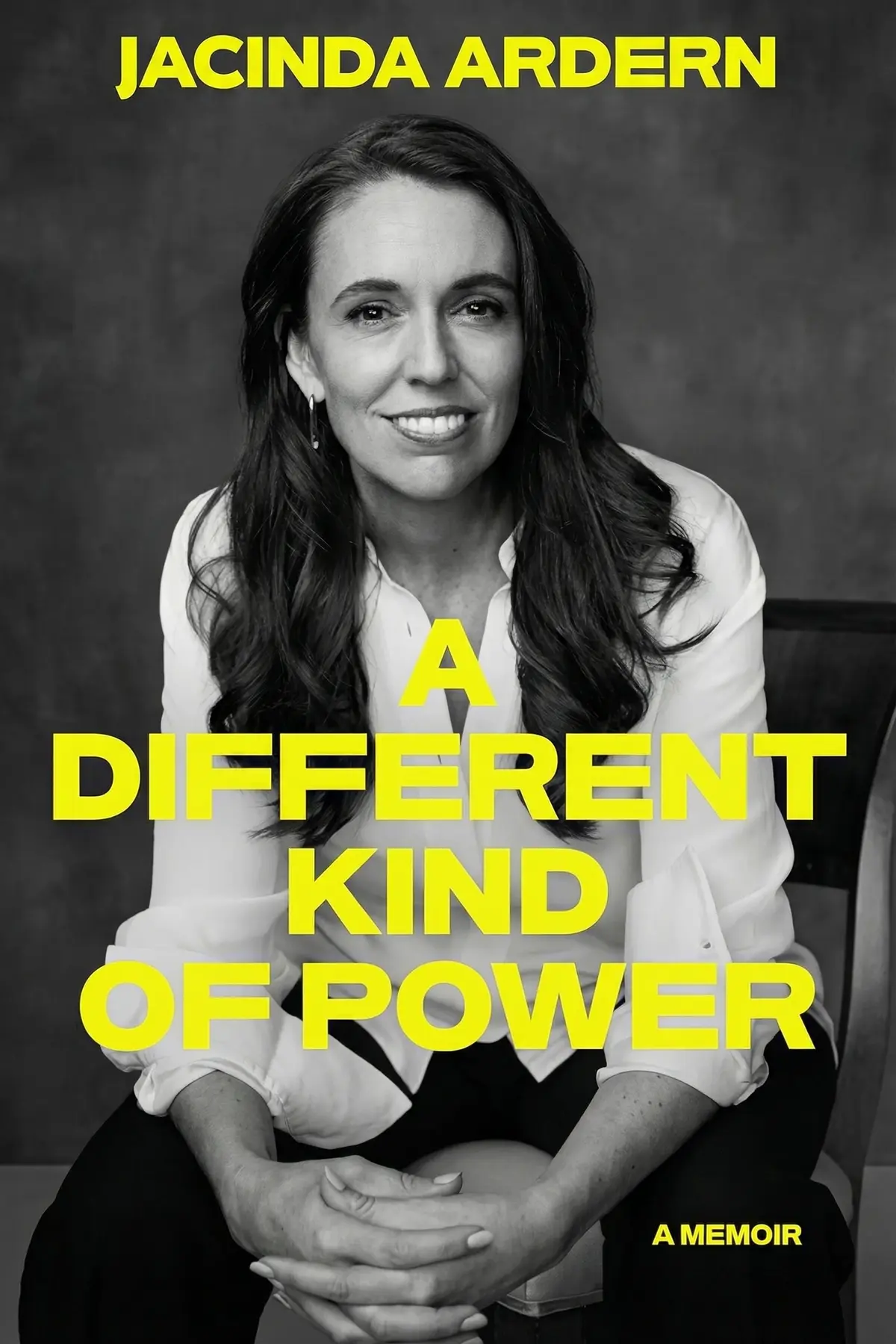
Jacinda Ardern
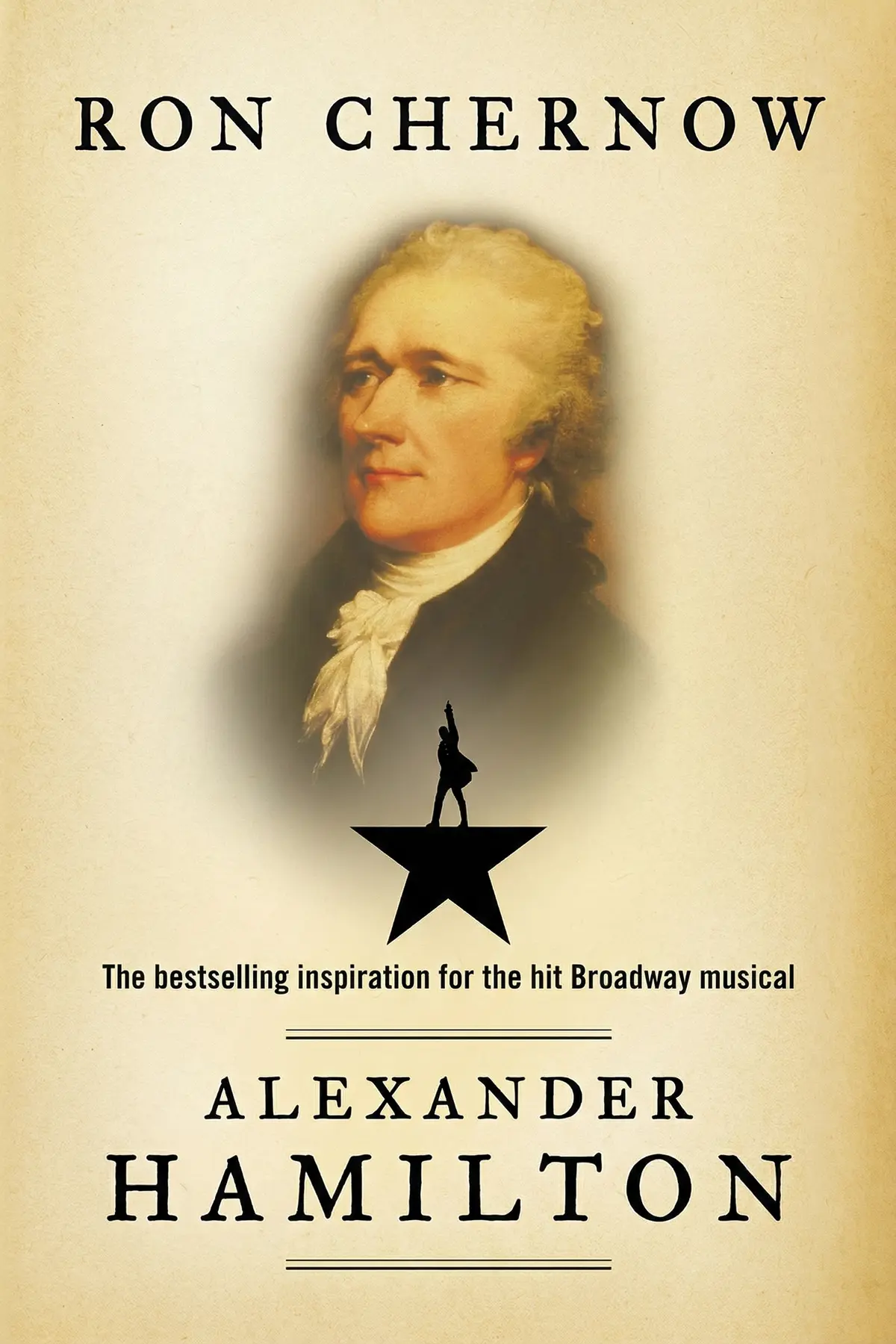
Ron Chernow
James Comey
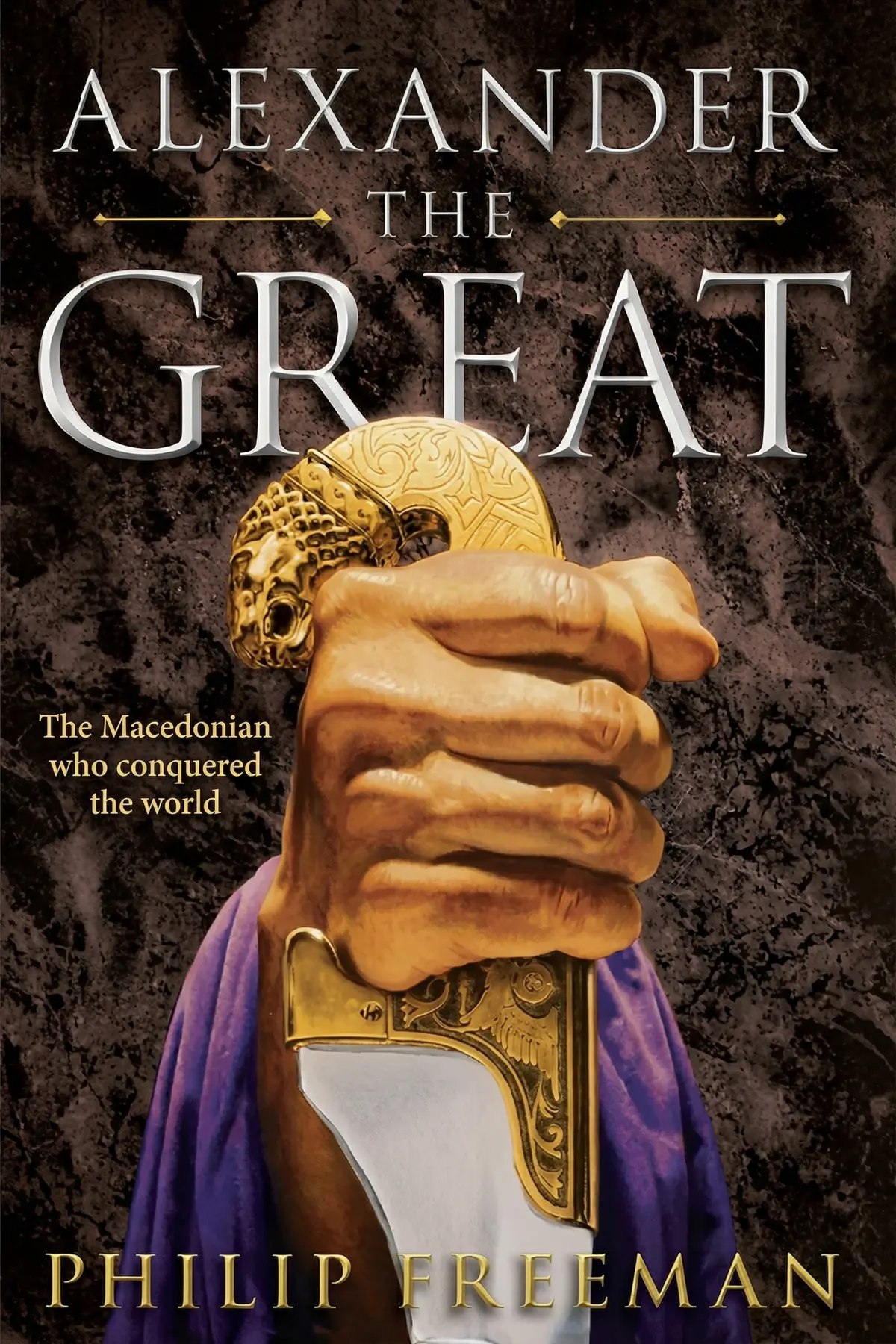
Philip Freeman
Jonathan Eig
AUDIO SUMMARY AVAILABLE
Get the key ideas from Mortality by Christopher Hitchens, plus 5,000+ more titles in English and Thai.







