
22 min 13 sec
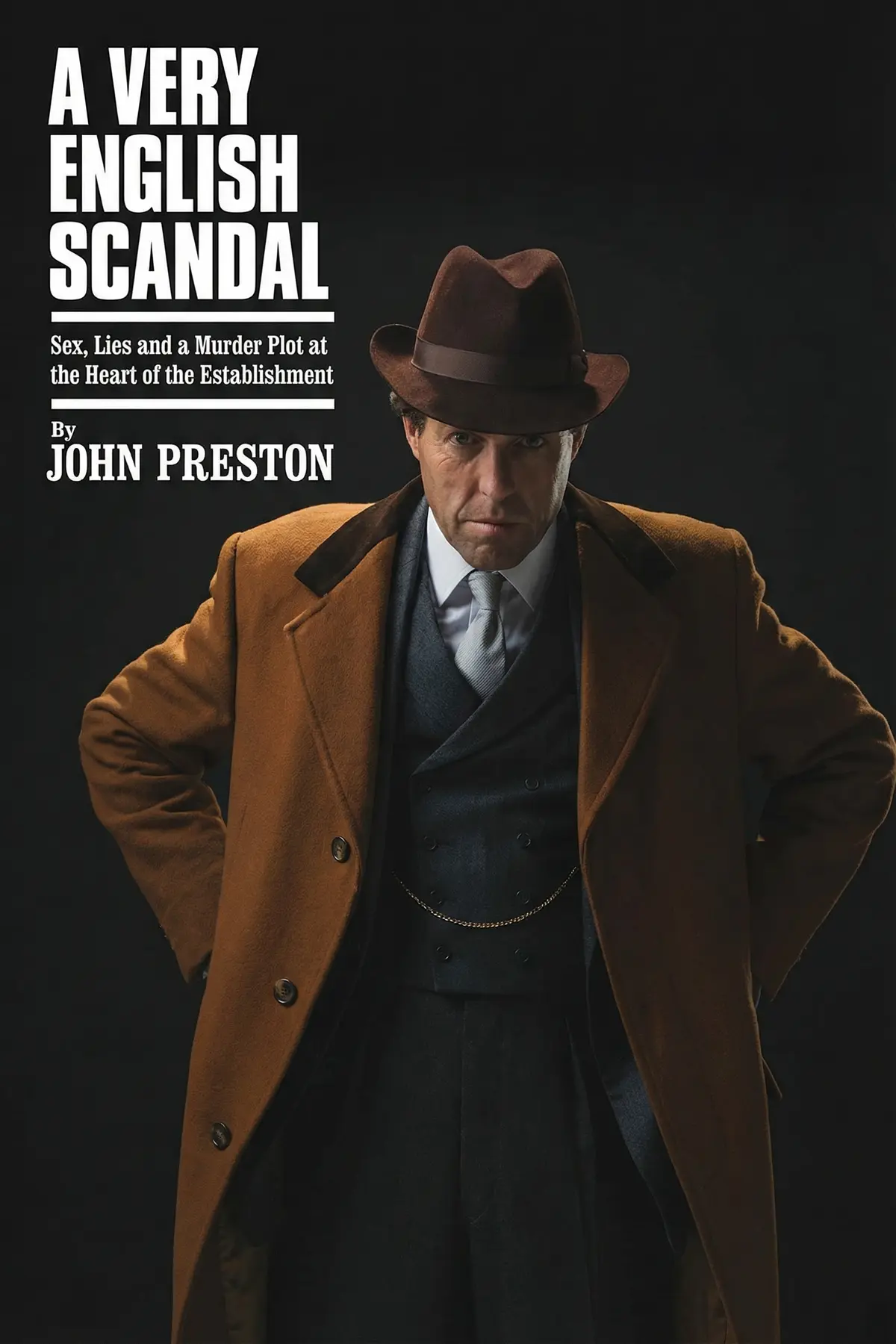
Natives: Race and Class in the Ruins of Empire
By Akala
Natives explores the intersection of race, class, and the British Empire’s legacy through Akala’s personal journey, dismantling myths of national identity to reveal the structural inequalities still shaping modern life.
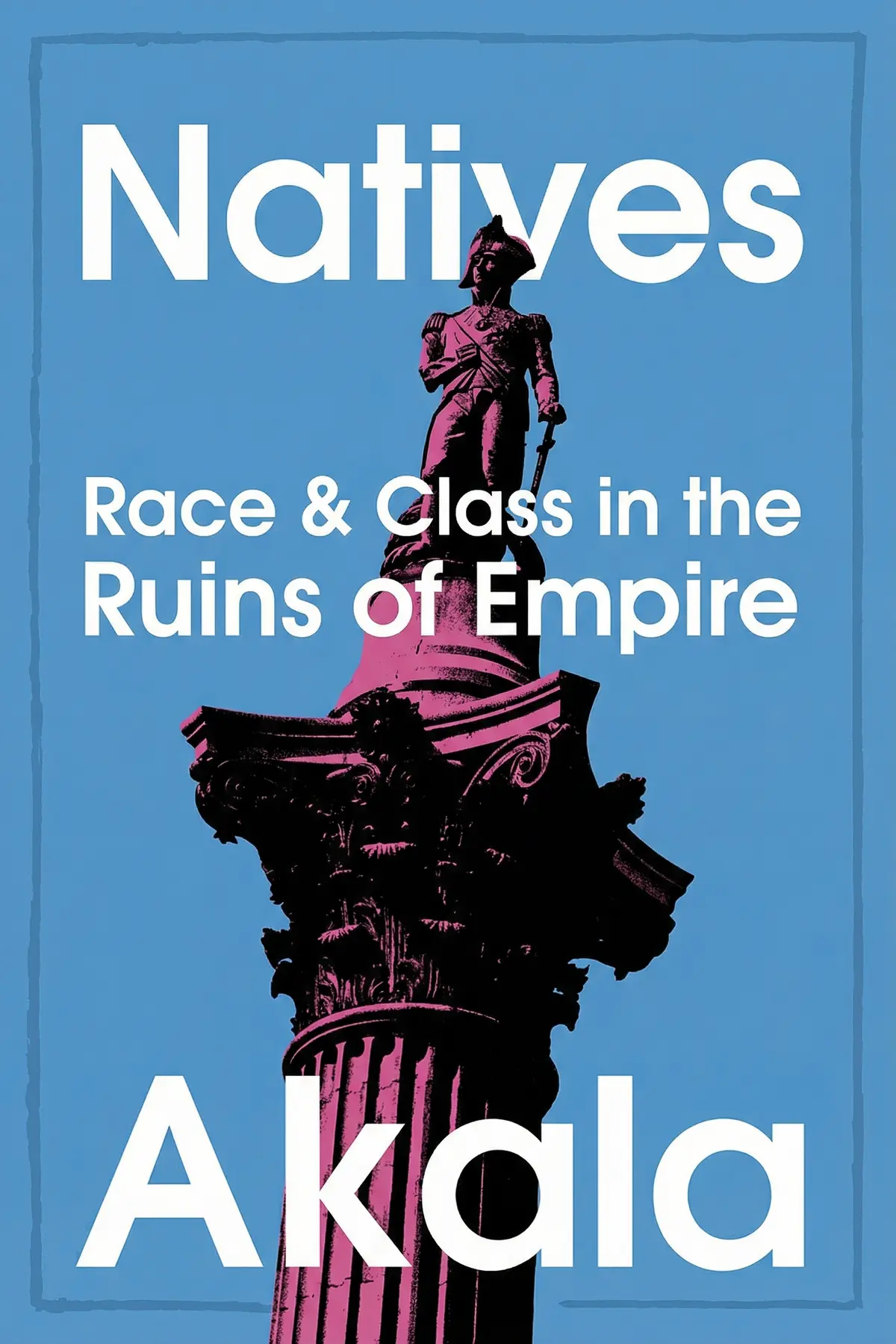
Table of Content
1. Introduction
1 min 52 sec
The year 2020 served as a massive wake-up call for the entire world. While a global pandemic forced humanity into isolation, a different kind of energy was surging through the streets. The Black Lives Matter movement, ignited by the death of George Floyd in the United States, quickly transcended borders and reached the shores of Great Britain. It was a moment of profound reckoning, but for many, it wasn’t just about what was happening in America. It was about a deep-seated, long-neglected history right at home in the United Kingdom. This period of unrest highlighted a massive gap in public understanding: the reality of the British Empire and how its legacy continues to shape the lives of its citizens today.
To truly grasp this moment, we have to look past the headlines and into the lived experiences of those who have navigated the complexities of British identity for decades. This is where Akala comes in. As a musician, activist, and thinker, he offers a unique perspective that bridges the gap between personal memory and systemic history. He invites us to walk through his life—from the arrival of his grandparents’ generation to his own upbringing in London—to see the world through the eyes of someone racialized as Black in a country that often struggles to acknowledge its past.
In this exploration, we aren’t just looking at dates and figures. We are looking at the throughline of British identity. We’ll see how the “mother country” appeared to those who came to help rebuild it, and how the myths of empire have been carefully curated to protect a specific national image. This narrative is about the entangled roots of race and class, and how they combine to create the structural inequalities we see today. By the end of this journey, the goal is to have a much clearer, more honest understanding of the ruins of empire and the people who live within them. Let’s begin by looking at the pioneers of this story: the Windrush generation.
2. The Disillusionment of the Windrush Generation
2 min 29 sec
Discover the shocking reality faced by Caribbean immigrants who arrived in Britain expecting a warm welcome, only to find poverty and a hostile environment.
3. Growing Up Between Two Worlds
2 min 43 sec
Akala reflects on his childhood as a mixed-race boy in a society that demanded he choose a side, revealing the early lessons of racial identity.
4. The Racialization of Crime and Policing
2 min 41 sec
Explore how London’s policing strategies transform a socioeconomic issue into a racial one, impacting the lives of young Black men through a daily ritual of suspicion.
5. The Myth of Genetic Superiority in Sports
2 min 34 sec
Analyze the problematic ways Black athletic success is explained away through pseudoscience, revealing a deep-seated belief in white success as the only ‘natural’ norm.
6. Deconstructing the Abolition Narrative
2 min 45 sec
Uncover the hidden history of the end of slavery, challenging the myth of British benevolence with the reality of slave-owner bailouts and the Haitian Revolution.
7. The Selective Memory of Global Politics
2 min 23 sec
Examine the double standards in how Western history remembers leaders like Mandela and Castro, highlighting the gap between official records and lived Black experience.
8. The Fluidity and Trauma of Racial Identity
2 min 35 sec
Discover how race is a social construct that changes across borders, and learn about the devastating legacy of the Stolen Generation in Australia.
9. Conclusion
2 min 11 sec
As we conclude our journey through the insights and experiences shared by Akala, we are left with a far more complex and honest picture of Great Britain. We’ve seen how the high hopes of the Windrush generation were met with a wall of hostility, and how that initial conflict set the tone for the racial and class dynamics of the modern era. We’ve explored the personal toll of being a child caught between two worlds, and the systemic ways that institutions—from the police to the media—continue to racialize crime and success to protect an outdated status quo.
The throughline of this story is clear: the British Empire hasn’t simply vanished into the history books. Its ruins are all around us, embedded in our laws, our economic structures, and our national myths. Whether it’s the sanitized version of abolition that ignores the massive bailout of slave owners, or the selective memory of our leaders’ roles in global struggles for freedom, the past is constantly being reshaped to serve the needs of the present. But as Akala points out, this is not a static situation. The demographics of Britain are shifting, and with that change comes a new generation of voices who are no longer willing to accept the convenient myths of the past.
The most important takeaway is that history is an active process. We have the power to challenge the narratives we’ve been given and to seek out the truths that have been buried. Understanding the reality of race and class in the UK isn’t about assigning guilt; it’s about gaining the clarity needed to build a more equitable future. By acknowledging the structural inequalities that remain, we can begin to move past the “us versus them” mentality and work toward a society where identity isn’t a barrier to justice or opportunity.
As you move forward, consider the stories you’ve heard and the myths you might have taken for granted. Look at the world around you—the policing in your neighborhood, the history taught in your schools, and the way success is discussed in the news—and ask yourself whose perspective is being centered. The ruins of empire may be deep, but by bringing them into the light, we can finally begin to build something new on more honest foundations. Thank you for listening to this BookBits summary of Natives by Akala.
About this book
What is this book about?
This exploration of British society delves into the complex realities of being Black in the United Kingdom. It challenges the conventional narratives surrounding the British Empire, slavery, and contemporary social issues like policing and education. By blending personal memoir with historical analysis, the work examines how the ruins of empire still dictate the lives of citizens today. Readers are invited to reconsider their understanding of racial identity and the pervasive myths that sustain institutional bias. Through a lens of lived experience and meticulous research, the narrative promises to uncover the deep-seated connections between class struggle and racialized politics, offering a transformative perspective on what it means to be British in a globalized world.
Book Information
About the Author
Akala
Akala is a hip-hop artist, writer, activist, and entrepreneur. As a musician, he is best known for his award-winning breakthrough album It’s Not a Rumour and his 2010 follow-up DoubleThink. Akala is the founder of the Hip-Hop Shakespeare Company, a theatre production company that explores the parallels between contemporary rap and Shakespeare’s writing. Natives is his first book.
Ratings & Reviews
Ratings at a glance
What people think
Listeners find the book educational, highlighting its thorough research and the way it blends personal stories with historical evidence. They consider it an excellent and skillfully authored piece of writing.
Top reviews
Tawee
The chapter on Akala's school years left me fuming. Seeing how a child reading Lord of the Rings can be relegated to a special needs group simply due to institutional bias is heartbreaking. This isn't just a memoir; it's a rigorous exploration of how class and race are weaponized in the UK. I loved the balance between his personal anecdotes and the broader historical facts about the British Empire that we aren't taught in school. The writing is sharp, witty, and deeply informed. It makes you question every comfortable myth you’ve ever been told about British 'fairness.' Essential reading for everyone living in the UK today.
Show moreJoy
Akala manages to weave personal history with global geopolitical analysis in a way that feels incredibly urgent. The section on the Haitian Revolution was a particular eye-opener for me, as was the discussion on the ANC and the betrayal of the Truth and Reconciliation Commission. It is quite rare to find an author who can jump from the micro-level of being stopped by police at twelve to the macro-level of international debt systems. His brain is clearly massive. The book feels like a deep conversation with a very smart, very angry friend who has done all the homework you were too lazy to do. My only gripe is that it's so dense I had to keep stopping to process everything.
Show moreSelin
After hearing about this book for months, I finally dived in and was struck by how little has changed since the 90s. The parallels between the treatment of Linford Christie and modern athletes like Raheem Sterling are depressing but necessary to highlight. Akala doesn't pull any punches when describing the casual cruelty of the British press or the education system. His writing is erudite and clear, making complex historiography accessible to a general reader. I particularly appreciated the focus on the Caribbean and the legacy of slavery that still underpins modern banking. It is a heavy read, emotionally speaking, but the humor and sardonic tone make it go down easier. A masterpiece of non-fiction.
Show moreAmara
This isn't just a book; it's a necessary wake-up call for anyone who thinks Britain is a post-racial utopia. Akala’s personal account of growing up in London is both visceral and intellectually stimulating. He debunks the myths of the British Empire with surgical precision, showing how modern institutions are built on colonial profits. I found the discussion on stereotype threat in schools particularly moving. It’s a stark reminder that we often create the very 'monsters' we claim to fear through our own low expectations. The research is extensive, and the bibliography alone is worth the price of admission. If you want to understand the modern world, start here.
Show moreViolet
Wow. I wasn't prepared for how much this book would make me re-evaluate my own education. Akala’s breakdown of the white savior myth around abolition was a massive 'mic drop' moment for me. The personal stories about his mother and the Pan-African Saturday schools he attended add a layer of warmth and humanity to what could have been a very dry academic text. His writing style is punchy and direct, avoiding the flowery language often found in these types of books. It’s a brilliant, gut-wrenching, and ultimately empowering look at what it means to be native in a country that doesn't always want you.
Show morePrayoon
Looking back at my own education, I realize how much was missing until I read this. The way Akala explains the collective amnesia of the UK regarding the atrocities committed in Kenya and elsewhere is staggering. It’s not just about race; it’s about power, class, and how history is written by the victors. The book is incredibly readable despite the heavy themes. I loved the Interlude sections where he tackles common criticisms—even if he is a bit cheeky with how he handles them! It’s the kind of book that you’ll want to buy for all your friends just so you have someone to talk about it with.
Show moreChanon
Picked this up because I wanted to understand the intersection of class and race better in a UK context. It's an incredibly informative book that challenges the 'colorblind' narrative many of us grew up with. The way he describes the psychological hurdle of being told you're inferior is something that stayed with me long after I finished the last page. Truth is, it’s a bit of a marathon to get through because there is just so much data and history packed into every chapter. I would have liked to see more perspective on the experiences of Black women, as it leans heavily into the masculine experience. Still, it’s a vital contribution to British literature.
Show moreChloe
Rarely do you find a memoir that is so deeply researched and historically grounded. Akala’s transition from a kid carrying a knife to a Shakespeare-quoting intellectual is an incredible journey. The book does a great job of explaining why 'working twice as hard for half as much' is a lived reality for many. Personally, I found some of the sections on Marxism a bit dense and perhaps slightly utopian, but his critique of capitalism’s failures in marginalized communities is hard to argue with. It’s a long read, and the tone can get quite cynical at times, but the truth usually is. Highly recommended for those who aren't afraid to have their worldview challenged.
Show moreTern
To be fair, I expected a polemic, but what I got was a surgical dissection of the British Empire. Akala is a gifted storyteller who knows how to use his own life as a lens for larger societal issues. The contrast between his life and the cocaine parties of his more privileged peers is a vivid illustration of the hidden injuries of class. While I felt the book was slightly repetitive in its later chapters, the core message is undeniable. It’s a great read for anyone looking for facts over feelings, even though the feelings it evokes are powerful. A solid four stars for an eye-opening experience.
Show moreJob
While I respect the hustle and the success story, I found the arguments here a bit one-sided. Akala is clearly a brilliant performer, but at times the book feels like it's talking to an echo chamber. He dismisses opposing views with quick one-liners rather than engaging in a truly balanced debate. I found his definitions of things like 'political correctness' and 'multiculturalism' to be a bit narrow compared to how they are actually used in political theory. That said, the biographical sections are fascinating and his critique of the white savior narrative regarding Wilberforce is well-argued. It’s a provocative read, even if I didn’t agree with his socialist-leaning conclusions.
Show moreReaders also enjoyed
1491: New Revelations of the Americas Before Columbus
Charles C. Mann
A Year in the Life of William Shakespeare: 1599
James Shapiro
A Force for Good: The Dalai Lama's Vision for Our World
Daniel Goleman
1929: Inside the Greatest Crash in Wall Street History--and How It
Andrew Ross Sorkin
Age of Anger: A History of the Present
Pankaj Mishra
A Room of One’s Own
Virginia Woolf
A Biography of Loneliness: The History of an Emotion
Fay Bound Alberti
AUDIO SUMMARY AVAILABLE
Listen to Natives in 15 minutes
Get the key ideas from Natives by Akala, plus 5,000+ more titles in English and Thai.
- 5,000+ titles
- Listen as much as you want
- 7-day free trial
- Cancel anytime







