
19 min 28 sec
Never Enough: The Neuroscience and Experience of Addiction
Never Enough examines the complex intersection of neuroscience and personal struggle, exploring how various substances hijack the brain’s chemistry and why the road to recovery requires understanding our biological drive for balance.
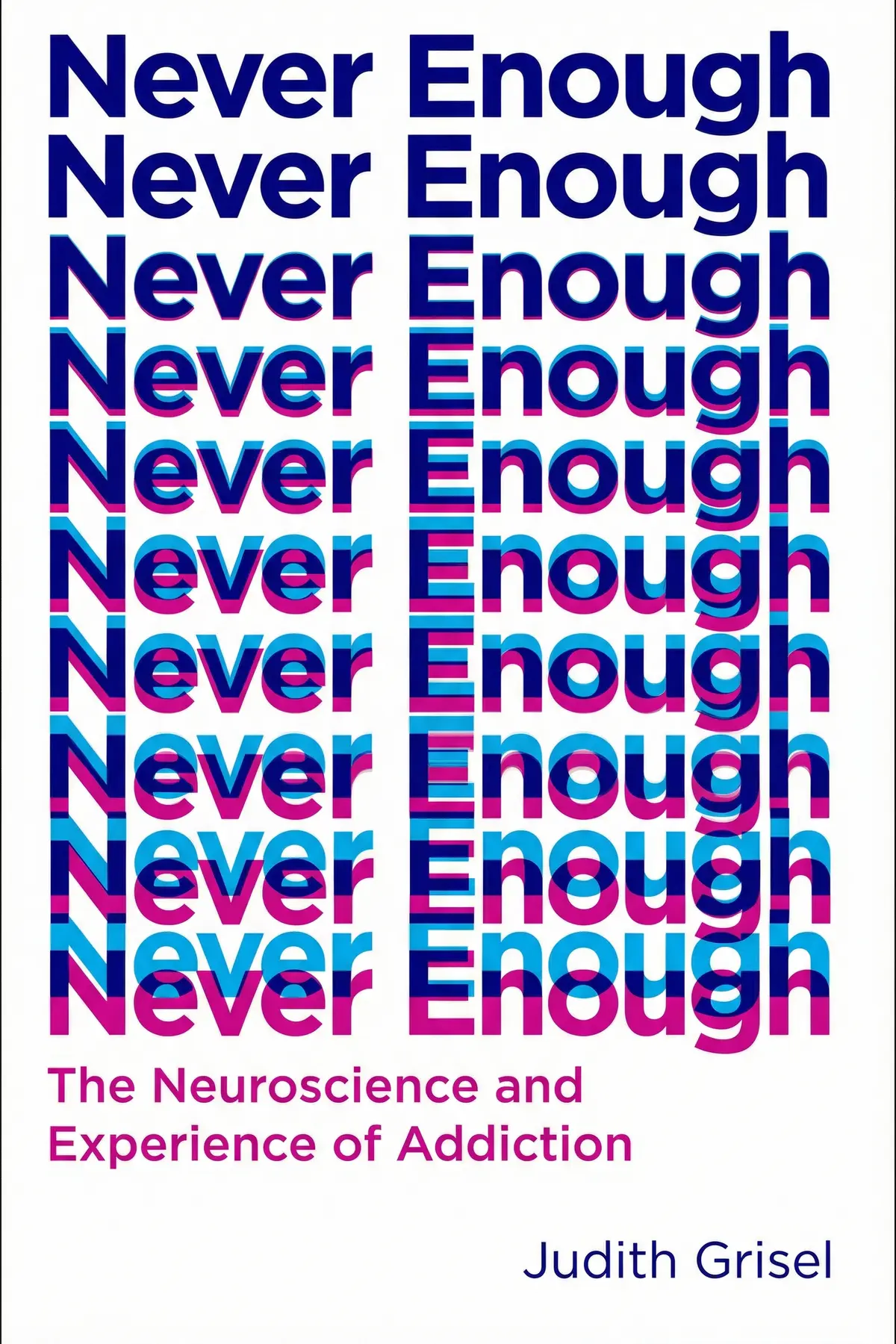
Table of Content
1. Introduction
1 min 29 sec
Most of us can recall our first brush with a mind-altering substance. Perhaps it was the jittery rush of a morning coffee, the lightheadedness of a cigarette shared behind a school building, or the warmth of a first beer at a party. For many, these are fleeting moments of experimentation that never escalate. But for others, the pull toward these feelings—or toward more potent substances—becomes an irresistible force that eventually dominates their entire lives.
The central mystery of addiction lies in this divide: why does one person walk away while another is pulled under? To answer this, we have to look beyond willpower and moral character. We have to look at the brain. In the coming sections, we are going to explore the intricate neuroscience of how drugs interact with our gray matter, creating a cycle that can feel impossible to break.
We will examine the specific ways different substances—like marijuana, opiates, and stimulants—hijack our natural systems. We will also uncover the biological mechanisms of tolerance and habituation, which explain why the very things that make us feel good eventually make us feel miserable. Through the insights of neuroscientist Judith Grisel, who experienced this struggle firsthand before dedicating her life to studying it, we’ll see that addiction is a predictable, albeit tragic, biological process. By understanding how the brain operates, we can begin to see the path toward reclaiming it. Let’s start by looking at the small region of the brain where the story of every addiction begins.
2. The Brain's Reward Circuit and the Trap of Habituation
2 min 14 sec
Discover how a 1950s rat experiment revealed the brain’s pleasure center and why your body’s attempt to stay balanced is actually what keeps you hooked.
3. How THC Mimics the Brain's Sense of Meaning
2 min 08 sec
Marijuana is unique because it affects the entire brain at once, turning the mundane into something seemingly profound by hijacking our natural signaling molecules.
4. The High Price of Opiate-Induced Peace
2 min 05 sec
Opiates offer a powerful escape from pain by imitating our natural endorphins, but they leave behind a biological debt that magnifies suffering once they’re gone.
5. Alcohol and the Biological Roots of Social Lubrication
1 min 51 sec
Drinking is socially acceptable, but for those with a specific chemical makeup, alcohol’s effect on beta-endorphins can lead to a fast track to dependency.
6. Cocaine and the Disruption of Neural Communication
1 min 55 sec
Explore the mechanics of a stimulant high, where cocaine prevents the brain from recycling its ‘reward’ chemicals, leading to a brief peak and a long, dark crash.
7. The Hidden Perils of Tranquilizers and Sedatives
1 min 53 sec
Prescription sedatives are often viewed as safe, but their impact on the brain’s ‘off switch’ can lead to a dangerous cycle of tolerance and permanent insomnia.
8. The Intersection of Genetics and Epigenetics in Addiction
1 min 56 sec
Is addiction written in our DNA? Learn how twin studies and the new field of epigenetics show that our ancestors’ experiences can shape our own vulnerability.
9. The Adolescent Brain: A Window of Extreme Vulnerability
2 min 00 sec
Why are teenagers so prone to taking risks? Discover how the developing brain’s ‘wet cement’ phase makes early drug exposure particularly permanent.
10. Conclusion
1 min 57 sec
The journey through the neuroscience of addiction reveals a sobering but ultimately empowering truth: addiction is not a simple lack of willpower, but a complex biological feedback loop. We’ve seen how our brain’s ancient reward systems can be hijacked by modern substances, and how our body’s own quest for balance—homeostasis—actually creates the cycle of tolerance and withdrawal that keeps people trapped.
From the wide-reaching effects of THC to the dopamine-recycling disruptions of cocaine and the ‘off-switch’ manipulation of tranquilizers, every drug interacts with our delicate internal chemistry in specific, predictable ways. We’ve also seen that we don’t all start from the same place. Our genetics, our family history, and the timing of our first experiences all play a massive role in our individual vulnerability.
What does this mean for us? It means that the first step toward freedom is knowledge. By understanding that the ‘cravings’ and ‘crashes’ are biological signals rather than moral failures, we can approach recovery with more compassion and more effective strategies. It highlights the importance of protecting young, developing brains and the need for a society that understands the chemical realities of dependency.
If there is one throughline in Judith Grisel’s work, it is that the brain is remarkably resilient, but it has its limits. We cannot outsmart our biology indefinitely. But by working with our biology—through healthy habits, social connection, and an informed perspective—we can begin to restore the balance that addiction takes away. Recovery is a process of recalibrating the brain, and while that process is difficult, understanding the ‘why’ behind the struggle makes the ‘how’ of recovery much clearer. You have the power to understand your own mind, and that understanding is the most potent tool you have for change.
About this book
What is this book about?
Have you ever wondered why some people can enjoy a single glass of wine while others find themselves trapped in a downward spiral of dependency? Never Enough provides a deep, scientific, and deeply personal exploration of this very question. Written by a neuroscientist who survived her own battle with addiction, this summary dives into the mechanics of the human brain, revealing how different drugs—from caffeine and alcohol to cocaine and opiates—alter our internal chemistry. Through the lens of modern research, you will discover the role of the nucleus accumbens, the brain’s reward center, and how the body’s natural drive for equilibrium often backfires, creating the very tolerance that fuels addiction. You will learn about the genetic predispositions that make certain individuals more vulnerable and the environmental factors that can leave a lasting mark on our DNA. Ultimately, the book promises a clearer understanding of why addiction is not a moral failing, but a predictable biological response, offering a foundation of knowledge for those seeking to understand the path toward sobriety and resilience.
Book Information
About the Author
Judith Grisel
Judith Grisel is a distinguished neuroscientist and psychologist currently serving as a professor at Bucknell University in Pennsylvania. Her academic expertise is uniquely informed by her past; before her career in science, Grisel struggled with a decade-long addiction to drugs. This dual perspective—as both a researcher and a survivor—allows her to provide rare insights into the neurological underpinnings of substance abuse and the lived experience of recovery.
Ratings & Reviews
Ratings at a glance
What people think
Listeners find the book provides a scientific perspective on how substances interact with the brain and remains engaging all the way through. Moreover, the writing style is impressive, and listeners appreciate the author's method, with one listener remarking that they don't dumb it down. Additionally, listeners value the author's storytelling; one listener highlights how she shares her story with unflinching honesty, while another mentions how she consistently incorporates her own personality and history. The book is praised for its accessibility, with one listener noting how it offers helpful context on the history of mental health science.
Top reviews
Willow
Judith Grisel manages to do something few authors can: she marries the cold, hard data of neuroscience with the raw, bleeding heart of a former addict. This isn't just a clinical breakdown of how dopamine or GABA work; it’s an exploration of why we feel empty in the first place. I appreciated that she didn't dumb down the biological mechanisms, yet she kept the narrative moving with her own harrowing stories from the streets. The way she explains how our brains adapt to drugs—effectively shifting our "normal" baseline—is terrifying and enlightening. It makes so much sense why "one is never enough" once the cycle starts. Truth is, I've read a lot on this topic, and this is the most comprehensive look at the physical and psychological toll of substance abuse I've encountered. Highly recommended for anyone trying to understand the 'why' behind the struggle.
Show moreSirinat
Wow, what a powerful look at the history of mental health science and the biological reality of the addicted brain. Judith Grisel doesn't sugarcoat anything, and her willingness to share her own rock-bottom moments—from shoplifting to being homeless in Florida—adds immense credibility to her research. She breaks down the "why" of addiction class by class, covering everything from marijuana to opiates with incredible precision. I found the section on how drugs alter our internal settings to be a total lightbulb moment. It isn't just about chasing a feeling; it’s about the body’s desperate attempt to maintain balance. The writing is clear-eyed and sophisticated without being inaccessible. This book provides the context that so many pop-psychology books miss. It is easily one of the most honest accounts of the "empty" feeling that drives people to use.
Show morePop
Finally got around to reading this, and it’s a brilliant, exhaustively informative study on the nature of craving. Grisel's dual perspective as a PhD and a former user creates a unique authority that you just don't get from standard medical texts. She describes her journey from her first drink at thirteen to her eventual PhD with such raw honesty that it’s hard to put down. The book covers the gamut of substances and their specific neurological responses, which was exactly what I was looking for. Not gonna lie, it’s refreshing to read an author who respects the reader's intelligence and doesn't shy away from the complexities of brain chemistry. It’s a somber read, particularly when she discusses the lifelong pull of the "existential emptiness," but it feels more truthful than the typical recovery story. A must-read for anyone in the field or anyone who has been touched by addiction.
Show moreJoy
This book is an absolute masterpiece of science communication. Grisel manages to explain the intricate dance of neurotransmitters with the same urgency as a thriller novel. I’ve read a lot of books on the opioid epidemic and the war on drugs, but nothing has explained the biological imperative of the addict as well as "Never Enough." She challenges a lot of the trendy pop-psychology notions that are floating around today by sticking to what we actually know about the brain. To be fair, it’s a heavy subject, and her reflections on the "pull of death" are quite dark, but that’s the reality of the situation. It’s a precise, clear-eyed, and ultimately vital piece of work. If you want to know why "just say no" is such an absurdly insufficient response to the drug crisis, read this.
Show moreCherry
Picked this up because the title hit home, and I wasn't disappointed by the emotional depth of Grisel's writing. There is a specific moment where she mentions her father saying he just wanted her to be happy, and it really highlights the existential crisis at the heart of addiction. The book does a fantastic job of illustrating that addiction is a legitimate mental illness, not just a failure of will. I was fascinated by the concept of homeostasis and how our bodies work overtime to counteract the "highs" until we're just using to feel baseline. My only gripe is that it leans a bit too hard into the "no cure" vibe, which feels a little hopeless toward the end. Still, the storytelling is unflinching and the scientific context is eye-opening. It definitely changed how I view the people in my life who are struggling.
Show morePraepimon
As someone who has always been curious about the intersection of biology and behavior, I found this to be a riveting read. Grisel explains the "never enough" phenomenon through the lens of a brain that is constantly trying to compensate for external chemical changes. It’s fascinating and a bit scary to realize how quickly the nervous system adapts. While there is a fair amount of jargon, she defines her terms well, making it readable for a lay person who is willing to focus. I especially liked the focus on how cultural factors and individual experiences complicate the potential for addiction. There were a few spots where the chemistry got a bit dense, but the personal narrative always pulled me back in. It’s a brave book that refuses to provide easy answers or "quick fix" solutions to a complex crisis.
Show moreRatthapong
Not what I expected, but in a good way! I thought this would be more of a standard "I was a drug addict and now I’m not" memoir, but it’s really a deep dive into the mechanics of the mind. Grisel uses her own life as a case study to explain why some of us are more prone to these behaviors than others. The chapters are organized by drug type, which makes it a great reference book to keep on the shelf. I did find the diagrams a little distracting at times, and some of the science talk went over my head, but the overall message is clear. Addiction isn't a choice; it's a physiological response to a world that our brains aren't always equipped to handle. It’s a sobering look at a massive public health issue that doesn't rely on shaming the victims.
Show morePlernpiriya
After hearing about this on a podcast, I wanted to see if the "science meets memoir" hype was real. For the most part, it is. Grisel's writing style is punchy and direct, and she isn't afraid to admit the darker parts of her past, like the theft and the "seeking oblivion" mindset. The book provides a great deal of context on how our understanding of mental health has evolved. My favorite part was the explanation of how we try to fill an existential hole with chemicals, only to make the hole deeper. It’s a bit of a grim realization, but it’s presented with such clarity that you can't help but keep reading. I’m giving it four stars instead of five only because the middle sections on specific chemical compounds felt a little repetitive. Otherwise, it's a stellar contribution to the literature on dependency.
Show moreThongchai
Ever wonder if there's a middle ground between a dry textbook and a tragic memoir? Grisel tries to find it here, but I’m not sure she always succeeds. For me, the science talk was a bit heavy and slowed the pacing down significantly. I found myself skimming the technical graphs and diagrams just to get back to her personal anecdotes, which were much more compelling. Look, the information about how specific drugs like alcohol and cocaine impact the nervous system is valuable, but it felt a bit like a high school biology report in some chapters. To be fair, her perspective as a neuroscientist who actually survived the lifestyle is unique. However, if you aren't a fan of jargon, this might be a slog. It's a solid 3 stars for the effort and the honesty, but it wasn't the page-turner I was hoping for based on the title.
Show morePang
The chapter on alcohol started strong, but the rest of the book felt like a massive letdown compared to other titles in this genre. If you want a deep dive into the trauma behind addiction, you are much better off reading Gabor Maté or 'The Body Keeps the Score.' Grisel provides a lot of facts that you could frankly find on Wikipedia, and the tone fluctuates awkwardly between a "junkie memoir" and a stale academic paper. Personally, I found the lack of a hopeful conclusion quite draining. She basically concludes that the brain is permanently rewired and you're just stuck fighting the pull of death forever. It’s a very clinical, almost nihilistic approach that might appeal to some, but for me, it lacked the soul needed to make the science stick. It’s informative, sure, but a total bore in parts.
Show moreReaders also enjoyed


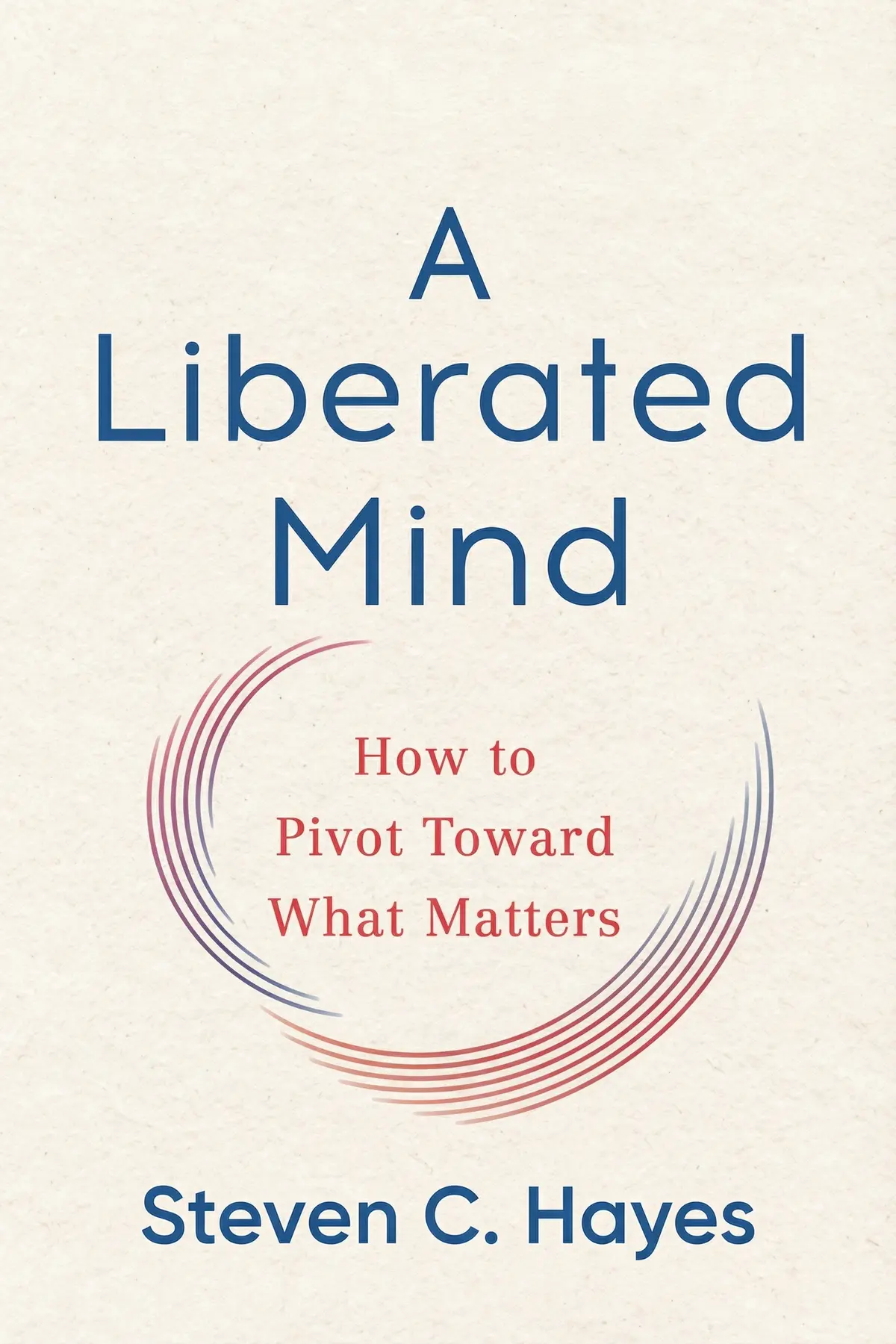
A Liberated Mind: How to Pivot Toward What Matters
Steven C. Hayes
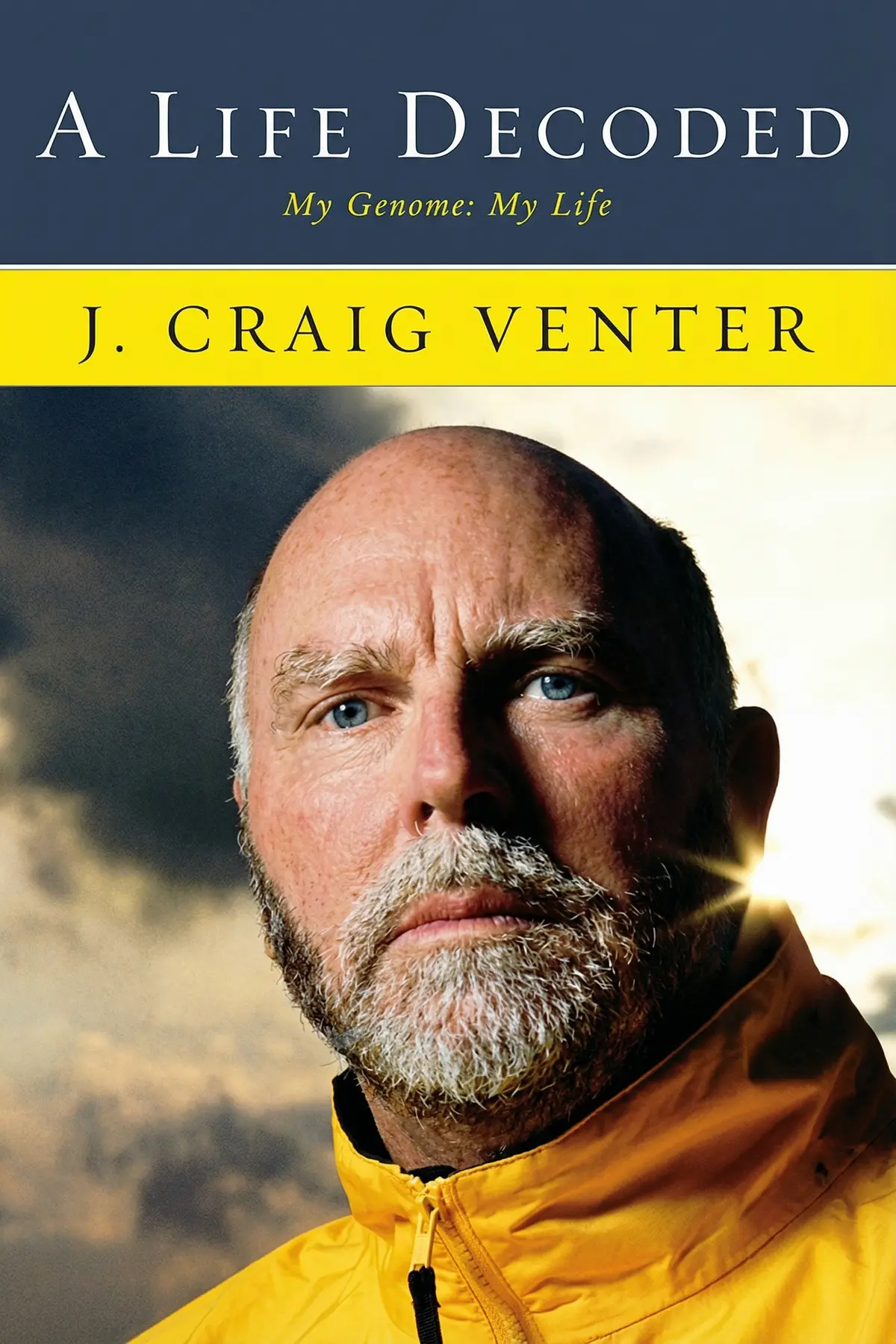
A Life Decoded: My Genome: My Life
J. Craig Venter
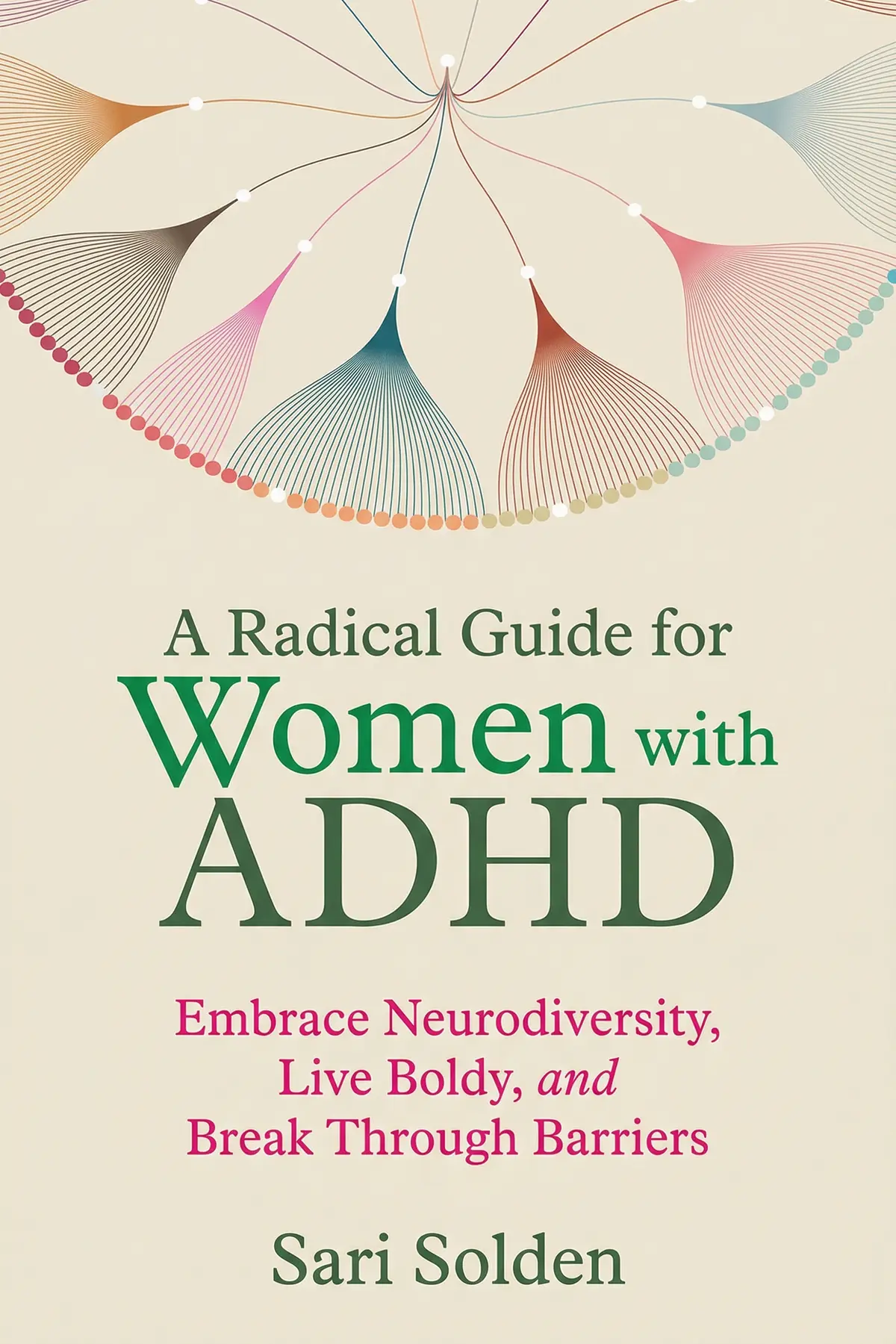
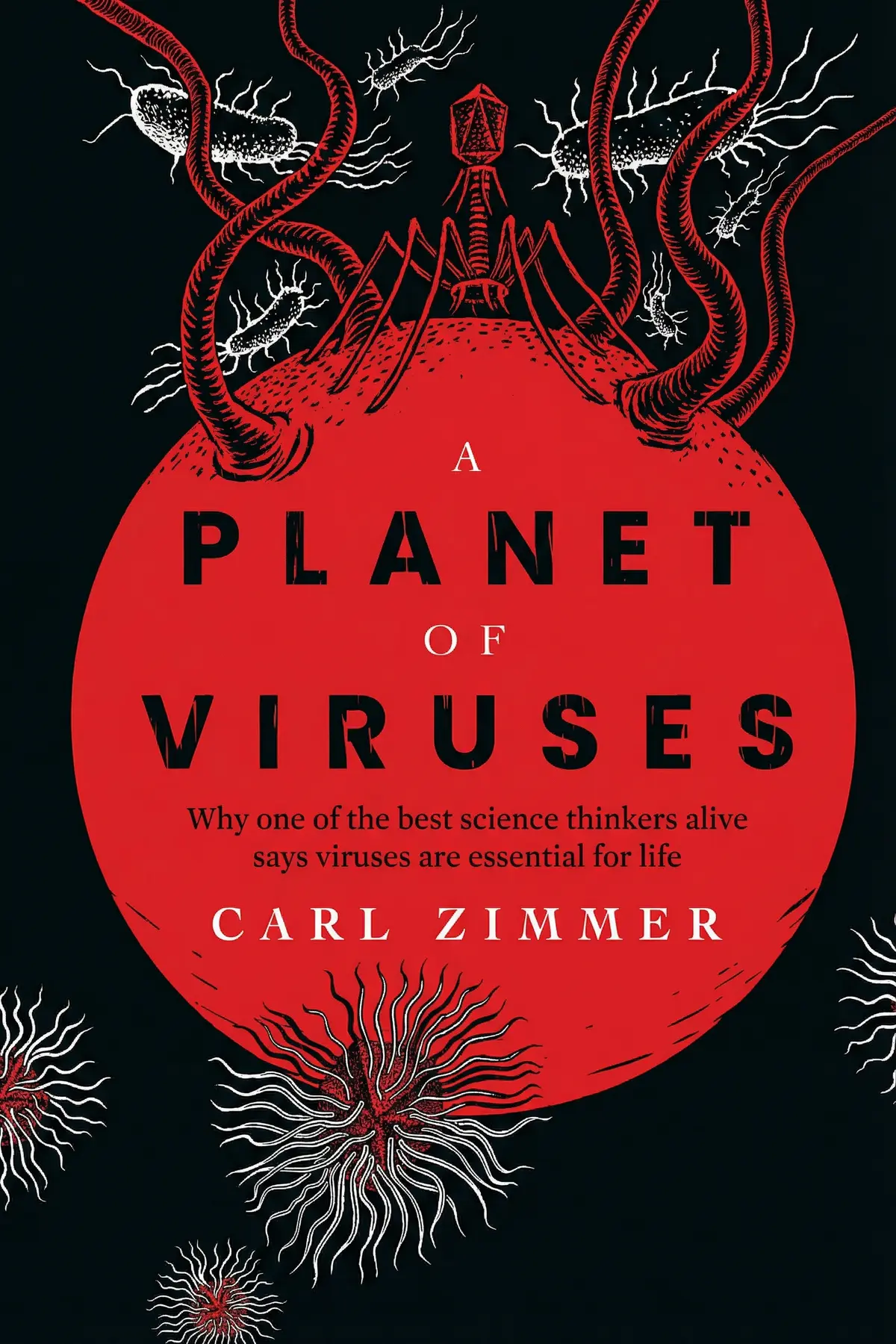
A Planet of Viruses
Carl Zimmer

A Short History of Nearly Everything
Bill Bryson
AUDIO SUMMARY AVAILABLE
Listen to Never Enough in 15 minutes
Get the key ideas from Never Enough by Judith Grisel, plus 5,000+ more titles in English and Thai.
- 5,000+ titles
- Listen as much as you want
- 7-day free trial
- Cancel anytime







