
20 min 19 sec
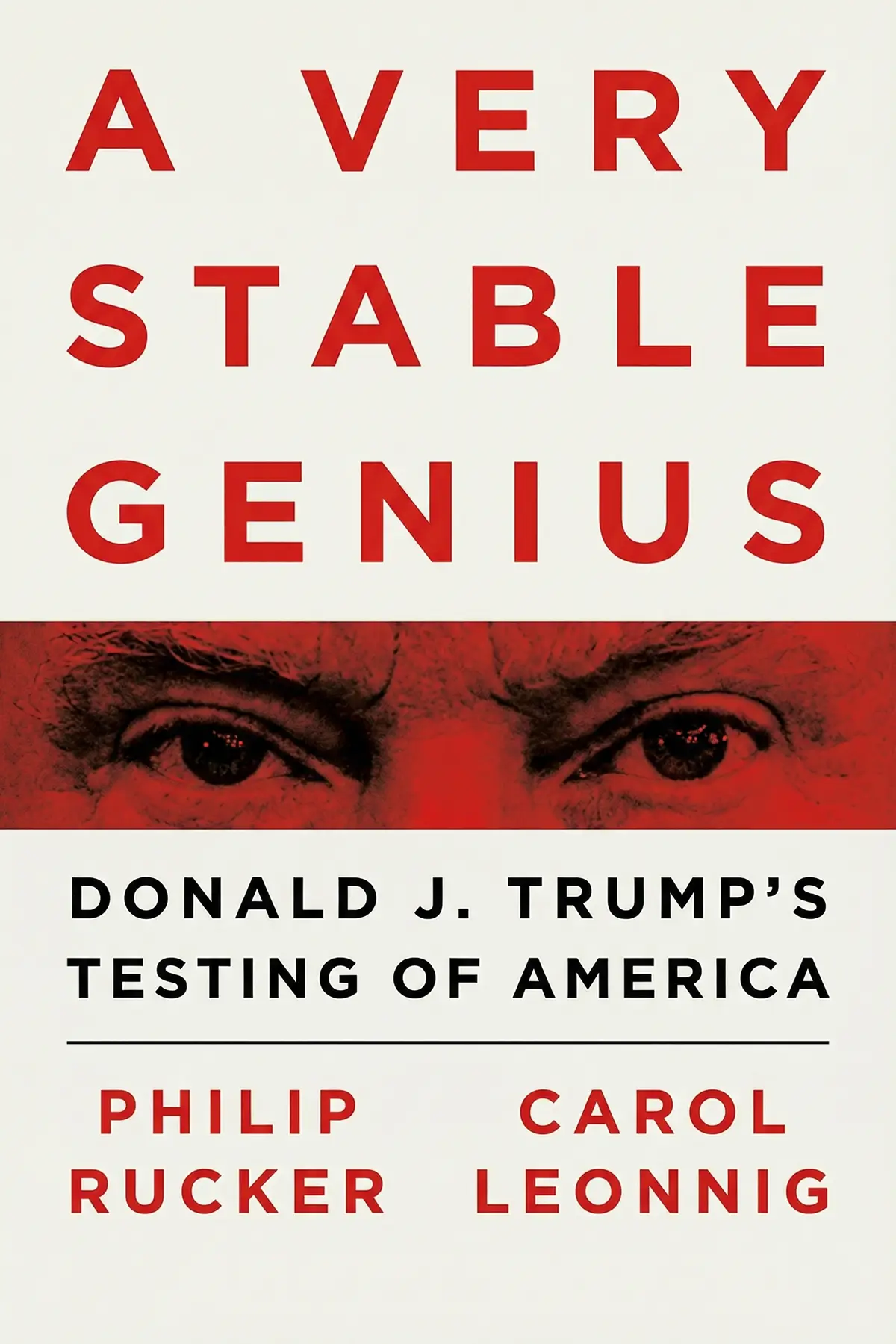
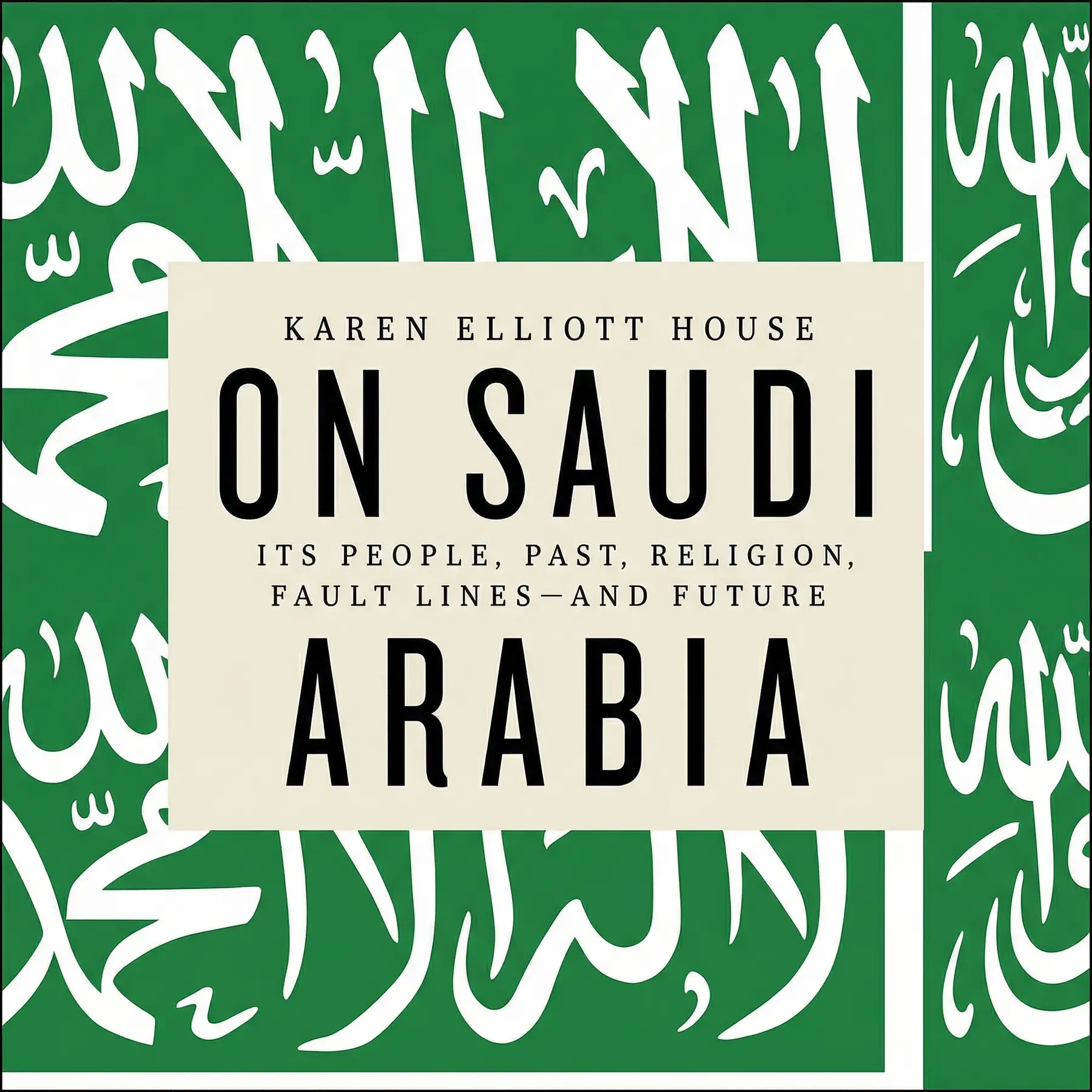
On Saudi Arabia: Its People, Past, Religion, Fault Lines – and Future
An in-depth look into the internal dynamics of Saudi Arabia, exploring how an absolute monarchy manages tribal history, religious puritanism, and modern economic pressures in a rapidly changing global landscape.
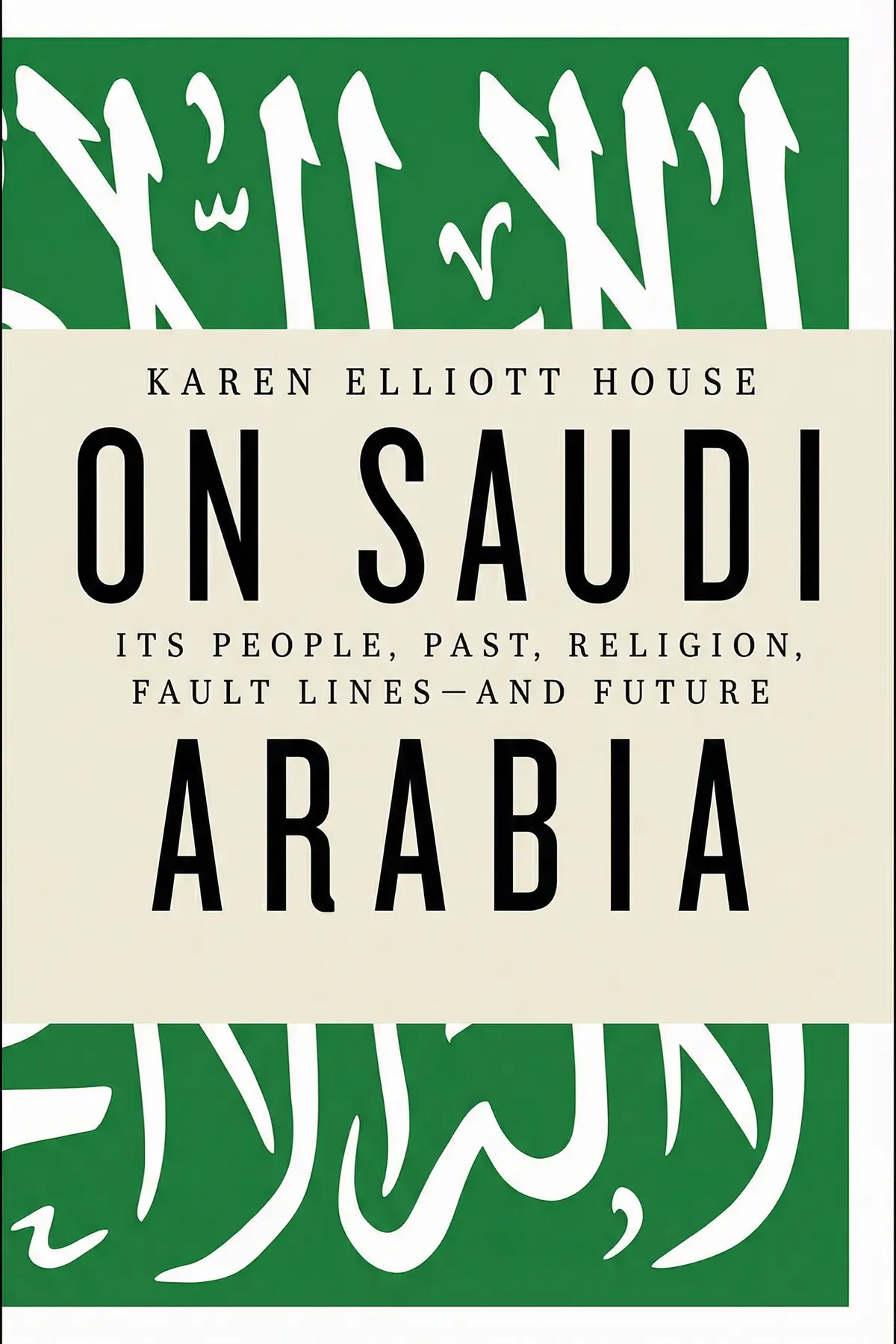
Table of Content
1. Introduction
1 min 44 sec
Saudi Arabia occupies a unique and often misunderstood position on the global stage. It is one of the very few absolute monarchies left in the modern world, a place where a single family holds sway over one of the most strategically significant patches of land on Earth. To understand why this nation operates the way it does, we have to look back at its relatively recent origins. Before the early twentieth century, the Arabian Peninsula was a fractured landscape of competing tribal interests. The fall of the Ottoman Empire after World War I left a power vacuum that was eventually filled by King Ibn Saud. In 1932, after decades of military struggle, he forged the modern Saudi state.
Since that founding, the kingdom has been defined by two major pillars: its immense oil wealth and its role as the birthplace and custodian of Islam. When oil was discovered in 1938, it transformed the nation’s economic destiny almost overnight, yet this wealth has not been a universal cure for the country’s problems. Poverty still exists in the shadows of luxury, and the rigid social structures that helped the monarchy maintain control are now being tested by the pressures of the twenty-first century. This journey into the heart of the kingdom will take us behind the closed doors of the royal palace, into the segregated lives of Saudi women, and onto the digital platforms where a new generation of Saudis is beginning to find its voice. We will explore how a desert nation built on ancient traditions is grappling with the realities of a shrinking oil economy and a world that is increasingly interconnected. Through this lens, we can begin to see the true complexity of Saudi Arabia—a land of profound contradictions where the past and the future are in a constant, uneasy dialogue.
2. The Structure of Absolute Monarchy
2 min 16 sec
Discover how the Saudi King maintains total control over every branch of government, using a network of relatives and strict media oversight to secure his rule.
3. The Alliance of Faith and State
2 min 08 sec
Uncover the historical partnership between the House of Saud and Wahhabism, a strict religious movement that helped turn nomadic tribes into a unified nation.
4. The Centrality of Ritual and Prayer
2 min 17 sec
Explore the daily reality of Saudi life, where religious obligation dictates the rhythm of the day and internal debates challenge long-standing traditions.
5. Breaking the Barriers of Isolation
2 min 00 sec
Learn how modern technology is dismantling the traditional walls of Saudi society, allowing citizens to connect and voice their frustrations.
6. The Evolving Status of Women
1 min 54 sec
Examine the symbolic and practical struggles of women in a male-dominated society, from the driving ban to the fight for political representation.
7. The Restless New Generation
1 min 59 sec
See how a massive youth population is beginning to reject traditional values, leading to a new wave of activism and social tension.
8. The Paradox of the Princely Class
2 min 01 sec
Investigate the lives of the thousands of Saudi princes, many of whom are searching for purpose beyond their royal stipends.
9. The Looming Economic and Educational Crisis
2 min 11 sec
Uncover the systemic failures in the Saudi education system and the urgent need to diversify an economy that is dangerously dependent on oil.
10. Conclusion
1 min 49 sec
As we look at the broad tapestry of Saudi Arabia, it becomes clear that the kingdom is at a definitive turning point in its history. For nearly a century, the House of Saud has maintained a delicate balance, using oil wealth to provide for its citizens while using a strict interpretation of Islam to maintain social order and political control. This strategy has been remarkably successful in providing stability in a volatile region, but the foundations of that stability are now under threat. The digital age has permanently ended the population’s isolation, giving rise to a more connected, informed, and vocal citizenry. The younger generation, which makes up the vast majority of the country, is no longer satisfied with the old ways of doing things and is demanding more accountability, more transparency, and more opportunity.
The challenges ahead are immense. The government must find a way to overhaul an education system that is currently failing to prepare its youth for the future, while simultaneously weaning the entire economy off its dangerous addiction to oil. It must also navigate the complex social changes regarding women’s rights and gender roles without alienating the conservative religious base that provides its legitimacy. The future of Saudi Arabia will likely be defined by how well the monarchy can adapt to these pressures. If it can successfully integrate modern economic and social reforms while maintaining its unique cultural identity, it may continue to be a pillar of stability. If it fails to address the growing restlessness of its people and the looming economic realities, the very structures that built the kingdom could become the source of its undoing. The path forward requires a bold reimagining of what it means to be a Saudi citizen in the twenty-first century, moving from a culture of passive subjects to one of active, productive participants in the nation’s destiny.
About this book
What is this book about?
This exploration dives deep into the heart of the Saudi Kingdom, a nation often shrouded in mystery and governed by a unique alliance between royal power and strict religious doctrine. It traces the nation’s evolution from a collection of warring tribes to a modern energy powerhouse, while examining the deep-seated contradictions that define life for its citizens. From the absolute authority of the king to the growing influence of social media among a restless youth population, the narrative uncovers the hidden layers of a society at a crossroads. Readers will gain insight into the role of Wahhabism in maintaining social order, the systemic barriers facing women, and the economic hurdles of a state overly dependent on a finite resource. By examining the kingdom’s educational failures and the vast influence of its thousands of princes, this summary provides a comprehensive overview of the challenges Saudi Arabia faces as it attempts to reconcile its traditional past with an uncertain future. It is a look at the pressures that could either transform or destabilize one of the world’s most influential monarchies.
Book Information
About the Author
Karen Elliott House
Karen Elliott House is a highly distinguished journalist and a Pulitzer Prize-winning author. She received her education in journalism at the University of Texas before embarking on a long and successful career as a reporter for the Wall Street Journal. Her expertise on Middle Eastern affairs is grounded in over thirty-five years of frequent visits to Saudi Arabia, providing her with a unique and long-term perspective on the kingdom's social and political evolution.
Ratings & Reviews
Ratings at a glance
What people think
Listeners find this work exceptionally educational and masterfully written, with one listener noting it offers a clear assessment of Saudi Arabia's historical trajectory. Furthermore, the content provides deep perspectives on Islam and Saudi societal norms, interspersed with compelling personal stories. However, the tempo draws varied feedback, as some deem it absorbing while others feel it occasionally becomes redundant.
Top reviews
Den
Ever wonder how a country so wealthy can feel so precarious? House draws a fascinating comparison between the Kingdom and the pre-glasnost Soviet Union, illustrating a facade of stability masking deep internal fault lines. The book is incredibly well-researched, covering everything from the religious police to the 'free zones' like KAUST. I particularly appreciated the breakdown of the royal succession crisis; it’s a perfect storm of geriatric rulers and a restless, internet-savvy youth population. Though the pacing slows down in the middle, the author’s level of access is undeniable. Truly an eye-opening look at a culture in flux.
Show moreThitiwan
Wow, I was genuinely shocked by the sections regarding poverty in the Kingdom. Most books on this region focus solely on the glitz of the royals, but House reveals that nearly 40% of the population struggles with dispossession. The interviews with the rural poor and the stateless provide a haunting counter-narrative to the image of endless oil wealth. It's a lucid evaluation of a society facing a massive 'youth bulge' and an aging leadership. While some parts were dense, the stories about individuals like Lulu, the devout second wife, made the social complexities feel personal. This is essential reading for anyone trying to understand the Middle East.
Show moreSamart
Karen Elliott House brings a unique perspective to a place most of us only see through headlines. By positioning herself as a 'third sex,' she navigates the rigid male and female spheres of Saudi society with surprising ease. This access allows for a wealth of personal anecdotes that humanize the complex religious and political landscape. To be fair, the book can be repetitive at times, and her Western bias occasionally colors her interpretations of Saudi/Arab relations. However, the sheer amount of information on the education system and the rise of fundamentalism makes this a solid read. It is a lucid evaluation of a country at a crossroads.
Show moreFah
This book serves as a vital primer for anyone trying to decode the Middle East’s most enigmatic player. House focuses heavily on the future, questioning how long an autocratic government can survive the collapse of an information bubble. The detail regarding the terrorist rehabilitation program was particularly gripping. It shows a side of the justice system we rarely hear about in the States. While I think she leans a bit too heavily into the 'American media narrative' at points, her observations on the internet-driven dating customs among the youth are fascinating. It’s a readable, if slightly cynical, look at a society under immense pressure.
Show moreRome
As a woman, House occupies a fascinating space that she calls the 'third sex' within Saudi society. This allows her to attend business meetings with women and then pivot to interviews with high-ranking male royals. The resulting portrait is one of deep hypocrisy and internal conflict. She is honestly at her best when describing the fraying edges of compliance among the younger generation. The chapter on Lulu, the second wife, offered a rare glimpse into a world that is usually closed to Westerners. Despite some repetitive pacing issues toward the end, the book remains a lucid evaluation of a country’s struggle with modernity.
Show moreYothaka
House's writing is incredibly sharp, providing a level of detail that transcends typical news cycles. I appreciated her honesty regarding the alliance between the US and the Kingdom, particularly after the events of 2001. She paints the Saudi rulers as being caught in a paradox between their fundamentalist roots and Western interests. Not gonna lie, some of the historical sections on the House of Saud are a bit of a slog. But the insights into the religious police and the segregated social gatherings make it worth the effort. It’s a comprehensive, albeit very Western, analysis.
Show moreNarut
Truth is, I didn't know much about the House of Saud before reading this, and House proved to be an excellent guide. She manages to weave together the past and the present without making it feel like a dry textbook. The comparison to the Soviet Union’s stagnation was a real 'lightbulb' moment for me. She doesn’t shy away from the corruption or the misogyny, but she also highlights the humanity of the people she interviewed. Personally, I would have liked more on the actual theology of Wahhabism, but as a political and social overview, this book is top-notch. It's a quick, engaging read for such a heavy subject.
Show moreAnchalee
After hearing several recommendations, I finally dove into this look at Saudi culture. The good? It is highly informative and provides a historical context that many other journalists miss. House’s writing is sharp when she discusses the 'fault lines' of the economy and the dangerous lack of diversification. The bad? Look, the pacing is just off. She often circles back to the same points about the royal family and religious requirements multiple times. I felt like I was reading the same chapter twice in some spots. It's a decent primer, but it could have been sixty pages shorter without losing any substance.
Show moreMaja
Picking this up as a casual observer, I found the personal anecdotes to be the real highlight. House captures the tension between the devout and the modernizing youth quite well. However, I couldn't shake the feeling that I was reading an outsider's report rather than an intimate portrait. The truth is, relying on translators for thirty years creates a barrier that no amount of research can fully bridge. Some of her descriptions of Islam felt a bit surface-level, almost like she was regurgitating what an 'Average Joe' in the West already believes. It’s a well-written book for beginners, but scholars might find it lacking in nuance.
Show moreNiphon
Not what I expected from someone who claims decades of experience. Frankly, the narrative feels like it was plucked straight from a Western newsroom and injected with a few Wikipedia statistics. House has spent thirty years visiting, yet she still relies on translators and views the culture through a strictly American lens. It’s hard to trust the scholarship when the tone is this biased. For example, she recounts the history of King Abdulaziz but still frames him as heartless despite his documented personal sacrifices. I wanted deep cultural understanding, not more recycled tropes and a perspective that refuses to learn the language.
Show moreReaders also enjoyed
A Warning
Miles Taylor
Abolish Rent: How Tenants Can End the Housing Crisis
Tracy Rosenthal
Abortion: Our Bodies, Their Lies, and the Truths We Use to
Jessica Valenti
Adults in The Room: My Battle With Europe’s Deep Establishment
Yanis Varoufakis
21 Lessons for the 21st Century
Yuval Noah Harari
A Different Kind of Power: A Memoir
Jacinda Ardern
AUDIO SUMMARY AVAILABLE
Listen to On Saudi Arabia in 15 minutes
Get the key ideas from On Saudi Arabia by Karen Elliott House, plus 5,000+ more titles in English and Thai.
- 5,000+ titles
- Listen as much as you want
- 7-day free trial
- Cancel anytime







