
20 min 06 sec
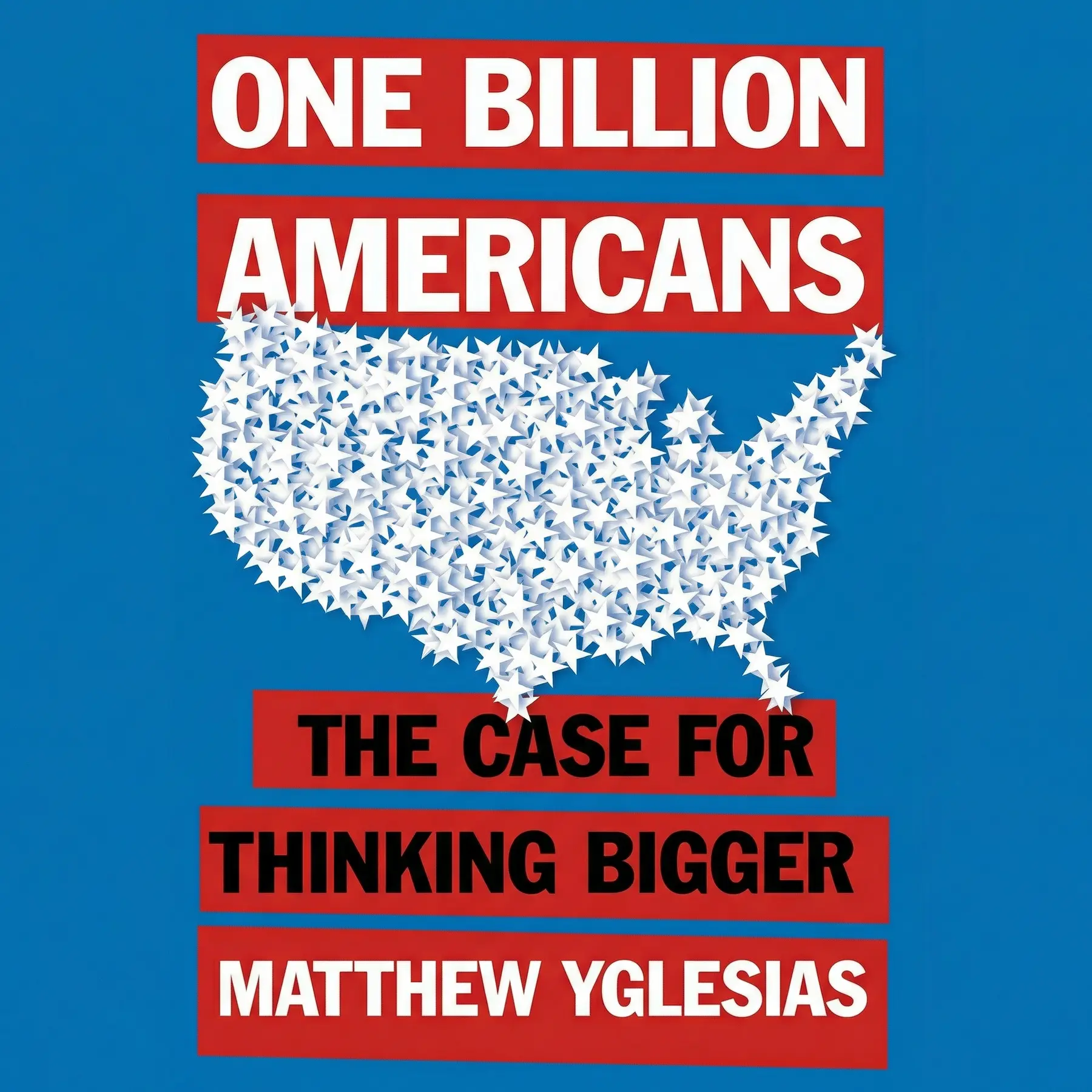
One Billion Americans: The Case for Thinking Bigger
A bold proposal to triple the US population to ensure economic dominance and revitalize the nation through strategic policy shifts in housing, immigration, and family support.
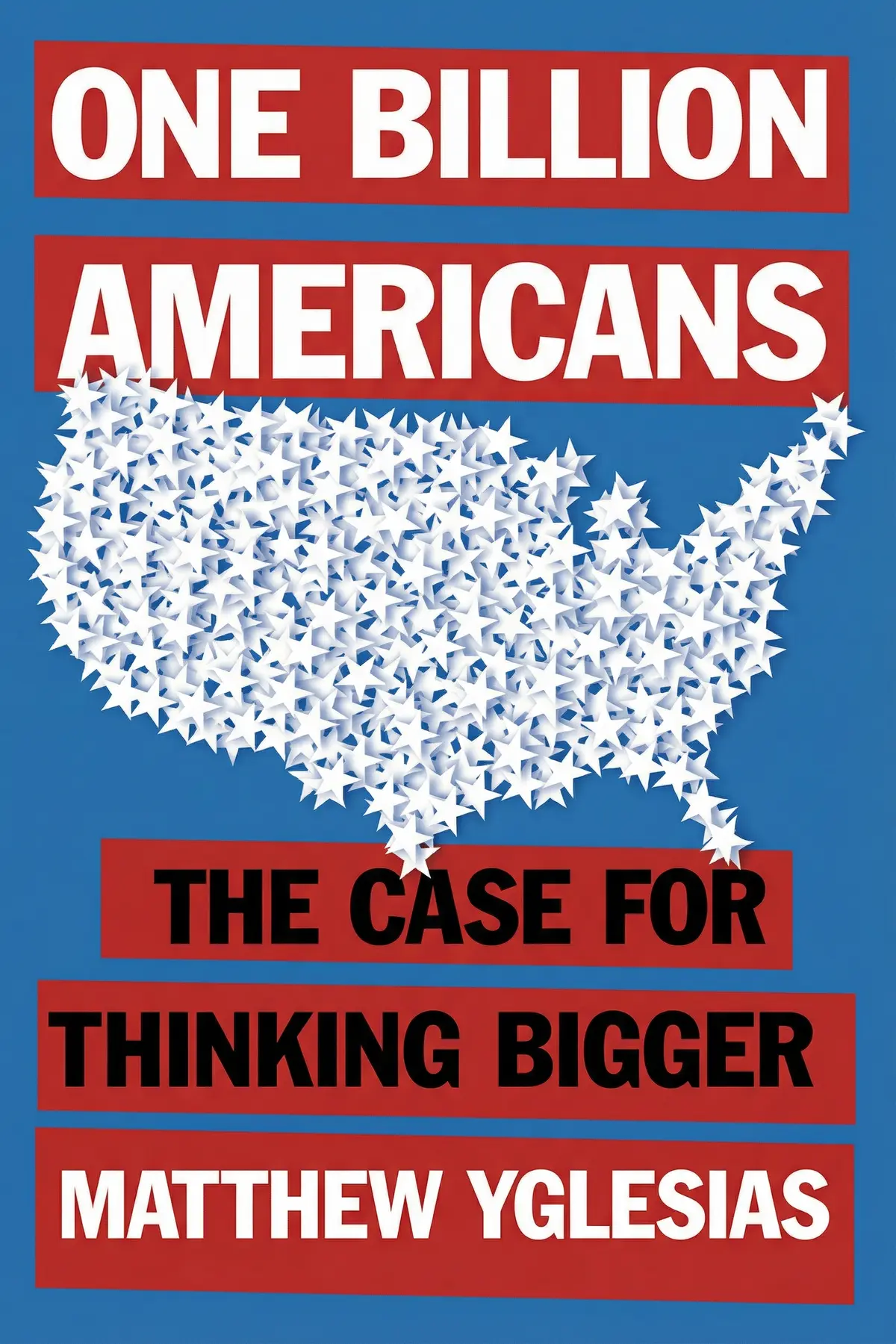
Table of Content
1. Introduction
1 min 48 sec
For generations, the United States has stood as the undisputed heavyweight of the global economy. It’s a position many of us take for granted, assuming that the prosperity and influence we’ve enjoyed since the early twentieth century is a permanent fixture of the world order. But if you look closely at the cracks starting to appear in our national infrastructure, our slowing birth rates, and the rising economic tide of competitors across the Pacific, it becomes clear that the American Century might be coming to a close.
We often hear about the problems of modern America: cities that are shrinking and falling into disrepair, families who feel they can’t afford to have children, and an increasingly competitive global stage where China’s sheer size threatens to eclipse our domestic output. But what if the solution to all these disparate problems was one and the same? What if the answer isn’t to hunker down and manage our decline, but to do something so massive it sounds almost impossible?
The central argument we’re exploring today is that the United States needs more people—a lot more. Specifically, we are looking at a future where there are one billion Americans. At first glance, that number might sound like a recipe for chaos or overcrowding. But when you break down the economics, the geography, and the logistical potential of the land, it starts to look less like a fantasy and more like a necessary strategy for survival.
In this discussion, we’re going to look at how a larger population can actually lead to a better quality of life for everyone. We’ll examine why our current systems are failing to support the families who want to grow, and how we can rethink everything from where we build houses to how we move between cities. It’s about more than just numbers; it’s about a vision of a nation that is vibrant, innovative, and large enough to maintain its leading role on the world stage. So, let’s dive into why thinking bigger might be the only way to save the American dream.
2. The Strategic Necessity of a Larger Population
2 min 25 sec
Could the secret to maintaining global influence lie in a dramatic increase in headcount? Discover why the US must expand to compete with rising superpowers.
3. Abundance Through Density and Specialization
2 min 20 sec
A larger population doesn’t just mean more people; it means more choices and faster innovation. Learn how numbers drive the variety in our daily lives.
4. Closing the Gap Between Desired and Actual Birth Rates
2 min 07 sec
Many Americans want larger families but feel they can’t afford them. Discover the economic hurdles that are keeping the birth rate at historic lows.
5. The Power of Universal Social Support
1 min 54 sec
What can America learn from Europe about raising children? Explore how universal benefits could be the key to unlocking national growth.
6. Immigration as an Economic Accelerator
1 min 52 sec
While birth rates take decades to impact the workforce, immigration provides an immediate boost. See why welcoming new arrivals is a classic American strategy.
7. Revitalizing America’s Ghost Cities
2 min 08 sec
As some cities overflow, others are being left behind. Discover how a national population strategy could breathe life back into struggling urban centers.
8. Breaking the Artificial Barriers to Housing
2 min 12 sec
Is America really running out of space, or are our own laws standing in the way? Learn how zoning reform could end the housing crisis.
9. Moving a Billion People with Modern Infrastructure
1 min 57 sec
Traffic jams are the bane of modern life, but they aren’t inevitable. Explore how high-tech transit can handle a massive surge in population.
10. Conclusion
1 min 23 sec
As we wrap up our look at this ambitious vision, it’s worth reflecting on the central throughline: America’s greatest asset has always been its people and its potential for growth. The idea of reaching a population of one billion is certainly a massive departure from our current trajectory, but it’s a departure born out of a desire for national strength and individual prosperity.
By tripling our numbers, we wouldn’t just be ‘filling up’ the country; we would be creating a deeper, more innovative, and more resilient economy. We would be revitalizing the cities that have been left behind, ensuring that families can afford to have the children they desire, and building a transportation and housing network that reflects the needs of the twenty-first century rather than the mid-twentieth.
What this really means for you is a shift in perspective. Instead of seeing population growth as a threat or a burden, we can see it as the fuel for our future success. To get there, we need to advocate for smarter zoning, more supportive family policies, and an immigration system that welcomes the world’s best and most industrious.
The American Century doesn’t have to end. By thinking bigger and embracing the strength of numbers, we can ensure that the United States remains a beacon of opportunity and a global leader for generations to come. The choice is ours: we can manage our own decline, or we can build a bigger, better, and more vibrant nation together. It’s time to start thinking like a billion-person country.
About this book
What is this book about?
One Billion Americans presents a provocative argument for massive population growth. Matthew Yglesias suggests that the United States is currently under-populated compared to its global rivals and its own geographic potential. By aiming for a population of one billion, the country could solve its most pressing issues, from stagnating cities to a shrinking tax base. The book provides a roadmap of policy changes—including universal childcare, zoning reform, and pro-growth immigration—to make this vision a reality. It promises a way for America to remain the world's leading superpower by embracing the strength of numbers. Yglesias argues that instead of managing decline, the United States should lean into its strengths and think significantly bigger about its future role on the world stage.
Book Information
About the Author
Matthew Yglesias
Matthew Yglesias is an American journalist who specializes in economics and politics. He was a cofounder, editor, and senior correspondent at news website Vox, and has written for the Atlantic, the American Prospect, and Slate. Author of The Rent Is Too Damn High and Heads in the Sand, Yglesias formerly cohosted The Weeds podcast and now writes the Slow Boring newsletter.
Ratings & Reviews
Ratings at a glance
What people think
Listeners find this work to be an accessible and well-crafted read, offering strong arguments that form a persuasive premise. The text addresses a broad spectrum of policy issues, and listeners value its intellectually stimulating quality, with one listener remarking that it prompts reflection on more substantial and positive goals. In addition, the book is commended for its effective pacing and its discussion of immigration.
Top reviews
Joseph
Finally got around to reading Matt Yglesias’s latest, and it’s a refreshing departure from the usual doom-and-gloom political fare. The core argument—that America needs to massively expand its population to remain a global superpower—is bold and surprisingly well-defended. Yglesias avoids the typical partisan traps by focusing on practical, technocratic solutions like housing reform and pro-natalist tax credits. I appreciated how he balanced the wonky policy details with a fast-paced, accessible writing style that kept me engaged throughout. While some might find his "China as the rival" framing a bit intense, the underlying logic about demographic decline is hard to ignore. It’s the kind of book that forces you to rethink what’s possible for the country’s future. Frankly, we need more of this kind of big picture thinking in our national discourse right now.
Show moreYaowares
The chapter on childcare and family policy alone makes this worth the price of admission. Yglesias makes a compelling, pro-natalist case that feels both progressive and common-sense, which is a rare feat in today’s polarized climate. He argues that if we want a thriving future, we have to make it easier for people to actually have the families they want. The writing is punchy and direct, making complex demographic data feel immediate and relevant to everyday life. I loved the optimistic energy he brings to the table; it’s a welcome change from the constant cynicism we usually see in non-fiction. Even if you don't agree with every single policy proposal, the overarching vision of a more vibrant, populated America is deeply inspiring. This is easily one of the most thought-provoking books I've picked up this year.
Show moreArthit
Ever wonder what America would look like if we actually tried to win the 21st century? This book provides a blueprint for that exact scenario. Matthew Yglesias delivers a compelling thesis that is both radically ambitious and surprisingly practical. He walks the reader through various policy areas—from zoning reform to child allowances—showing how small changes can add up to a massive national renewal. The pacing is excellent, and he has a way of making wonky topics feel urgent and exciting. I personally loved his take on how we can brain-drain the rest of the world to maintain our edge. It’s a bold, pro-growth vision that doesn't apologize for wanting America to be the best. In my experience, it’s rare to find a policy book that is this easy to read while still being so intellectually stimulating. Highly recommended for anyone who wants a reason to be optimistic about the future.
Show moreAdam
Picked this up after hearing it mentioned on several podcasts, and I’m glad I did. This book is exactly the kind of big idea non-fiction that the country needs right now. Yglesias methodically addresses almost every objection you could think of, from traffic congestion to food supplies, with a calm and logical tone. It covers a wide range of policy areas without ever feeling disjointed or overly academic. I found the arguments for a united vision particularly compelling, as they offer a way forward that isn't just about managing decline. The writing style is vintage Yglesias—smart, fast-paced, and slightly provocative. It’s a well-written call to action that makes the case for a more populous and powerful United States. If you want a break from the standard political bickering, this book offers a much-needed dose of constructive thinking. It’s easily one of the best policy books of the decade.
Show moreLogan
As someone who follows the 'Vox-style' policy debates, I found this book to be a high-speed tour through some of the most pressing issues facing the US today. The central thesis is audacious, yet Yglesias breaks it down into manageable policy buckets like immigration reform and urban density. I particularly liked the sections on land-use restrictions, which felt very grounded in the current housing crisis. However, the tone can occasionally lean into that smarmy persona he's known for on Twitter, which might alienate some readers who aren't already fans. To be fair, the book is incredibly well-paced and avoids getting bogged down in too much academic jargon. It’s a provocative read that provides a solid framework for why growth matters. It isn't perfect, but it definitely gets you thinking about bigger and better things.
Show moreWatchara
Wait, one billion people? That was my first reaction when I saw the title, but Yglesias does a fantastic job of showing that this isn't as crazy as it sounds. He uses data to demonstrate that we actually have plenty of space and resources, provided we manage our infrastructure and housing correctly. The book is structured around different policy levers—immigration, transit, and social support—that could realistically get us there over the next century. My only real gripe is that he glosses over some of the social friction that such rapid change might cause. Still, the arguments are solid and the prose is incredibly easy to digest. It’s a very un-stuffy policy book that manages to be both serious and entertaining at the same time. Definitely a must-read for anyone interested in the future of the American project.
Show moreGrace
This book is a masterclass in 'Overton Window' shifting. Yglesias takes a concept that sounds radical—tripling the US population—and makes it sound like a logical, even conservative, necessity for national security. By framing immigration and birth rates as a way to compete with China, he makes a case that might actually appeal to people outside the usual progressive circles. The logic is tight, and the book is remarkably well-written for something that deals so heavily with census data and zoning laws. I did find the brain-drain strategy a bit cold-blooded at times, but he's honest about the transactional nature of global power. It’s a refreshing take that prioritizes growth and dynamism over stagnation. If you’re tired of small-bore politics, this book will definitely expand your horizons. It’s a solid piece of work that deserves a serious audience.
Show moreJirapat
Look, I enjoy Matt Yglesias’s work on 'The Weeds,' but this book felt like a collection of very long blog posts rather than a cohesive narrative. He touches on a dozen different policy areas, from high-speed rail to universal pre-K, but rarely goes deep enough into any of them to be truly convincing. It’s definitely thought-provoking, and I found myself nodding along to his YIMBY arguments, but the glib writing style often undercuts the seriousness of the proposal. He has a habit of hand-waving away complex cultural objections as if they’re just minor technical glitches. That being said, it’s a fast read and offers plenty of wonkish data points to use in arguments. It’s an interesting thought experiment, but I wish it had more emotional weight and a bit less smarm. It’s worth a look if you’re already into policy, but don’t expect a definitive manifesto.
Show moreRay
Not what I expected, but interesting nonetheless. While I agree with many of the individual points—like the need for more housing and better family support—the overall goal of one billion people feels more like a rhetorical device than a serious plan. Yglesias is a talented writer, but his tendency toward smarmy hot takes can get a bit exhausting after a few chapters. He often breezes past the very real cultural and political hurdles that make his proposals almost impossible in the current climate. Still, the immigration content is very strong and he provides some great data to counter the usual anti-growth arguments. It’s a thought-provoking read that will certainly spark some lively debates at your next dinner party. Frankly, it’s better as a conversation starter than a literal roadmap, but it’s still worth your time if you’re interested in American demographics.
Show moreSomrutai
Deeply disappointed by what I can only describe as a profoundly unserious and jingoistic piece of work. Yglesias fundamentally misunderstands ecological carrying capacity, treating the environment as an infinite resource that can just be engineered away. The idea that we can just triple the population without causing an environmental catastrophe is laughably naive and ignores the reality of resource scarcity. Beyond the flawed math, the tone is incredibly arrogant, dismissing valid concerns about social cohesion and sustainability as mere takes. It feels like a 300-page Twitter thread from someone who loves the sound of their own voice but has never actually studied the logistics of what they're proposing. Truth is, this is just nationalistic propaganda dressed up in technocratic language. Don't waste your time on this superficial nonsense; there are much better books on immigration and urban planning that actually respect the science.
Show moreReaders also enjoyed
A Warning
Miles Taylor
Adults in The Room: My Battle With Europe’s Deep Establishment
Yanis Varoufakis
Abolish Rent: How Tenants Can End the Housing Crisis
Tracy Rosenthal
Abortion: Our Bodies, Their Lies, and the Truths We Use to
Jessica Valenti
AUDIO SUMMARY AVAILABLE
Listen to One Billion Americans in 15 minutes
Get the key ideas from One Billion Americans by Matthew Yglesias, plus 5,000+ more titles in English and Thai.
- 5,000+ titles
- Listen as much as you want
- 7-day free trial
- Cancel anytime







