
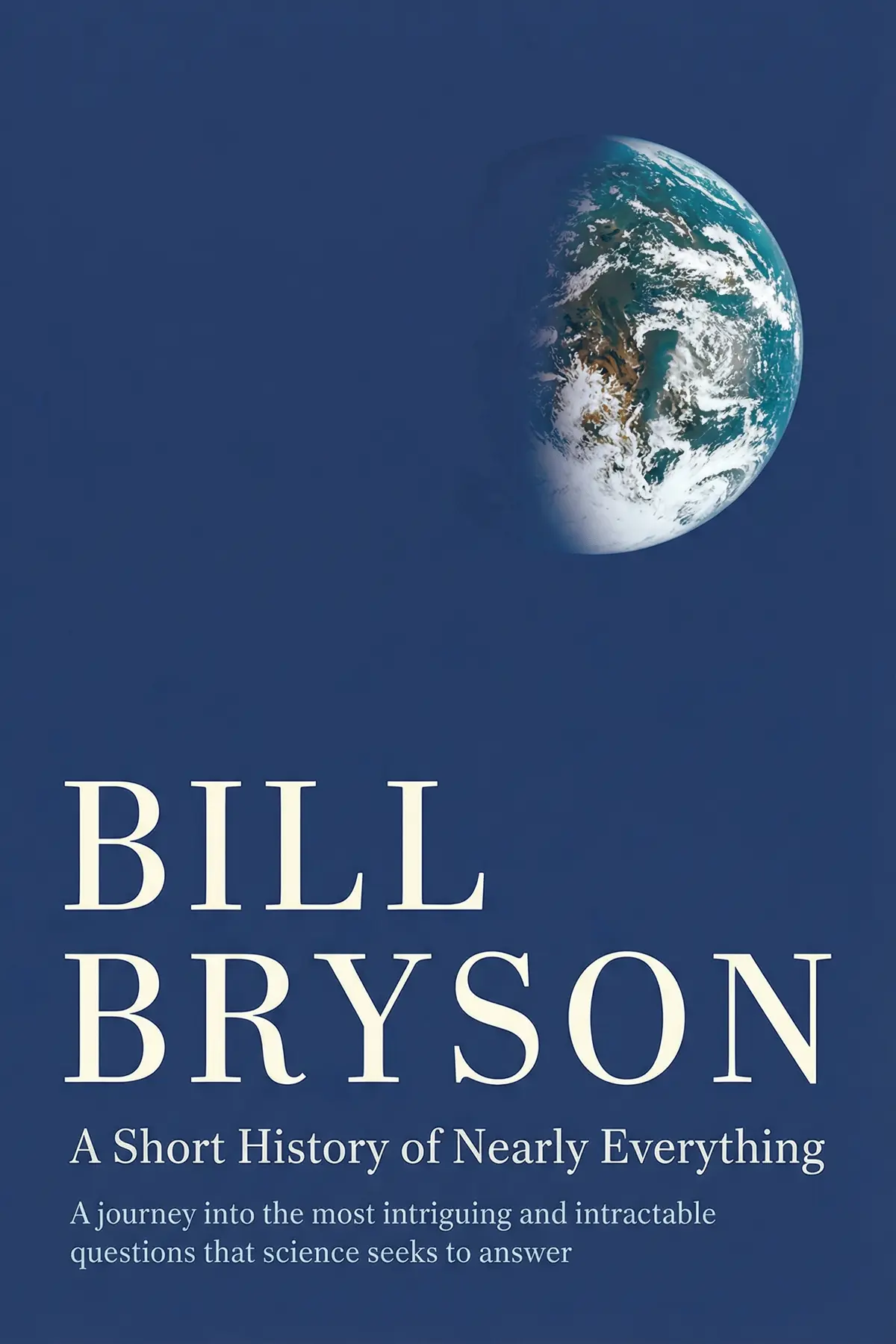
A Short History of Nearly Everything
Bill Bryson
Explore the pivotal months of 1927, a season that saw the rise of American aviation, the birth of talking pictures, and the economic shifts that shaped the modern world.
1 min 30 sec
Think back to a time in your life when everything seemed to change in a single season. Maybe it was a summer where you grew up, or a few months where a series of events redirected your entire future. We often think of history as a slow, gradual crawl, but sometimes, history hits the accelerator. In the story of the United States, that moment was the summer of 1927.
At the start of that year, America was a nation still finding its footing on the global stage. By the end of it, the country had transformed into a cultural and economic powerhouse. It was a season of unbelievable highs—the kind of feats that make people believe anything is possible—but it was also a time of deep-seated tension and hidden vulnerabilities. This was the summer when consumerism as we know it took root, when celebrity culture reached a fever pitch, and when the financial world began building a house of cards that would eventually come crashing down.
In this journey through 1927, we aren’t just looking at dates on a calendar. We are looking at the DNA of the modern world. We will explore how a lone pilot saved an entire industry, how a baseball player became a living god, and how a quiet president allowed the seeds of an economic disaster to be planted. This is the throughline of a nation coming of age, grappling with its own power, and setting a course that the rest of the world would eventually follow. Let’s step into the heat of that transformative summer and see how those few months changed everything.
2 min 06 sec
Discover how one man’s daring journey across the Atlantic rescued a stagnant industry and turned the United States into a global leader in flight.
2 min 13 sec
Witness the moment Hollywood learned to speak and a baseball legend captured the heart of a nation, cementing American cultural dominance.
2 min 11 sec
Behind the glamour of the 1920s lay a era of intense paranoia and social division that threatened the country’s progress.
1 min 54 sec
Explore the staggering prosperity of 1927 and how a new culture of credit created an economic boom that was destined to burst.
2 min 05 sec
Delve into the leadership decisions and tax policies of 1927 that inadvertently set the stage for the most devastating economic crash in history.
1 min 30 sec
The summer of 1927 stands as a monument to the complexity of history. It was a season where the United States proved its genius, showing the world that it could conquer the Atlantic, revolutionize the screen, and produce athletes of superhuman caliber. It was a time of unimaginable wealth and a spirit of innovation that still powers the American identity today. We see the roots of our modern lives in the refrigerators, cars, and radios that became household staples during those few sweltering months.
But as we’ve seen, that throughline of progress was intertwined with a darker thread. The same year that celebrated Lindbergh also executed Sacco and Vanzetti and championed the cruel logic of eugenics. The same economic policies that created millionaires overnight were also hollowing out the foundations of the global economy. 1927 was a mirror of the American soul—ambitious and creative, yet often blinded by its own success and prejudiced against those it deemed ‘other.’
The lesson of 1927 is that progress and peril often walk hand in hand. When we look at that summer, we see a nation that was busy forging a new, modern identity, but one that also ignored the warning signs of its own excesses. As you reflect on this extraordinary season, remember that the heights of achievement are often followed by the depths of a fall if the foundation isn’t solid. The summer of 1927 didn’t just happen once; its echoes still define the way we live, the way we consume, and the way we dream.
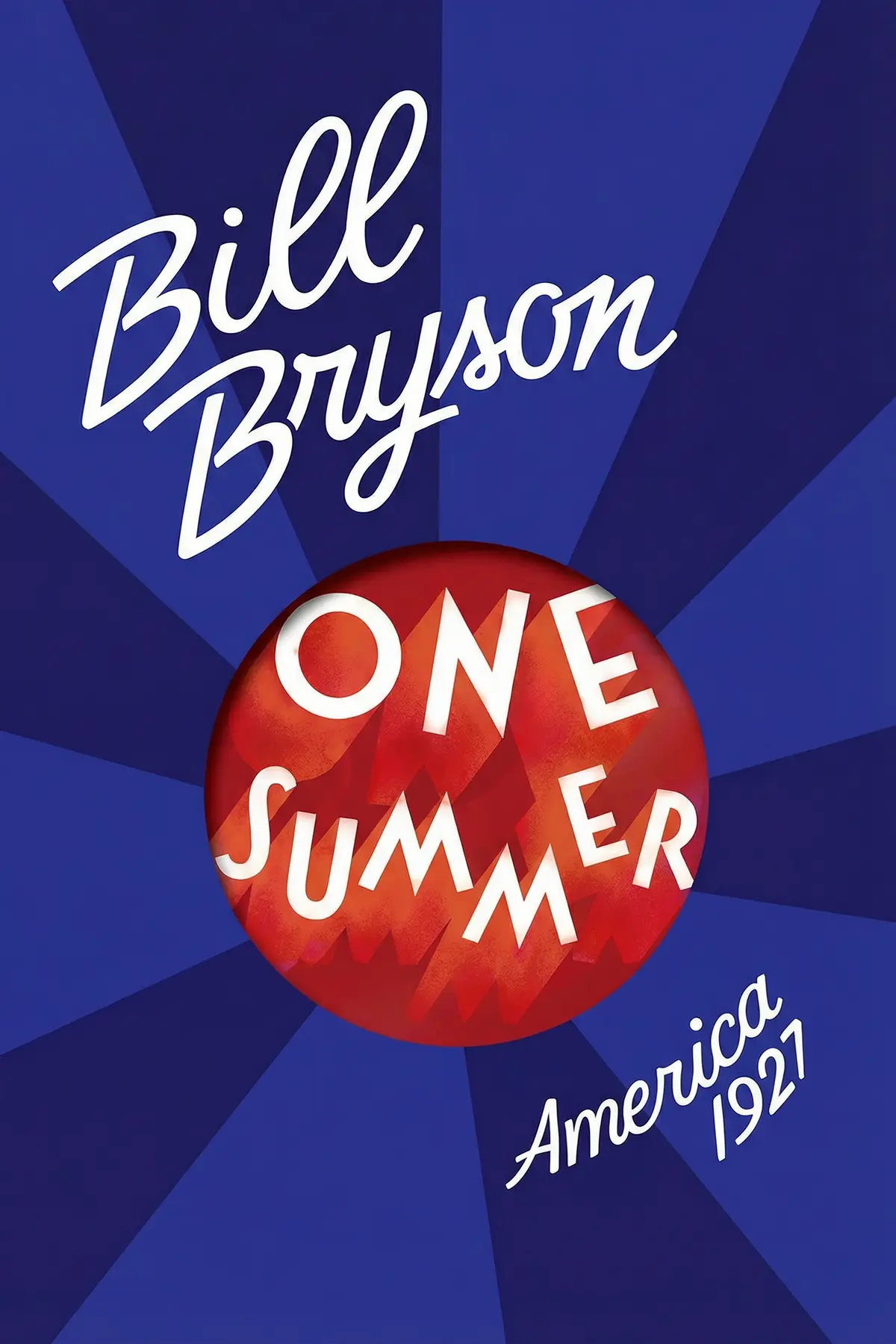
One Summer: America, 1927 takes listeners on a journey back to a single, extraordinary season that redefined the American identity. While the decade is often remembered for jazz and flappers, this narrative focuses on how specific events in 1927—from Charles Lindbergh’s solo flight across the Atlantic to Babe Ruth’s record-breaking home runs—propelled the United States into a position of global dominance. The book promises a deep dive into the contradictions of the era. It explores the staggering affluence and technological leaps, like the transition from silent films to 'talkies,' while also confronting the darker social undercurrents of the time. You will learn how the nation’s unbridled optimism and reckless economic policies during these few months laid the groundwork for both its future prosperity and the looming shadow of the Great Depression. It is a comprehensive look at a turning point where the modern United States was truly born.
Bill Bryson is the best-selling author of over a dozen books, including The Mother Tongue, Notes From a Small Island and A Short History of Nearly Everything, which won the 2004 Aventis Prize.
Bill Bryson
Bill Bryson
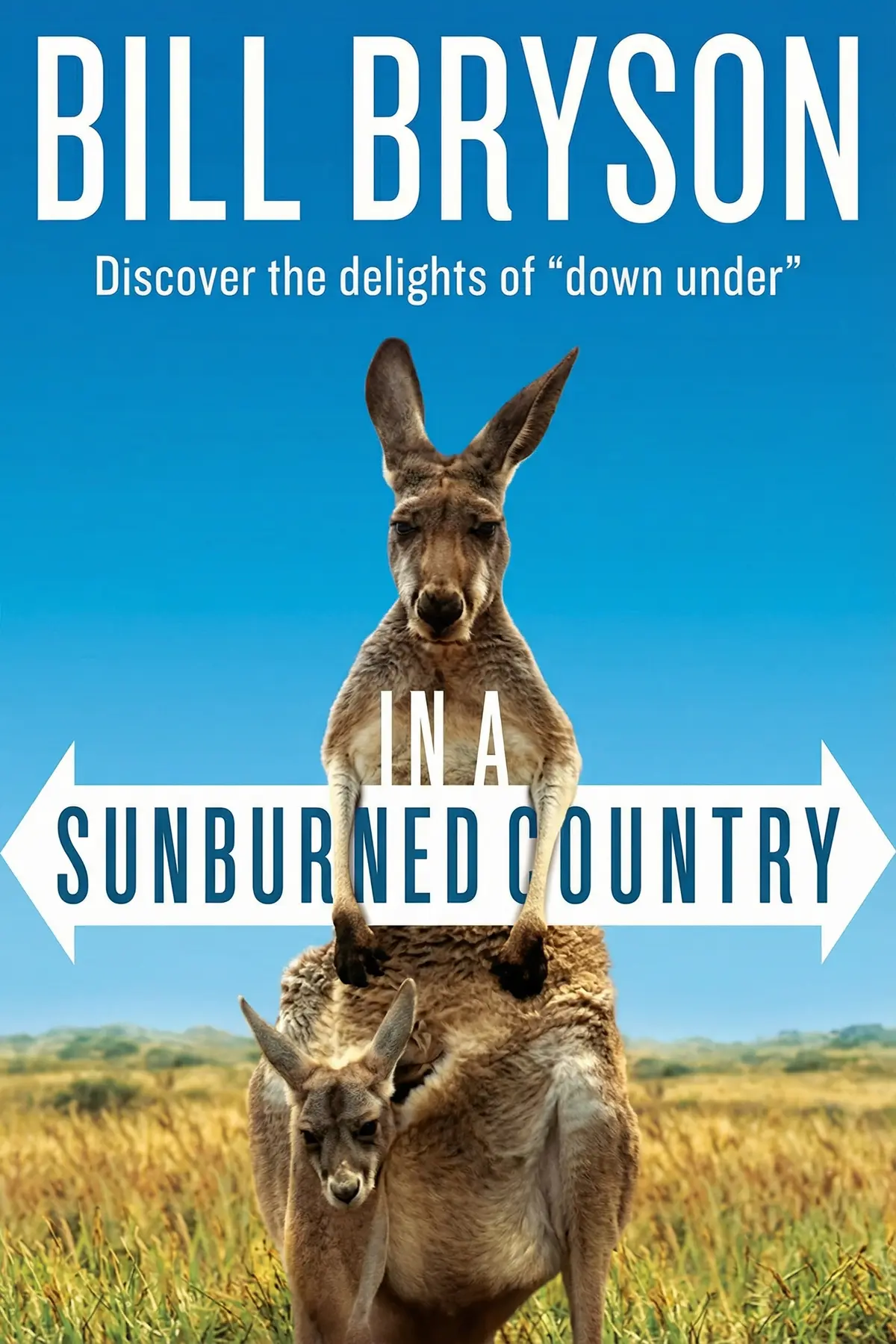
Bill Bryson
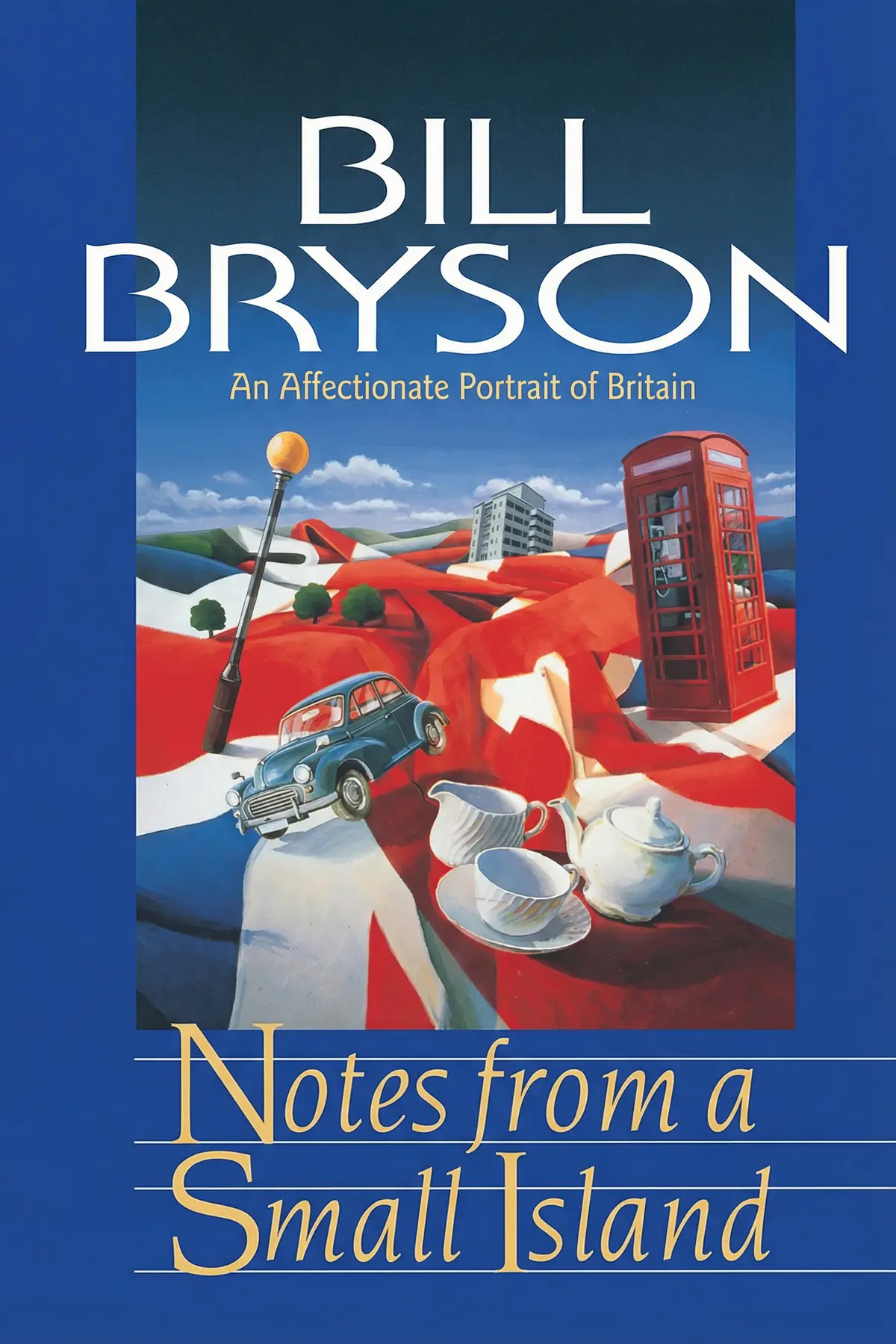
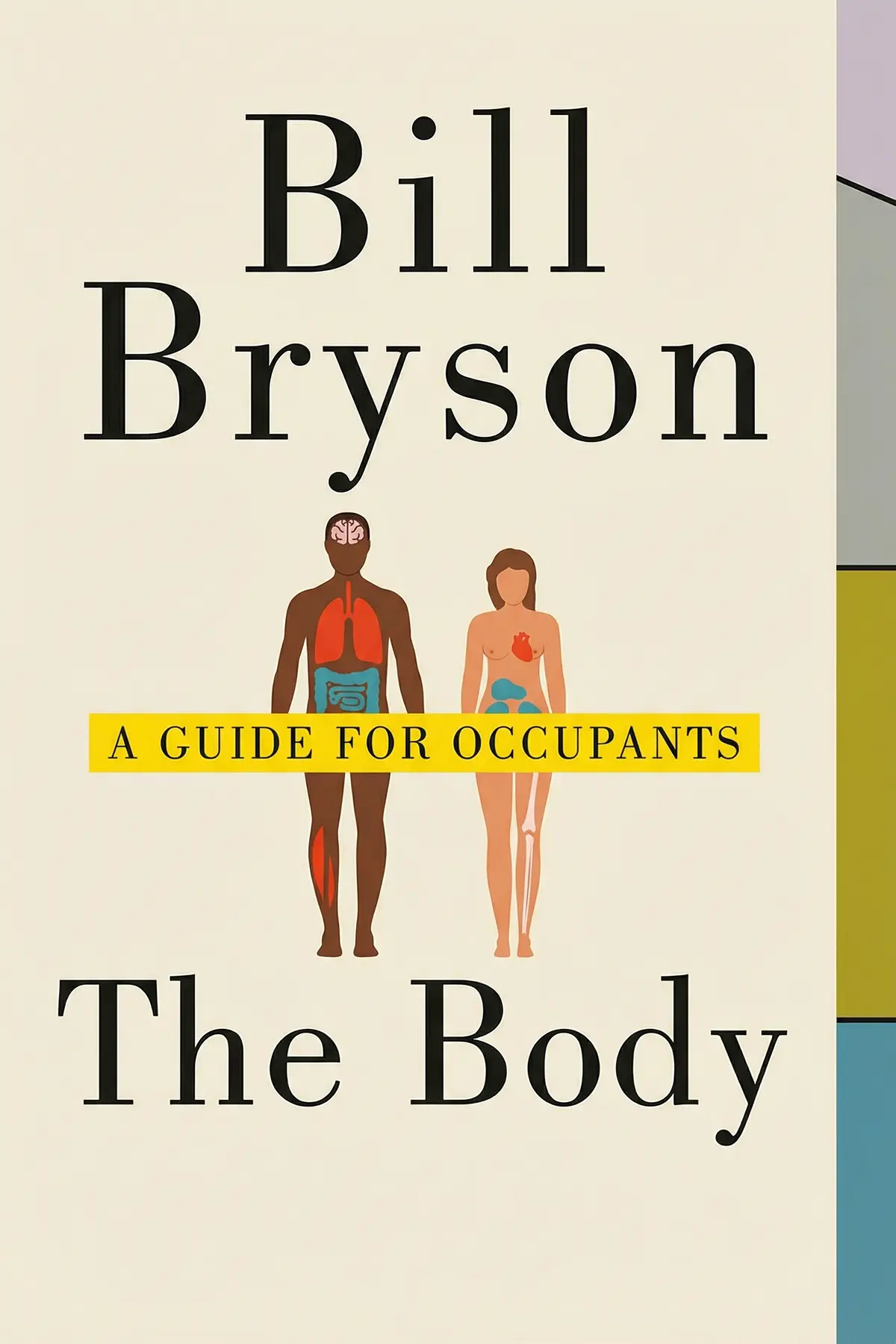
Bill Bryson
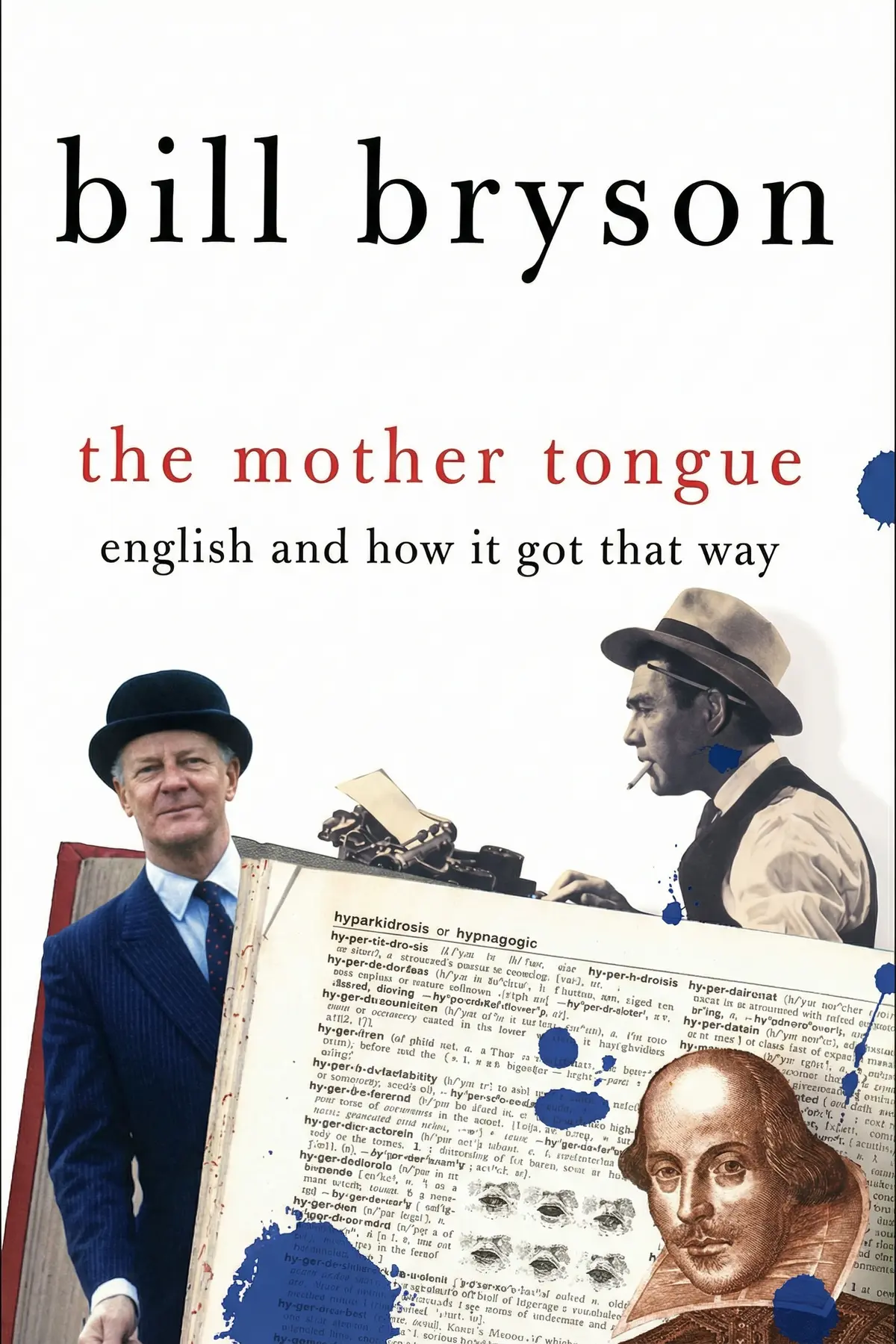
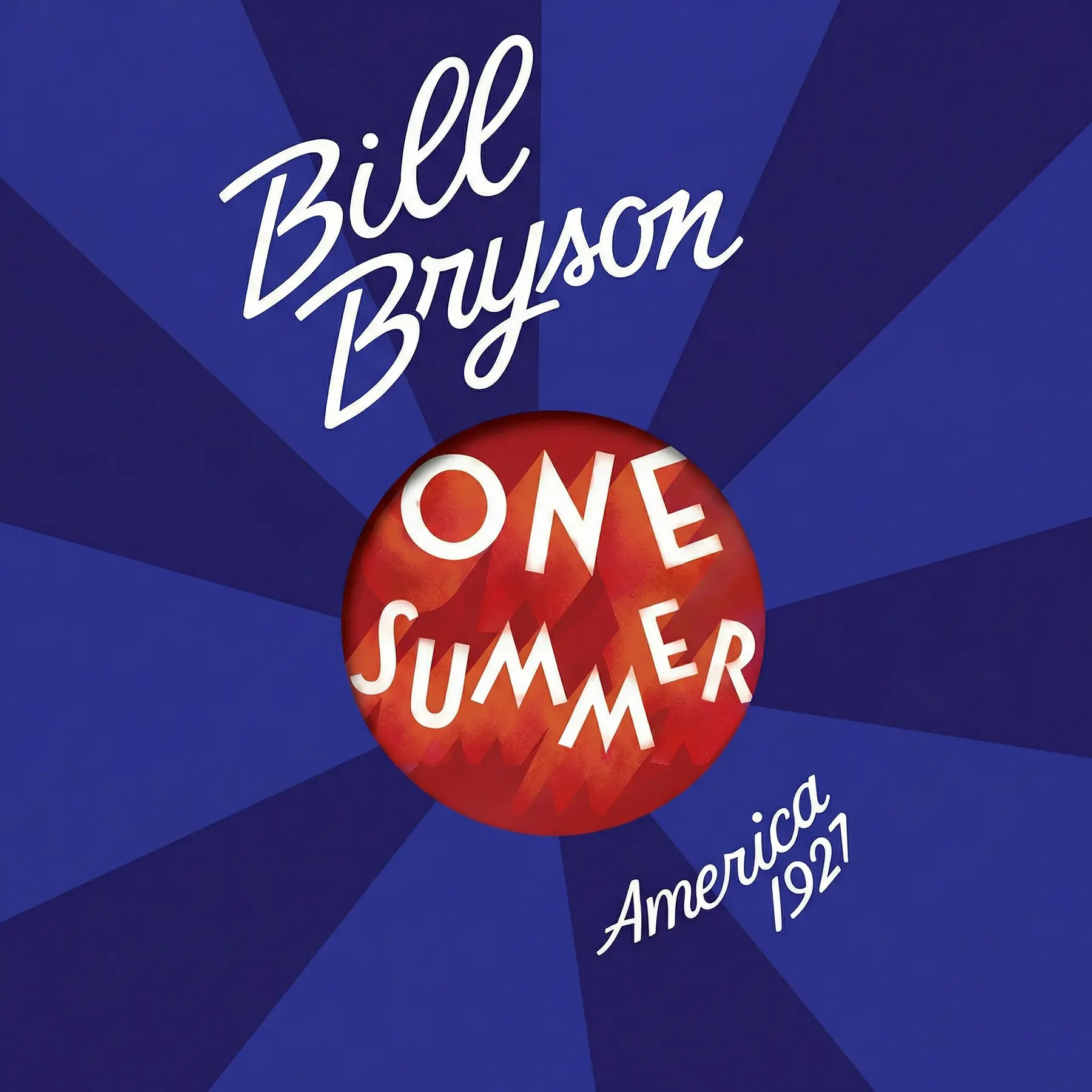
Listeners find this work both captivating and amusing, commending its thorough research and smooth narrative flow. Furthermore, they value the historical context provided, mentioning that it offers a deeper grasp of that period. The title also earns praise for its wit; one listener points out its wonderful sense of the absurd, while another observes how various anecdotes transition into one another seamlessly.
Ever wonder how a single summer could define an entire century? Bill Bryson argues that 1927 was that moment for America. His storytelling makes a compelling case. The detail about Lindbergh flying a plane without a front window is the kind of absurd fact that makes this book so memorable. I loved the way he contrasted the boyish heroism of 'Lindy' with the exuberant, messy life of Babe Ruth. The narrative flows between the birth of television, the execution of Sacco and Vanzetti, and the massive Mississippi floods. It’s a captivating look at a nation in transition, balancing high-flying optimism with the dark undercurrents of eugenics and the KKK. Truth is, I haven't enjoyed a history book this much since school. Bryson’s voice is distinct, humorous, and deeply insightful.
Show moreThe way Bryson weaves together the exploits of Babe Ruth with the burgeoning age of television and the madness of Prohibition is nothing short of masterful. He has this wonderful sense of the absurd that makes even the mundane political maneuvering by Herbert Hoover feel interesting. Look, I’m not a baseball fan, but hearing about the 1927 Yankees through Bryson’s lens was surprisingly engaging. The book captures the intoxicating effect of spectacle that defined the era perfectly. Whether it's flagpole sitting or the media circus surrounding a murder trial, you get a sense of a world gone mad for distraction. It’s written with a cadence that keeps you hooked from May through September. This isn't just a history book; it's a vivid, technicolor snapshot of a country coming of age. Highly recommended for any history buff.
Show moreWow, I had no idea that 1927 was such a powder keg of cultural shifts and technological breakthroughs. This book is a masterclass in narrative non-fiction, making historical figures like Al Capone and Jack Dempsey feel like people you'd meet at a local bar. Bryson’s wit is on full display here, especially when he’s mocking the 'Silent Cal' presidency or describing Babe Ruth's outsized appetites. Frankly, the chapter on the advent of 'talkies' and how they ruined careers was one of the most interesting things I've read all year. You really get a sense of the sheer speed at which the world was changing. The tragedy of the Bath School bombing was a gut-punch, but it’s necessary to show the full scope of the year. It’s a big, fat, wonderful book that I’ll probably end up gifting to half my family this Christmas.
Show moreBill Bryson has a knack for making history feel less like a dusty textbook and more like a gossip column from ninety years ago. One Summer is a dense romp. It focuses on a single season where everything seemed to happen at once. From Charles Lindbergh’s harrowing flight across the Atlantic to Babe Ruth’s sixty home runs, the book is bursting with life. Frankly, I didn’t care much for the deep dives into boxing, but Bryson’s wit kept me turning the pages regardless. He captures the absurdity of the era, particularly the mess that was Prohibition and the incompetence of the political landscape. Some might find the structure a bit like a collection of articles rather than a cohesive story. However, for a casual reader looking to understand how America became a global power, this is a fascinating entry point.
Show morePicked this up on a whim and was immediately sucked into the bizarre world of 1920s Americana. I was particularly struck by the darker themes Bryson explores, like the Bath school bombing and the rise of the 'Age of Loathing' with its rampant bigotry. It isn't just a nostalgic trip. It is a sobering reminder that the past was often quite ugly. The depiction of Henry Ford as a stubborn, narrow-minded jackass was a real eye-opener for me. Not gonna lie, I learned more about the origins of the Great Depression here than I ever did in a classroom. The way the author handles the transition from the Model T to the Model A provides a great window into the economic chaos of the time. My only gripe is that some of the sports sections dragged on too long.
Show moreAs someone who usually finds history dry, I was pleasantly surprised by the sheer amount of 'did you know' facts packed into these pages. Did you know Lindbergh had multiple secret families, or that the first television was basically a spinning disk? Bryson’s research is impressive, and his ability to humanize figures like Calvin Coolidge—who apparently spent the summer napping and wearing silly hats—is hilarious. Gotta say, the contrast between the 'hero' Lindbergh and his later Nazi sympathies was handled with a lot of nuance. It makes you realize how fragile public perception really is. The book does a great job of showing how the US was trailing Europe in aviation before that one pivotal summer. It’s a long read, but the prose is so snappy that it rarely feels like a chore. A great choice for summer reading.
Show moreFew authors can jump from the grisly Snyder-Gray murder trial to the invention of the Model A without missing a beat. Bryson’s One Summer is a garrulous slice of Americana that manages to be both informative and deeply entertaining. I appreciated how he didn't shy away from the 'unmentionable' facts, like the widespread popularity of eugenics and the reemergence of the KKK. It provides a much-needed reality check to the glamorous 'Roaring Twenties' image we usually see. The descriptions of the Great Mississippi Flood were particularly harrowing and showed a different side of Herbert Hoover. In my experience, most history books focus on either politics or culture, but Bryson manages to blend both. My only complaint is that the 'American century' thesis isn't really proven by the text. Still, it’s a brilliant collection of stories that flow together remarkably well.
Show moreAfter hearing so much about Bryson’s travel writing, stepping into this focused historical snapshot was an interesting change of pace. He captures the 1920s not as a distant era, but as a living, breathing moment of total chaos and innovation. The way he details the stock market bubble and the 'buy-now, pay-later' mentality felt eerily similar to our modern world. It’s a sobering reminder that human nature doesn't change much, even if our technology does. I especially liked the epilogue where he ties up the loose ends for all the major players. It gives a satisfying sense of closure that most history books lack. While the baseball chapters were a bit of a slog for a non-fan like me, the rest of the book was gold. It’s a witty, well-paced journey through a summer that truly changed the world. Definitely worth your time.
Show moreWhile the writing is undeniably fluid, the structure of this book left me feeling a bit disjointed. It covers an incredible amount of ground—Lindbergh, Capone, Hoover, and even the invention of talking motion pictures—but it lacks a strong central thesis. At times, the jump from aviation technicalities to the nuances of baseball felt jarring. To be fair, Bryson is a gifted raconteur, and his descriptions of the 'Sash Weight Murder' were genuinely gripping. However, the reliance on secondary sources makes it feel more like a well-curated summary than a work of deep historical analysis. It's a fun read, but I found my attention wandering during the long chapters on Coolidge's naps. It’s a bit of a mixed bag for those who prefer a more focused narrative framework.
Show moreTo be fair, I expected a more cohesive narrative rather than a collection of somewhat loosely connected vignettes. Bryson is clearly a talented writer, but this book feels like he just gathered every interesting fact from 1927 and threw them into a blender. One minute you’re reading about the tragic fate of aviators, and the next you're buried in the stats of Lou Gehrig. Personally, I found the constant switching between topics a bit exhausting over five hundred pages. The lack of a unifying theme makes it feel like the calendar is the only thing holding the book together. That said, the individual stories are often fascinating on their own. The sections on the Jazz Singer and the end of the silent film era were highlights. It’s a decent 'bathroom book' but maybe not a cover-to-cover triumph.
Show more
Charles C. Mann
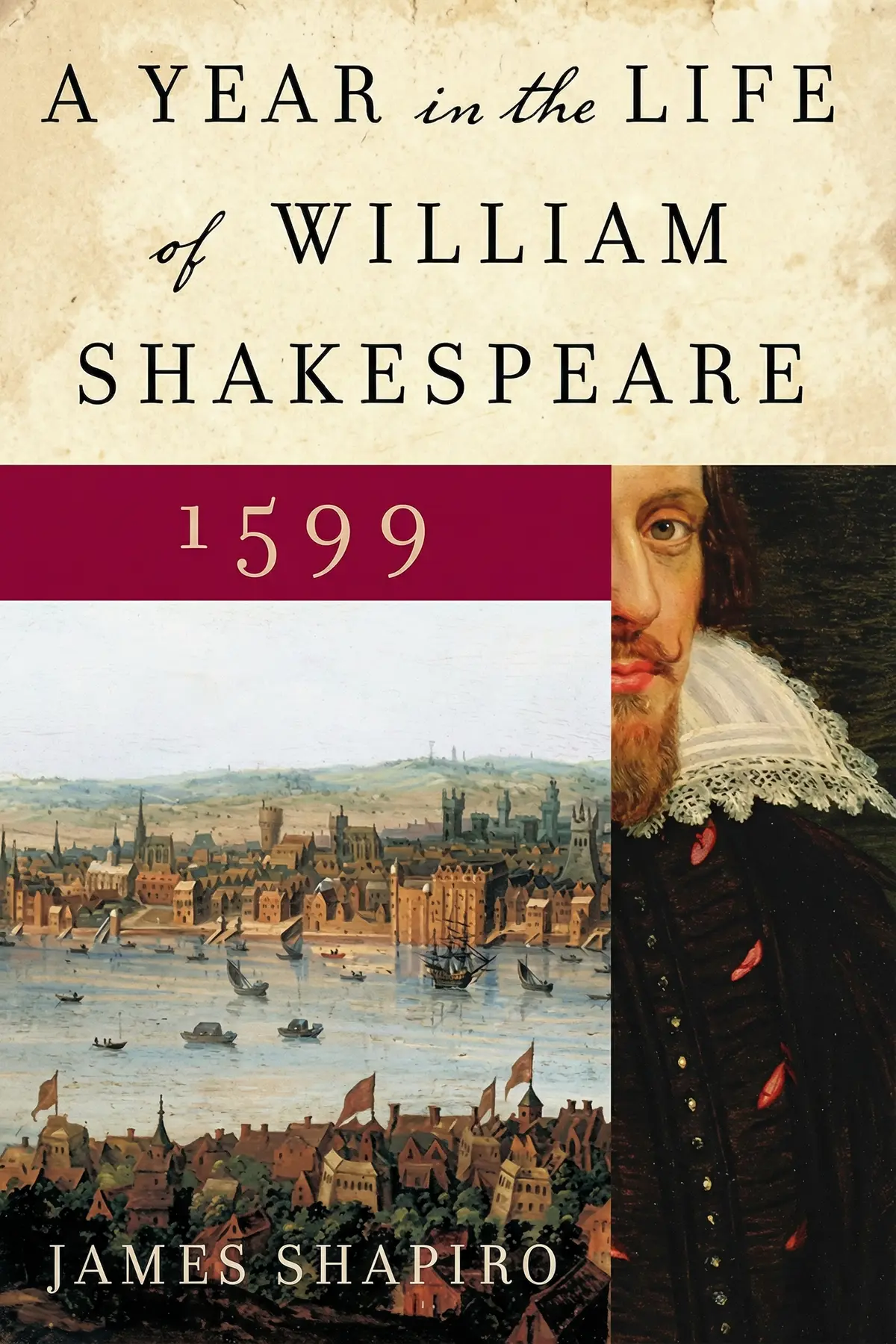
James Shapiro
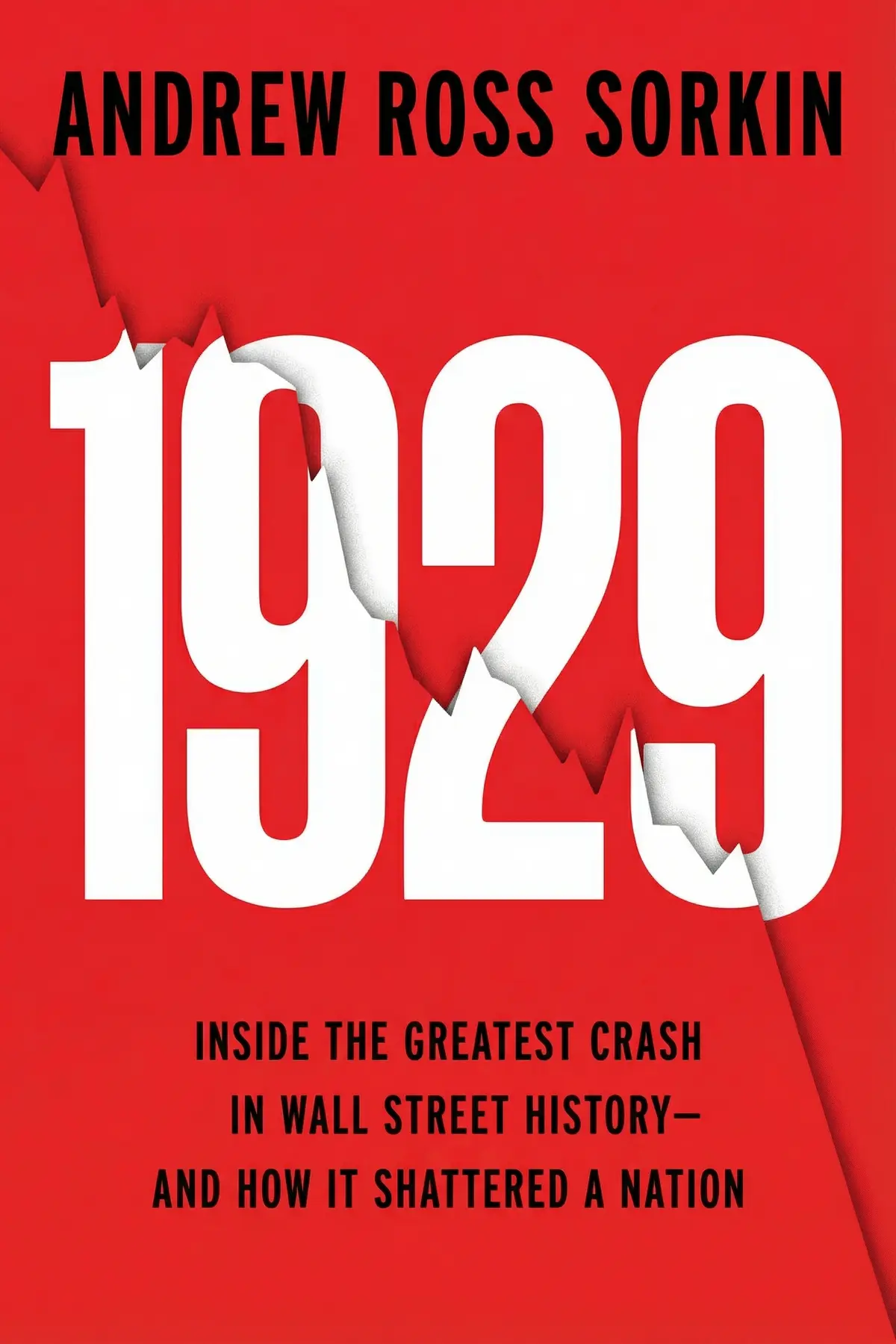
Andrew Ross Sorkin
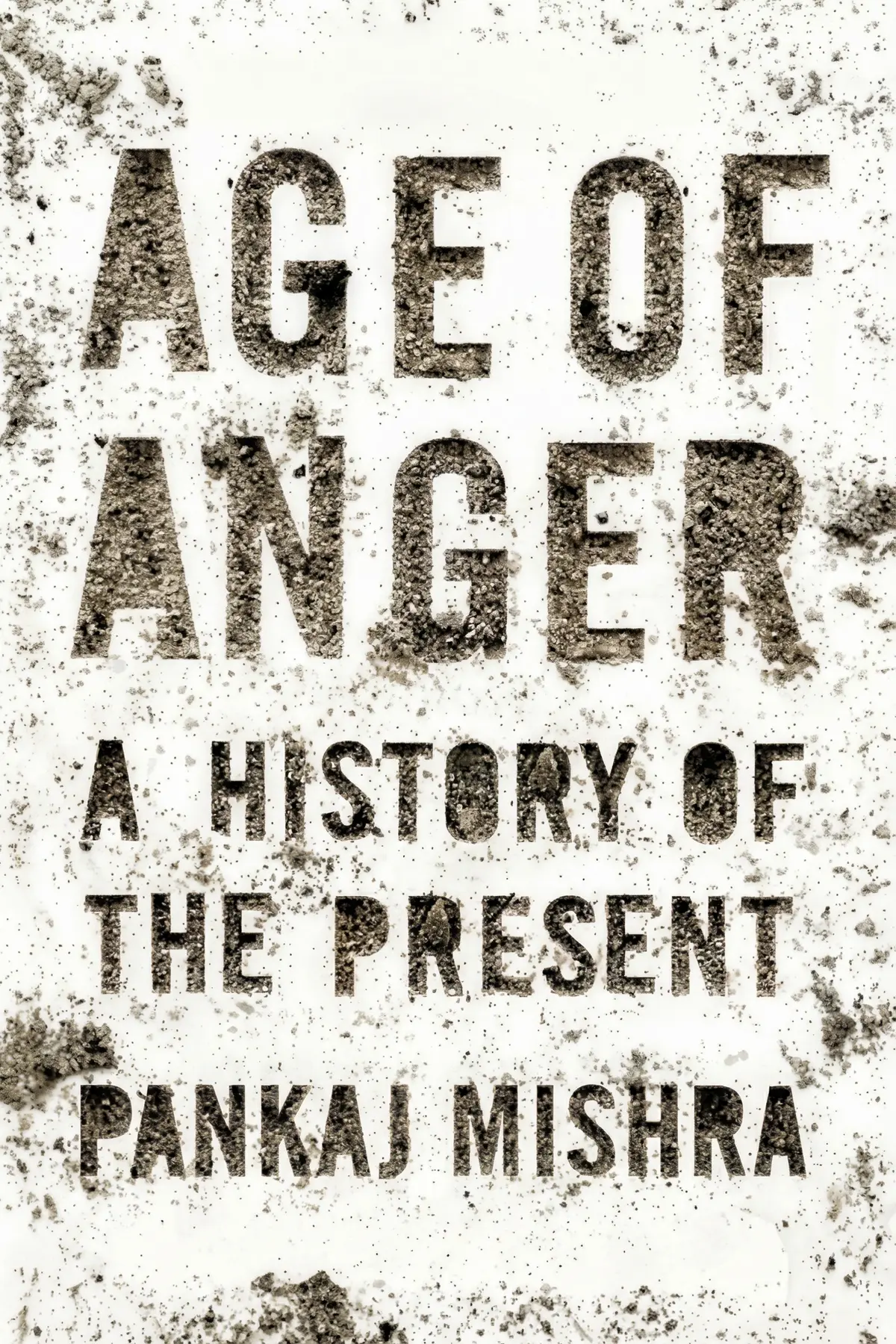
Pankaj Mishra

Fay Bound Alberti
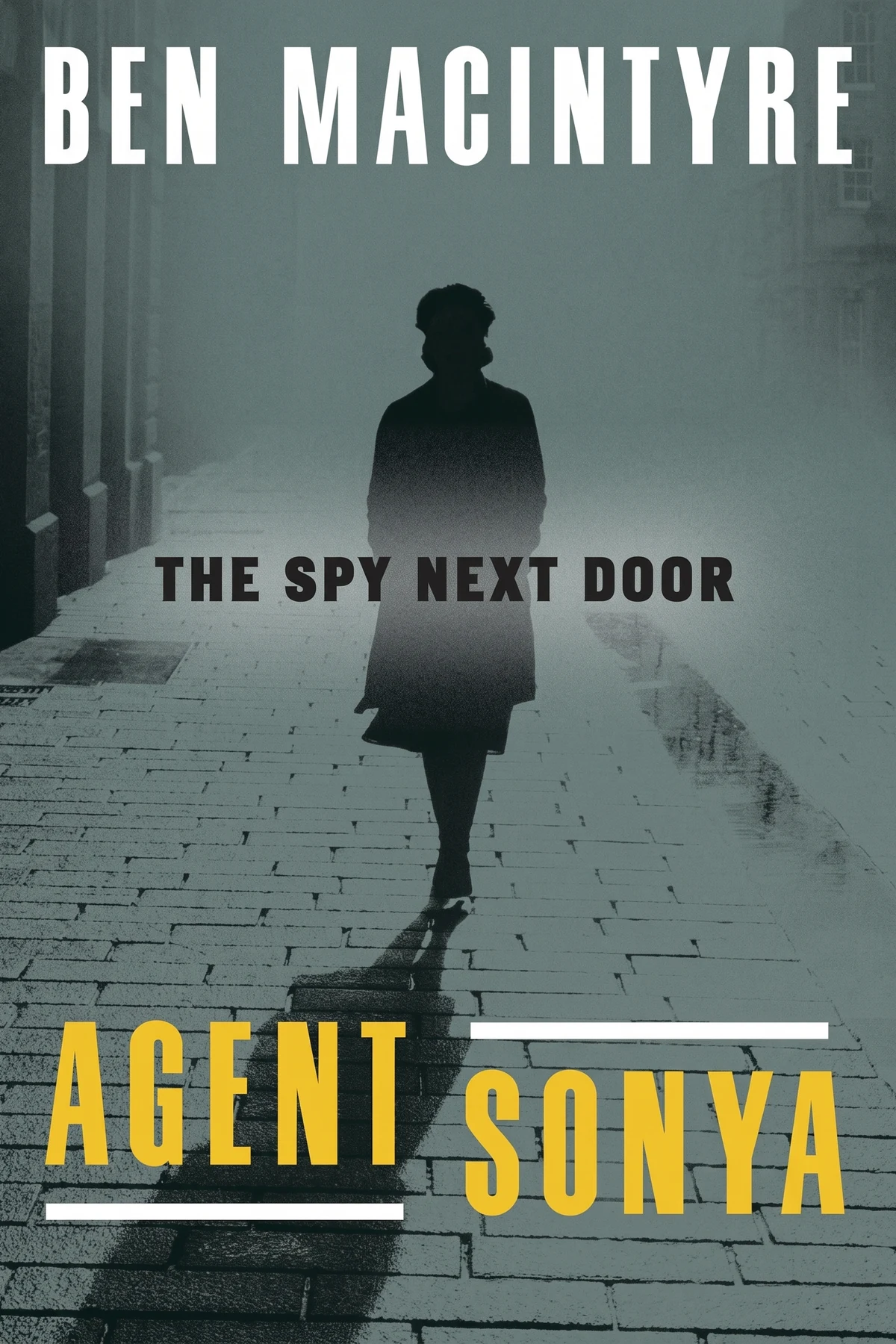
Ben Macintyre
Ron Chernow
AUDIO SUMMARY AVAILABLE
Get the key ideas from One Summer by Bill Bryson, plus 5,000+ more titles in English and Thai.







