

A Short History of Nearly Everything
Bill Bryson
Explore the secret histories hidden within the walls of a standard home. From the dangers of ancient beds to the evolution of the kitchen, discover how everyday objects shaped human civilization.
1 min 10 sec
Have you ever paused to look at the objects surrounding you in your own living room and wondered why they are there? We often think of history as a series of grand events—wars, treaties, and the rise and fall of empires. But there is another kind of history that is just as profound, yet much closer to home. In fact, it is literally in your home. Every architectural choice, every piece of furniture, and even the spices in your pantry carry the weight of centuries of human development.
In this exploration of the private life, we are going to walk through the various rooms of a typical house to see what they reveal about the way our ancestors lived. We will discover that the comforts we take for granted today—like a clean bed, a safe meal, or a warm bath—were once luxuries, or in some cases, considered dangerous or even sinful. This journey isn’t just about the physical structures we inhabit; it is about how those structures influenced our health, our social status, and our very survival.
By the end of this narrative, you will see your hallway, your kitchen, and your bedroom not just as functional spaces, but as a living museum of human ingenuity and eccentricity. Let’s step inside and peel back the wallpaper on the history of the home.
2 min 11 sec
Discover the surprising and often dangerous history of how we keep our food fresh, from iron cans that required hammers to the era of widespread food tampering.
2 min 12 sec
Explore how the lack of traditional building materials in the New World forced settlers to abandon their old ways and embrace new, sturdier construction methods.
1 min 58 sec
Learn how government levies and shifting social tastes turned the humble brick from a favored building block into a sign of low status and poor taste.
2 min 08 sec
Delve into the shocking reality of historical sleeping quarters, where beds were shared with vermin and social anxieties governed the most private moments.
2 min 01 sec
Uncover how the fall of the Roman Empire led to a thousand-year aversion to water, as dirtiness became a symbol of holiness and health.
1 min 50 sec
Why are these two specific seasonings on every table? Explore the biological necessity of salt versus the social status and luxury of pepper.
1 min 23 sec
As we conclude our tour through the hidden history of the home, it becomes clear that the walls around us are far more than just shelter. They are a record of human progress, filled with the echoes of ancient taxes, forgotten medical fears, and the slow, steady march of technology. We have seen how the simple act of opening a can was once a feat of strength, how our ancestors lived in fear of their own bedrooms, and how a lack of limestone in America changed the face of the landscape.
What this really means is that our modern domestic life is a hard-won victory. We live in an era of unprecedented safety, comfort, and cleanliness. But knowing the history of these spaces also reminds us that our current way of life is just another chapter in a long, ongoing story. The next time you walk through your front door, take a moment to really look around. Notice the materials under your feet, the spices in your kitchen, and the comfort of your bed. Each one of those things exists because someone, somewhere in the past, had to figure out a better way to live.
Your home is not just a place where you live; it is a testament to human resilience and creativity. By understanding the origins of our private lives, we can better appreciate the luxuries we enjoy and perhaps even wonder what future generations will think of the way we live today. The history of the world isn’t out there in a textbook; it’s right here, in every room you enter.
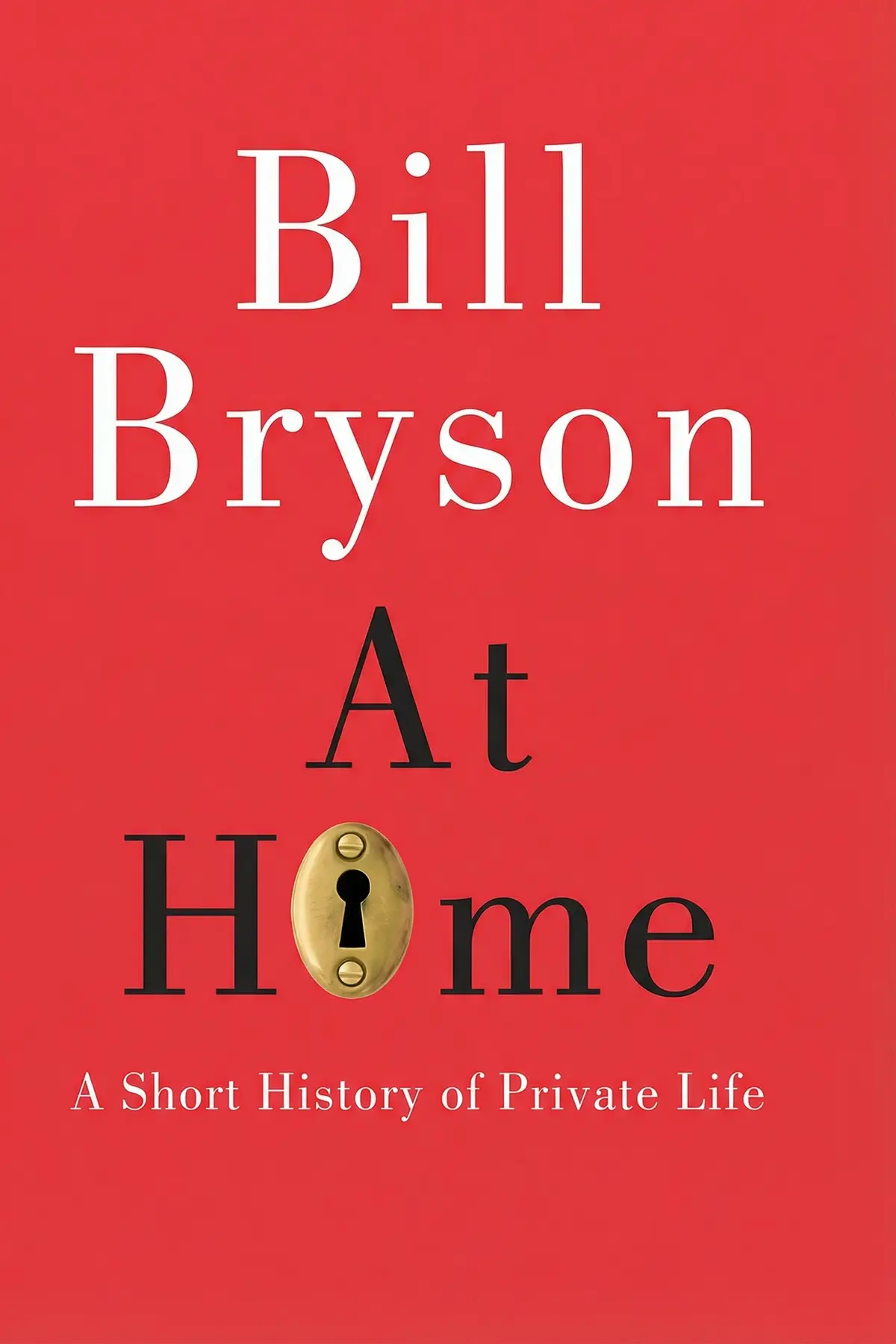
At Home takes readers on a room-by-room tour of the domestic sphere, revealing that the history of the world isn't just found in battlefields or parliaments, but in our kitchens, bedrooms, and bathrooms. Bill Bryson explores how the most mundane items—from the salt on our tables to the bricks in our walls—are the products of grand historical shifts, accidental discoveries, and bizarre social evolutions. The book promises to transform your perspective on the spaces you inhabit daily. By examining the origins of modern comforts, it uncovers a past filled with peril, ingenuity, and strange cultural shifts. You will learn why we live the way we do and how the private life of the average person has undergone a more radical transformation than we often realize.
Bill Bryson is a celebrated author known for his bestsellers covering science, language, and travel. A former journalist and chief copy editor for The Times and The Independent, his diverse bibliography includes the travelogue Notes from a Small Island and the ambitious scientific overview A Short History of Nearly Everything.
Bill Bryson


Bill Bryson
Bill Bryson
Bill Bryson
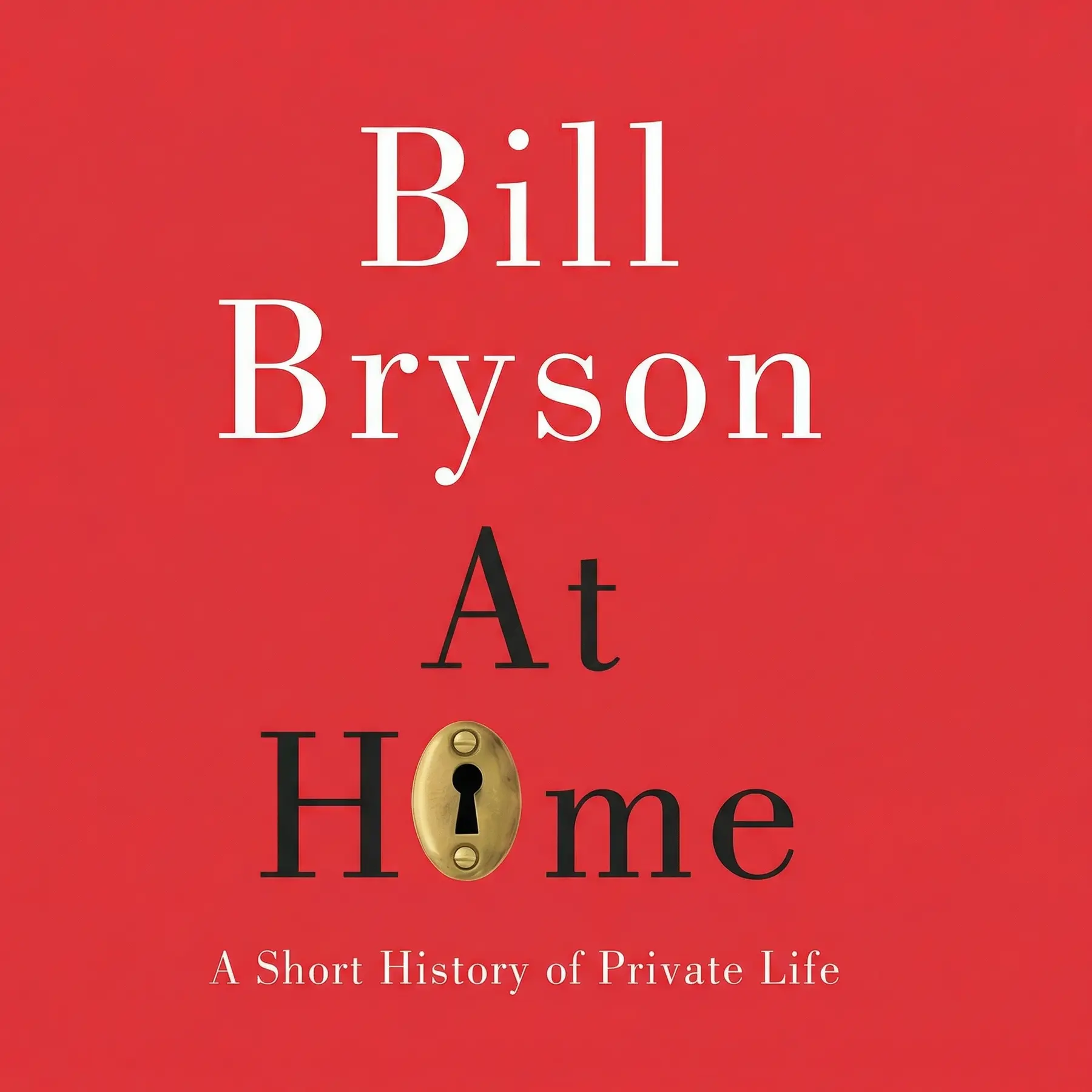
Listeners find this narrative exceptionally accessible and fun, filled with thoroughly researched information from start to finish. It explores the evolution of the domestic house, specifically highlighting 19th-century European history, while maintaining a witty and lighthearted approach. Listeners value the prose, with one remarking that it is written in quintessential Bill Bryson style, and they praise the vast amount of detail included throughout the text.
Ever wonder why your dining table is called a 'board' or why we have four tines on a fork? Bill Bryson takes the reader on an exhaustive, hilarious tour of his own Victorian rectory, using each room as a springboard into global history. It is remarkable how he connects mundane household objects to grand events like the Industrial Revolution or the rise of the British Empire. To be fair, he goes on some wild tangents that have very little to do with architecture, but his wit makes every detour worthwhile. I particularly loved the section on how salt and pepper became the dominant table condiments. It's the kind of book that makes you look at your hallway or your kitchen sink with entirely new eyes. If you enjoy learning about the bizarre habits of our ancestors—like their strange obsession with sugar-blackened teeth—this is an absolute must-read for your collection.
Show moreAfter hearing so much about Bryson's ability to turn the mundane into the magical, I finally dove into this doorstop of a history book. It is exhilarating, exhausting, and often alarming to realize how recently we lacked basic things like clean water or reliable lighting. The book is structured around a walk through a house, which provides a familiar conceptual space for some truly wild historical explorations. From the etymology of 'pantry' to the tragic story of the cotton gin, Bryson weaves a tapestry of human ingenuity and accidental suffering. Personally, I found the chapter on the garden and the history of lawns to be a highlight I never expected to enjoy. The writing is clear-minded and intellectually generous, making complex social shifts easy to grasp. It really makes you appreciate the incredible luxuries we take for granted every single day. I'll be recommending this to everyone I know who enjoys a good 'everything-but-the-kitchen-sink' history.
Show moreFrankly, no one writes like Bill Bryson when it comes to making the evolution of the fuse box or the London sewer system sound like a thriller. He has this incredible knack for taking the invisible parts of our lives—the plumbing, the stairs, the lighting—and revealing the centuries of human struggle behind them. I was particularly fascinated by the grim details of the cholera epidemics and how the simple act of washing hands was once considered a radical medical concept. The book feels like a long, wonderful dinner party conversation where the host is the smartest and funniest person in the room. It’s a bit of a rambling journey, sure, but the detours into Victorian prudishness and the history of the lawn were highlights for me. You will never walk through your own front door the same way again after finishing this masterpiece. It is intellectually generous and profoundly entertaining from the first page to the last.
Show moreFinally got around to the audiobook version, and hearing Bryson's unique transatlantic lilt narrate the history of his own Victorian rectory was a treat. He narrates with such palpable curiosity that it’s hard not to get swept up in the excitement of a sixteen-hour tour of his mind. I loved the quirky etymological tidbits, like the origin of 'room and board,' which are things I’d never thought to question before. The physical book is also worth having for the photographs of Skara Brae and the Crystal Palace, but his voice really brings the humor to life. It is quite a long listen, yet it never felt like a chore because the subject matter shifts so rapidly between different rooms and eras. Whether he is discussing the dangers of Victorian beds or the arrival of exotic spices, he remains the ultimate guide to the world we inhabit. This is popular science and history at its most accessible and entertaining.
Show morePicked this up on a whim after seeing it on a 'best of' list, and I was immediately sucked into Bryson's cozy, conversational prose. He has this incredible ability to make 19th-century infrastructure sound like the most exciting topic on the planet. I was fascinated by the chapters on plumbing and the terrifying history of early medicine. Look, it’s not a fast-paced narrative by any means, but it is deeply rewarding for anyone with a 'butterfly mind' who loves jumping from topic to topic. The sections on the evolution of the bedroom and Victorian views on intimacy were particularly eye-opening and often quite funny. My only gripe is that the book is quite long and sometimes the lists of names and dates start to blur together. Still, the amount of research packed into these pages is staggering. It’s a wonderful companion for anyone who likes to drop obscure facts during dinner party silences.
Show moreThe chapter on the bedroom was a massive eye-opener for me, especially the parts about how Victorian society viewed sleep and physical exertion. Bill Bryson is at his best when he is dismantling the myths we have about the past, like the idea that parents didn't love their children because infant mortality was so high. It’s a very 'whiteboard' kind of book where he starts with a simple concept and draws a massive mind-map that covers everything from cholera to the Eiffel Tower. In my experience, these kinds of books live or die based on the personality of the narrator, and Bryson is as charming as ever. The logical flow is sometimes a bit strained, and you might find yourself wondering why you're reading about the history of glass in the middle of a chapter on the study. However, the sheer density of interesting factoids kept me turning the pages. It is a light read, but never slight, and always managed to make me smile.
Show moreNot what I expected from a book about houses, as it covers everything from the opium trade to the invention of the lawnmower with equal fervor. Bryson turns everyday items into objects of mystery, asking the questions we never think to ask, like why we cultivate lawns or why jackets have buttons on the cuffs. The book is heavily focused on the Victorian era, which makes sense given the author's own home, but it provides a great window into how our modern world was built. I loved the quirky details about people blackening their teeth with sugar to show off their wealth. Gotta say, the pacing is a bit uneven, and some chapters definitely drag more than others depending on your interest in the specific topic. But the writing is so clear and the humor so dry that it’s hard to stay annoyed for long. It’s a triumph of fact-sorting and a great gift for the history buff in your life.
Show moreThis book is essentially a massive pile of trivia held together by the loosest possible structural thread. While the premise of exploring history through the rooms of a house is clever, Bryson often wanders miles away from the titular home. Truth be told, there were times when I completely forgot we were supposed to be in the scullery because we were suddenly discussing the opium trade in China. I appreciate the research and the classic Bryson humor, but the 'whiteboard' style of writing can feel a bit disorganized after four hundred pages. It's a fun read for a weekend, but it lacks the cohesive punch of his earlier work. If you don't mind a narrator who constantly gets distracted by 'unfairly neglected' minor historical figures, you'll probably enjoy the ride. For me, it was just a bit too much tangential fluff.
Show moreAs someone who appreciates historical rigor, I found myself torn between enjoying the anecdotes and wishing for a bit more linear focus throughout the text. There is no denying that Bryson is a master of the 'engaging tidbit,' and his research into the 19th century is obviously extensive and heartfelt. However, the 'At Home' framing device feels a little forced at times, acting more as a thin excuse to talk about whatever he finds interesting that day. Not gonna lie, some of the mini-biographies of minor personages went on for far too long and felt like padding. On the other hand, the etymological history of common words like 'banquet' and 'toiletries' was genuinely fascinating to read. It’s a decent book to dip in and out of, rather than reading straight through, because the sheer volume of trivia can become overwhelming. It is definitely informative, but it lacks the cohesive narrative arc that I usually look for in a history book.
Show moreLook, I usually enjoy a good micro-history, but this felt like being trapped in a lift with a busybody who has memorized a Victorian encyclopedia. The author promises a history of the home, yet we spend agonizingly long chapters discussing the intricacies of guano harvesting and the failures of 18th-century botanists. While Bryson is undeniably a talented prose stylist, the lack of focus in this particular volume is genuinely frustrating. I wanted to learn about the architecture and evolution of the living room, not read a dissertation on why some obscure Duke was bad with money. It feels like he had a mountain of leftover research from previous projects and just crammed it all into this 'house' framework because it was convenient. Some people call this charming; I call it a disorganized mess that desperately needed a more aggressive editor. It sort of delivers on the promise of the title, but the cost is far too much boring trivia.
Show more


William J. Bernstein
Ben Macintyre

Charles C. Mann

James Shapiro
Andrew Ross Sorkin
AUDIO SUMMARY AVAILABLE
Get the key ideas from At Home by Bill Bryson, plus 5,000+ more titles in English and Thai.







