
15 min 41 sec
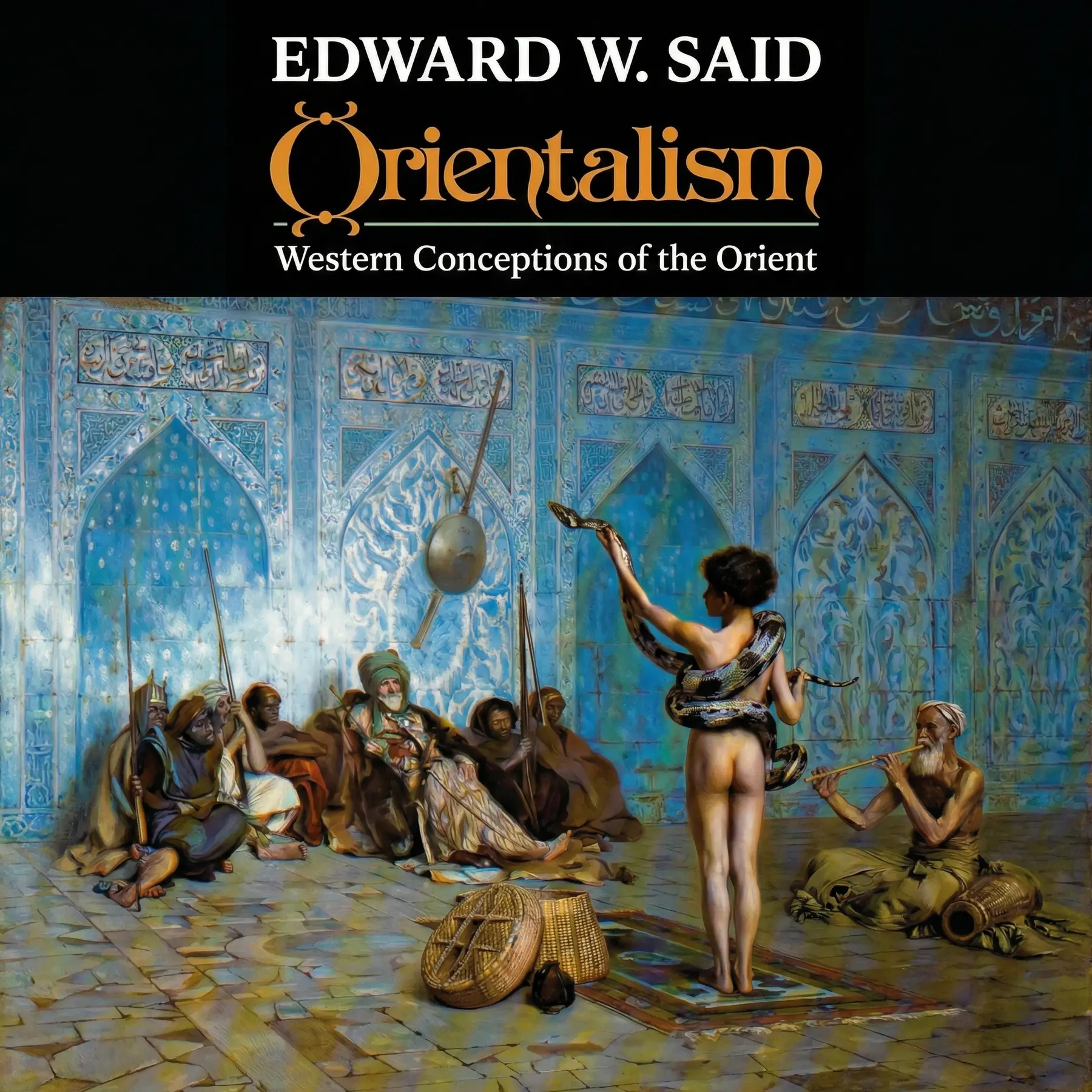
Orientalism
Edward W. Said’s groundbreaking critique examines how the Western world constructed a distorted, exoticized image of the East to justify colonial rule and maintain a sense of intellectual and cultural superiority.
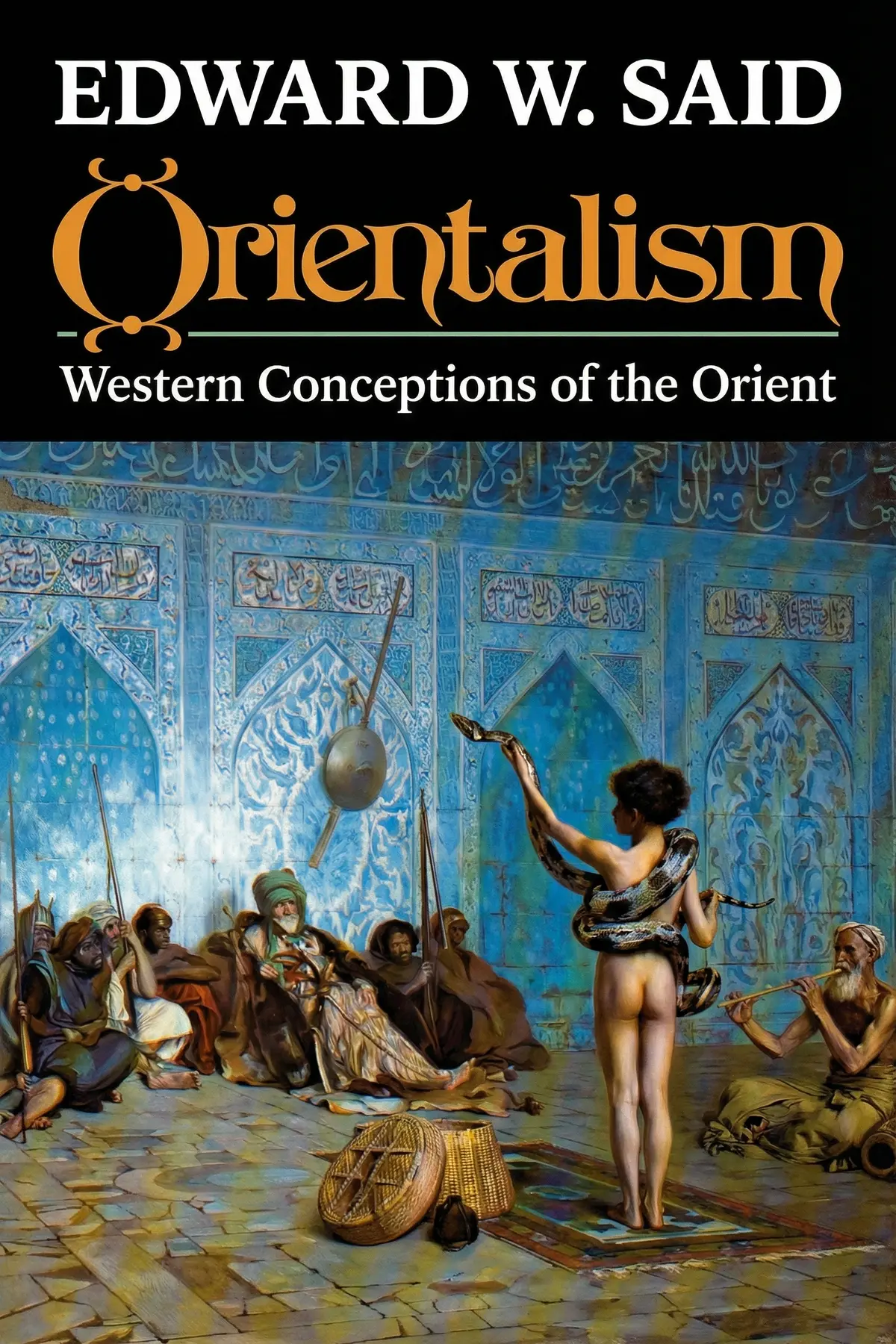
Table of Content
1. Introduction
1 min 49 sec
Think for a moment about the images that come to mind when you hear words like the Orient or the Middle East. Often, our mental library is filled with scenes of dusty desert landscapes, bustling bazaars with shimmering silks, and a general air of timeless mystery and exotic charm. You see it in classic Hollywood films, you see it in glossy travel brochures, and you see it in the way news outlets frame conflicts in distant lands. There is this pervasive sense that the East is a place where logic takes a backseat to passion, and where the ancient world still breathes in a way it doesn’t in London, Paris, or New York.
But where did these images come from? Are they an accurate reflection of a geographical reality, or are they a convenient mirror for the West to look into and define itself? Edward W. Said’s Orientalism challenges us to consider that this entire concept of the Orient is a Western invention. It isn’t a neutral geographical term; it is a body of knowledge, a style of thought, and a political tool used to manage and even produce the very region it claims to describe.
Throughout this exploration, we are going to look at the history of how the West decided what the East was. We’ll see how scholars, linguists, and explorers built a version of the East that was designed to be studied, categorized, and ultimately, ruled. This isn’t just a history of books and paintings; it’s a history of how power works. We will see how the idea of the Oriental helped fuel colonial expansion and how these centuries-old biases still dictate the way modern governments interact with the Arab world and beyond. By the end, you’ll start to see that what we often accept as objective truth about other cultures is frequently a fiction we have simply forgotten is a fiction. This journey reveals the deep throughline between the way we describe the world and the way we attempt to control it.
2. The Birth of a Fabricated Concept
2 min 06 sec
Discover how a 1798 military invasion by Napoleon transformed from a conquest of land into a massive intellectual project that defined the East as a mysterious ‘Other’.
3. Scholarship as a Tool for Subjugation
1 min 47 sec
Learn how the pursuit of knowledge was far from neutral, as Western experts used archaeology and linguistics to claim intellectual dominance over the people they colonized.
4. The Rigidity of Scientific Categorization
2 min 05 sec
Explore how early linguists and thinkers reduced entire civilizations to narrow racial and psychological types, ignoring the vibrant diversity of real human lives.
5. Resistance and the Crisis of Authority
2 min 03 sec
See how the rise of nationalism and the devastation of two World Wars finally forced the West to confront the reality that its imagined Orient was fighting back.
6. The American Mantle and Popular Imagery
1 min 56 sec
Witness the transition of Orientalist power from Europe to the United States, where new stereotypes and media tropes continue to shape foreign policy.
7. Orientalism in the Hallways of Power
2 min 02 sec
Discover how modern think tanks and academic theories like the ‘Clash of Civilizations’ provide the intellectual framework for contemporary global conflict.
8. Conclusion
1 min 53 sec
As we reflect on the journey Edward W. Said takes us on, the central throughline becomes clear: knowledge is rarely, if ever, neutral. The concept of the Orient was never about the reality of the people living in the East. Instead, it was a mirror constructed by the West to affirm its own identity as rational, superior, and entitled to lead. From Napoleon’s scholars in the sands of Egypt to the modern think tanks advising on global security, the tools of categorization, stereotype, and academic ‘expertise’ have been used to transform vibrant, diverse cultures into a static and manageable ‘Other.’
What this means for us today is that we must become more critical consumers of the information we receive. The ghosts of Orientalism still haunt our media, our movies, and our political discourse. When we see headlines that generalize about ‘the Arab mind’ or ‘Islamic culture,’ we are seeing the modern application of a centuries-old political project. Said’s work isn’t just a critique of history; it is a call to intellectual vigilance. It asks us to look past the seductive labels and the exotic imagery to see the real human beings on the other side.
The most important takeaway here is to notice the words and images used to describe those who are different from us. Next time you see a travel advertisement that portrays a destination as a timeless, exotic escape, or a news report that frames a conflict as a fundamental clash of cultures, ask yourself: Who is telling this story? What power dynamic is being reinforced? By questioning these narratives, we begin to dismantle the fabricated wall between the East and the West, allowing us to see the world not as a collection of types and categories, but as a complex and shared human reality. True understanding begins when we stop trying to define others and start listening to them on their own terms.
About this book
What is this book about?
Orientalism explores the deep-seated prejudices and artificial constructs that have defined Western perceptions of the Middle East, Asia, and North Africa for centuries. Edward W. Said argues that the Orient is not a real place, but a carefully curated fiction designed by European and later American scholars, artists, and politicians. By branding these diverse cultures as inherently irrational, erotic, and mysterious, the West was able to position itself as the rational and superior counterpart. This work promises to uncover the hidden mechanisms of power behind academic and cultural study. It reveals how seemingly objective research into languages, history, and customs was actually used as a tool for imperial expansion. From the Napoleonic invasion of Egypt to modern-day media portrayals, Said explains how these persistent stereotypes continue to shape global politics and Western interventionism. It is an essential guide to understanding the intersection of knowledge and power in the post-colonial world.
Book Information
About the Author
Edward W. Said
Edward W. Said was a highly influential Palestinian-American intellectual and a leading figure in literary criticism. He is widely recognized as a founder of the academic field of postcolonialism. His prolific body of work includes influential titles such as The Question of Palestine, Covering Islam, and Culture and Imperialism.
Ratings & Reviews
Ratings at a glance
What people think
Listeners view the work as a significant classic, with one listener noting its essential role in post-colonial studies. It receives praise for its academic depth and great value for the price. However, listeners are divided on readability, as some find it deeply rewarding while others call it painful to finish. Opinions on the language and quality of information vary; while some enjoy the text, others find it overly technical, often remarking that the content feels dense.
Top reviews
Boy
Rarely does a book feel this prophetic decades after its initial publication. Said’s 'Orientalism' isn't just a history lesson; it's a mirror reflecting our own subconscious biases back at us. To be fair, the academic language can be a bit of a barrier, but the payoff is immense. He perfectly articulates how the West has acted as spectator, judge, and jury over Eastern cultures, creating a version of the 'Orient' that exists only in our heads to justify political domination. I was particularly struck by the analysis of how these representations stripped people of their humanity by turning them into static tropes. It’s dense, yes, but every page contains a nugget of insight that makes the effort worth it. Every student of history or politics needs this on their shelf. It is worth every penny.
Show moreJack
As someone who studied International Relations, I can say this text is unavoidable for a reason. Said manages to pull back the curtain on the relationship between knowledge and power. He isn't just talking about old books; he's talking about how we've been conditioned to see certain parts of the world as 'passive' or 'backwards' so that we can feel comfortable 'civilizing' them. Personally, I found his analysis of how universities wield power through knowledge construction particularly biting. The scholarly content is top-tier and offers incredible value, even if it requires a high level of concentration. It’s not just a book; it’s a total paradigm shift. If you want to understand the roots of modern Islamophobia and interventionism, you have to start here.
Show moreSupatra
This book is a masterclass in intellectual history. Said’s ability to weave together literature, politics, and sociology is nothing short of stunning. He warns us against 'aggregated facts' and the dangerous labels we use to simplify millions of people into a single, monolithic entity. Frankly, it is one of the few books that actually changed the way I process information. While some people complain about the academic tone, I found it necessary for the depth of the argument he’s making. You cannot dismantle centuries of colonial discourse with a light, breezy narrative. It requires the heavy lifting of serious scholarship. For those willing to put in the work, this is one of the most rewarding books you will ever read. It is an absolute landmark of 20th-century thought.
Show moreAnong
Picked this up after seeing it referenced in a documentary on the Iraq War, and it completely reframed my understanding of foreign policy. Said’s central point—that the West is always the actor while the Orient is the passive reactor—is a lightbulb moment. Once you see it, you cannot unsee it. It shows up in everything from news reports to blockbuster films. The truth is, it’s a demanding read, and I had to take frequent breaks to digest the information. It is highly technical and expects the reader to have a decent grasp of European history. But the effort pays off in spades. This is more than just a book; it’s a toolkit for deconstructing the propaganda we are fed every day. It is a major investment in your own critical thinking.
Show moreSudarat
Finally got around to this monolith of post-colonial theory after years of hearing it cited in every humanities class. Look, it’s a classic for a reason—Said’s deconstruction of how European powers constructed a 'Middle East' of their own imagination is still incredibly relevant today. But let’s be real: it is a slog. The prose is dense, academic, and highly technical, which makes it feel like a chore at times. I found myself having to re-read entire paragraphs just to grasp the nuance of his critique on 19th-century French literature. Still, the way he exposes the power dynamics behind scholarly representation is eye-opening. It changed how I look at news coverage and travel writing. Is it an easy beach read? Absolutely not. Is it essential for understanding the modern world? Without a doubt.
Show moreChon
This was a heavy, often uncomfortable journey through the blind spots of my own education. I grew up with the very stereotypes Said deconstructs—the 'exotic' East and the 'irrational' Arab—without ever questioning where those images originated. The truth is, the book is a difficult read not just because of the scholarly prose, but because it challenges the reader to unlearn so much. I appreciated the deep dives into Flaubert and Nerval, even if the literary analysis felt a bit long-winded at times. My only real complaint is that it can be repetitive; Said hammers his point home again and again, which is effective but exhausting. However, seeing the 'fog-like gaze' of the West described so clearly made it impossible to look at films or documentaries the same way again.
Show moreSaengdao
Ever wonder why the Middle East is always portrayed as a land of sand, camels, and mystery in our movies? Said answers that question by tracing the history of 'Orientalism' back to British and French colonial scholars. The book is definitely technical and dense, but the core argument is simple: we don't see the East as it is, but as we want it to be. I’ll admit, some of the chapters on 19th-century philology went way over my head. It’s a tough nut to crack. But the sections on how 'essentializing' another culture leads to dehumanization are brilliant. It's a shame this isn't taught more widely. It would solve a lot of the 'us vs them' mentality that dominates our politics today. A solid four stars for the insight, minus one for the occasionally impenetrable writing style.
Show morePot
Is Said’s thesis groundbreaking? Certainly, but it’s also deeply flawed in its execution. As a piece of polemic, it is brilliant, but as historical scholarship, it often feels like it is cherry-picking examples to fit a pre-determined narrative. I struggled with how he tends to lump all Western scholarship together as a tool of oppression. While he is right that many 19th-century writers fetishized the 'Orient,' dismissing centuries of genuine linguistic and cultural study as purely nefarious feels like an overreach. Critics like Bernard Lewis have pointed out these inconsistencies, and after finishing the book, I tend to agree with them. The writing style is also unnecessarily opaque. It is a foundational text for a reason, but one that should be read with a very critical eye rather than taken as gospel truth.
Show morePisit
The influence of this book is undeniable, but the reading experience is another story. On one hand, Said’s critique of the 'Orientalist' lens is a vital tool for anyone interested in history. On the other hand, the prose is so thick with jargon that it becomes a barrier to the very message he is trying to spread. At times, he feels like an enraged polemicist, though his actual tone throughout is quite dry and cautious. It is an odd contradiction. I also felt that he occasionally ignored the nuances of the scholars he was attacking, painting them with as broad a brush as he claims they used for the Orient. It is an essential read for the background, but I would recommend reading it alongside some of its critics to get a fuller picture of the debate.
Show moreKamol
Not gonna lie, I found this almost unreadable. I understand that it's a 'classic' and a 'must-read' for post-colonial studies, but the language is so incredibly dry that I had to force myself to finish it. It felt less like a book and more like a never-ending series of academic footnotes. While the central idea—that the West creates a fantasy version of the East to justify imperialism—is powerful, Said spends 400 pages saying the same thing over and over. He gets bogged down in the careers of 18th-century scholars I have never heard of, making the scope feel far narrower than the title suggests. If you aren't a graduate student or a professional academic, you might be better off reading a summary. It is important, sure, but painful.
Show moreReaders also enjoyed
Alexander the Great
Philip Freeman
A History of Iran: Empire of the Mind
Michael Axworthy
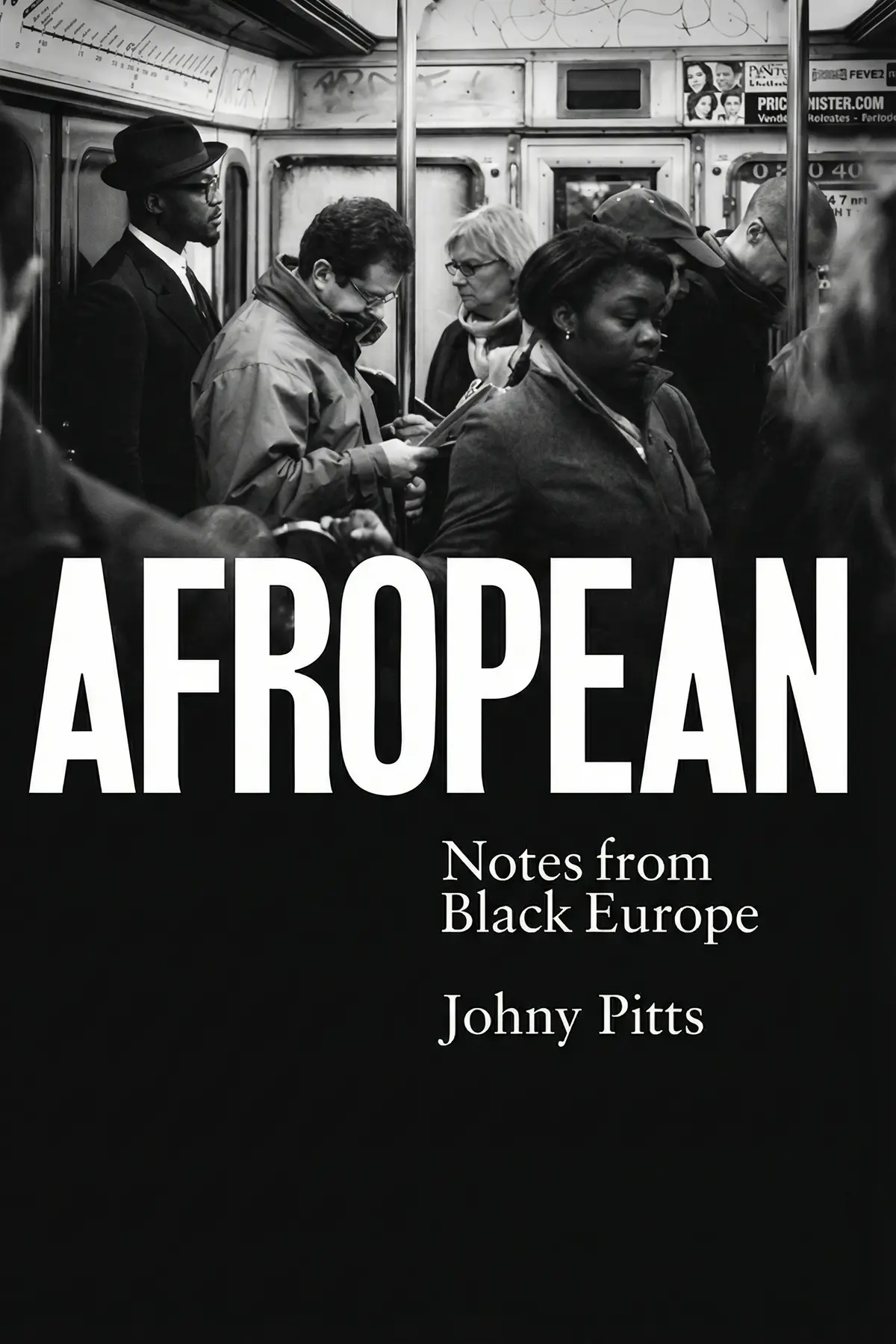
Afropean: Notes From Black Europe
Johny Pitts
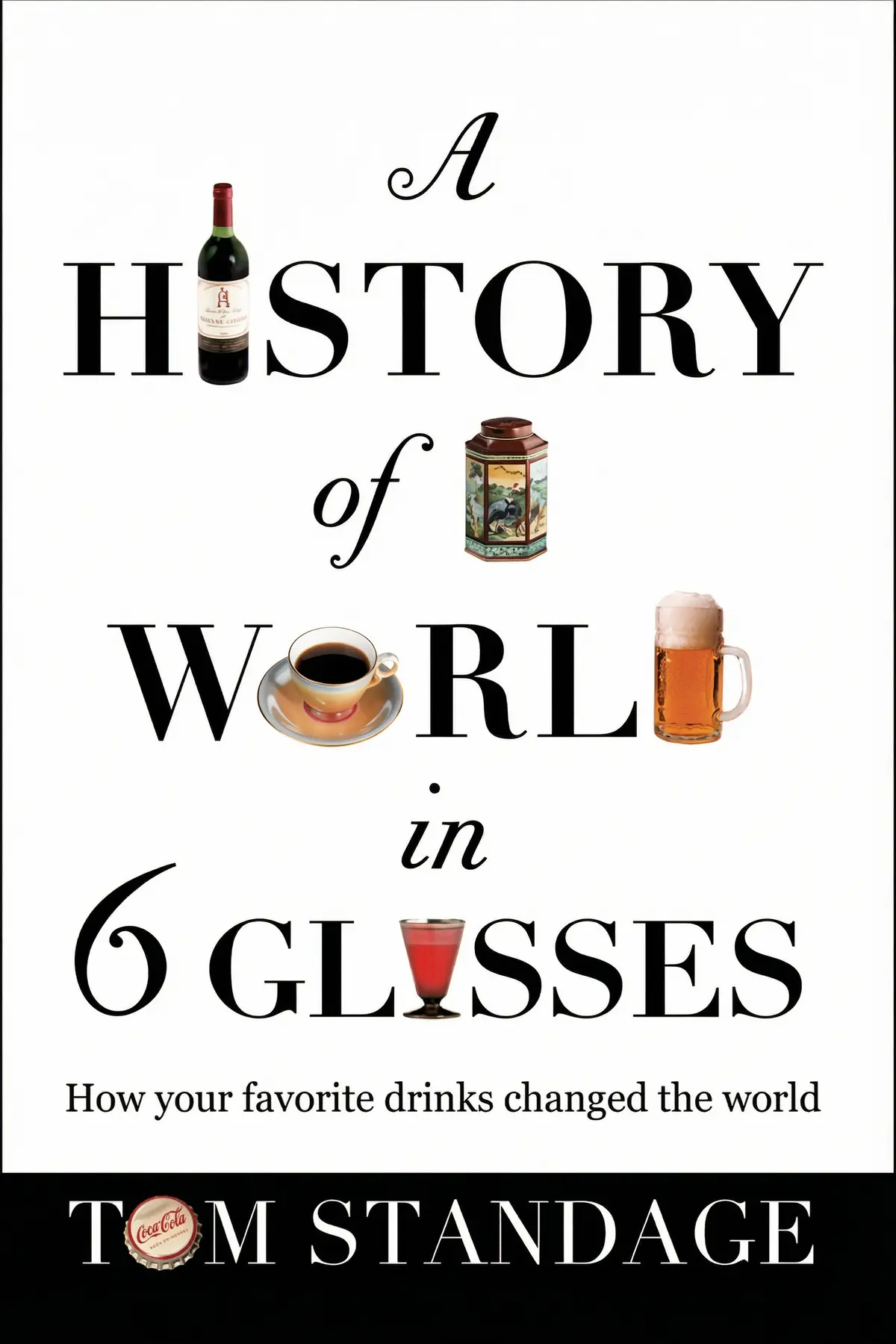
A History of the World in 6 Glasses
Tom Standage
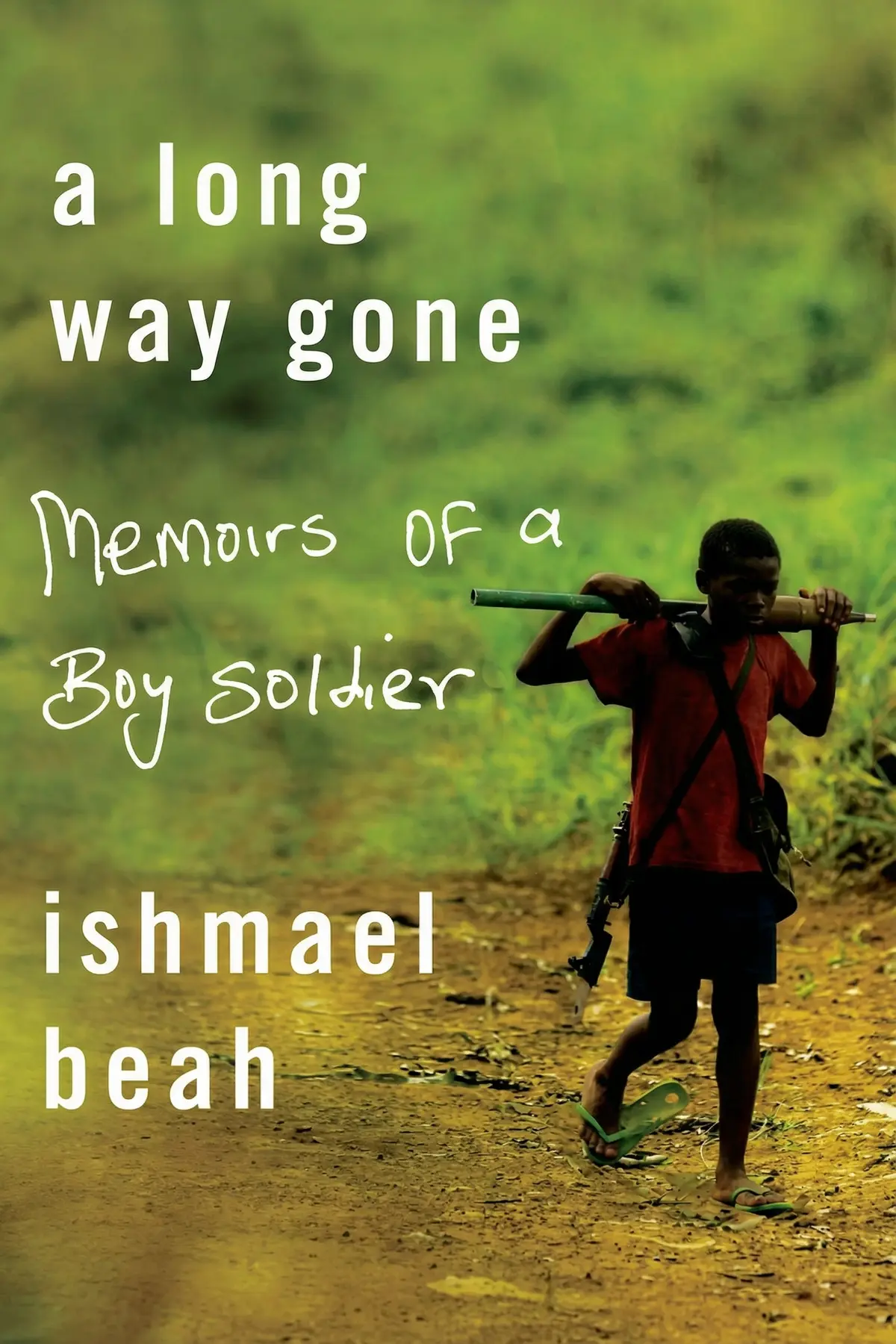
A Long Way Gone: Memoirs of a Boy Soldier
Ishmael Beah
AUDIO SUMMARY AVAILABLE
Listen to Orientalism in 15 minutes
Get the key ideas from Orientalism by Edward W. Said, plus 5,000+ more titles in English and Thai.
- 5,000+ titles
- Listen as much as you want
- 7-day free trial
- Cancel anytime







