
A Life Decoded: My Genome: My Life
J. Craig Venter
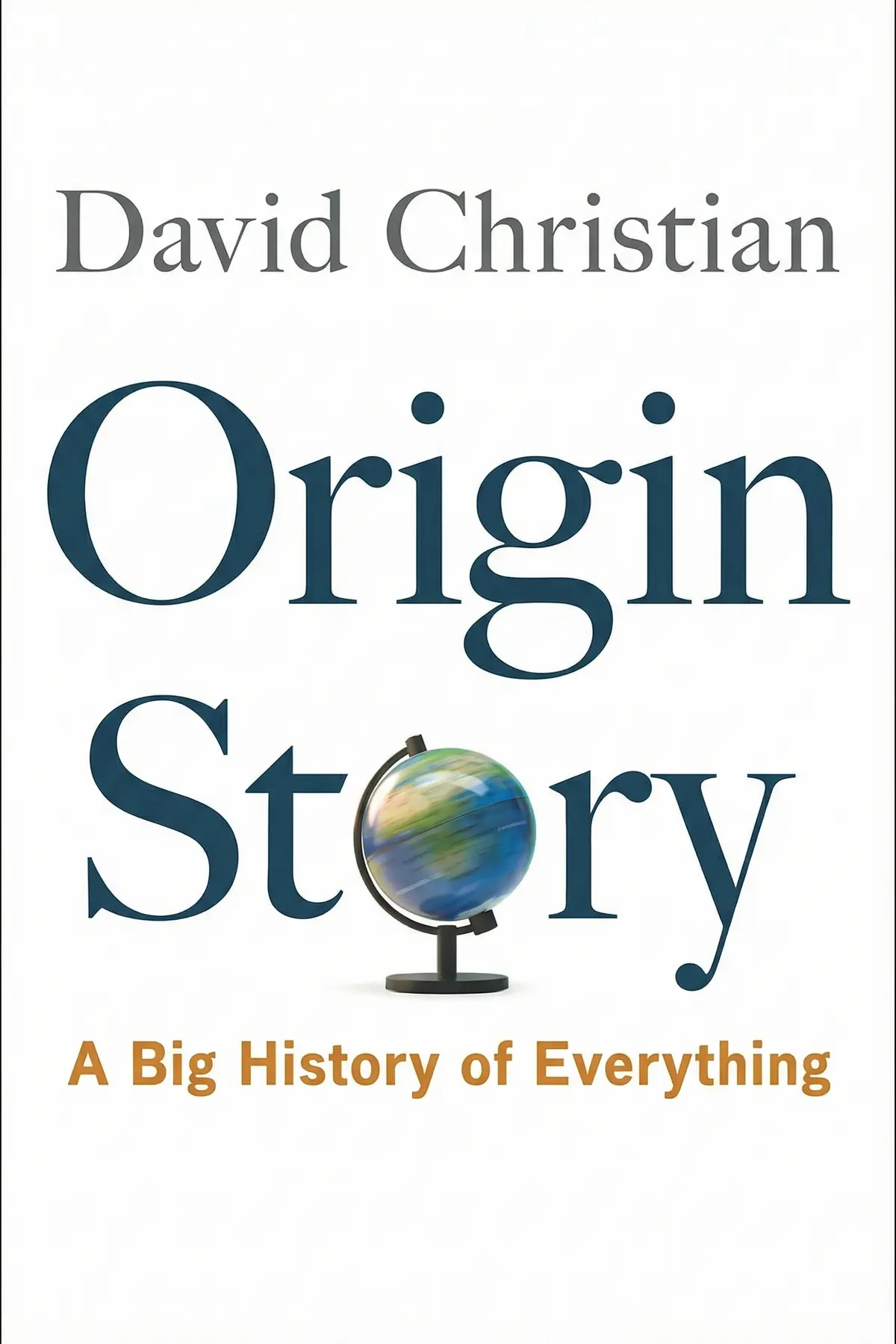
Origin Story offers a grand narrative of the universe, tracing the path from the Big Bang to the Anthropocene. It explores how critical thresholds of complexity shaped the history of everything.
1 min 56 sec
Every culture has a story about where we came from. For thousands of years, these narratives were rooted in local myths, religious traditions, and shared folklore. They provided a sense of belonging and a map for understanding the chaos of the world. But in our modern, hyper-connected age, many of those old stories have lost their grip. We live in a world of specialized data, where a biologist might not speak the same language as an astrophysicist, and a historian might feel disconnected from the study of geology. This fragmentation leaves us with a missing piece: a unified story of us.
That is where the concept of ‘Big History’ comes in. It is an attempt to use everything we have learned through modern science and research to build a new, evidence-based origin story that spans the entire 13.8-billion-year history of the universe. It is a story that doesn’t just look at human events, but looks at the very atoms in our bodies and the stars that forged them. In this exploration, we are going to look at the ‘thresholds’ of our existence—those rare moments when the right conditions were present for something entirely new and more complex to emerge.
As we walk through this timeline, we will see how the universe went from a state of total simplicity to the incredible complexity of the modern world. We will see how stars were born and died to create the chemical building blocks of life. We will see how a tiny, rocky planet found itself in the ‘Goldilocks zone,’ and how life on that planet eventually learned to harness the energy of the sun and the earth itself. Most importantly, we will examine our own place in this epic. We are the first species capable of understanding this entire narrative, but we are also the first species capable of disrupting the very conditions that allowed us to thrive. By the end of this journey, you will see your life not as an isolated event, but as a vital chapter in the grandest story ever told.
2 min 08 sec
Discover the framework of Big History through the lens of ‘Goldilocks conditions’ and the mysterious explosion that started everything from nothing.
2 min 03 sec
Learn how gravity transformed dark clouds of gas into the first light-producing furnaces and why the end of a star’s life is actually a beginning for us.
1 min 55 sec
Explore how the leftovers from our sun’s formation collided to create the rocky world we call home and its unique moon.
1 min 50 sec
Dive into the fundamental mechanics of life and discover how Earth manages its own temperature through a complex carbon cycle.
2 min 06 sec
Trace the history of the first major energy boom and the ‘oxygen holocaust’ that paved the way for complex, sexual reproduction.
2 min 10 sec
Examine how bipedalism and fire shaped our biology and how ‘collective learning’ gave us a unique advantage over all other species.
1 min 57 sec
See how population pressure forced humans into the hard work of farming, leading to the first energy surpluses and specialized societies.
1 min 48 sec
Uncover how the transition from wood to coal triggered a global explosion in technology, communication, and economic growth.
2 min 04 sec
Reflect on our current era of human dominance, the environmental boundaries we are testing, and the choice we face to ensure sustainability.
1 min 42 sec
The story of our origins is a 13.8-billion-year epic that takes us from the utter simplicity of the Big Bang to the dizzying complexity of the modern world. Along the way, we have seen how the universe ‘upgraded’ itself through a series of thresholds. Each of these leaps—the birth of stars, the creation of the Earth, the emergence of life, and the rise of human culture—depended on very specific Goldilocks conditions. We are the beneficiaries of a long chain of unlikely events and perfect circumstances.
However, the throughline of this story is one of acceleration. It took billions of years for the first stars to form, but only a few thousand years for humans to move from simple farming to global industrialization. Today, change is happening so fast that we are the first generation to feel the planet shifting beneath our feet within a single lifetime. We have become the stewards of the Earth, not by choice, but by the sheer scale of our success.
As we close this summary, the most important takeaway is a sense of perspective. We are made of stardust, fueled by the sun, and connected to every living thing on this planet through a shared genetic history. But we are also unique. We are the only part of the universe that can tell this story and understand its own past. This knowledge gives us a powerful tool: the ability to look ahead. The thresholds of the past were crossed by chance and physics, but the threshold of the future will be crossed by our choices. By understanding where we came from, we are better equipped to decide where we want to go. The next chapter of Big History is currently being written by us, and it is a goal worth our highest effort to ensure that the story continues for generations to come.
Have you ever wondered how we fits into the vast timeline of the universe? This summary explores the concept of Big History, a framework that connects the physical sciences with human history to tell a single, cohesive story of our origins. Starting 13.8 billion years ago, we travel through the moments when the universe shifted from simplicity to complexity—the birth of stars, the formation of planets, and the miraculous emergence of life. The journey doesn't stop with biology. It examines the unique traits that allowed humans to dominate the planet, from the development of language to the mastery of fossil fuels. By viewing our existence through the lens of 'thresholds,' we gain a new perspective on the challenges of the modern era. This is a story about the Goldilocks conditions that made us possible and the responsibility we now hold to maintain the stability of the only home we have ever known. It provides a roadmap for understanding the deep past and the potential paths for our collective future.
David Christian is a distinguished professor of history at Macquarie University in Australia. He is the visionary behind the Big History School and cofounded the Big History Project alongside Bill Gates to bring a universal history curriculum to students worldwide. His influential 2011 TED Talk, titled The history of our world in 18 minutes, has garnered over eight million views, cementing his reputation as a leading voice in global education.
Listeners find this work captivating and skillfully composed, offering a superb look at cosmic history with the right amount of detail. They value the thorough account of our beginnings and the deep reflections it inspires, with one listener noting how it puts humanity in perspective. The title earns praise for its educational value; one review highlights its integration of diverse academic traditions, while another mentions how it challenges religiously based origin stories. Listeners appreciate the historical approach, with one noting how it provides a new perspective on historical timelines.
Ever wonder how we actually got here without all the mythological fluff? I picked this up because of the Bill Gates recommendation and it didn't disappoint. David Christian manages to condense billions of years into a narrative that feels both grand and surprisingly intimate. By breaking the timeline into specific 'thresholds,' he makes the transition from the Big Bang to the Anthropocene feel logical rather than just a series of random accidents. It’s a lot of physics and chemistry at the start, but stick with it because the payoff when he reaches human history is immense. You really start to see how fragile our current moment is. To be fair, some of the science gets a bit dense in the middle, but the writing style is so accessible that it never feels like a chore. It completely changed my perspective on how I view our place in the universe. It’s the ultimate history book for people who want the biggest possible picture.
Show moreWow. I finished this book feeling both incredibly tiny and profoundly connected to everything around me. David Christian has a gift for making the most complex concepts in cosmology and biology feel like parts of a single, coherent epic. I loved how he framed our current ecological crisis within the context of the Anthropocene, showing that we are now the primary drivers of change on this planet. Not gonna lie, the realization that we are essentially star-stuff trying to manage a biosphere is a lot to process. The writing has a wonderful sense of the sublime, especially when discussing the sheer scale of the universe's timeline. It made me realize that my own anxieties are small in the face of 13.8 billion years, yet our collective actions today have massive consequences. This isn't just a history book; it's a guide to understanding our identity as a species. If you want a book that will make you rethink your existence, this is the one.
Show moreThis book is a masterclass in synthesis. David Christian manages to pull together cosmology, biology, and history into a single, gripping story that makes total sense. I’ve always felt that history was taught in isolated chunks, but this approach shows how everything is connected. The chapter on the Goldilocks principle was a standout for me, explaining why life thrived here specifically. Personally, I found the section on the Anthropocene to be a sobering but necessary wake-up call about our impact on the planet. The writing is clear, the pacing is fast, and the insights are profound. It’s the kind of book you want to buy for everyone you know just so you have someone to discuss it with. An absolute must-read for anyone curious about our origins.
Show moreAfter hearing David Christian’s TED talk, I knew I had to dive into the full book. What he has created here is a unifying narrative for all of humanity, regardless of culture or religion. It’s incredible to see the history of the universe laid out so clearly, showing how we are part of a 13.8 billion-year-old process. The way he explains the 'Anthropocene'—this new era where humans are the dominant force—is both terrifying and empowering. It makes you realize that we are at a unique crossroads in history. The writing is engaging and moves at a brisk pace, never getting too bogged down in one specific era. Not gonna lie, I was worried it would be too dry, but the author’s enthusiasm for the subject shines through every page. It’s a thought-provoking read that leaves you with a much deeper appreciation for the miracle of our existence. Highly recommended.
Show moreAs someone who has followed the Big History movement since its inception, this feels like a much-needed distillation of Christian's earlier work. While 'Maps of Time' was a foundational text, it often felt bogged down by its own ambition and academic weight. In 'Origin Story,' the prose is leaner and the focus on the 'Goldilocks conditions' provides a cohesive thread through disparate scientific fields. I particularly appreciated the updated section on the start of life, though the heavy use of biological jargon might alienate some casual readers. My main gripe is that human history feels like an afterthought, compressed into the final third of the book. It creates a slightly deterministic tone that suggests our evolution was inevitable, which is a common critique of this macro-scale approach. Still, the way it integrates geology, biology, and history into one seamless story is masterfully done. It's a solid read for anyone looking to bridge the gap between science and the humanities.
Show moreFinally got around to reading this after seeing it on so many 'best of' lists. It’s essentially a compressed version of the Big History course, and for someone without a strong science background, it was incredibly eye-opening. Christian uses these 'thresholds' to mark major leaps in complexity, which helps organize the massive amount of information. From the creation of chemical elements in dying stars to the rise of agrarian societies, the connections he draws are fascinating. Truth is, I had never really considered how much our history depends on the specific energy-flow conditions of the Earth. My only real complaint is the somewhat pessimistic tone of the epilogue regarding our future. While the author is right to highlight the dangers of climate change, it felt a bit like a sudden shift into a moralizing lecture. Regardless, the educational value here is immense. It provides a framework for understanding the world that most schools simply don't teach.
Show morePicked this up with high expectations, and for the most part, it delivered a fascinating new perspective. It’s a bold attempt to create a modern origin story based on scientific evidence rather than ancient myths. Christian’s ability to explain how stars created the elements in our own bodies is genuinely moving. However, the transition from biological evolution to human history felt a little rushed. One minute we're looking at single-celled organisms, and the next we're zooming through the Industrial Revolution. I would have liked more time spent on the complexities of early human societies. Gotta say, though, the way he links the flow of energy to the rise of complex civilizations is a brilliant framing device. It’s a very accessible entry point into Big History, even if it leaves you wanting a bit more detail in certain areas. Definitely worth your time if you enjoy authors like Harari or Bryson.
Show moreThe premise of a 'history of everything' is undeniably attractive, but the execution left me feeling a bit cold. David Christian spends a massive amount of time on the Big Bang and the formation of stars, which is great if you want a physics textbook, but human history doesn't even show up until halfway through. For a book that purports to be a history, it ignores the messy, contingent details of human cultures in favor of broad evolutionary lines. Look, I get that the goal is to see the 'bird’s eye view,' but at this altitude, everything looks flat and inevitable. The narrative voice is didactic, almost like a long lecture, and while I learned a few things about entropy and energy, I missed the 'human' element. Frankly, it feels a bit like a Bill Gates-approved curriculum rather than a nuanced historical analysis. It's an interesting overview for beginners, but those looking for deep historical insight might be disappointed by the lack of cultural depth.
Show moreThe concept of 'Big History' is great, but I found this particular version to be a bit repetitive if you’ve already read 'Maps of Time.' It feels very much like a 'Big History Lite' for a general audience. While it’s more accessible and didactic, it loses some of the rigorous detail that made Christian's earlier work so impressive. The focus on 'thresholds' is a helpful teaching tool, but it can feel a bit formulaic after the fifth or sixth one. In my experience, the book works best as an introductory text for students or people new to the concept. For seasoned readers of popular science, it might feel a little too broad. To be fair, the updated sections on climate change and the future of the biosphere are timely and well-written. It’s a decent overview, but it didn't quite have the 'wow' factor I was hoping for after all the hype.
Show moreNot what I expected based on the glowing blurbs on the back cover. I struggled to get through the first several chapters because the scientific jargon was just too thick. It felt less like a narrative and more like a dry summary of cosmic evolution that you could find on Wikipedia. Also, the book has a weirdly deterministic undertone, as if the entire 13.8 billion years of the universe were just a preamble to Western industrialization. To be fair, Christian is clearly brilliant, but the 'Big History' approach strips away all the interesting parts of being human—the art, the struggle, the individual choices—and replaces them with energy consumption graphs. It feels very cold and impersonal. If you’re looking for a book that celebrates the human spirit or dives deep into the nuances of different civilizations, keep looking. This is strictly for people who want to look at history through the lens of a physics equation. Not my cup of tea.
Show moreJ. Craig Venter
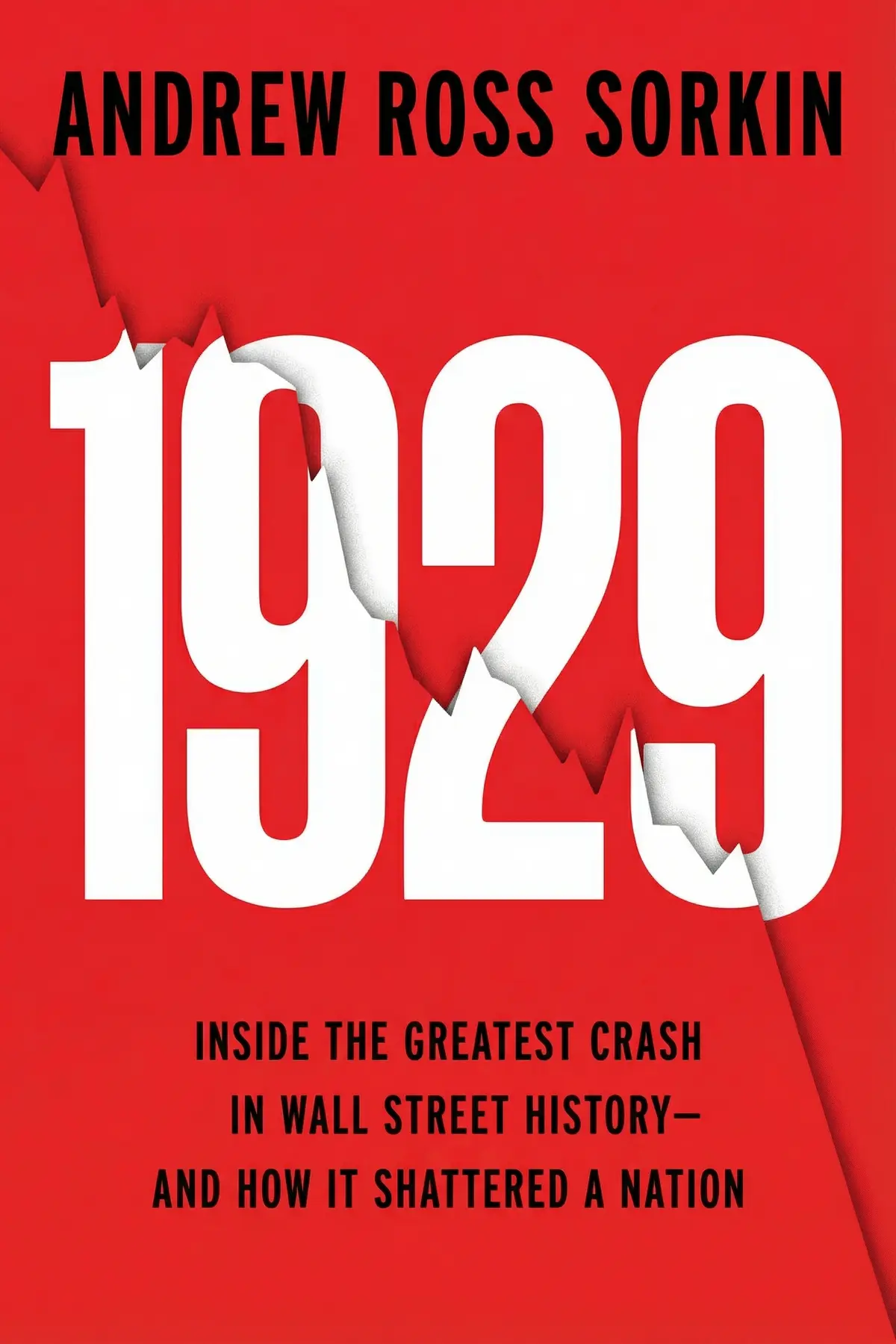
Andrew Ross Sorkin

Ben Macintyre
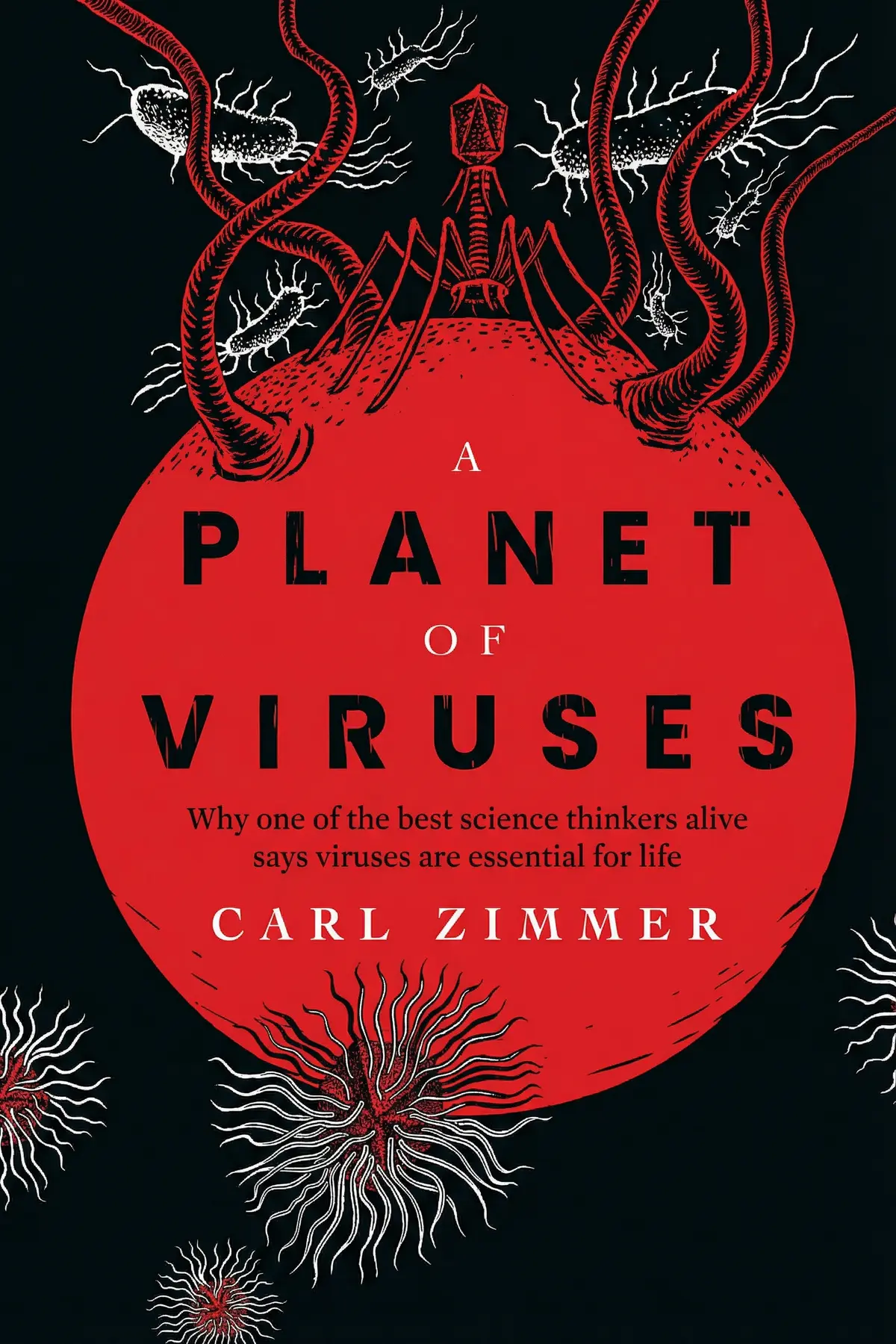
Carl Zimmer

Fay Bound Alberti
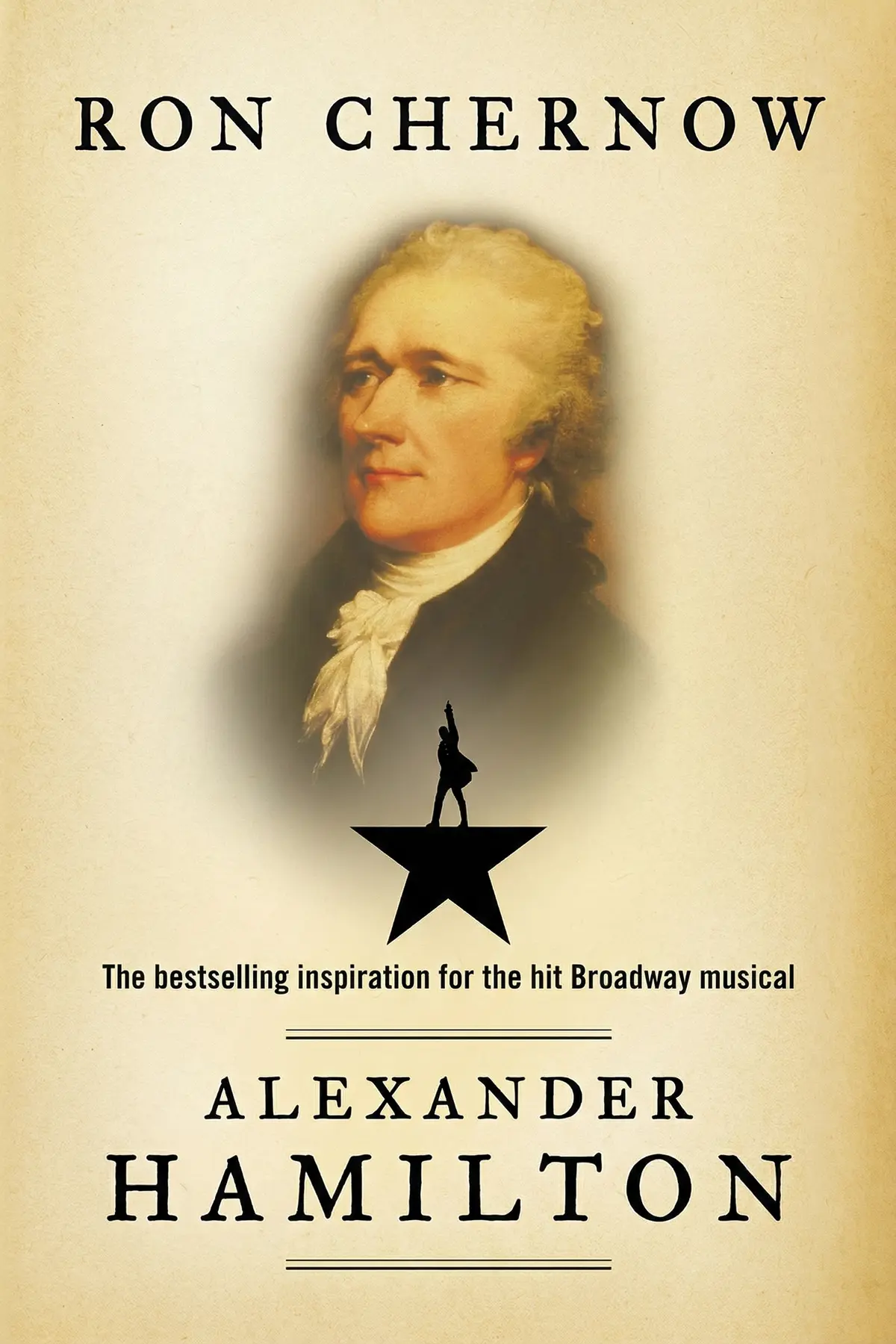
Ron Chernow
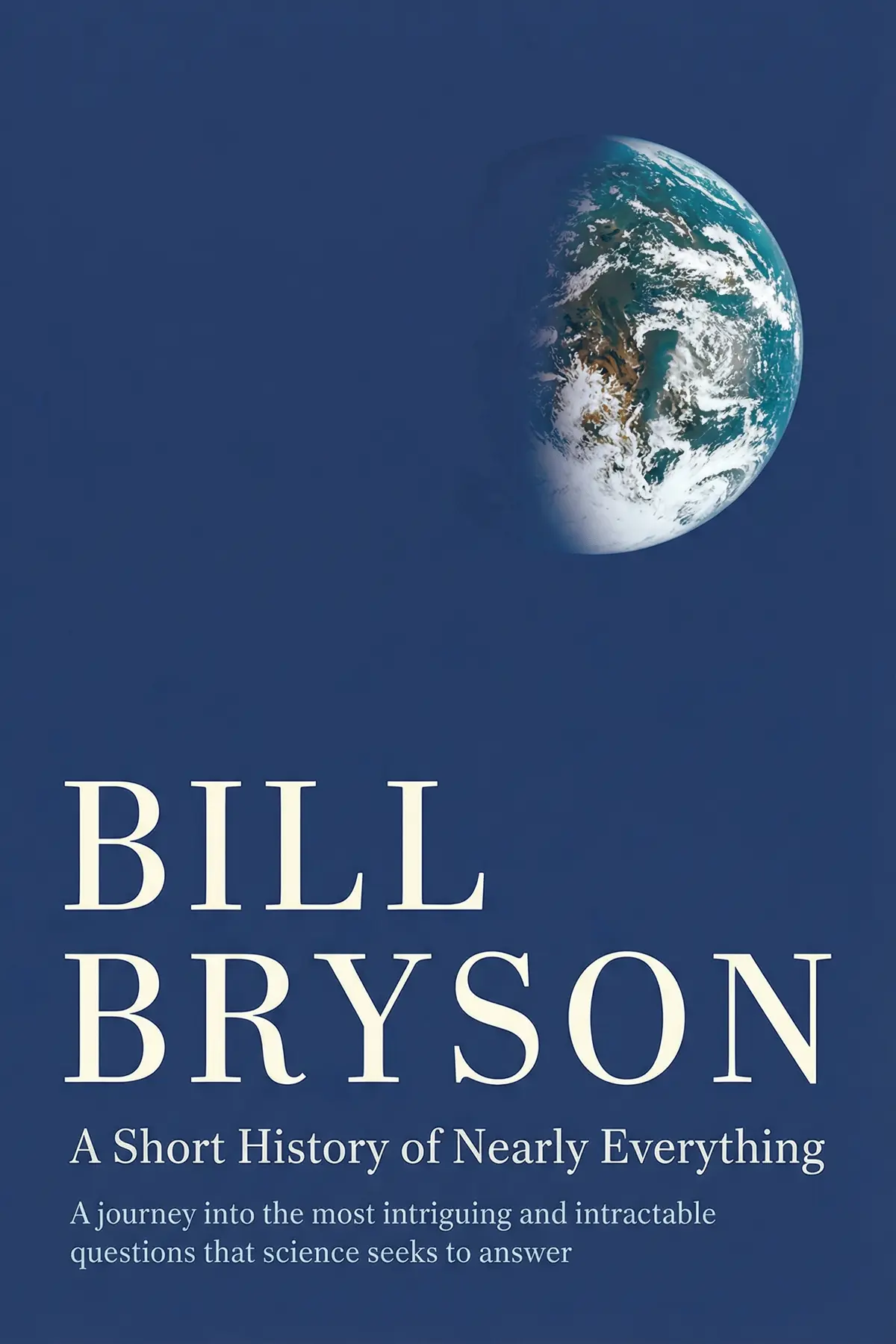
Bill Bryson
Philip Freeman
Jeff Hawkins
AUDIO SUMMARY AVAILABLE
Get the key ideas from Origin Story by David Christian, plus 5,000+ more titles in English and Thai.







