
18 min
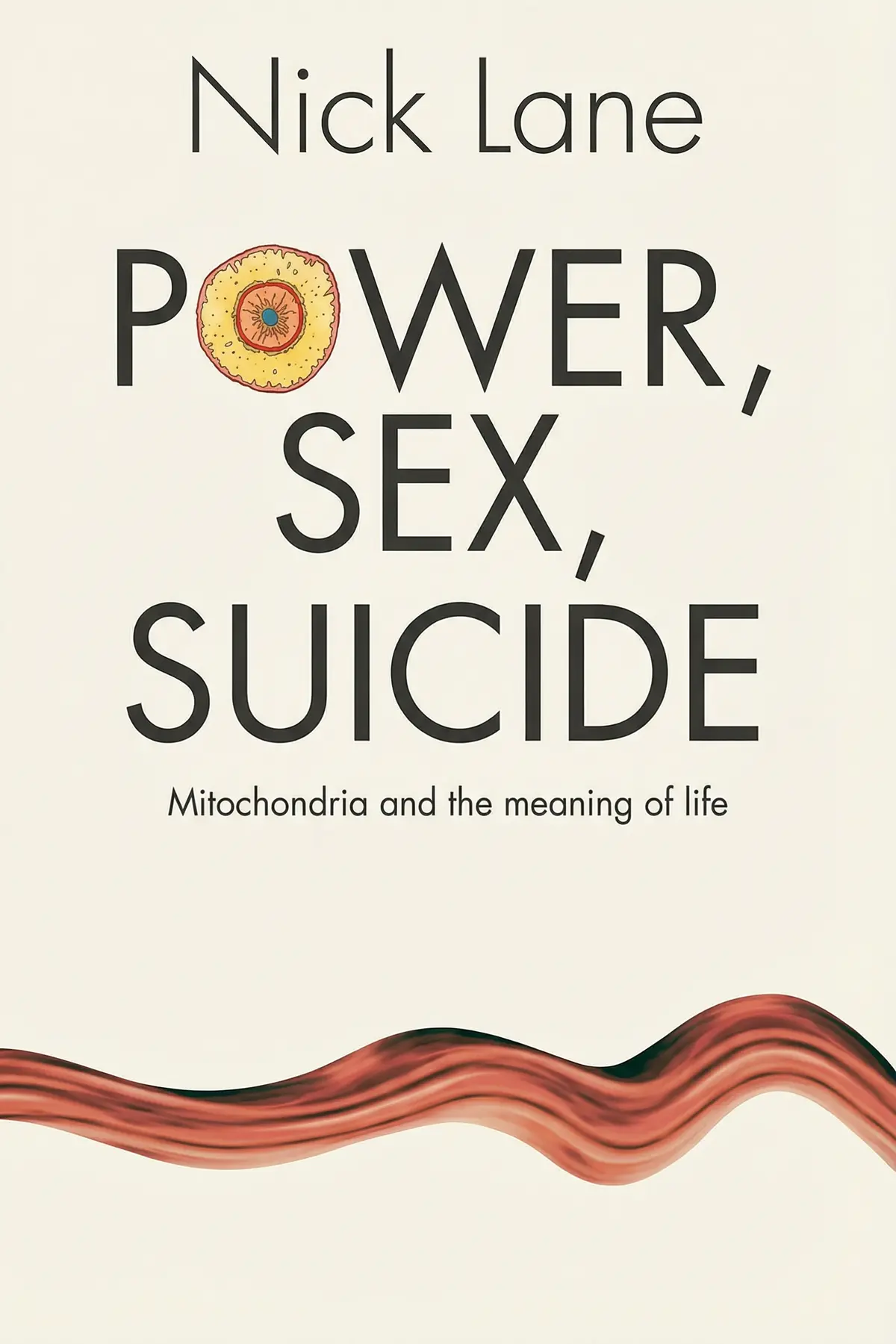
Oxygen: The Molecule That Made the World
By Nick Lane
Oxygen explores the dramatic and paradoxical history of the world's most important molecule. From saving the oceans to fueling the rise of giant insects, discover how this life-giving gas also acts as a deadly toxin.
Table of Content
1. Introduction
1 min 25 sec
Oxygen is so deeply woven into the fabric of our existence that we rarely stop to consider its true nature. We breathe it in every moment of our lives, seeing it as the ultimate symbol of vitality. But what if the very substance that keeps us alive is also a slow-acting poison? What if the history of our planet is not just a story of life, but a story of how life learned to survive the atmospheric arrival of this volatile gas? In this exploration of Nick Lane’s work, we are going to look past the simple biology of respiration and dive into the deep history of our world.
We often take the presence of oxygen in our air for granted, assuming it has always been there, supporting the lungs of everything that walks or crawls. However, the truth is far more dramatic. Billions of years ago, Earth was an alien landscape with almost no oxygen at all. The rise of this element didn’t just happen; it was a revolution that nearly destroyed the world before building it back up into the complex, vibrant ecosystem we see today. Through the lens of biochemistry and evolutionary history, we will see how oxygen shaped everything from the size of ancient insects to the very way our cells grow old and die. This is the story of a molecule that acts as both a fuel and a fire, a creator of complexity and a catalyst for decay.
2. The Dual Nature of a Life-Giving Toxin
1 min 41 sec
Discover the hidden paradox of the air we breathe and why the very substance that fuels our existence was once a lethal threat to the planet’s earliest inhabitants.
3. How Oxygen Prevented Earth from Drying Out
1 min 42 sec
Explore the fascinating process of photosynthesis and how it didn’t just create breathable air, but actually saved our oceans from vanishing into space.
4. The High-Energy Fuel for Complex Life
1 min 54 sec
Learn how the surge of oxygen levels hundreds of millions of years ago triggered a biological revolution, turning simple cells into complex organisms.
5. When Giants Ruled the Oxygen-Rich Skies
1 min 44 sec
Step back into the Carboniferous period, where dragonflies were the size of hawks and oxygen levels allowed for impossible feats of nature.
6. The Surprising Link Between Breath and Radiation
1 min 46 sec
Uncover the shocking chemical similarities between the air you breathe and the biological damage caused by radioactive exposure.
7. The Hidden Dangers of Common Antioxidants
1 min 31 sec
Re-evaluate what you know about supplements and nutrition as we explore how even helpful vitamins like Vitamin C can turn against the body.
8. A Microscopic Game of Hide and Seek
1 min 35 sec
Journey into the defensive world of microbes to see the ingenious ways life avoids the ‘burning’ touch of atmospheric oxygen.
9. The Biological Clock and the Oxidation of Time
1 min 48 sec
Investigate the leading theories on why we age and how the oxygen that fuels our youth might be the same force that eventually breaks us down.
10. Metabolism: The Speed of Life and Death
1 min 40 sec
Why do some animals live for decades while others only last a few years? The answer lies in the rate at which they burn their internal fuel.
11. Conclusion
1 min 14 sec
The journey of oxygen is the journey of life on Earth itself. We have seen how this invisible gas acted as a guardian for our oceans, a trigger for complex evolution, and a fuel that allowed for the rise of giants. Yet, we have also seen its shadow: its role as a molecular toxin that mimics radiation and drives the process of aging. Oxygen is not a passive participant in our history; it is the primary architect of our biology.
Ultimately, the takeaway from this exploration is a sense of profound balance. Every breath we take is a testament to billions of years of evolutionary adaptation. We are the descendants of the survivors—the ones who learned to harness the fire without being consumed by it. As you go about your day, remember that the air around you is more than just a void; it is a high-energy chemical legacy. By understanding the dual nature of oxygen, we can better appreciate the fragile, high-stakes game that life plays every single second just to keep going. The molecule that made the world is both our greatest ally and our most persistent challenge.
About this book
What is this book about?
This summary dives into the complex and often surprising history of oxygen, moving far beyond its role as simple breathing air. It reveals how oxygen literally saved the Earth from drying out by preventing water loss to space and explores the theory that the rise of complex, multicellular life was actually a defensive response to oxygen's toxic nature. Listeners will also learn about the Carboniferous era, where high atmospheric oxygen levels allowed for half-meter dragonflies and meter-long scorpions. The narrative connects the chemistry of respiration to the damage caused by radiation, explaining why we age and how our metabolic rate determines our lifespan. By the end, the 'breath of life' is revealed as a powerful, high-energy fuel that requires a sophisticated system of biological shields to manage. It is a story of evolution, survival, and the delicate chemical balance that allows us to exist.
Book Information
About the Author
Nick Lane
Dr. Nick Lane is a distinguished biochemist who earned his degree at Imperial College London and serves as an Honorary Reader at University College London. He is a prolific science writer, widely known for his deep explorations into the origins of life. His other acclaimed works include Power, Sex, Suicide: Mitochondria and the Meaning of Life and Life Ascending: The Ten Great Inventions of Evolution.
Ratings & Reviews
Ratings at a glance
What people think
Listeners describe this scientific work as captivating and excellently composed, noting the thorough research evident throughout. The text offers an extensive look at the impact of oxygen on our planet's environment, bridging multiple scientific disciplines and proving especially useful for audiences with a technical background. They enjoy the compelling storytelling and insightful material, with one listener praising the smooth transition from geology to biology to chemistry. Furthermore, listeners appreciate the book's medical perspectives, including one who specifically mentioned the analysis of oxidative stress in disease and aging.
Top reviews
Rodrigo
Nick Lane has a gift for making the invisible visible. This isn't just a book about a gas; it's an epic biography of the molecule that forced life to grow up. Lane transitions seamlessly from the geochemical origins of our planet to the complex machinery of our own cells. To be fair, the biochemistry is dense. You might find yourself re-reading paragraphs about the Krebs cycle or free radicals just to keep your head above water. However, the payoff is immense. Seeing how oxygen acted as both a catalyst for evolution and a ticking clock for our own aging process changed my perspective on biology. It’s a demanding read that treats the reader with intellectual respect. Truly a masterpiece of scientific synthesis.
Show moreMia
Finally got around to this classic of popular science and it did not disappoint. The way Lane connects the “Great Oxidation Event” from billions of years ago to the way our bodies manage energy today is nothing short of masterful. It is fact-dense and meticulously researched, covering everything from the ozone layer to the Hayflick limit. I loved the rugby-metaphor for chlorophyll; it finally made the movement of electrons during photosynthesis click for me! While some of the genetics info feels slightly dated given it was originally written in 2002, the core thesis holds up beautifully. It's a foundational text for anyone interested in why complex life exists at all and how it eventually fails.
Show moreChiw
Wow, this book totally reframed how I look at the world around me. Most people think of oxygen as just something we breathe, but Lane shows it’s the engine of every major transition in Earth's history. I picked up the 2021 updated version and the depth of research is just mind-blowing. The book covers so much ground: mass extinctions, the rise of complex ecosystems, and the very nature of mortality. Not gonna lie, I had to Google a few terms every couple of pages, but that’s part of the fun of reading a book that doesn't talk down to you. It’s a provocative, brilliant piece of writing that manages to make biochemistry feel as exciting as a thriller.
Show moreLeah
Not many authors can weave together paleontology and gerontology without losing the thread, but Lane pulls it off. Oxygen is presented as the ultimate double-edged sword, driving both the evolution of life and its eventual decay. The level of detail regarding free radicals and antioxidant myths was particularly eye-opening for me. It’s a meticulously researched volume that feels like a labor of love. While the dense biochemistry might be off-putting for some, the insights into aging and metabolic throughput are worth the effort. It’s a thought-provoking deep dive that makes you realize just how lucky—and precarious—our existence really is. Truly a stellar piece of science writing that stands the test of time.
Show moreKru
Ever wonder why we're told to eat antioxidants like they're a magic shield? Lane's exploration of oxidative stress is a masterclass in debunking health fads using actual science. He explains how oxygen is both our greatest ally and our most persistent enemy, slowly “rusting” us from the inside through free radical damage. I found the chapters on the evolution of complex body plans to be the most impactful, even if the chemistry was a bit terrifying. The writing is sharp and evocative, though it does get bogged down in the minutiae of electron transfer chains. It's a brilliant synthesis of medicine and evolutionary history that demands your full attention, providing insights you won't find in standard textbooks.
Show moreArjun
As someone with a background in the life sciences, I found this to be one of the more rigorous “pop” books out there. Lane doesn't shy away from the gritty details of bioenergetics. Truth is, if you don't know your ATP from your ADP, you might struggle with the middle sections. The book effectively bridges the gap between disparate fields like geology and gerontology, which is a rare feat. I particularly appreciated the nuanced discussion on LUCA and how oxygen constrained the size of early animals. It’s not a light summer read, and Lane’s iconoclastic style can be polarizing, but it’s incredibly rewarding for those willing to put in the mental gym time.
Show moreNutnicha
The central paradox of oxygen—that it sustains us while simultaneously burning us from the inside out—is explored with incredible nuance here. I was fascinated by the idea that oxygen is essentially a toxin that we learned to harness. Lane’s prose is elegant, even when he’s diving deep into the architecture of mitochondria and the vulnerabilities of human tissues. The section on how oxygen levels influenced the size of prehistoric insects was a particular highlight for me. My only real gripe is the pacing; the book starts strong, gets very bogged down in chemistry in the middle, and then picks up again towards the end. It’s an essential read for science nerds, but perhaps too heavy for a casual enthusiast.
Show moreTen
Picked this up on a whim and was surprised by how much ground Lane covers. It’s really two books in one: a deep history of the planet and a medical exploration of human health. The transition from the “rusting” of the early Earth to the development of diabetes and Alzheimer’s in humans is surprisingly logical under Lane's guidance. I did find some of the stuff about “junk DNA” a bit off-base compared to more recent epigenetics findings, but that’s expected for a book that started in the early 2000s. To be fair, Lane admits when he’s speculating, which I appreciate. It’s a thick, meaty read that rewards those who stick with it through the tougher chemical chapters.
Show moreRohan
Look, there is no denying the author's brilliance, but the level of conjecture here is staggering. Lane frequently argues from “intriguing” rather than “compelling” evidence, which makes it hard to know where the consensus ends and his own theories begin. For a general reader, this lack of a clear boundary can be confusing and misleading. He challenges the standard textbook narratives—which I usually love—but sometimes he reinstates the very intuitions he just spent ten pages disparaging. The content on free radicals and their link to chronic disease is fascinating, but it should be taken with a grain of salt. It’s a polarizing book that is as frustrating as it is enlightening.
Show moreGift
Frankly, this was a slog despite the fascinating premise. Lane is clearly an expert, but he has a disconcerting tendency to veer into highly speculative territory without providing enough conventional context for a layperson. I found the sections on “junk DNA” particularly shaky, and some of the medical claims regarding Alzheimer's felt like they were overreaching based on thin evidence. The book is marketed to a general audience, yet you almost need a degree in biochemistry to follow the more intricate arguments about redox potential. If you enjoy the process of scientific inquiry and don't mind a lot of unproven theories, you might like this. Personally, I found it too disheartening to finish because of the technical humps.
Show moreReaders also enjoyed
A Life Decoded: My Genome: My Life
J. Craig Venter
A Planet of Viruses
Carl Zimmer
A Short History of Nearly Everything
Bill Bryson
A Thousand Brains: A New Theory of Intelligence
Jeff Hawkins
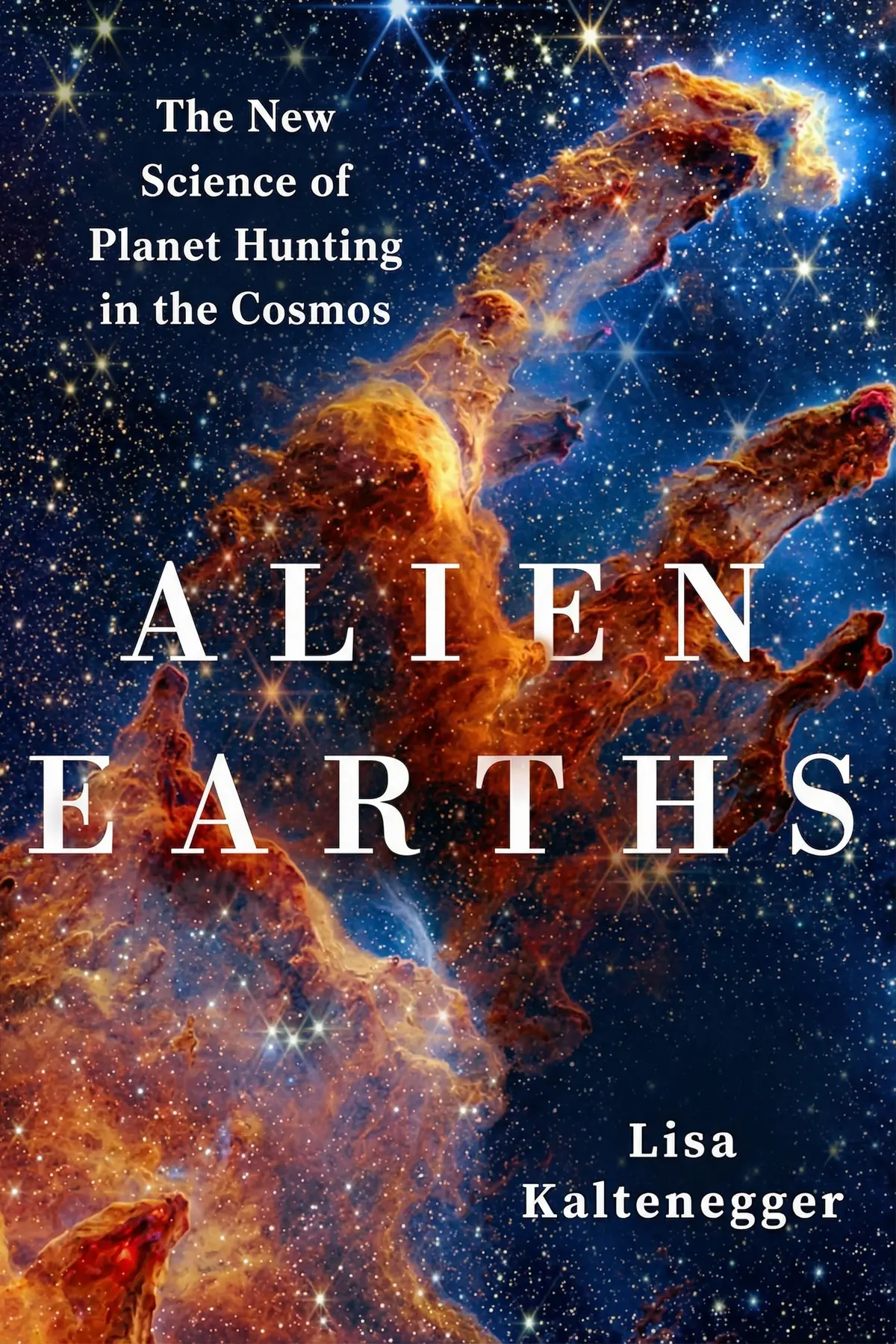
Alien Earths: The New Science of Planet Hunting in the Cosmos
Lisa Kaltenegger
AUDIO SUMMARY AVAILABLE
Listen to Oxygen in 15 minutes
Get the key ideas from Oxygen by Nick Lane, plus 5,000+ more titles in English and Thai.
- 5,000+ titles
- Listen as much as you want
- 7-day free trial
- Cancel anytime







