
20 min 05 sec
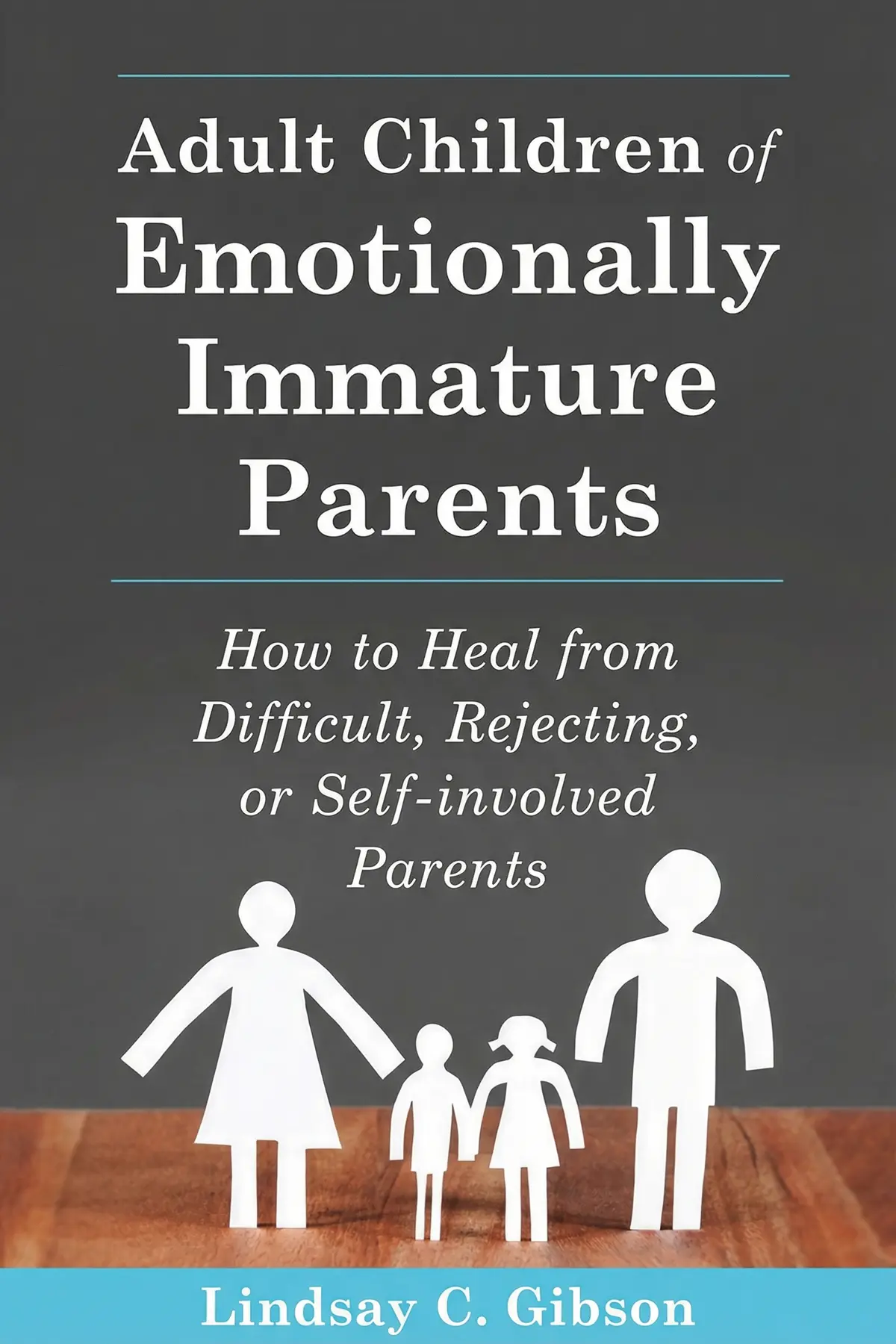
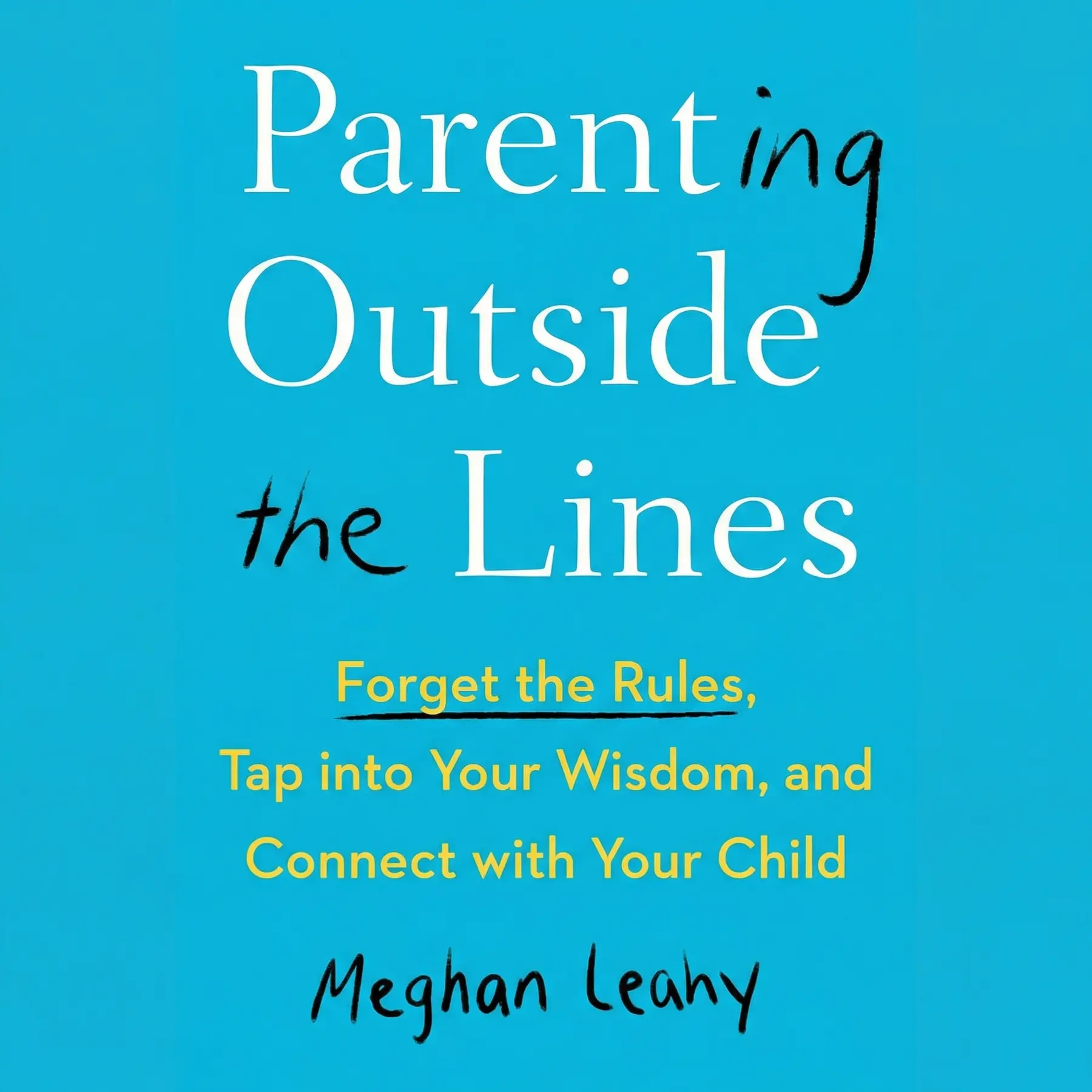
Parenting Outside the Lines: Forget the Rules, Tap into Your Wisdom, and Connect with Your Child
By Meghan Leahy
Parenting Outside the Lines challenges traditional child-rearing dogmas, urging parents to swap rigid rules for intuition. It focuses on building deep connections, embracing imperfections, and leading with compassion and authenticity.
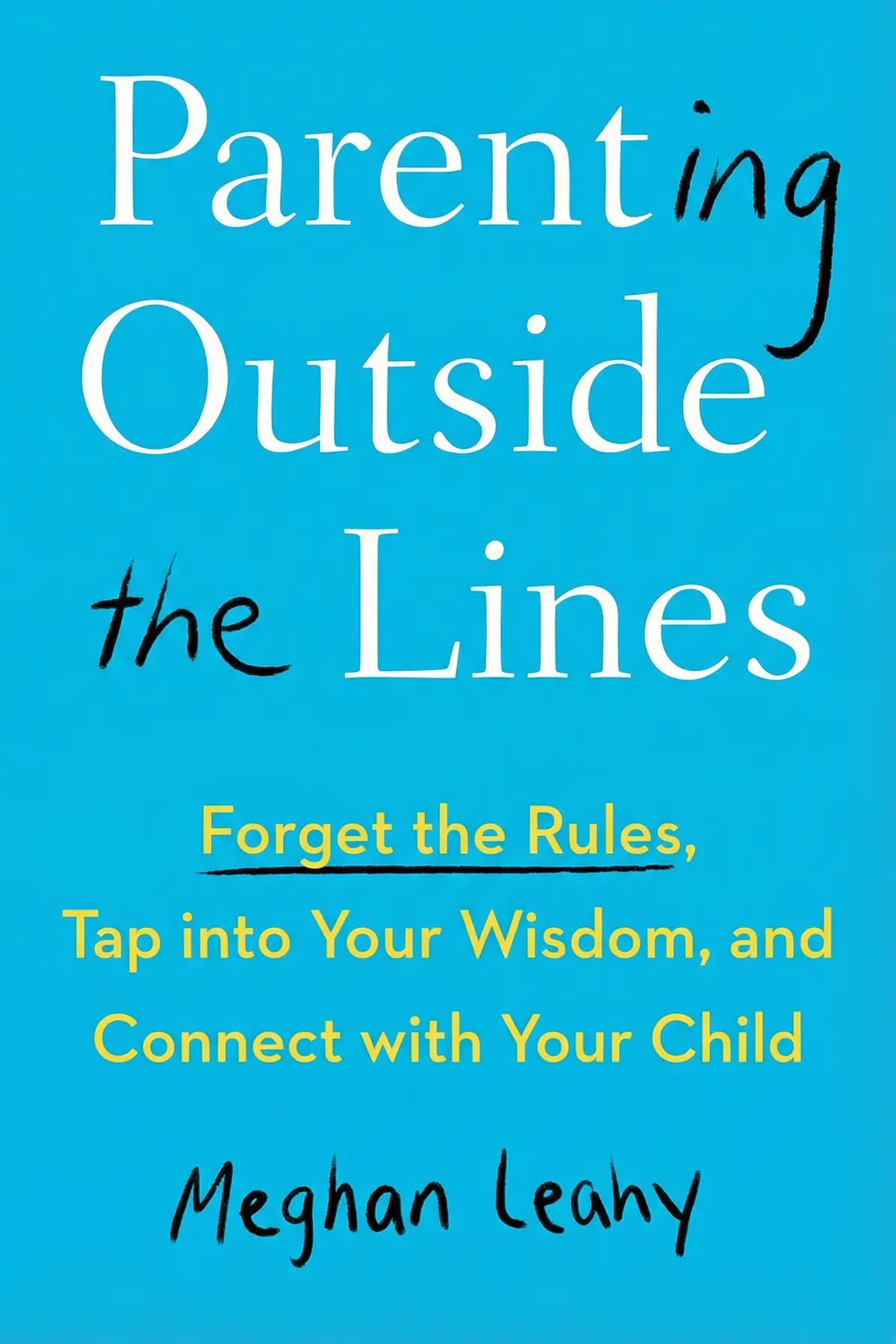
Table of Content
1. Introduction
1 min 38 sec
Every parent has had that moment—the one where you feel like you’re completely out of options. You’ve read the books, you’ve tried the ‘time-outs,’ and you’ve implemented the sticker charts, but somehow, you’re still standing in the middle of a chaotic living room wondering where it all went wrong. If you’ve ever felt like a failure because your household doesn’t look like the polished images on social media, you aren’t alone. In fact, you might be suffering from a case of ‘parenting by the book’ rather than ‘parenting the child in front of you.’
Parenting Outside the Lines is a refreshing departure from the rigid, one-size-fits-all advice that dominates the market. Instead of giving you a new set of rules to follow, it asks you to do something much harder: unlearn the arbitrary standards that are making you and your children miserable. The core throughline of this journey is that connection must always come before control. When we prioritize the relationship over the rules, the rules actually start to take care of themselves.
In the coming chapters, we are going to explore how to ditch the fear of judgment, how to see our own role in family conflicts, and how to stop expecting our children to provide us with the emotional validation we need to find within ourselves. This isn’t about becoming a perfect parent—it’s about becoming a present one. We’ll look at the specific ways we can reclaim our leadership in the home while remaining deeply compassionate. It’s time to stop parenting based on what we think ‘should’ happen and start responding to what is actually happening in our homes.
2. Questioning Conventional Rules
2 min 40 sec
Discover why the secret to a peaceful morning might involve letting go of what other people think and focusing on what actually works for your family.
3. Recognizing Your Role in Conflict
2 min 29 sec
Sometimes the biggest obstacle to a calm child is a parent who is moving too fast or expecting too much.
4. Navigating Sibling Rivalry
2 min 36 sec
Understand the hidden patterns behind brother-sister battles and how your reactions might be fueling the fire.
5. Breaking the Transactional Cycle
2 min 15 sec
Stop looking for ‘thank yous’ and start looking for connection. Learn why parenting shouldn’t be a trade-off.
6. Modeling Healthy Tech Habits
2 min 09 sec
Your child’s screen time problem might actually be a reflection of your own. Learn how to reclaim presence in a digital world.
7. The Power of Kind Authority
2 min 24 sec
Setting boundaries isn’t mean; it’s a form of love. Discover how to lead your home with both firmness and heart.
8. Repairing Through Sincere Apology
2 min 17 sec
Making mistakes is part of the job. Learn why a ‘clean’ apology is the most powerful tool for healing your relationship with your child.
9. Conclusion
1 min 37 sec
Parenting is not a math problem to be solved; it is a relationship to be nurtured. Throughout this exploration of Parenting Outside the Lines, we’ve seen that the greatest obstacles to a happy home are often the arbitrary rules we follow and the external validation we seek. By shifting our focus from controlling our children’s behavior to connecting with their hearts, we transform the entire family dynamic.
We’ve learned that it’s okay to let the small things go—like wearing pajamas to school—if it means preserving the peace. We’ve seen that our own stress and lack of organization often play a starring role in the conflicts we face, and that by taking care of our own needs and modeling the behavior we want to see, we make it easier for our children to follow our lead. We’ve also embraced the idea that firm, kind leadership is a gift to our children, providing them with the safety and resilience they need to grow.
As you move forward, the most actionable thing you can do is to hold a family meeting. Sit down with your kids and talk about the changes you’d like to see, but make sure to listen to their input as well. When children feel like they have a voice in the process, they are much more likely to cooperate. And remember: change happens slowly. Be patient with yourself and with them. There will be bad days and there will be mistakes. But as long as you keep the lines of communication open and are willing to offer a sincere apology when things go wrong, you are on the right track. You don’t need to be a perfect parent. You just need to be a real one, standing right there beside your children as you navigate the beautiful, messy reality of life together.
About this book
What is this book about?
Parenting Outside the Lines is an invitation to breathe a sigh of relief. Many parents today feel crushed by the weight of 'perfect' standards, constantly worrying that they aren't doing enough or that their children are falling behind. Meghan Leahy argues that the secret to a happy home isn't found in a manual or a strict set of behavioral protocols. Instead, it lies in the parent’s ability to tune out the noise of societal judgment and tune into the unique needs of their own family. The book promises a shift from a power-struggle dynamic to one of mutual respect and understanding. It explores common flashpoints—like morning routines, sibling rivalry, and the ever-present lure of digital screens—and provides a framework for handling them with grace. By focusing on the underlying relationship rather than just the outward behavior, parents can move away from transactional interactions and toward a more resilient, connected family life. It’s about learning to trust your gut and accepting that both you and your children are works in progress.
Book Information
About the Author
Meghan Leahy
Meghan Leahy is a well-known parenting expert who writes the popular On Parenting column for the Washington Post. As a certified parenting coach, she brings years of hands-on experience helping families navigate the complexities of modern life. Her insights have reached a broad audience through her appearances on major media outlets like NPR and ABC, and her work continues to be a trusted resource for parents seeking practical, compassionate guidance.
Ratings & Reviews
Ratings at a glance
What people think
Listeners find this parenting book to be an excellent source of balanced wisdom that encourages them to rely on their intuition and grasp their children's thought processes. It is consistently funny, offering both amusement and clarity while keeping a completely authentic and grounded feel. Listeners value the actionable tips, pragmatic strategy, and comforting style, with one listener highlighting the way it describes private challenges in a non-judgmental manner.
Top reviews
Kavya
This book felt like a deep breath during a very chaotic week of toddler tantrums and sleepless nights. Leahy has this incredible way of making you feel like you aren’t failing, even when your kitchen is a disaster and the kids are refusing to eat anything green. Truth is, most parenting guides feel like a list of chores, but this one focuses on the relationship and trusting your own internal compass. I loved the emphasis on moving away from a transactional mindset where every good deed requires a reward. It’s funny, poignant, and surprisingly practical for those of us who are tired of the expert advice that never works in real life. If you have younger kids and feel like you're constantly drowning in screen time guilt, please give this a read. It’s less about being a perfect parent and more about being a present human being.
Show moreHiroshi
Picked this up because I was tired of feeling judged by every gentle parenting influencer on my social media feed. Meghan Leahy is the exact opposite of that; she shares her own struggles with such honesty that you can’t help but laugh along with her. Look, we all know that kids imitate our worst behaviors, and this book doesn't shy away from reminding us to check our own tempers first. The advice isn't about being a doormat, but rather about de-escalating stressful situations by finding the underlying needs. I loved the parenting isn't transactional chapter because it challenged me to stop using stickers and treats as a primary motivator. It’s a refreshing, hilarious guide that reminds us that we are actually doing a good job even when it feels like we aren't.
Show moreRatchada
After hearing so many people rave about Leahy’s column, I finally dived into this book and I’m so glad I did. It is a fantastic source of balanced wisdom that doesn’t demand perfection from parents who are already stretched way too thin. The focus on understanding a child's mind rather than just controlling their behavior is something every new parent should hear early on. I’ve already recommended it to several friends because it’s such a great gift for anyone entering the elementary school years. There’s no judgment here, just a lot of reassurance and some very funny anecdotes that make you realize your kids aren't the only ones acting wild. This is easily one of the most relatable books I've encountered in years of reading about child development.
Show moreKet
Honestly, I needed this reminder to stop treating my relationship with my son like a series of transactions. We get so caught up in the if you do this, you get that cycle that we forget to actually connect on a human level. Meghan Leahy’s writing is just so down-to-earth and funny that it makes the medicine go down easier. She’s very open about her own lashing out and the importance of apologizing, which made me feel so much better about my own recent failures. The book is packed with perspective and encourages you to believe that you are doing good things even when the day ends in a meltdown. It’s a beautiful, realistic look at the messy reality of raising humans in the modern world.
Show moreA
I've read a lot of parenting books over the years, but this one stands out because it focuses so heavily on the parent's own growth. It’s not just about fixing the kid; it’s about being mindful of our own tech habits and how we model behavior for the next generation. The idea that kids mostly imitate what they see is a tough pill to swallow, but Leahy delivers it with such grace and humor. I’ve started implementing the small steps she suggests, like the family meetings, and the shift in our household energy has been noticeable. It’s a great guide for anyone who wants to move away from being the boss and toward being a leader. Definitely worth a spot on your nightstand if you're feeling burnt out by traditional discipline methods.
Show moreWyatt
Ever wonder why we try so hard to control every tiny aspect of our children’s lives instead of just connecting with them? Leahy tackles this head-on by suggesting we stop treating parenting like a business deal and start looking at the emotional patterns underneath the chaos. To be fair, some of the suggestions felt a bit basic if you’ve already read a dozen books in this genre, but her delivery is what makes it stick. The section on limiting your own tech use was a much-needed wake-up call for my own habits. I particularly appreciated the idea of holding family meetings to get everyone on the same page without it feeling like a lecture. While it’s definitely geared toward those with elementary-aged children or younger, the mindset shifts are universal enough to apply to almost any stage.
Show moreJirapat
Wow, this was a much better experience than the last few parenting manuals I’ve forced myself to finish lately. Instead of giving a rigid set of rules, Leahy encourages you to lean into your gut feelings and realize that you know your child better than any author does. I really appreciated the actionable advice on holding family meetings to introduce changes like healthier eating or reduced screen time. It makes the kids feel like they have a voice in the process, which genuinely helps with the power struggles. Not gonna lie, I was skeptical about the follow your heart stuff at first, but the way she frames it within the context of emotional connection makes a lot of sense. It’s a light, easy read that manages to provide a significant mindset shift without being heavy-handed.
Show moreDavid
The chapter on identifying underlying patterns when kids act out was a complete game-changer for my morning routine. Instead of just reacting to the screaming, I’m finally starting to see the triggers and finding ways to be proactive rather than just defensive. To be frank, the book can feel a bit repetitive in the middle chapters, but the core message is strong enough to carry it through. I appreciate how the author highlights that lasting change happens gradually and that we should start with small, manageable steps. It's a very realistic approach for busy families who don't have time for a total household overhaul in a single weekend. The tone is like chatting with a wise friend over coffee, which is exactly what I needed this month.
Show moreGung
As someone who is constantly looking for the gold standard of advice, I found this to be a bit of a mixed bag. The writing is incredibly kind and the tone is down-to-earth, but many of the strategies felt tailored specifically for a very specific demographic. Personally, I think the advice to follow your heart can be a little too vague when you’re dealing with actual behavioral issues that require a concrete plan. I did find the bit about apologizing to your children when you lash out to be very valid and moving. However, some of the larger concepts felt a bit rudimentary for seasoned parents who have already moved past the instinct phase. It’s a great introductory text for a new mom with a ten-month-old, but might not offer enough meat for those with older, more complex kids.
Show morePhichai
Not what I expected at all based on the glowing reviews, and I found it to be one of the more unhelpful books on my shelf. While I appreciate the kind tone, the actual strategies felt far too follow your heart for my personal parenting style. I prefer a more structured, reformed approach where there are clear consequences and boundaries, rather than just hoping my instincts are right. It felt like the book was saying don't let your kids run the show, but then provided very few tools for when they inevitably try to do exactly that. Much of the advice seemed geared toward a very specific type of first-world household where the biggest struggle is tech use. Got to say, I think more clinical books provide much more practical value for everyday discipline.
Show moreReaders also enjoyed


AUDIO SUMMARY AVAILABLE
Listen to Parenting Outside the Lines in 15 minutes
Get the key ideas from Parenting Outside the Lines by Meghan Leahy, plus 5,000+ more titles in English and Thai.
- 5,000+ titles
- Listen as much as you want
- 7-day free trial
- Cancel anytime







