
18 min 08 sec
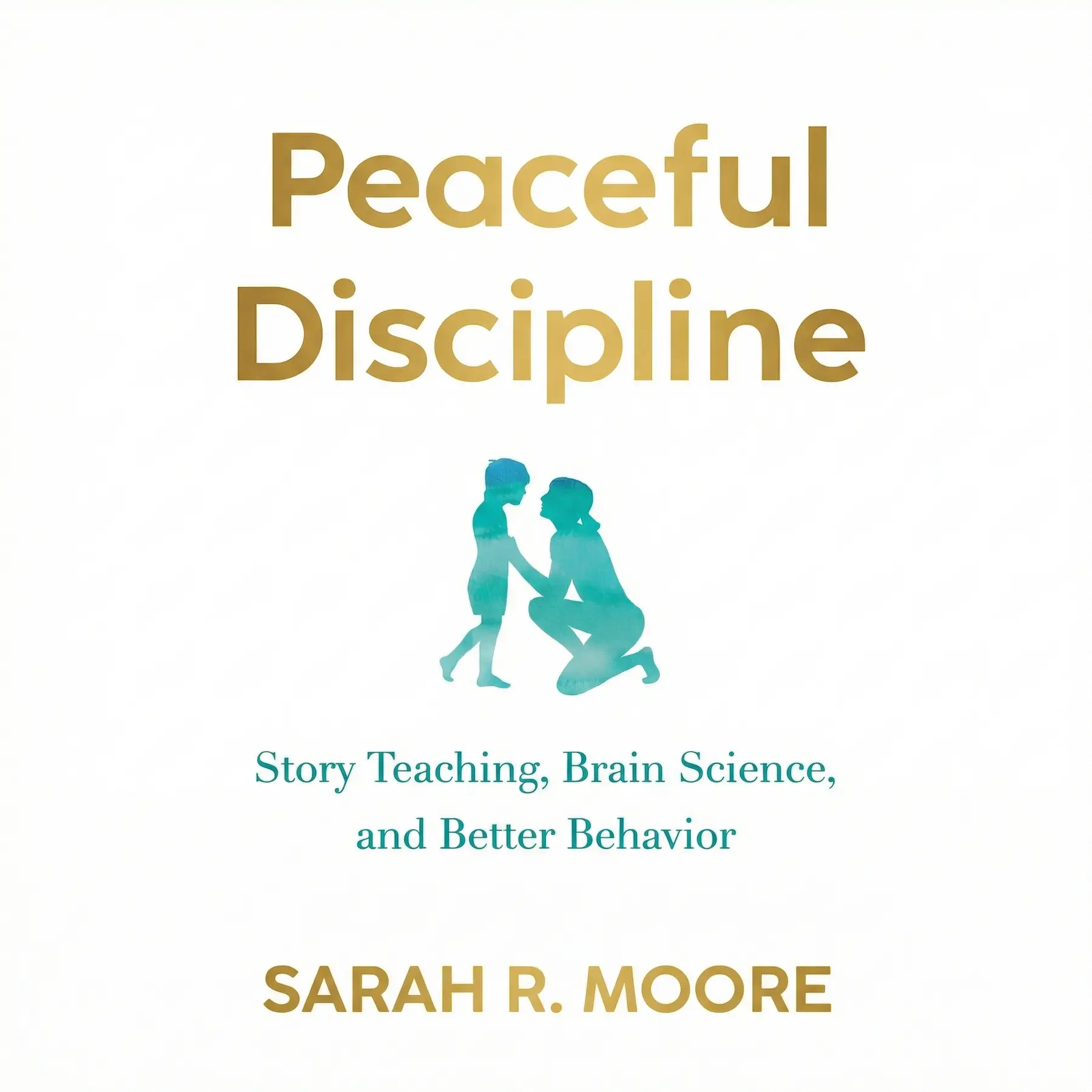
Peaceful Discipline: Story Teaching, Brain Science & Better Behavior
Explore a compassionate approach to parenting that swaps traditional punishment for emotional connection. This summary details how to use brain science and storytelling to guide children toward better behavior while strengthening the family bond.
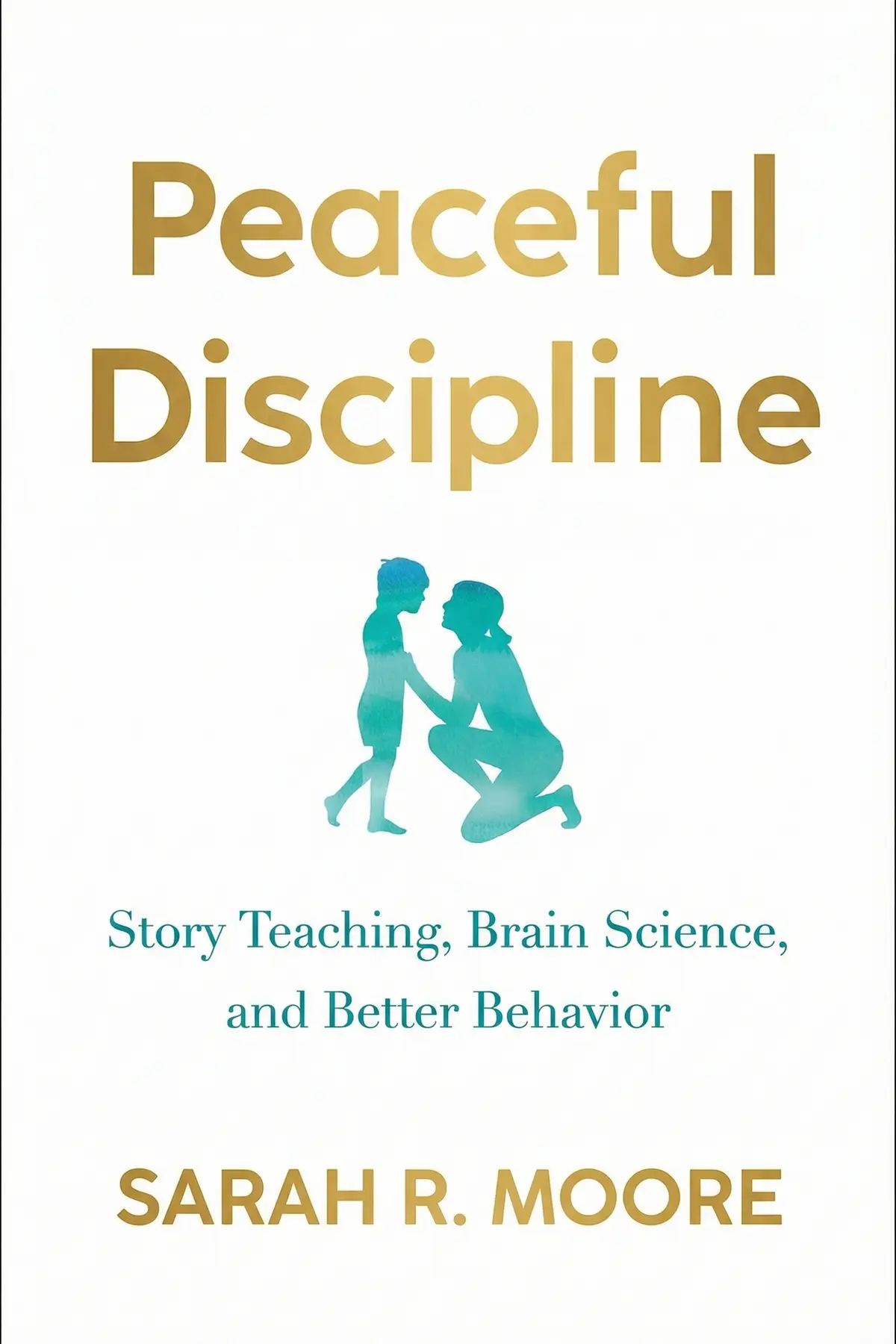
Table of Content
1. Introduction
1 min 41 sec
Every parent has faced that sinking feeling in the pit of their stomach—the one that arrives right after a shouting match or a failed attempt at a time-out. We are often told that being a ‘good’ parent means being a firm authority figure who demands immediate compliance. We hear advice from well-meaning relatives or read tips online that suggest we should withhold affection or implement punishments to ‘teach them a lesson.’ But for many, this path feels instinctively wrong. It creates a rift between parent and child, leaving both parties feeling isolated and frustrated.
What if discipline didn’t have to be a power struggle? What if, instead of viewing a child’s misbehavior as a sign of defiance, we saw it as a cry for help or a developmental milestone? This exploration of Peaceful Discipline invites you to look at parenting through a new lens—one that prioritizes the relationship above all else. By grounding our guidance in compassion, we don’t just fix a temporary behavior; we help build the internal architecture of a resilient, empathetic human being.
Throughout this journey, we will dive deep into the intersection of neurobiology and ancient wisdom. We’ll uncover why traditional punishments often fail to produce the results we want and how we can use the power of narrative to reach our children’s hearts. The goal here isn’t to create a household without boundaries. Rather, it’s about creating a household where boundaries are respected because they are built on a foundation of mutual trust and emotional safety. Let’s begin by looking at the biological realities that drive your child’s actions, setting the stage for a much more peaceful way of life.
2. The Biological Reality of Behavior
2 min 30 sec
Discover why your child isn’t naturally designed for self-control and how understanding brain development can shift your perspective from frustration to empathy.
3. The Power of Story Teaching
2 min 24 sec
Explore an ancient method of guidance that uses imagination and narrative to teach complex life lessons without triggering a child’s defenses.
4. Navigating the Emotional Landscape
2 min 30 sec
Learn how to help children identify and manage their feelings through emotion coaching and nervous system regulation.
5. The Parent's Role in Regulation
2 min 31 sec
Master the art of self-regulation and discover why your internal state is the most powerful tool in your parenting kit.
6. Redefining Boundaries and Consequences
2 min 39 sec
Shift from arbitrary punishments to meaningful, logical consequences that teach responsibility and preserve the parent-child bond.
7. Implementing the Story Teaching Framework
2 min 36 sec
Learn the practical, five-step structure for creating stories that can resolve recurring behavioral challenges and deepen your child’s emotional intelligence.
8. Conclusion
1 min 17 sec
Transitioning to a model of peaceful discipline is not an overnight transformation. It is a journey of unlearning old habits and leaning into a new way of being with your child. The core message of Sarah R. Moore’s work is that our children are not our adversaries. They are developing human beings who are doing the best they can with the biological tools they have. When we see their struggles as opportunities for connection rather than reasons for conflict, everything changes.
By integrating brain science, emotion coaching, and the magical tool of story teaching, you can create a home environment where every family member feels seen, safe, and valued. Remember that the goal isn’t perfection—it’s presence. It’s about being there for the big feelings, pausing before we react, and always being willing to repair the bond when things go wrong. As you move forward, try to look at every challenging behavior as a story waiting to be told and a lesson waiting to be taught through love. This approach doesn’t just result in a more peaceful household today; it builds the foundation for a lifelong relationship of trust and respect between you and your child. Take it one story at a time, one pause at a time, and one HUG at a time.
About this book
What is this book about?
This guide challenges the conventional wisdom of discipline, moving away from control-based tactics like time-outs and toward a model of partnership and understanding. It explores the neurobiological reasons why children struggle with self-control, highlighting that young brains simply aren't fully equipped for consistent rational thought until well into adulthood. By understanding these biological limits, parents can shift their focus from modifying behavior through fear to guiding growth through empathy. The book introduces 'story teaching' as a primary tool for parents. This ancient practice leverages a child's natural imagination to teach lessons in a safe, non-confrontational way. Readers will learn the mechanics of emotion coaching, the importance of parental self-regulation through the HUG process, and how to create meaningful consequences that actually teach responsibility. Ultimately, it promises a path toward a calmer household where discipline is an act of teaching rather than an act of power.
Book Information
About the Author
Sarah R. Moore
Sarah R. Moore is a mother and a certified Master Trainer in the field of conscious parenting. She is the founder of Dandelion Seeds Positive Parenting and currently serves as the Board Chair for the American Society for the Positive Care of Children. Her expertise has been featured in numerous major publications, including Huffpost, Scary Mommy, Motherly, Her View from Home, and the Natural Parent Magazine.
Ratings & Reviews
Ratings at a glance
What people think
Listeners consider this work a helpful guide for caregivers and teachers, offering practical advice and concrete techniques. They value its creative take on empathetic parenting and its focus on fostering a supportive atmosphere for kids. The content blends neurological insights with narrative pieces, and one listener pointed out how effectively it clarifies the research backing its practices. Listeners describe the prose as excellent, straightforward, and approachable, while also valuing its inclusive, compassionate tone.
Top reviews
Anthony
Sarah R. Moore has written a gem that feels like a warm hug for exhausted parents who are tired of the constant power struggles. It’s rare to find a guide that balances high-level neuroscience with the absurd reality of trying to get a stubborn preschooler to wear pants in the morning. I was particularly struck by the "story teaching" concept; it transforms discipline from a chore into a shared creative exercise that builds trust. Instead of the usual, ineffective "because I said so," the author encourages us to use imagination to bypass a child's natural defensiveness. To be fair, some of the improv-based suggestions felt a little daunting for someone who isn't naturally "on," but the core message is deeply resonant. My household feels significantly calmer since we started implementing the HUG method to regulate our own adult emotions first.
Show moreSomsri
This book accidentally healed a part of my own childhood while I was trying to learn how to parent my strong-willed toddler. It’s more than just a list of do’s and don’ts; Moore integrates her background in improv and trauma recovery to create a framework that values the human being behind the misbehavior. I loved the specific example of Josephine Kerfufflefluff—it gave me a tangible way to redirect my daughter without resorting to the shame-filled timeouts I grew up with. Frankly, I was skeptical about the "peaceful" aspect because I worried it would be too permissive for a high-energy kid. However, the book clarifies that boundaries are still vital; they're just delivered with empathy instead of threats. It is a beautiful, tender guide that emphasizes repair over perfection, and I found myself tearing up more than once.
Show moreUbolwan
Ever wonder why your kid seems to act out the second you sit down to check an email or take a phone call? This book explains exactly why that happens and how to respond without blowing a fuse at them. I was blown away by the "attachment-seeking" reframe, which helped me realize my kids aren't trying to be manipulative. They are literally signaling a survival need for connection. The concept of "story teaching" has been a lifesaver for our bedtime routine, which used to be a major battleground every single night. We now tell stories about "The Toothbrushing Wizard" instead of nagging, and the level of cooperation has skyrocketed. Not gonna lie, it takes more effort than just yelling, but the long-term payoff in our relationship is already visible. Sarah Moore writes with a voice that is authoritative yet kind.
Show moreWoramet
Picked this up on a whim after seeing a quote about the difference between consequences and punishments, and it’s been transformative for my mental health. I listened to the audiobook, and hearing Sarah R. Moore read her own work made the advice feel like it was coming from a supportive, non-judgmental friend. The way she breaks down "story teaching" is brilliant because it’s not about being a perfect narrator; it’s about creating a safe space for the child. The HUG method has helped me pause before reacting more times than I can count this week. It’s amazing how a simple six-second pause can change the entire trajectory of a difficult afternoon. If you’re tired of the yell-guilt-repeat cycle, buy this book immediately. It is compassionate, science-backed, and actually doable for any busy family.
Show moreEleanor
Can we talk about how much sense "story teaching" actually makes when you look at the neurology behind it? Moore does an incredible job explaining that a dysregulated child literally cannot process logical arguments because their frontal lobe has gone offline, meaning they are physically incapable of listening to reason until they feel safe again. Truth is, I used to waste so much energy trying to lecture my son during his tantrums, which only made things worse for both of us. The shift from seeing behavior as "attention-seeking" to "attachment-seeking" was a massive lightbulb moment for our family. While I found some of the chapters on trauma recovery a bit heavy for a general parenting guide, the actionable tips for using play to engage the vagus nerve were worth the price of admission alone.
Show moreSofia
Finally, a parenting book that doesn't make me feel like a total failure for losing my cool or failing to be a perfect Pinterest parent. Sarah Moore’s approach is refreshing because it acknowledges that parents are human too, and our dysregulation is just as real as our kids' big feelings. I've started using the "fire-breathing dragon" breathing technique with my four-year-old, and it’s the first thing that has actually stopped a meltdown in its tracks without a fight. The blend of improv comedy and science is genius because parenting is basically a high-stakes improv set where the audience is crying and you're out of snacks. Personally, I found the section on natural consequences versus punishments to be the most helpful part of the entire book. It helped me stop making up arbitrary punishments that had nothing to do with the actual problem.
Show moreLeila
As an early childhood educator, I’m always looking for ways to bridge the gap between classroom management and the chaos of home life. Peaceful Discipline is now at the top of my recommendation list for parents who are struggling with the dynamic nature of big feelings. Moore’s explanation of the developing brain is clear enough for a layperson but detailed enough to be scientifically sound and useful. The emphasis on "time-ins" over "time-outs" aligns perfectly with everything we know about attachment theory and building emotional safety. I did think the book dragged slightly in the middle sections, and a few of the stories felt a bit long-winded for my taste. However, the overarching message—that discipline is about teaching, not power—is something every caregiver needs to hear. It’s a wonderful addition to any parenting toolbox.
Show moreFord
The HUG method—Hold your reaction, Understand their perspective, and Give grace—is basically my new mantra for surviving the toddler years. I've read a lot of parenting books, but this one sticks because it’s so deeply rooted in empathy and respect for the child's experience. The specific stories about Josephine Kerfufflefluff and the "Giant Brushing Monster" gave us a whole new language to use with our three-year-old. I appreciate how Moore acknowledges that children’s brains are "under construction" until their mid-twenties, which helps lower the stakes during a grocery store outburst. My only minor gripe is that some of the sections felt a bit repetitive, but maybe that’s necessary to drive the point home. Overall, it’s a wonderful, accessible tool for anyone wanting to move away from shame-based discipline. It brings a lot of joy back into the house.
Show moreSavannah
After spending years navigating the often-judgmental world of parenting advice, I found the perspective in this book to be quite grounding but also somewhat repetitive. Many of the concepts here felt familiar if you’ve already dived deep into the world of gentle parenting staples like the Whole-Brain Child. That being said, the specific focus on storytelling as a discipline tool is a fresh enough addition to justify the read for most caregivers. I did find some of the dialogue examples a bit unrealistic for a real-life screaming match in the middle of a grocery store. The HUG method (Hold, Understand, Give grace) is a solid, easy-to-remember acronym that I will keep in my back pocket. It’s a decent resource for beginners, though it might feel like a refresher course for those already practiced in conscious parenting.
Show moreAisha
Not every technique in here clicked for my family, especially the improv-heavy suggestions which felt a bit forced in the heat of a real-world meltdown. I’m just not the type of person who can spontaneously start a puppet show when my kid is throwing shoes at the cat. However, the core science regarding the limbic system and the "survival center" of the brain was fascinating and very helpful for my mindset. It helped me realize that my daughter isn't being "bad," she is just developmentally overwhelmed. To be fair, the book is very well-written and the author clearly knows her stuff. I just felt like it leaned a bit too much into the idea that everything can be solved with a story. It’s a decent resource with some great nuggets, but it might not be the perfect fit for every personality type.
Show moreReaders also enjoyed
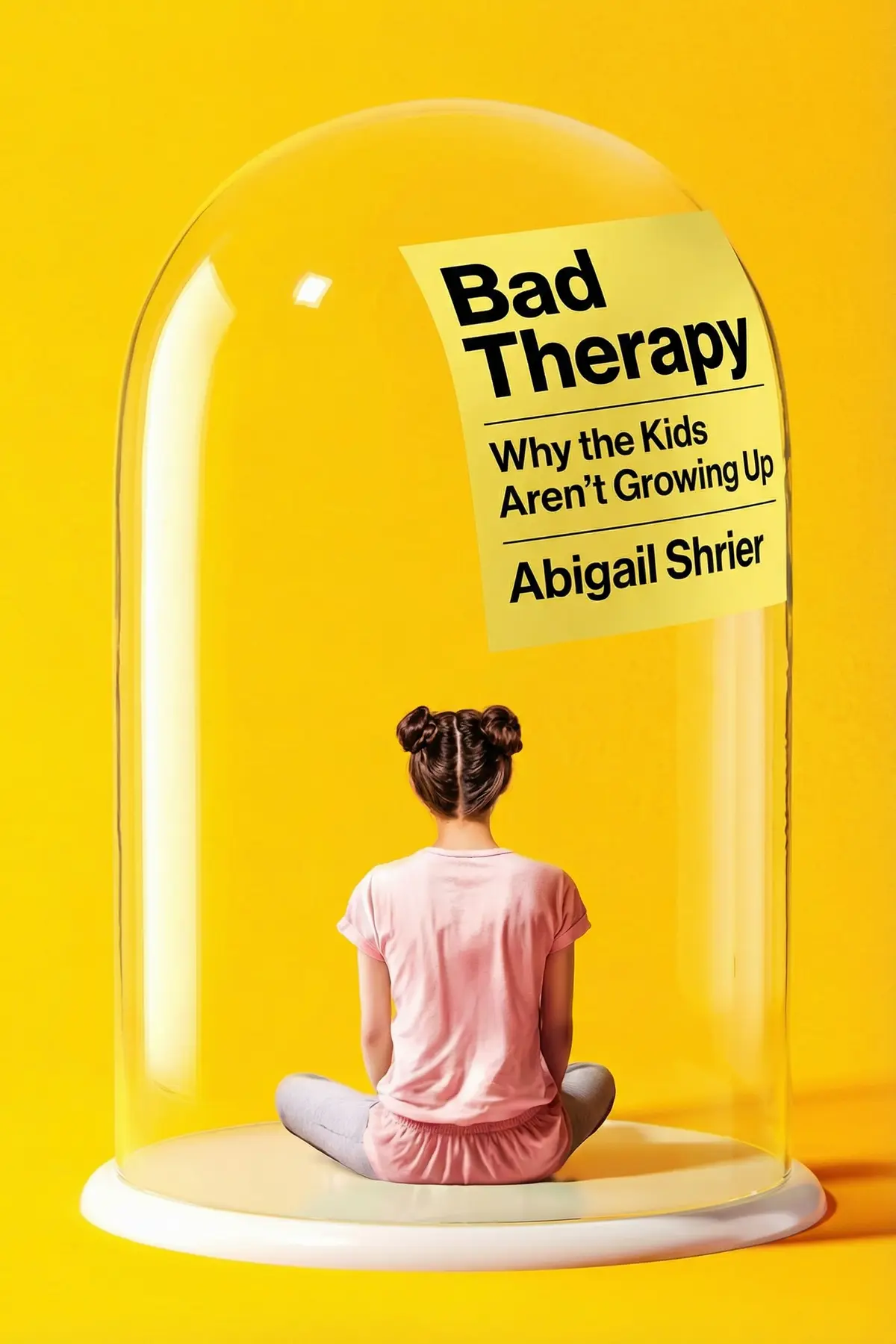
Bad Therapy: Why the Kids Aren't Growing Up
Abigail Shrier

Battle Hymn of the Tiger Mother
Amy Chua
Dear Ijeawele, or A Feminist Manifesto in Fifteen Suggestions
Chimamanda Ngozi Adichie
AUDIO SUMMARY AVAILABLE
Listen to Peaceful Discipline in 15 minutes
Get the key ideas from Peaceful Discipline by Sarah R. Moore, plus 5,000+ more titles in English and Thai.
- 5,000+ titles
- Listen as much as you want
- 7-day free trial
- Cancel anytime







