
23 min 37 sec
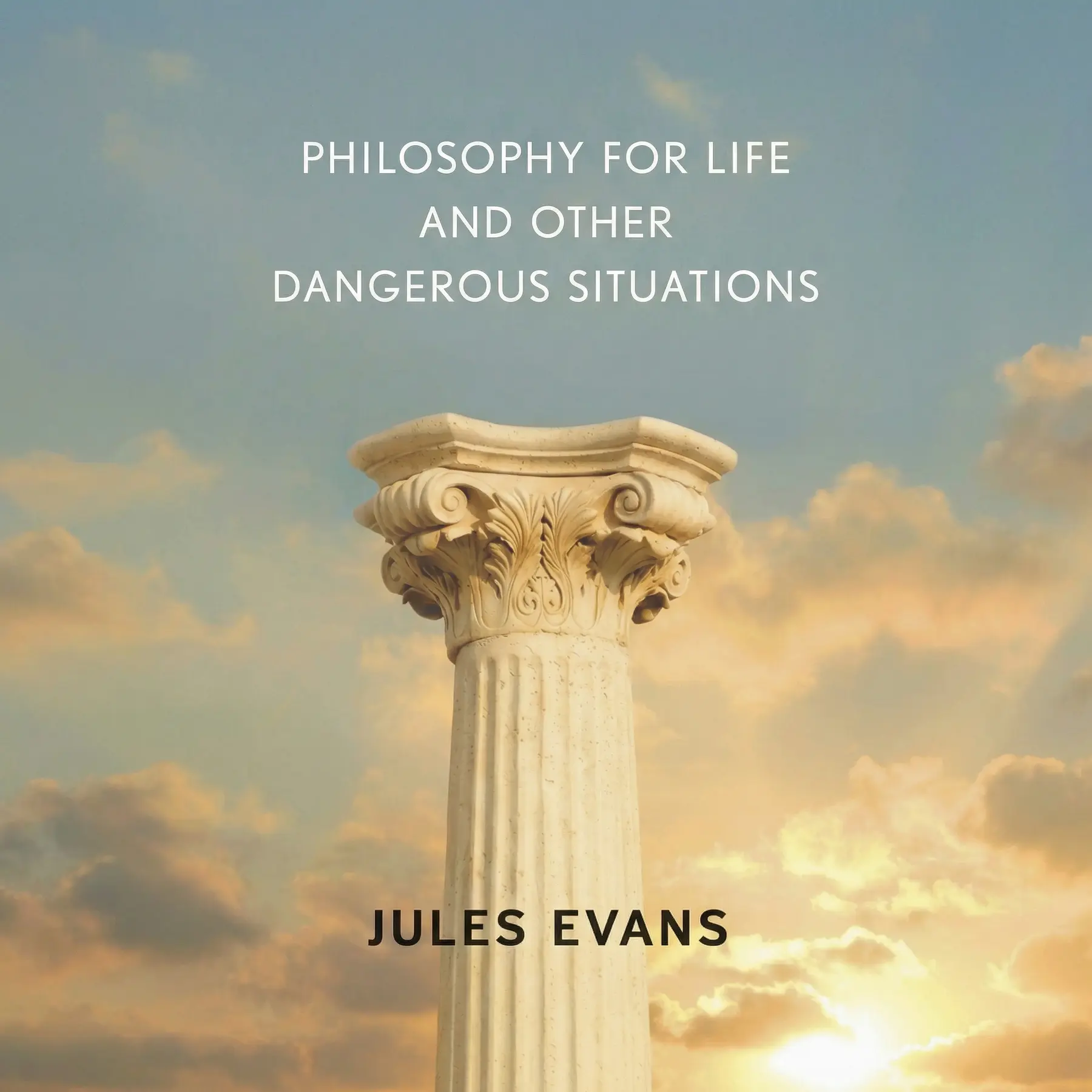
Philosophy for Life: And Other Dangerous Situations
By Jules Evans
Discover how the ancient wisdom of Stoicism, Epicureanism, and Aristotelian ethics provides a practical toolkit for modern mental health, emotional resilience, and finding true fulfillment in a chaotic world.
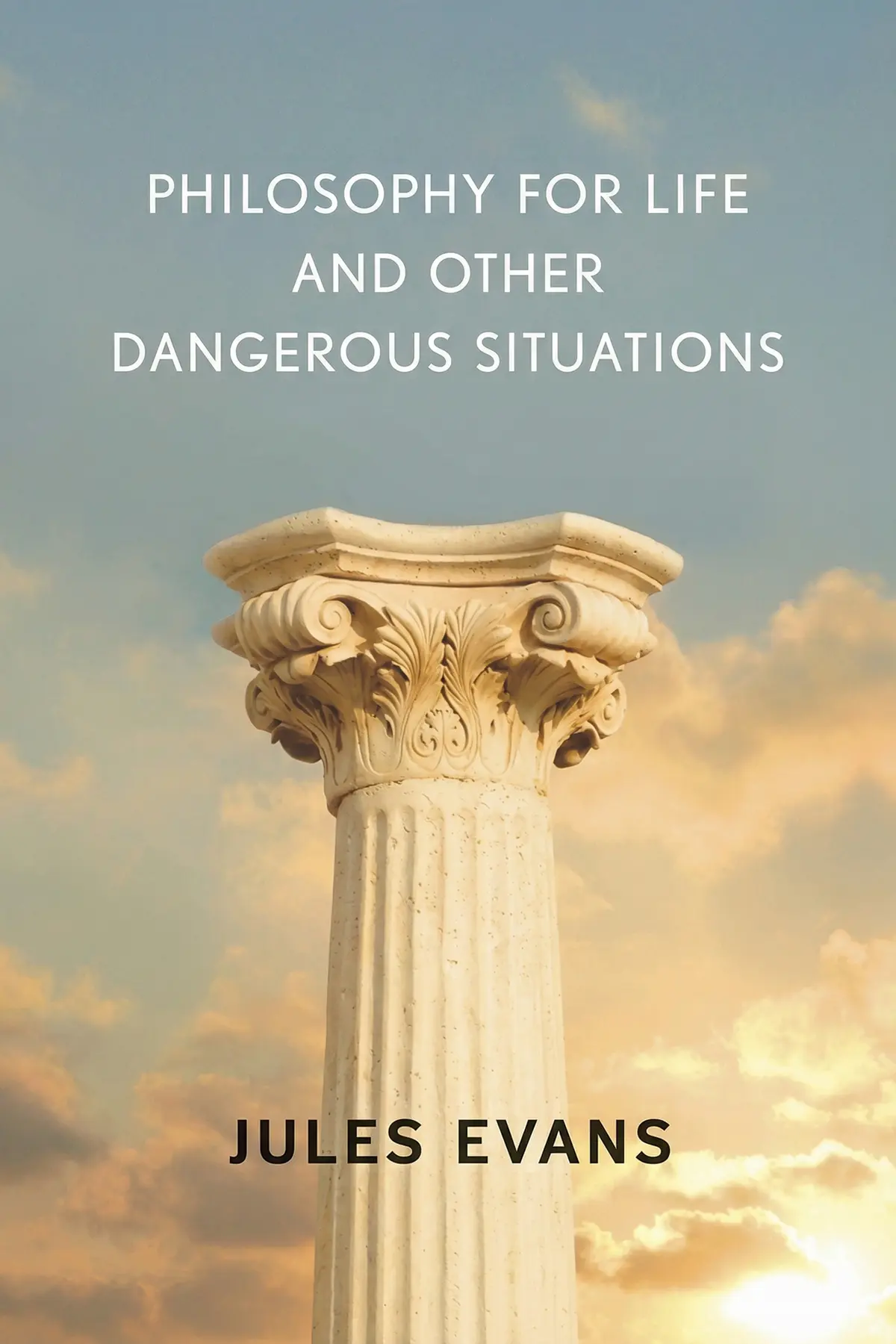
Table of Content
1. Introduction
1 min 41 sec
Everywhere you look today, from the displays in local bookstores to the digital advertisements on your phone, there is an endless stream of advice on how to be happy. We are inundated with self-help strategies, productivity hacks, and mindfulness apps, all promising to unlock a more successful version of ourselves. Yet, despite this modern obsession with well-being, the core questions we are asking are not new. Thousands of years ago, in the marketplaces of Athens and the courts of Rome, thinkers were already grappling with what it means to live well and how to stay steady when life becomes difficult.
Philosophy for Life invites us to reconsider these ancient masters, not as dusty historical figures, but as practical guides for the modern age. The central premise is that philosophy was originally intended to be a way of life—a set of daily exercises for the mind that could transform a person’s character. This isn’t about memorizing dates or complex jargon; it is about finding a toolkit for survival and flourishing in what the title calls “dangerous situations.”
In the following sections, we will explore the deep connections between these old traditions and the most effective modern psychological treatments. We will look at how the Stoics mastered their inner reactions, how the Epicureans found peace in the present, and how Aristotle’s view of character can help us find our place in society. Along the way, we’ll see that the secret to a good life often lies in the realization that while we cannot control the world around us, we have immense power over how we interpret it. This journey is about reclaiming your own mind and understanding that the path to a meaningful existence is something you must consciously build, day by day.
2. Ancient Wisdom Meets Modern Psychology
2 min 44 sec
Discover how the foundational principles of modern Cognitive Behavioral Therapy were actually pioneered by ancient thinkers like Socrates and the Stoic philosophers long ago.
3. Philosophy as a Lifelong Discipline
2 min 32 sec
While modern therapy often focuses on short-term fixes, the ancients viewed philosophy as an enduring daily practice aimed at transforming one’s entire relationship with the world.
4. The Stoic Art of Resilience
2 min 27 sec
Explore the Stoic secret to maintaining inner peace by distinguishing between what we can control and what we cannot, regardless of our external circumstances.
5. Finding Joy with the Epicureans
2 min 28 sec
Learn to separate fleeting desires from lasting satisfaction by embracing the Epicurean practice of rational pleasure and mindfulness in the present.
6. The View from Above and the Power of Perspective
2 min 23 sec
Discover the Pythagorean technique of ‘distancing’ to shrink your daily anxieties by viewing your life from a cosmic and eternal perspective.
7. The Transformative Power of Role Models
2 min 19 sec
Explore how emulating the lives of great individuals, as advocated by Plutarch, can help us reshape our own character and habits through imitation.
8. Aristotle and the Path to Flourishing
2 min 44 sec
Understand Aristotle’s concept of eudaimonia and how the ‘golden mean’ helps us find the perfect balance between emotional extremes to reach our full potential.
9. Autonomy in the Pursuit of Happiness
2 min 29 sec
While governments are increasingly using the science of well-being to shape policy, the ultimate responsibility for a good life remains with the individual.
10. Conclusion
1 min 50 sec
As we reach the end of this exploration into the ‘philosophical pharmacy’ of the ancient world, the overarching message is clear: the most powerful tools for managing your mind and finding fulfillment have been available for over two thousand years. We’ve seen how the Stoics teach us to withstand the storms of life by focusing only on what we can control, and how the Epicureans show us that the simplest pleasures, when savored in the present moment, are often the most profound. We’ve looked at how Pythagoras helps us find perspective through the ‘View from Above’ and how Aristotle reminds us that the good life is a communal effort of building character and finding the golden mean.
But the most important takeaway is that philosophy is not a spectator sport. It is a practice. Just as you cannot get physically fit by simply reading about exercise, you cannot find emotional resilience by simply understanding these concepts intellectually. The real transformation happens in the daily grind—in the moments when you choose to pause and reframe a negative thought, or when you decide to respond to a setback with rational action rather than emotional panic.
To begin this journey, start small. Try keeping a daily journal to reflect on your actions and your progress, much like the Stoic masters did. Surround yourself with people who represent the virtues you want to see in yourself. And most importantly, remember that you are the captain of your own internal ship. The world will always be full of ‘dangerous situations,’ but with the right philosophical training, you can navigate them with wisdom, courage, and a sense of enduring peace. The good life is not a destination you reach; it is a way of traveling. It is up to you to start the journey today.
About this book
What is this book about?
Philosophy for Life explores the surprising intersection between ancient Greek and Roman schools of thought and contemporary psychology. It makes the case that philosophy was never meant to be a dry academic subject confined to libraries; instead, it was designed as a "medicine for the soul"—a practical set of techniques to help people manage their emotions and navigate the difficulties of existence. The book promises a journey through different "philosophical pharmacies," showing how the teachings of thinkers like Socrates, Epictetus, and Aristotle align with modern Cognitive Behavioral Therapy. By learning these ancient techniques, listeners can discover how to cultivate self-control, find joy in the present moment, and build a more meaningful life within their communities. It offers a bridge between the wisdom of the past and the scientific rigor of the present to solve the perennial problems of the human heart.
Book Information
About the Author
Jules Evans
Jules Evans is an acclaimed writer, journalist, and blogger who serves as the director for the Centre for the History of Emotions at the University of London. He is also the founder and leader of the London Philosophy Club, which has grown to become the largest philosophy club in the world. Evans frequently contributes to the public discourse on practical philosophy through his writing and his popular blog.
Ratings & Reviews
Ratings at a glance
What people think
Listeners value how this work clarifies different philosophical theories and their practical use in daily routines, as one listener observes that it acts as a superior guide to identifying the right questions. The prose is straightforward and easy to digest, ensuring the narrative remains both interesting and delightful. Listeners feel the information is all-encompassing and works well as a memory-jogger, with one listener praising its thoughtful responses to life struggles. They respect the author's honesty, with one listener highlighting how he wears his erudition lightly, and several listeners emphasize that the book can change one's life.
Top reviews
Manika
Rarely does a book manage to balance high-level intellectual history with such gut-punching personal honesty. Jules Evans has created something truly life-changing here. Instead of hiding behind academic jargon, he demonstrates how the Socratic tradition saved him from his own psychological crisis. The way he connects ancient Stoic practices to modern CBT is brilliant and incredibly user-friendly. I found the 'morning roll call' section especially helpful for my own daily routine. It’s not just an engaging read; it’s a practical survival manual for the modern world. If you feel lost, this is an excellent guide to the right questions.
Show moreNing
Ever wonder how a Greek slave or a Roman politician could help you navigate 21st-century anxiety? This book provides the answer with incredible integrity and warmth. Jules Evans walks us through the 'School of Athens' with a focus on therapeutic application that I haven't seen elsewhere. The writing is punchy and entertaining. I was particularly moved by the stories of people using these techniques to overcome trauma, like the military personnel applying Stoic resilience. It’s a thoughtful response to life struggles that feels both ancient and remarkably fresh. This book didn't just teach me about philosophy; it changed how I view my own mind. Essential reading.
Show moreDarawan
This book is essentially a roadmap for anyone who feels like they’re just going through the motions without a compass. I loved how Evans integrated his own near-death experience into the narrative toward the end. It gave the whole project a sense of urgency and authenticity that most philosophy books lack. The connection between ancient wisdom and modern psychology is explored with such clarity. I’ve started using the evening journaling techniques mentioned in the Stoic chapters, and the difference in my mental clarity is night and day. It’s an excellent guide to flourishing in a world that often feels designed to make us miserable. Truly life-changing stuff.
Show moreJackson
Wow. Just... wow. This is the first time I’ve felt like philosophy wasn’t just a puzzle for old men in ivory towers. Evans writes with such integrity. He doesn’t hide behind academic jargon. Instead, he tells stories about real people using these techniques to survive depression or battlefield trauma. The section on the Stoics alone is worth the price of admission. It changed my morning routine completely. I finally feel equipped to handle whatever the day throws at me. This book is a masterpiece of accessible wisdom. Everyone should read it.
Show moreSaowalak
Picked this up after hitting a bit of a rough patch, and I wasn't disappointed by the practical focus. Evans offers a 'philosophy buffet' that lets you sample everything from Epicureanism to the Skeptics. Personally, I found the chapter on Seneca's approach to managing expectations to be a revelation. Truth is, some of the sections on the Cynics felt a bit rushed compared to the deep dive into Stoicism. However, the author wears his erudition lightly, making the whole experience feel like a conversation rather than a lecture. It’s a solid refresher for anyone who wants to actually live their philosophy rather than just talk about it.
Show moreRatchada
After hearing so much about the modern Stoicism movement, I decided to give this a go. It’s a fantastic introduction. Evans does a great job of showing how the ABC model of emotions is rooted in the teachings of Epictetus. Not gonna lie, the section on 'macho' Stoicism and military training was a bit much for me at times, but the author does eventually address the need for compassion. It’s a very comprehensive guide. I appreciated the inclusion of the less famous schools, like the Pythagoreans and their use of mantras. While it's a bit fast-paced, it served as a perfect gateway for me to start reading the original philosophers.
Show moreDuangjai
Frankly, I was most impressed by how Evans connects the dots between the Stoics and modern Cognitive Behavioral Therapy. It’s a user-friendly manual for anyone dealing with stress or anger. The sentence lengths are short and the chapters move fast, making it a very entertaining read. I did think the critique of 'Positive Psychology' was a bit harsh, though he made some fair points about its lack of empirical depth. Overall, it’s a very thoughtful response to everyday struggles. It provides a great toolkit for anyone looking to build a more resilient character. Definitely worth your time.
Show morePang
As a student of psychology, I found the exploration of the ABC model and its roots in Epictetus absolutely fascinating. Evans wears his erudition lightly, making complex ideas from Plutarch and Aristotle feel like common sense. In my experience, most books on the 'art of living' are either too dry or too fluffy, but this hits the sweet spot. I will admit, the shift toward more mystical themes near the end felt a bit jarring compared to the earlier rationalism. But overall, it is a comprehensive guide for anyone asking the right questions. It’s an engaging, life-affirming book that I’ve already recommended to several friends.
Show moreLuke
The truth is, Jules Evans writes with an infectious enthusiasm that makes even the most obscure Cynic or Sceptic feel relevant today. However, I struggled with the structure of the 'Philosophy Buffet.' By trying to cover twelve different schools in one volume, some of the more complex ideas from Plato and Aristotle felt oversimplified. Got to say, the writing style is very accessible, which is a plus. But I often felt like the author was jumping to conclusions about how these ideas should be applied. It’s an engaging read, but I’d recommend taking some of the 'life advice' with a grain of salt. It’s a bit too self-help adjacent for my taste.
Show moreAkosua
Look, I understand why this is popular, but if you're looking for deep, scholarly analysis, you might want to look elsewhere. Evans is clearly an enthusiast, but his 'populist' approach often feels like a series of blog posts stitched together. He leans heavily on military anecdotes, like James Stockdale's survival in Vietnam, which are inspiring but don't always translate to civilian life. To be fair, it's accessible. But the exploration of these ancient schools remains shallow and occasionally misinterprets the original texts in favor of modern psychological labels. It’s essentially 'Philosophy Lite' for the TED Talk generation. If you want the real Seneca, just read the original letters.
Show moreReaders also enjoyed
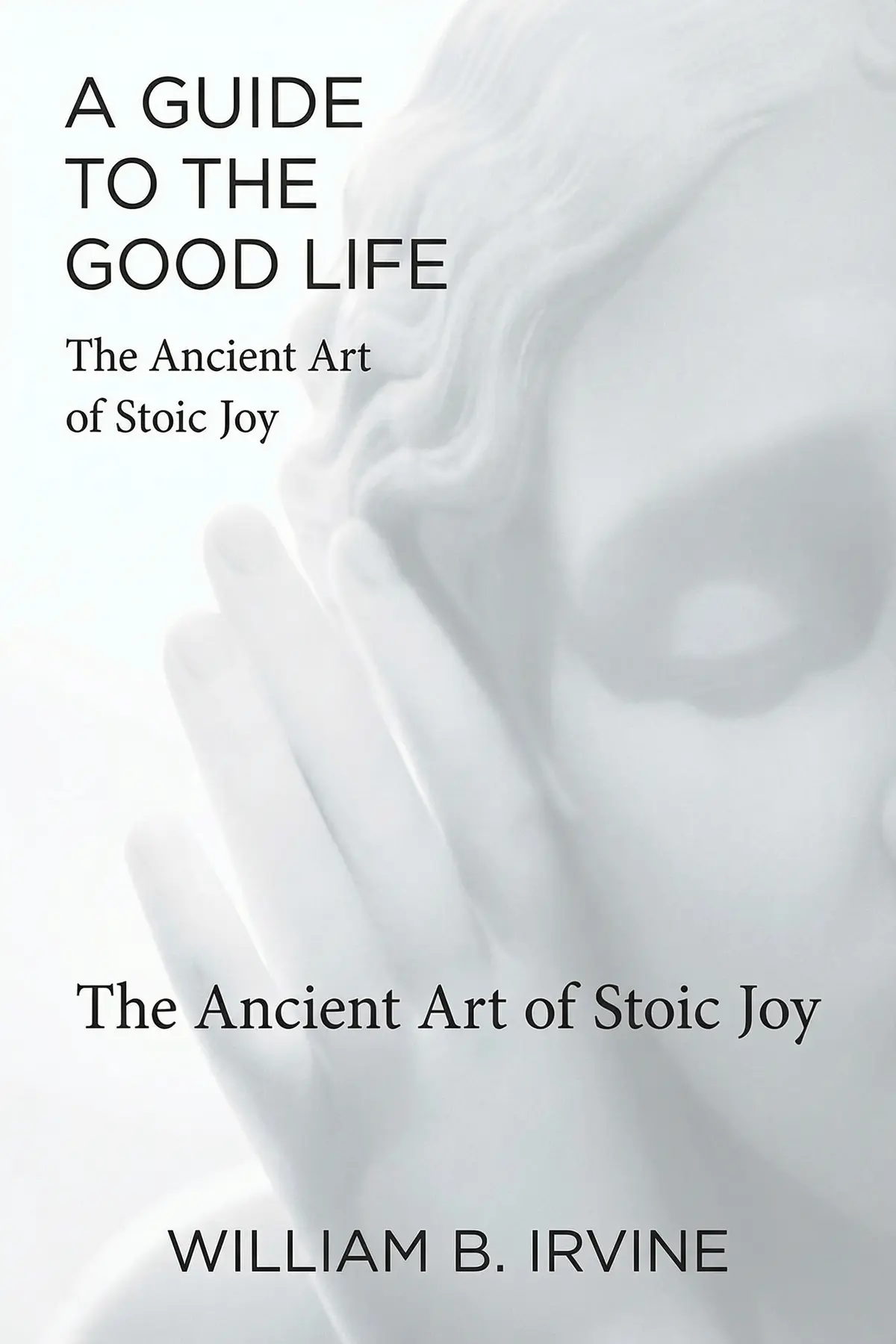
A Guide to the Good Life: The Ancient Art of Stoic Joy
William B. Irvine

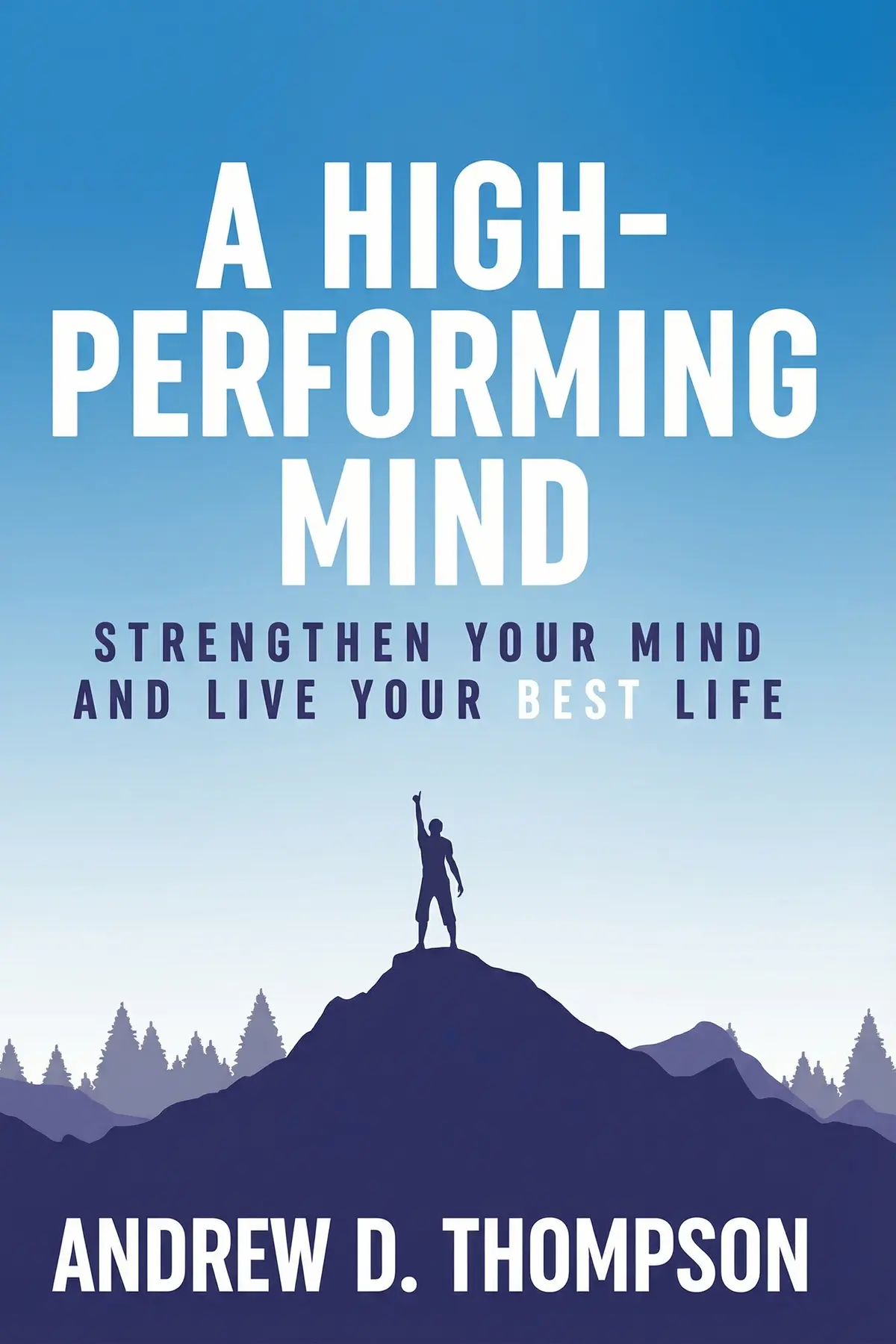
A High-Performing Mind: Strengthen Your Mind and Live Your Best Life
Andrew D. Thompson
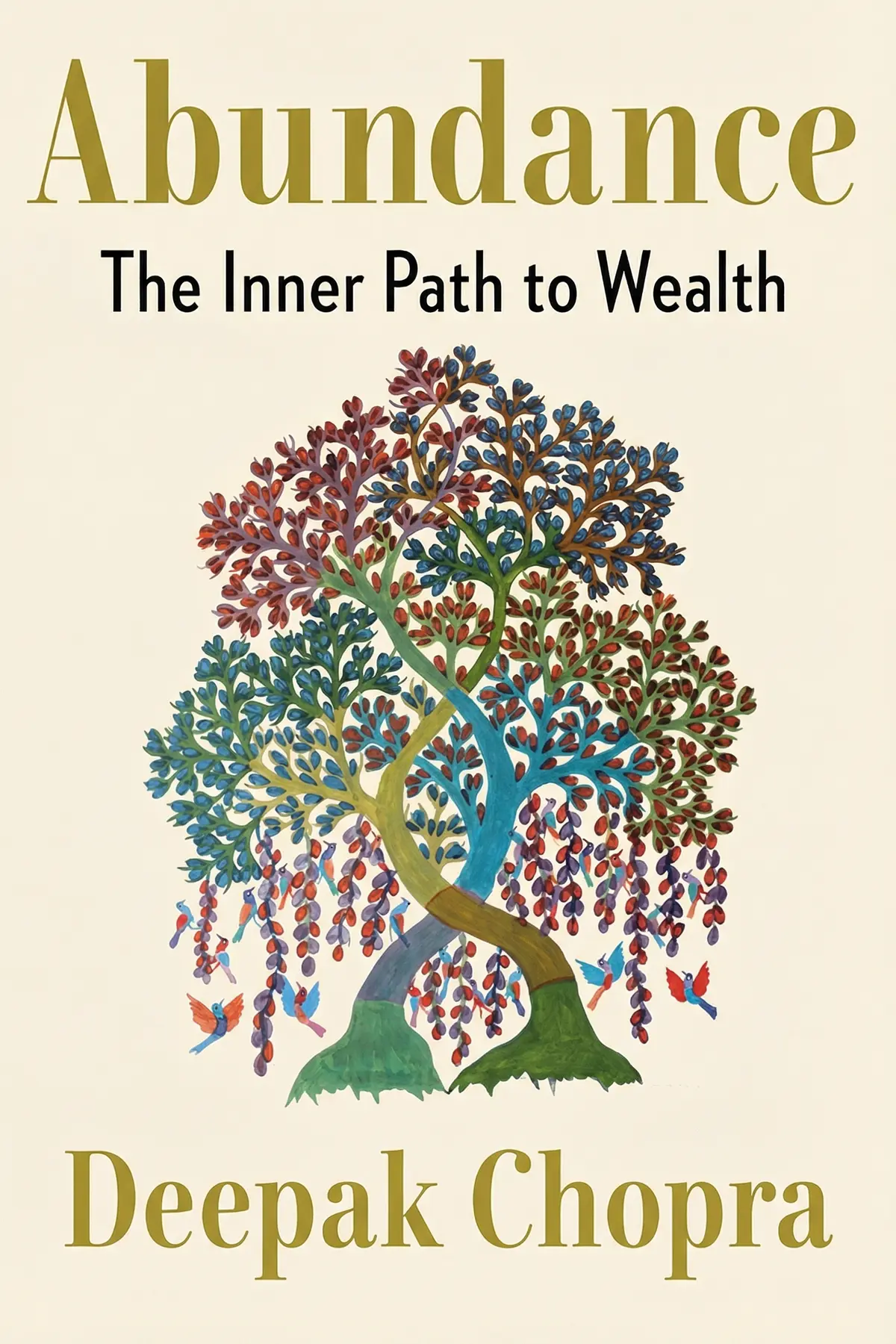
Abundance: The Inner Path to Wealth
Deepak Chopra
A Little History of Philosophy
Nigel Warburton
AUDIO SUMMARY AVAILABLE
Listen to Philosophy for Life in 15 minutes
Get the key ideas from Philosophy for Life by Jules Evans, plus 5,000+ more titles in English and Thai.
- 5,000+ titles
- Listen as much as you want
- 7-day free trial
- Cancel anytime







