
20 min 49 sec
Priceless: The Myth of Fair Value (and How to Take Advantage of It)
Explore the hidden psychology of cost and value. This summary reveals why humans are biologically incapable of judging prices accurately and how businesses use that cognitive weakness to influence our spending habits.
Table of Content
1. Introduction
1 min 27 sec
Think back to the last time you stood in the aisle of a store, staring at two similar products with two different price tags. You probably looked at the features, compared the costs, and eventually made a choice that felt logical. But what if that logic was an illusion? What if your decision was actually steered by a hidden set of psychological triggers that you weren’t even aware were being pulled?
The truth is that human beings are remarkably bad at determining the absolute value of anything. We like to think we have an internal compass for what a fair price looks like, but in reality, our sense of value is as flimsy as a house of cards. We are easily swayed by the numbers we see first, the environment we’re in, and even the chemical shifts in our own brains.
In this journey through the mechanics of pricing, we’re going to peel back the curtain on the myth of fair value. We’ll explore why our ancestors’ survival instincts make us overpay for safety today and how retailers use sophisticated traps to make expensive items look like bargains. By understanding these patterns, you won’t just see the world of commerce more clearly—you’ll gain a better understanding of the irrationality that lives within all of us. Let’s begin by looking at why the price of a jar of peanut butter might be easier to remember than the cost of a luxury experience, and what that tells us about how we navigate the world.
2. The Relativity of Cost
2 min 05 sec
Why is it easier to value a jar of peanut butter than a rare gemstone? Learn why our brains require reference points to make sense of the world.
3. Wealth and the Subjectivity of Value
2 min 14 sec
Does ten dollars always feel like ten dollars? Discover the ‘wealth effect’ and how your personal utility changes the meaning of every transaction.
4. Mental Shortcuts and Hidden Influences
2 min 09 sec
Our brains are built for speed, not accuracy. Explore the heuristics and biological factors that steer our daily financial choices.
5. The Invisible Power of Anchoring
2 min 02 sec
Could a random number on a piece of paper change how much you spend on dinner? Learn the startling truth about psychological anchors.
6. The Search for Fairness
2 min 17 sec
We all want a fair deal, but our definition of fairness changes when people are watching. Explore the social dynamics of pricing.
7. Loss Aversion and the Cost of Fear
2 min 17 sec
Why are we so afraid of losing what we have? Discover the evolutionary roots of loss aversion and why it leads to bad financial decisions.
8. The Decoy Effect and the Power of Choice
2 min 10 sec
How do retailers make expensive items look like bargains? Explore the strategic use of ‘decoys’ and the psychology of the middle ground.
9. The Magic of Nine and the Perception of Discounts
2 min 21 sec
Why does a price ending in .99 feel so much cheaper than a round number? Uncover the psychological ‘charm’ of the number nine.
10. Conclusion
1 min 47 sec
As we have seen, the world of pricing is not a realm of objective math, but a playground of human psychology. We are not the rational calculators we like to imagine ourselves to be. Instead, we are creatures of comparison, easily influenced by the first number we hear, the social context of a transaction, and our deep-seated evolutionary fears of losing what we have. From the ‘anchors’ that set our expectations to the ‘decoys’ that guide us toward the middle ground, every price we encounter is part of a complex narrative designed to influence our behavior.
The ‘myth of fair value’ is simply the idea that things have an inherent, fixed worth. In reality, value is a moving target, shifting with our mood, our wealth, and the way a choice is framed. But knowledge is power. By understanding these psychological levers, you can begin to see through the illusions.
Here is your actionable takeaway: the next time you are faced with a significant purchase, consciously look for the anchors. If a salesperson shows you an expensive model first, remind yourself that they are trying to set a high baseline in your mind. If you see a price ending in nine, recognize the ‘charm’ and round it up to the next dollar in your head. Most importantly, try to evaluate an item’s utility to *you* personally, rather than comparing it to the items around it. When you stop looking at the price tag and start looking at the value the product brings to your life, you take back control of your choices. In a world of psychological traps, being a conscious consumer is the only way to ensure that the deals you find are truly priceless.
About this book
What is this book about?
Have you ever wondered why you are happy to pay five dollars for a cup of coffee in a luxury hotel but feel cheated paying the same price at a gas station? In this exploration of the human mind, we dive into the mechanics of how we perceive value. The central premise is that there is no such thing as a fair or objective price; instead, our brains rely on relative comparisons, environmental cues, and emotional triggers to decide what something is worth. This summary provides a deep dive into the world of behavioral economics and psychological pricing. You will discover how companies manipulate our sense of reality using 'anchors,' how our evolutionary fear of loss drives us toward bad insurance deals, and why the simple number nine has a nearly magical effect on our desire to buy. By the end, you will understand the invisible forces that shape every transaction you make, giving you the tools to become a more conscious and skeptical consumer.
Book Information
About the Author
William Poundstone
William Poundstone is an acclaimed author who specializes in the intersection of science, psychology, and economics. He has written numerous popular nonfiction works that challenge our understanding of how the world works, including the intriguing career guide Are You Smart Enough to Work at Google? and the financial exploration Fortune’s Formula.
Ratings & Reviews
Ratings at a glance
What people think
Listeners find this work captivating and accessible, complimenting its clear prose and strong assembly of academic studies. The text offers plenty of helpful examples and justifies the investment of time and cost, with one listener pointing out how it clarifies the effectiveness of value investing. Moreover, they value its intellectually stimulating approach and intriguing themes, as one review underscores its investigation into economic decision-making psychology.
Top reviews
Suda
This book is a masterclass in the hidden forces that drive our spending habits and dictate how we perceive worth. William Poundstone has a knack for taking complex psychological theories—like those of Kahneman and Tversky—and making them accessible to the average reader. I particularly enjoyed the breakdown of how luxury stores use high-priced "display items" that they never expect to sell just to make other items seem cheaper. It explains so much about the modern retail experience and even sheds light on why value investing works in the stock market. Some might find the sheer volume of studies overwhelming, but I thought the depth was necessary to prove how easily we are hoodwinked. Not gonna lie, I’ve started using the anchoring technique in my own business negotiations and the results have been remarkable. If you want to understand the 'myth' of fair value, this is required reading. Truly a fascinating look into the human mind.
Show moreNatnicha
Wow, I will never look at a restaurant menu the same way again after finishing this. Poundstone pulls back the curtain on the "psychological slight of hand" that marketers use to drain our wallets without us even noticing. From the way 'charm prices' ending in .99 trick our brains to the 'But wait! There's more!' trope used in late-night infomercials, the book is packed with examples. It’s a fascinating read that manages to be both educational and entertaining at the same time. While it's true that some of the academic sections are a bit heavy, the payoff in the later chapters is more than worth the effort. It really makes you realize how irrational we are when it comes to money. I’ve already recommended this to several friends in marketing. It’s one of those rare books that actually changes the way you see the world around you. Excellent compilation of insights.
Show moreDen
The chapter on menu engineering alone makes this book worth buying. I was blown away by the level of detail Poundstone provides regarding how restaurants manipulate our choices through layout and font size. It’s not just about the prices themselves, but the context in which they are presented that creates the illusion of value. The book is well-written and serves as an excellent introduction to prospect theory for those who aren't ready to tackle a more academic text. I loved the real-life examples, from luxury shopping to all-you-can-eat buffets. It’s thought-provoking and provides a lot of "aha!" moments that you can apply to your own life immediately. To be fair, you have to be patient with the first few chapters as they set the stage, but the payoff is immense. If you’ve ever felt like you were being manipulated by a salesperson, this book will show you exactly how they did it. Highly recommended.
Show moreWeera
Picked this up because I wanted to understand why I keep buying things I don't need, and Poundstone delivers some sharp insights. The book dives deep into how prices are essentially a shared illusion, manipulated by clever marketing and our own brain's lack of a "fair value" compass. I found the sections on menu design and the power of 'anchoring' during negotiations to be particularly eye-opening. To be fair, the first half is quite heavy on the historical background of Daniel Kahneman and Amos Tversky, which might feel like a slog if you just want practical tips. However, the short chapters in the second half make it much easier to digest once you get past the academic foundations. It’s a solid compilation of studies that forces you to rethink how you spend money. While some of the research feels a bit dated given the 2010 publication, the core concepts of prospect theory still hold a lot of weight in today’s retail environment.
Show moreMeen
After hearing about this book on a podcast, I was curious to see if it lived up to the hype. It’s a readable popular summary of how "normal people" are consistently hoodwinked into making bad economic decisions. Poundstone does a great job explaining why things like cell phone contracts and rebate programs are designed to be so Byzantine—it's all about distracting the brain until we just give up and pay. Truth is, we all like to think we’re smart shoppers, but this book proves that under the right circumstances, we’re all "suckers." The writing is generally engaging, though I did find some of the biographical sections on researchers to be a bit like filler. Still, the practical advice on how to handle a negotiation by being the first to name a price (anchoring) is worth the cover price alone. It’s a solid addition to the library of anyone interested in the intersection of psychology and economics.
Show moreKae
Directly addressing the way we negotiate, Poundstone provides some of the most practical advice I've seen in a pop-psych book. The concept of "anchoring" is explained through dozens of compelling experiments, making it clear that the person who speaks first usually wins the negotiation. I appreciated the deep dive into the work of Kahneman and Tversky, even if it took up a large chunk of the first half of the book. Some readers might find the technical descriptions of value functions a bit gnarly, but they provide the necessary foundation for the more practical chapters later on. My only real complaint is that the author occasionally ignores the social context of the experiments he cites, which can lead to some questionable conclusions. However, as a general guide to why we make irrational decisions about money, it’s an excellent and informative read. It definitely makes you more aware of the commercial gimmicks designed to part you from your cash.
Show moreFrida
Ever wonder why a $2,000 watch makes a $500 one look like a bargain even when you weren't planning on buying either? Poundstone explains this decoy effect with great clarity, illustrating how our sense of value is incredibly fragile. My main gripe is the structure; the author spends way too much time on the biographies of economists before getting to the "good stuff." I felt like I was reading a history textbook for the first 140 pages. Honestly, I almost threw it down when he started rambling about the 'dictator game' without acknowledging how the presence of an observer changes everything. If you can push through the dense academic descriptions, there are some great takeaways here about negotiation and pricing strategy. It’s not a perfect read, but it’s certainly thought-provoking for anyone interested in consumer psychology. Just be prepared for a slow start and some repetitive case studies.
Show moreOrm
As someone who enjoys pop-science, I found the core concepts here to be incredibly interesting but the execution a bit lacking. The central thesis—that prices are a shared illusion—is well-supported, but the author takes some very long detours to get there. For instance, the chapter on the 'dictator game' left me feeling a bit disillusioned because it ignored such obvious variables like the relationship between the subject and the observer. It makes you wonder if other experiments cited are equally flawed. Look, there is definitely some great stuff here on anchoring and prospect theory, but the book is too dense on the descriptions of every single study. I would have much preferred a version that focused more on the main takeaways rather than the minute details of experiments from thirty years ago. It’s a decent enough read if you’re new to the subject, but it can be repetitive.
Show moreTanawan
Finally got around to reading this, and I have mixed feelings. On one hand, the information regarding how we perceive value and the tricks used by retailers is genuinely fascinating and easy to read. On the other hand, the book feels quite dated now that we’re over a decade past its publication. Some of the social psychology studies he leans on have since been debunked or at least heavily criticized. Personally, I think the author could have cut about 50 pages of the historical "biography" sections and the book would have been much stronger for it. It gets a bit too bogged down in the 'history of science' aspect when most readers probably just want the behavioral insights. Still, the short chapters in the second half are great for a quick burst of information. I’d give it 3.5 stars if I could. It's a good compilation, but read it with a healthy dose of skepticism.
Show moreBua
Not what I expected after seeing all the rave reviews online, mostly because the writing style felt incredibly disjointed. Poundstone jumps from one study to another without a cohesive thread, making the narrative feel like a collection of blog posts rather than a unified book. Frankly, a lot of the social psychology cited here has been called into question since the book was published in 2010. Knowing about the replication crisis made it hard for me to take his points about 'priming' seriously when the science behind them is so shaky now. The author also spends an agonizing amount of time on the lives of researchers rather than the actual application of their work. I was looking for a guide on how to value money, but instead, I got a dry history of behavioral economics. I gave up halfway through because it felt like a chore. There are much better, more current books on this topic.
Show moreReaders also enjoyed
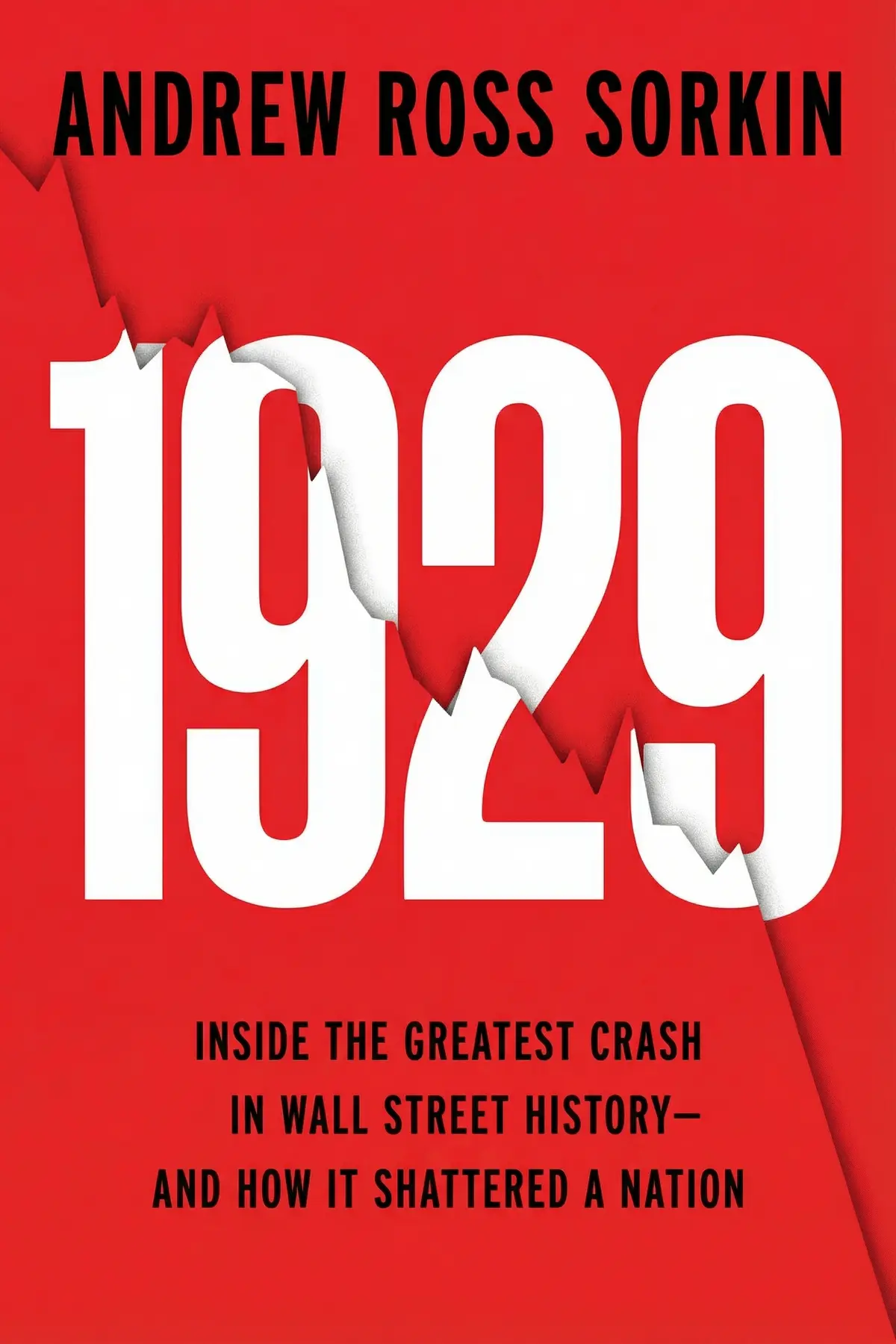
1929: Inside the Greatest Crash in Wall Street History--and How It
Andrew Ross Sorkin
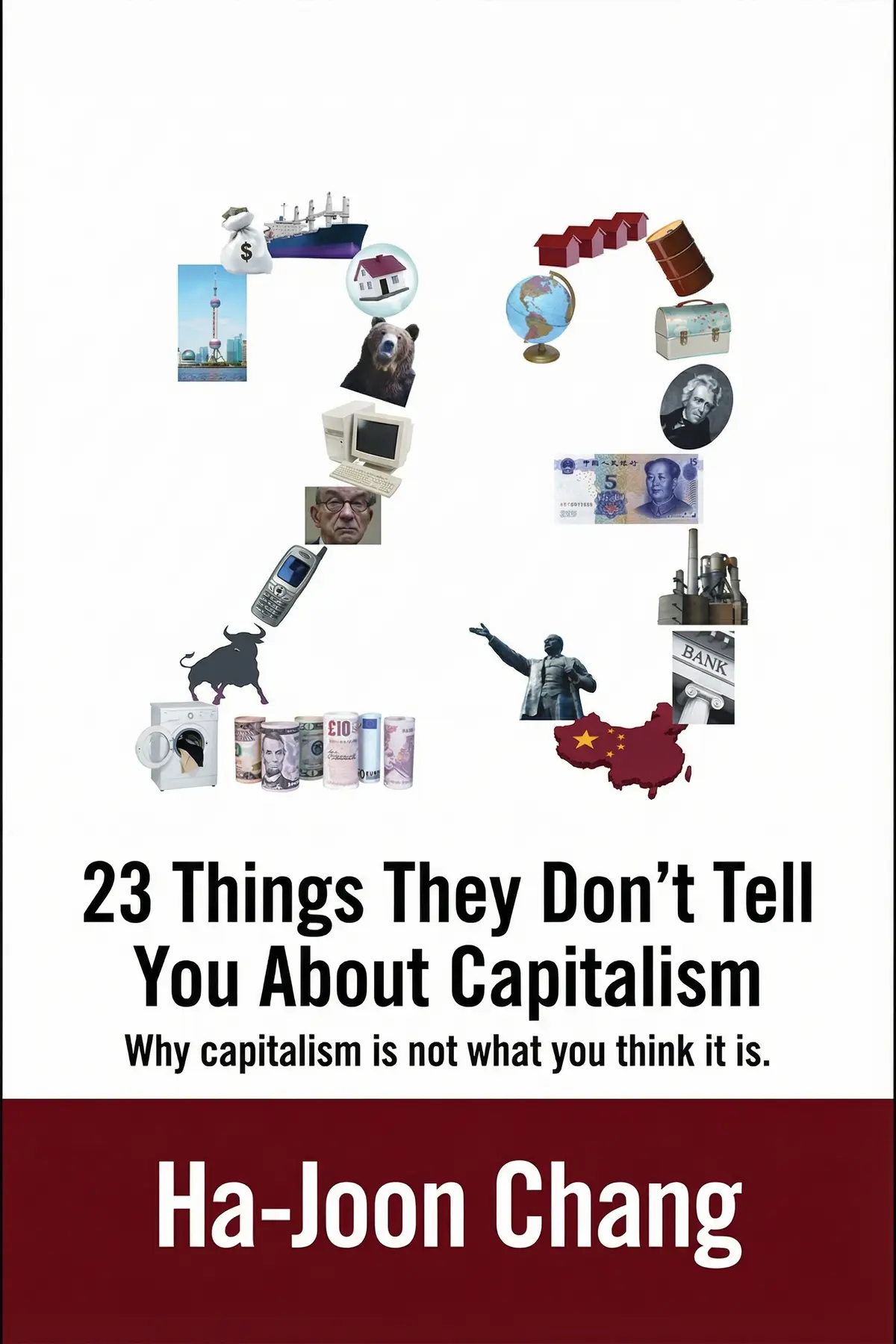
23 Things They Don’t Tell You About Capitalism
Ha-Joon Chang
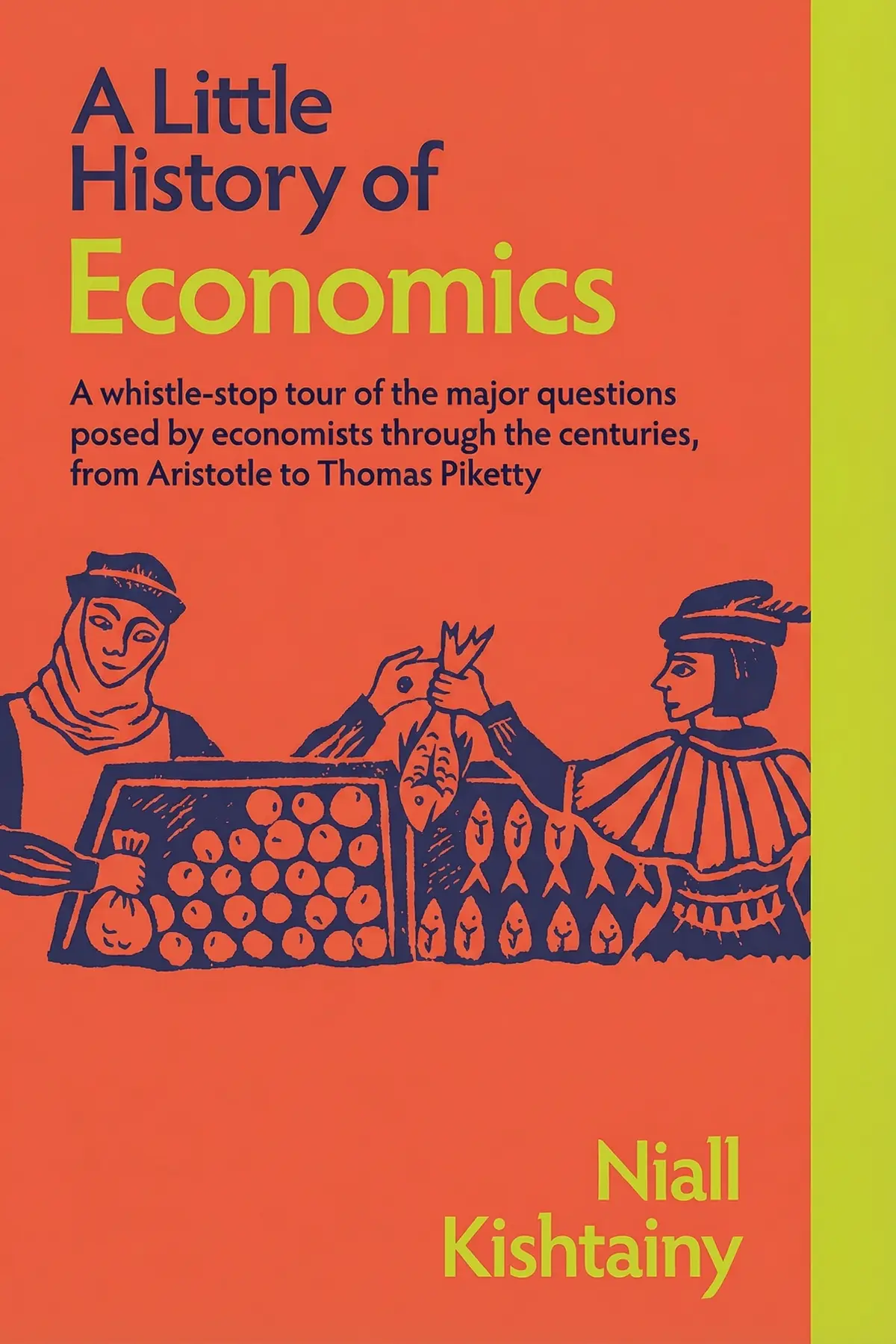
A Little History of Economics
Niall Kishtainy
A Splendid Exchange: How Trade Shaped the World
William J. Bernstein
AUDIO SUMMARY AVAILABLE
Listen to Priceless in 15 minutes
Get the key ideas from Priceless by William Poundstone, plus 5,000+ more titles in English and Thai.
- 5,000+ titles
- Listen as much as you want
- 7-day free trial
- Cancel anytime







