

A Guide to the Good Life: The Ancient Art of Stoic Joy
William B. Irvine
Discover the psychological barriers behind chronic delay. This summary explores how fear, perfectionism, and skewed perceptions of time fuel procrastination and provides a roadmap for emotional and practical recovery.
1 min 28 sec
We have all been there. The deadline is looming, the task is vital, and yet we find ourselves doing anything—absolutely anything—except the work that needs to get done. For many of us, this isn’t just a one-off instance of laziness; it is a recurring pattern that shapes our lives, our careers, and our self-esteem. It can feel like an invisible wall stands between our intentions and our actions. But what if we looked at this behavior not as a moral failing or a lack of discipline, but as a complex psychological response?
This exploration into the mechanics of delay moves past the surface-level advice of simply trying harder. Instead, it dives deep into the internal struggles that keep us stuck. We are going to look at the emotional architecture of procrastination, from the paralyzing grip of perfectionism to the surprisingly common fear of actually succeeding. By understanding the ‘why’ behind our habits, we can finally begin to address the ‘how’ of moving forward. This journey is about more than just checking items off a to-do list; it is about reclaiming your sense of agency and learning to navigate the complicated relationship between your emotions and your schedule. Over the next few minutes, we will unpack the hidden triggers of procrastination and lay out a practical, compassionate roadmap for change. Let’s explore how you can stop fighting against yourself and start making progress on the things that truly matter.
1 min 33 sec
Explore why procrastination is far more than just a bad habit or a sign of low intelligence, and learn why you cannot simply switch it off overnight.
1 min 31 sec
Understand how the demand for perfection and the fear of failure create a paralyzing internal dialogue that makes starting any task feel impossible.
1 min 33 sec
Discover why the prospect of doing well can be just as intimidating as failing, leading many to self-sabotage their own achievements.
1 min 24 sec
Learn how your upbringing and your current relationships can unintentionally fuel the habit of putting things off as a way to cope.
1 min 32 sec
Uncover the difference between objective and subjective time and how a skewed internal clock can lead to constant friction with the world around you.
1 min 37 sec
Understand how conditions like ADHD and depression interact with procrastination and why physical health is a key component of productivity.
1 min 32 sec
Discover the ‘baby steps’ approach to changing your behavior and why understanding your own productivity patterns is essential for long-term success.
1 min 29 sec
Learn how to effectively support the procrastinators in your life without falling into the traps of nagging or over-functioning on their behalf.
1 min 21 sec
As we reach the end of this look into the world of procrastination, the most important takeaway is that change is possible, but it requires a shift in how you view yourself. Procrastination is not a permanent character flaw; it is a complex emotional management strategy that can be unlearned. By moving away from self-criticism and toward self-understanding, you clear the path for real progress. You’ve seen how fear, perfectionism, and skewed perceptions of time create the barriers that keep you stuck. But you’ve also seen the tools—mindfulness, small steps, and compassion—that can help you break through those walls.
The journey toward becoming someone who acts on their intentions isn’t about being perfect; it’s about being persistent. It’s about recognizing the fear, feeling the vulnerability, and taking that one small step anyway. Think about the task you have been avoiding. Think about the weight it has been placing on your shoulders. You don’t have to finish it today, but you can start. One small action, taken right now, is the beginning of a brand-new habit. Your future self is waiting on the other side of that effort, ready to enjoy the peace of mind that comes when you finally stop running and start doing. Take that first step, celebrate it, and then take the next one. You have everything you need to begin.
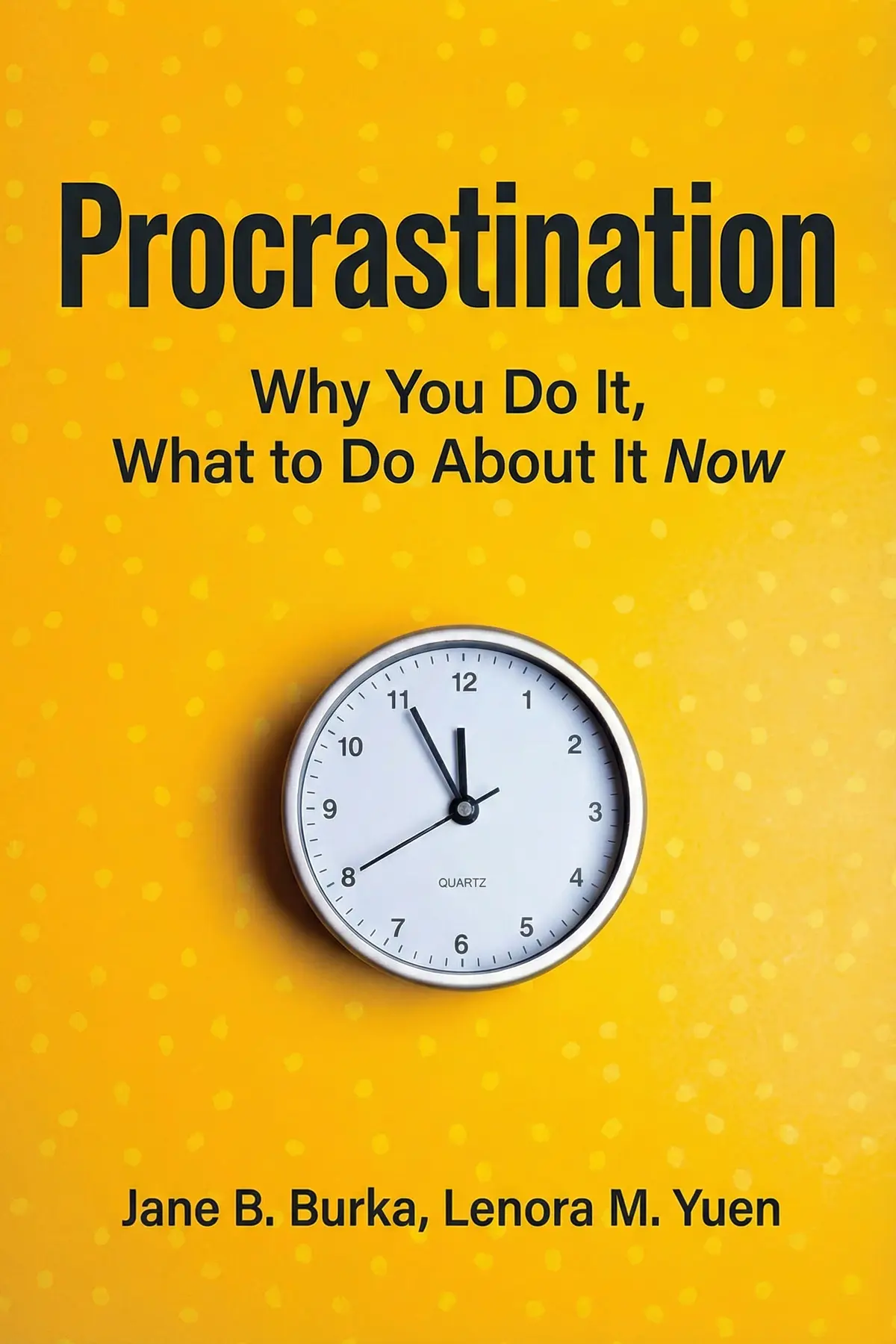
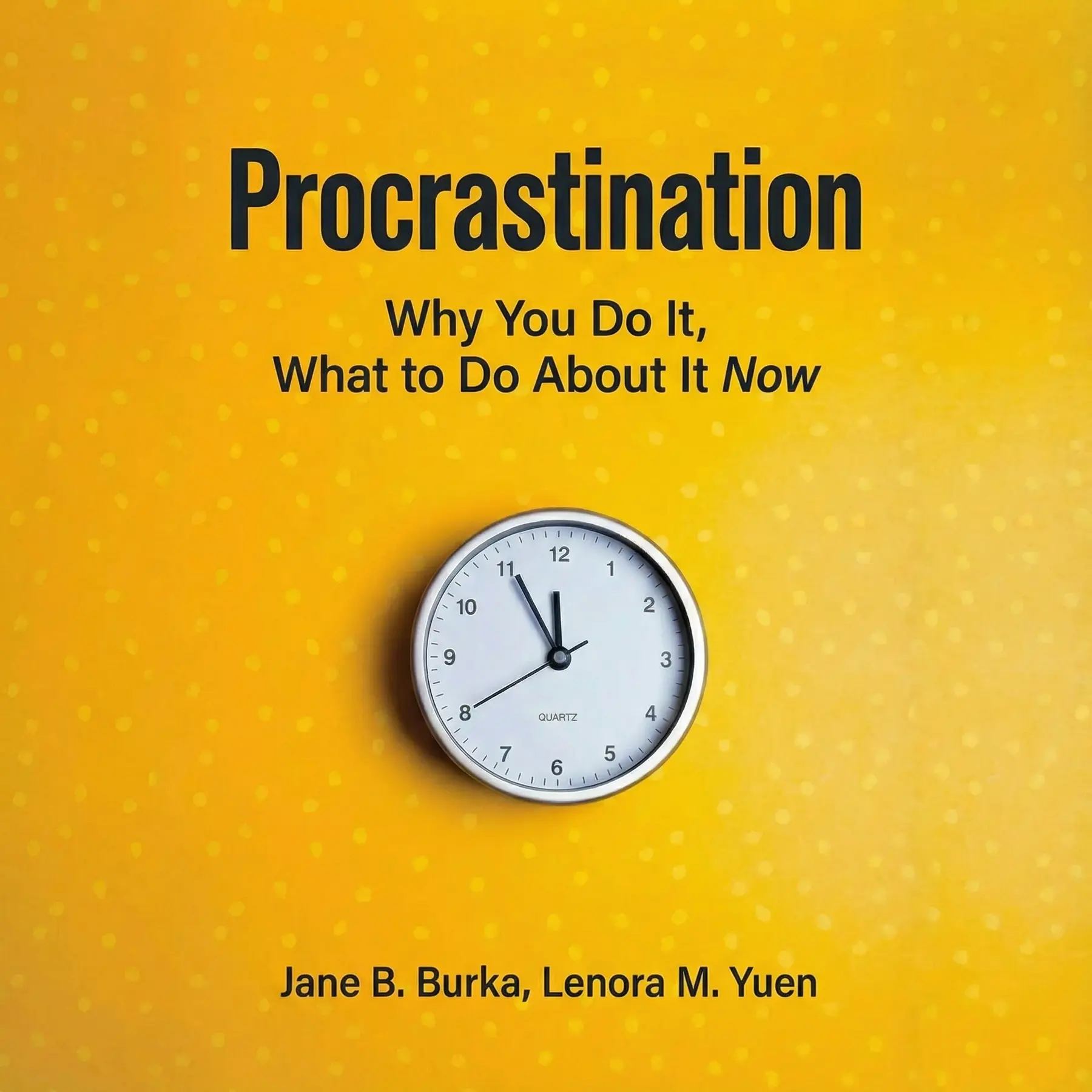
Have you ever wondered why you put off the very things that matter most? Procrastination explores the complex psychological landscape of why we delay. It moves beyond the simple excuse of laziness to uncover deep-seated issues like the fear of failure, the pressure of perfectionism, and the anxiety surrounding success. The book promises a path toward self-understanding and behavioral change. By examining how our upbringing and biology influence our relationship with time, it offers a dual approach. First, it helps you identify the emotional triggers that cause you to freeze. Second, it provides actionable strategies—from mindfulness to time management—to help you break the cycle. Whether you are a chronic procrastinator or looking to support someone who is, this guide offers the tools to bridge the gap between intention and action.
Jane B. Burka, PhD, is a psychologist and psychoanalyst who specializes in procrastination, work inhibition, and creative blocks. She also addresses mood disorders, life transitions, and trauma in her private practice and serves on the faculty at the Psychoanalytic Institute of Northern California. Lenora M. Yuen, PhD, is a California-based psychologist who, alongside Burka, organized the first procrastination treatment group in the United States at the University of California, Berkeley.
Listeners find the writing style accessible and value the quality research presented. Furthermore, the guide suggests methods for conquering procrastination, and one listener observes that it is particularly useful for managing ADHD and related issues.
Finally got around to reading this, and frankly, I wish I hadn't put it off. The authors clearly understand the neurodiversity aspect of procrastination, making it particularly helpful for those of us dealing with ADHD or executive dysfunction. While some might find the academic research a bit dry, the breakdown of the 'Cycle of Procrastination' was incredibly eye-opening for my daily routine. It doesn’t just tell you to 'just do it,' which is the most useless advice ever. Instead, Burka and Yuen offer concrete strategies to dismantle the fear of failure that keeps us paralyzed. The writing is accessible, though the second half feels slightly less revolutionary than the deep psychological dive in the first. If you want more than just 'time management tips' from a random blog, this is the definitive resource. It really helped me reframe my relationship with the clock.
Show moreAs someone who has struggled with deadlines for decades, this was a revelation for my mental health. Most books on this topic treat you like you’re just lazy, but Burka and Yuen actually treat you like a human being with complex emotions. The way they slice up the wounded psyche into bullet points made me realize that my anxiety was the driver, not my lack of willpower. It’s a shattering look at why we avoid the things that matter most. Not gonna lie, I teared up a bit reading the case studies because they sounded exactly like my own internal monologue. The 'Unschedule' technique is a total game-changer for anyone who feels overwhelmed by a standard to-do list. This is easily the most empathetic and deeply researched book on the subject I have ever encountered.
Show moreTo be fair, I didn't think a book could actually change my workflow, but this one proved me wrong. It provides a comprehensive psychological report on why we sabotage ourselves through delay. The authors don't just give you a planner; they give you a mirror to see your fears and anxieties clearly. I found the sections on how procrastination manifests in different cultures and family dynamics to be particularly enlightened. It’s an easy read despite the depth of the research, and it offers real strategies that go beyond 'just stop procrastinating.' I’ve already started implementing the small-step approach and it has significantly reduced my daily stress levels. This is a must-read for anyone who feels like they are constantly racing against the clock.
Show moreFinally, a book that understands procrastination is an emotional regulation problem, not a time management one. I’ve read plenty of productivity books, but this is the only one that actually stuck. The authors admit their own struggles with the topic, which makes the advice feel much more authentic and less like a lecture. The chapter on the 'Cycle of Procrastination' should be required reading for every college student and professional. It’s a life-sapping habit, and this book gives you the tools to finally break free from the 'tomorrow' trap. Truth is, the second half is a bit more standard, but the psychological foundation laid in the first half makes those tips much more effective. I feel much more equipped to handle my tasks without the crushing weight of guilt.
Show moreThe first half of this book felt like a personal attack in the best way possible. By analyzing the childhood roots and parental expectations that lead to adult stalling, the authors helped me see my habits as a defense mechanism rather than a character flaw. Personally, I found the section on fear of success just as compelling as the fear of failure chapters. The research is robust and well-presented, avoiding the typical fluff found in modern self-help. However, I’ll admit the second half, which focuses on practical steps, felt a bit more generic compared to the brilliant psychological insights. Some of the tips felt like they were written for a pre-internet era, yet the core principles still hold up remarkably well today. It's a dense read that requires focus, but the payout is worth the effort if you're serious about changing.
Show moreBurka and Yuen dive deep into the 'why' before getting to the 'how,' and that makes all the difference. It’s easy to find tips on the internet, but understanding the psychological report on your own behavior is much harder. This book provides a dynamic look at the roots of delay, from perfectionism to the fear of being controlled by others. I appreciated that they didn't offer 'quick fixes' because we all know those never stick in the long run. The strategies for managing ADHD were particularly grounded in reality and didn't feel like they were just glossing over the struggle. Some parts are a bit academic, but the writing style is generally easy to digest if you take it in small chunks. It’s a solid 4-star resource for anyone tired of the endless 'I'll do it tomorrow' cycle.
Show moreEver wonder why you're cleaning the fridge instead of finishing that report? This book explains that behavior through a lens of psychological protection, and it is fascinating. I specifically loved the 'Unschedule' method because it forces you to acknowledge how much time you actually spend on 'must-do' activities. It makes you realize that your window for work is smaller than you think, which strangely reduces the pressure. To be fair, the book is a bit dated in its mentions of technology, but the human brain hasn't changed that much since it was written. My only minor complaint is that the first half is much stronger than the second. The 'what to do about it' section feels a bit like a list of things you might find on a productivity blog. Still, the insight into the procrastinator's mindset is invaluable for self-awareness.
Show moreTruth be told, I have mixed feelings about how this material is structured. While the exploration of the 'procrastinator's cycle' is fascinating and deeply relatable, the book is quite long-winded and starts to feel repetitive after a few chapters. I felt like the authors spent too much time blaming our parents and not enough time on the actual mechanics of finishing a task. Some of the advice, like the 'Unschedule' idea, is genuinely clever and has helped me visualize my free time better. But then you hit sections that feel like common-sense-isms that could be summarized in a short article. To be fair, the research is clearly there, and it’s more rigorous than most 'hacks' you find online. I just think a tighter edit would have made the message much more impactful for someone who is already struggling with focus.
Show moreLook, the advice here is solid, but the tone can be a bit patronizing at times. I felt like the authors were constantly patting me on the head while telling me why I’m failing at life. That being said, the research into the 'Cycle of Procrastination' is actually quite brilliant and helped me identify my own triggers. The book is divided into two parts, and while Part 1 is a bit heavy on the 'it's your parents' fault' narrative, it does offer a unique perspective. The second part has some decent strategies for time management, though they aren't all revolutionary. It’s a bit of a slog to get through because of the repetitive sentence structures and long-winded explanations. If you can get past the slightly pious tone, there is a lot of good meat in here to chew on.
Show moreNot what I expected based on the hype surrounding this title. Frankly, it was really, really boring and felt like an extra source of nagging from a high school counselor. The authors use a lot of clichéd phrases and 'common sense' wisdom that I’ve heard a thousand times before in therapy and school. For instance, telling me that a journey begins with a single step isn't exactly groundbreaking psychology. Much of the book is composed of long-winded anecdotes that didn't apply to my situation at all. I found the tone to be quite condescending, as if the authors are talking down to a child rather than an adult looking for professional help. If you want something engaging, I’d suggest checking out online comics or shorter articles instead of slogging through this. It’s an anachronism in the age of modern productivity research.
Show moreWilliam B. Irvine
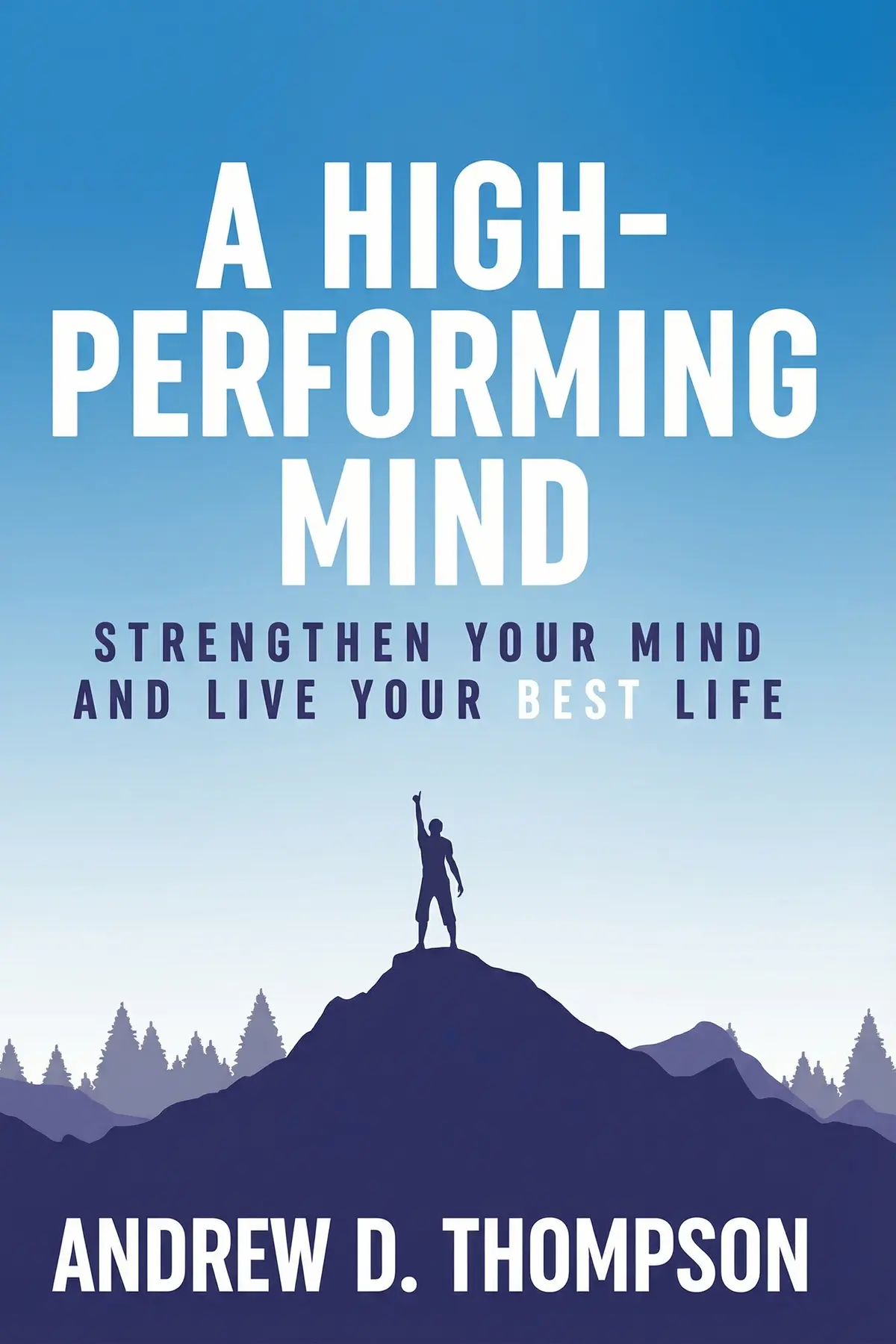
Andrew D. Thompson
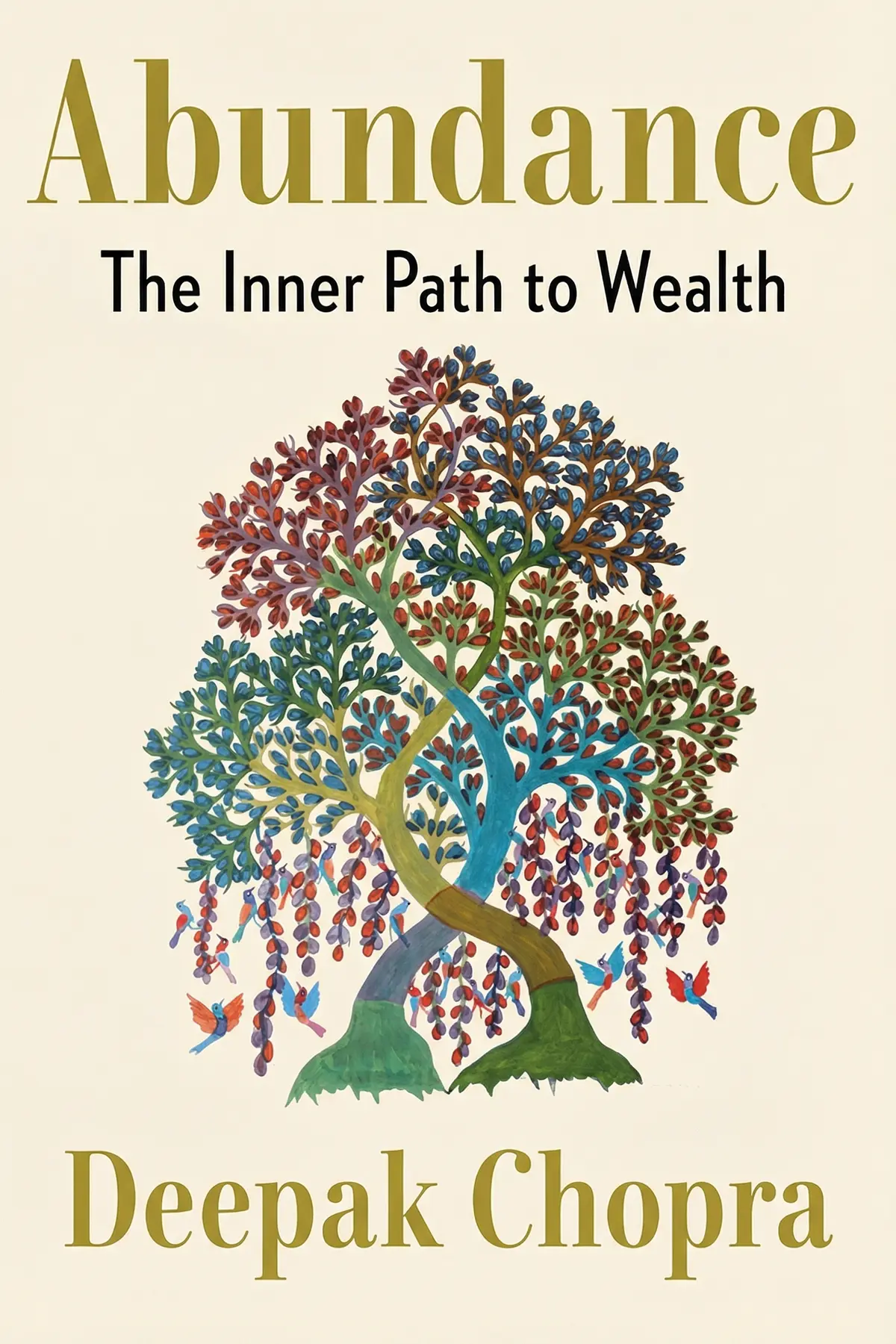
Deepak Chopra
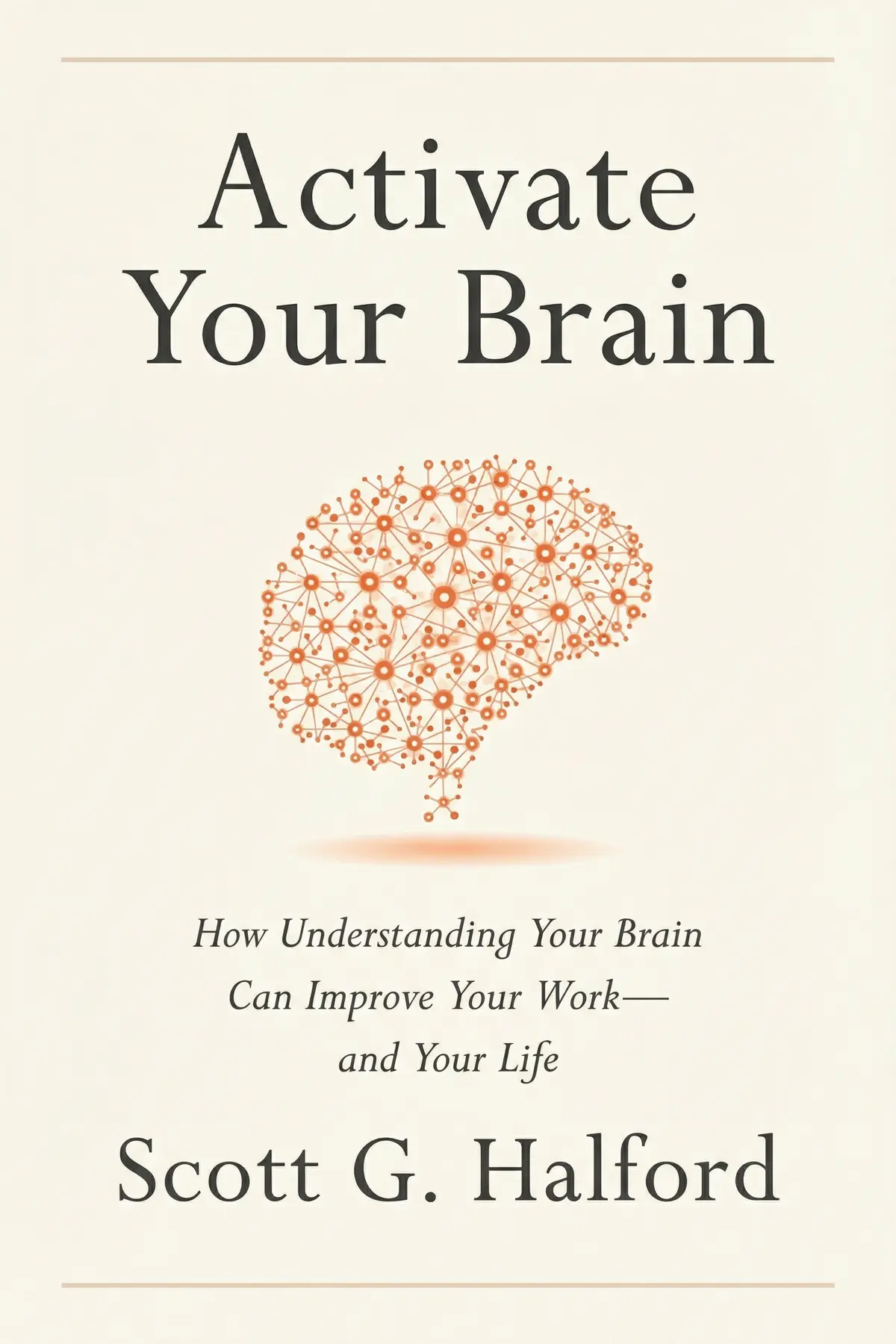
Laura Vanderkam
AUDIO SUMMARY AVAILABLE
Get the key ideas from Procrastination by Jane B. Burka, plus 5,000+ more titles in English and Thai.







