
12 min 36 sec
Product Operations: How Successful Companies Build Better Products at Scale
Discover how product operations serves as the vital connective tissue in growing companies, helping teams align their strategy with customer needs to build impactful products with efficiency and precision.
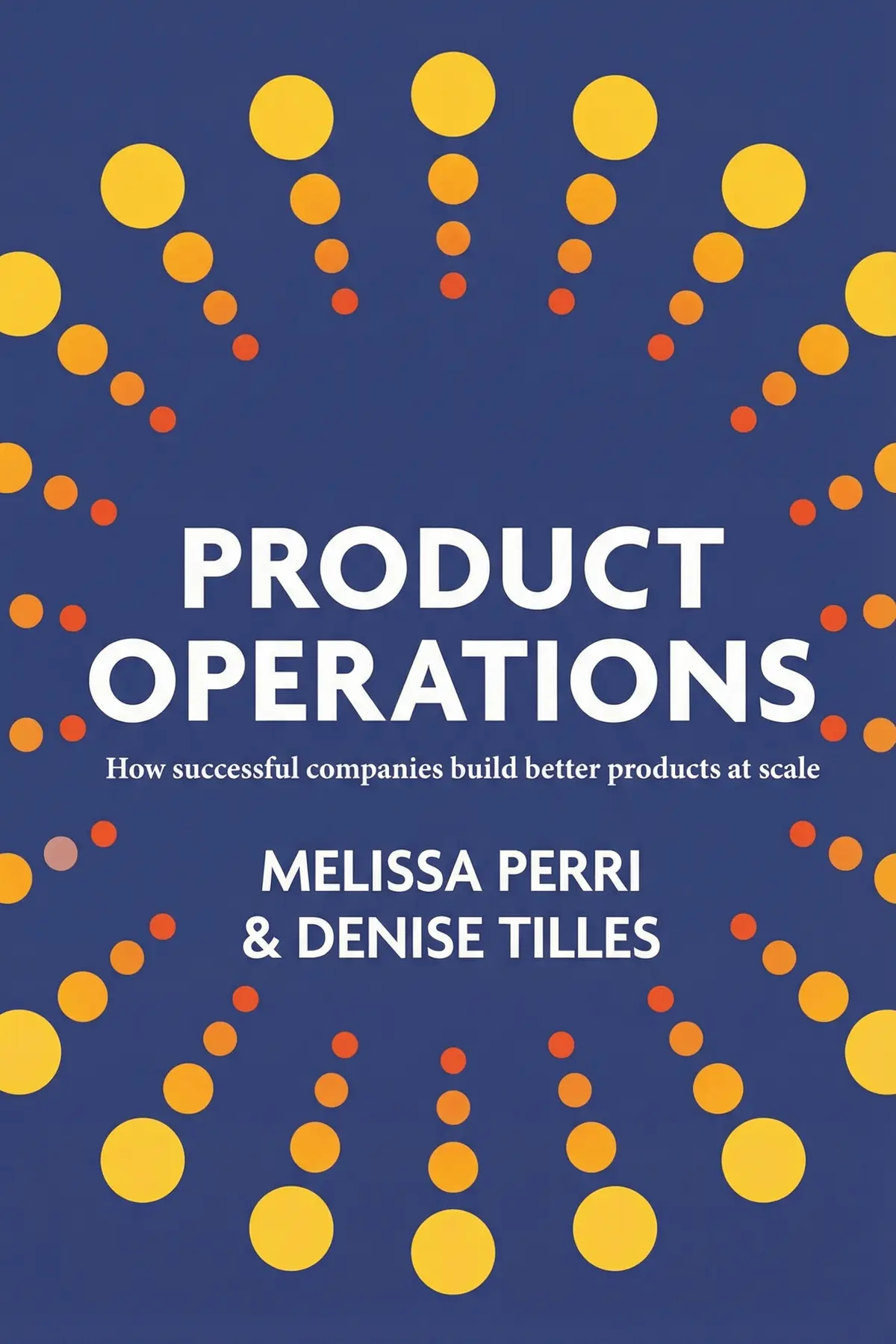
Table of Content
1. Introduction
1 min 31 sec
Imagine the early days of a startup. Communication is easy; the founders share a single desk, and everyone knows exactly what the customer needs because they just spoke to them an hour ago. But as success takes hold, that simplicity vanishes. Teams grow into departments, departments turn into silos, and suddenly, the left hand has no idea what the right hand is building. This is the ‘messy middle’ of scaling, where the excitement of a big contract can quickly turn into the dread of an impossible deadline.
In this landscape, building a great product isn’t just about having a visionary idea or talented engineers. It is about the machinery that connects those parts. This is where the discipline of product operations comes in. Think of it as the invisible infrastructure that allows innovation to happen at scale without the typical friction of waste, confusion, and missed targets. It is the connective tissue between the grand strategy of the executive suite and the daily tasks of the development team.
Throughout this exploration, we will look at how organizations can stop reacting to the loudest voices and start following a data-driven roadmap. We will see how a dedicated focus on operations can transform a chaotic work environment into a synchronized orchestra. By establishing clear systems for how data is shared, how decisions are made, and how feedback is integrated, a company can ensure that every hour of work contributes to a product that truly resonates with the market. Let’s dive into the frameworks that make high-performing product teams possible and see why operations might just be the most important part of your product strategy.
2. Bridging the Gap Between Vision and Execution
2 min 07 sec
When communication breaks down, even the best teams can find themselves working in silos that lead to wasted effort and missed deadlines.
3. Building a System Focused on People and Culture
1 min 53 sec
Introducing new processes requires more than just new tools; it demands empathy, soft skills, and a commitment to earning trust.
4. Mastering the Art of Product Discovery
1 min 50 sec
Innovation fails when teams build the wrong things perfectly. Learn how to use research sprints to validate ideas before investing.
5. Aligning Roadmaps and Execution Rhythms
2 min 02 sec
Transform a reactive culture into a proactive one by balancing big-picture goals with the autonomy of agile development.
6. Nurturing the Cycle of Continuous Optimization
1 min 47 sec
The work doesn’t end at launch. True success comes from using feedback loops to refine and perfect the product over time.
7. Conclusion
1 min 26 sec
The journey of building a successful product is often described as a series of breakthroughs, but as we have seen, the real magic happens in the infrastructure that supports those moments. Product operations is not a luxury for large corporations; it is a necessity for any organization that wants to scale without losing its soul. By focusing on the ‘how’ of product development—how we communicate, how we prioritize, and how we learn—companies can move away from a culture of chaos and toward one of harmony.
We have explored the role of the product operations team as a conductor, the importance of cultural empathy, and the power of structured discovery and execution. The common thread throughout all these strategies is the replacement of guesswork with validation. When you have a dedicated system for managing the flow of information, you empower your team to do their best work. You ensure that the energy of your engineers and the insights of your researchers are channeled into products that actually solve problems.
As you move forward, remember that the goal of operations is not to create more work, but to make the existing work more meaningful. Start small by identifying one area of friction—perhaps a messy intake process or a lack of clear data—and apply these operational principles. Over time, these small shifts will create a powerful momentum, turning your product development cycle into a precise, efficient engine for innovation. The path to building better products at scale is clear: focus on the people, the process, and the data, and the results will follow.
About this book
What is this book about?
Modern product development is a high-stakes puzzle where engineering, sales, and strategy often pull in different directions. This guide introduces the concept of product operations—a dedicated function designed to eliminate silos, centralize data, and streamline workflows. By focusing on the infrastructure behind the product, organizations can move from chaotic, reactive firefighting to a proactive, data-driven culture of innovation. The book provides a roadmap for implementing these systems, covering everything from team structure and cultural buy-in to discovery sprints and post-launch optimization. It promises to show leaders how to scale their product organizations without losing the agility or customer-centric focus that made them successful in the first place. Through practical frameworks and illustrative examples, it explains how to turn departmental friction into a harmonious engine for growth.
Book Information
About the Author
Melissa Perri
Melissa Perri is a premier consultant and speaker specializing in product strategy and development. As the founder of Produx Labs, she has guided global giants like Spotify and Walmart in refining their product organizations. Denise Tilles serves as the Director of Strategic Initiatives at Anthropic, where she shapes go-to-market strategies for AI platforms. Her background includes extensive experience in leadership roles focused on scaling businesses through product and marketing expertise.
Ratings & Reviews
Ratings at a glance
What people think
Listeners find this work to be essential reading for product leadership, offering both deep insights and actionable advice. They value its utility; one listener points out it can be immediately applied to improve product operations, while another mentions being able to implement changes right after reading. The content is also very accessible and clear.
Top reviews
Akosua
Finally got around to reading Perri’s latest, and it is basically a masterclass for scaling without losing your organizational sanity. The focus on the three pillars—business insights, customer research, and process—is exactly what is missing in most chaotic growth-stage companies. I especially appreciated how the book emphasizes creating a common language across the organization. It is not just about adding another layer of management; it is about empowering PMs to actually do their jobs instead of hunting down data or fighting over roadmap formats. The advice on the 'Listening Tour' is something I implemented with my team last week, and the clarity we gained was immediate. While some might find the frameworks a bit idealistic, the practical templates and case studies make it a very actionable guide. If you are a product leader feeling the weight of a growing team, this is required reading.
Show morePooja
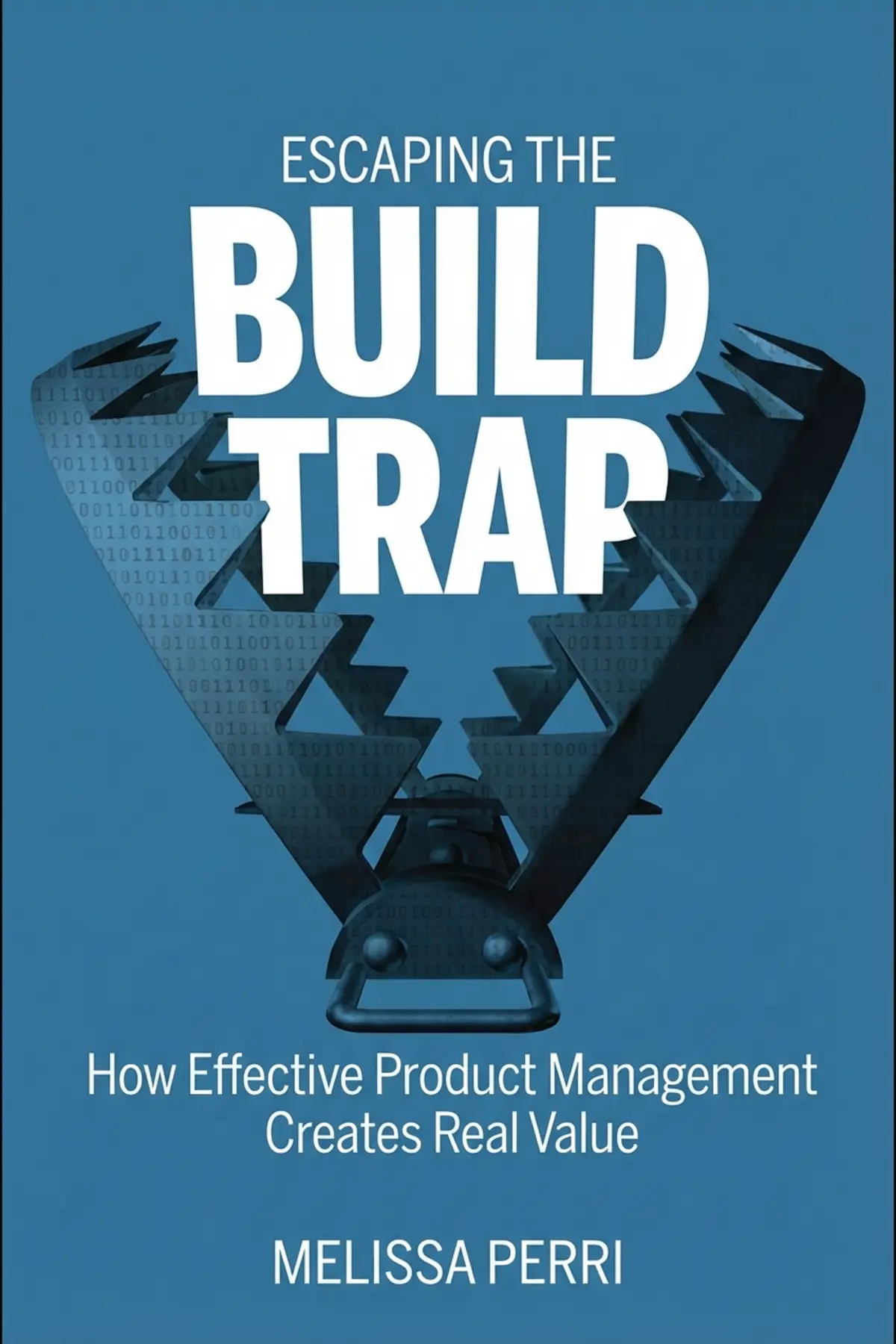
Ever wonder why your product team feels like it is grinding gears once you hit a certain headcount? This book explains exactly why that happens and offers a concrete way out through the three pillars of Product Ops. The quote about the systems and processes being 'as much the product as the product itself' really resonated with my current challenges. I loved the case study of the woman-led company; it provided a refreshing, real-world look at scaling without a pre-existing playbook. The authors have a knack for making high-level strategy feel like something you can actually do on a Monday morning. It is an invaluable resource for any product person or leader trying to move past the 'build trap' and into a more sustainable way of working.
Show moreMalee
This is one of those rare business books where I found myself highlighting entire pages and immediately messaging my VP about new ideas. The concept of Product Ops as an 'enabling function' is presented so clearly that it’s hard to argue against the necessity of the role. I especially enjoyed the discussion on release management and the governance of product discovery processes. Not gonna lie, I was skeptical about another 'Ops' book, but this one feels grounded in actual product management experience. The incremental implementation strategy makes the daunting task of restructuring an entire org feel manageable. It’s effective, insightful, and can be immediately applied to improve how your company builds digital products at scale.
Show moreIvan
As someone navigating a massive enterprise transformation, this book gave me the terminology I needed to justify a dedicated ops role to my leadership. The authors do a great job of explaining how Product Ops acts as an enabling function rather than just more bureaucracy. I found the sections on collaboration with UX and Sales particularly enlightening because those relationships are usually the first to fray at scale. My only minor gripe is that some of the solutions assume you have a massive budget for tooling and data analysts. That being said, the 'Listen Tour' methodology is a brilliant way to start without spending a dime. It is an insightful exploration into a nascent field that is finally getting the attention it deserves.
Show moreMay
The chapter on the 'Listening Tour' alone justifies the purchase price for any new Product Ops lead trying to find their footing. Perri and Tilles provide a very structured approach to a messy discipline, focusing on how to build systems that allow product teams to thrive. I liked the emphasis on governance and the 'quarterly roadmap summits,' which is a practice we desperately needed to implement. My team is already using the 'Quick Wins' strategy to build momentum with the engineering department. Got to say, the book simplifies some very complex organizational dynamics, perhaps a bit too much at times, but the clarity is welcome. It’s a practical guide that I’ll be keeping on my desk for reference as we grow our department this year.
Show moreWan
After hearing Melissa Perri speak on several podcasts, I was eager to see how she evolved the concepts from her first book into this dedicated volume. This isn't just a sequel; it’s a deep dive into the 'how' of scaling product strategy and prioritization. The focus on creating a common language is vital because so many teams fail simply because they aren't talking about the same things. I found the sections on market insights and sales collaboration particularly useful for our current stage of growth. While it covers some familiar ground for fans of 'Escaping the Build Trap,' the specific focus on operationalizing those ideas is what makes this a must-buy. It’s a very practical, easy-to-understand manual for the modern product leader.
Show moreFang
Interestingly, the authors spend a lot of time on the intersection of Product Ops and UX Research, which is a connection often overlooked in these types of books. By treating internal tools and data dashboards with the same rigor as the customer-facing product, companies can unlock a lot of hidden efficiency. I liked the focus on 'Business Insights' as a way to arm PMs with the data they need to make high-quality decisions. The writing style is direct and to the point, avoiding the excessive repetition that plagues most business literature today. Though I found the fictional case study a bit unnecessary, the overall framework is incredibly solid. It's a great book for anyone looking to build a more cohesive and effective product portfolio strategy.
Show moreSavannah
While the core frameworks regarding data and customer insights are rock solid, I struggled with the narrative portions of this book. The fictional storyline meant to illustrate the concepts felt a bit forced and, frankly, like filler to stretch the word count. In my experience, the most valuable parts were the direct explanations of the product operating model and the links to external resources. It's a decent read for someone totally new to the function, but if you have been in the space for a few years, you might find it repetitive. To be fair, the structure is very clean, making it easy to skim for the 'quick wins' that actually matter. It is a useful entry book for the discipline, though it could have been a much tighter long-form article.
Show moreTaweesak
To be fair, the authors provide a very structured entry point into a messy discipline, but the book feels a bit sanitized compared to the reality of corporate politics. I appreciated the technical breakdown of how Product Ops can support UX research and data accessibility, yet I wanted more on the 'when not to hire' side. The narrative about the fictional company was a bit cringeworthy and distracted from the otherwise excellent tactical advice. Personally, I think the book is most useful for those in very large organizations with over 100 PMs. For smaller startups, a lot of this will feel like overkill. It is a well-written, concise guide, but it occasionally prioritizes form over the messy substance of organizational change.
Show moreMason
Look, this feels like a book searching for a problem that shouldn't exist in a healthy organization. If your PMs can’t write basic SQL or your data team isn’t building useful dashboards, you don’t need a new 'Ops' layer; you need a better data strategy. The authors try to frame Product Ops as an essential scaling tool, but in reality, it often just papers over the cracks of suboptimal PM practices. It draws comparisons to DevOps, but that is a stretch because DevOps actually solves technical bottlenecks rather than just creating more meetings. I found the fictional narrative sections particularly jarring and unnecessary for the message. Truth is, this could have been a very effective blog post instead of a full book. It is a decent read if you need to justify your headcount, but barely useful for agile teams.
Show moreReaders also enjoyed

A Bigger Prize: How We Can Do Better Than the Competition
Margaret Heffernan
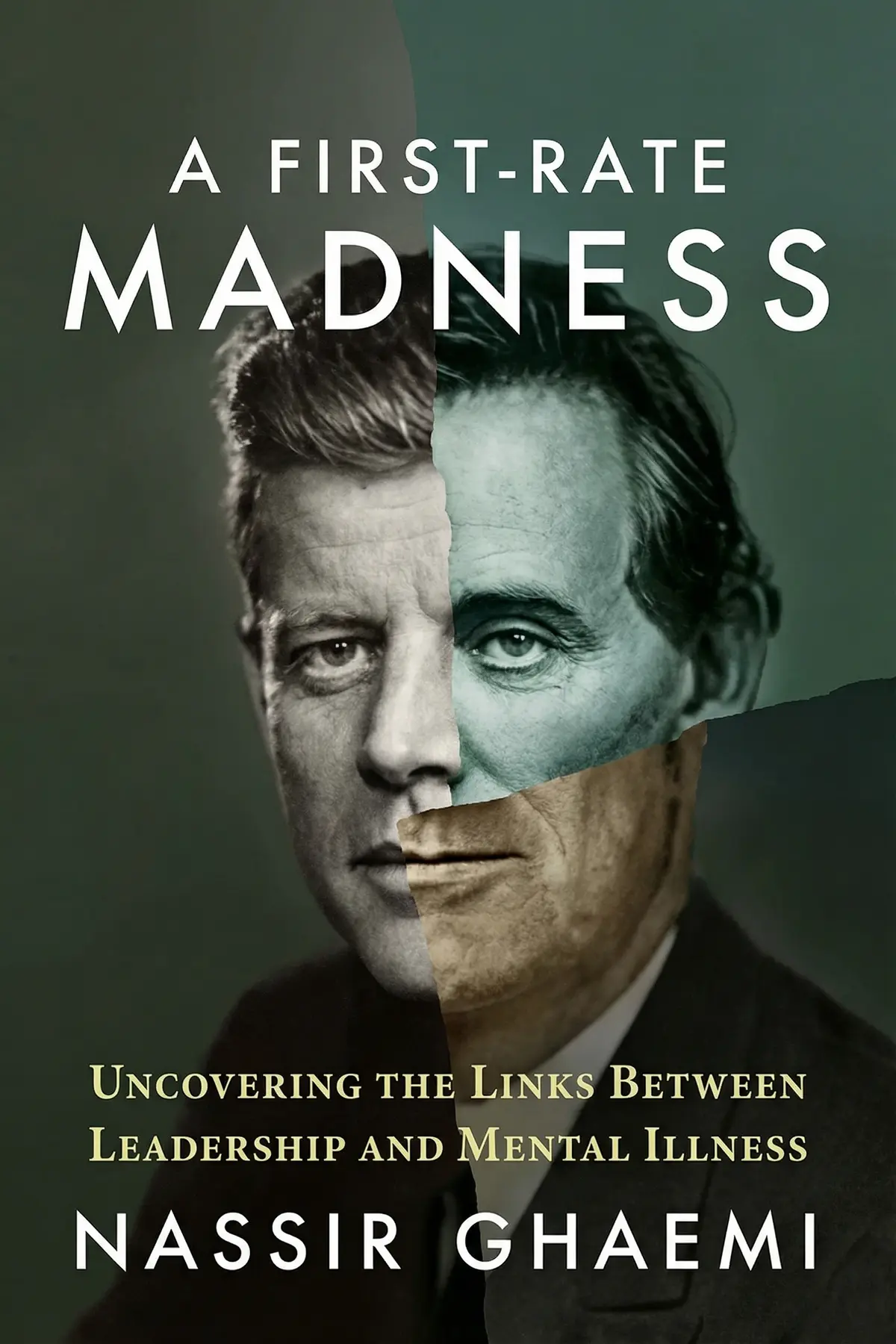
A Year with Peter Drucker: 52 Weeks of Coaching for Leadership Effectiveness
Joseph A. Maciariello

Acting with Power: Why We Are More Powerful Than We Believe
Deborah Gruenfeld
All In: How Great Leaders Build Unstoppable Teams
Mike Michalowicz
AUDIO SUMMARY AVAILABLE
Listen to Product Operations in 15 minutes
Get the key ideas from Product Operations by Melissa Perri, plus 5,000+ more titles in English and Thai.
- 5,000+ titles
- Listen as much as you want
- 7-day free trial
- Cancel anytime







