
A Life Decoded: My Genome: My Life
J. Craig Venter
Explore how evolutionary biology and psychiatric insights reconcile science with spirituality. This summary reveals how natural selection and human nature point toward a life of intentionality, virtue, and profound meaning.
1 min 35 sec
For a long time, we have been told a story of conflict. On one side stands the rigorous, cold world of science, where everything is the result of random mutations and the brutal logic of survival. On the other side stands the world of faith and spirituality, which insists that our lives are part of a grander, intentional design. These two perspectives often seem like they are speaking different languages, unable to find common ground.
But what if that conflict is actually based on an incomplete understanding of both sides? What if the very mechanisms that drove our evolution—the struggles, the adaptations, and the breakthroughs—actually point toward a life of profound significance? This is the journey we are about to embark on. We are going to look at the intersection of evolutionary biology and the human spirit through a lens that doesn’t demand we choose one over the other.
Instead, we will see how the history of life on Earth suggests a guided path rather than a series of accidents. We will explore the idea that the universe might have been ‘primed’ for creatures like us to emerge. This isn’t just a dry academic exercise; it’s a search for the throughline of our existence. By the time we’re done, we’ll see how our biology, far from being a cage of selfish genes, provides the exact tools we need to fulfill a higher calling. We’ll examine the dualities of our nature, the mystery of our choices, and the structures that help us thrive. This is a look at the architecture of meaning, built into the very fabric of our being.
2 min 29 sec
Could the complexity of life be less of a lottery and more of a destiny? Explore how the universe uses recurring patterns to steer biological history.
2 min 47 sec
Is selfishness the only law of nature? Discover the hidden biological mechanisms that reward cooperation and sacrifice across species.
2 min 46 sec
We are a species defined by contradictions. Learn why our brains are the battlefield for opposing evolutionary forces like love and lust.
2 min 48 sec
Are we just biological machines, or do we truly own our actions? Explore the scientific and psychological evidence for free will.
2 min 32 sec
Why do traditional family bonds persist across every culture? Learn why biology makes the family unit the ultimate training ground for virtue.
1 min 56 sec
As we look back at the landscape we’ve covered, a clear picture begins to emerge. We started with the idea that evolution is often viewed as a cold, random process, but we found instead a world of convergent patterns and natural laws that seem to point toward the emergence of conscious, intelligent life. We saw that we are not just ‘selfish genes’ in a race for survival, but social beings shaped by multilevel selection to find strength in cooperation and community.
We explored the deep dualities that define us—the constant tug-of-war between our lower impulses and our higher aspirations. But we also discovered that we aren’t victims of these drives. Through the reality of free will and the power of conscious planning, we have the ability to steer our own ship. We are the masters of our moral development, using the foundation of the family to practice the virtues of love, sacrifice, and loyalty.
The throughline of all these ideas is simple but profound: our existence has a purpose. That purpose isn’t something handed to us from a distance; it is woven into our very biology. We are here to navigate the tensions of our nature, to choose the path of the ‘better angels,’ and to build lives of meaning through our relationships and our choices.
In the end, reconciling science and spirituality doesn’t require us to ignore the facts of evolution. On the contrary, the more we understand the intricate, beautiful, and sometimes difficult reality of our biological heritage, the more we can see the intentional design behind it all. You are not an accident. You are a participant in a grand, ancient, and ongoing story. Your task—and your great privilege—is to use the freedom you’ve been given to fulfill the potential that has been millions of years in the making. Lean into your capacity for love, honor your connections, and embrace the meaningful path that your nature has prepared for you.
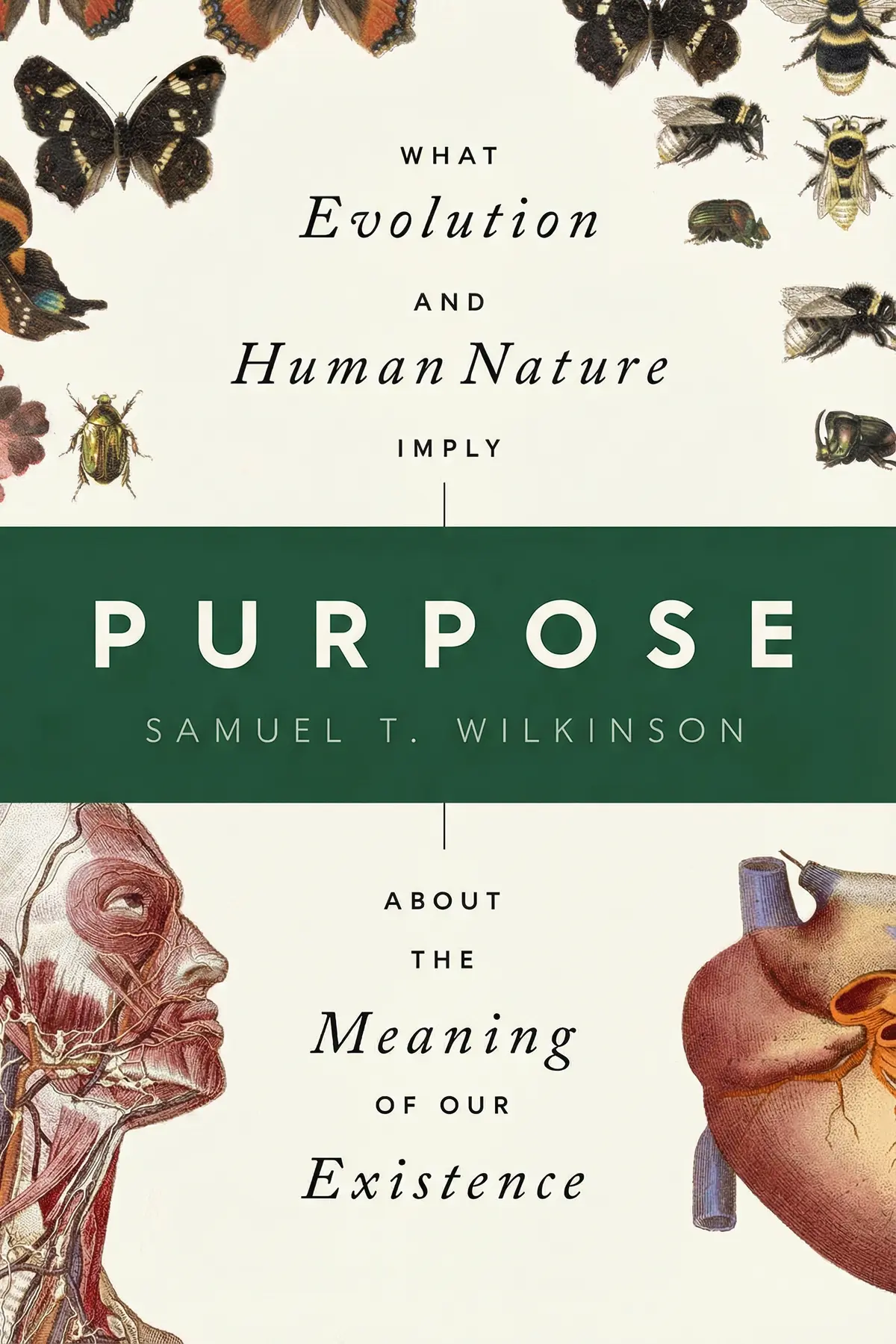
For decades, the conversation between science and faith has been framed as a battlefield, particularly regarding the theory of evolution. Many assume that if we are the products of natural selection, our lives must be accidental and devoid of higher meaning. Purpose challenges this narrative by synthesizing evolutionary biology, psychology, and philosophy to show that the development of human life was likely not a fluke, but a destination. By examining phenomena like convergent evolution and multilevel selection, the book illustrates how the universe leans toward consciousness and cooperation. It explores the dualities of human nature—our capacity for both selfishness and altruism—and argues that our evolutionary heritage actually provides the framework for moral growth. The promise of this exploration is a worldview that respects scientific rigor while affirming the spiritual intuition that our lives serve a significant, intentional end.
Samuel T. Wilkinson is an Associate Professor of Psychiatry at the Yale School of Medicine and serves as the Associate Director of the Yale Depression Research Program. A leading researcher in depression and suicide prevention, his work has been supported by major institutions and featured in outlets such as the New York Times and the Wall Street Journal. He has received the Early Career Scholar Award from the American Psychiatric Association.
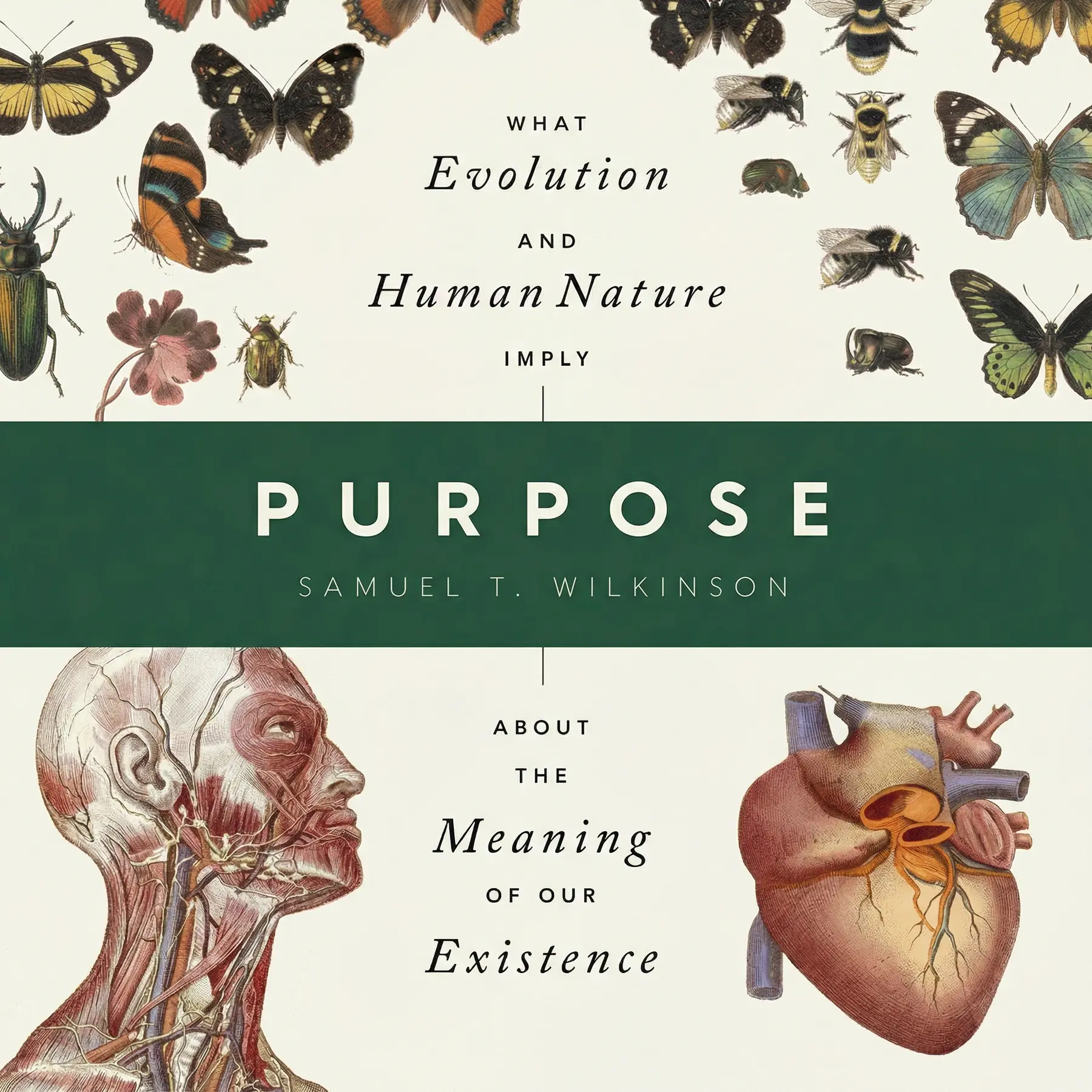
Listeners consider the work highly perceptive, and one review mentions its talent for blending various viewpoints regarding the human experience. Furthermore, the writing is clear and engaging, ensuring the material remains approachable for everyday readers. Listeners value the stimulating subject matter, including one listener who points out how the author simplifies complex concepts concerning our search for significance. Also, the text effectively bridges the gap between scientific study and religious belief, as one listener describes the fluid integration of diverse disciplines.
Wilkinson’s work is a masterclass in making complex evolutionary biology digestible for the average person while still addressing the heavy philosophical weight of our existence. He builds a compelling case that science and faith aren't at war, but are actually two sides of the same coin. I was fascinated by the evidence he presented regarding convergent evolution; the way dolphins and sharks evolved similar forms independently is just mind-blowing. The book seamlessly weaves together different fields, from genetics to social organization, to show that life isn't just a series of accidents. It left me feeling much more hopeful about the human journey and our capacity for goodness. This is exactly the kind of inclusive, insightful writing we need more of in today's polarized world. Truly an eye-opening read for seekers of all stripes.
Show moreAfter hearing so much about the 'conflict' between Darwinism and religion, this book felt like a breath of fresh air. Wilkinson doesn't preach; instead, he skillfully incorporates multiple perspectives on human existence to show that we are more than just biological machines. The way he links our evolutionary history to our modern struggles with incivility and social behavior is brilliant. I found the segments on family-centered monogamy particularly moving, as they provided a biological basis for the things that bring us the most joy. It’s rare to find a book that is this thought-provoking while remaining so easy to understand. He breaks down big ideas about finding meaning in life without ever sounding condescending. I've already recommended this to several friends who are struggling to reconcile their scientific education with their spiritual upbringing.
Show moreThe chapter regarding family-centered monogamy hit home for me in ways I didn't expect from a science-heavy book. Wilkinson argues that our evolution has prepared us for deep, prosocial bonds, and he backs it up with both data and heart. The truth is, we often feel lost in the modern world because we’ve forgotten the evolutionary structures that foster human flourishing. Seeing the 2024 BIBA Winner sticker on the cover made sense once I got through the final third of the book. It’s a beautiful synthesis of research and reflection that challenges you to live a more meaningful life. Even if you don't agree with every theological point he makes, the health benefits of the prosocial behaviors he describes are hard to ignore. This book isn't just an intellectual exercise; it’s a guide for better living.
Show moreEver wonder if the randomness of our existence is actually a beautifully choreographed dance? Wilkinson’s work is incredibly thought-provoking, especially when he explores how evolutionary patterns like convergent evolution suggest a deeper design. He manages to weave together complex biology and psychology in a way that feels accessible to someone without a PhD, which is a rare feat. I particularly enjoyed the discussion on our dual nature—balancing selfish instincts with altruistic desires—and how that defines the human experience. While the middle sections on embryonic development dragged a bit for my taste, the overall message is uplifting. This is a solid pick for anyone who feels stuck between the rigid walls of science and spirituality. It doesn't provide all the answers, but it certainly asks the right questions about our place in the universe.
Show moreTo be fair, the technical sections regarding embryonic development were a bit of a slog for a layman like me. I appreciated the effort to ground the 'purpose' argument in hard science, but the pacing felt uneven when we dove into those granular details for chapters on end. However, the broader discussion about altruism and the dual nature of humanity was genuinely insightful and well-written. It’s a dense read at times, yet Wilkinson’s voice remains accessible enough that you don't feel totally lost in the academic jargon. I didn't find the 'evolution as a test' theory entirely convincing, but the book definitely gave me a lot of new concepts to chew on regarding human flourishing. It’s a brave attempt to reconcile two worlds that often refuse to speak to one another.
Show moreFinally got around to reading this award-winner, and I can definitely see why it’s garnering so much attention lately. Wilkinson has a gift for taking high-level concepts from evolutionary biology and making them feel relevant to our daily moral choices. I was particularly struck by the idea that our capacity for altruism is just as 'natural' as our capacity for selfishness. The writing is clear and engaging, making it a great choice for a book club or a personal study on the intersection of faith and science. My only minor gripe is that the ending felt a little disconnected from the middle chapters, almost like two different books merged into one. Still, the core message about finding purpose through our relationships and social structures is incredibly powerful and well worth the read.
Show morePicked this up because I’ve always been curious about how humans developed such a complex sense of morality compared to the rest of the animal kingdom. Wilkinson’s argument regarding convergent evolution is fascinating, specifically the way he compares dolphins and sharks to show that nature isn't just random chaos. He makes a strong case that we are designed—through the process of evolution—to seek out meaning and connection. While I think he could have leaned even further into the faith aspects to satisfy religious readers, the 'middle' ground he occupies makes the book much more inclusive for skeptics. It’s a very accessible read that doesn't shy away from the big questions. If you’re looking for a fresh perspective on what it means to be human, this is a fantastic place to start.
Show moreLook, the author tries to play both sides of the fence, but he ends up leaving both camps feeling a bit unsatisfied. While the insights into kin selection and the evolution of out-group hatred were fascinating, the chapter on free will was noticeably weak compared to the rest of the book. He barely attempts to bridge the gap between biological determinism and the theological concepts he hints at throughout. It feels like the evolution and philosophy parts were pasted together rather than truly integrated. I liked the discussion on the dual nature of humanity, but the 'test' hypothesis felt like a stretch to me. There is definitely some good information here regarding animal behavior, but the leap to a grand 'divine purpose' is a bridge too far for my personal taste.
Show moreLet’s be real: either the Bible is true or it isn't, and this book spends far too much time trying to apologize for the Genesis account. Wilkinson claims to believe in God, yet he bends over backwards to fit the Creator into an evolutionary framework that is inherently flawed and cruel. Evolution is bunk and the laws of thermodynamics suggest a much different story than the one told here. Why are we trying to 'middle' on these essential topics just to satisfy the secular scientific community? I wanted a book that truly championed the hand of God in creation, but instead, I got a 'science' book that treats faith like a secondary attachment. It’s a missed opportunity to showcase how the laws of the Creator are the only truth. If you want real theology, look elsewhere.
Show moreAs soon as I noticed the religious undertones and the blurbs from evangelical figures, I knew this wasn't going to be a serious scientific text. This isn't objective biology; it's just another attempt to smuggle theology into the conversation under the guise of 'purpose' and 'meaning.' Wilkinson talks about convergent evolution like it's some mystical sign from above, but any serious student of Darwin knows it's just the result of similar environmental niches forcing similar adaptations. Why do we need a 'Divine Being' to explain why things work? The attempt to link human morality to a 'test' of dual nature felt incredibly forced and lacked any empirical backing. If you want actual science, stick to Dawkins or Wilson and leave this philosophical fluff for the Sunday school crowd. Completely disappointing.
Show moreJ. Craig Venter
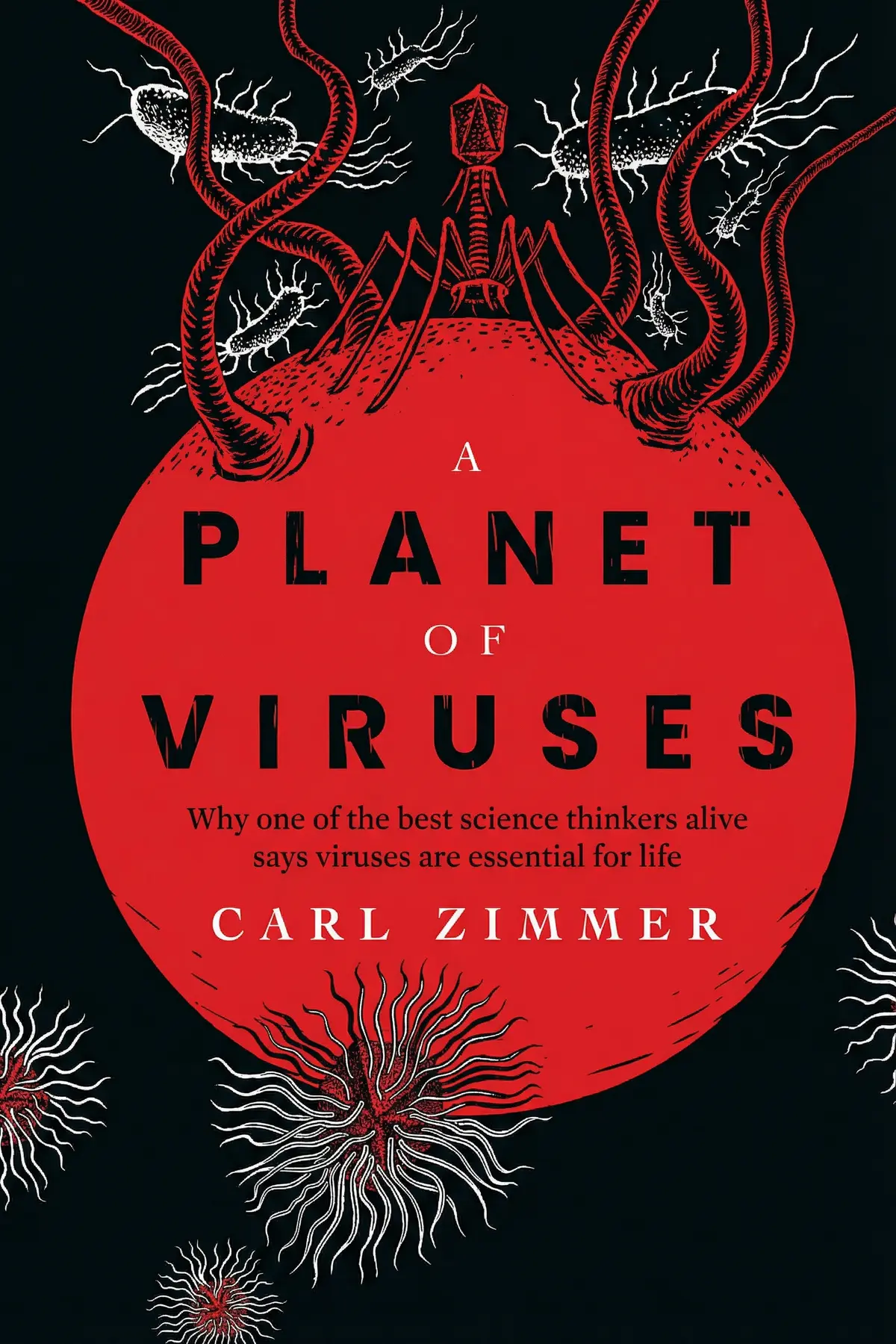
Carl Zimmer
Eckhart Tolle
Bill Bryson
Marianne Williamson
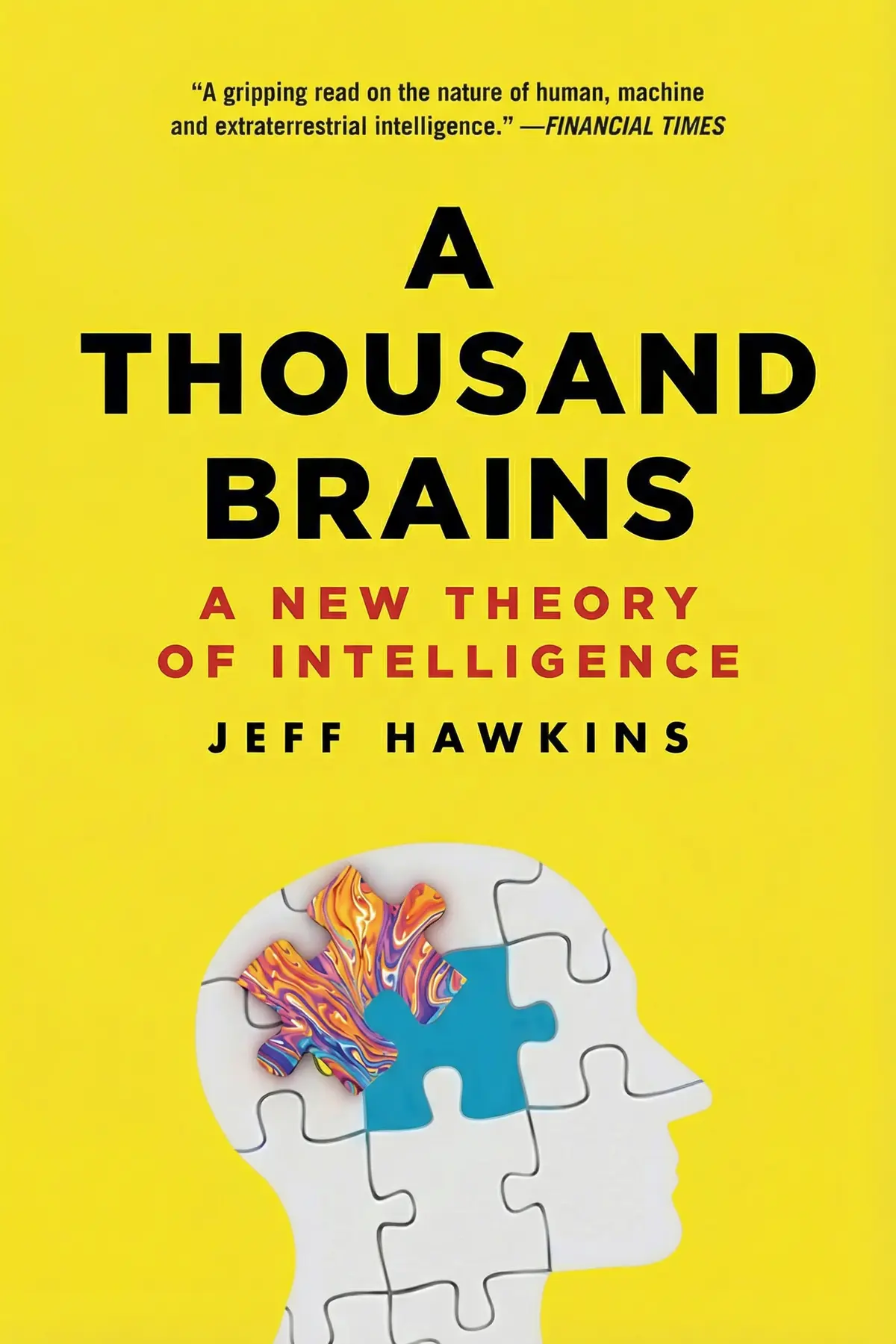
Jeff Hawkins
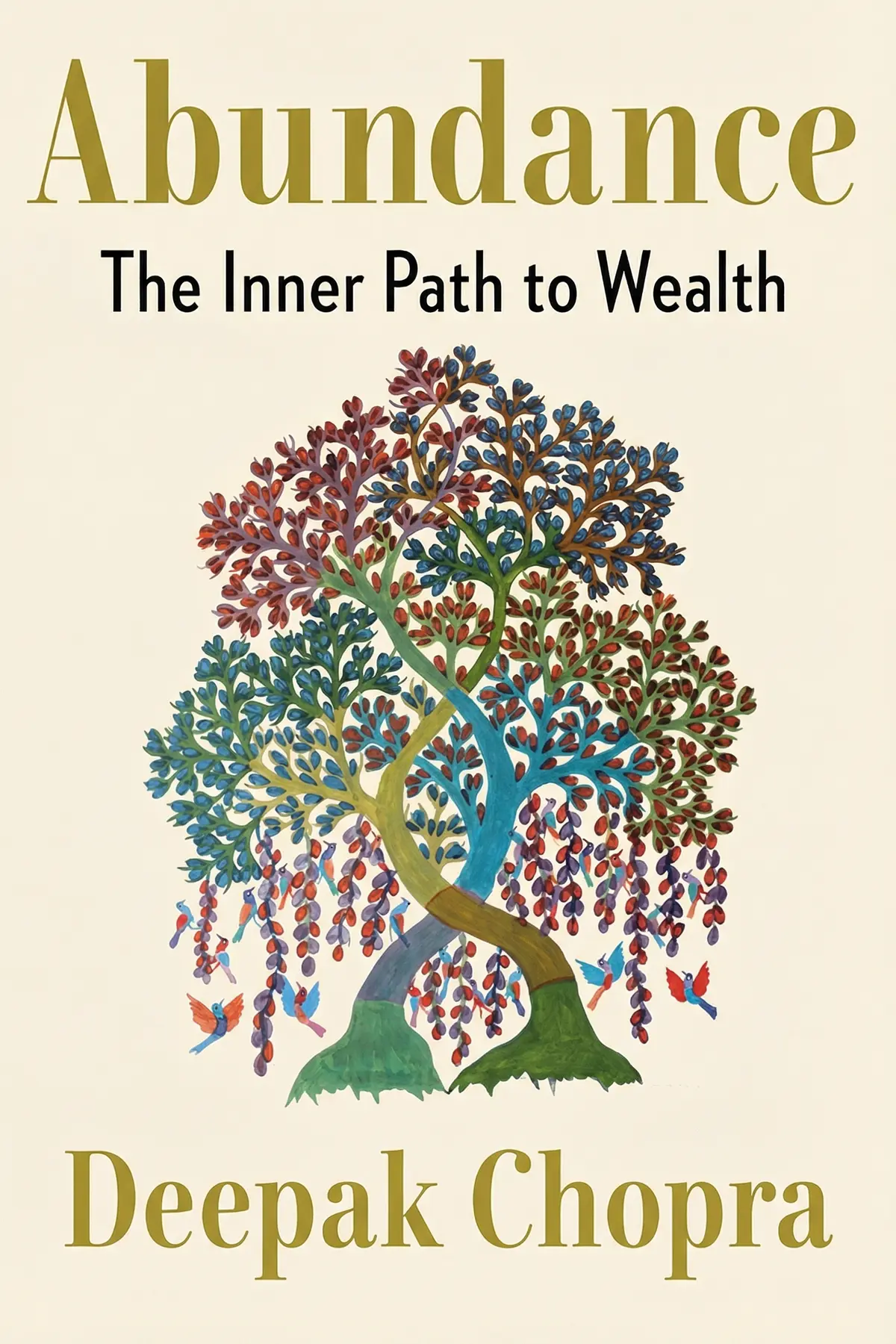
Deepak Chopra
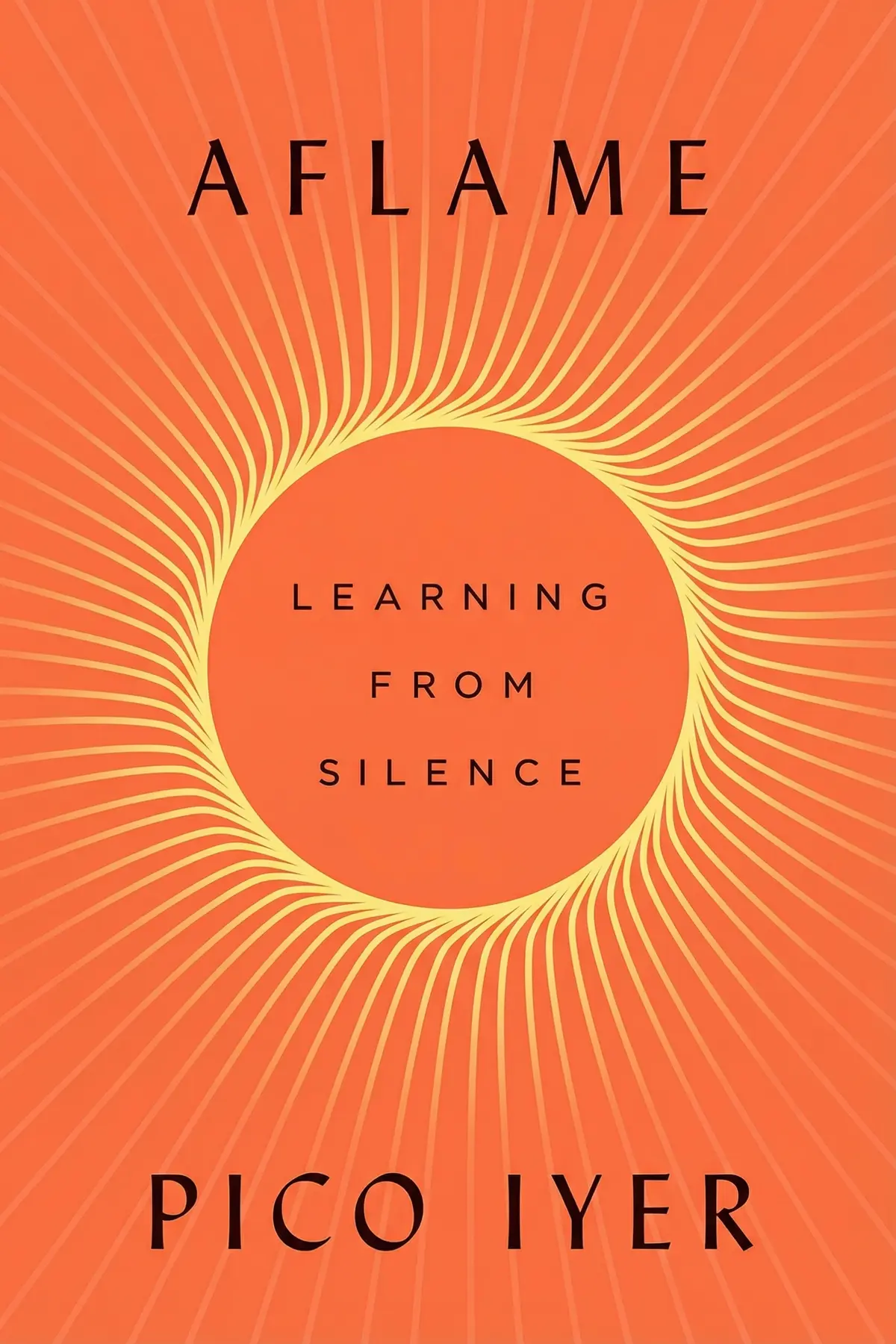
Pico Iyer
AUDIO SUMMARY AVAILABLE
Get the key ideas from Purpose by Samuel T. Wilkinson, plus 5,000+ more titles in English and Thai.







