
14 min 25 sec
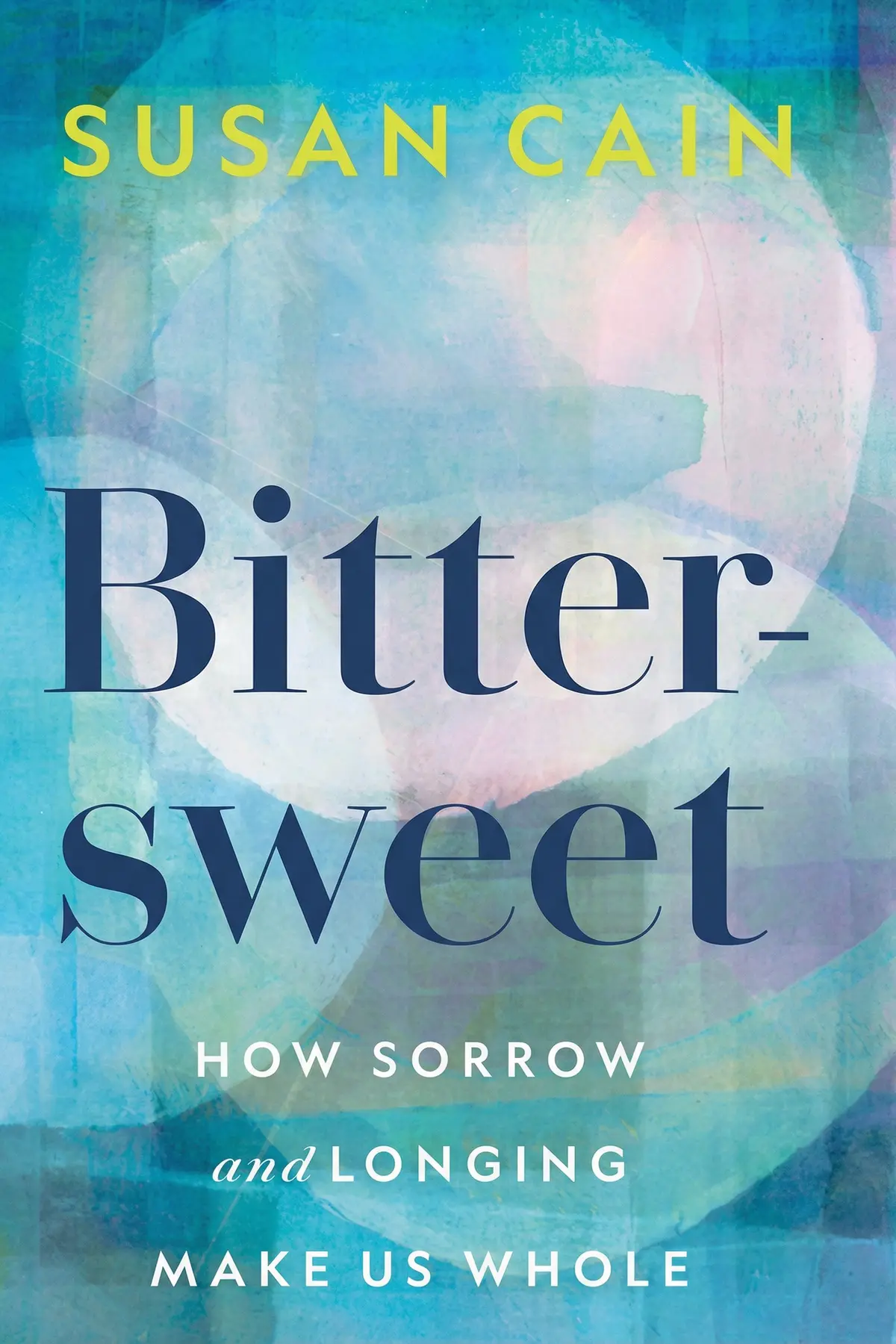
Quiet Power: The Secret Strengths of Introverts
Quiet Power explores the hidden strengths of introverted teenagers. It provides actionable strategies for navigating school, friendships, and extracurriculars, showing that being quiet is a unique and valuable superpower in a noisy world.
Table of Content
1. Introduction
1 min 27 sec
Imagine a world where the loudest voice is always assumed to be the smartest, and where the person who takes up the most space is naturally seen as the leader. This is the reality many of us feel we live in—a culture that celebrates the bold, the gregarious, and the instantly expressive. For a young person who prefers to sit back, listen, and think before they speak, this environment can feel more than just intimidating; it can feel like a constant pressure to be someone else.
But what if that quiet nature wasn’t a deficit? What if the ability to observe, the capacity for deep focus, and the tendency toward introspection were actually hidden competitive advantages? This is the core message of our journey today through the concepts of quiet strength. We are exploring how to navigate the specific challenges of the teenage years—from the chaos of the school cafeteria to the anxiety of a classroom presentation—without losing your authentic self in the process.
Over the next few minutes, we will look at why introverts react differently to the world around them, not just mentally, but biologically. We’ll uncover strategies for handling social overwhelm and look at how being a ‘quiet’ person can actually make you a more effective athlete or a better friend. This isn’t a guide on how to become an extrovert. Instead, it’s a roadmap for unlocking the immense power that comes from within when you finally embrace your natural introversion. Let’s start by redefining what it actually means to be quiet in a world that can’t stop talking.
2. Redefining the Spectrum of Personality
1 min 59 sec
Discover why the labels of introvert and extrovert are rarely permanent and how most people actually live somewhere in the middle.
3. The Biological Reality of Sensitivity
2 min 04 sec
Explore the fascinating physical differences in how introverts process the world, from their nervous systems to a surprising test involving lemons.
4. Navigating the Extroverted Classroom
2 min 02 sec
Learn why traditional school participation can be a struggle for quiet students and discover better ways to engage with learning.
5. The Strength of Small Social Circles
1 min 53 sec
Understand why having just a few close friends can be more rewarding than being the center of a large social clique.
6. Mastering the Art of Social Recovery
1 min 42 sec
Discover practical strategies for surviving—and even enjoying—large social events without feeling completely drained.
7. The Quiet Path to Team Success
1 min 52 sec
See how the power of visualization and independent practice can lead to excellence in sports and group activities.
8. Conclusion
1 min 26 sec
As we wrap up our look at the quiet power within, it is worth reflecting on the throughline that connects all these ideas. Being an introvert is not something to be cured; it is a temperament to be harnessed. We have seen that your sensitivity is a sign of a highly responsive nervous system, that your preference for small groups is a commitment to deep friendship, and that your need for solitude is a necessary part of your creative and social battery.
In a world that often demands immediate reactions, your ability to pause and think is a rare gift. Whether you are navigating the demands of a classroom, the complexity of a new friendship, or the pressure of a big game, remember that you have the right to do so on your own terms. You don’t have to shout to be heard, and you don’t have to be the life of the party to be a valued member of the community.
The most important takeaway is to start advocating for your own needs. If you know you have a high-pressure day ahead, plan your ‘recharge’ moments in advance. If you have a class discussion tomorrow, prepare a few key points tonight so you can contribute without the stress of being put on the spot. By understanding the biology and the psychology of your quiet nature, you move from being a victim of a noisy world to being a master of your own environment. Your quietness is not a lack of power—it is the source of it. Go forth and use that quiet power to build a life that feels as good on the inside as it looks on the outside.
About this book
What is this book about?
The world often feels like it was designed specifically for people who love the spotlight. From the loudest students in the classroom to the most social personalities at a party, the 'Extrovert Ideal' is everywhere. For introverted teenagers, this can lead to a persistent feeling of being misunderstood or even 'broken.' Quiet Power addresses these concerns head-on, offering a guide tailored to those who prefer reflection over chatter and solitude over crowds. The book promises to transform how young people view their own quiet nature. Instead of seeing introversion as a social hurdle to overcome, it frames it as a reservoir of strength. By exploring the biological roots of personality and providing practical advice for navigating high-pressure environments—like school presentations or team sports—the authors show how introverts can succeed on their own terms. It’s not about changing who you are; it’s about finding the specific tools that allow your natural temperament to shine. Listeners will gain a new perspective on their social energy, their learning styles, and their potential to lead from the background.
Book Information
About the Author
Susan Cain
Susan Cain is a former corporate lawyer and the cofounder of Quiet Revolution, an organization dedicated to empowering introverts. She is the author of the influential bestseller, Quiet: The Power of Introverts in A World That Can’t Stop Talking. Erica Moroz is a professional journalist who frequently writes for the literary magazine the American Reader. Gregory Mone is a versatile author who has written numerous children’s books on diverse topics ranging from historical events like the Titanic to holiday figures like Santa Claus.
Ratings & Reviews
Ratings at a glance
What people think
Listeners find the work highly insightful, offering clear explanations for various scenarios and useful tips for both parents and educators. It is especially well-suited for teenagers, motivating them to have self-confidence and utilize their innate abilities in school and at home. Listeners also praise the writing for being easy to read and uplifting; one listener specifically shared that it assisted them in better understanding their daughter. On the other hand, perspectives regarding the time limit component are varied.
Top reviews
Orathai
Finally got around to reading this with my middle-schooler, and it felt like a lightbulb finally clicked for both of us. The book is incredibly empowering for kids who feel like they don't fit the loud, social mold. My daughter used to think her need for quiet time after school was a flaw, but Cain explains it as a biological necessity for recharging. We especially loved the practical guidance for navigating the cafeteria and group projects. It’s readable, kind, and doesn't talk down to its audience. Seeing her gain confidence in her quiet strengths at home and school has been the greatest gift. This is a must-read for any parent of a 'quiet' child.
Show moreRome
I wish someone had handed me this book when I was thirteen. Growing up, I always felt like I was failing at being a person because I preferred reading to parties. This book is a love letter to everyone who feels that way. It’s not about changing who you are; it’s about stretching yourself just enough without breaking. The 'rubber band' metaphor is something I’ll carry with me forever. I loved the stories about famous introverts like Beyonce and Steve Wozniak, which proved that you can be successful and quiet. It’s a scientifically-based guide that actually feels cool to read. I’m passing my copy to my younger brother immediately.
Show moreRod
Susan Cain has done a fantastic job translating her original research for a younger crowd. The four sections—School, Socializing, Hobbies, and Home—are perfectly organized to address the daily lives of teenagers. I particularly liked the advice on how to build alliances slowly rather than trying to be the most popular person in the room. It’s practical, insightful, and honestly life-changing for kids who feel overlooked. The authors encourage readers to believe in themselves while offering actual tactics for reducing social anxiety. If you have a teen who is struggling to find their voice in a loud world, buy them this book. It’s a gentle, beautiful celebration of quietness.
Show moreAkosua
After hearing about 'Quiet' for years, I actually found this younger version more accessible and engaging than the original adult edition. It cuts straight to the heart of the matter without being overly academic. The real-life stories from middle school and college students made the concepts feel tangible and relatable. I loved that the authors included a variety of introverts, from those who are total loners to those who become class presidents. It shows that there isn’t just one way to be 'quiet.' The book is practical, uplifting, and filled with heart. It reminded me that being a good listener is a superpower in a world that can't stop talking. I cried a little at the end.
Show moreTariq
The chapter on school environments alone makes this worth the purchase for any educator. Cain, Mone, and Moroz do a brilliant job of breaking down why the modern classroom can be such a minefield for introverted students. I appreciated the layout; the mix of personal stories and 'tips and whatnot' keeps the pacing fast. However, I did notice that the lines between shyness and introversion get a bit blurry at times. Even though the authors define them differently, the anecdotes often treat them as the same thing. Still, it’s a great resource for helping kids harness their strengths rather than feeling like they need to be 'fixed' to succeed.
Show moreNiramai
What really resonated with me was the rubber band metaphor: push yourself to the edge, but don’t stretch until you snap. As an introvert, I often feel pressured to be 'on' all the time, and this book gave me permission to stop. The writing style is very accessible and the inclusion of comics makes it feel less like a self-help book and more like a conversation. I do think it conflates shyness and introversion too often, which might confuse some readers. I’m not shy, I just like my space! Regardless, the practical tips for handling group work and family dynamics are excellent. It’s a fresh, empowering read that helps you appreciate your own value.
Show moreJirapat
Ever wonder why your quiet kid comes home from school and immediately has a meltdown? I finally understand it now. This book explains that they aren't being difficult; they are just socially exhausted from a day of 'extrovert' expectations. The advice for parents and teachers is subtle but incredibly effective. I wish it didn't lean quite so hard on the 'shy' label, but the overall message of acceptance is vital. It’s a quick read, very clear, and provides a great framework for discussing personality strengths at home. Definitely recommended for families trying to navigate the middle school years.
Show moreFord
It’s a solid resource, but the sheer number of anecdotes started to feel like filler after a while. I get that it’s for a younger crowd, but I found myself skimming through yet another story about a kid named 'Alex' or 'Maya' to get to the actual advice. The content is definitely helpful, especially the sections on hobbies and finding your 'quiet power' in leadership. But the tone is a bit inconsistent. One page feels like it's for a ten-year-old, and the next is discussing complex psychological papers. It’s not a bad book, just a bit 'meh' if you’ve already read much on the subject. Useful for beginners, though.
Show moreTeng
To be fair, I think I was simply the wrong audience for this. I loved the original 'Quiet,' but this version for tweens felt repetitive and a bit too bossy for my taste. It seemed to equate introversion with being terrified of people in almost every single example. I’m an introvert who actually enjoys public speaking, yet this book made it seem like we are all hiding in the back of the classroom. While the cartoons are cute, the advice felt very basic. It might work for a very specific, younger group who has never thought about their personality before, but for me, it was just one example after another of the same point.
Show moreTalia
Look, I appreciate the message, but I’m tired of people assuming introverts are just shy. This book spends so much time giving tips on how to 'overcome' quietness in social settings that it almost feels like it’s contradicting its own premise. If introversion is a power, why does every example feel like a guide on how to act more like an extrovert? I felt like the book painted a very narrow picture of what an introvert looks like. Also, the stories were so numerous that they got old really fast. I was disappointed because I had high expectations, but it just felt too elementary and repetitive for me.
Show moreReaders also enjoyed


A Liberated Mind: How to Pivot Toward What Matters
Steven C. Hayes

Acting with Power: Why We Are More Powerful Than We Believe
Deborah Gruenfeld


Age of Propaganda: The Everyday Use and Abuse of Persuasion
Anthony Pratkanis



59 Seconds: Change Your Life in Under a Minute
Richard Wiseman
AUDIO SUMMARY AVAILABLE
Listen to Quiet Power in 15 minutes
Get the key ideas from Quiet Power by Susan Cain, plus 5,000+ more titles in English and Thai.
- 5,000+ titles
- Listen as much as you want
- 7-day free trial
- Cancel anytime







