
20 min 47 sec
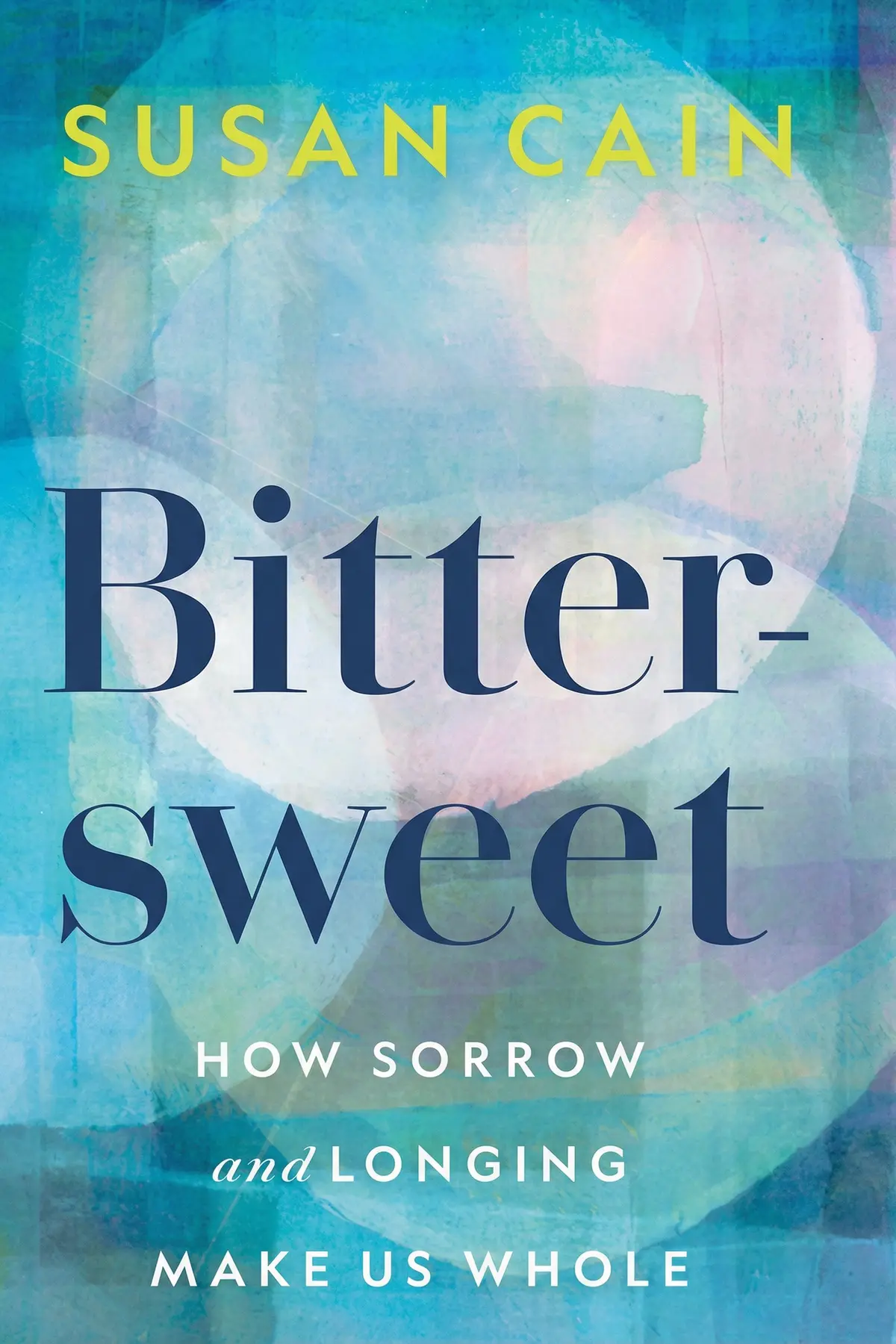
Quiet: The Power of Introverts in a World that Can’t Stop Talking
By Susan Cain
Quiet explores the overlooked power of introverts in a culture that celebrates the loud. It reveals how the quiet half of the population can thrive by embracing their natural strengths and sensitivity.
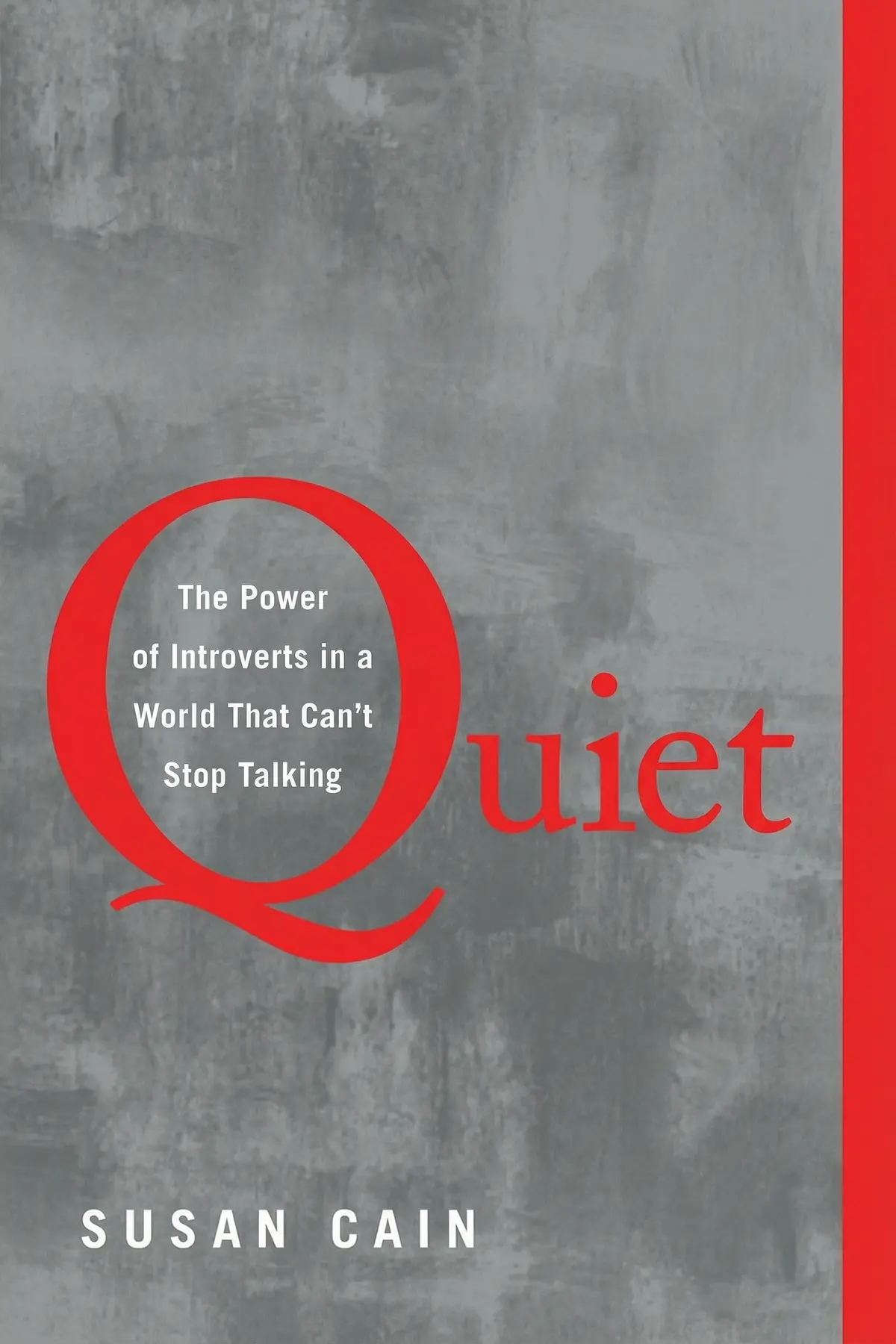
Table of Content
1. Introduction
1 min 42 sec
Have you ever felt like you were supposed to be louder, more outgoing, or more ‘on’ just to be noticed? We live in a world that often feels like one giant megaphone, where the loudest voices are frequently mistaken for the most competent ones. This is the central tension we are exploring today: the struggle of the introvert in a culture that cannot seem to stop talking.
In this summary, we are diving deep into a transformative look at personality. We are going to look at the ‘Extrovert Ideal’ that dominates Western society and see how it often ignores the unique brilliance of the quiet thinkers among us. This isn’t just about being shy versus being social; it is about the fundamental way our brains process the world around us.
The throughline of our journey is simple yet radical: introversion is not something that needs to be ‘fixed.’ Instead, it is a different way of being that offers immense power when it is properly understood and leveraged. We will trace the biological roots of why some of us prefer a library to a nightclub, look at how our history shifted to value charisma over character, and discover how introverts can successfully navigate workplaces and social settings without losing their true selves.
Whether you are an introvert looking for validation, or an extrovert trying to understand your quieter colleagues and friends, these insights will change the way you see human interaction. We are going to explore why silence can be more influential than shouting and why the most innovative ideas often happen in solitude. Let’s begin by looking at the basic mechanics of how introverts and extroverts differ in their need for stimulation.
2. The Stimulation Spectrum
1 min 59 sec
Discover the core difference between personalities: it isn’t just about being social, but about how much noise and activity your brain needs to feel its best.
3. The Biological Blueprint of Temperament
1 min 55 sec
Science reveals that our personalities are rooted in the brain’s emotional switchboard, starting from the moment we are born.
4. The Depth of High Sensitivity
1 min 46 sec
Many introverts possess a trait called high sensitivity, which allows them to process information more thoroughly and feel emotions more acutely.
5. Nurturing the Orchid Child
1 min 42 sec
Introverted children are like delicate flowers that need the right environment to bloom, unlike their more resilient extroverted peers.
6. The Rise of the Extrovert Ideal
1 min 55 sec
Western culture underwent a massive shift a century ago, moving from a focus on inner character to a demand for outward personality.
7. Quiet Diligence vs. Bold Assertion
1 min 34 sec
While the West prizes the loud and the proud, other cultures, particularly in Asia, view quiet reflection as a sign of true intelligence.
8. The Myth of Teamwork and the Power of Solitude
1 min 39 sec
Modern workplaces are designed for extroverts, yet history shows that many of our greatest innovations were born in moments of quiet isolation.
9. Leadership Through Listening
1 min 31 sec
Introverted leaders offer a unique advantage: they are more likely to listen to their team’s ideas and avoid reckless risks.
10. The Art of the 'Free Trait'
1 min 35 sec
Introverts can learn to ‘act extroverted’ when it serves a core personal mission, provided they give themselves time to recover afterward.
11. The Power of Complementary Partnerships
1 min 35 sec
When introverts and extroverts work together, they can achieve incredible things by balancing each other’s strengths and weaknesses.
12. Conclusion
1 min 54 sec
As we wrap up our exploration of the quiet mind, let’s return to our starting point: the idea that the world needs both the talkers and the thinkers. We’ve seen that being an introvert is a biological reality, a preference for a different level of stimulation that comes with its own unique set of gifts. From the deep sensitivity that fuels empathy to the solitary focus that drives innovation, introversion is a fundamental part of the human experience.
We’ve also looked at the cultural bias that often makes introverts feel like they are working uphill. The shift from a Culture of Character to a Culture of Personality may have changed the rules of the game, but it hasn’t changed the value of what an introvert brings to the table. Whether it is in the workplace, where the myth of constant collaboration can stifle the best ideas, or in leadership, where a quiet listener can often outperform a loud talker, the power of introversion is undeniable.
The most important takeaway is this: you don’t have to change who you are to be successful. If you are an introvert, embrace your ‘orchid’ nature. Create the restorative niches you need to recharge. Don’t be afraid to act extroverted when it matters for your core goals, but always give yourself permission to return to the quiet. And if you are an extrovert, look for the quiet ones in your life. Listen to what they have to say, because they are often the ones who have been thinking the longest.
By valuing the diversity of our temperaments, we can create a world that is better for everyone. A world where the loudest voice isn’t the only one heard, and where the power of silence is given the respect it truly deserves. Thank you for joining us in this look at the hidden strengths of the quiet half of the population. Remember, in a world that can’t stop talking, there is immense power in just being quiet.
About this book
What is this book about?
This book serves as a profound investigation into the psychological and biological roots of personality. It challenges the modern 'Extrovert Ideal'—the belief that the ideal person is gregarious, dominant, and comfortable in the spotlight. By examining the science of temperament and the history of cultural shifts, it explains why Western society moved from a Culture of Character to a Culture of Personality. Beyond theory, it provides a roadmap for introverts to navigate a world designed for their extroverted counterparts. It covers everything from how introverted children learn best to why open-plan offices might be killing creativity. The promise of the book is a new understanding of self, showing that being 'quiet' is not a flaw to be cured, but a distinct advantage in leadership, innovation, and personal relationships.
Book Information
About the Author
Susan Cain
Susan Cain is an American author who describes herself as an introvert. She is a graduate of two of the most prestigious institutions in the United States, having earned degrees from Princeton University and Harvard Law School.
Ratings & Reviews
Ratings at a glance
What people think
Listeners find this book highly engaging and accessible, commending its thorough research and personal narrative approach. Furthermore, the work offers valuable perspectives on introverted personalities, assisting audiences in gaining clarity about their own lives and their kids' needs, while delivering helpful tips and hands-on guidance.
Top reviews
Wanphen
Finally got around to reading this after seeing so many parents recommend it for navigating the "shark-infested" waters of modern schooling. The section on raising introverted children is worth the price of admission alone. Cain provides such practical advice for helping kids find their "recharge" spots without feeling like they are failing at being social. The writing is accessible and avoids the dry, clinical tone you often find in social science books. I did feel she was a bit hard on extroverts at times, painting them as somewhat reckless risk-takers. However, the insight into how different temperaments react to stimulation was a massive eye-opener for our family.
Show moreKanchana
This book acts like a set of reinforced walls for those of us who feel crushed by the constant noise of modern life. I loved how Cain used historical figures like Rosa Parks to prove that quiet persistence can be just as powerful as boisterous leadership. Her first-person writing style is incredibly engaging, making it feel more like a conversation than a lecture. Truth is, I cried a little reading the parts about childhood struggles, realizing I wasn't "weird" for wanting to hide in the library. Some of the generalizations about "testosterone-driven" extroverts are a bit much, but the emotional truth here is undeniable. It’s a 5-star experience for the self-acceptance it grants you.
Show moreKenji
After hearing her TED talk years ago, I finally picked this up and realized I should have read it much sooner. It’s a beautifully written exploration of the inner world, offering a sense of pride to those of us who prefer to "lead from the back." Cain’s ability to weave together stories of Wall Street traders and civil rights icons creates a powerful argument for the necessity of quiet. Personally, the section on marriage and how introverts/extroverts can better communicate was worth five stars on its own. It’s not just a book about being shy; it’s a manual for understanding your own energy. This is a life-changing resource for anyone feeling out of place.
Show moreDarius
Picked this up because I was struggling with the "sharks" at work and needed some perspective on my own management style. Cain shows that being a "soft" negotiator can actually be a position of strength if you know how to use your analytical skills. The book is full of excellent insights and provides a much-needed counter-narrative to the idea that you have to be the loudest to be the best. To be fair, some of the scientific studies cited feel a bit like they were cherry-picked to support her thesis. Nevertheless, the overarching message about the value of deep thought in a world of snap judgments is incredibly timely. I recommend this to every "quiet" leader I know.
Show moreChamp
As someone who has spent years forcing a "people person" smile in high-stakes meetings, this felt like a long-overdue exhale. Cain explores the "Extrovert Ideal" with a first-person warmth that makes complex psychological concepts incredibly easy to digest. I particularly resonated with the discussion on how American culture shifted from a culture of character to one of personality. It is well-documented and offers a necessary shield against the constant pressure to be loud. While some of the corporate anecdotes felt a bit repetitive, the core message is vital. We aren't broken; we're just wired for a different kind of contribution. It’s a validating read for anyone who prefers a book to a happy hour.
Show moreAkira
Ever wonder why the loudest person in the boardroom usually gets their way regardless of the quality of their ideas? Cain tackles this head-on by examining the "Extrovert Ideal" in corporate America and how it suppresses the deep-thinking nature of introverts. Her "Free Trait Theory" explanation was a lightbulb moment for me; it explains how we can "act" extroverted for things we truly care about. The book is well-documented and strikes a perfect balance between personal stories and sociological research. I occasionally felt the "shy vs. introvert" distinction was a bit muddy, but the overall framework is life-changing. It’s essential reading for managers who want to get the best out of their quietest employees.
Show moreAndrei
Wow, what a relief to finally have a book that doesn't treat introversion as a pathology that needs a cure. Cain offers such useful suggestions for navigating social overwhelm, particularly the idea of "restorative niches" where you can be yourself. The insights into how different cultures view silence—comparing the US to more introverted societies—were particularly enlightening and well-researched. I found the pacing a little slow in the middle sections when she drifted into general self-help territory. Still, the practical advice for interpersonal communication makes this a staple for any professional's bookshelf. It helps you understand your own "shadow" and how to own it.
Show moreAubrey
Susan Cain’s writing style is remarkably fluid, turning what could have been a dry academic paper into a compelling narrative about human temperament. Not gonna lie, I was skeptical of the hype, but her analysis of how open-plan offices actually kill productivity was spot on. The book is easy to understand and provides a wealth of first-person stories that make the data feel personal and relevant. I would have liked more focus on the "ambivert" middle ground, as the binary between the two types felt a bit forced at times. However, for an introvert trying to survive in a "loud" world, this is a must-read. It’s a solid, thoughtful, and very well-documented piece of work.
Show moreSamroeng
The chapter on Harvard Business School was fascinating, but frankly, the rest of the book felt like a collection of anecdotes dressed up as hard science. I appreciate the sentiment behind "Quiet," and as an introvert, I felt seen, yet I couldn't ignore the lack of rigorous citations for some of her broader claims. It reads more like an intellectualized comfort read than a definitive psychological study. There's a lot of speculation about what makes a "pure" introvert, and some sections felt padded with repetitive examples. It’s an interesting perspective on the business world, but take the pop-psychology elements with a grain of salt. It's a decent 3-star read for the validation factor.
Show moreBunyarit
Look, I wanted to love this because I’m a textbook introvert, but the author spends way too much time lambasting extroverts to make her point. It felt less like a balanced study and more like a defensive manifesto that occasionally confuses personality traits with actual mood disorders. The scientific knowledge presented felt shallow in several places, and the editing could have been much tighter to avoid the circular arguments. While the title is great and the "Little Dutch Boy" analogy was interesting, the book is overrated and poorly written in parts. There are some good quotes, but I walked away feeling more confused about the definitions than when I started.
Show moreFeatured in
Readers also enjoyed

A Liberated Mind: How to Pivot Toward What Matters
Steven C. Hayes

Acting with Power: Why We Are More Powerful Than We Believe
Deborah Gruenfeld
Age of Propaganda: The Everyday Use and Abuse of Persuasion
Anthony Pratkanis
AUDIO SUMMARY AVAILABLE
Listen to Quiet in 15 minutes
Get the key ideas from Quiet by Susan Cain, plus 5,000+ more titles in English and Thai.
- 5,000+ titles
- Listen as much as you want
- 7-day free trial
- Cancel anytime







