
18 min 02 sec
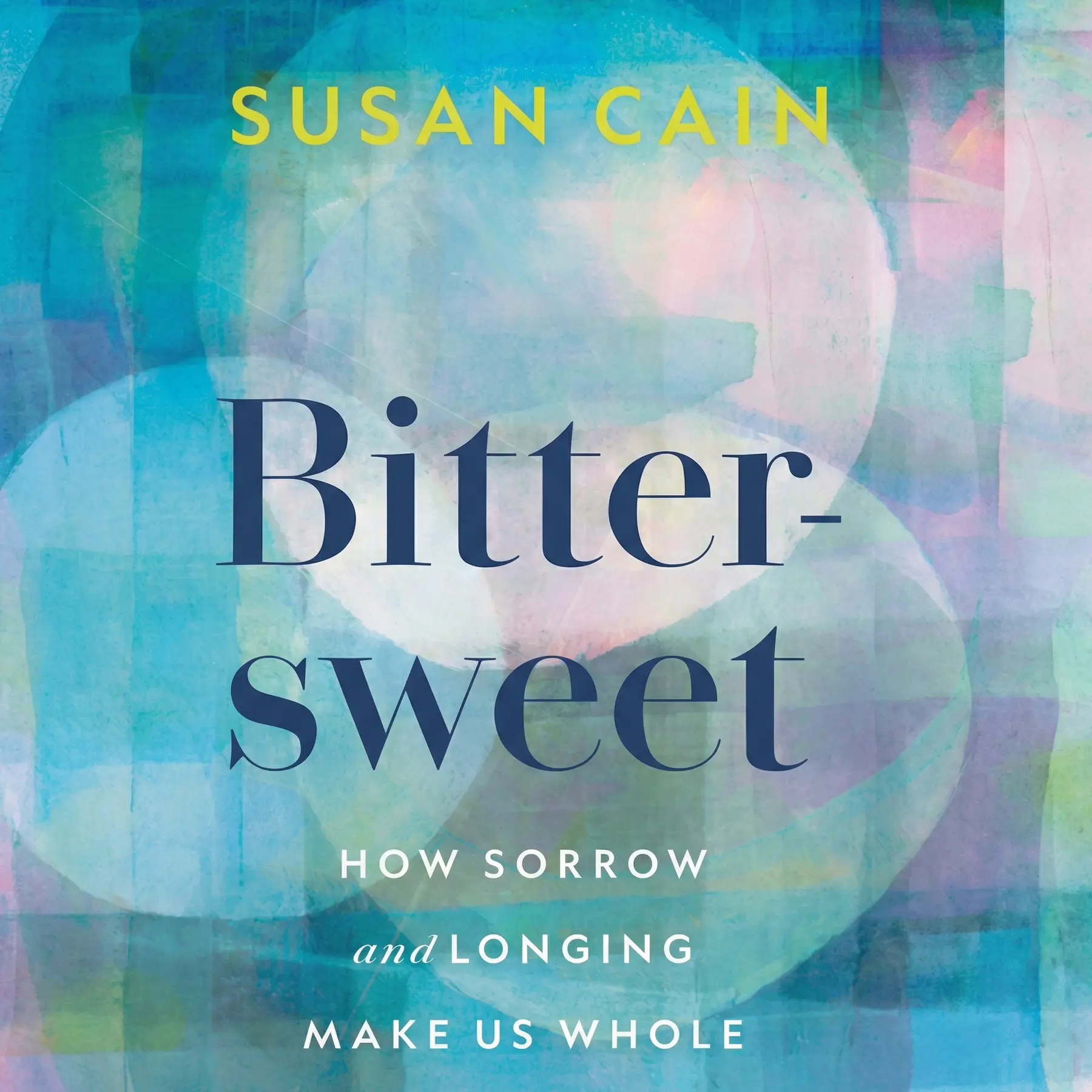
Bittersweet: How Sorrow and Longing Make Us Whole
By Susan Cain
Bittersweet explores the hidden power of sorrow and longing. Susan Cain reveals how embracing life’s darker hues can lead to deeper creativity, connection, and a more authentic experience of human joy.
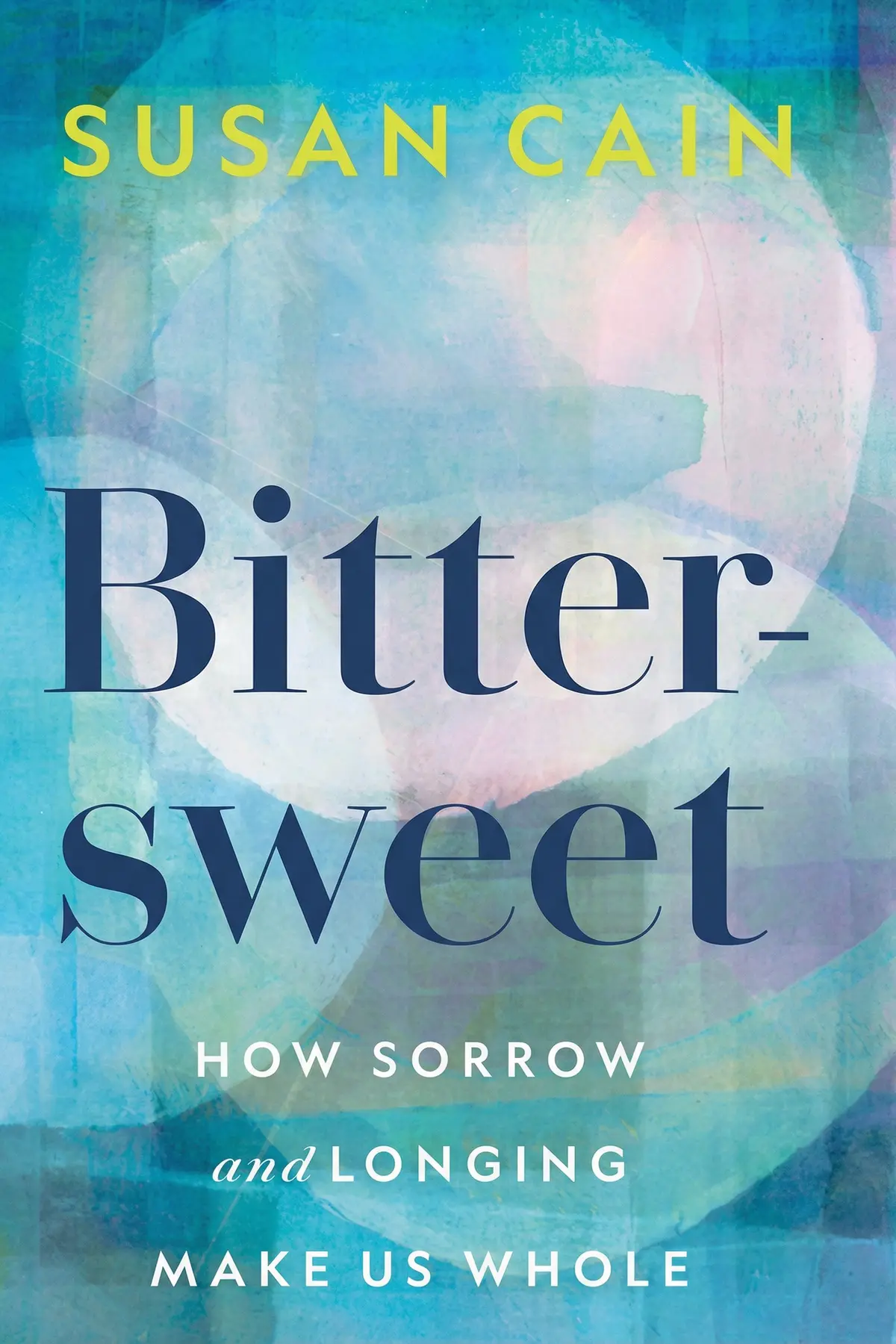
Table of Content
1. Introduction
1 min 51 sec
Have you ever wondered why a sad song can feel more comforting than a cheerful one? Or why, in your most vulnerable moments, you feel a strange sense of beauty amidst the pain? We often live in a culture that treats happiness as the only acceptable goal. We are told to ‘look on the bright side,’ to ‘keep our chins up,’ and to push through our struggles with a smile. But imagine, for a second, a world where sadness was completely erased. A world where no one ever felt a sense of longing, where loss was impossible, and where every moment was filled with an unbreaking, sunny disposition.
At first glance, that might sound like a dream. But if we look closer, we realize that such a world would be curiously hollow. Without the contrast of the dark, we could never truly appreciate the light. Without the experience of bitterness, we wouldn’t have a scale to measure the sweet. In this exploration of Susan Cain’s work, we are going to dive into the concept of the ‘bittersweet.’ This is more than just a fleeting mood; it is a way of being that recognizes that light and dark, birth and death, and joy and sorrow are always paired together.
Through this narrative, we will see that our longings and our sorrows aren’t glitches in our systems. They are, in fact, the very things that make us whole. We’ll look at the science of compassion, the history of our social expectations, and the surprising ways that acknowledging our mortality can actually make us happier. The journey ahead isn’t about wallowing in misery; it’s about opening our hearts to the full spectrum of the human experience. By the end of this summary, you’ll understand why the throughline of a meaningful life isn’t found in avoiding the ‘bitter,’ but in learning how it harmonizes with the ‘sweet’ to create a masterpiece of human experience.
2. The Intertwined Nature of Beauty and Pain
3 min 04 sec
Explore how the most desolate moments can host profound beauty. Discover why humans find such deep resonance in the fragile and the temporary aspects of our world.
3. Transforming Wounds into Wisdom
2 min 56 sec
Learn how the greatest challenges can become the fuel for our most significant contributions. Discover the concept of the ‘wounded healer’ and the power of acceptance.
4. The High Cost of Forced Positivity
2 min 46 sec
Uncover the historical roots of the ‘winner’ culture and why repressing our true feelings can lead to unexpected psychological consequences.
5. The Healing Power of the Written Word
2 min 45 sec
Discover a simple but scientifically proven method for processing difficult emotions and improving your long-term physical and mental health.
6. Finding Happiness in Life’s Fragility
2 min 59 sec
Explore why an awareness of death can actually lead to a more joyful life. Discover the ‘positivity bias’ that often comes with aging.
7. Conclusion
1 min 41 sec
As we wrap up our journey through the landscape of the bittersweet, it’s worth reflecting on how much we gain when we stop running away from our shadows. We’ve seen how the harmony of beauty and pain in Sarajevo can inspire us, how the trauma of great leaders can be transformed into a force for good, and how the simple act of writing down our truth can heal our bodies and minds. We’ve also seen that by acknowledging the reality of death, we can actually unlock a deeper, more resilient kind of happiness.
Our culture may continue to demand a one-dimensional version of positivity, but you now have a different roadmap. To live a bittersweet life is to live a life of wholeness. It means allowing yourself to feel the sting of a sad song and recognizing it as a sign of your own capacity to care. It means being kind to yourself when you experience loss, rather than judging yourself for not being a ‘winner.’
A practical way to bring this into your daily life is to start practicing compassion toward yourself. When you feel that sense of longing or sorrow, don’t try to push it away. Instead, treat yourself with the same gentleness you would offer a dear friend. By valuing the bittersweetness within yourself, you’ll find that it naturally ripples outward, allowing you to connect more deeply with the people around you and the world at large.
Remember the lesson of the mustard seed and the letters from Kafka’s doll: sorrow is a universal language, and while loss is inevitable, love is also persistent. It returns to us in new shapes and forms if we are open to seeing it. So, embrace the light and the dark. Savor the honey and the onion. By opening yourself up to both the joy and the pain, you aren’t just surviving—you are truly, fully living.
About this book
What is this book about?
This summary explores the profound philosophy of the bittersweet—a state of mind that recognizes the inseparable nature of light and dark, joy and pain. In a world that often demands relentless positivity, Susan Cain argues that our cultural obsession with 'winning' and 'staying upbeat' actually distances us from our most profound sources of meaning. By examining the biological roots of compassion and the historical reasons behind our avoidance of grief, the book offers a new way to look at our vulnerabilities. Readers will discover the value of longing and how it serves as a bridge to creativity and connection. Through stories of resilient figures, scientific studies on expressive writing, and the surprising happiness found in those who acknowledge life’s impermanence, Bittersweet provides a roadmap for wholeness. It promises that by making room for our shadows, we don't just endure life; we experience it in its full, rich, and beautiful complexity.
Book Information
About the Author
Susan Cain
Susan Cain is a writer and lecturer whose TED Talk on the power of introverts has been viewed over 40 million times. Her follow-up book, Quiet: The Power of Introverts in a World That Can’t Stop Talking, has sold over 2 million copies and been translated into 30 languages.
Ratings & Reviews
Ratings at a glance
What people think
Listeners find this work both absorbing and perceptive, commending the superior prose and profound emotional depth. They value how the author integrates her own life stories while engaging both the mind and the body, with one listener mentioning that it provided the momentum they needed to progress. The narrative skill garners acclaim, as one listener characterizes the experience as a voyage through the more bittersweet facets of existence.
Top reviews
Pong
Ever wonder why a minor key in music feels more 'real' than a major one? Cain explores the beauty of longing and sorrow in a way that feels like a warm embrace for the melancholic soul. While some might find her personal anecdotes a bit tangential, I found the storytelling journey to be profoundly engaging and insightful. She balances the intellectual research with deep emotional resonance, helping me understand why I've always been drawn to rainy days and sad songs. This isn't just another self-help book; it’s a permission slip to feel the full spectrum of human experience without rushing to 'fix' the sadness. Truth is, this book helped me move forward by teaching me to value the shadows as much as the light. Her writing style is so fluid and compassionate that you can't help but feel seen. I highly recommend it for anyone who identifies as a deep feeler.
Show moreMats
Picked this up during a particularly heavy season of grief and found it to be exactly the companion I needed. Cain captures the essence of what it means to live with a 'deeply-feeling' heart, validating the beauty found in the intertwined nature of joy and pain. The way she weaves together art, music, and psychology creates a rich tapestry that felt both intellectual and emotional. It’s rare to find an author who shares her own vulnerabilities so openly while maintaining such a high level of research and insight. Frankly, it felt less like reading a textbook and more like having a long, meaningful conversation with a very wise friend. If you’re a connoisseur of the place where light and dark meet, you need this on your shelf. It’s an engaging exploration of the human soul that I won't soon forget.
Show moreSuthinee
Wow, Susan Cain has done it again by giving a name to a feeling I’ve had my entire life but could never describe. This is a masterful piece of storytelling that bridges the gap between the intellect and the heart. She uses her own personal experiences to anchor the research, making the concepts of 'longing' and 'sorrow' feel visceral rather than abstract. I was especially moved by the sections on how sadness can be a gateway to creativity and connection. The book is incredibly insightful, offering a new lens through which to view our most difficult emotions. It’s a gorgeous reminder that our wounds are often where the light enters us. Not gonna lie, I cried through several chapters, but in a way that felt healing rather than draining. This is essential reading for anyone who feels deeply.
Show moreRungtip
Finally got around to reading this and I am genuinely moved by how much it resonated with my own experiences. Cain engages both the mind and the body, exploring how our physical reactions to beauty and tragedy are deeply linked. The storytelling is top-notch, weaving together diverse threads from Sufism to C.S. Lewis to Leonard Cohen. It’s an incredibly engaging look at the human condition that encourages us to stop running from our shadows. Personally, I found the 'digressive' nature of the book to be part of its charm—it feels like a slow walk through a beautiful, slightly overgrown garden. This is a must-read for anyone who has ever felt 'too much' in a world that values 'not enough.' It offers deep emotional content that sticks with you long after you close the cover.
Show moreJeeranan
This book is a touching meditation on how our deepest longings and sorrows are actually our greatest strengths. Susan Cain has a gift for making complex psychological concepts feel accessible and deeply personal through her storytelling. I particularly loved the section on the 'bittersweet quiz'—scoring high made me feel finally understood in a world that demands constant positivity. While it occasionally meanders into weirdly spiritual territory, the core message about the value of the poignant is too important to ignore. It’s a journey that engages both the mind and the body, encouraging a move toward wholeness rather than just happiness. Not every chapter hit the mark for me, and some parts felt repetitive, but the overall impact was undeniably life-affirming. It’s an insightful look at why we need the dark to appreciate the light. Definitely worth the read if you enjoy introspective non-fiction.
Show morePaisley
After hearing so much buzz about this follow-up to Quiet, I was curious if Cain could strike gold twice. While this book is perhaps less 'urgent' than her work on introversion, it is arguably more profound in its emotional scope. She explores the 'longing for home' and the power of the sad-happy mix that defines so much of our greatest art and music. There were moments where the pacing slowed down and the content felt a bit repetitive, but the writing is so elegant that I didn't mind the detour. It’s an insightful look at how embracing our sorrow can lead to a more authentic way of living. If you appreciate the nuances of human emotion and don't mind a bit of a wandering narrative, you’ll find plenty to highlight here. It’s a deep emotional journey that really engages the mind.
Show moreRome
The chapter on 'The Bittersweet Quiz' was worth the price of admission alone. I’ve always been the person who prefers a sad movie to a blockbuster, and this book finally explained why that isn't a flaw. Cain’s exploration of the 'melancholy-loving' soul is both validating and deeply researched. Look, the book does wander a bit, and some of the transitions between topics are a little clunky. However, the emotional payoff is significant if you’re willing to follow her down those rabbit holes. It’s an engaging journey into the bittersweet aspects of life that we usually try to hide. I finished it feeling much more at peace with my own nostalgic tendencies and the way I process the world. It’s a beautiful, if somewhat disjointed, piece of work.
Show moreNoppadol
As someone who adored Quiet, I went into this with massive expectations that weren't quite met. The initial chapters on the power of a bittersweet temperament were fascinating and spoke to my inner Enneagram 4, but the narrative eventually felt a bit disjointed. Cain takes several digressions into spiritual territory that felt slightly out of place given the psychological framework established early on. To be fair, her prose is still beautiful and her voice is incredibly kind, but the structure lacked the urgency of her previous work. I enjoyed the parts about Leonard Cohen and the connection between creativity and sorrow, yet I frequently found myself losing the thread of her main argument. It is a lovely read for a rainy afternoon, but don't expect a tight, academic thesis. It felt more like a collection of thoughts than a cohesive book.
Show morePooja
Susan Cain is undoubtedly a talented writer, but this book felt more like a series of essays than a cohesive argument. While I appreciate the message that it’s okay to be sad, a lot of what was presented felt like common sense wrapped in very pretty prose. I enjoyed the historical and musical references, but the 'spiritual' turn in the middle of the book felt a bit forced and weirdly out of step with the rest of the text. To be fair, it’s a gentle and compassionate read, but it lacked the sharp, transformative insights I was hoping for after reading Quiet. It’s a nice enough book for those who want to feel seen, but it didn't provide many new tools for moving forward. I suspect I'll forget most of the specific details within a few weeks.
Show morePriya
Not what I expected at all, and unfortunately, it didn't work for me. I was looking for a rigorous psychological exploration of longing, but it quickly devolved into what felt like a collection of random, spiritual ramblings. The author mentions she isn't religious, yet the book is saturated with a vague mysticism that felt disjointed from the scientific promise of the intro. I kept waiting for a cohesive point to emerge, but instead, I got page after page of anecdotes that felt like common sense dressed up in flowery language. It’s certainly well-written in terms of the actual sentences, but the structure is so digressive that I struggled to stay focused. For me, it lacked the focus and 'aha!' moments that made her first book so impactful. I ended up skimming the last third just to be done with it.
Show moreFeatured in
Readers also enjoyed
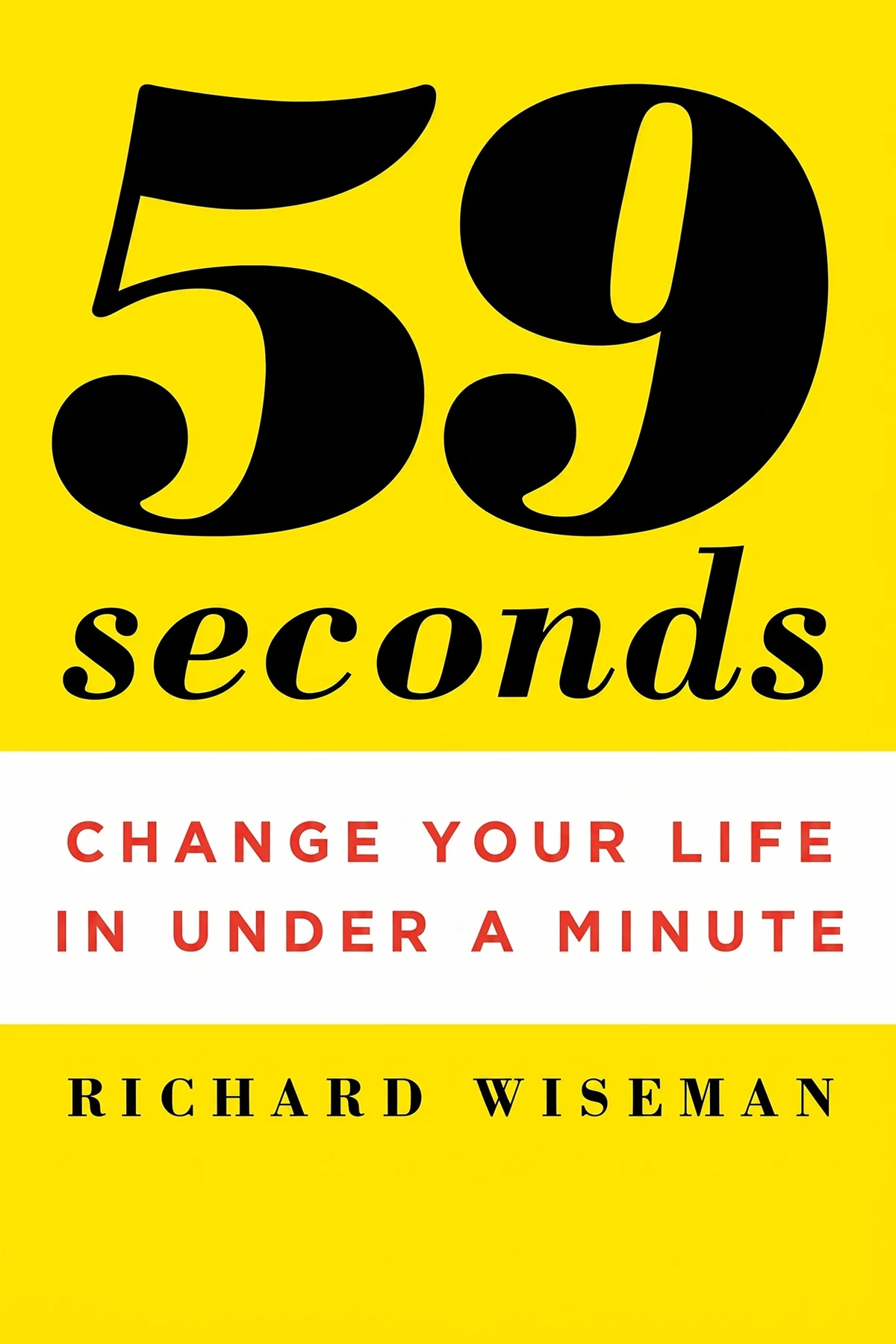
59 Seconds: Change Your Life in Under a Minute
Richard Wiseman

ADHD an A-Z: Figuring It Out Step by Step
Leanne Maskell
AUDIO SUMMARY AVAILABLE
Listen to Bittersweet in 15 minutes
Get the key ideas from Bittersweet by Susan Cain, plus 5,000+ more titles in English and Thai.
- 5,000+ titles
- Listen as much as you want
- 7-day free trial
- Cancel anytime







