
17 min 08 sec
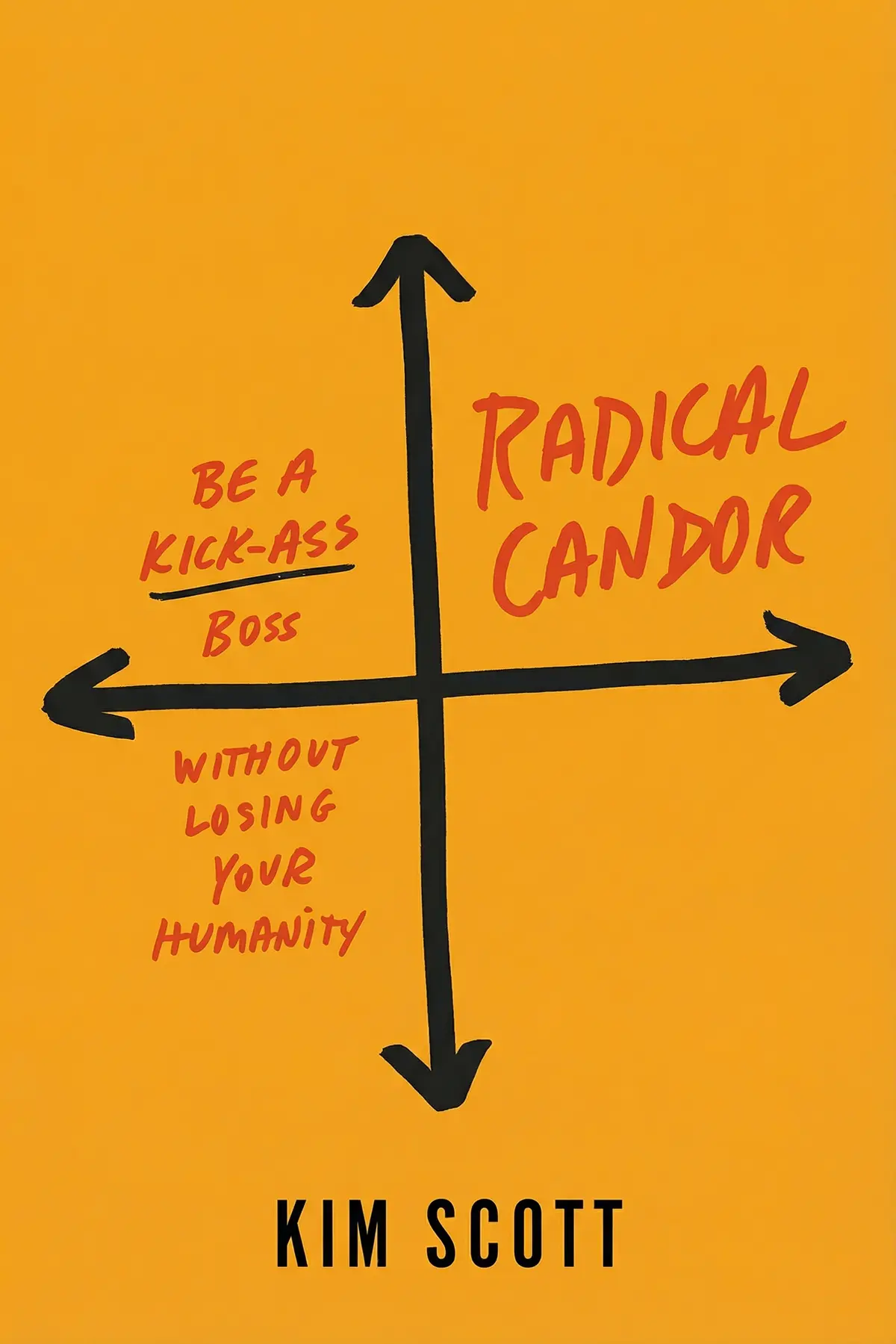
Radical Respect: How to Work Together Better
By Kim Scott
Radical Respect explores how to dismantle toxic workplace cultures by distinguishing between bias, prejudice, bullying, and discrimination, offering practical communication tools to foster an environment of genuine inclusion and collaboration.
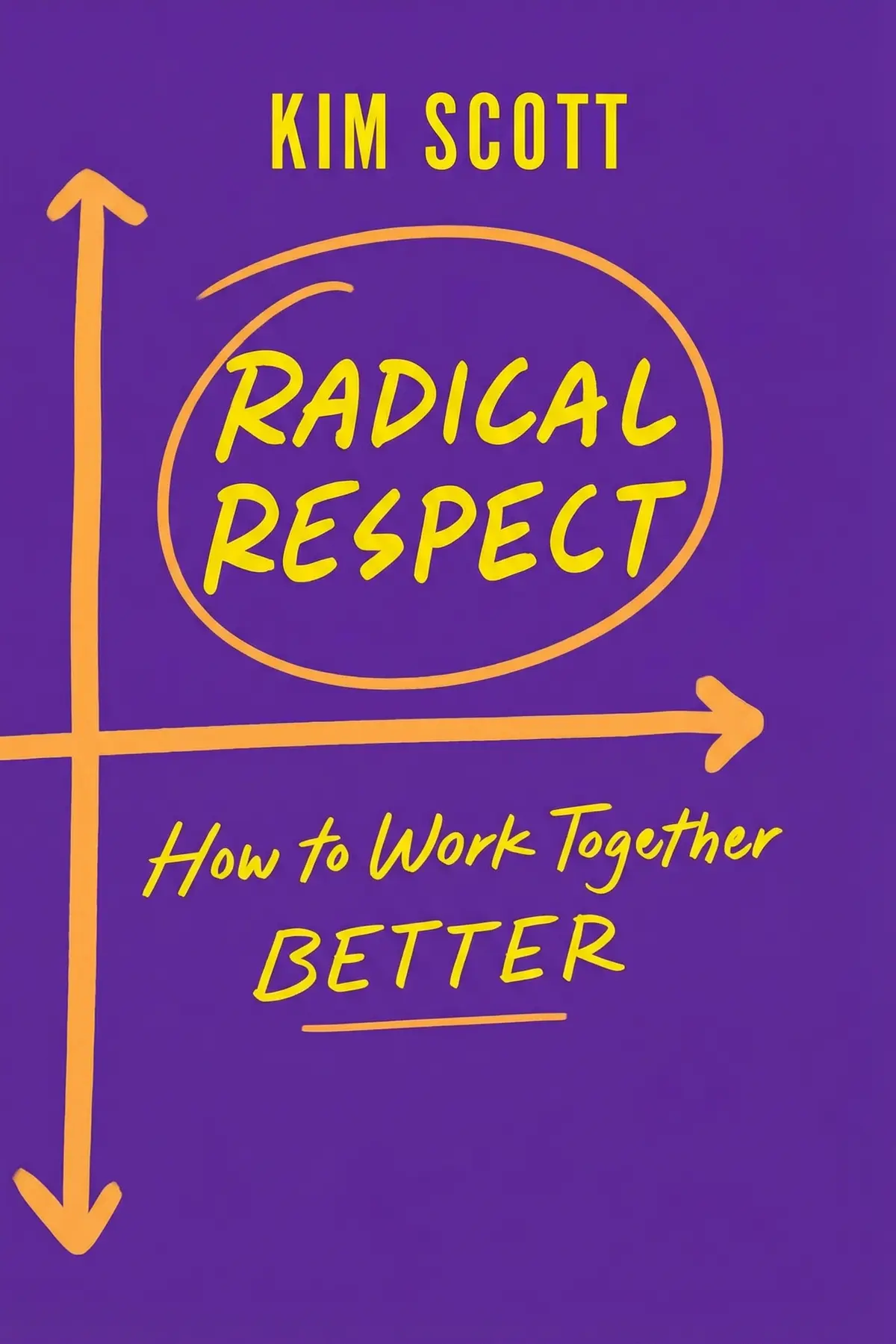
Table of Content
1. Introduction
1 min 50 sec
Have you ever walked into your office and felt an immediate sense of dread? Perhaps it wasn’t one major catastrophe, but a thousand tiny cuts—a dismissive comment here, an unfair promotion there, or a colleague who seems to enjoy putting others down. When we find ourselves in these environments, we often reach for a single, heavy word to describe the situation: toxic. We say the culture is toxic, the boss is toxic, or the team is toxic. But while that word captures the feeling of the environment, it doesn’t actually help us fix it. It’s like saying a patient is sick without identifying whether they have a broken leg or a viral infection. To heal a workplace, we have to move past generalities and get incredibly specific about what is actually going wrong.
In this summary of Kim Scott’s Radical Respect, we are going to look at the different ingredients that make a workplace feel poisonous. Scott argues that toxicity isn’t a single force of nature; it is a combination of distinct behaviors, namely bias, prejudice, bullying, discrimination, and harassment. The breakthrough here is realizing that these behaviors stem from different places in the human mind and, therefore, require different antidotes. What works to stop an unconscious bias will completely fail when applied to a deliberate bully.
Our throughline today is about precision. We will explore how to identify which of these forces is at play in any given moment and learn the specific conversational tools—what Scott calls I-statements, You-statements, and It-statements—to address them effectively. By the end of this journey, you’ll have a clear framework for transforming a culture of disrespect into one of radical respect. This isn’t just about being nice; it’s about creating a high-performing environment where everyone can finally stop looking over their shoulder and start doing their best work together. Let’s dive into how we can start making that shift, beginning with the way we perceive the problems around us.
2. Categorizing the Forces of Disrespect
2 min 09 sec
Discover why labeling a workplace as toxic is only the beginning and how to identify the specific root causes of office tension.
3. Addressing the Subtle Nature of Bias
1 min 52 sec
Learn how unconscious shortcuts lead to unfair outcomes and how simple language shifts can bring these hidden errors to light.
4. Confronting Prejudice and the Lines of Discrimination
2 min 03 sec
Understand the shift from unintentional bias to conscious prejudice and how to set firm boundaries against discriminatory behavior.
5. Stopping the Cycle of Workplace Bullying
2 min 02 sec
Explore why bullying is a distinct form of aggression and how to use objective language to shut down repeat offenders.
6. The Grave Impact of Harassment
1 min 55 sec
Analyze how bullying transforms into harassment and why leaders must take a zero-tolerance approach to protect their teams.
7. The Manager’s Role in Fostering Respect
1 min 48 sec
Discover the heavy responsibility leaders carry in setting the tone and why their silence is often interpreted as permission.
8. The Cumulative Power of Radical Respect
1 min 58 sec
See how small, consistent changes in communication and accountability lead to a high-performing, inclusive organization.
9. Conclusion
1 min 31 sec
We’ve explored the complex landscape of workplace toxicity and discovered that the key to fixing it lies in precision. By breaking down the broad concept of a toxic culture into its specific parts—bias, prejudice, bullying, discrimination, and harassment—we can stop feeling overwhelmed and start taking action. We learned that bias is an unconscious glitch that requires the gentle mirror of an I-statement. We saw that prejudice is a conscious belief that demands the firm boundary of a You-statement. And we understood that bullying and harassment are acts of aggression that must be labeled and rejected using objective It-statements.
The throughline of Radical Respect is that creating a healthy workplace is an active, verbal process. It requires us to pay attention to the power dynamics in the room and to use our voices to protect the dignity of our colleagues. Whether you are an entry-level employee or a senior executive, you have the power to influence the culture around you. The next time you encounter a moment of friction at work, don’t just walk away and call it toxic. Stop and ask yourself: What am I actually seeing here? Is it a mental shortcut, a deep-seated belief, or a play for power? Once you know the answer, use the right statement to address it. By choosing respect over silence, you aren’t just making your office a nicer place to be; you are building a foundation for true excellence and collaboration. Go forth and practice radical respect; your team, and your own peace of mind, will thank you for it.
About this book
What is this book about?
Many professionals describe their workplace as toxic, but that broad label often hides the specific behaviors that cause the damage. This summary of Radical Respect breaks down the distinct forces—bias, prejudice, bullying, discrimination, and harassment—that undermine team cohesion. It explains that while these issues often overlap, they originate from different psychological roots and require unique strategies to resolve. Listeners will learn Kim Scott’s framework for responding to workplace friction using targeted linguistic tools like I-statements, You-statements, and It-statements. The book promises to move beyond vague corporate platitudes about inclusion and provide a concrete roadmap for leaders and employees to build a culture where everyone feels seen, respected, and empowered to do their best work.
Book Information
About the Author
Kim Scott
Kim Scott is a renowned author, speaker, and executive coach known for her innovative approach to leadership and workplace culture. She is the author of the New York Times bestseller Radical Candor (2017). With years of experience as a CEO coach and former executive at Google and Apple, Scott has earned recognition for her transformative ideas on fostering respectful, inclusive, and high-performing work environments.
Ratings & Reviews
Ratings at a glance
What people think
Listeners find the book impactful, with one noting it is an essential read for improving professional connections. They also value the book’s worth relative to its cost.
Top reviews
Ratree
Look, if you want to fix toxic dynamics at work without sounding like a corporate robot, buy this book immediately. Radical Respect takes the foundation of Kim Scott's earlier work and applies it to the much messier world of diversity and inclusion. Not gonna lie, some of the personal stories she shares are hard to read, but that’s the point—workplace harassment is brutal. The book is effective because it moves beyond platitudes and offers a set system for fair pay and promotion tracking. It’s a total must-read for leaders who are tired of 'culture fit' being used as an excuse for exclusion. Personally, I found the chapter on 'upstanding' to be worth the price of the book alone. It’s great value for money if you actually implement the strategies.
Show moreSuphan
Finally, a business book that addresses the 'asshole tax' and gives real scripts for when things get uncomfortable in the boardroom. Kim Scott has produced a spectacular resource that breaks down how to deal with workplace bullying and oblivious exclusion in a way that feels tangible. In my experience, most DEI training is forgettable, but the 'impact vs. intention' framework here is something I’ve already started using with my team. The book is effective because it empowers the 'upstander' to intervene rather than just being a silent bystander. You get a lot of value for money here, especially with the sections on removing stereotype threats during the hiring process. It's a must-read for anyone who wants to ensure their 'culture add' doesn't get crushed by 'culture fit' gatekeeping.
Show moreKiattisak
This isn't just another dry management manual; it’s a toolkit for anyone who actually wants to enjoy their job again. Radical Respect provides excellent value for money by offering a clear path out of the 'code of misogyny' that often stunts career growth. The phrases she suggests, like 'it is a violation of company policy to,' are so much more effective than the vague suggestions I've seen in other DEI books. To be fair, the author’s background is very tech-heavy, but the lessons on collaboration over coercion are universal. I think this is a must-read for better workplace relationships, especially if you’re in a position to influence hiring and promotions. It’s rare to find a book that handles the topic of 'clumsy curiosity' with such grace and practical advice.
Show moreFang
Wow—Scott doesn't pull any punches when describing the institutional betrayal and harassment that still plagues modern offices. This book is a must-read because it moves past the 'color-blind' theory and explains why we must actively see and respect our differences. The strategies for dealing with bullies who 'kiss up and kick down' are among the best I’ve ever read in a business context. I found the book to be highly effective at giving me the confidence to stand up for myself and others. It’s great value for money because it functions as both a memoir and a tactical manual for organizational change. If you want to create a workplace that actually appeals to the 'better angels of our nature,' this is the roadmap you need. Truly impressive work.
Show moreKet
Kim Scott’s follow-up to her previous bestseller is exactly what my office culture needed right now to bridge the gap between performance and empathy. Unlike typical corporate training, this feels more like a guide for human beings who actually care about their colleagues' well-being. I particularly appreciated the specific scripts provided for interrupting bias in real-time meetings. To be fair, some sections feel a bit repetitive, but the value for money is undeniable given the actionable 'bias interrupters' she details. It is a must-read for anyone looking to build better workplace relationships without the usual HR fluff. Scott’s willingness to admit her own leadership failures makes the advice feel grounded rather than preachy. It’s an effective framework for anyone tired of the standard company mandate approach.
Show moreSangduan
Truth is, we’ve all been the perpetrator of bias at some point, and Scott’s vulnerability in admitting her own leadership mistakes makes this a hard but necessary pill to swallow. This book is far more than a company mandate training; it’s a deep exploration of how to foster better workplace relationships through genuine accountability. I found the section on 'white women’s tears' particularly poignant and long over-due in mainstream business literature. While the writing style is a bit dense in places, the strategies for eliminating workplace harassment are top-notch. It’s an effective guide for anyone who felt that Radical Candor needed more nuance regarding power dynamics. Got to say, the practical tips on how to apologize—shut up and listen—are something every manager needs to hear.
Show moreManee
The structure of this book is a bit lopsided, with the most impactful content appearing in the final third, but the 'bias interrupters' are worth the price of admission alone. I struggled with the first few chapters because they felt like a series of disjointed confessions, but once Kim Scott gets into the systemic issues, the book really finds its stride. Frankly, I think it’s an important evolution of her previous ideas, even if the execution is a bit messy at times. It offers a much-needed look at how unchecked power leads to institutional betrayal. The advice on how to gently interrupt an over-talker or ensure quiet voices are heard is incredibly practical for daily use. Not perfect, but certainly a 4-star resource for any serious leader.
Show moreRome
As a professional working outside the United States, I found some of the assumptions here quite jarring, even though the core message is vital. The author seems to believe that her specific American context applies globally, which can feel a bit narrow when you’re dealing with different cultural norms. However, I did appreciate the focus on 'good people in bad systems' that emerges in the final third of the book. It reminded me of the systemic dysfunction shown in 'The Wire,' where the institutional issues are just as important as individual actions. Personally, I think the book is a bit of a mixed bag; the definitions of bias and prejudice are helpful, but the personal anecdotes sometimes overshadow the actual business advice. It’s a decent 3-star read that sparked some good internal debates.
Show moreSaengdao
While the intent behind this rebranding of 'Just Work' is noble, the actual reading experience felt like slogging through a disjointed memoir. I felt that the book couldn’t quite decide if it wanted to be an apology for the holes in Radical Candor or a 101-level textbook on DEI. Some of the advice boils down to 'everyone should just get along,' which feels incredibly reductive when dealing with people who question your very humanity. To be fair, the structure is a bit of a mess, and the author often comes across as a novice in a space where others have been doing deeper work for decades. The content occasionally contradicts itself, leaving the reader confused about whether the focus is on systemic change or individual behavior. It’s an okay read, but far from her best.
Show moreKomsan
I really wanted to enjoy this because I’m an aspiring manager, but the 'bathroom standoff' story was where I had to check out completely. It felt incredibly tone-deaf to demand that a local culture change their religious beliefs just so the author could make a point about gender. Frankly, much of the book reads like a manifesto for white feminism, often ignoring the intersectional complexities that people of color face every day. There is a lot of privilege on display here that went unexamined for far too long. While I appreciated her previous work on candor, this volume feels like a clumsy attempt to address DEI without having a deep understanding of systemic issues. I cringed through several chapters that felt more like a confessional than a helpful business guide. It just didn't work for me.
Show moreReaders also enjoyed
Acting with Power: Why We Are More Powerful Than We Believe
Deborah Gruenfeld
All In: How Great Leaders Build Unstoppable Teams
Mike Michalowicz
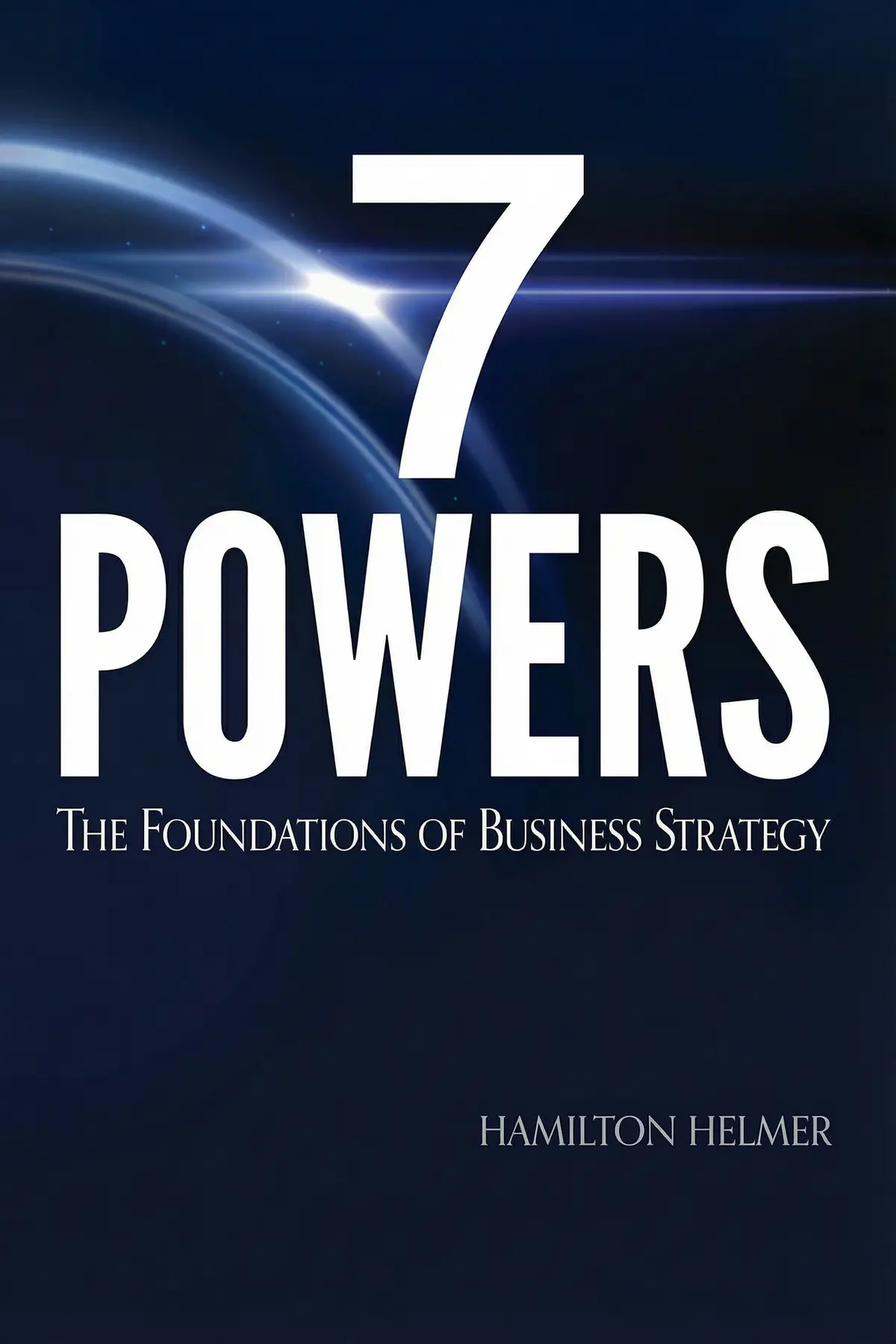
7 Powers: The Foundations of Business Strategy
Hamilton Helmer

A Bigger Prize: How We Can Do Better Than the Competition
Margaret Heffernan
AUDIO SUMMARY AVAILABLE
Listen to Radical Respect in 15 minutes
Get the key ideas from Radical Respect by Kim Scott, plus 5,000+ more titles in English and Thai.
- 5,000+ titles
- Listen as much as you want
- 7-day free trial
- Cancel anytime







