

19 min 20 sec
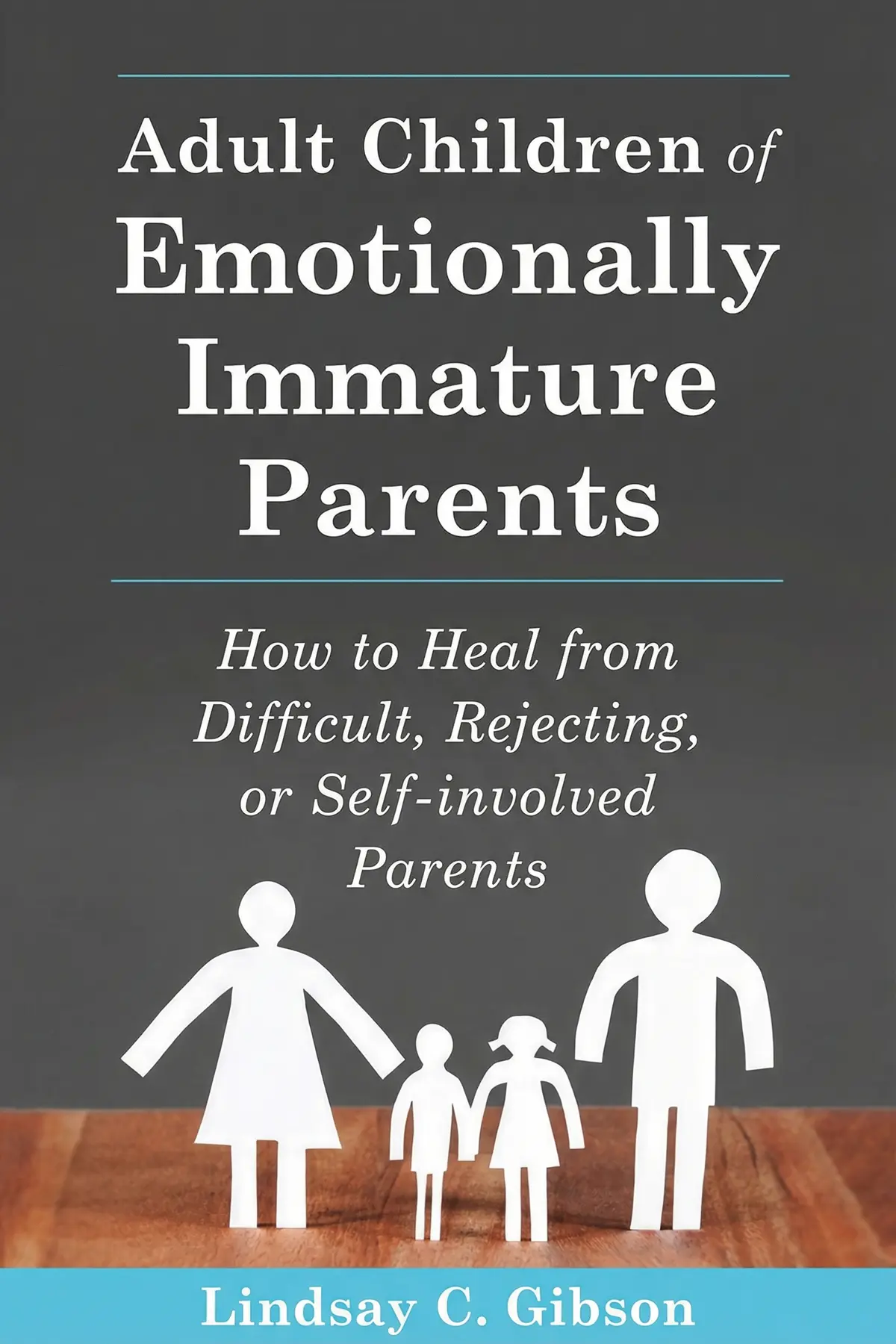
Raising Cain: Protecting the Emotional Life of Boys
Raising Cain explores the internal world of boys, challenging the stereotypes of male emotional detachment. It provides a roadmap for nurturing empathy and resilience in young men navigating a often-hostile social landscape.
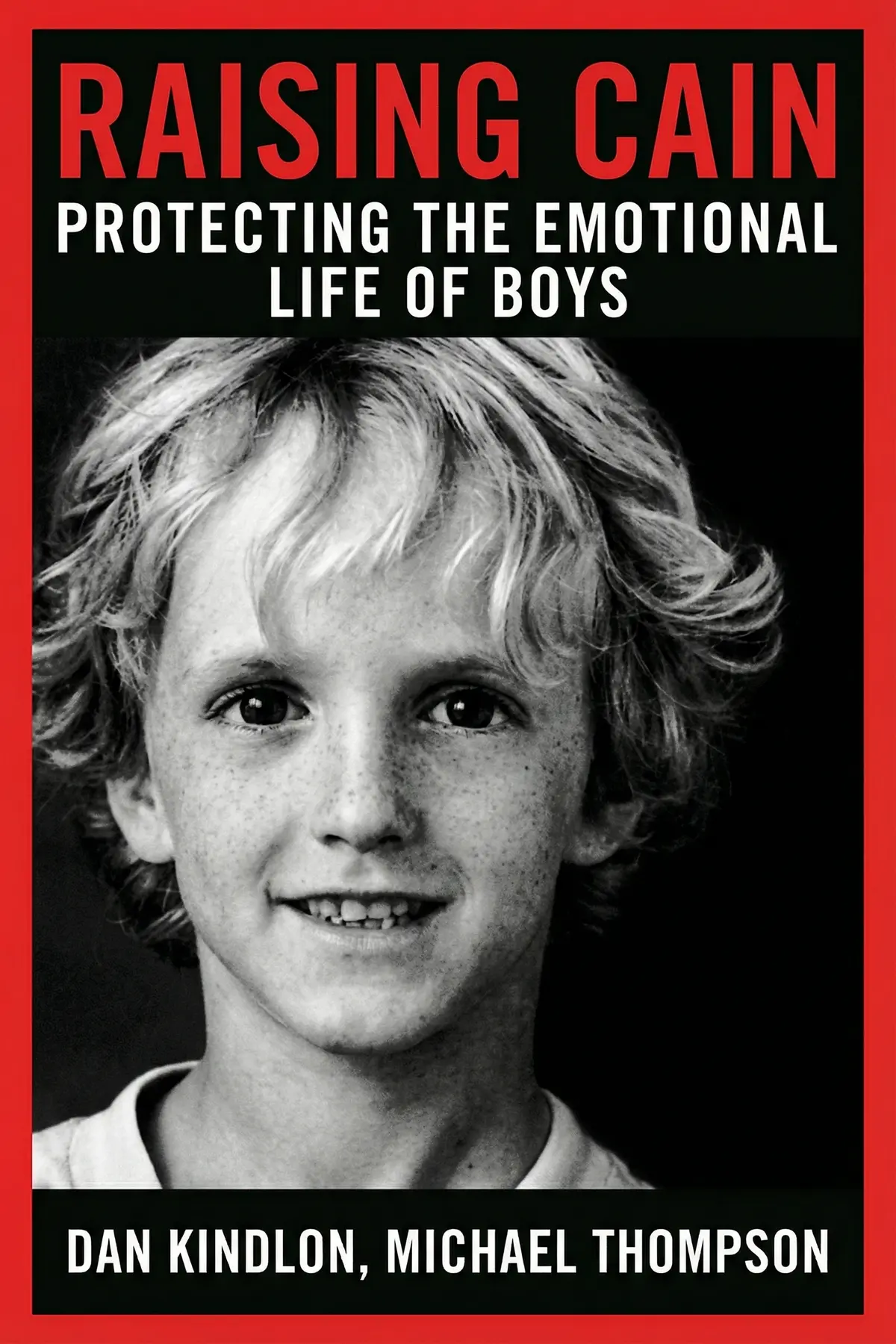
Table of Content
1. Introduction
1 min 57 sec
We have all heard the dismissive phrase, ‘boys will be boys.’ Usually, it is uttered with a shrug when a young man breaks a rule, gets into a scuffle, or acts out in a way that seems disruptive. It suggests that troublesome behavior is simply hardwired into the male DNA—something to be tolerated rather than understood. But what if this perspective is actually doing a profound disservice to the boys we care about? What if, beneath that surface-level aggression or stony silence, there is a rich, complex emotional world that is being systematically ignored or even suppressed by the society around them?
In this exploration of the emotional lives of boys, we are stepping away from the clichés and looking at the reality of growing up male in the modern world. We are going to look at how we, as a society, inadvertently groom boys to be emotionally guarded and the heavy price they pay for this training. From the earliest days in a classroom to the complex social hierarchies of high school and the eventual transition into adult relationships, the journey of a boy is fraught with unique challenges that often go unrecognized.
Through the insights of psychologists Dan Kindlon and Michael Thompson, we will uncover the hidden throughline of a boy’s development. We will see how biological differences in brain development can lead to early academic frustration and why the ‘culture of cruelty’ in schools forces so many young men to retreat into a shell of isolation. We’ll also examine the vital roles that parents play—not just as providers or disciplinarians, but as emotional anchors who can teach their sons that true strength involves vulnerability and empathy. This isn’t just about managing behavior; it’s about protecting the heart and soul of the next generation of men. Let’s begin by looking at the invisible straightjacket that traditional masculinity places on the developing male mind.
2. The Ghost of the Macho Archetype
2 min 02 sec
Society continues to push a narrow and often violent image of what it means to be a man, creating a dangerous template for young boys to follow.
3. Biological Timing and the School Struggle
2 min 08 sec
Early academic challenges for boys are often rooted in a biological developmental lag that the traditional school system fails to accommodate.
4. Surviving the Social Battlefield
1 min 57 sec
The school environment can be a place of immense hidden cruelty, forcing boys to adopt a defensive mask of indifference for their own protection.
5. The Transformative Influence of the Father
1 min 49 sec
An emotionally present father is one of the strongest predictors of a boy’s future stability and his ability to empathize with others.
6. Nurturing the Mother-Son Connection
2 min 03 sec
Despite the social pressure to pull away, boys have a deep and ongoing need for the physical and emotional nurturing provided by their mothers.
7. The Silent Warning Signs of Depression
2 min 00 sec
Male depression often presents as withdrawal or irritability, making it easy to miss the critical distress signals that can lead to tragedy.
8. Emotional Illiteracy in Romantic Relationships
1 min 50 sec
The inability to process emotions often leads to a pattern of defensive and manipulative behavior in a young man’s early romantic life.
9. Breaking the Cycle of Emotional Silence
1 min 45 sec
Allowing boys to have an internal, emotional life is the ultimate key to raising resilient, empathetic, and healthy men.
10. Conclusion
1 min 49 sec
As we conclude our journey through the emotional landscape of boys, the central message of Raising Cain remains clear: boys are not the unfeeling, naturally aggressive creatures that our cultural stereotypes often suggest. Instead, they are deeply emotional beings who are frequently forced into a defensive crouch by a society that values stoicism over vulnerability. We have seen how biological developmental differences can set boys up for early academic failure, and how the harsh social hierarchies of school life can make emotional honesty feel like a dangerous risk. We’ve also seen the immense power of involved parents—fathers who lead with empathy and mothers who refuse to let go of their nurturing role—to change the trajectory of a boy’s life.
The throughline of this summary is the urgent need for ’emotional literacy.’ When we allow boys to have an internal life and provide them with the language to express it, we help them move from a state of fear and isolation to one of connection and resilience. We move past the limitations of the ‘macho’ archetype and open the door to a more authentic and healthy version of manhood.
As you move forward, think about the boys in your own life—your sons, students, or nephews. The next time you see a boy acting out or withdrawing into silence, remember that there is likely a complex emotional reason behind it. Encourage them to speak about their feelings, listen without judgment, and show them that true strength is found in the courage to be oneself. By protecting their emotional lives today, we are ensuring they grow into the compassionate, stable, and empathetic men of tomorrow. Thank you for listening to this BookBits summary.
About this book
What is this book about?
Raising Cain addresses the silent struggle of the modern boy, who is often trapped behind a mask of toughness and stoicism. Authors Dan Kindlon and Michael Thompson reveal that the behavioral issues frequently associated with young men are not merely inevitable traits of 'being a boy,' but are often reactions to a culture that discourages emotional vulnerability. The book dives into the biological developmental differences between boys and girls, the harsh social hierarchies found in schools, and the pivotal roles that both mothers and fathers play in a son's emotional growth. By examining the pressures of masculine stereotypes and the risk of isolation, the authors offer a compassionate look at why boys act out or shut down. The promise of this work is to help parents and educators move beyond the 'strong and silent' archetype to foster a generation of men who are emotionally literate, psychologically stable, and capable of forming deep, meaningful connections. It provides actionable insights into managing discipline, encouraging communication, and recognizing the warning signs of serious distress.
Book Information
About the Author
Dan Kindlon
Michael Thompson, PhD, is a family psychologist based in Cambridge, Massachusetts. He is a New York Times best-selling author who has offered his counseling skills to thousands of schools around the world. His other books include Homesick and Happy and The Pressured Child. Dan Kindlon, PhD, is a leading child psychologist who has taught at Harvard University for over 15 years. He specializes in treating learning and behavioral disorders in children and young adults. His other books include Tough Times, Strong Children.
Ratings & Reviews
Ratings at a glance
What people think
Listeners find that this work offers a more profound insight into the emotional inner lives of boys and serves as an excellent resource for both educators and parents. The writing is clear and approachable, and one listener remarked on its conversational style. Listeners value the instructions on cultivating emotional literacy and describe the narrative as captivating, with one review noting that it conjures up memories of their own childhood. The pacing receives high marks, and one listener characterized the book as riveting.
Top reviews
Bond
After hearing about this book for years, I finally dove in, and the perspective on emotional literacy is nothing short of eye-opening. The authors write with a conversational tone that makes heavy psychological concepts feel accessible to anyone. Personally, reading about the 'culture of cruelty' brought back visceral childhood memories of trying to fit into a rigid masculine mold. It's a riveting exploration of how we inadvertently teach boys to silence their inner lives. While the pacing is excellent, the real value is in the empathy it builds for the young men in our lives. Every parent should have a copy on their shelf.
Show moreDao
Ever wonder why the men in your life struggle to articulate their feelings or just say 'I’m fine' when they are clearly hurting? Raising Cain provides the answer by dissecting the emotional muzzling that begins in early childhood. The writing is incredibly easy to read, yet it dives deep into the high costs of harsh discipline and the 'macho' image society forces upon boys. I appreciated how Kindlon and Thompson didn't just blame parents but looked at the broader culture of cruelty. It’s a fascinating narrative that helped me understand my husband and father just as much as my son. Truly a great tool.
Show moreHana
Wow, this was a powerful read that completely reframed how I look at masculinity and the way we raise our sons. The truth is, we often expect boys to be 'little men' before they even have the linguistic skills to understand their own emotions. This book serves as a bridge, helping parents foster the emotional literacy that our culture so often tries to stomp out. I found the pacing to be excellent—it never felt like a slog, which is rare for a book written by two PhDs. It’s a compassionate, necessary look at the hidden struggles of being a boy in a cruel world.
Show moreSiriporn
The chapter on school environments really struck a chord with me, especially the discussion on how boys develop impulse control differently than girls. As someone who has always felt that schools can be unintentionally 'feminized' spaces, it was refreshing to see professional psychologists acknowledge this. They argue that we often label boys as 'bad' simply because they are more physically active or linguistically behind their female peers at a young age. My only gripe is that the case studies can feel a bit repetitive after a while. Still, the insight into how we 'toughen up' boys far too early is a vital lesson for any educator.
Show moreJames
As an educator, I see these exact dynamics playing out in my classroom every single day, and this book gave me the language to address them. We are often so quick to punish boys for their lack of impulse control without realizing that they are navigating a society that treats any sign of vulnerability as a weakness. The authors do a fantastic job of explaining why boys retreat into silence or aggression. Look, it’s not a perfect 'how-to' manual, but the psychological depth provided is invaluable. It’s a call to action for us to be more attuned to the inner lives of our male students.
Show moreAnucha
Not what I expected, but in a good way; I thought this would be a dry academic text, but it’s actually quite riveting. The narrative flows smoothly, moving between psychological theory and real-life stories that keep you turning the pages. I found the section on adolescent sexuality particularly frank and necessary, as it’s a topic many parenting books avoid. To be fair, some of the conclusions about the 'feminization' of school felt slightly overstated to me. However, the core message about protecting a boy's emotional life is something I haven't been able to stop thinking about since I finished it.
Show moreDek
To be fair, Kindlon and Thompson have some valid points about the 'culture of cruelty' that surrounds boys, even if they occasionally veer into hyperbole. I particularly enjoyed the discussion on how fathers, who are often emotionally illiterate themselves, struggle to connect with their sons. It’s a cycle that needs to be broken. Although I wish there were more 'average' boys represented in the case studies, the lessons on building an emotional vocabulary are still universal. It’s a thoughtful book that encourages you to look past the 'tough guy' exterior and see the human being underneath. Well worth the time.
Show moreHannah
Picked this up because I’m raising two young sons and wanted to be proactive, but I have mixed feelings about the final product. On one hand, the call for emotional literacy is essential and the authors make a compelling case against physical discipline. On the other hand, the book leans so heavily on extreme examples like Columbine that it feels a bit dated and fear-driven. Are all boys really one 'toughen up' comment away from a crisis? I think the reality is more multifactorial than the authors suggest. It's a decent read for the theory, but take the alarmist tone with a grain of salt.
Show moreChon
Frankly, I found this volume more depressing than helpful for the average parent. The authors are clearly talented psychologists, but they seem to have spent too much time with deeply troubled patients and lost sight of the mainstream boy. It felt like I was reading a series of horror stories about adolescent violence and drug abuse rather than a guide for raising a healthy child. Where are the constructive suggestions for those of us not looking for therapy? It's heavy-handed with the alarmist conclusions but offers very little in the way of concrete, day-to-day solutions. I was looking for a toolkit, but I got a case file instead.
Show moreHenry
While the writing is conversational and easy to follow, the content left me wanting more actual parenting advice. It feels like the authors are talking to other therapists rather than to a mom or dad in the trenches. Most of the book is spent diagnosing the 'boy problem' through a series of very sad, very specific case studies of troubled teens. If your son isn't already in a state of crisis, you might find yourself wondering how this applies to your life. I didn't find the 'preventative' suggestions to be nearly as robust as the title would lead you to believe.
Show moreFeatured in
Readers also enjoyed

AUDIO SUMMARY AVAILABLE
Listen to Raising Cain in 15 minutes
Get the key ideas from Raising Cain by Dan Kindlon, plus 5,000+ more titles in English and Thai.
- 5,000+ titles
- Listen as much as you want
- 7-day free trial
- Cancel anytime







