
20 min 26 sec
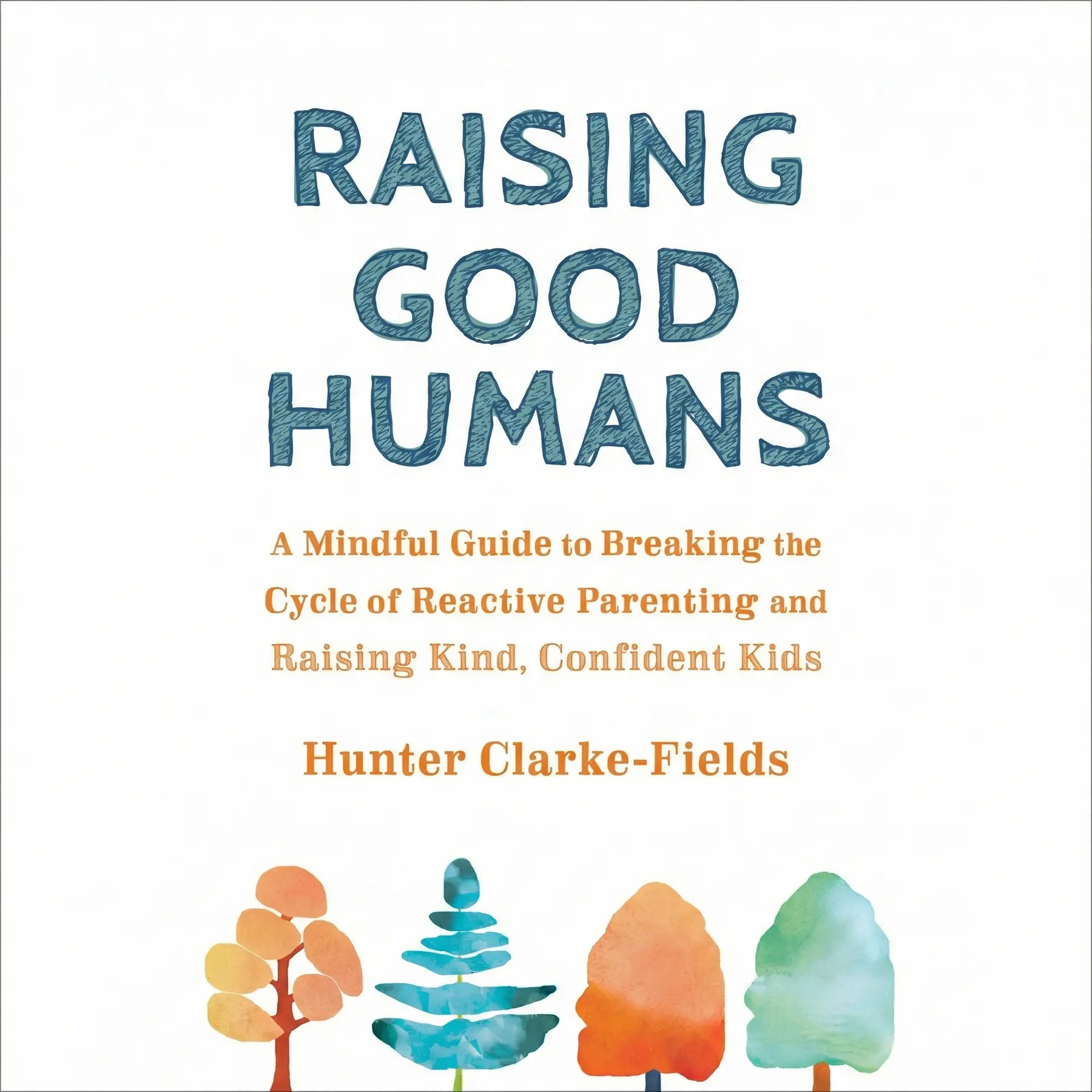
Raising Good Humans: A Mindful Guide to Breaking the Cycle of Reactive Parenting and Raising Kind, Confident Kids
Discover how to break the cycle of reactive parenting by mastering mindfulness. This guide provides practical tools for emotional regulation, compassionate communication, and building deep, lasting connections with your children.
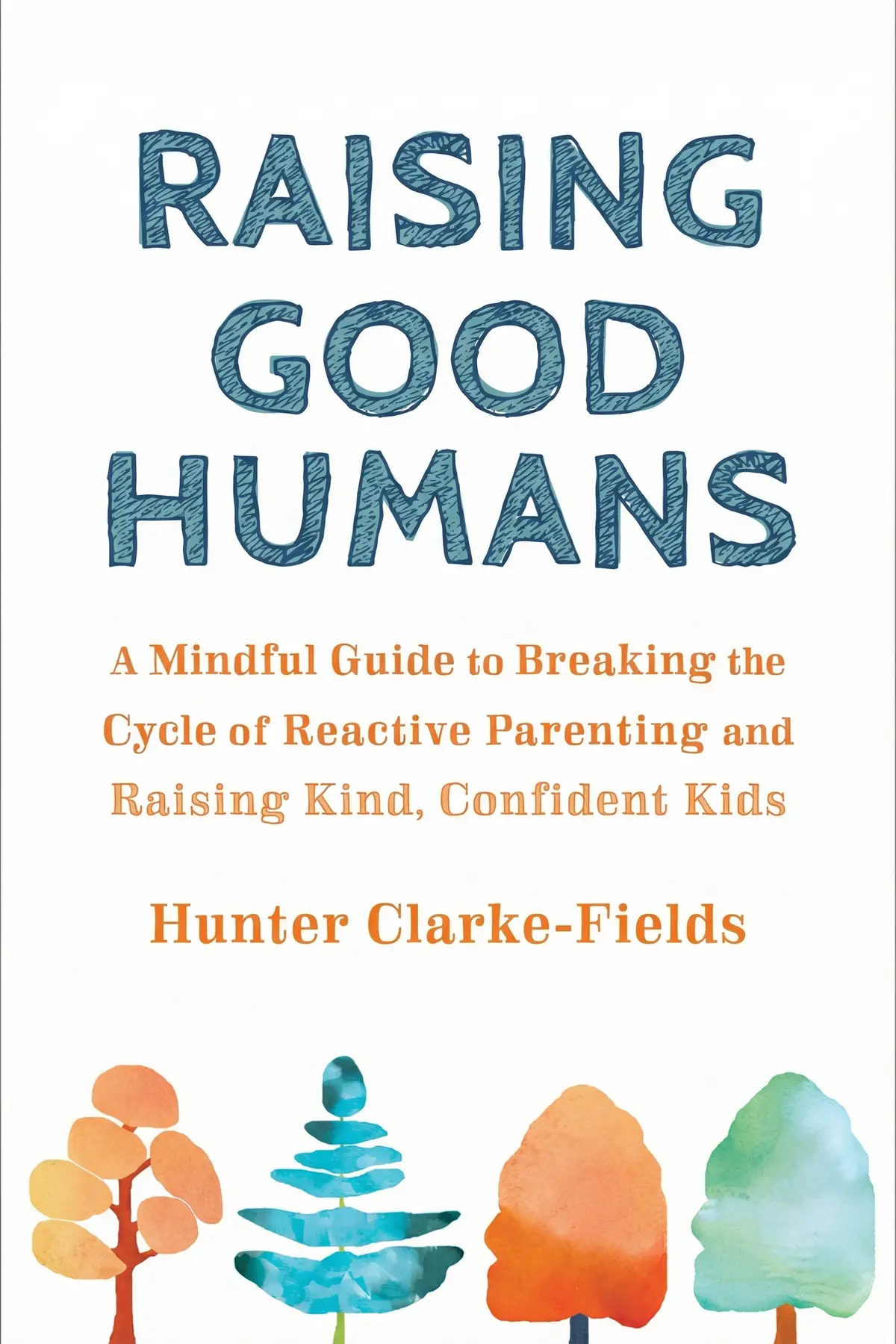
Table of Content
1. Introduction
1 min 38 sec
We’ve all been there. You’ve had a long day, you’re trying to get dinner on the table, and suddenly your child does the one thing they know they aren’t supposed to do. Before you even realize what’s happening, you’re yelling. The anger feels like a physical wave, and once it crashes, you’re left with a sinking feeling of guilt and regret. You promised yourself you wouldn’t be a ‘yeller,’ yet here you are, repeating the same patterns you likely witnessed in your own childhood. It’s a frustrating cycle, and it can make parenting feel like a constant battle of wills rather than a source of joy.
But there is a different way. The core throughline of this summary is that becoming a better parent doesn’t start with changing your child; it starts with changing yourself. By learning to navigate your own internal world, you can transform the external world of your family. This isn’t about being a perfect, zen-like saint who never gets frustrated. It’s about building the skills to notice your frustration before it turns into a reaction. It’s about healing the parts of yourself that are easily triggered and learning how to communicate in a way that actually invites cooperation.
In the following minutes, we are going to explore a path toward mindful parenting. We’ll look at the actual biology of why we lose our cool and how we can literally reshape our brains to stay calm under pressure. We’ll dive into strategies for effective communication that move beyond shouting and into true understanding. By the end, you’ll have a toolkit for breaking the negative generational cycles that may have been passed down to you, allowing you to raise kind, confident, and resilient humans while finding more peace in your own daily life. Let’s begin this journey of self-discovery and connection.
2. Understanding the Brain's Stress Response
2 min 10 sec
Have you ever wondered why you lose the ability to think straight when your child misbehaves? It all comes down to a tiny part of your brain.
3. The Power of Mindfulness in Rewiring Your Brain
2 min 16 sec
Can a few minutes of presence actually change your physical brain structure? Science suggests that consistent mindfulness practice does exactly that.
4. Uncovering Generational Triggers
2 min 01 sec
Our strongest reactions often have less to do with our children’s behavior and more to do with our own past experiences.
5. Mastering the Art of Self-Compassionate Talk
2 min 13 sec
How you speak to yourself in your moments of failure determines how you will treat your child when they struggle.
6. Naming Emotions to Tame the Reactivity
2 min 17 sec
The simple act of labeling a feeling can be the difference between a total meltdown and a moment of connection.
7. The Magic of Reflective Listening
1 min 58 sec
True communication isn’t about having the right answers; it’s about making the other person feel truly heard.
8. Communicating Needs with Honesty and Vulnerability
2 min 00 sec
How do you express your own frustrations without attacking your child’s character? The secret is in the ‘I’ message.
9. Resolving Conflict Through Cooperation
2 min 02 sec
What if conflict wasn’t something to be avoided, but an opportunity to teach your children essential life skills?
10. Conclusion
1 min 51 sec
As we wrap up this exploration of mindful parenting, remember that this is a practice, not a destination. There will be days when you lose your cool, and there will be moments when you fall back into old patterns. That is part of the journey. The goal isn’t to be perfect; it’s to be aware. Every time you catch yourself before a reaction, every time you choose a kind word over a harsh one, and every time you truly listen to your child, you are doing the work. You are literally rewiring your brain and building a different future for your family.
The throughline we’ve followed today is clear: by mastering your own internal state, you become the calm center in your child’s storm. You’ve learned that your reactions are often biological echoes of your own past, and that through mindfulness, you can gain the power to choose a different response. You’ve explored the importance of self-compassion, the strength found in naming emotions, and the profound connection that comes from reflective listening and collaborative problem-solving.
So, as you step back into your daily life, try to carry one small piece of this with you. Perhaps it’s just the commitment to take three deep breaths before responding to a challenge. Or maybe it’s the intention to use an ‘I’ message the next time you feel frustrated. These small shifts, practiced consistently over time, create a massive transformation. You aren’t just ‘managing’ your kids; you are raising good humans who will go out into the world with the emotional intelligence and kindness you’ve modeled for them. You have the tools to break the cycle and build a home filled with genuine connection and joy. The practice begins with the next breath.
About this book
What is this book about?
Raising Good Humans is a transformative roadmap for parents who want to stop the cycle of yelling and start leading with patience and presence. It addresses the reality that many of us parent based on the patterns we inherited, often reacting with anger or frustration when our children push our buttons. This book promises to show you how to interrupt those automatic responses using the science of mindfulness. By understanding the biological triggers in your brain and healing your own emotional wounds, you can create a more peaceful home environment. The book explores how to use reflective listening and non-judgmental communication to foster cooperation rather than conflict. Ultimately, it’s about shifting your focus from controlling your child’s behavior to managing your own reactions, which naturally leads to a more joyful and connected family dynamic.
Book Information
About the Author
Hunter Clarke-Fields
Hunter Clarke-Fields is the “Mindful Mama Mentor” on a mission to end negative generational patterns. Combining her 20 years of experience in meditation and yoga with her personal journey as a mom, Clarke-Fields guides parents toward taking control over their reactionary behavior to become skillful in their caregiving role.
Ratings & Reviews
Ratings at a glance
What people think
Listeners find this title to be a vital read, praising its hands-on parenting methods that enable them to be more mindful and capable in their roles. The material is accessible and simple to apply, providing comprehensive insights alongside useful daily exercises. Listeners value the mindfulness techniques for maintaining composure and its guidance in identifying the source of parental struggles, with one listener highlighting how it has revolutionized their reactive home.
Top reviews
Emily
Wow. Hunter Clarke-Fields has really changed the game in our house with this approach. I used to think parenting books were just about managing my child's tantrums, but this focuses entirely on the parent’s own reactive triggers. The truth is, my home was a constant cycle of shouting and regret until I started practicing the mindfulness tips laid out here. It is definitely more of a 'mind shift' than a list of quick fixes, which might frustrate some people looking for an immediate solution. You have to be willing to dig deep and be vulnerable with your own shortcomings. I especially loved the section on breaking the cycle of generational patterns that we often mindlessly repeat. It has helped me become much more present and effective during those high-stress moments before school. If you want a more peaceful and connected relationship with your kids, this is a must-read that I’ll be returning to for years.
Show morePatchara
The truth is, I didn't think I needed a 'mindful' guide until I saw my own frustrated reactions reflected in these pages. This book has completely revolutionized my reactive home. We were in a constant state of conflict, and I felt like I was failing every single day. Hunter Clarke-Fields doesn't just give you scripts; she gives you a way to change your internal state so you don't need a script. By practicing the meditation techniques, I've learned how to keep my cool even when the milk is spilled or the homework is ignored. The chapter on setting limits without being a drill sergeant was a total epiphany for me. It’s a deep dive into self-growth that happens to make you a better parent in the process. I’ve recommended this to every mom in my playgroup because the shift in our household dynamic has been nothing short of miraculous.
Show moreClara
Rarely do I find a parenting book that focuses so heavily on the parent's internal state rather than just controlling the child's behavior. This should honestly be called 'How to be a Good Human' because the lessons apply to every relationship in my life, not just my kids. I love how Hunter shares her own struggles and triumphs so openly. It made me feel less alone in my failures. The book is incredibly practical and the exercises are designed to be integrated into a busy life, even if you only have five minutes. I’ve noticed a huge difference in my patience levels since I started the breathing practices. It’s about being the human you want your children to become, which is a powerful and humbling perspective. I’m already planning on a second read-through to catch the things I missed the first time.
Show moreAnawin
Ever wonder why you're constantly snapping at your kids even when you promised yourself you'd stay calm? This book addresses that exact problem by framing mindfulness as a literal 'superpower' for parents. The first half is almost entirely about meditation and self-regulation, which felt a little slow at times because I was itching for practical discipline tips. However, once I got to the second half, everything clicked. The concepts of reflective listening and describing situations without judgment have made a noticeable difference in how my kids respond to me. I gotta say, threading the needle between being an authoritarian and being too permissive is a tough balance, but Hunter provides a clear roadmap. My only real gripe is that it feels a bit similar to 'The Whole-Brain Child' or 'Simplicity Parenting.' If you have already read those, you might find some of this redundant, but the specific exercises make it worth the shelf space.
Show moreUdom
After hearing so much buzz about 'Raising Good Humans,' I finally sat down with it this month. It’s an incredibly easy read, written in a tone that feels like you're talking to a supportive friend rather than a clinical psychologist. What I appreciated most were the writing prompts and reflection exercises scattered throughout the chapters. They forced me to stop and actually think about my behaviors instead of just skimming through the pages. Not gonna lie, some of the meditation stuff felt a bit 'woo-woo' at first, but once I applied it during a toddler meltdown, I saw the value. It helps you realize the root of your parenting issues isn't the kid; it's often your own unresolved baggage. While I found some of the advice a bit repetitive, the focus on being a 'good human' yourself is a message every parent needs to hear.
Show moreLena
As someone who has struggled with irritability for years, this was a refreshing take on discipline. Instead of focusing on how to change the child, the author focuses on how to change the parent’s perspective. I found the sections on mindful listening to be the most impactful for our family. It’s amazing how much kids settle down when they feel truly heard and understood without judgment. To be fair, if you are looking for a manual on how to handle specific behaviors like biting or sleep training, this isn't it. It’s more of a philosophical shift. I did find the structure a bit annoying, as it’s designed to be read very slowly with weekly homework. I ended up reading it straight through and then going back to the exercises, which worked better for me. It's a great starting point for anyone new to the gentle parenting method.
Show moreWilliam
Picked this up on a whim and was pleasantly surprised by how accessible the writing style is. It’s not a 'how-to' guide for quick fixes, but rather a guide for a total mind shift. I especially appreciated the part about threading the needle between authoritarian and permissive parenting styles. It’s so easy to swing from one extreme to the other when you’re stressed out. The chapter on playful limit-setting was a highlight for me, as it added some much-needed lightness to our daily routine. While some of the mindfulness exercises felt a bit repetitive by the end, the core message is vital. It’s a great reminder that our children are watching how we handle our own emotions more than they are listening to our lectures. Definitely a worthwhile read for any parent looking to stop the yelling and start the connecting.
Show moreDiego
This book comes with a bit of a hidden agenda, which I only realized after reading the subtitle carefully. It is essentially a meditation guide disguised as a parenting book. While I'm not against mindfulness, I didn't expect half the book to be dedicated to 'sitting on the cushion' and breath work. Frankly, as a busy parent of three, finding time for a week-long exercise at the end of every chapter felt like an impossible task. The author suggests reading it slowly over a long period, but I prefer a comprehensive action plan I can reference all at once. The second half, which deals with mindful listening and setting limits playfully, was much more my speed and quite helpful. It's good advice, though nothing particularly revolutionary if you've been in the gentle parenting world for a while. It’s a solid three stars for the practical second half, even if the first half felt like a slog.
Show moreYui
Look, the advice here is solid, but the pacing felt a little off for my personal reading style. I felt like the book spent way too much time convincing me that mindfulness is important. If I bought the book, I'm already interested in the topic! I would have preferred more concrete examples of how to handle specific daily struggles rather than 100 pages on why I should meditate. In my experience, while meditation helps, it isn't the silver bullet the author makes it out to be. There were times when the tone felt a bit repetitive, almost like a collection of blog posts stitched together. That said, the tips on 'reflective listening' are pure gold and have helped me de-escalate several arguments with my ten-year-old. It's a good book, just not the life-changing experience I was led to believe by the five-star reviews.
Show moreElena
To be fair, I was expecting a handbook of strategies for my toddler, not a manual for Buddhist-lite meditation. I'm sure this works for some people, but I personally didn't take much away from it. I've tried meditation for months in the past and never felt it did much for my temper. This book spends way too much time on 'mindfulness' as a superpower and not enough time on the actual logistics of parenting. If you've already read books like 'Peaceful Parent, Happy Kids,' you've already seen all the useful parts of this book elsewhere. It felt like a rehash of better-known titles with a heavy dose of meditation fluff added in. It’s not that the advice is bad—it’s just that it’s buried under 50% of content that didn't feel relevant to my needs as a parent. Not the right fit for me.
Show moreReaders also enjoyed
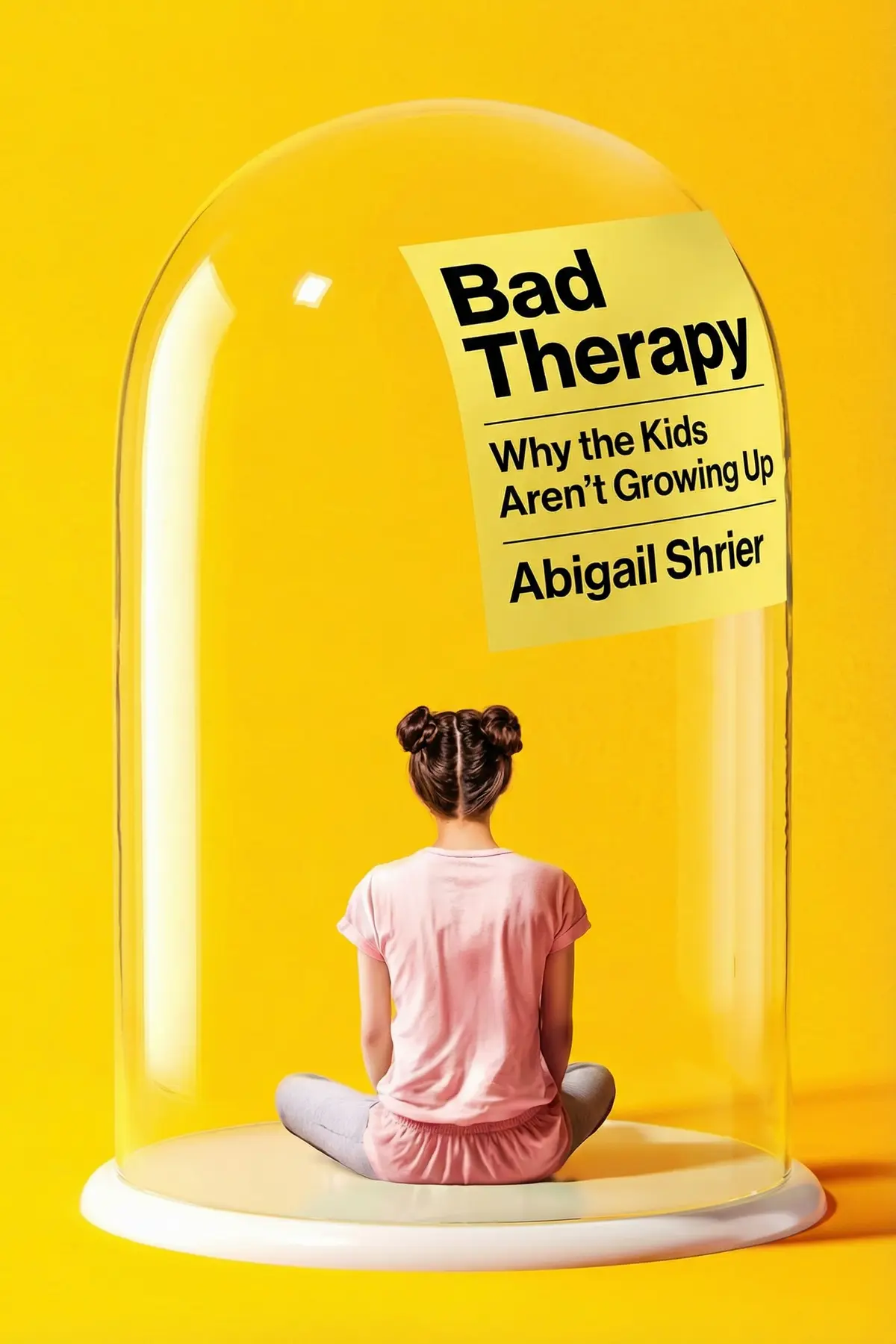
Bad Therapy: Why the Kids Aren't Growing Up
Abigail Shrier
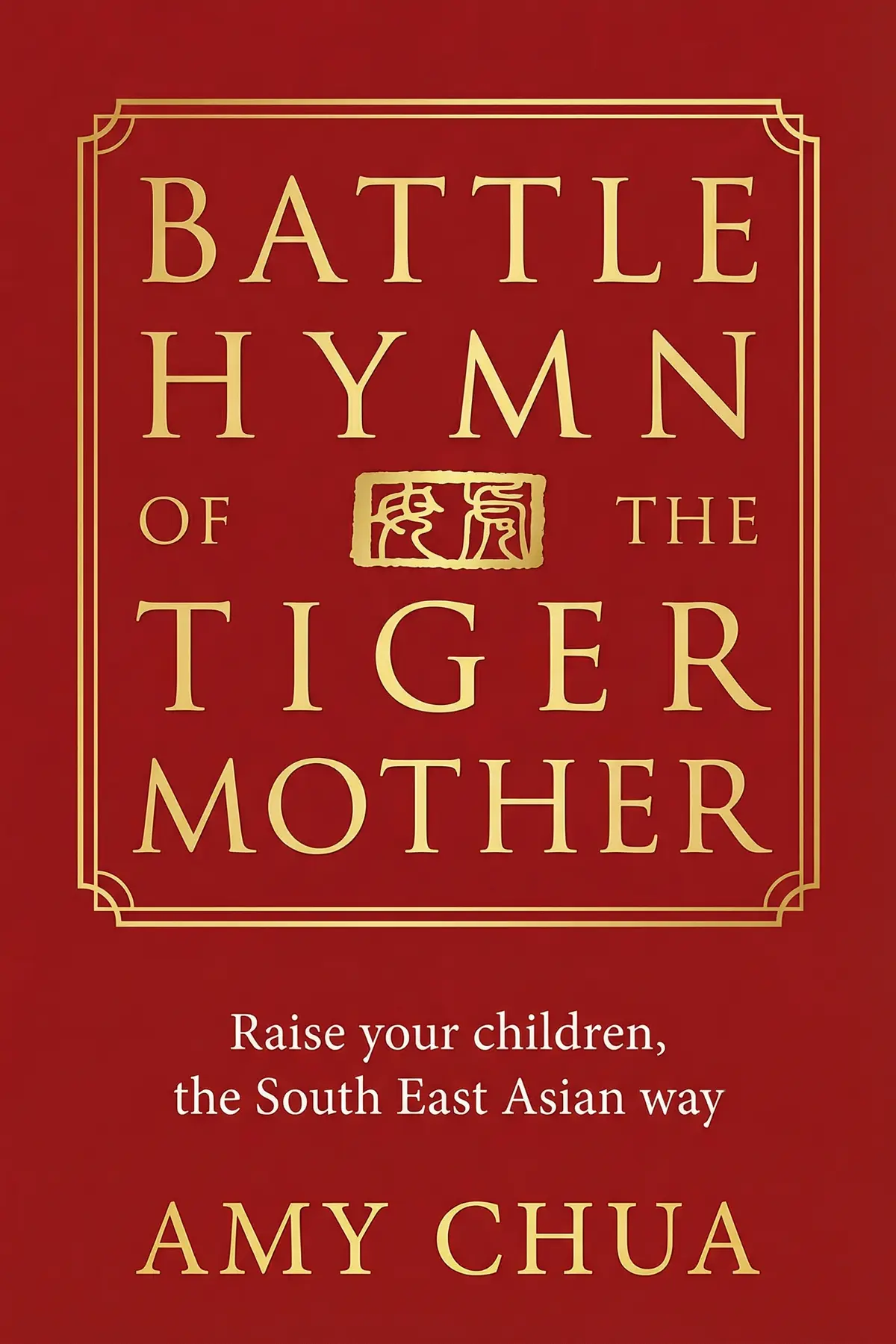
Battle Hymn of the Tiger Mother
Amy Chua
Dear Ijeawele, or A Feminist Manifesto in Fifteen Suggestions
Chimamanda Ngozi Adichie
AUDIO SUMMARY AVAILABLE
Listen to Raising Good Humans in 15 minutes
Get the key ideas from Raising Good Humans by Hunter Clarke-Fields, plus 5,000+ more titles in English and Thai.
- 5,000+ titles
- Listen as much as you want
- 7-day free trial
- Cancel anytime







