
16 min 21 sec
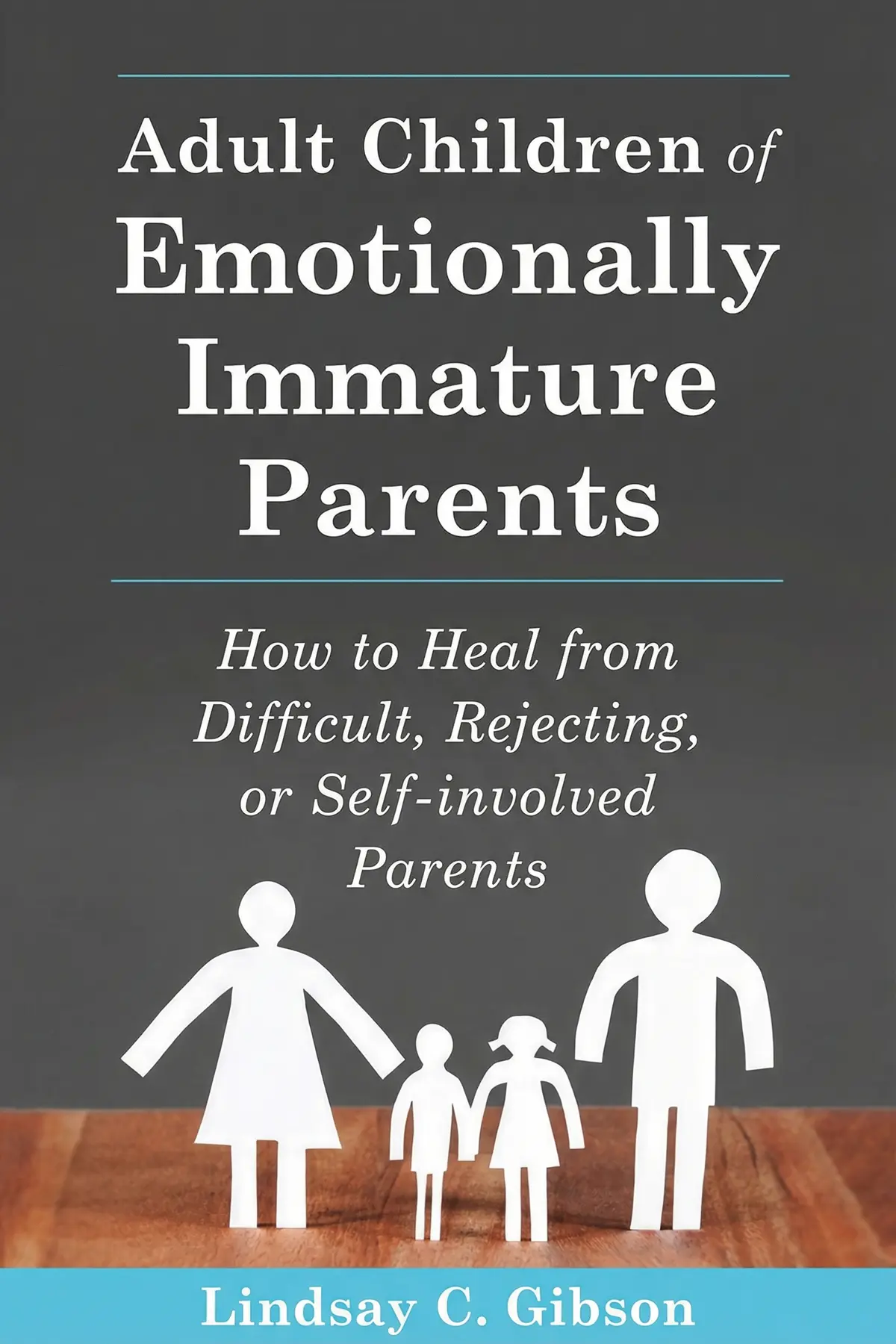
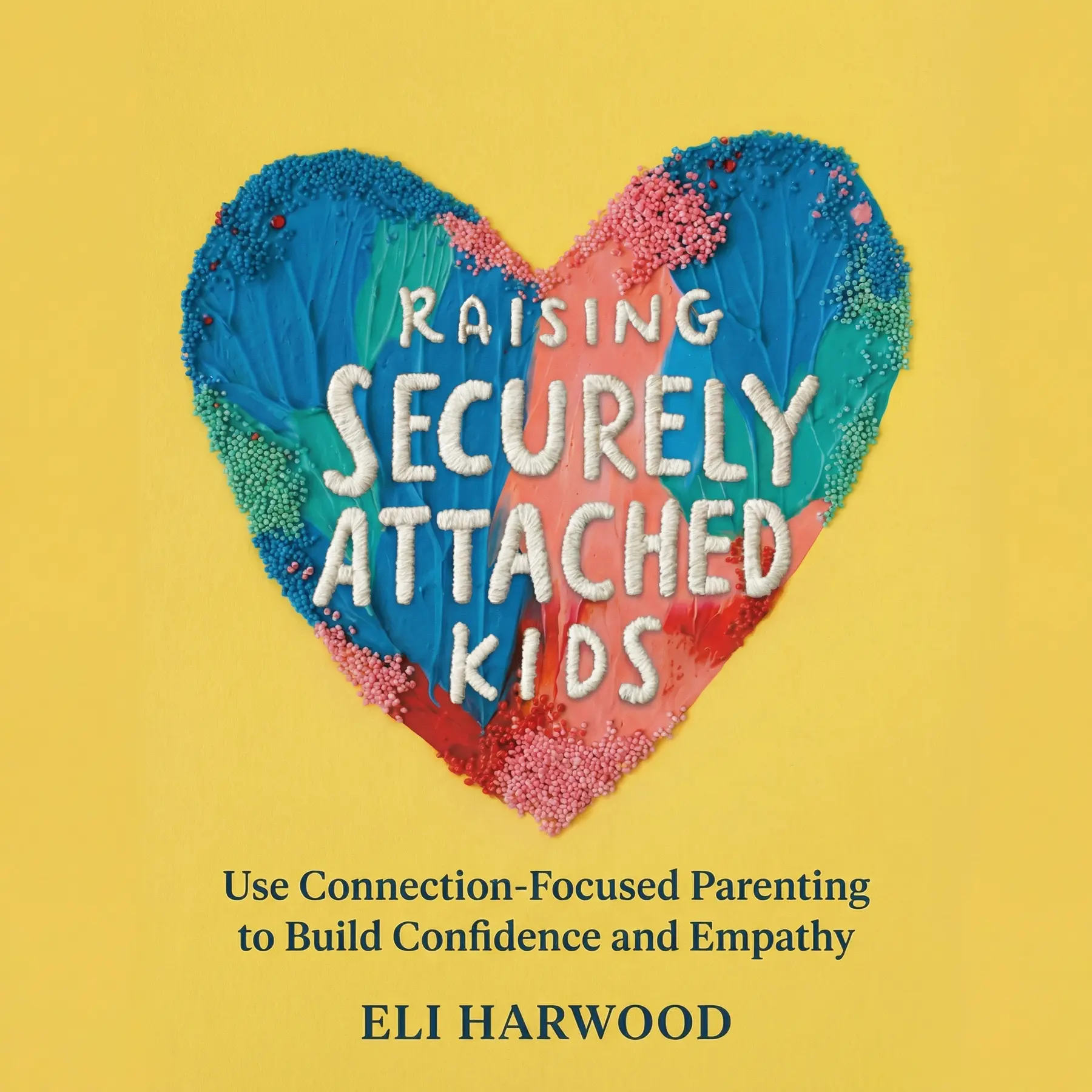
Raising Securely Attached Kids: Use Connection-Focused Parenting to Build Confidence and Empathy
By Eli Harwood
A comprehensive guide to parenting through attachment theory, focusing on building deep emotional bonds that foster resilience, empathy, and long-term security in children through connection rather than control.
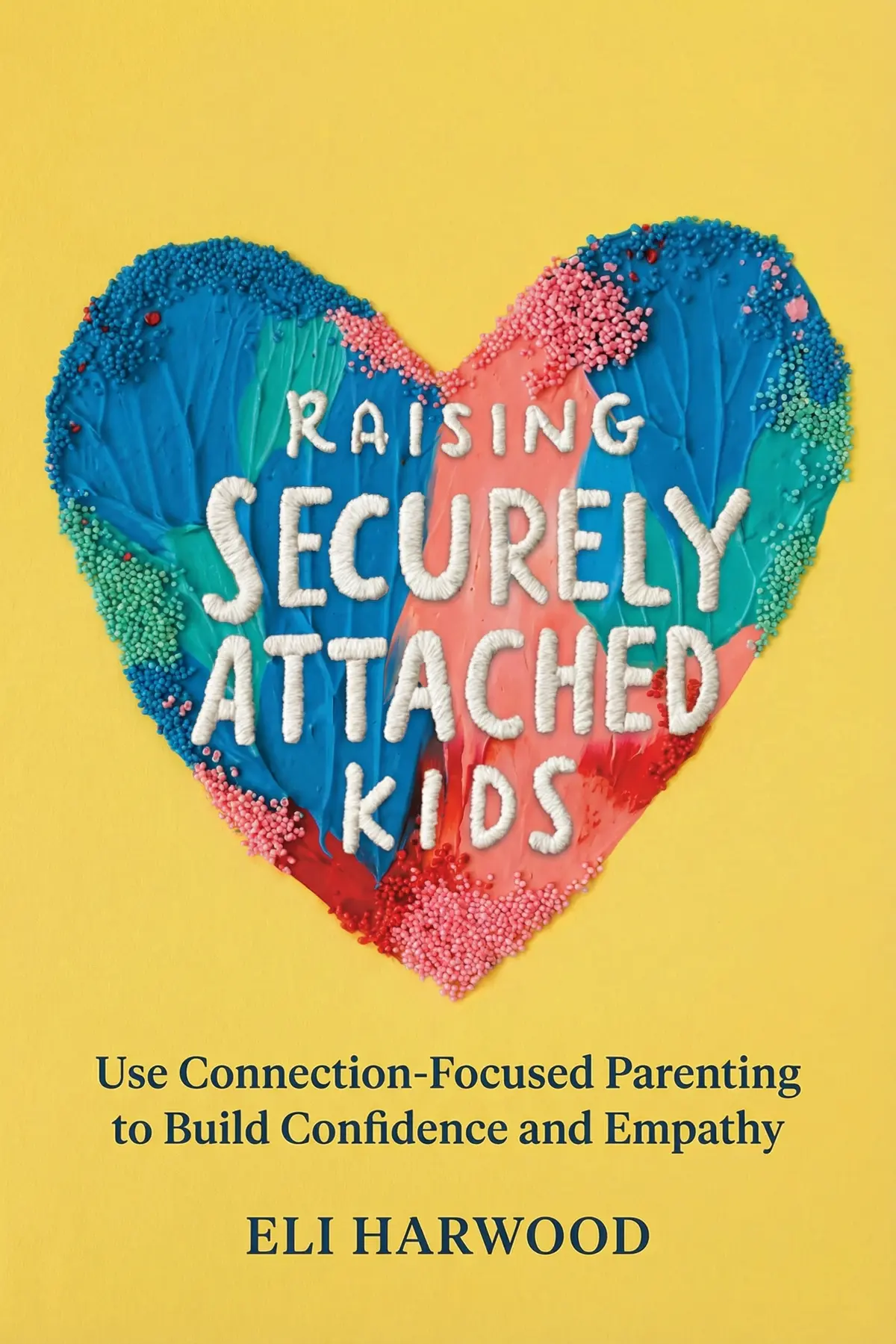
Table of Content
1. Introduction
1 min 30 sec
Parenting often feels like a high-stakes balancing act performed on a moving tightrope. In one ear, you have voices demanding stricter discipline and firmer rules; in the other, you hear pleas for more freedom and emotional expression. It is easy to get lost in the noise of conflicting advice, wondering if you are doing enough to prepare your child for the complexities of the world. However, beneath the surface of daily tantrums, homework battles, and bedtime routines, there is a fundamental force at play: attachment. This is the invisible thread that ties a child to their caregiver, providing the foundation for everything that follows in their life, from their self-esteem to their ability to form healthy relationships as adults.
In the following summary of Eli Harwood’s work, we will explore the profound shift from a parenting style based on control to one rooted in connection. We will look at how the simple promise of safety can change the trajectory of a child’s emotional development and why your presence is far more influential than your punishments. This isn’t just about making life easier today; it’s about building a secure base from which your child can eventually soar. By focusing on the quality of your bond, you can raise children who are not only resilient and confident but also deeply empathetic. Let’s dive into the core principles of creating a securely attached home and see how small, consistent changes in how you relate to your child can yield life-changing results.
2. The Biological Imperative of Safety
2 min 13 sec
Discover why the simple feeling of being safe with a caregiver is the most critical building block for a child’s future independence and resilience.
3. Influence Through Connection Not Control
2 min 12 sec
Explore why building a strong emotional bond is more effective for long-term behavior management than using strict rules and punishments.
4. The Strength of Shared Emotions
2 min 07 sec
Learn how embracing vulnerability and teaching children to process their feelings can lead to greater emotional intelligence and resilience.
5. Nurturing Self-Worth and Autonomy
2 min 09 sec
Uncover the specific parental behaviors that help children develop genuine self-confidence and a healthy sense of their own identity.
6. Structure as a Nurturing Container
2 min 09 sec
Understand how clear routines and compassionate boundaries provide the essential framework children need to feel safe and flourish.
7. Transforming Conflict into Connection
2 min 29 sec
Discover why disagreements are unavoidable and how to use them as powerful tools for building trust and teaching problem-solving skills.
8. Conclusion
1 min 32 sec
The journey of raising a securely attached child is not about achieving perfection. There will be days of frustration, moments of lost temper, and periods of disconnection. What matters most is not that you never stumble, but that you are committed to the process of returning to connection. As we have seen through the work of Eli Harwood, the heart of parenting lies in the quality of the bond you build every single day. By prioritizing emotional safety, choosing connection over control, and viewing every conflict as a chance for repair, you are providing your child with the greatest gift a parent can give: a secure foundation.
This foundation is what allows a child to develop deep empathy for others and a robust resilience within themselves. It transforms the home from a place of power struggles into a sanctuary of mutual respect and understanding. As you move forward, remember that you are your child’s primary source of information about how the world works and how they should be treated. By treating them with consistent compassion and setting boundaries with love, you are teaching them that they are worthy of respect and capable of handling whatever life throws their way. Secure attachment is a lifelong investment, one that pays dividends in the form of a healthy, thriving adult and a relationship that remains strong long after they have left the nest. Keep showing up, keep listening, and keep choosing connection—the rest will follow.
About this book
What is this book about?
Raising Securely Attached Kids explores the transformative power of attachment theory in the modern home. It moves away from traditional, compliance-based parenting tactics and instead prioritizes the emotional bond between caregiver and child. By focusing on how parents respond to a child’s needs, the book provides a roadmap for creating a safe haven where children can grow into confident, empathetic adults. The promise of this approach is a more harmonious household and a stronger relationship that lasts into adulthood. Readers will learn how to balance firm boundaries with deep compassion, how to help children navigate their complex emotional worlds, and how to turn inevitable family conflicts into opportunities for growth and repair. It is a guide for parents who want to move beyond just managing behavior to truly understanding the heart of their child.
Book Information
About the Author
Eli Harwood
Eli Harwood is a licensed therapist and an expert in attachment theory, specializing in helping parents cultivate emotionally secure connections with their children. She is the creator of Attachment Nerd, a popular online platform offering resources, workshops, and community support for parents focused on building healthy attachment relationships. Through her extensive experience, Harwood has become a trusted voice in parenting and emotional development.
Ratings & Reviews
Ratings at a glance
What people think
Listeners find this parenting resource to be indispensable, highlighting its extensive look at attachment theory research and its strong evidence base. The work fosters profound bonds with children and supports enduring relationship success, with one listener observing that its principles extend to adult connections too. Listeners enjoy the humor, accessible style, and reflective insights, while one review points out that it helps people refocus on what is truly important.
Top reviews
Akosua
If you read one parenting book in 2024, let it be this one. Eli Harwood manages to take complex attachment theory and translate it into something that feels both deeply scientific and incredibly warm. I particularly loved the 'Nerd Alerts' scattered throughout the chapters; they provide just enough data to satisfy my analytical brain without making the text feel like a dry textbook. The way she explores the generational lens really hit home for me. It helped me identify patterns in my own upbringing that I was subconsciously passing down to my kids. To be fair, it’s an emotional journey and might make you cry once or twice, but it’s the good kind of healing. She shifts the focus from controlling behavior to building a lasting bond. My relationship with my six-year-old has already started to shift because I’m prioritizing connection over compliance.
Show moreSirinat
Ever wonder why your toddler’s meltdown feels like a personal attack? This book explains the 'why' behind the chaos in a way that actually lowered my blood pressure. I loved the concept of the 'upstairs brain' versus the 'basement of defensiveness.' The truth is, we often try to talk our way into calmness when we should be calming our way into talkativeness. Harwood’s writing style is funny and approachable, which is a relief because some of these parenting books are so dense they’re basically unreadable. The focus on co-regulation changed everything for us. Instead of a battle of wills, it’s now a partnership. It’s not just about raising good kids; it’s about becoming a more regulated adult yourself. Absolutely invaluable for anyone in the trenches of early childhood.
Show moreTun
The truth is, most of us are just winging it and hoping for the best, but this book provides a real roadmap. Harwood powerfully breaks down the binary between authoritarian and permissive parenting. I realized I was swinging between the two, which was just confusing my kids. By focusing on 'connection-focused parenting,' I’ve learned how to set firm boundaries without being a tyrant. The chapters on managing conflict securely were particularly eye-opening. Disagreements aren't failures; they are opportunities for growth. I really appreciated how she includes advice for parenting adult children too. Even though my kids are still young, seeing the long-term trajectory of these attachment styles made the daily work feel so much more meaningful. This book is a gift to the next generation.
Show moreThitima
What an incredibly sacred gift this book turned out to be! I’ve read extensively on attachment, and this is easily the most accessible version of the science I’ve found. Eli empowers parents to course-correct without any of the usual shame or blame that haunts parenting manuals. I felt seen in my failures and equipped for my future. Her emphasis on repair—the idea that it’s okay to mess up as long as you fix it—is so life-giving. The book is structured perfectly, moving from the 'why' to the 'how' with plenty of grace. It really helped me recenter my focus on what truly matters: the relationship. If you feel like you’re losing the battle of wills with your child, please read this. It will change your perspective entirely.
Show moreIce
Harwood has managed to turn dense attachment science into something actually readable and, dare I say, fun. As someone who loves a good data-driven approach, I was worried this would be too 'woo-woo.' I was wrong. The research is solid, and the way she explains the neurobiology of connection is fascinating. It’s not just about being 'nice' to your kids; it’s about wiring their brains for resilience. I’ve started applying the 'reaching and receiving' patterns with my preschooler, and the change in his willingness to cooperate is staggering. Not gonna lie, I wish I had this book five years ago. It’s thought-provoking, evidence-based, and surprisingly humorous. It really helps you zoom out and see the big picture of your child's development.
Show moreSangduan
My grandchildren are the light of my life, but I wish I’d had this 30 years ago when I was raising my own kids. Even as a grandmother, I found this incredibly relevant. It helped me understand my own adult children better and gave me tools to support them in their parenting journey. The quotes throughout the book are so moving—I actually found myself highlighting sections to share with my sisters. One part that stuck with me was about how emotional strength comes from interdependence, not just standing alone. It’s a beautiful reminder that we never outgrow our need for secure connections. Whether you have toddlers or teenagers, or your kids are already grown, there is so much wisdom here. It’s a manual for human connection, plain and simple.
Show moreMoo
Picked this up after seeing Eli’s reels on Instagram and I wasn't disappointed. She has a way of delivering 'golden advice' in such a relatable way. This book is an excellent overview of a topic that often feels too ambiguous for the average parent to grasp. Personally, I appreciated the specific examples of what to say during a meltdown. However, I should mention that this isn't necessarily a guide for healing your own past trauma. Eli has another journal for that, so don't expect deep personal shadow work here. It is strictly focused on the kids. Still, the section on 'growth-focused structure'—balancing rules with empathy—is some of the best parenting advice I’ve encountered in years. It’s practical, readable, and very human.
Show morePongpan
Finally got around to this after months of hearing the hype. It’s definitely a product of our current era—very therapy-heavy and focused on processing every emotion. To be fair, some parts felt a little redundant if you’ve already read a lot of Gabor Maté or Dan Siegel. However, Eli’s voice is what makes this stand out. She’s funny and clearly knows what it’s like to have a kid screaming in the grocery store. I found the section on 'confidence vs. arrogance' to be a total game-changer. It helped me realize that true self-esteem comes from feeling valued, not from constant praise. My only gripe is that it can feel a bit repetitive in the middle chapters. Regardless, the core message is solid and the 'Nerd Alerts' are great fun.
Show moreGiulia
As a parent who prioritizes biblical values, I found myself torn while reading this. On one hand, the author provides crucial insights into how we forge strong relationships and repair bonds when they inevitably break. These are beautiful, necessary skills for any family. But I have to be frank: I cannot give this five stars. There are sections that endorse family structures that deviate from the biological two-parent model in ways I find concerning for a child's development. I believe children deserve their biological parents whenever possible. While the research on emotional regulation is solid and helpful, some of the social perspectives felt a bit too 'modern' for my taste. It’s a helpful resource if you can filter out the parts that don’t align with a traditional worldview.
Show moreJai
Look, I’m just going to say what everyone is thinking: I am so over the trend of blaming parents for every single thing that goes wrong. This book sits squarely in that post-pandemic woke era where every tiny interaction is treated like a major trauma. Frankly, I reject the idea that if you don't remember your childhood, you must be 'suppressing' something terrible. Sometimes kids are just kids and they need discipline, not a twenty-minute discussion about their feelings. It’s written by a therapist, for people who want to spend their lives in therapy. While I’m sure the author has good intentions, this approach seems to be making kids more anxious and fragile than ever. If you want a book that tells you everything is your parents' fault, this is for you. Otherwise, skip it.
Show moreReaders also enjoyed

AUDIO SUMMARY AVAILABLE
Listen to Raising Securely Attached Kids in 15 minutes
Get the key ideas from Raising Securely Attached Kids by Eli Harwood, plus 5,000+ more titles in English and Thai.
- 5,000+ titles
- Listen as much as you want
- 7-day free trial
- Cancel anytime







