
16 min 56 sec
Raven: The Untold Story of the Reverend Jim Jones and His People
Raven provides a hauntingly detailed examination of Jim Jones’s rise from a lonely Indiana boy to a manipulative cult leader whose Peoples Temple ended in the tragic 1978 Jonestown massacre.
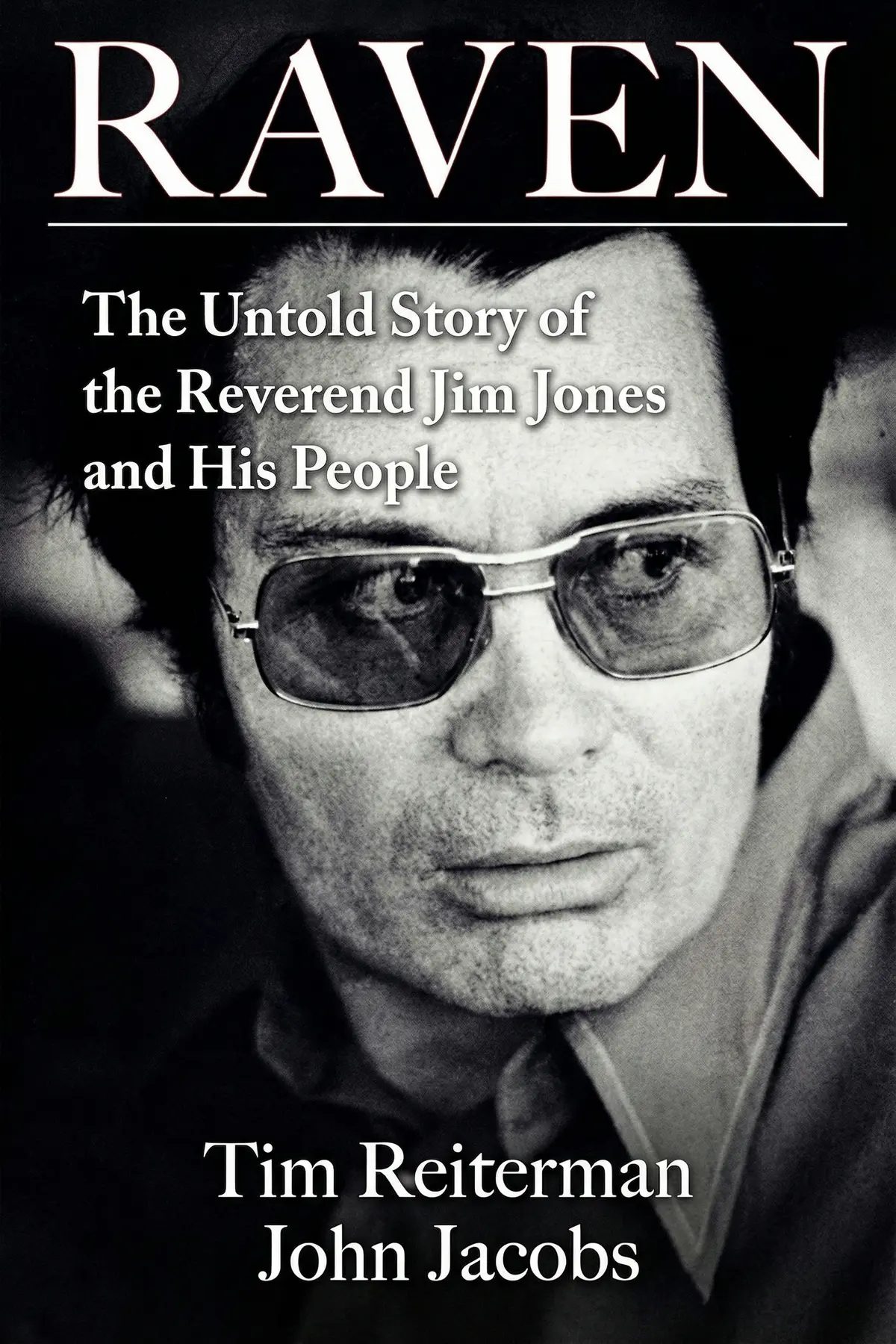
Table of Content
1. Introduction
1 min 48 sec
The history of the twentieth century is marked by many tragedies, but few are as haunting or as deeply etched into the American psyche as the events of November 18, 1978. On that day, in a remote settlement in Guyana, South America, more than 900 people lost their lives. For decades, the name Jonestown has served as a chilling shorthand for the dangers of blind devotion and the horrific potential of cultic manipulation. But to understand how hundreds of families—men, women, and children—found themselves in a jungle clearing, waiting for a cup of poison, we have to look far beyond that final day. We have to look at the man who led them there: the Reverend Jim Jones.
In this exploration of the definitive account of the Peoples Temple, we are going to trace the arc of a movement that started with the best of intentions and ended in a nightmare. We’ll look at the duality of Jim Jones—a man who could be incredibly empathetic toward the marginalized while simultaneously harboring a sadistic need for absolute dominance. We will explore how he weaponized the social anxieties of the 1960s and 70s, using the language of racial equality and civil rights to shield his growing darkness from public view.
This is more than just a true-crime story; it is a psychological profile of power. Through the lens of investigative journalism, we will see how Jones built a community that felt like a family, only to systematically dismantle the personal identities of its members. We’ll follow the journey from the churches of Indianapolis to the political circles of San Francisco, and finally to the isolated outpost of Jonestown. By examining this throughline of control and charisma, we can begin to answer the haunting question of how one man’s fanaticism could lead so many to a tragic, untimely end.
2. The Duality of a Young Jim Jones
2 min 15 sec
Explore the childhood of a boy who felt like a permanent outsider, alternating between profound acts of kindness and disturbing displays of cruelty and control.
3. Mastering the Art of Spiritual Manipulation
2 min 23 sec
Discover how Jim Jones transformed himself into a charismatic preacher, using psychological tricks and tactical deception to gain a devoted following.
4. The Rise of the Rainbow Family and Political Power
2 min 15 sec
See how the Peoples Temple became a beacon of racial integration and social progress, making Jones a powerful figure in mainstream politics.
5. A Culture of Surveillance and Theatrical Deception
2 min 24 sec
Uncover the dark methods Jones used to maintain internal order, including spying on his own members and staging elaborate fake healings.
6. The Retreat to the Jungle and the Mirage of Utopia
2 min 13 sec
Learn why Jones moved his entire congregation to the South American jungle and how the promised paradise quickly turned into a labor camp.
7. The Final Day and the Tragedy of Jonestown
2 min 15 sec
Relive the harrowing final hours of the Peoples Temple, from the arrival of a concerned Congressman to the horrific act of mass murder.
8. Conclusion
1 min 23 sec
The story of Jim Jones and the Peoples Temple is a somber reminder of the fragility of human autonomy when faced with the overwhelming force of charismatic authority. It challenges us to look beyond the surface level of social movements and to question the true motives of those who demand absolute loyalty. Jim Jones was a man who understood the deepest yearnings of the human heart—the desire for community, for purpose, and for a more just world. He used those noble desires as bait, drawing people into a system designed solely to feed his own megalomania.
As we reflect on this tragedy, the most important takeaway is the necessity of critical thinking and the preservation of individual identity within any group. The members of the Peoples Temple were not fundamentally different from anyone else; they were idealistic people who wanted to make a difference. Their tragedy lies in the fact that they ceded their judgment to a leader who prioritized his own power over their lives. The Jonestown massacre serves as a permanent warning that whenever a leader claims to be the sole source of truth and demands that you cut ties with the outside world, the path they are leading you on is one of danger. By remembering the victims and understanding the mechanics of their manipulation, we honor their memory and strengthen our own resolve to protect the freedoms of thought and conscience that are the only true safeguards against such darkness.
About this book
What is this book about?
Raven is a deep dive into the disturbing life of Jim Jones and the formation of the Peoples Temple. It moves through his early childhood in Indiana, where his eccentricities first manifested, to his eventual move to California and the South American jungle. The book explores how Jones used the veneer of racial equality and social justice to build a loyal following, while privately utilizing psychological abuse, financial exploitation, and physical intimidation to maintain absolute control. This account offers a promise of understanding the incomprehensible. It explains the mechanisms of cultic manipulation and how a vision of a racial utopia morphed into a nightmare of surveillance and forced labor. Ultimately, it chronicles the final, horrifying days in Guyana, providing a witness-driven perspective on the events that led to the deaths of over 900 people and the assassination of a United States Congressman.
Book Information
About the Author
Tim Reiterman
Tim Reiterman is a distinguished journalist who previously worked for the San Francisco Examiner and the Los Angeles Times. He personally witnessed the events at Jonestown while reporting on the ground, surviving the airstrip attack that killed Congressman Leo Ryan. His work contributed to prize-winning coverage of major events like the Los Angeles riots. Today, he shares his expertise as a teacher at the UC Berkeley Graduate School of Journalism.
Ratings & Reviews
Ratings at a glance
What people think
Listeners find this work a completely captivating experience that is expertly composed and extensively documented, with one review noting it is replete with notes and references. Additionally, the narrative earns praise for being a remarkable chronicle of a complicated American history, and listeners value the perspective it offers on Jim Jones, with one review calling it an incredible look into the mind of a cult leader. However, reactions to the book's intense atmosphere and emotional weight are varied; listeners characterize it as terrifying and not sensationalist, though some find it sad.
Top reviews
Roongsak
Wow. This is easily the most disturbing thing I have ever encountered in print. Reiterman doesn't just chronicle the end; he painstakingly maps out the slow-motion car crash of Jim Jones’s psyche from his childhood in Indiana to the humid jungle of Guyana. Because the author was actually there on that airstrip, bleeding alongside the victims, the narrative carries a weight that other true crime books simply cannot match. It’s a massive tome, dense with archival research and thousands of interviews, yet it never feels like dry history. You feel the crushing weight of the tragedy on every page. Personally, I found the chapters regarding the early days of the Peoples Temple particularly eye-opening because they humanize the members rather than dismissing them as mere cultists. It makes the ultimate betrayal by their leader feel that much more gut-wrenching. I finished this feeling shell-shocked.
Show moreAir
After hearing so many people recommend Jeff Guinn’s book, I wasn't sure if Raven would offer anything new, but the first-hand authority here is undeniable. Reiterman and Jacobs provide an incredible look into the mind of a cult leader, documenting the shift from social justice advocate to a paranoid megalomaniac with chilling precision. The level of detail is staggering—replete with notes and references—which makes it a definitive resource for anyone interested in the social dynamics of the Peoples Temple. To be fair, the middle section can get a bit bogged down in the minutiae of church politics and bureaucratic maneuvering. There were moments where the pacing slowed to a crawl. However, the final hundred pages are absolutely harrowing and written with a clarity that only a survivor could provide. It’s an essential, if exhausting, piece of American history that focuses on the victims' humanity just as much as Jones's depravity.
Show moreAnong
Picked this up on a whim after seeing it on a list of the scariest non-fiction books, and it did not disappoint. The sheer scope of this complex American narrative is breathtaking, moving from the idealistic beginnings of a socialist utopia to the literal hell of Jonestown. Reiterman captures the lure of the Temple perfectly, explaining how intelligent, compassionate people could find themselves trapped in such a nightmare. Look, it’s a terrifying read because it shows how easily someone can weaponize another person's desire for equality and community. The descriptions of the 'suicidal ritual drills' and the eventual massacre are not sensationalist, but they are deeply haunting. It took me a long time to get through because I had to keep stopping to process the emotional content. If you want to understand how a 'savior' turns into a monster, this is the book you need.
Show moreNatnicha
Ever wonder how nearly a thousand people could be convinced to take their own lives? This book doesn't give easy answers, but it provides the most comprehensive roadmap I've ever seen. The way Reiterman traces Jones's developmental history and his obsession with control is nothing short of brilliant. It’s an incredible look into the mind of a cult leader that avoids being trashy or exploitative. I found myself crying multiple times, particularly during the accounts of the children at Jonestown. It’s a despondent, horrifying, yet beautiful tribute to the victims that refuses to let them be forgotten by history. The research is exhaustive, and the narrative voice is one of quiet, steady authority. This is a massive, epic work that stayed with me long after I closed the back cover. It is a necessary, if painful, reading experience.
Show moreKung
The chapter on the slaying of the Temple member's children is one of the most difficult things I’ve ever read, but it’s crucial to understanding the horror of Jonestown. Tim Reiterman has produced a masterpiece of investigative journalism here. He avoids sensationalism and instead delivers a sober, respectful, and terrifyingly detailed account of Jim Jones and his followers. What stood out most to me was the authority of the writing—knowing the author was there during the final days adds a layer of tension that is palpable. It’s an amazing account of a complex American narrative that doesn't shy away from the failures of the government or the media. It's long, yes, but every page feels like it’s honoring the truth of what happened. Highly recommended for any serious student of history.
Show moreHana
This is the definitive book on Jonestown, period. While other authors have tried to capture the madness of the Peoples Temple, Reiterman’s first-hand experience and massive research put this in a league of its own. He meticulously documents how Jim Jones twisted socialism and racial equality into a tool for mass murder. Not gonna lie, the book is a physical tome and it can be emotionally draining to get through, but it’s worth every second. The way it humanizes the 'loyalists' while unmasking the monster at the center is incredible. It’s a dark, fascinating, and thoroughly researched biography that serves as a grim warning about the power of manipulation. If you only read one book on this subject, make it this one. It provides unparalleled insight into a tragedy that still haunts the American consciousness.
Show moreSamroeng
As someone who has always been fascinated by the psychology of high-control groups, I found this to be a totally engrossing read. Quick note: the author is very specific about using 'Peoples Temple' without an apostrophe, which shows the attention to detail throughout the text. Reiterman goes beyond the headlines to reveal the racial hierarchy and socialist ideals that Jim Jones manipulated to gain power. The book is especially strong when detailing the transition to Guyana and how isolation became the ultimate tool for brainwashing. Truth is, I was surprised by how much empathy the authors showed toward the church members; they weren't just 'brainwashed fools' but people seeking a better world. My only gripe is that it occasionally feels a bit scattershot in its timeline, jumping around with a level of hindsight that makes certain sections feel less objective.
Show moreFelix
Not what I expected at all. I thought this would be a quick true crime thriller, but it's actually an epic, deeply researched biography of a paranoid megalomaniac. The writing is clear and logical, though the emotional weight of the tragedy is heavy throughout. It’s impressive how Reiterman manages to stay balanced given that he was literally shot by Jones’s henchmen. The book gives a rounded picture of how the Temple actually did a lot of good early on, which makes the ending even more tragic. It's long and sometimes a bit dense, but if you want the full story without any corners cut, this is it. It provides a level of insight into the mind of a cult leader that few other books can match, even if the sheer length makes it a bit of a commitment for the average reader.
Show moreKanokwan
This book is an absolute unit of a biography, but I’m going to be real—it needs an editor. While Reiterman has clearly done his homework with an insane amount of research, the sheer volume of insignificant details often buried the actual narrative for me. I didn't necessarily need to know every single person Jones met in his youth or every minor administrative hurdle the Temple faced in California. At over 600 pages, it feels more like a data dump than a focused story at times. That being said, the portions covering the airstrip shooting and the Congressman Leo Ryan visit are among the most intense things I’ve read. It’s worth the slog for those first-hand accounts alone, but be prepared for some dry stretches in the middle. It's a solid 3-star read for me; brilliant in spots, but ultimately too bloated to be the 'page-turner' everyone claims it is.
Show moreThawee
Finally got around to reading this 'classic,' and frankly, I don't see the hype compared to more modern accounts like Guinn's. The book is replete with a 'born bad' fallacy regarding Jim Jones that feels really dated and lacking in nuance. Instead of a coherent analysis, we get hundreds of pages of tedious details that don't always seem relevant to the main events. It smacks of a reporter trying to dump every single notebook entry into one volume without thinking about the reader's experience. Yes, the account of the airstrip is harrowing, but one good chapter doesn't justify a 600-page tome that frequently loses interest. I found it scattershot and way too long for its own good. If you want a more cohesive narrative of the Peoples Temple, look elsewhere. This felt more like a chore than a learning experience.
Show moreReaders also enjoyed

Agent Sonya: The Spy Next Door
Ben Macintyre

A History of Iran: Empire of the Mind
Michael Axworthy

A History of the World in 6 Glasses
Tom Standage

A Different Kind of Power: A Memoir
Jacinda Ardern

Alexander Hamilton
Ron Chernow
A Higher Loyalty: Truth, Lies and Leadership
James Comey
AUDIO SUMMARY AVAILABLE
Listen to Raven in 15 minutes
Get the key ideas from Raven by Tim Reiterman, plus 5,000+ more titles in English and Thai.
- 5,000+ titles
- Listen as much as you want
- 7-day free trial
- Cancel anytime







