
19 min 31 sec
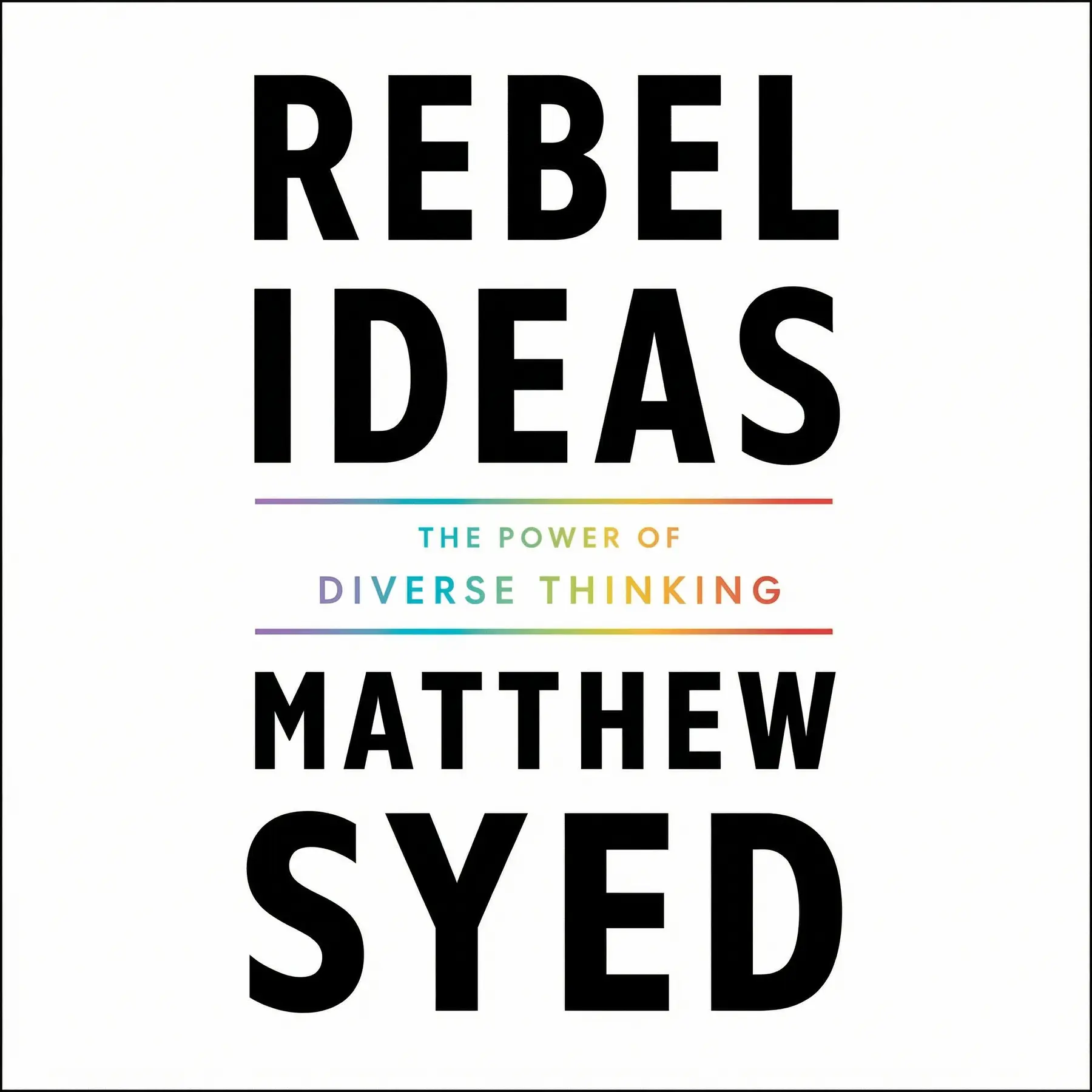
Rebel Ideas: The Power of Diverse Thinking
By Matthew Syed
Rebel Ideas explores the transformative power of cognitive diversity. It demonstrates how bringing together different perspectives, rather than just high IQs, is the key to solving the world’s most complex challenges and driving innovation.
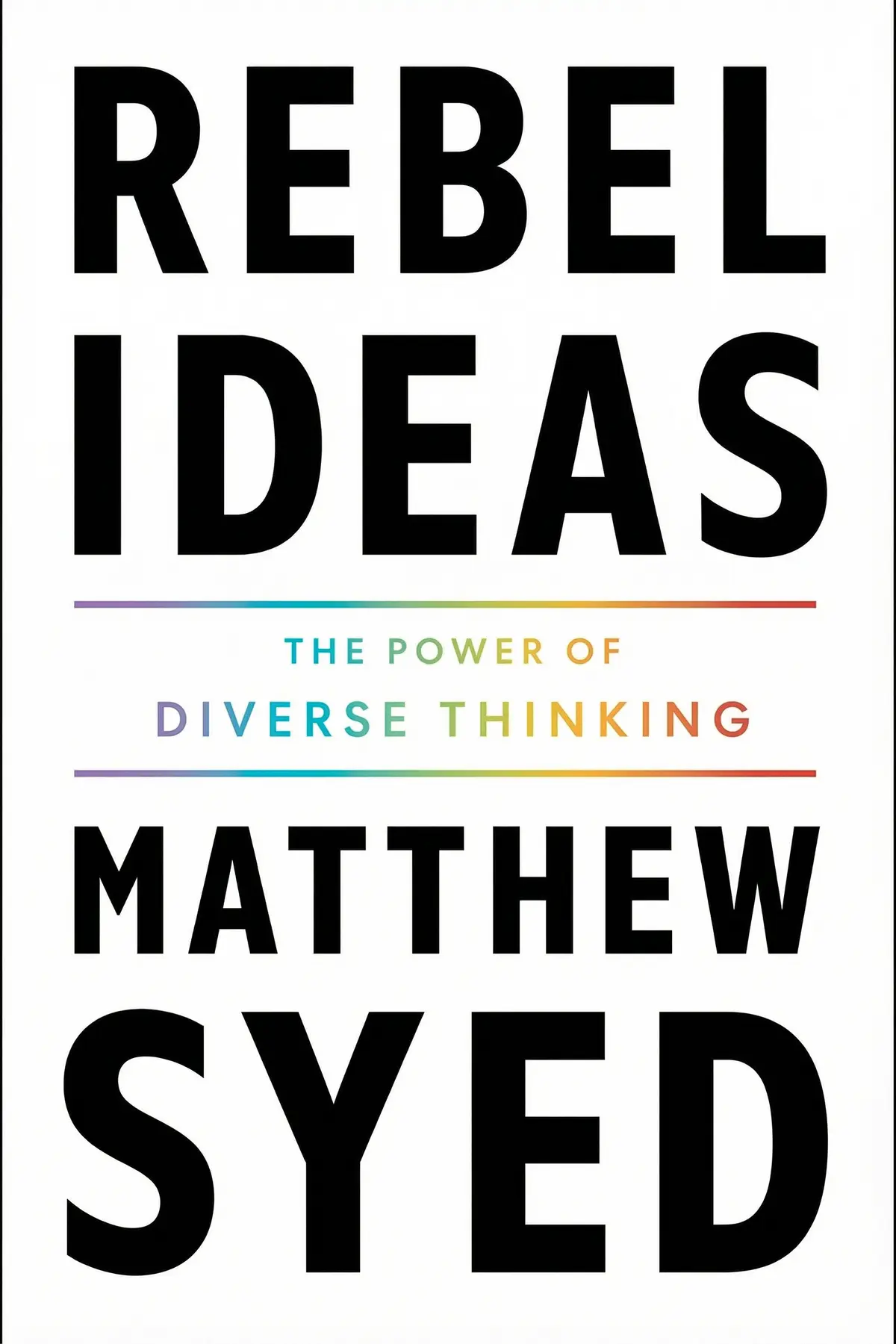
Table of Content
1. Introduction
2 min 08 sec
Imagine for a moment that you have a tool at your disposal that could generate groundbreaking ideas on demand. Think about how that would change your career, your community, or your most ambitious projects. Now, imagine taking that tool and connecting it to dozens of others, each with its own unique way of processing information. The power would be exponential. Most of us believe we already possess such a tool: our own brains. We rely on our intelligence and our expertise to navigate life’s hurdles. But the reality of the twenty-first century is that the challenges we face are too vast and too intricate for any one person to solve alone, no matter how high their IQ might be.
There is a missing piece in the puzzle of modern success. It isn’t more data or faster computers; it is what we call cognitive diversity. This is the art and science of engaging with minds that see the world differently than we do. When we lean into this diversity, we do more than just add more people to a room; we effectively vanish our collective blind spots and expand our expertise beyond its natural limits. This throughline—the transition from individual brilliance to collective wisdom—is what we are going to explore today.
In the following sections, we will look at why even the most elite organizations can fall victim to a shared blindness simply because everyone in the room looks and thinks the same way. We will uncover why the traditional way we hold meetings might actually be killing our best ideas, and how a shift in communication can unlock a team’s true potential. You will see how the unique perspective of an outsider, or someone who has crossed cultural borders, can be the spark for massive innovation.
We will also tackle the uncomfortable reality of echo chambers and how we can break through the walls we build around our own beliefs. Finally, we will see how moving away from rigid, one-size-fits-all standards can lead to better health and more productive workplaces. By the end of this journey, you will understand how to harness the power of ‘rebel’ ideas to become a monumental force in whatever field you choose. Let’s begin by looking at the hidden trap of surrounding ourselves with people just like us.
2. The Invisible Trap of Sameness
2 min 19 sec
Surrounding ourselves with like-minded people feels comfortable, but it creates a dangerous shared blindness that can lead to catastrophic oversights in high-stakes environments.
3. The Math of Group Wisdom
2 min 28 sec
Intelligence is important, but true group wisdom comes from a diversity of perspectives and problem-solving models, far outweighing the value of a single genius.
4. Silencing the Hierarchy
2 min 14 sec
Strict power structures often stifle the very ideas needed for survival; creating psychological safety is the only way to ensure the best insights reach the surface.
5. The Edge of the Outsider
2 min 08 sec
Innovation rarely happens in a vacuum; it occurs when different concepts collide, a process made easier for those who live between different worlds.
6. Dismantling the Echo Chamber
2 min 13 sec
Seeking out only those who agree with us creates an epistemic wall that distorts reality, but meaningful human connection can break these barriers.
7. The Danger of One Size Fits All
2 min 08 sec
Standardization simplifies our world but often ignores the unique biological and psychological needs that lead to peak performance and health.
8. Overcoming Bias for a Better Future
2 min 12 sec
Unconscious biases act as a filter that blocks valuable talent; finding ways to bypass these biases is essential for building truly effective teams.
9. Conclusion
1 min 41 sec
As we look back at the ground we’ve covered, the central lesson is clear: in an increasingly complex world, the ‘lone genius’ is a myth of the past. Success today is a team effort, and the quality of that team depends entirely on its diversity of thought. We have seen how our natural urge for sameness can lead to collective blindness, and how dominance hierarchies can silence the very insights that might save us. We have explored the power of the outsider and the importance of breaking through the echo chambers that isolate us.
By moving away from rigid standardization and actively fighting our unconscious biases, we can build environments where rebel ideas are not just tolerated but celebrated. This isn’t just about being more inclusive; it is about being more effective. When we combine different perspectives, we create a collective wisdom that is capable of solving the most daunting challenges of our time.
As a final takeaway, consider the physical space where you work. Is it designed to keep people in their silos, or does it encourage the kind of ‘accidental’ meetings where diverse ideas can collide? Something as simple as moving a coffee machine or changing a seating chart can lead to a breakthrough. Innovation doesn’t always happen in a formal meeting; it often happens in the friction between two people from different departments who happen to strike up a conversation.
Your challenge moving forward is to be a champion for cognitive diversity. Seek out the people who disagree with you. Listen to the voices that are usually quiet. And most importantly, stay curious about the worlds you haven’t yet explored. When we embrace the rebel within ourselves and others, we unlock a potential that is truly limitless. Thank you for listening to this summary of Matthew Syed’s work on the power of diverse thinking.
About this book
What is this book about?
Have you ever wondered why even the smartest groups of people can sometimes make disastrously wrong decisions? This exploration of the modern landscape reveals that individual intelligence is no longer enough to navigate the complexities of our age. The secret to success lies not in the brilliance of a single mind, but in the friction and synergy created by a diversity of perspectives. By examining high-stakes scenarios—from the failures of intelligence agencies to the breakthroughs of code-breakers—this summary illustrates how our tendency to surround ourselves with similar people leads to collective blindness. You will learn the difference between demographic diversity and cognitive diversity, and why the latter is essential for genuine innovation. This summary promises to change the way you think about teamwork, leadership, and problem-solving. It offers a roadmap for building more resilient, creative, and inclusive environments where every voice contributes to a larger, wiser whole, ensuring that no vital detail is ever overlooked again.
Book Information
About the Author
Matthew Syed
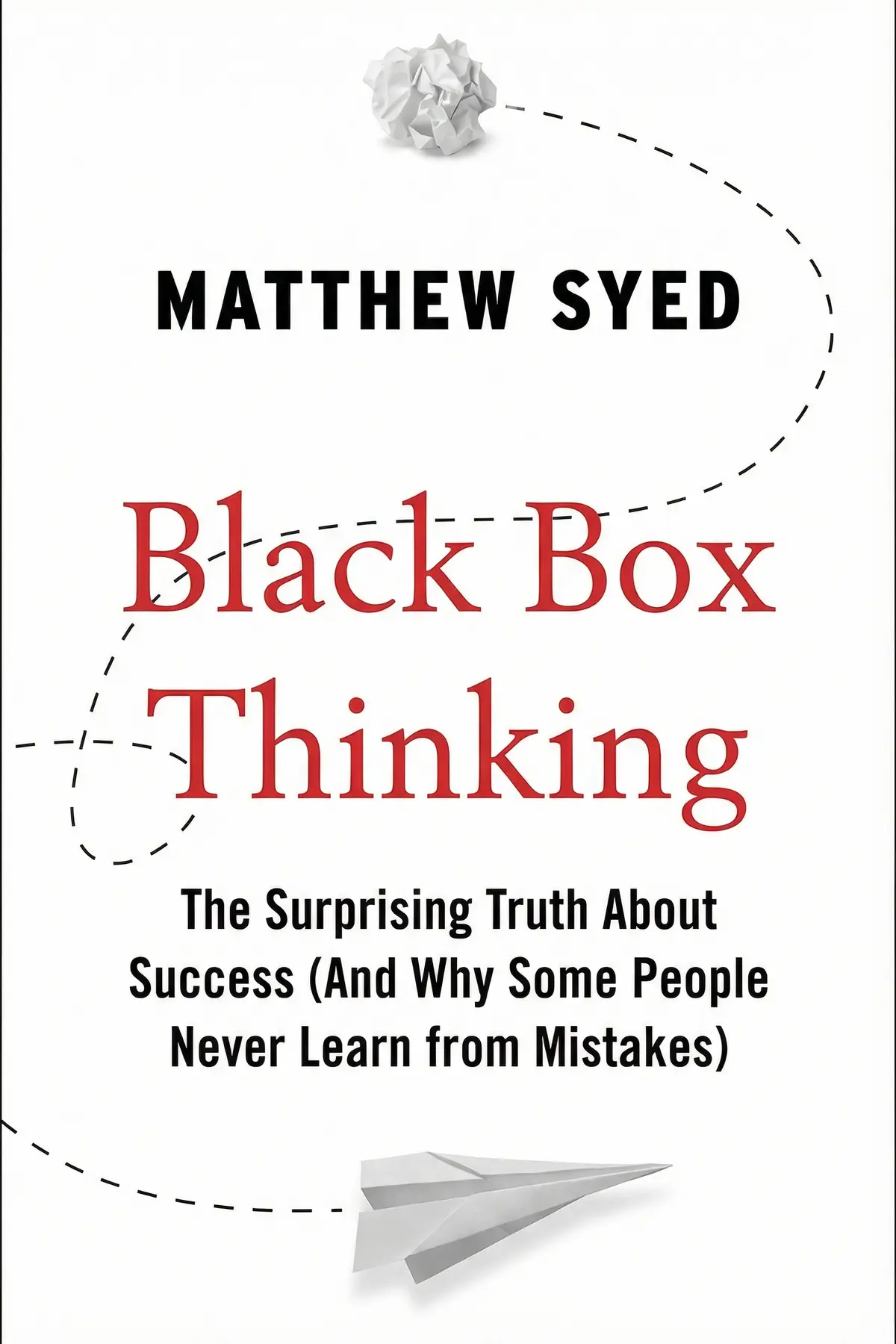
Matthew Syed is a highly acclaimed journalist for the Times and a prolific writer who has authored five bestselling titles. His notable works include Bounce, Black Box Thinking, and You are Awesome. Beyond his writing, he is a familiar voice on the airwaves as the co-host of the podcast Flintoff, Savage and the Ping Pong Guy. Driven by a commitment to social impact, he also co-founded Greenhouse, a charitable organization that empowers children through the power of sport.

Ratings & Reviews
Ratings at a glance
What people think
Listeners find this work highly insightful, especially for those managing teams, and they enjoy the quality of the prose and its accessibility. They value the emphasis on diversity, with one listener remarking that it provides fascinating viewpoints on that subject.
Top reviews
Eli
Matthew Syed has a gift for synthesizing complex psychological concepts into narratives that stick. In "Rebel Ideas," he dismantles the myth of the lone genius by showcasing how cognitive diversity—not just demographic box-ticking—is the engine of true innovation. The breakdown of the CIA’s "blind spot" regarding 9/11 was particularly chilling and served as a powerful cautionary tale about the dangers of homophily. Truth is, we often hire "clones" because they make us feel comfortable, but Syed proves that comfort is the enemy of progress. My only minor gripe is that some sections feel a bit repetitive, but the core message is too important to ignore. If you’re a leader trying to build a resilient team, this is an essential addition to your shelf.
Show moreKob
Finally got around to reading this after seeing it everywhere on LinkedIn lately. I've been a fan of "Black Box Thinking," and while this has a different focus, it is just as insightful for anyone in management. The concept of "echo chambers" and "information bubbles" is explored with such clarity that you start seeing them everywhere in your daily news feed. Syed’s writing style is punchy and accessible, making even the more academic theories feel like an engaging conversation over coffee. Some might find the political undertones a bit much, but I felt he handled the science of diversity with a lot of nuance. It’s a solid read that will definitely spark some "rebel" thoughts in your next board meeting.
Show moreYindee
Wow, this completely changed how I look at my workplace and my own social circles. The way Syed explains "dominance dynamics" through the lens of the 1996 Everest expedition was a total lightbulb moment for me. It’s scary to think how often we stay silent in the face of authority even when we know something is wrong. I especially loved the section on Shadow Boards and how Gucci used them to skyrocket their revenue. It’s rare to find a business book that is both emotionally resonant and practically useful for a corporate environment. If you want to understand why your team is stagnating, look no further than these pages; it's a game-changer.
Show moreSkylar
The chapter on the 1996 Everest disaster is worth the price of admission alone. Syed uses that tragedy to perfectly illustrate how "dominance hierarchies" can stifle the very information needed to save lives. It's a gripping read that balances high-stakes storytelling with deep psychological insights into how groups function—or fail. I found the discussion on "cyberbalkanization" and how we trap ourselves in online echo chambers to be incredibly relevant to our current social climate. The writing is sharp, the research feels solid, and the conclusions are genuinely thought-provoking. This isn't just a book for managers; it's a book for anyone who wants to think more clearly in a complex world.
Show moreMatteo
Ever wonder why some 'genius' teams still fail miserably while motley crews succeed? Syed answers this by exploring how we’ve evolved to learn from each other and why "cognitive fingerprints" are the secret sauce of success. The way he ties together the CIA, crossword puzzles, and evolutionary brain volume is nothing short of brilliant. This book is a refreshing departure from the usual dry business literature, offering a vibrant and well-written defense of outlier thinking. I finished it in two sittings and immediately started rethinking our hiring process. It’s insightful, urgent, and arguably one of the most important books on collaboration I’ve ever read.
Show moreSook
This book should be mandatory reading for anyone involved in recruitment or HR. We often talk about diversity in very surface-level terms, but "Rebel Ideas" digs much deeper into the "collective brain" theory. The comparison between the "Pale, Male, and Yale" CIA and the eclectic, crossword-solving geniuses at Bletchley Park was fascinating and well-researched. I appreciate how Syed takes the politics out of the diversity debate and focuses on the objective benefits of varied perspectives. To be fair, the middle section drags a little when he goes into evolutionary biology, but the payoff is worth the slog. It's a readable, smart, and timely reminder that we are stronger together than apart.
Show moreTeng
Picked this up after a colleague recommendation and I’m glad I did. The actionable advice on "cross-pollination" is something I'm already trying to implement in my office layout. Syed makes a compelling case that even the smartest individuals can suffer from collective blindness if they aren't challenged by differing views. Look, it’s not a perfect book—some of the "rebel" examples feel a bit cherry-picked to suit the narrative—but the readability is high. It’s the kind of non-fiction that keeps you turning pages because the anecdotes are just so well-told. Definitely worth your time if you're interested in team dynamics and avoiding the trap of groupthink.
Show moreSakura
As someone who manages a small creative team, I found Syed's take on "unconscious bias" and its impact on collective intelligence to be a real eye-opener. He doesn't just preach about diversity; he explains the mechanics of how it actually improves decision-making and sparks innovation. The story of Derek Black’s transformation from a white supremacist to an anti-racism advocate was a powerful example of how "epistemic walls" can be broken down. My only minor complaint is that the tone can get a bit repetitive when he hammers home the "clones" metaphor. Still, it provides a wealth of material for anyone looking to foster a more inclusive and high-performing culture.
Show moreCooper
While the core message about cognitive diversity is undeniably vital for modern success, I found the execution here somewhat lacking compared to Syed's earlier books. Frankly, it felt like a very long magazine article that relied too heavily on anecdotal evidence rather than rigorous, quantitative data. The stories about the Everest tragedy and Bletchley Park are engaging, but I’m not entirely convinced they "prove" his theories as definitively as he suggests. At times, the theorizing feels a bit farfetched, leaving me wanting more actionable "how-to" and less abstract "what-if." It’s an interesting perspective on the topic, but it didn't quite live up to the hype for me. I’d recommend it as a primer, but don’t expect a deep scientific dive.
Show moreWyatt
Not what I expected based on his previous work, which I absolutely loved. "Rebel Ideas" feels a bit "mid" to me because it touches on so many topics I’ve already seen covered in other popular non-fiction books. If you’ve read any Gladwell or Grant, you might find some of these examples—like the Enigma code-breaking—to be a bit recycled. I also felt the author's personal political views peeked through the scientific veneer a bit too often for my taste. It’s a decent summary of why we need different perspectives, but it lacks the fresh, "aha!" moments I was hoping for. It’s an okay read for a train journey, but maybe borrow it from a friend instead.
Show moreFeatured in
Readers also enjoyed
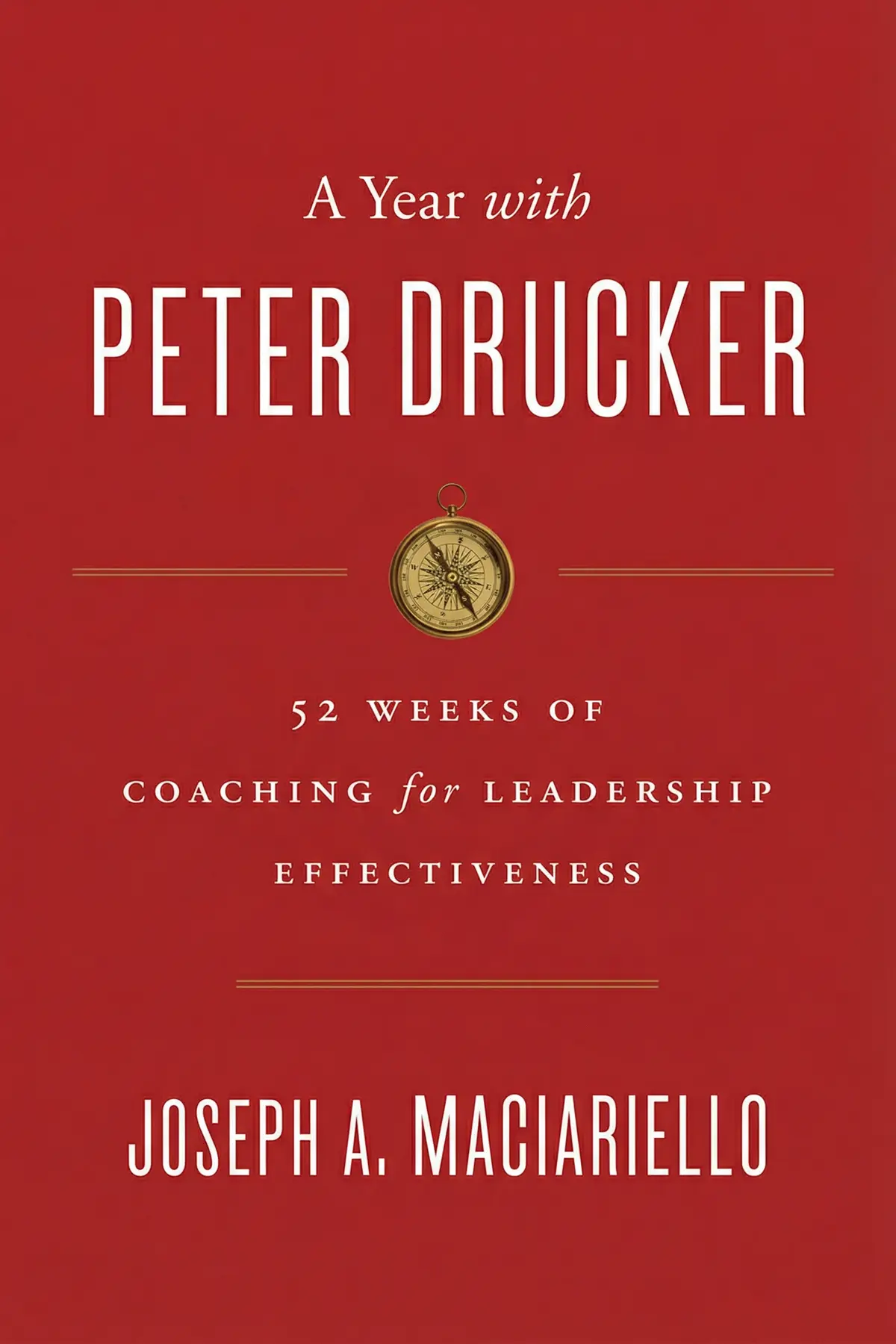
A Year with Peter Drucker: 52 Weeks of Coaching for Leadership Effectiveness
Joseph A. Maciariello
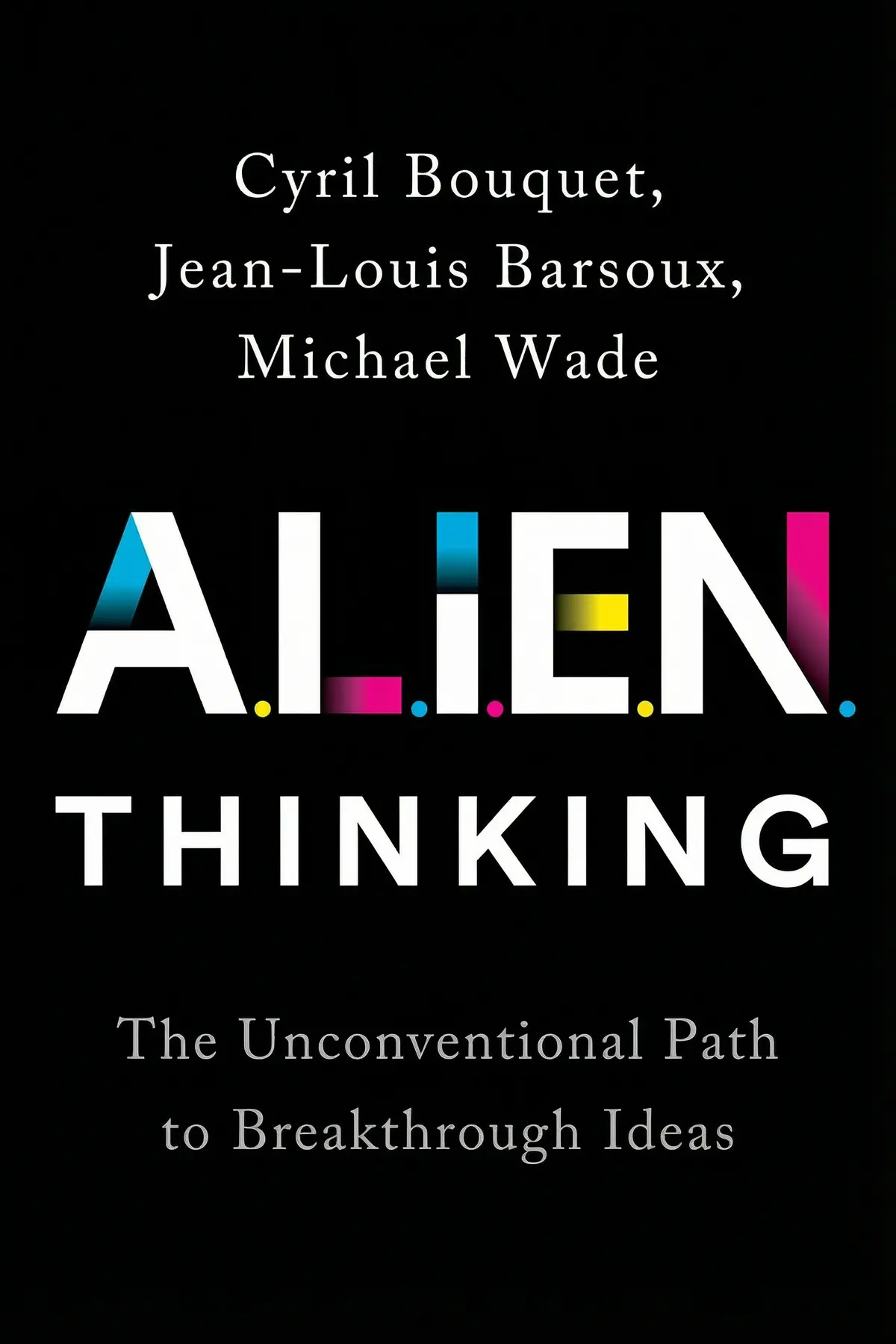
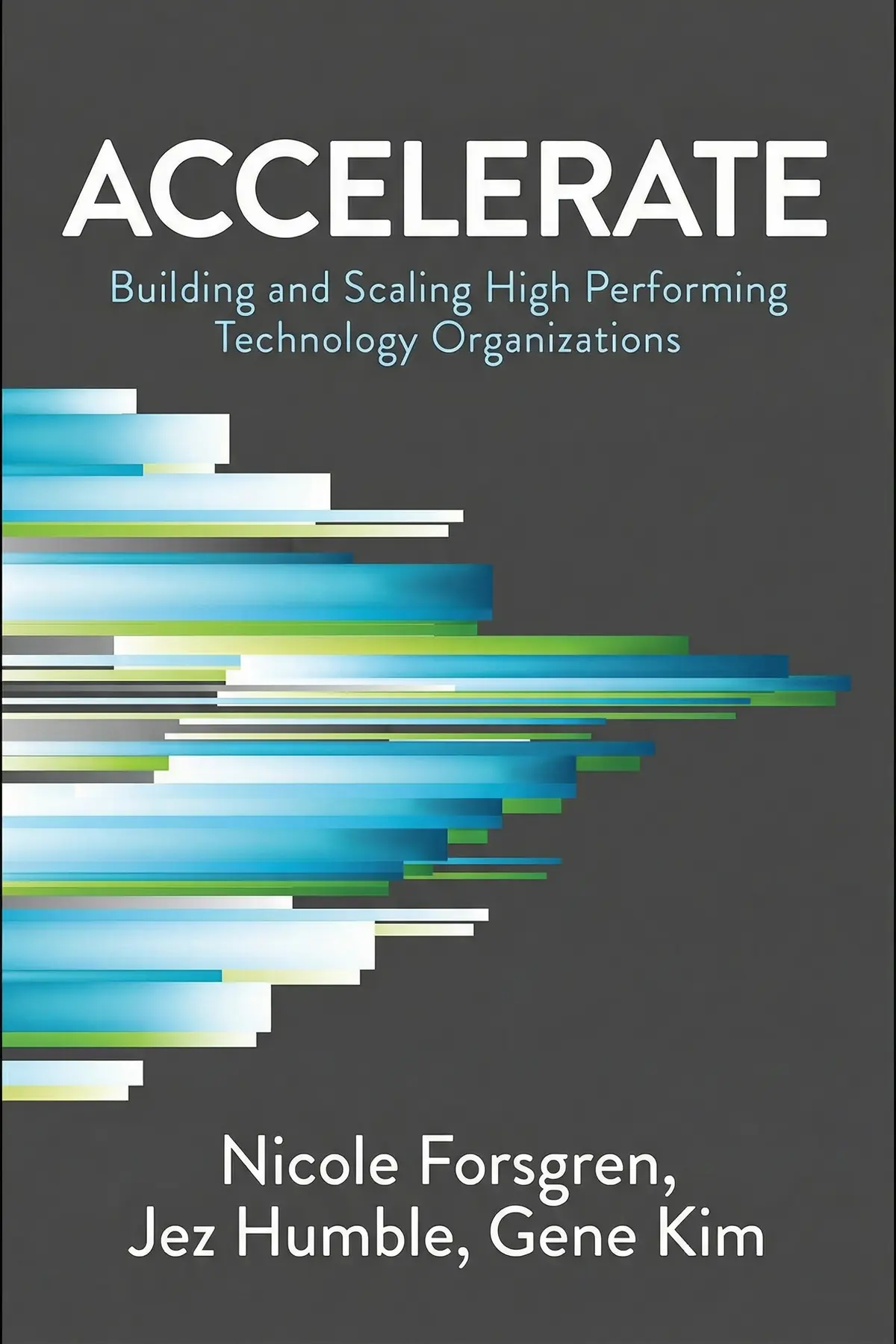
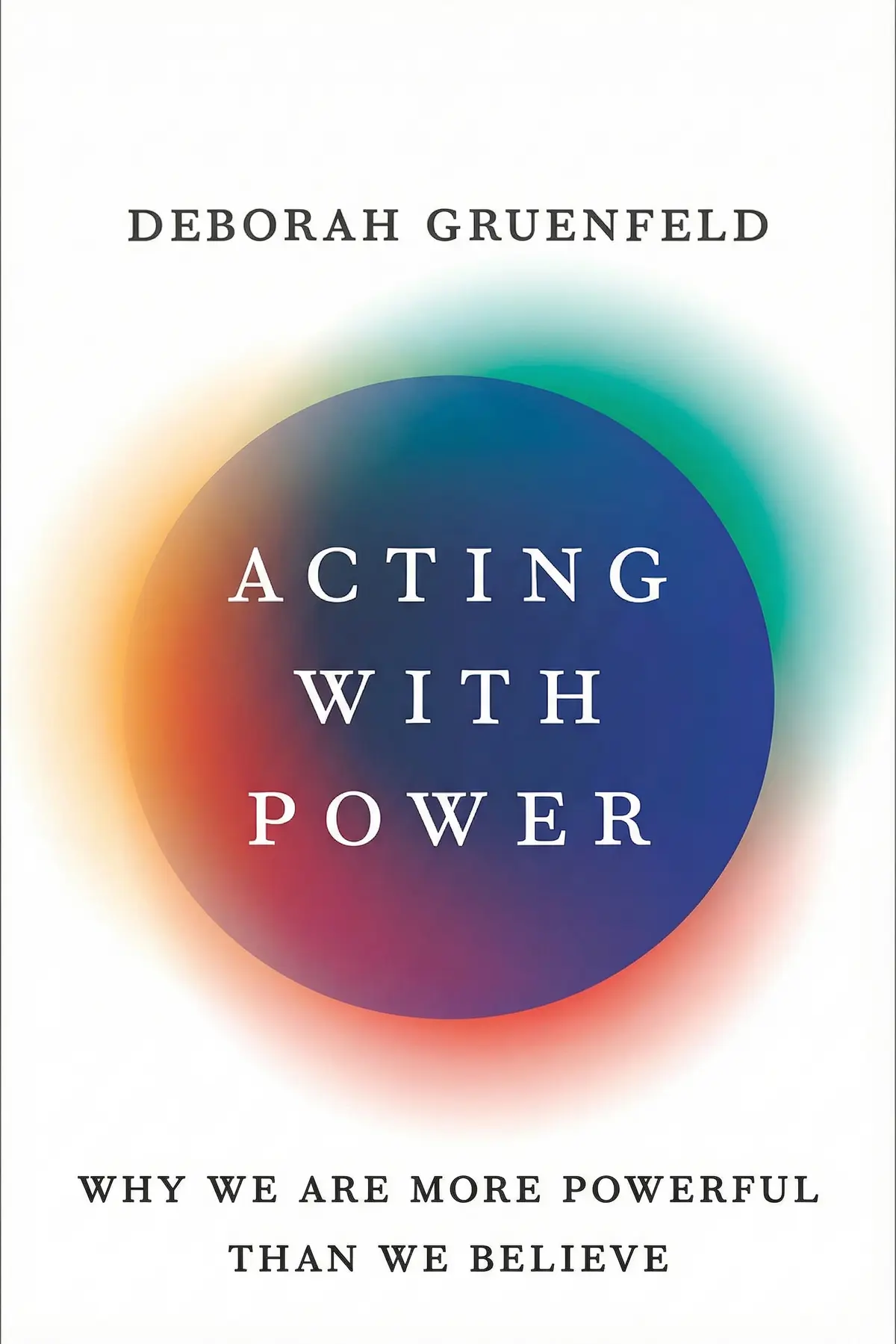
Acting with Power: Why We Are More Powerful Than We Believe
Deborah Gruenfeld

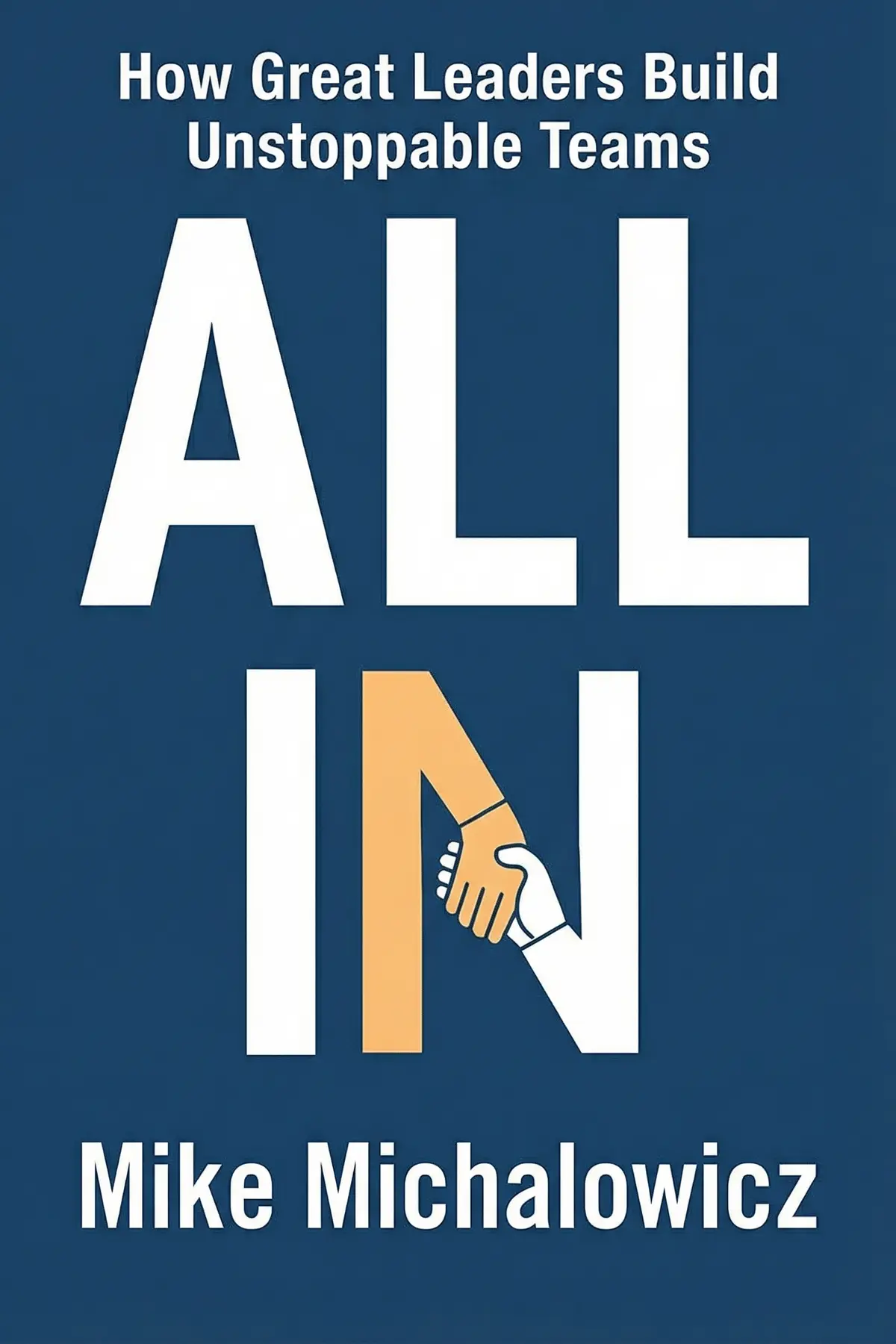
All In: How Great Leaders Build Unstoppable Teams
Mike Michalowicz

59 Seconds: Change Your Life in Under a Minute
Richard Wiseman
AUDIO SUMMARY AVAILABLE
Listen to Rebel Ideas in 15 minutes
Get the key ideas from Rebel Ideas by Matthew Syed, plus 5,000+ more titles in English and Thai.
- 5,000+ titles
- Listen as much as you want
- 7-day free trial
- Cancel anytime







