
17 min 07 sec
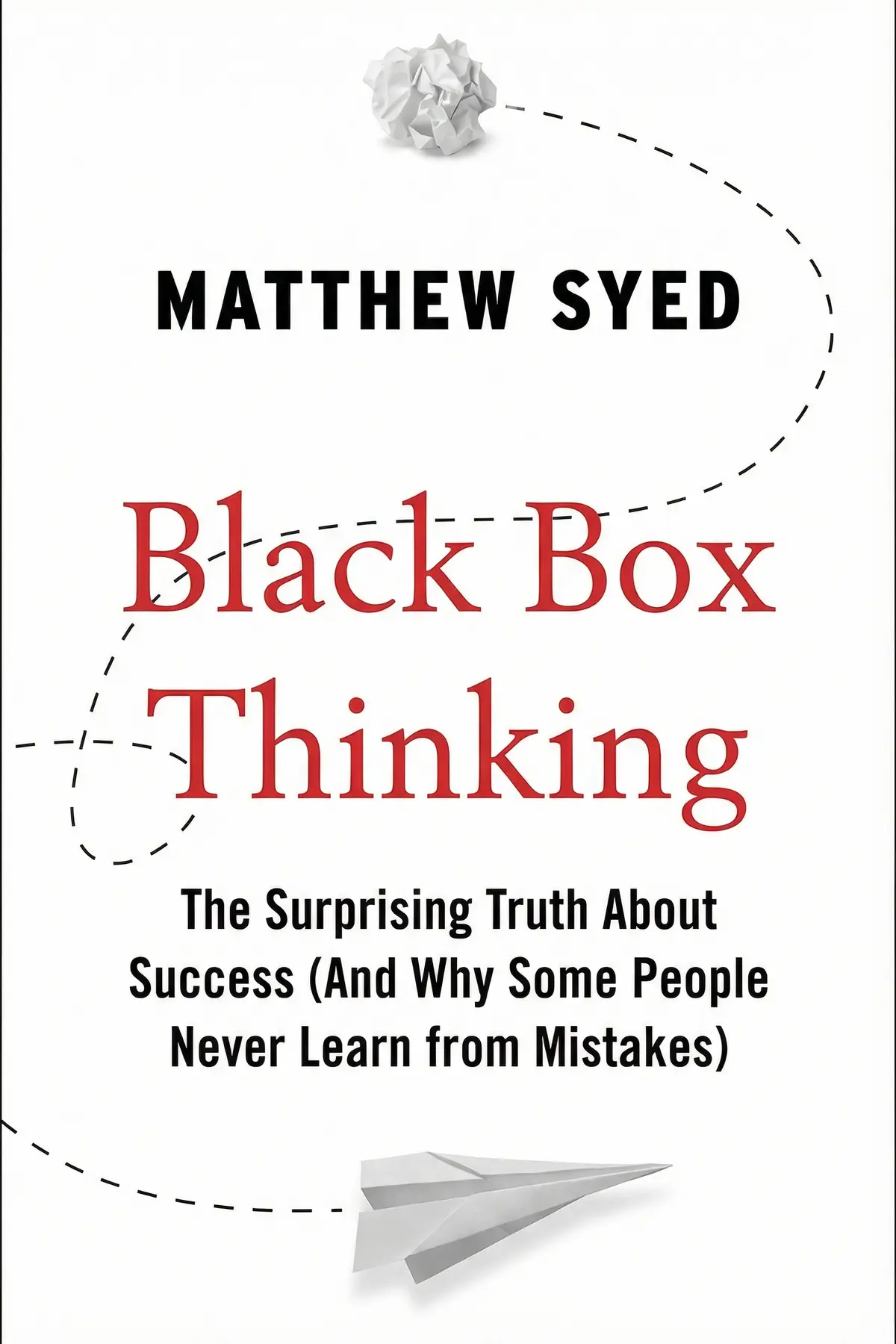
Bounce: The Myth of Talent and the Power of Practice
By Matthew Syed
Discover why natural talent is a myth and how targeted practice, the right mindset, and neurological adaptation can lead anyone to elite performance and mastery in any chosen field.
Table of Content
1. Introduction
1 min 42 sec
We live in a culture that is absolutely obsessed with the idea of the ‘natural.’ When we see a virtuoso violinist or a world-class sprinter, our first instinct is often to point to their DNA. We tell ourselves that they were simply born with a special spark—a biological advantage that the rest of us just don’t possess. This narrative is comforting because it lets us off the hook; if we aren’t great, it’s simply because we weren’t born that way. But what if this entire concept of innate talent is a complete misunderstanding of how human beings actually achieve excellence?
In this exploration of performance, we are going to pull back the curtain on what it really takes to reach the top. We will see that the path to mastery is much more democratic and, in many ways, much more demanding than we previously thought. By looking at the science of the brain and the biographies of legends, we’ll discover that the primary differentiator between the amateur and the expert isn’t a gift, but a process.
We will examine the famous 10,000-hour rule and why a young Mozart might not have been as miraculously talented as history suggests. We’ll look at why some people thrive under pressure while others crumble, and how even the most trivial psychological cues can ignite a fire of motivation that sustains a person through years of grueling work. This is a journey into the heart of high performance, aimed at showing you exactly how the ‘myth’ of talent works and how the reality of practice can change your life. By the time we’re finished, you’ll have a new perspective on your own potential and the tools necessary to move beyond your current limits.
2. The Training Threshold
2 min 17 sec
Think genius is a birthright? Explore why the world’s most famous prodigies, including Mozart, actually relied on thousands of hours of hidden preparation before they ever reached greatness.
3. Escaping the Autopilot Trap
1 min 53 sec
Most people practice for years without getting better. Discover the difference between simply repeating a task and the ‘purposeful practice’ required to actually improve.
4. The Rewired Brain
1 min 56 sec
How can a table tennis player with slow reflexes still be the fastest in the world? Learn how intense practice physically restructures the way your brain processes reality.
5. The Danger of a Fixed Mindset
1 min 47 sec
The words we use to praise success can actually sabotage it. Discover why believing in ‘natural gifts’ is one of the biggest obstacles to personal growth.
6. The Spark of Association
1 min 52 sec
Mastery requires a massive internal fire. Learn how trivial connections—like sharing a birthday with a hero—can provide the psychological fuel for years of work.
7. The Necessity of Rational Illusion
1 min 47 sec
Is overconfidence actually a tool for success? Discover why the world’s best athletes use irrational beliefs to achieve peak physical performance.
8. Mastering the Two Brains
2 min 10 sec
Why do experts sometimes play like beginners when the pressure is on? Explore the mechanics of ‘choking’ and learn the mental trick to stay fluid when it matters most.
9. Conclusion
1 min 43 sec
The message at the heart of this study is one of profound empowerment, though it comes with a heavy dose of responsibility. We have seen that the legendary figures we admire are not magical beings endowed with gifts the rest of us lack. Instead, they are the products of an incredibly rigorous and specific set of circumstances: thousands of hours of purposeful practice, a environment that sparked their motivation, and a mindset that allowed them to view failure as a teacher rather than an end.
Excellence is not a destination you are born at; it is a landscape you build through persistent effort. The true secret of the ‘bounce’ is that the human brain is remarkably plastic. It is waiting to be molded by the tasks you set for it. If you are willing to step out of the comfort of ‘autopilot,’ if you can embrace the discomfort of failing at things that are just beyond your reach, and if you can protect your mind from the poison of fixed thinking, there is virtually no limit to what you can master.
As you move forward, take these two ideas with you. First, change the way you praise others, especially children; focus on the work they did, not the traits they have. This builds the resilience needed for long-term growth. Second, when you face your own high-pressure moments, find a way to gain perspective. Remember that your skill is already within you, locked into your automated brain systems. Your only job in those moments is to get your conscious mind out of the way and let your training take over. Success is not a mystery—it is a choice you make every time you decide to pick up the tools and practice one more time.
About this book
What is this book about?
This exploration into the science of success challenges the long-held belief that greatness is something we are born with. By deconstructing the lives of child prodigies, world-class athletes, and musical geniuses, the book reveals that what we often mistake for innate talent is actually the result of thousands of hours of intense, purposeful practice. It explains the biological and psychological mechanisms that allow the human brain to transform through dedication and how our internal mindsets can either propel us toward excellence or keep us trapped in mediocrity. The promise of this summary is to provide a roadmap for unlocking your own potential. You will learn about the 10,000-hour rule, the importance of failing forward, and the neurological shift from conscious effort to automatic mastery. Furthermore, it addresses the psychological hurdles of high-stakes performance, explaining why even the most skilled individuals can sometimes fail under pressure—and how to prevent it. By understanding the true drivers of success, you can shift your focus from seeking out hidden gifts to building the skills necessary to dominate your chosen discipline.
Book Information
About the Author
Matthew Syed
Matthew Syed is a prominent and award-winning sports journalist who writes for The Times and serves as a commentator for BBC Sports. Before his career in journalism, he was a dominant force in the world of table tennis, holding the title of English number one for nearly ten years. His athletic background is distinguished by his participation in two Olympic Games, providing him with firsthand experience in the rigors of elite competition and the mental discipline required for high-level performance.
Rebel Ideas: The Power of Diverse Thinking
Matthew Syed
Ratings & Reviews
Ratings at a glance
What people think
Listeners find the book thoroughly investigated and filled with intriguing data, with one listener noting it reads like a novel. Furthermore, the work is highly motivating, as one listener emphasizes how interest in practicing a passion can lead to remarkable levels of accomplishment. The quality of the prose is also lauded, and listeners consider it a valuable investment of time, with one listener specifically mentioning how hard work pays off.
Top reviews
Fon
Rarely does a non-fiction book flow as smoothly as a well-paced novel, but Syed managed to hook me from the very first chapter. The way he deconstructs the 'talent myth' is both scientific and deeply human. I was especially fascinated by the story of the Polgar sisters—it’s a mind-bending example of how environment and intensive training can manufacture genius where most people assume it’s just luck. This book is packed with fascinating facts that challenge your worldview on why some people succeed while others plateau. It’s an inspirational read that makes you want to get out there and start practicing your passion immediately. If you’ve ever felt like you weren’t 'naturally gifted' enough to pursue a dream, this book will prove you wrong. Absolutely worth the read for the encouragement alone.
Show moreLook
Picked this up because I wanted to understand how to improve my own skills, and it gave me way more than just a few training tips. Syed’s exploration of the placebo effect and the power of belief was a total standout for me. Not gonna lie, I used to believe that world-class performers were just 'different' than the rest of us, but this book really demystifies that gap. It’s packed with evidence-based research that shows how interest and intense focus lead to remarkable levels of accomplishment. The writing is incredibly clear and persuasive, making complex psychological concepts accessible to anyone. I’ve already started applying the idea of 'stepping outside the comfort zone' to my daily routine. This is easily one of the most practical books on success I’ve ever encountered.
Show moreWei
Wow, I didn't expect a book about table tennis and psychology to be this transformative for my professional life. The concept of 'deliberate practice' is a total game-changer. Syed explains that just doing something for years isn't enough; you have to actively seek out your weaknesses and drill them until they disappear. This book is well-researched and avoids the typical 'hustle culture' fluff you see in most self-help books. Instead, it relies on actual science and data to show that hard work pays off in very specific, measurable ways. The sections on how we praise children—focusing on effort rather than innate ability—should be required reading for every teacher and parent. It's an empowering, eye-opening book that I’ve already recommended to several friends.
Show morePrinya
Finally got around to reading this and the section on the placebo effect absolutely blew my mind. I love how Syed connects the internal world of an athlete's belief to their external performance. He makes a brilliant case for why 'irrational' confidence can actually be a rational tool for success. The book feels like a conversation with a very smart, very successful friend who wants to let you in on the secret. It’s an inspirational journey that manages to stay grounded in reality. Seeing the 'iceberg illusion' explained helped me realize how much work goes on behind the scenes of every 'overnight' success story. Frankly, this is one of the best books on the market for understanding how to bridge the gap between being 'good' and being 'elite.'
Show moreSudarat
After hearing a lot about the '10,000-hour rule' in other circles, I finally picked this up to see what a professional athlete had to add to the conversation. Matthew Syed provides a compelling look at the psychology of high performance, using his own career in table tennis as a frequent touchstone. While it’s true that he covers some of the same ground as Malcolm Gladwell or Anders Ericsson, the sports-specific anecdotes give the concepts a fresh, visceral energy. I particularly appreciated the breakdown of 'deliberate practice' versus just mindlessly repeating a task. It’s a reality check for anyone who thinks greatness is just something you're born with. My only gripe is that the middle sections felt a bit like a synthesis of other people's research rather than entirely new ground. Still, the writing is sharp and the message is incredibly motivating for anyone trying to master a craft.
Show morePloy
The chapter on why top-tier athletes 'choke' under pressure was worth the price of admission alone. Syed explains the 'centipede effect'—where thinking too much about a mastered skill actually breaks the flow—in a way that totally clicked for me. As someone who plays competitive tennis, I’ve felt that exact sensation of my brain getting in the way of my body. The book is well-researched and avoids being a dry academic text by weaving in stories about Mozart, Tiger Woods, and even high-stakes testing in schools. It’s a great mix of sports psychology and sociological observation. While some of the debunking of racial stereotypes felt a bit like a detour, the overall narrative about the power of persistence is powerful. It’s a solid 4-star read that I’d recommend to any coach or parent.
Show moreCooper
Most books on success play it safe, but Syed dives into some controversial waters in the final third, and I actually appreciated that. His analysis of why certain ethnic groups dominate specific sports was handled with a lot of scientific rigor rather than just falling back on lazy tropes. Beyond that, the core of the book is a fantastic argument for the value of hard work. He really hammers home the point that excellence is earned, not inherited. I liked the mix of personal anecdotes from his time as a British champion and the broader studies on expert performance. It’s a bit heavily weighted toward sports, but the lessons on mindset and failure are universal. Truly fascinating stuff that changed how I think about my own potential.
Show moreChamnong
Is talent really just a fairy tale we tell ourselves to justify our own lack of effort? Syed certainly thinks so, and he makes a decent case for it here. The book is an easy read, and the stories about the Hungarian chess prodigies are genuinely gripping. However, I found myself wanting a bit more nuance. He leans so heavily into the 'nurture' side of the debate that he almost ignores the reality of physical predispositions in sports. I also felt the writing got a little long-winded in the sections about the 'iceberg illusion.' It’s a good introductory text for someone new to the subject, but if you’re looking for a deep dive into the neuroscience of learning, you might find this a bit superficial. A decent middle-of-the-road summary of popular success theories.
Show moreSeksan
Look, the core message here is simple: practice more, and practice better. While I enjoyed Syed's personal stories and his passion for the subject, I couldn't help but feel I'd heard most of this before. The 10,000-hour rule is a bit of a cliché at this point, and the book doesn't do a whole lot to update that framework for 2024. That said, the prose is very engaging and he does a great job of explaining the 'why' behind our failures. The bit about ritual and superstition in sports was a fun highlight that I hadn't seen elsewhere. It’s a light, informative read that’s perfect for a weekend, even if it’s not exactly groundbreaking for those who follow psychological research. Good, but not great.
Show moreWaree
To be fair, if you’ve already read Outliers, Talent Is Overrated, or The Talent Code, you can probably skip this one. It felt like a heavy regurgitation of those works without offering much original insight into the actual mechanics of skill acquisition. Syed spends a lot of time on his own table tennis career, which is interesting at first but eventually feels a bit repetitive. The final chapters on East German doping and racial genetics felt like they belonged in a completely different book; they were interesting on their own, but they didn't really cohere with the main argument about practice. I found the tone to be a bit too dismissive of innate biological differences, even if I agree that hard work is vital. It’s not a bad book, just a redundant one if you're already familiar with the genre.
Show moreReaders also enjoyed
A Liberated Mind: How to Pivot Toward What Matters
Steven C. Hayes
Acting with Power: Why We Are More Powerful Than We Believe
Deborah Gruenfeld
Age of Propaganda: The Everyday Use and Abuse of Persuasion
Anthony Pratkanis
Ali: A Life
Jonathan Eig

59 Seconds: Change Your Life in Under a Minute
Richard Wiseman
AUDIO SUMMARY AVAILABLE
Listen to Bounce in 15 minutes
Get the key ideas from Bounce by Matthew Syed, plus 5,000+ more titles in English and Thai.
- 5,000+ titles
- Listen as much as you want
- 7-day free trial
- Cancel anytime







