
14 min 35 sec
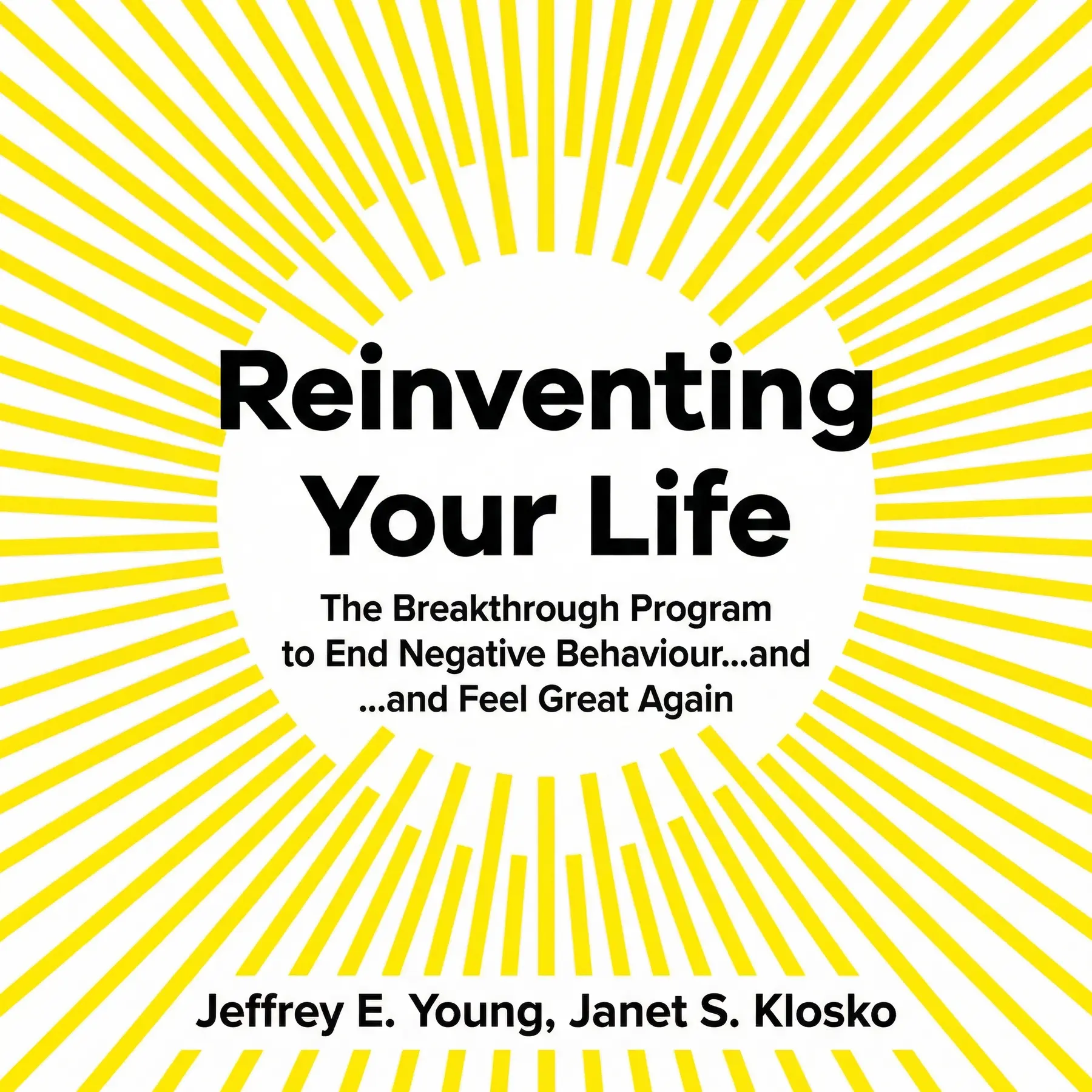
Reinventing Your Life: The Breakthrough Program to End Negative Behaviour...and Feel Great Again
A comprehensive guide to identifying and healing deep-seated psychological patterns called Lifetraps. This roadmap uses schema therapy to help individuals break free from self-defeating behaviors and emotional cycles rooted in childhood.
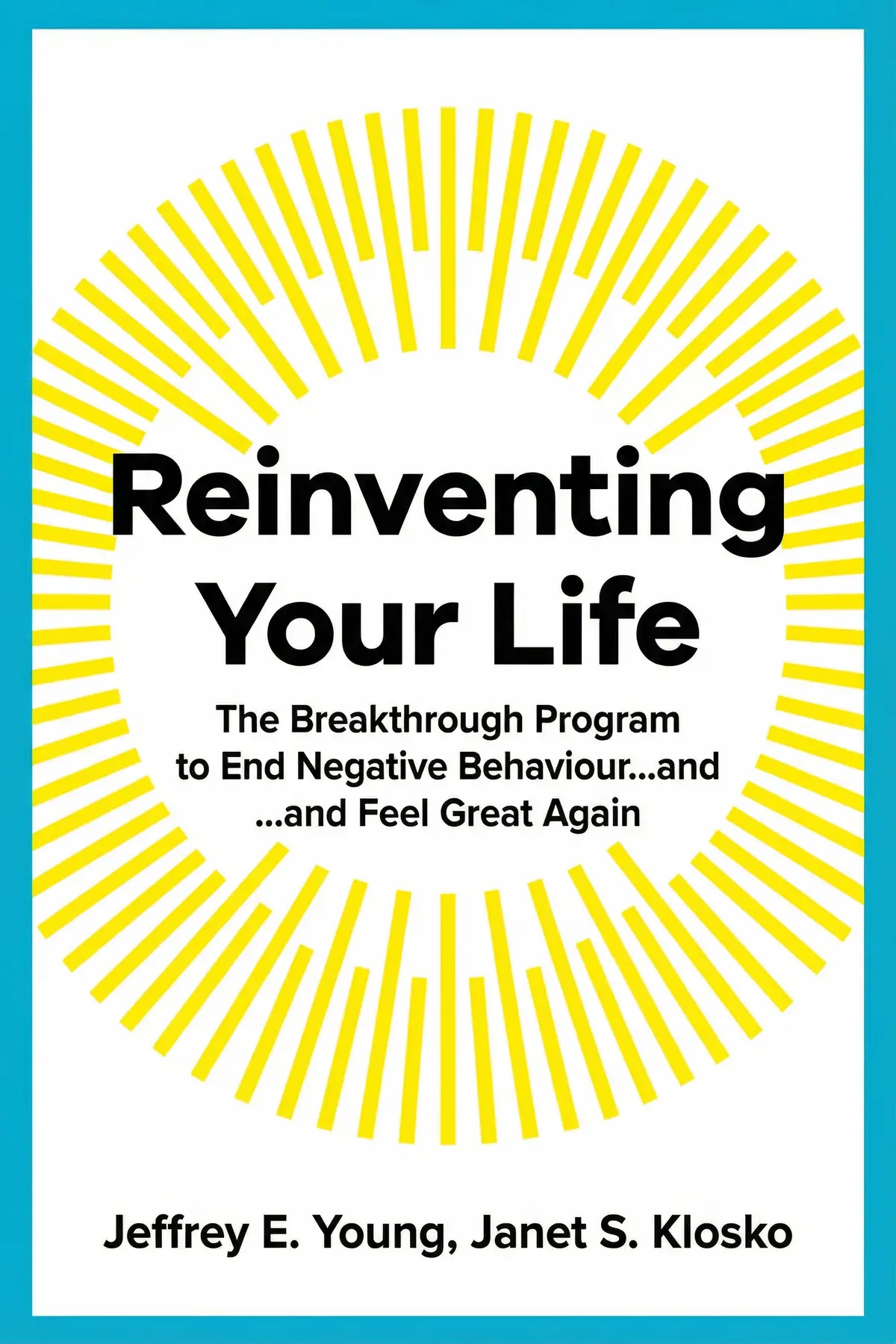
Table of Content
1. Introduction
1 min 56 sec
Have you ever looked at your life and felt like you were watching the same movie on repeat? Perhaps you keep dating people who are emotionally unavailable, or you constantly find yourself feeling like a failure despite your accomplishments. You might feel like you’re trapped in a cycle of behavior that you simply cannot break, no matter how much willpower you exert. This sense of being stuck isn’t just a streak of bad luck; it is often the result of what psychological experts call a Lifetrap. These are the deep-seated, self-defeating patterns of thought and behavior that take root when we are young and follow us into every room we enter as adults.
Jeffrey Young, a pioneering psychologist in the field of schema therapy, noticed a troubling trend early in his career. While many patients responded well to traditional therapy, a significant group seemed resistant to change. They understood their problems intellectually, but their emotional reactions and destructive habits remained untouched. The breakthrough came when Young realized these individuals weren’t just dealing with surface-level issues; they were living out a script written in their childhood. They were subconsciously recreating the very environments that had hurt them in the first place. This realization led to the development of a powerful therapeutic approach designed to dismantle these internal blueprints.
In this exploration, we are going to dive deep into the world of Lifetraps. We will look at how the lack of basic emotional needs in childhood sets the stage for adult struggle. We’ll examine the eleven specific traps that can govern our lives, from the fear of being left alone to the crushing weight of perfectionism. Most importantly, we will outline a clear, seven-step path to escaping these cycles. The goal isn’t just to understand why you do what you do, but to provide the tools necessary to reinvent your emotional reality. It is a journey that requires courage and honesty, but it offers the promise of a life defined by freedom rather than repetition.
2. The Origins of Self-Destructive Cycles
2 min 10 sec
Discover how the painful environments of our youth become the psychological blueprints we unknowingly use to build our adult lives.
3. The Foundation: Why Childhood Needs Shape Adult Reality
2 min 16 sec
Explore the six essential needs of every child and see how the failure to meet them creates the voids that Lifetraps fill.
4. Mapping the Eleven Traps of the Mind
2 min 18 sec
A detailed look at the specific psychological hurdles that prevent us from achieving emotional balance and fulfilling relationships.
5. The Mask and the Mirror: How We Cope with Traps
2 min 22 sec
Understand the three common ways people react to their inner wounds: giving in, running away, or fighting back through overcompensation.
6. The Architecture of Change: Seven Steps to Recovery
2 min 20 sec
A structured, actionable program for dismantling your Lifetraps and building a life based on your current reality rather than past pain.
7. Conclusion
1 min 13 sec
Escaping the gravity of a Lifetrap is perhaps the most difficult work a person can undertake. It requires us to look directly at the wounds we have spent a lifetime trying to ignore. However, as Jeffrey Young and Janet Klosko demonstrate, the alternative is much worse: a life spent repeating the same painful mistakes and living in the shadow of childhood trauma. By understanding the core needs that went unmet and identifying the specific ways we have learned to cope, we can begin to write a new story for ourselves.
The path to reinventing your life is paved with honesty and persistence. It begins with the simple realization that your past does not have to be your future. You are no longer that vulnerable child, and the defenses you built to survive back then are the very things holding you back today. As you work through the steps of identifying, challenging, and changing your behaviors, you will find that the emotional intensity of your traps begins to fade. In its place, you can build a life based on genuine connection, true self-esteem, and a sense of freedom that was previously unimaginable. The work is hard, but the reward—a life that is truly your own—is worth every effort.
About this book
What is this book about?
Reinventing Your Life explores the psychological concept of Lifetraps—the enduring patterns of self-destruction that take root during our formative years. Developed by Jeffrey E. Young and Janet S. Klosko, this work draws on the principles of schema therapy to explain why many of us feel stuck in repetitive, painful cycles in our relationships and careers. The book promises to reveal the childhood origins of these behaviors and provide a structured, actionable program for lasting change. Through various case studies and detailed explanations, the authors identify eleven distinct Lifetraps, ranging from feelings of abandonment to unrealistic standards. They explain how our early environment and the fulfillment—or neglect—of core emotional needs dictate our adult reactions. Beyond just diagnosis, the book offers a seven-step recovery process designed to help readers challenge their negative beliefs, confront their past, and ultimately reconstruct their lives for genuine emotional health.
Book Information
About the Author
Jeffrey E. Young
Jeffrey E. Young, Ph.D is an American psychologist who pioneered the model of schema therapy. He is the author of several books on schema therapy and also on cognitive behavior therapy. Janet S. Klosko, Ph.D is a clinical psychologist who practices cognitive behavior therapy and schema therapy. She is the Codirector of the Cognitive Therapy Center of Long Island, New York.
Ratings & Reviews
Ratings at a glance
What people think
Listeners find this self-help guide to be highly effective, especially as a primer on Schema Therapy, and value its straightforward, approachable prose. The material provides useful perspectives, with one listener pointing out how it connects former experiences to current behavioral traits. They admire its empathetic tone and believe it is a solid investment, with one review noting its thorough exploration of frequent difficulties.
Top reviews
Ethan
Finally got around to reading this after hearing so much about Schema Therapy, and it lived up to the hype. While the "Reinventing Your Life" title sounds like standard airport self-help fluff, the actual content is a deeply compassionate look at how we get stuck in what the authors call "lifetraps." Young and Klosko use a very clear, accessible writing style to explain why we repeat self-destructive patterns from our childhoods. I found the case studies particularly helpful because they allow you to see these abstract concepts in action. It’s not just a dry textbook; it’s a manual for understanding the parts of yourself you’ve been burying for years. Truth is, identifying my primary trap of Subjugation felt like finally finding the missing piece of a puzzle I’ve been trying to solve since my twenties. It's a heavy read at times, but the roadmap for change they provide is worth the emotional effort.
Show moreKanokwan
This book was recommended by my therapist as a companion to our sessions, and it has been eye-opening to say the least. Not gonna lie, I was skeptical when I saw the cover, but the "Unrelenting Standards" chapter hit me like a ton of bricks. It perfectly captures that constant, gnawing anxiety of never being "good enough" regardless of your actual achievements. The authors describe how these schemas are ingrained in us so deeply that we don't even realize we're operating on autopilot. What I appreciated most was the compassionate tone; they don't blame parents or the reader, but rather explain the survival mechanisms we developed. It’s a very practical guide that moves from intellectual understanding to actual emotional acceptance. If you feel like you’re stuck in a loop of sabotaging your own happiness, this is the best investment you could make for your mental health.
Show morePrae
Wow, talk about a wake-up call for anyone who feels like an outsider. I've always struggled with Social Exclusion, and seeing it described so accurately in these pages was both painful and incredibly validating. The authors explain that we often "surrender" to these traps by creating environments that feel familiar, even if those environments are miserable. It’s a bitter pill to swallow, but it’s the only way to actually start healing. The chapter on Subjugation also opened my eyes to how I’ve been burying my true self to keep the peace. Frankly, the advice on how to become more assertive and use "adaptive anger" was exactly what I needed to hear. The language is simple enough for anyone to understand, yet the psychological insights are surprisingly profound. It’s a dense book that requires you to do the work, but it’s life-changing if you actually engage with the exercises.
Show morePia
Schema therapy can sound intimidating, but this makes it incredibly accessible for the average person. I was struck by the idea that we are often "chemically" attracted to the very people who trigger our worst lifetraps. That one sentence alone explained ten years of my dating history! The book is designed to be used almost like a workbook, guiding you through the transition from knowing what's wrong to actually changing your emotional responses. Personally, I found the case studies of the patients to be the most engaging part because they make the theory feel human. You start rooting for these people to break their cycles. It’s a very practical, hands-on guide that doesn't just tell you what's wrong—it gives you a ladder to climb out of the hole. Well worth the money if you’re ready to do some honest reflection.
Show moreNit
The stories in this book are what really make it stick. While the theory of Schema Therapy is fascinating on its own, seeing the case examples really brings the lifetraps to life. You see yourself in the person who can’t stop working, or the one who constantly fears abandonment. Got to say, the way Young and Klosko describe the "false self" we build to protect ourselves was deeply moving. It’s a very empathetic book that makes you feel like the authors are right there in the room with you, offering a gentle but firm push toward change. I’ve read a lot of self-help, and this is one of the few that actually offers a concrete system for behavioral change rather than just vague platitudes. It's a foundational read for anyone who wants to stop repeating the mistakes of their past and start living authentically.
Show moreSai
Ever wonder why you keep seeking out partners who are emotionally unavailable or why you feel like a failure despite a successful career? This book dives deep into lifetraps, which are essentially the self-defeating scripts we learned as children to survive our families. I found the sections on Mistrust and Social Exclusion incredibly relevant to my own life. The writing is straightforward and avoids the dense jargon you usually find in clinical psychology books. Look, it’s a bit long, and some of the patient stories feel a little too "perfectly resolved," which isn't always how real life works. But the worksheets and the step-by-step instructions for breaking these habits are absolute gold. It's about making a deliberate, sustained effort to stop your past from dictating your future. Definitely a foundational text for anyone interested in serious personal growth and ending cycles of trauma.
Show moreChatchai
As someone who spends way too much time self-analyzing, I thought I already knew all my "issues," but this book surprised me. It provides a very structured framework for identifying the patterns of self-sabotage that affect your career and relationships. I particularly liked how it connects "automatic pilot" behaviors to the legacy of our parents without being overly "blamey." The truth is, the title is pretty bad and makes it look like a cheap self-help book, but the content is grounded in serious therapeutic practice. My only real gripe is that it doesn't take into account the influence of peers or larger societal structures as much as I would have liked. Still, the breakdown of the eleven lifetraps is comprehensive and provides a fantastic vocabulary for things that previously felt like vague, shapeless anxieties. It’s a solid 4 stars and a great tool for self-improvement.
Show moreMaria
Frankly, I didn't expect a book from the early 90s to still feel this relevant, but here we are. It provides a very clear introduction to life traps like Failure and Mistrust, which I found surprisingly applicable to my current work stress. The writing style is very approachable, almost like you’re having a conversation with a wise, patient therapist. My only criticism is that the book can be a bit formulaic and repetitive, which makes it hard to power through in one sitting. I’d recommend reading it slowly, one chapter at a time, to really let the insights sink in. It’s less about a quick fix and more about the "prolonged effort" needed to rewire your brain. To be fair, the title is a bit generic, but the substance inside is incredibly valuable for anyone willing to look at their childhood through a critical lens.
Show morePooja
The title is admittedly cheesy and dated, but the core psychological theory here is actually quite robust. I’ll be honest: it gets incredibly repetitive after a while, as each chapter follows the exact same formula of a questionnaire, a story about a patient, and a set of exercises. If you don't find yourself in the first few "lifetraps" described, you might find yourself skimming through a lot of the middle sections. To be fair, for someone who isn't already well-versed in psychology, this would be a fantastic introduction to how early environment shapes adulthood. However, as a self-analysis hobbyist, I felt like the authors oversimplified some complex trauma by trying to fit everyone into these eleven distinct boxes. The roleplaying exercises also felt a bit "new age" for my personal taste, and I struggled to connect with the idea of talking to my inner child in such a scripted manner.
Show moreChokdee
I really wanted to like this, but the focus on regression and roleplaying just didn't sit right with me. The premise that every single one of our current issues can be traced back to a specific "life trap" formed in early childhood feels a bit reductionist. My experience is that life, community, and future traumas also play a massive role in who we become. To be fair, the authors are clearly experts, and their Schema Therapy model has helped many people. However, the book felt repetitive and dated, echoing the 1990s trend of placing almost all the blame on parenting styles while ignoring broader environmental factors. I found myself checking how many pages were left because the "vignettes" about patients like Eliot felt repetitive and sometimes a bit forced. If you love deep-diving into your childhood memories, you’ll love it, but for me, it was a miss.
Show moreFeatured in
Readers also enjoyed
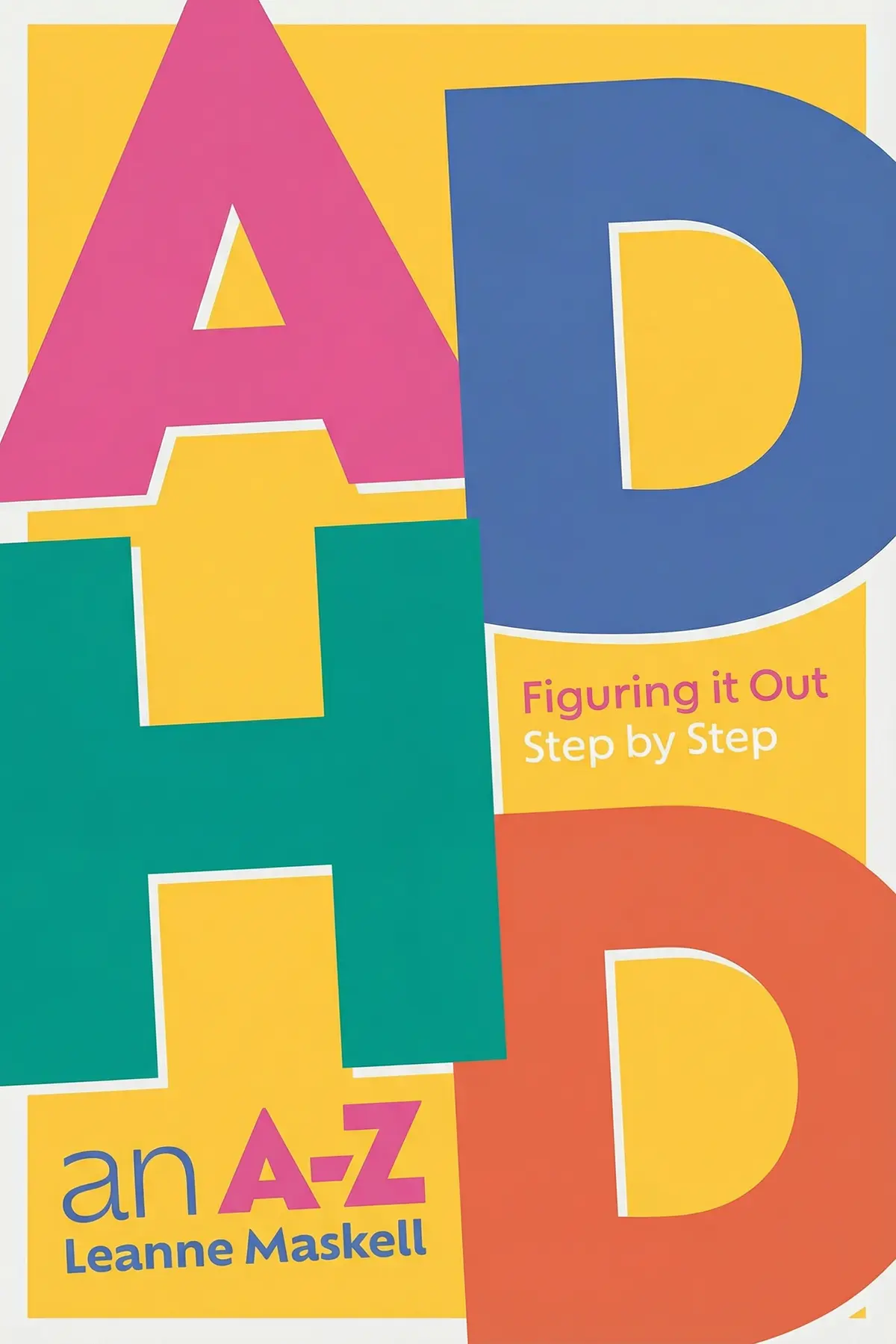
ADHD an A-Z: Figuring It Out Step by Step
Leanne Maskell

A Guide to the Good Life: The Ancient Art of Stoic Joy
William B. Irvine
AUDIO SUMMARY AVAILABLE
Listen to Reinventing Your Life in 15 minutes
Get the key ideas from Reinventing Your Life by Jeffrey E. Young, plus 5,000+ more titles in English and Thai.
- 5,000+ titles
- Listen as much as you want
- 7-day free trial
- Cancel anytime







