
19 min 10 sec
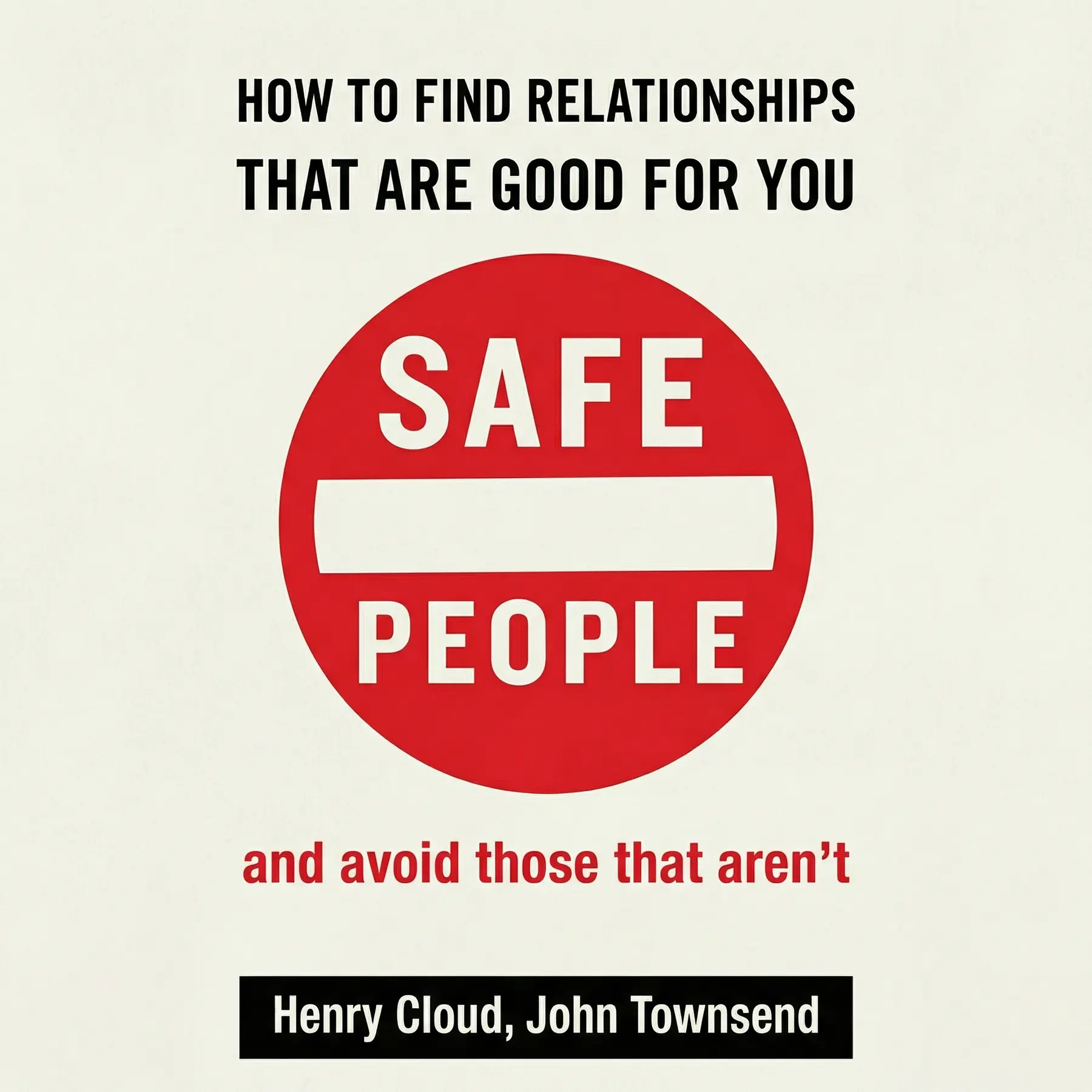
Safe People: How to Find Relationships that are Good for You and Avoid Those That Aren't
Safe People provides a comprehensive framework for identifying trustworthy individuals and weeding out toxic relationships. It offers practical tools for character assessment, emotional boundary-setting, and developing the internal safety required for healthy, lifelong connections.
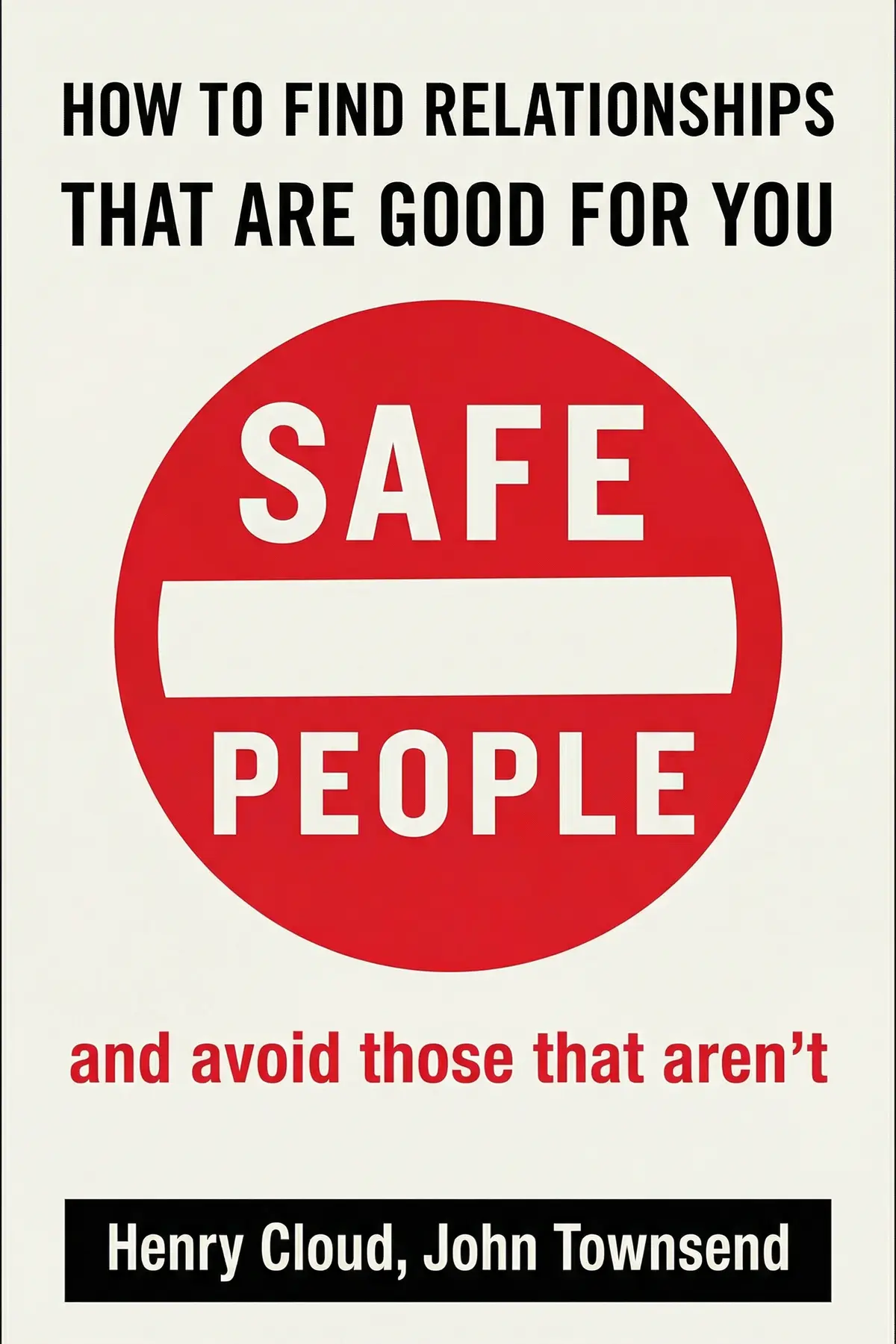
Table of Content
1. Introduction
1 min 49 sec
We have all had those moments where we walk away from a social interaction feeling inexplicably drained, small, or discouraged. Perhaps it was a coffee date with a friend who turned every topic back to themselves, or a conversation with a family member that left you feeling like you could never quite measure up. These experiences aren’t just minor annoyances; they are signals. They are the subtle, and sometimes not-so-subtle, indicators that we are interacting with someone who may not be safe for our emotional or spiritual well-being.
In their transformative work, Drs. Henry Cloud and John Townsend introduce us to the concept of Safe People. The central throughline of this journey is that our growth, our health, and even our spiritual vitality are inextricably linked to the people we choose to let into our inner world. While we often focus on our own self-improvement, we frequently overlook the fact that we do not grow in a vacuum. We grow in the soil of our relationships. If that soil is toxic, our growth will be stunted, no matter how much effort we put into our personal development.
This isn’t about judging others from a place of superiority. In fact, one of the most sobering realizations the authors offer is that we all have the capacity to be unsafe at times. Rather, this is about discernment. It is about learning to recognize the patterns that lead to destruction and choosing, instead, to surround ourselves with people who mirror the grace, truth, and consistency we need to thrive. Over the course of this summary, we will explore how to identify the red flags of unsafe individuals, why we might be drawn to them in the first place, and how we can cultivate the character necessary to both find and become a safe person. Let’s begin by looking at the fundamental types of people who tend to leave us feeling less than whole.
2. Categorizing the Unsafe
2 min 42 sec
Not all difficult people are the same, and understanding the specific patterns of the abandoner, the critic, and the irresponsible can help you protect your heart.
3. The Trap of False Piety
2 min 07 sec
Being a good person or even a religious person doesn’t automatically make someone safe; learn why character must go deeper than outward morality.
4. Identifying Interpersonal Red Flags
2 min 15 sec
Learn how to spot the subtle ways unsafe people use triangulation, guilt, and control to undermine your confidence and independence.
5. The Mirror of Safety
2 min 01 sec
The quest for safe people must eventually turn inward; explore the four internal barriers that may be preventing you from being safe yourself.
6. The Physical and Emotional Cost of Unsafety
2 min 16 sec
Toxic relationships don’t just hurt your feelings; they can actually make you physically ill and drain your life’s vitality.
7. The Power of Forgiveness and Truth
1 min 53 sec
Discover why real safety is found in the intersection of grace and honesty, and why an apology without change is not enough.
8. Practical Steps Toward Safety
2 min 10 sec
Building a safe life is an active process; learn the six practical habits that will help you attract and maintain life-giving connections.
9. Conclusion
1 min 57 sec
As we reach the end of our exploration into the world of Safe People, the central message is clear: the quality of your life and the health of your soul are too important to be left to chance. We often treat our relationships as something that ‘just happens’ to us, but Drs. Cloud and Townsend remind us that we have the power—and the responsibility—to be discerning. We have seen that unsafe people aren’t always ‘bad’ people, but they are often individuals whose character structure lacks the consistency, humility, and empathy required for a truly life-giving connection.
By learning to identify the abandoners, the critics, and the irresponsibles, you protect yourself from the chronic stress and emotional depletion that toxic ties create. But more importantly, by doing the internal work to address your own envy, entitlement, or walls of self-sufficiency, you prepare yourself to recognize and welcome the safe people who are already out there. Remember that true safety is found at the intersection of grace and truth. It is found in people who can look at your flaws and offer you a hand instead of a finger of judgment.
The throughline of this journey is that we were never meant to walk alone. We were created for connection, but not just any connection. We were created for the kind of relationships that mirror the unconditional love and steadfastness of the divine. As you move forward, take the actionable step of evaluating your inner circle. Do the people closest to you make you feel more like yourself or less? Do they encourage your growth or demand your compliance? Don’t be afraid to set boundaries, and don’t be afraid to seek out those rare, precious individuals who offer a safe harbor for your heart. In doing so, you aren’t just improving your social life; you are choosing a path of health, longevity, and deep spiritual peace.
About this book
What is this book about?
Have you ever found yourself repeatedly drawn to people who let you down, criticize you, or disappear when things get difficult? Safe People is a deep dive into the psychology of character and connection. Authors Henry Cloud and John Townsend argue that the quality of our lives is directly tied to the safety of our inner circle. They provide a roadmap for distinguishing between people who foster growth and those who hinder it. The book goes beyond simple personality traits to examine the underlying character structures that make someone safe or unsafe. It explores why we might be attracted to unhealthy dynamics and how our own past experiences shape our relational choices. By the end, readers are equipped with a clear set of criteria for choosing friends, partners, and mentors who are capable of empathy, honesty, and mutual respect. The promise is a life enriched by authentic, supportive, and spiritually grounding relationships.
Book Information
About the Author
Henry Cloud
Dr. Henry Cloud is a clinical psychologist, leadership expert, consultant, and coach. Dr. John Townsend is a psychologist, leadership coach, and speaker who runs the Townsend Institute for Leadership and Counseling. The authors have written a series of best-selling books, both together and separately, that explore boundaries in parenting, dating, and other relationships.
Ratings & Reviews
Ratings at a glance
What people think
Listeners find this work to be an exceptional and accessible guide for understanding themselves and those around them, offering actionable tips and direction for building healthy connections. Additionally, the content deeply influences individual development, with listeners sharing that the insights have been life-altering. Yet, responses to the spiritual themes are varied; some value the Christian-based approach, whereas others find the text more religious than they expected.
Top reviews
Rin
Finally got around to reading this after hearing so much about it from my counselor. It is truly a brilliant resource for anyone who feels like they are constantly being drained by their social circle. The authors do a fantastic job of breaking down complex psychological dynamics into easy-to-read chapters that don't feel overwhelming. I especially appreciated the focus on personal growth; it’s not just about pointing fingers at others but also about learning how to be a safe person yourself. The concept of 'relationship-centered' living really resonated with me. I’ve started applying the 'loving confrontation' techniques and I already feel more in control of my life. This book has the potential to be life-changing if you actually do the hard work of self-examination.
Show moreRotjanee
Wow, I didn't realize how much I was standing in my own way until I started looking at these character traits. This isn't just a book about avoiding 'toxic' people; it's a deep dive into character and spiritual health. The authors argue that our relationships are indicators of our spiritual growth, and that hit me hard. I loved the emphasis on empathy and honesty as the foundations of a safe connection. It’s a very easy read, but the content is heavy enough to require some processing time between chapters. Truth is, we all have 'unsafe' tendencies that we need to address before we can expect to find high-quality partners or friends. This book gives you the tools to name those things and move toward healing. Highly recommend for any small group.
Show moreTim
Ever wonder why you keep attracting the same type of draining person into your life? This book finally gave me the answers. It’s a brilliant, practical guide to understanding why we gravitate toward people who aren't good for us. I learned that my 'misplaced loyalty' was actually keeping me trapped in a cycle with critics who never had my best interests at heart. The biblical framing of 'evil' as that which is not beneficial to your growth was a perspective I hadn't considered before. It’s a refreshing take on relational health that prioritizes honesty and mutual accountability over superficial niceness. If you are tired of being taken advantage of, you need to read this. It’s definitely one of those books I’ll be keep on my shelf for reference.
Show moreTanyaporn
Picked this up during a really rough patch and it has been an absolute lifeline for my mental health. Learning the difference between a person who is simply 'difficult' and one who is truly 'unsafe' has saved me so much unnecessary guilt. The authors emphasize that God made us to be dependent on each other, but only within the context of safety and grace. This isn't just a list of rules; it’s a philosophy of connection that encourages you to be vulnerable with the right people. I’ve already recommended it to three of my friends. It’s one of the few books that actually provides a step-by-step framework for evaluating the people you allow into your inner circle. A must-read for anyone seeking personal growth.
Show moreSamira
In my experience, few books manage to be both this convicting and this encouraging at the same time. The authors don't let the reader off the hook; they force you to ask, 'Am I a safe person for others?' That consistent urging toward self-examination is what makes this book so effective. It’s not just about filtering others out, but about refining your own character so you can attract the right kind of community. The writing is clear and the advice is actionable, making it a great resource for anyone in leadership or counseling. It has fundamentally changed how I approach my friendships and my marriage. I feel much better equipped to handle confrontation in a way that actually leads to restoration and peace.
Show moreRungtip
The chapter on the three types of unsafe people—the abandoners, critics, and irresponsibles—was a total lightbulb moment for me. I’ve spent years making excuses for 'irresponsible' friends, thinking I was being supportive when I was actually just enabling their flakiness. Cloud and Townsend provide very practical advice on how to spot these red flags early on. To be fair, the book is quite heavily rooted in a Christian worldview, which I enjoyed, but I can see how it might be a bit much for someone looking for a secular perspective. The distinction between forgiveness and trust was a crucial takeaway. You can forgive someone instantly, but trust must be earned over time through consistent character. My only gripe is that it felt a bit repetitive in the middle sections.
Show moreTawee
As someone who has always been a bit of a people-pleaser, this book provided a necessary reality check on my boundaries. It helped me realize that my desire to 'rescue' others was actually a sign of my own lack of safety. The authors explain that safe people are those who can handle the truth and encourage your freedom rather than trying to control you. I found the section on 'unsafe parents' particularly enlightening, especially the part about adult children. However, I did feel like the book focused heavily on the negatives—I would have loved more stories about what it looks like when an unsafe person successfully transforms. It’s a solid 4-star read that offers a lot of clarity, even if the tone is a little dry at times.
Show moreOoi
Look, the authors come from a very specific Christian perspective, but the psychological principles here are incredibly sound. Even if you aren't religious, the breakdown of how to identify safe versus unsafe character traits is invaluable. I appreciated the list of behaviors to watch out for, like people who demand trust rather than earning it or those who avoid vulnerability. It’s an easy-to-read manual for anyone wanting to build a healthier social circle. I do wish they had acknowledged that some people, like those with certain personality disorders, might never become 'safe.' They seem a bit naive about the possibility of rehabilitation for everyone. Still, for the average person struggling with 'normal' relationship issues, this is a very helpful and practical guide.
Show moreSaowalak
I’ve heard great things about Cloud and Townsend, but the audiobook version of this was nearly impossible to take seriously. The narrator sounds exactly like a game show host! He reads these heavy, tragic case studies about secret addictions and betrayal with this bizarre, upbeat enthusiasm that is unintentionally hilarious. Content-wise, the book is okay, but it leans a bit too much into a 'victim mentality' for my taste. It portrays the world as being full of predators and leaves very little room for the nuance of human struggle. It’s also very 'over-spiritualized' in parts, which can be frustrating if you’re looking for purely clinical advice. It did help me spot a few red flags in a current friendship, so it wasn’t a total waste of time.
Show moreRapee
Not what I expected, and frankly, I found some of the advice here quite troubling. While the authors are clearly experts in their field, their stance on the LGBTQ community is incredibly outdated and dismissive. It’s hard to take relationship advice seriously when it’s paired with the idea that someone’s identity is a problem to be 'fixed.' Furthermore, as someone who has dealt with emotional abuse, I found the guidance for leaving destructive relationships to be dangerously vague. If you are in a high-stakes situation involving gaslighting or manipulation, this book might actually make you feel like you aren't doing enough to 'restore' the connection. There are better, safer resources out there for people dealing with real trauma. I expected much better from such big names.
Show moreFeatured in
Readers also enjoyed
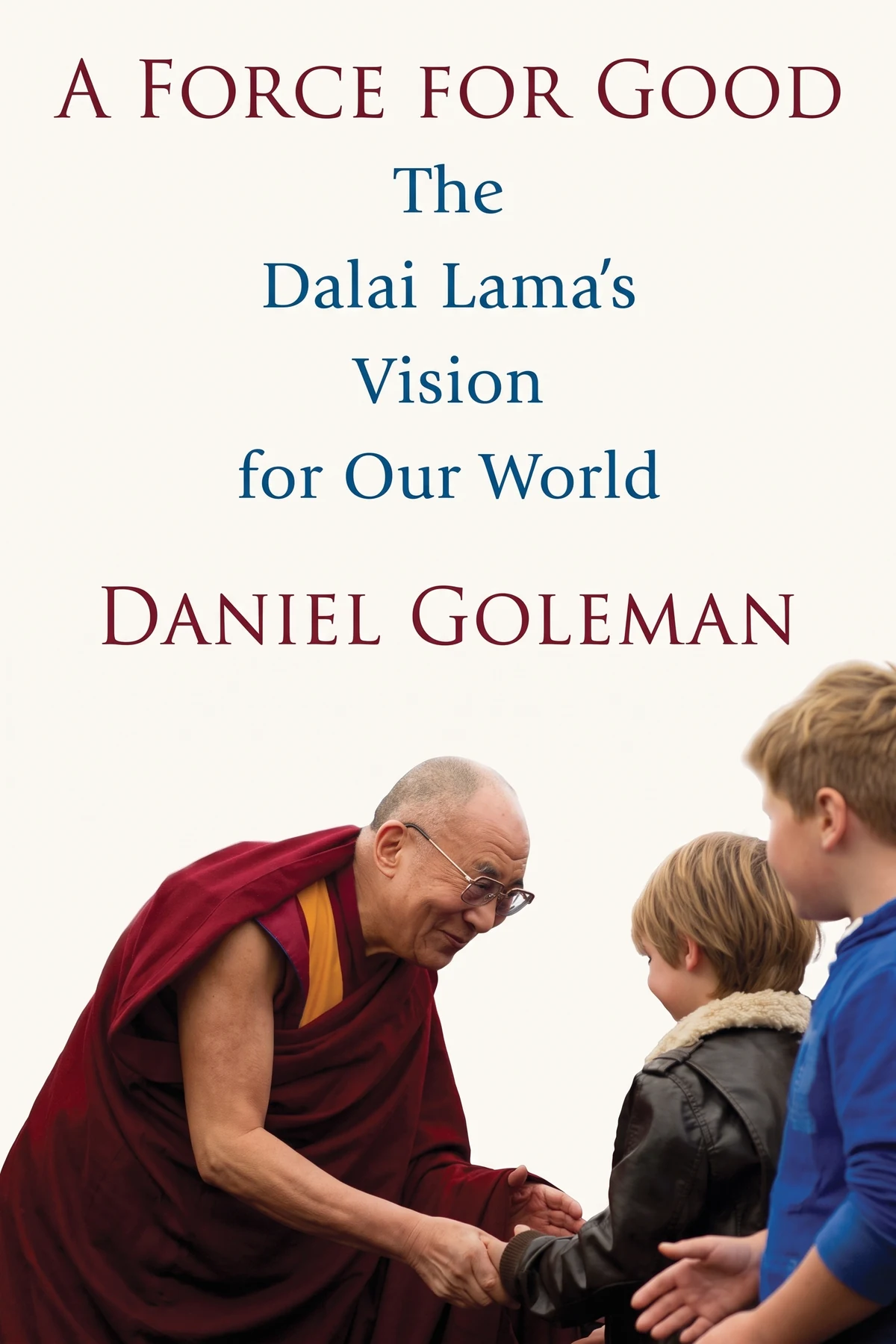
A Force for Good: The Dalai Lama's Vision for Our World
Daniel Goleman
A New Earth: Awakening to Your Life’s Purpose
Eckhart Tolle
A Return to Love: Reflections on the Principles of a Course in Miracles
Marianne Williamson
Abundance: The Inner Path to Wealth
Deepak Chopra
Aflame: Learning from Silence
Pico Iyer
Alcoholics Anonymous
Alcoholics Anonymous World Services

AUDIO SUMMARY AVAILABLE
Listen to Safe People in 15 minutes
Get the key ideas from Safe People by Henry Cloud, plus 5,000+ more titles in English and Thai.
- 5,000+ titles
- Listen as much as you want
- 7-day free trial
- Cancel anytime







