
16 min 27 sec
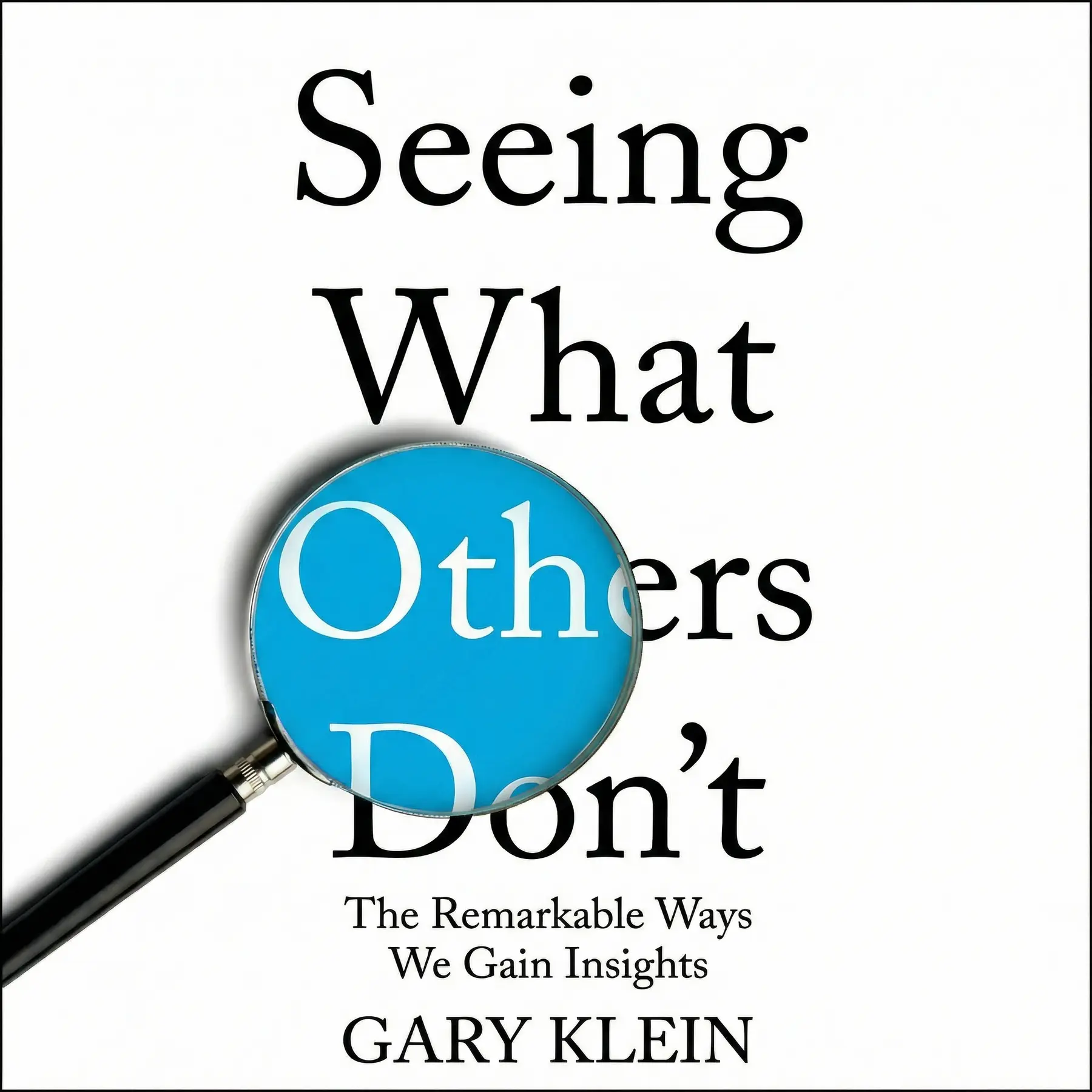
Seeing What Others Don’t: The Remarkable Ways We Gain Insights
By Gary Klein
Cognitive psychologist Gary Klein explores how breakthroughs happen. By analyzing the mechanics of discovery, he identifies three distinct paths to realization and explains how to foster these insights in ourselves and our organizations.
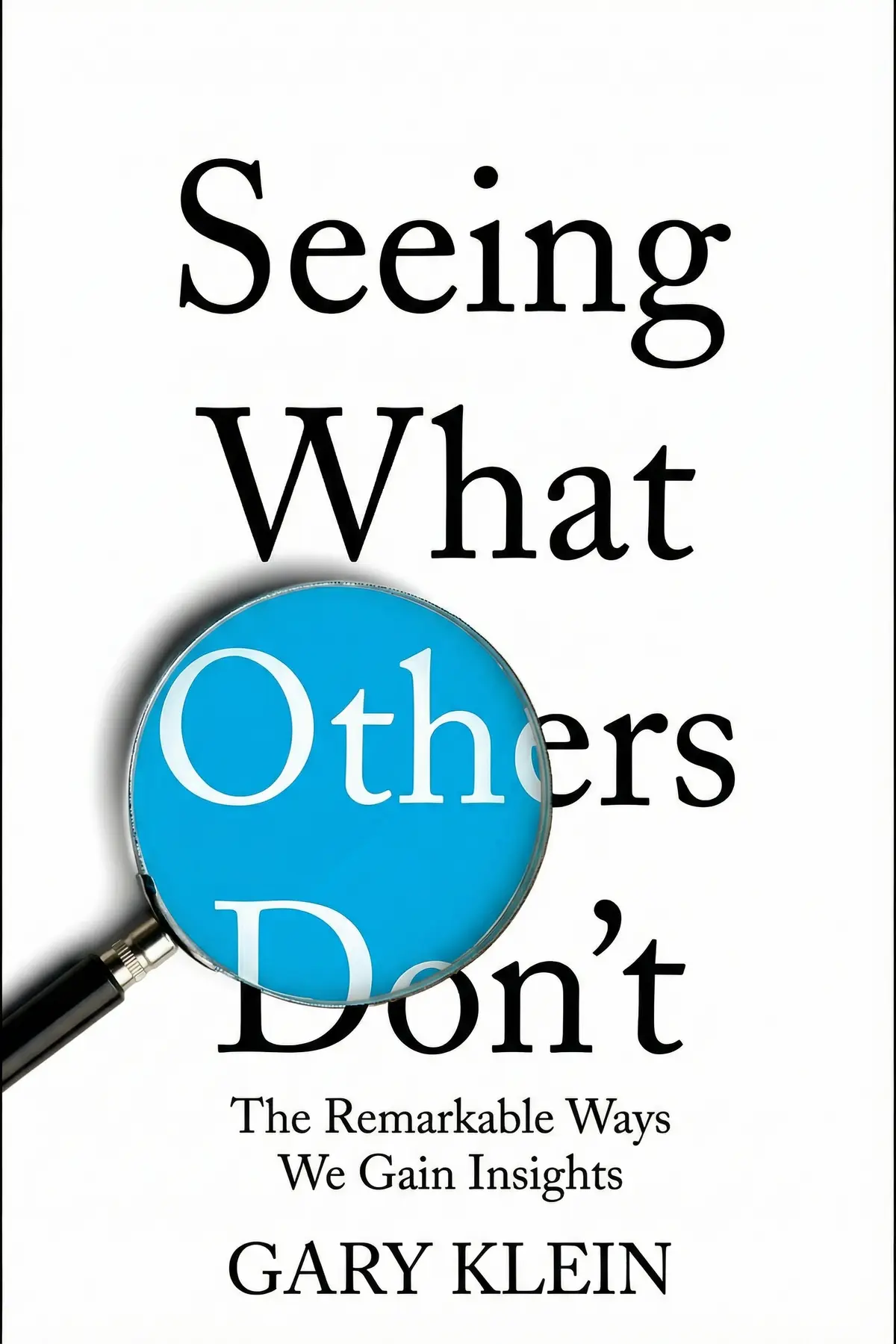
Table of Content
1. Introduction
1 min 27 sec
Every so often, we experience a moment that profoundly changes how we see the world. It’s that flash of clarity where everything suddenly makes sense. These moments, which we call insights, do more than just solve a puzzle; they shift our thinking, our decisions, and even the feeling of a situation. They can transform an obstacle from a confusing mess into a clear path forward, spotlighting opportunities we previously overlooked and helping us assess the world with newfound accuracy.
But here is the catch: unlike day-to-day logical problem solving, insights rarely come from brute force or following a checklist. They often arrive unexpectedly, which can make these breakthroughs feel almost like magic. Yet, when we examine the patterns behind them, we find they can be understood and even anticipated. Crucially, we discover that insights usually arise following three specific paths: the path of connections, the path of contradictions, and the path of creative desperation. Each of these routes reshapes the beliefs and assumptions that guide our thinking.
In this summary, we are going to break down these three paths. We will explore how seemingly unrelated ideas can snap together, how clashing evidence can lead to a paradigm shift, and how being backed into a corner can force the mind to innovate. By the end, you’ll see how to foster an environment where these flashes of understanding are not just random accidents, but regular occurrences.
2. The Nature of the Insight Shift
1 min 44 sec
How does an insight differ from a typical logical conclusion? Discover why breakthroughs require a complete reorganization of your mental landscape rather than just more data.
3. The Path of Connections
1 min 50 sec
Realizations often happen when disparate ideas suddenly link up. Learn how coincidences and curiosities serve as the raw material for these cognitive bridges.
4. The Path of Contradictions
1 min 40 sec
Sometimes, the best way to see the truth is to look at what doesn’t fit. Explore why disbelief and anomalies are the secret ingredients for discovery.
5. The Path of Creative Desperation
1 min 46 sec
When your back is against the wall and your usual tools fail, you’re on the third path. Learn how to dismantle the assumptions that keep you trapped.
6. The Invisible Filters of Perception
1 min 38 sec
Why do we miss things that are right in front of us? Discover how our internal biases act as barriers to new realizations.
7. The Organizational Stifling of Insight
1 min 46 sec
Many companies claim to want innovation but accidentally kill it. Uncover the two major traps that prevent teams from having breakthroughs.
8. Creating a Culture of Discovery
1 min 41 sec
How can a leader encourage a team to think differently? Explore practical strategies for making insight a systematic part of work.
9. The Spark and the Fire
1 min 42 sec
An insight is only the beginning. Learn why action is the necessary final step to turn a realization into a reality.
10. Conclusion
1 min 13 sec
As we have seen throughout this journey into the mind, insights are not just lucky accidents; they are the result of how we engage with the world. We’ve explored the three distinct pathways—connections, contradictions, and creative desperation—that lead to those life-changing moments of clarity. We’ve also looked at the mental filters and organizational traps that often stand in our way.
The most important takeaway is that seeing what others don’t is a skill that can be practiced. It starts with a commitment to curiosity. It requires the bravery to admit when you are wrong and the persistence to look past the obvious. Whether you are an individual looking to solve a personal problem or a leader trying to steer a company toward innovation, the key is to stay alert to the things that don’t fit.
Don’t just look for more information; look for a better way to organize the information you already have. Shake your own snow globe. Question your assumptions. And when you find that flash of insight, don’t let it fade. Act on it, test it, and use it to build a more accurate map of the world. By mastering these pathways, you turn the ‘mysterious’ power of insight into a reliable tool for growth and discovery.
About this book
What is this book about?
This exploration takes a deep dive into the elusive world of human insight. While we often think of sudden breakthroughs as random strokes of luck or mystical flashes, Gary Klein argues that they are the result of specific cognitive patterns. He moves beyond standard problem-solving techniques to explain how we can actually change our mental frameworks to see things others miss. The narrative explores the Triple Path Model, which includes connections, contradictions, and creative desperation. By understanding these pathways, listeners can learn to spot the small anomalies and strange coincidences that lead to massive changes in perspective. It serves as a guide for anyone looking to sharpen their perception, challenge their own assumptions, and innovate more effectively in high-pressure environments.
Book Information
About the Author
Gary Klein
Gary Klein, PhD, is a cognitive psychologist known for his pioneering work on naturalistic decision making: studying how people make choices in real-world situations and settings. Klein has advised organizations ranging from the U.S. Air Force to Fortune 500 companies on improving decision-making, innovation, and performance. His other influential works include Sources of Power, Streetlights and Shadows, and The Power of Intuition.
Ratings & Reviews
Ratings at a glance
What people think
Listeners find the book highly perceptive, especially admiring its 3-part model of insight and the way it analyzes practical decision-making steps. The text is also praised for being well-organized and accessible, with one listener highlighting that the prose is free of jargon. Additionally, they value the inventive methodology; one listener notes how it fosters creativity, while another points to its significant connection to contemporary issues.
Top reviews
Hana
Finally, a psychology book that isn't afraid to step out of the lab and into the real world! Gary Klein’s naturalistic approach is exactly what’s missing from most cognitive science today. Instead of boring student surveys, he uses intense, real-life examples like firefighters and emergency responders. This makes the 3-part model of insight feel tangible and useful. I was especially impressed by the Triple Path theory—it’s a simple but deep way to categorize how breakthroughs happen. The book is also remarkably jargon-free, which makes it a breeze to read. I managed to finish the whole thing in just two sittings! Not gonna lie, I was skeptical about the 'creative desperation' path at first, but the examples he provided were totally convincing. It's a great follow-up for fans of Steven Johnson. If you want to understand the 'aha!' moment without getting bogged down in dense academic prose, this is the book for you.
Show moreSuthida
As someone working in organizational design, I found the critique of 'systems' in this book incredibly poignant. Klein argues that the stronger the design, the weaker the insight. That is a terrifying and necessary realization for any manager. We spend so much time building structures to prevent errors that we accidentally kill the possibility of discovery. The 3-part model provided a fantastic vocabulary for my team. We now discuss 'weak anchors' and 'contradictions' during our brainstorming sessions. The writing is incredibly easy to follow, and the historical tidbits provide great context. Personally, I didn't mind the family anecdotes; they helped ground the theories in everyday reality. It’s a refreshing, creative approach that actually offers actionable takeaways. This book doesn't just explain insight; it helps you foster it.
Show moreLars
Seeing What Others Don't is a rare find in the crowded field of business and psychology books. Gary Klein manages to be insightful without being pretentious, using a jargon-free style that speaks directly to the reader. The way he breaks down real-life decision-making processes is nothing short of brilliant. I’ve already started using the Triple Path framework to analyze problems at my own job. It really helps you identify whether you are facing a contradiction or just need a new connection. The book feels incredibly relevant to our current era of data-overload, reminding us that 'seeing' is about more than just looking at numbers. It’s about the narrative we build from the gaps. I found the section on 'creative desperation' particularly moving. It’s not just a dry academic text; it’s an invitation to be more curious and observant. Highly recommended for anyone looking to sharpen their mental tools.
Show moreEli
I've spent years obsessing over my mistakes, but Klein flipped my perspective entirely with his 'Up Arrow/Down Arrow' concept. This book shows that performance isn't just about eliminating errors; it’s about actively nurturing the sparks of insight. The real-life decision-making examples, from smokejumpers to 9/11 intelligence failures, are absolutely gripping. I love how he breaks down the Triple Path—contradictions, connections, and creative desperation. It provides a concrete language for something that usually feels totally mysterious. The prose is refreshingly jargon-free, making complex cognitive psychology accessible to the average reader. Frankly, I think this should be required reading for anyone in a leadership role. It teaches you how to look for the weak signals that others miss. While some reviewers find the family stories distracting, I thought they added a layer of authenticity to the research. It’s not just theory; it’s how these patterns manifest in the real world every day.
Show moreEmily
The central thesis of this book—the Triple Path model—is genuinely transformative for anyone interested in cognitive performance. Klein argues that we focus too much on 'down arrows' or minimizing errors, which inadvertently kills the 'up arrows' of discovery. This perspective changed how I view my team’s workflow. Instead of just tightening controls, we need to leave room for contradictions and curiosities. The writing is clear and avoids the dense academic fluff you often find in social science. I particularly enjoyed the breakdown of how Michael Burry saw the housing crisis coming when everyone else was blind. My only gripe is that some historical examples feel a bit stretched to fit the theory. Look, it’s not a perfect scientific manual, but it’s a great tool for sparking a different kind of thinking. It bridges the gap between raw data and the 'aha' moments that actually drive progress.
Show moreBun
Ever wonder why some people just 'get it' while others stare blankly at the obvious? This book attempts to answer that, and for the most part, it succeeds. Klein’s exploration of the 'slow hunch' versus the sudden epiphany is fascinating. I was particularly struck by the idea that experience can sometimes be an inhibitor to insight. It’s a counterintuitive point, but the way he explains it using the 3-part model makes total sense. The story about the cops and the Mercedes ash-flicker is a classic for a reason—it’s a perfect example of what experts see that others don't. To be fair, the middle section drags a bit when he dives into his own family history. I didn't really need to hear about his brother's therapy sessions. However, the overall message about balancing error reduction with insight generation is vital. It’s a solid, creative approach to a complex topic.
Show moreChanpen
Klein starts off strong with the story of the two cops who spot a car thief because he flicked ash on the upholstery of a new Mercedes. It’s a brilliant hook that perfectly illustrates naturalistic decision-making. The prose is jargon-free and accessible, which I appreciated. But as the pages turn, the narrative starts to sag under the weight of repetitive case studies. Personally, I felt like I was reading the same point five different ways through various historical lenses like Darwin or Watson and Crick. The distinction between reducing errors and increasing insights is a profound one for any manager. Yet, the book is quite long-winded and could have been a fifty-page essay. The Triple Path model is definitely a solid framework for understanding how we connect the dots. I just wish the delivery was as sharp as the initial hook.
Show moreOscar
I really wanted to like this, but the examples frequently rubbed me the wrong way. Klein praises his daughter for withholding information while selling an e-reader to an elderly man, framing it as 'insight.' To be fair, that just seems plain deceptive to me. Then there's the firefighter example where he treats the survival of one man as genius and the deaths of others with cold detachment. The 3-part model—connections, coincidences, and curiosities—is intellectually interesting. However, the author’s tone feels disconnected from actual human empathy. I found the 'up arrow' versus 'down arrow' concept useful for my work, but the anecdotal evidence felt cherry-picked. It’s hard to trust a psychological study when the data includes the author’s own family laundry. If you want a rigorous look at intuition, maybe look elsewhere.
Show moreNew
There is some decent information here, but it’s buried under mountains of tedious repetition. The book basically repeats the same three or four case studies for three hundred pages. I found the analysis of the 11th of September intelligence gaps interesting, but the author puts it on the same level as his daughter’s e-reader sale. That felt incredibly disjointed. Truth is, the Triple Path model could have been explained in a long blog post. Instead, we get endless pontification about historical figures that feels very cherry-picked to suit the author's narrative. I struggled with the lack of empathy in the storytelling—people dying in fires is treated as a mere data point for 'insight.' It was a frustrating experience. While I appreciate the jargon-free style, it occasionally slides into pop-psych territory where rigor is sacrificed for a good story. I wouldn't recommend it if you're looking for something with actual scientific depth.
Show moreAnawin
I found this book to be a massive letdown from start to finish. I picked this up expecting a rigorous deep dive into the mechanics of the human mind, but what I got was a collection of loosely connected anecdotes. Klein spends far too much time talking about his own family—like his brother’s narcissism or his daughter’s questionable business ethics. Honestly, it felt more like a personal memoir than a serious study on insight. He attempts to generalize Watson and Crick’s DNA discovery based on a few stories without any real control groups. Is this science or just storytelling? The advice on how to improve insight is incredibly vague. He basically says insight is 'magic' that happens when it happens. By the time I reached the part about reducing controls to foster creativity, I was completely checked out. It’s too long, too repetitive, and lacks the scientific backbone to support its lofty claims. In the end, I felt I had learned almost nothing of actual value.
Show moreReaders also enjoyed
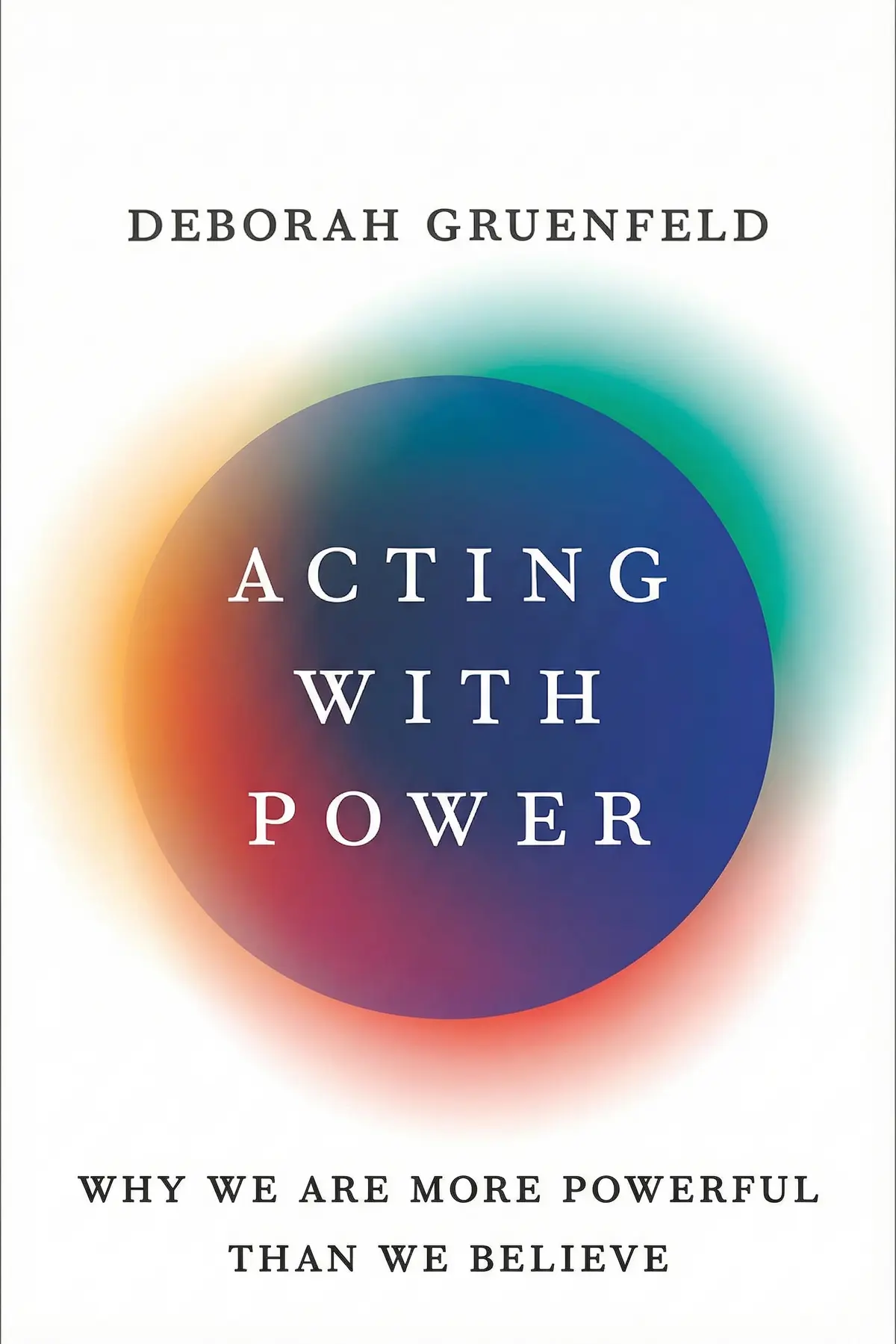
Acting with Power: Why We Are More Powerful Than We Believe
Deborah Gruenfeld
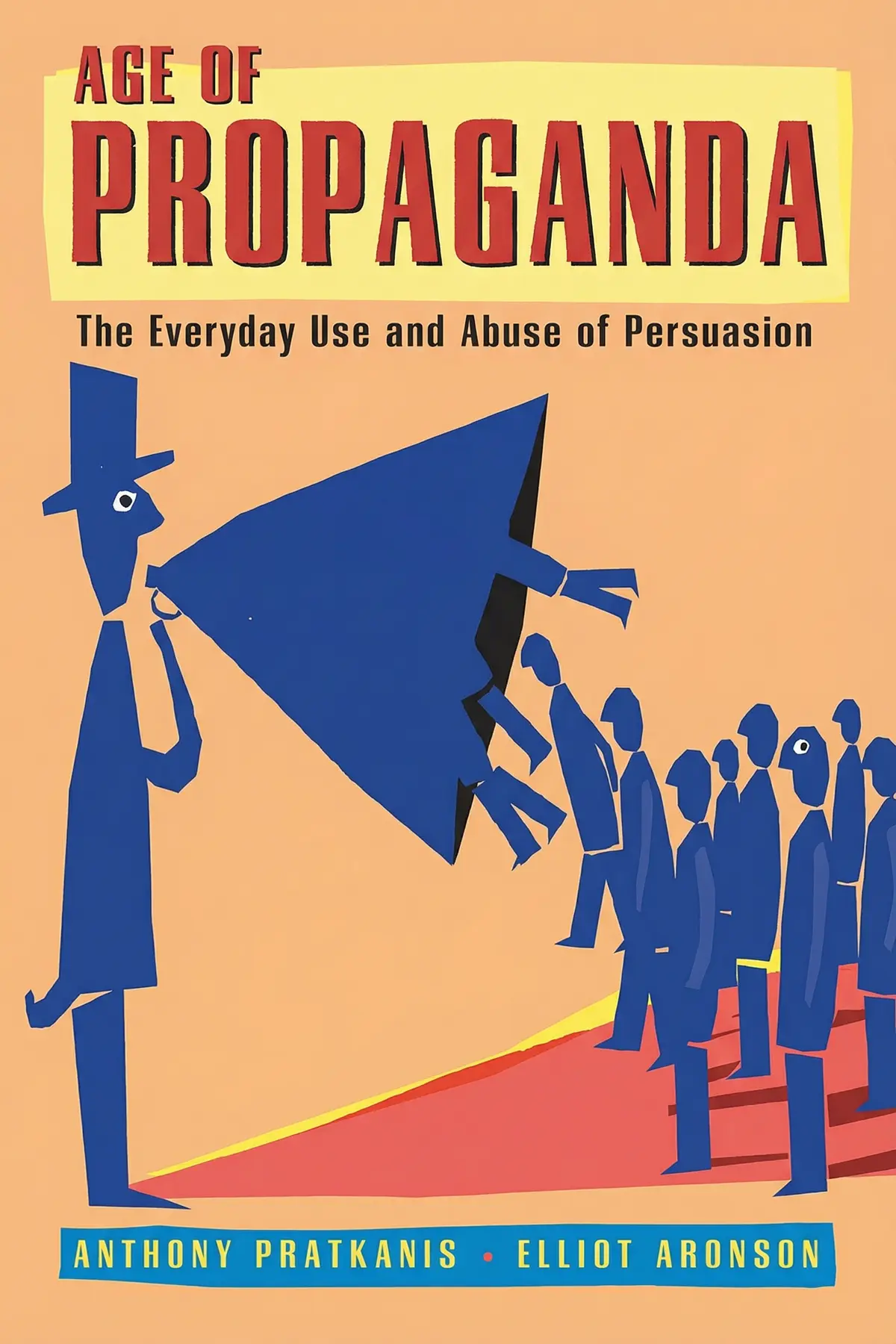
Age of Propaganda: The Everyday Use and Abuse of Persuasion
Anthony Pratkanis

A Room of One’s Own
Virginia Woolf
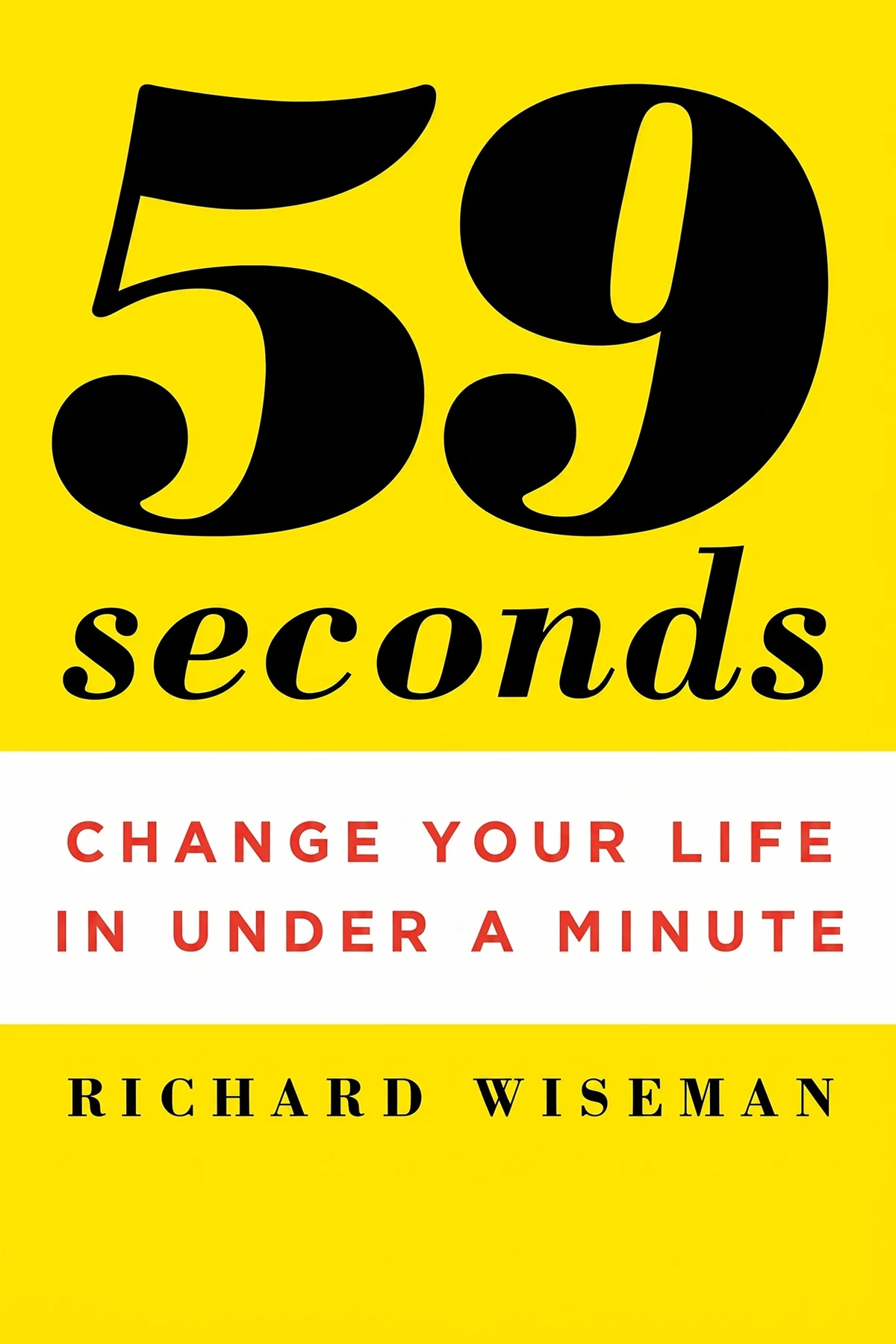
59 Seconds: Change Your Life in Under a Minute
Richard Wiseman
AUDIO SUMMARY AVAILABLE
Listen to Seeing What Others Don’t in 15 minutes
Get the key ideas from Seeing What Others Don’t by Gary Klein, plus 5,000+ more titles in English and Thai.
- 5,000+ titles
- Listen as much as you want
- 7-day free trial
- Cancel anytime







