
15 min 04 sec
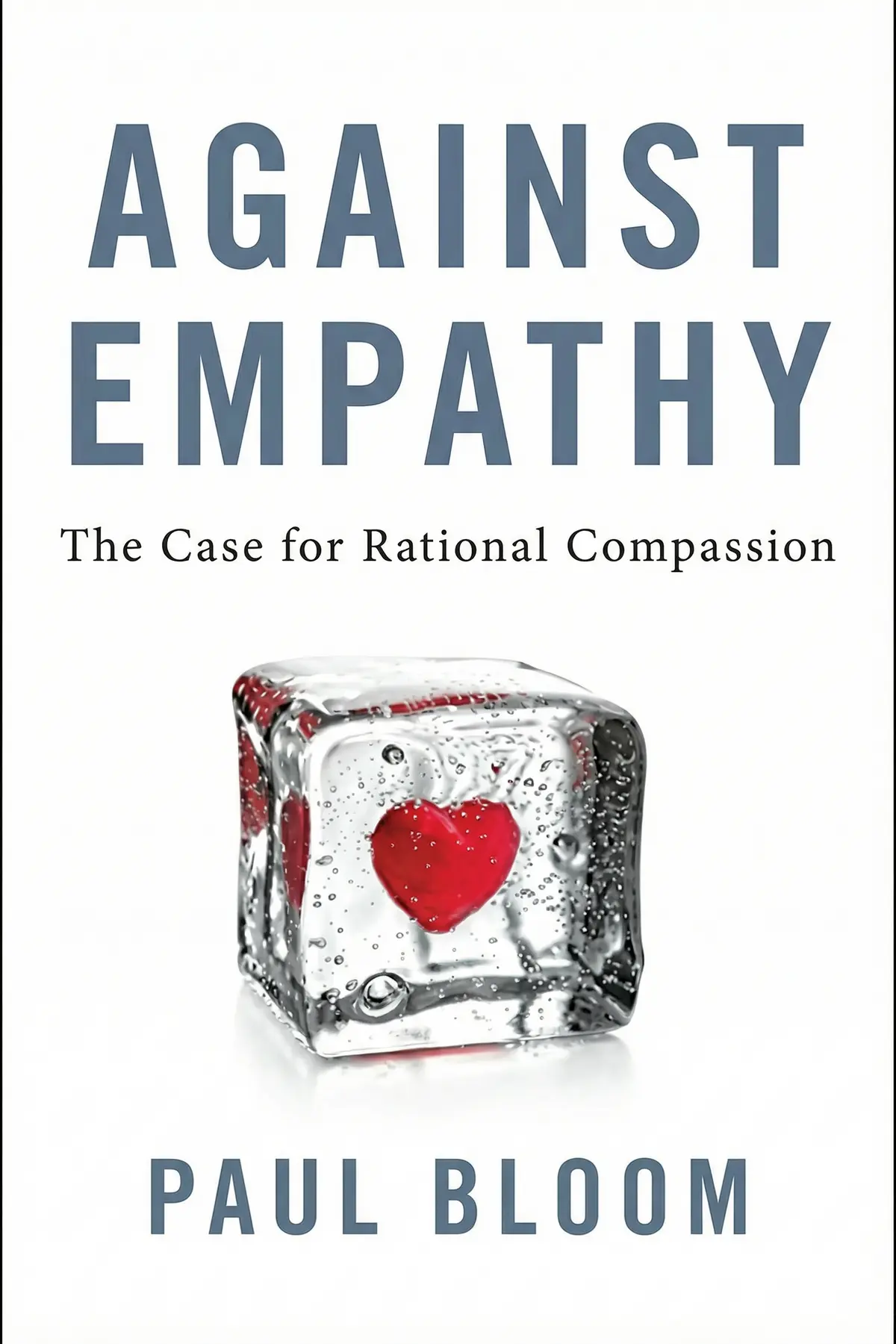
Sex, Murder and the Meaning of Life: A Psychologist Investigates How Evolution, Cognition, and Complexity Are Revolutionizing Our View of Human Nature
Explore the evolutionary roots of human behavior, from deep-seated romantic drives to the darker impulses of violence and prejudice, and discover how our ancestral past shapes our modern decisions and desires.
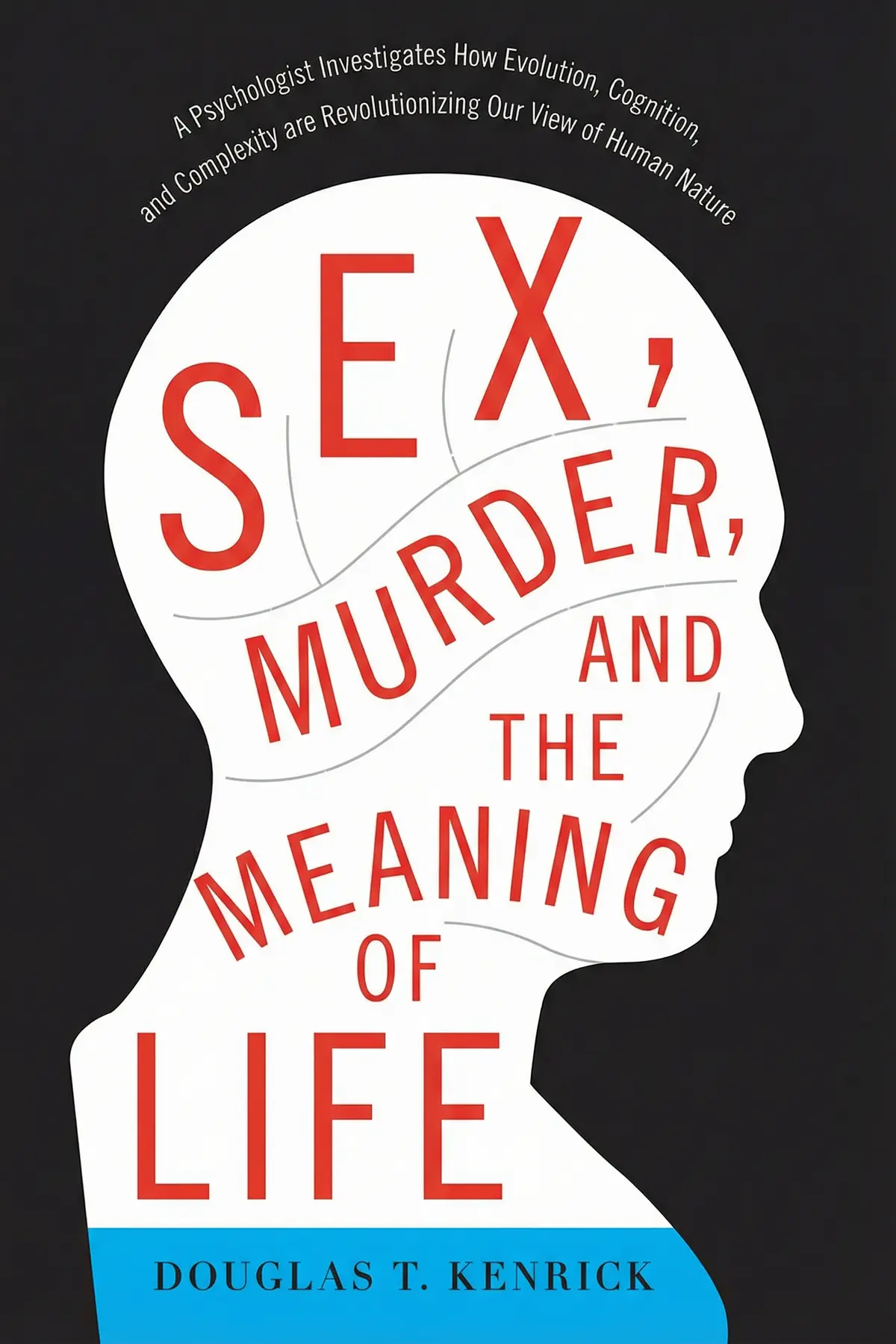
Table of Content
1. Introduction
1 min 55 sec
Imagine, for a moment, that you are walking through a crowded city street. You see thousands of faces, hear the hum of traffic, and navigate a complex web of social interactions without a second thought. We like to believe that we are the masters of our own minds—logical, modern, and entirely removed from the primal world of our ancestors. But beneath the surface of our civilized exterior, there is a powerful undercurrent of ancient instincts that dictates almost everything we do. From the people we choose to date to the way we spend our money, and even to the dark, fleeting thoughts we’d never admit to out loud, our behavior is deeply rooted in the requirements of evolution.
For a long time, the field of social psychology didn’t see it this way. Decades ago, the prevailing wisdom suggested that humans were essentially blank slates. The idea was that our behavior was almost entirely a product of our immediate environment and current circumstances. If someone acted aggressively or fell in love, it was because of the situation they were in right then and there. Researchers largely ignored the possibility that we might share innate traits passed down through thousands of generations.
However, a revolution has taken place in how we view human nature. We now understand that there is a throughline connecting us to our Stone Age ancestors. The challenges they faced—finding a mate, protecting their families, and surviving in a hostile world—have left a permanent mark on our cognitive hardware. In this exploration of Douglas T. Kenrick’s work, we are going to look at the often-uncomfortable reality of these evolutionary drivers. We’ll see how the fundamental needs for survival and reproduction still pull the strings behind the scenes of our modern lives, influencing our memories, our biases, and even our most important life decisions. By the end, you’ll have a much clearer picture of why we act the way we do, and how our search for meaning is inextricably linked to our biological past.
2. The Evolutionary Trap of Beauty and Dominance
2 min 27 sec
Discover how our innate attraction to beauty and social status can inadvertently undermine our commitment to current relationships and distort our perception of reality.
3. The Biological Roots of Male Aggression
2 min 23 sec
Explore the unsettling connection between homicidal fantasies and the evolutionary pressure on men to compete for status and reproductive opportunities.
4. Prejudice as a Survival Mechanism
2 min 12 sec
Understand how our ancestors’ need to avoid disease and external threats created the psychological foundations for modern-day bias and xenophobia.
5. How the Brain Filters Memory for Survival
2 min 11 sec
Learn why your brain selectively remembers high-stakes emotional events while ignoring the mundane details of daily life, all in the name of evolutionary efficiency.
6. The Hidden Logic of Spending and Status
2 min 22 sec
Discover why luxury purchases are often more about biological signaling than personal taste, and how our spending habits change when romance is on our minds.
7. Conclusion
1 min 34 sec
As we have seen, the human experience is a fascinating blend of the modern and the ancient. We live in a world of technology and complex social structures, yet our hearts and minds are still beating to the rhythm of the Stone Age. By exploring the evolutionary roots of our behavior, we can see that even our most puzzling or troubling traits—our wandering eyes, our occasional aggression, our hidden prejudices, and our obsession with status—all served a vital purpose for our ancestors.
The throughline of our lives is the relentless drive for survival and reproduction. This doesn’t mean we are slaves to our biology, but it does mean that our biological heritage provides the context for our choices. When we understand the “why” behind our impulses, we gain a new kind of power. We can recognize when a feeling of prejudice is just an ancient survival alarm ringing in the wrong century, or when our desire for a luxury item is actually a cry for social status.
Ultimately, the meaning of life, from an evolutionary perspective, is found in the successful navigation of these deep-seated drives. By acknowledging the darker and more primal aspects of our nature, we can actually move toward a more compassionate and rational way of living. We are not just biological machines, but we are certainly informed by our biology. Embracing this reality allows us to see ourselves more clearly, helping us to bridge the gap between who we were millions of years ago and who we want to be today. As you move forward, keep in mind that every decision you make is a dialogue between your modern self and the ancestors who survived against the odds so that you could be here today.
About this book
What is this book about?
Sex, Murder and the Meaning of Life examines the surprising ways that our evolutionary history continues to govern our daily existence. While we like to think of ourselves as rational, modern beings, psychologist Douglas T. Kenrick reveals that our motivations are often tied to ancient instincts for survival and reproduction. The book explores why we feel attracted to certain people, why men are statistically more prone to violence, and how our brains prioritize information that could have saved our ancestors' lives. By weaving together social psychology and evolutionary biology, the narrative promises to transform your understanding of human nature. You will learn about the hidden triggers for prejudice, the psychology behind luxury spending, and the reason why even the most civilized individuals harbor dark fantasies. Ultimately, Kenrick provides a lens through which we can see our complex social world as a product of millions of years of biological refinement.
Book Information
About the Author
Douglas T. Kenrick
Douglas T. Kenrick is a professor of psychology at Arizona State University. His contributions to psychology and social research have been published in numerous academic journals, as well as in The New York Times and Psychology Today.
Ratings & Reviews
Ratings at a glance
What people think
Listeners consider this work a solid entry point into Evolutionary Psychology, noting how it successfully integrates recent developments in evolutionary biology. They value how easy the material is to consume, as one listener points out its approachable writing style, and they also appreciate its humorous tone. Both the narrative quality and the experiments receive mixed reactions from listeners.
Top reviews
Arm
Wow, this was an absolute riot to read while still being packed with enough empirical evidence to satisfy my skeptical side. Kenrick writes with an irreverent, almost Sapolsky-esque humor that makes even the darkest topics like murder and reproductive competition feel strangely relatable. I love how he takes Darwin’s 'dangerous idea' and applies it to everything from why we buy fancy cars to how we choose our friends. Not gonna lie, I was worried the 'meaning of life' part would be some fluff, but his reimagined pyramid of needs is a total game-changer for understanding human motivation. The personal stories about his son and his own mistakes actually humanize the science rather than distracting from it. This is exactly what pop-science should be: funny, provocative, and deeply grounded in reality. Highly recommended for anyone who isn't afraid to see humans as the biological animals we are.
Show moreCha
Finally got around to reading Kenrick's work and I have to say the way he explains mating strategies is both hilarious and deeply insightful. It is rare to find a book that manages to bridge the gap between heavy academic research and genuinely entertaining storytelling so effortlessly. Frankly, the sections on how our ancestral history dictates our modern, often irrational choices changed the way I look at my own behavior and social circle. He tackles the 'offensive' nature of evolutionary psychology head-on, refusing to sugarcoat the realities of human nature. The writing is punchy, the data is solid, and the overall message about finding meaning through our social connections is surprisingly touching. It is a fantastic introduction for anyone curious about why we do the things we do. I couldn’t put it down.
Show moreOtt
Picked this up on a whim and found Kenrick’s take on the 'pyramid of needs' surprisingly refreshing. Most psychology books just regurgitate Maslow, but he actually uses evolutionary biology to explain why we prioritize certain things at different life stages. I gotta say, the writing style is very accessible and the humor kept me turning pages even when the concepts got a bit dense. There is a lot of focus on mating and status, which might turn some people off, but it is handled with a blunt honesty that I appreciated. Some of the experiments he describes are genuinely fascinating and provide a great look at the subconscious drives we all share. My only real gripe is that some of the broader 'meaning of life' questions felt a little tacked on at the end. It’s a solid four-star read that makes you think twice about your own daily choices.
Show moreMaksim
Honestly, it’s rare to find a social scientist who can weave together evolutionary biology and day-to-day social blunders with such a light touch. This book serves as a fantastic primer on why our 'stone-age' brains struggle with modern life, using everything from consumerism to religion as examples. The narrative is fast-paced and Kenrick’s voice is distinct, making the complex theories feel much more approachable for a layperson. I particularly enjoyed the discussion on 'positive psychology' and how it overlaps with our biological imperatives for survival and reproduction. While I think he spends a little too much time on his personal history, the data he presents is compelling enough to overlook the occasional tangent. It’s a witty, thought-provoking journey through the human psyche that doesn't take itself too seriously. If you want a dry textbook, look elsewhere.
Show moreOlivia
As someone who finds the intersection of Darwinism and psychology fascinating, I appreciated how this book bridges that gap without being too dry. Kenrick does a great job of explaining the 'why' behind behaviors that usually seem irrational, like why we overspend on luxury goods. The connection between our evolutionary past and our modern social structures is explored with a lot of wit and some very clever experimentation. Not gonna lie, I found the chapter on why young men are prone to violence particularly eye-opening and well-reasoned. The book does feel a bit broad, and some deeper concepts are introduced only to be glossed over a few pages later. However, the overall accessibility makes it a great entry point for anyone interested in human nature. It’s a fun, informative read that manages to be both academic and conversational at the same time.
Show moreSebastian
Not what I expected from a book with such a lurid title, but the content is actually a solid primer on why we act like animals. The writing is snappy and the author doesn't shy away from controversial topics, which kept things interesting throughout. Frankly, the way he ties together evolutionary goals with our everyday decision-making is pretty brilliant, even if the 'meaning of life' part is a bit subjective. I enjoyed the blend of personal history and hard science, though the stories sometimes felt like they were there just to fill space. It’s a very quick read that provides a lot of 'aha!' moments about human behavior. I’d recommend it to anyone who enjoyed books like 'Freakonomics' or 'The Selfish Gene.' It’s not perfect, but it’s a very engaging look at the biological roots of our social lives.
Show moreTim
The chapter on murder was definitely the highlight, providing some gritty data that most pop-psych books tend to shy away from. While I enjoyed the humor, the truth is that the book feels a bit disorganized at times, jumping between personal anecdotes and high-level theory. Kenrick’s focus on the 'four levels of analysis' was a great concept, but I felt it wasn't developed enough to be truly useful. It’s like he starts a fascinating conversation at a bar and then gets distracted by another story before finishing his point. Still, his take on why men and women have different mating strategies is backed by solid research. I’d recommend it as a supplemental read, though it shouldn't be your only source for this field. A bit more editing could have made the overarching 'meaning of life' argument much stronger.
Show morePhichai
I’ve read quite a few books on evolutionary psychology, so I was curious to see how Kenrick would handle such a broad, ambitious title. It is a decent introduction for those new to the field, tying together biology and social behavior in a way that is very easy to digest. However, I found the author’s tone to be a bit overly defensive, as if he’s constantly bracing for an attack from his academic peers. This 'you-against-me' framework can be a little exhausting for a reader who just wants to learn the science. To be fair, his passion for the subject is obvious, and the personal stories about his family are quite heartwarming. It’s a bit of a mixed bag overall—great information, but the delivery is occasionally marred by a chip on the author's shoulder. It’s definitely not a homerun, but it’s worth a look.
Show moreKasemsan
After hearing the sensational title, I expected a profound exploration of human existence, but what I mostly got was a memoir masquerading as science. Kenrick has a very specific, almost streetwise New York persona that he leans into heavily throughout the chapters. To be fair, some of the studies regarding mating habits and social status are genuinely intriguing and well-cited. However, the author's defensive posture against critics of evolutionary psychology starts to feel like a soapbox after a while. I found myself wishing he would spend less time talking about his own divorces and more time developing the complex psychological concepts he introduces. It’s an entertaining enough read if you want a breezy intro to the field, but don't expect the life-changing wisdom promised by the title. The science often feels secondary to the personal anecdotes.
Show moreChan
Look, if you enjoy a writer who constantly reminds you of his 'blue-collar' New York roots while defending his academic tenure, this might be for you. In my experience, the narrative voice felt like a fabricated shtick that distracted from the actual research. The book tries to cover way too much ground—from homicide to religious fervor—without ever really digging deep into any single topic. Truth is, many of the evolutionary explanations felt a bit dated or oversimplified for the sake of a punchline. I appreciate the attempt to make psychology accessible, but the self-congratulatory tone made it hard to stay engaged. It feels like wading through a series of long-winded yarns just to get to a single nugget of data. There are better, more objective introductions to evolutionary biology out there.
Show moreReaders also enjoyed
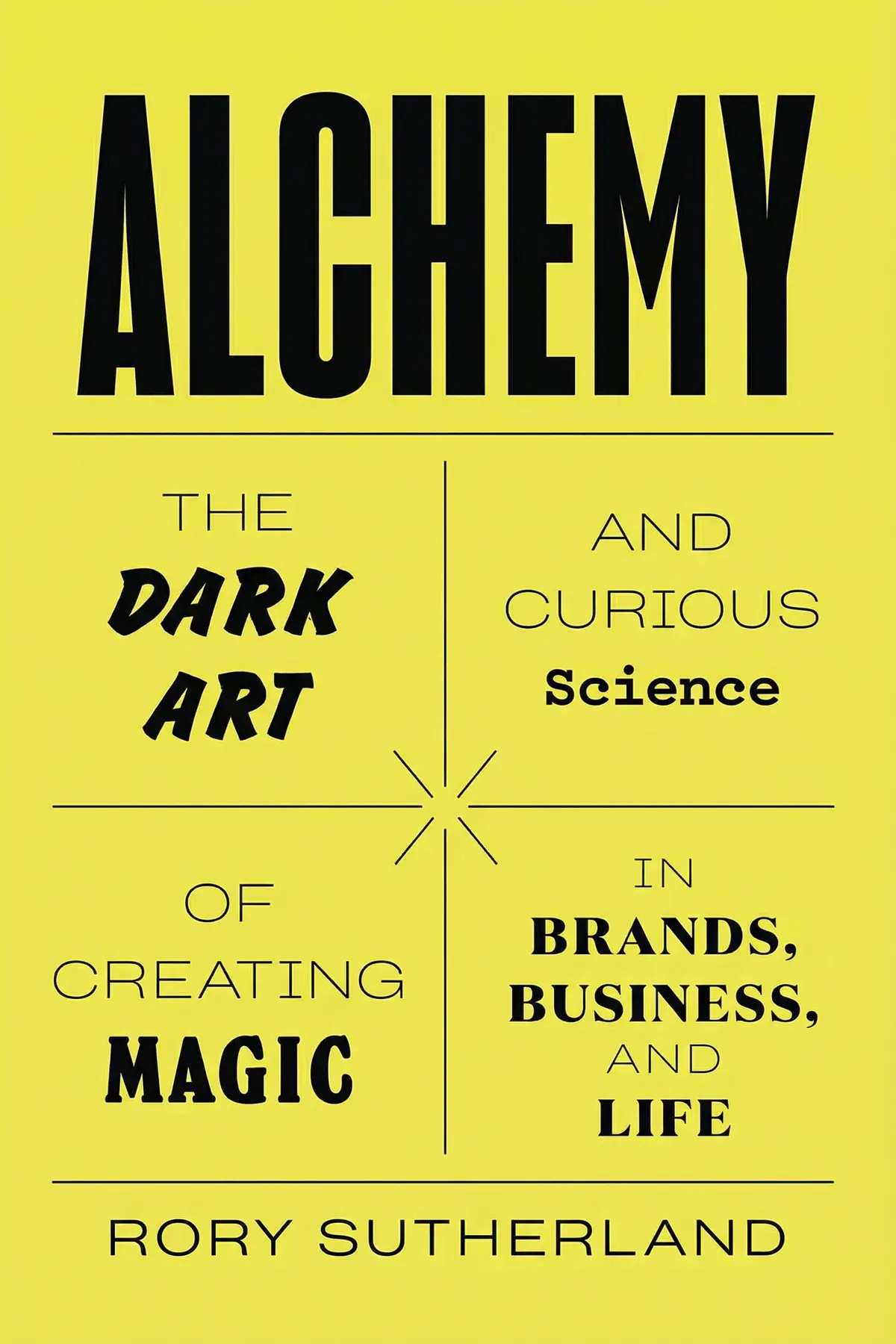
Age of Propaganda: The Everyday Use and Abuse of Persuasion
Anthony Pratkanis

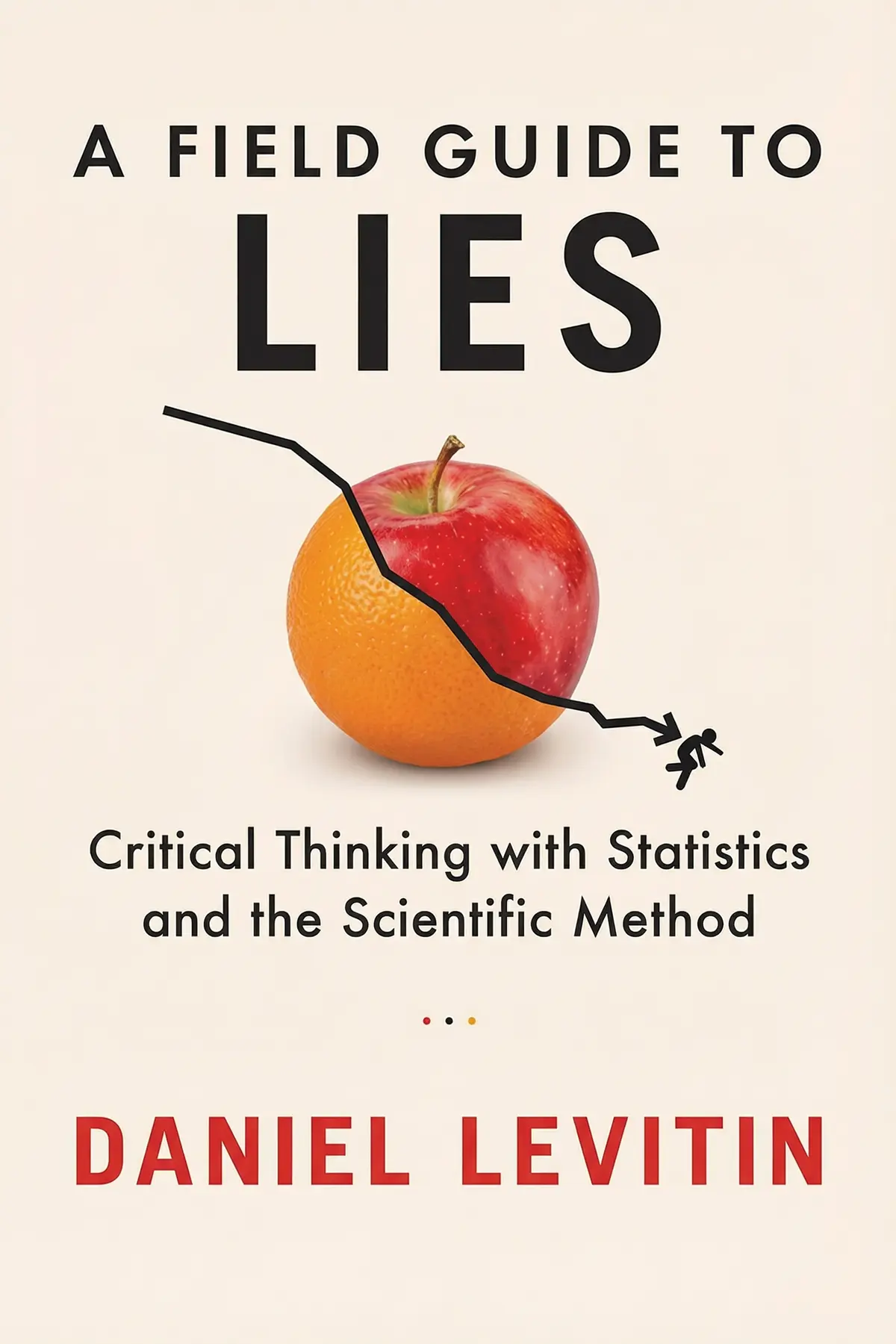
59 Seconds: Change Your Life in Under a Minute
Richard Wiseman
A Liberated Mind: How to Pivot Toward What Matters
Steven C. Hayes
AUDIO SUMMARY AVAILABLE
Listen to Sex, Murder and the Meaning of Life in 15 minutes
Get the key ideas from Sex, Murder and the Meaning of Life by Douglas T. Kenrick, plus 5,000+ more titles in English and Thai.
- 5,000+ titles
- Listen as much as you want
- 7-day free trial
- Cancel anytime







