
15 min 38 sec
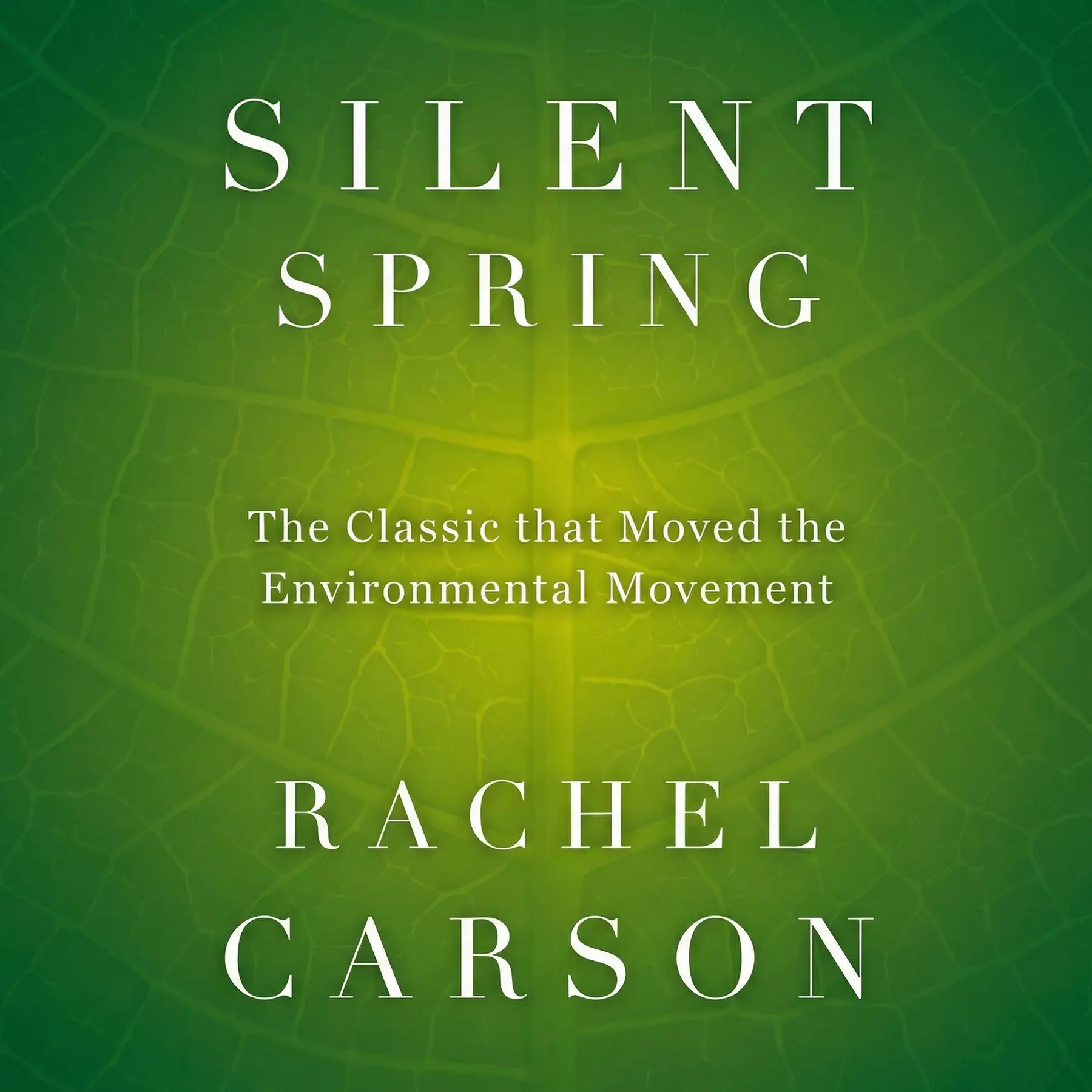
Silent Spring
A landmark investigation into the ecological dangers of synthetic pesticides, revealing how man-made chemicals disrupt nature’s balance and threaten human health, ultimately launching the modern environmental movement.
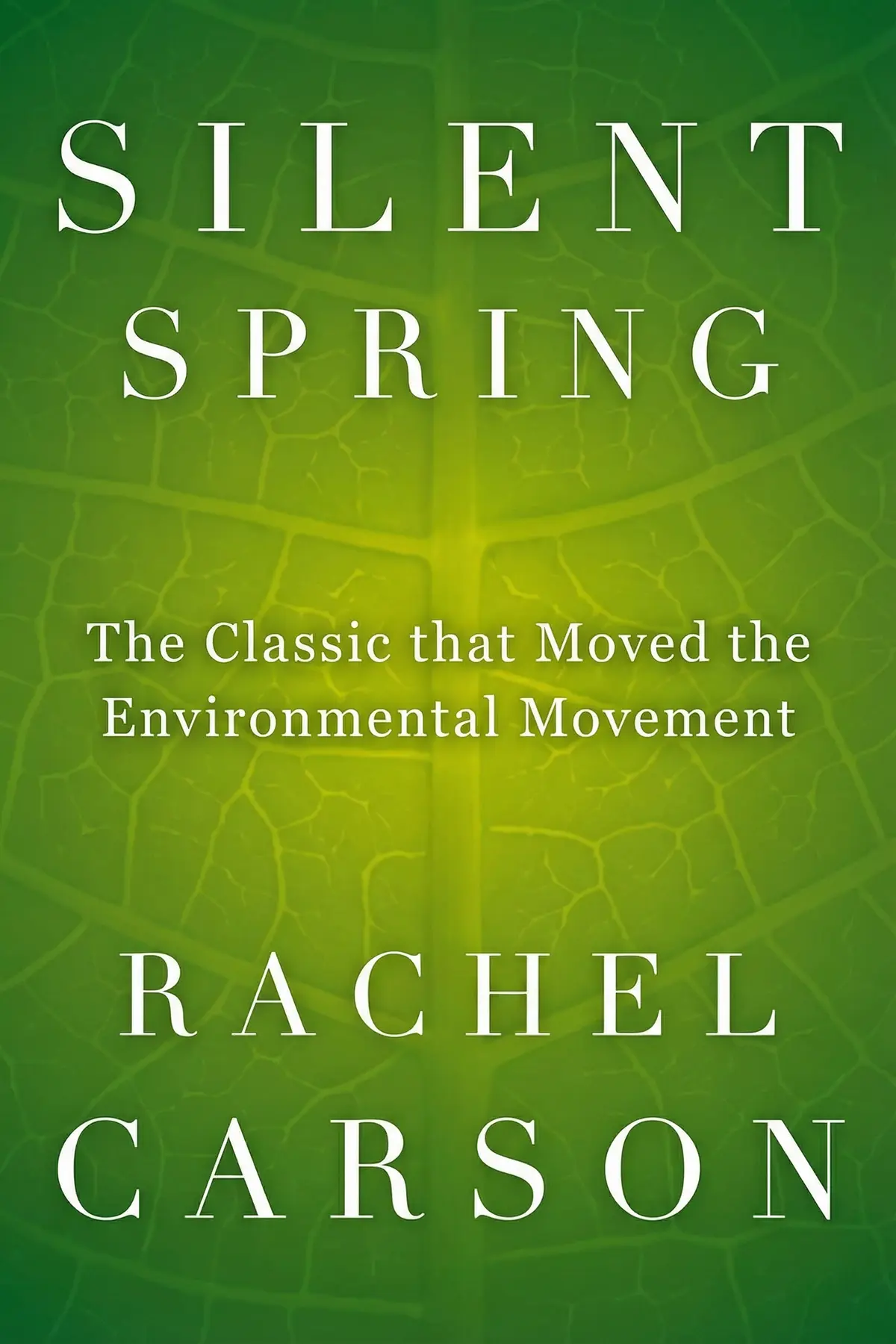
Table of Content
1. Introduction
1 min 51 sec
Imagine a world where the arrival of spring is no longer greeted by the melodic songs of robins or the buzzing of bees. Instead, a heavy, eerie silence hangs over the fields and woods. This haunting vision is where we begin our journey into one of the most influential works of the twentieth century. When this narrative first reached the public, it didn’t just share scientific data; it sparked a fundamental shift in how we view our relationship with the planet.
You might recognize the echoes of this message in popular culture. Think of the famous lyrics from Joni Mitchell’s “Big Yellow Taxi,” where she pleads with the farmer to put away the DDT and leave her the birds and the bees. That song, like so much of the modern environmental movement, drew its strength and its urgency from the revelations we are about to explore. Even though these insights were first shared over half a century ago, they remain incredibly relevant today. As we face record-breaking global temperatures and a daily struggle to maintain biological diversity, the warning that we often don’t appreciate what we have until it is gone rings louder than ever.
In the following sections, we will trace the path of man-made poisons from the laboratories of World War II into our backyards and onto our dinner tables. We will look at the heartbreaking consequences for wildlife—such as the mysterious deaths of songbirds at Michigan State University—and uncover how even the most basic staples, like a hen’s egg, can become a vessel for toxicity. Most importantly, we will examine the profound irony of modern pest control: how the very act of trying to eliminate a nuisance can inadvertently destroy the natural systems that were keeping those pests in check. This is the story of a world out of balance and the courageous voice that called us back toward harmony.
2. The Post-War Chemical Revolution
2 min 15 sec
Discover how the end of global conflict paved the way for a domestic war against insects, transforming chemical weapons into everyday agricultural tools.
3. The Invisible Path Through Our Waterways
1 min 58 sec
Learn how the chemicals we spray on our fields eventually find their way into our taps, escaping even the most advanced purification systems.
4. The Tragic Silence of the Songbirds
2 min 00 sec
Explore the mystery of the vanishing robins and discover the biological chain reaction that turns a simple earthworm into a lethal dose of poison.
5. The Poison on Our Plates
2 min 08 sec
Uncover the myth of chemical safety and see how toxins accumulate in the human body through the most unexpected dietary pathways.
6. When Control Backfires
2 min 08 sec
Learn why the quest to eliminate pests often creates a bigger problem by destroying the natural predators that keep nature in check.
7. A Plea for Biological Intelligence
2 min 01 sec
Discover the forgotten alternatives to chemical spraying and the urgent need for a more humble approach to environmental management.
8. Conclusion
1 min 17 sec
The central message of this exploration is a call to awaken from our collective ignorance. For too long, humanity has operated under the delusion that we can dominate the natural world without consequence. The widespread use of synthetic pesticides like DDT is a prime example of this hubris. What began as a tool to improve our lives ended up contaminating our water, silencing our songbirds, and threatening our very health. By disrupting the intricate web of life, we have proven that we cannot harm one part of nature without eventually harming ourselves.
As we look forward, the most important step you can take is to change your perspective on pest control. When faced with a problem in your garden or home, stop and consider the broader impact of the solutions you choose. Seek out natural, biological alternatives that work with the ecosystem rather than against it. Be a conscious consumer and an informed citizen. By choosing to respect the delicate balance of the environment, we can ensure that the springs of the future are not silent, but full of the vibrant sounds of a world in harmony. The choice is ours to make: will we continue our chemical campaign, or will we finally learn to live as part of the nature we so desperately need?
About this book
What is this book about?
Silent Spring explores the dark side of the mid-20th-century chemical revolution. It details how the widespread use of pesticides like DDT, initially hailed as a miracle of modern science, caused devastating harm to wildlife and humans. The book chronicles the transition of chemical warfare agents into domestic agricultural tools, documenting their journey through the soil and water into the very food we eat. Rachel Carson provides a sobering look at our interconnected ecosystem, illustrating how the attempt to dominate nature often backfires. By destroying natural predators and contaminating the food chain, humanity creates new, more resilient problems. This summary promises a deep dive into the historical origins of environmental consciousness and a plea for a more responsible, biological approach to managing our relationship with the natural world.
Book Information
About the Author
Rachel Carson
Rachel Carson (1907–1964) was a writer and marine biologist who spent much of her life working with the US Fish and Wildlife Service. As the author of many acclaimed books on nature, she was an early and vital voice for environmental causes. Her other books include Under the Sea-Wind, The Sea Around Us, and The Edge of the Sea.
Ratings & Reviews
Ratings at a glance
What people think
Listeners view this work as a timeless classic featuring thoroughly researched data and an ideal mix of essential scientific detail. They characterize it as a significant milestone for environmentalism, with one listener describing it as the original clarion call for environmental vigilance. The narrative is written in a clear, approachable style for a broad audience, offering a perspective that is both educational and deeply reflective. Listeners value the text’s historical perspective and modern significance, with one listener pointing out how effectively it reveals the impact of DDT.
Top reviews
Maya
This book is the quintessential clarion call that launched the modern environmental movement. Carson’s prose oscillates beautifully between cold, hard scientific evidence regarding DDT and a lyrical, almost elegiac tone that mourns the loss of birdsong. While some readers might argue the specific chemical data is outdated, the true value lies in the attitude Carson endorses. She challenges the primitive 'control of nature' mindset that characterized the post-war era. Frankly, it’s a haunting masterpiece that every citizen should digest. It isn't just about the facts; it is about the moral obligation we have to the fabric of life.
Show moreFang
Wow, the stark imagery in the opening chapter, 'A Fable for Tomorrow,' immediately sets a haunting tone for the rest of the work. Carson asks us to imagine a world where the spring is silent because we have poisoned all the songbirds. It is a chilling premise that still feels relevant in our age of climate change and microplastics. Her explanation of cellular oxidation as a turning wheel of life is a perfect example of her ability to make complex biology accessible to laypeople. This book didn't just change policy; it changed how we define our relationship with the earth.
Show moreTippawan
The way Carson exposes the arrogance of the 'control of nature' mindset is just as relevant today as it was sixty years ago. She rightly points out that we are using weapons from the 'Stone Age' of biology against a complex, interlinked cycle of life. Her research into the link between pesticides and man-made diseases was groundbreaking for its time and paved the way for the EPA. This is more than just a book about bugs; it is a profound meditation on human hubris. Gotta say, reading this during a time of global environmental crisis makes her warnings feel more like a prophecy than a history.
Show moreSaranya
Reading this made me feel like I was witnessing the birth of a new kind of global consciousness. Carson was warned and vilified by the industry, yet she persisted with a gentle voice that carried a massive weight. She doesn't just list horrors; she offers biotic alternatives and a more harmonious path forward. The audiobook narrated by Kaiulani Lee is also superb, as it captures the poetic lilt of the prose perfectly. This isn't just an important book—it’s a necessary one. We owe so much of our current environmental protection to this one woman’s refusal to stay silent.
Show morePete
After hearing so many references to Carson in biology class, I decided to see what the fuss was about. The truth is, it’s a dense read that demands your full attention, but the payoff is immense. She meticulously documents how poisons seep into the soil and water, eventually finding their way into our own bodies. I was particularly struck by the historical context of the chemical industry’s pushback. They spent a fortune trying to paint her as a hysterical woman to protect their profits. To be fair, the pacing slows down in the middle chapters, yet the overarching message remains incredibly urgent.
Show moreSuda
As someone who cares deeply about our oceans and soil, I found Carson’s breakdown of DDT’s persistence to be absolutely terrifying. She exposes the arrogance of a society that thinks it can hurl crude chemical weapons at the environment without consequence. The book is well-documented and provides a perfect balance of scientific content and philosophical inquiry. Look, we still see these same patterns of denialism and greenwashing in politics today. Even though some of these specific pesticides are no longer in use, the corporate playbook for discrediting scientists remains unchanged. It is an educational and thought-provoking look at our past mistakes.
Show moreOoi
Finally got around to this, and the truth is, Carson’s writing style is far more accessible than I anticipated for such a science-heavy text. She has this incredible way of describing the 'sinister touch of poison' that makes the danger feel personal. I was fascinated by the section on how raptors like the bald eagle almost went extinct because of weakened eggshells. It serves as a grim reminder that our actions have ripple effects we can barely calculate. My only minor gripe is that the book feels very rooted in its 1960s time frame, but the core message about ecological vigilance is timeless.
Show moreWittaya
Look, it’s easy to dismiss a book from 1962 as a relic of a bygone era, but Carson’s warnings are eerily prescient. While some of the specific chemical names might have changed, the underlying attitude of corporate denialism remains exactly the same. We see these same patterns in modern environmental documentaries like Seaspiracy, where industry giants fight tooth and nail to suppress the truth. Carson’s work is a masterclass in investigative science writing. It shows that one person with a vision can actually change the behavior of the most influential governments in the world. It’s a somber but ultimately inspiring read for the concerned.
Show moreChamnong
Ever wonder how a single publication could dismantle a multi-million dollar chemical empire? Silent Spring explains the mechanics of that shift, though I found the writing to be a bit repetitive at times. Carson hammers home the same point about bioaccumulation across several different species and habitats. While I appreciate the scientific rigor and her bravery, it felt more like a textbook than the 'poetic' experience I was promised by other reviewers. It is certainly a landmark work of environmental literature, but personally, I struggled to stay engaged through some of the longer lists of insect studies.
Show moreDing
I tried to approach this with an open mind, but frankly, the sheer volume of technical data about insect life cycles and chemical compounds felt incredibly tedious. I understand its historical importance as the original alarm for the environmental movement, but it hasn't aged particularly well as a reading experience for a non-scientist. Much of the book reads like a long litigation brief against the chemical companies of the 1950s. While I respect Carson’s courage and her role in getting DDT banned, I found the prose to be dry and overly clinical for a general audience. It's a classic I'm glad I finished, but I won't be revisiting it.
Show moreReaders also enjoyed
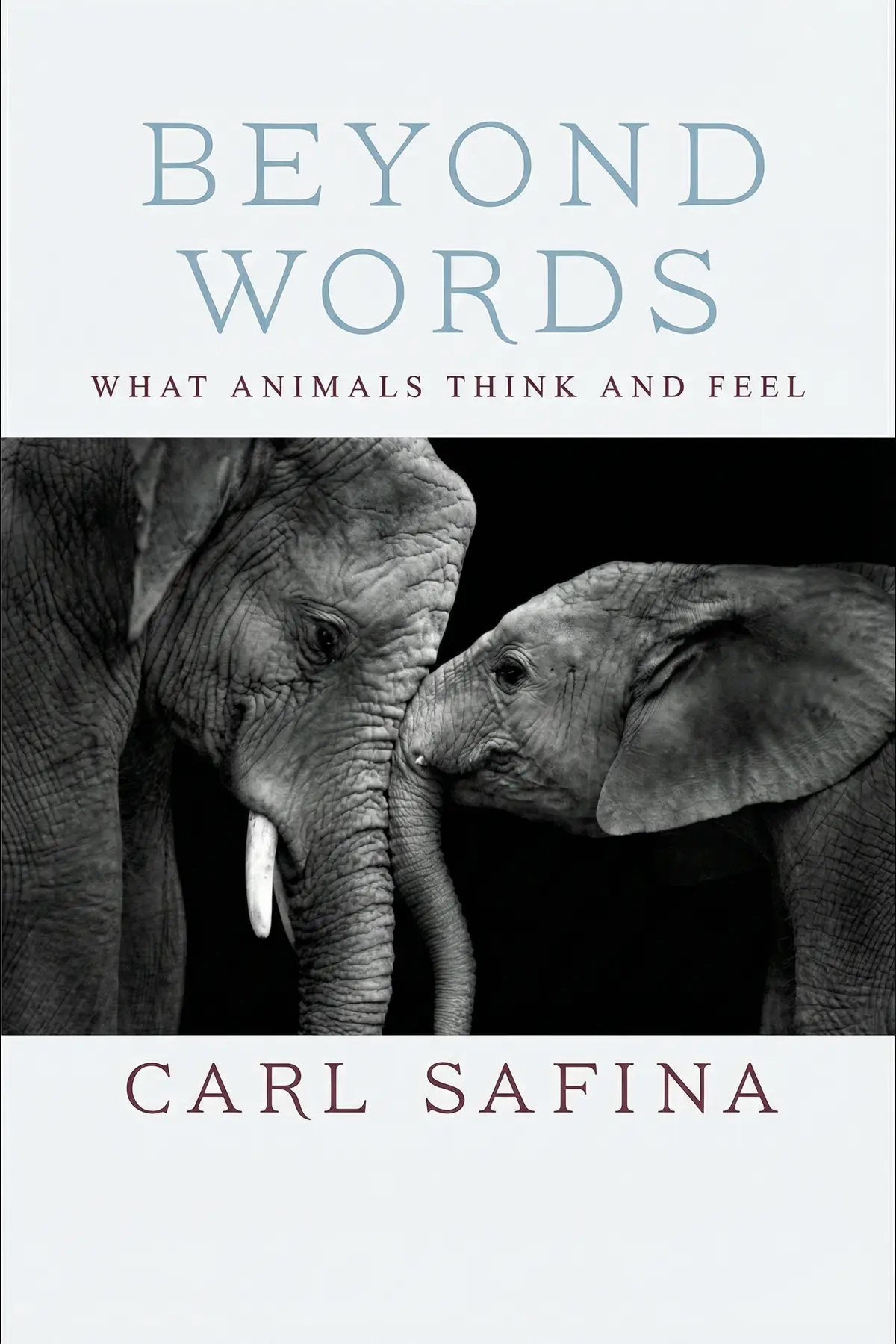
Beyond Words: What Animals Think and Feel
Carl Safina
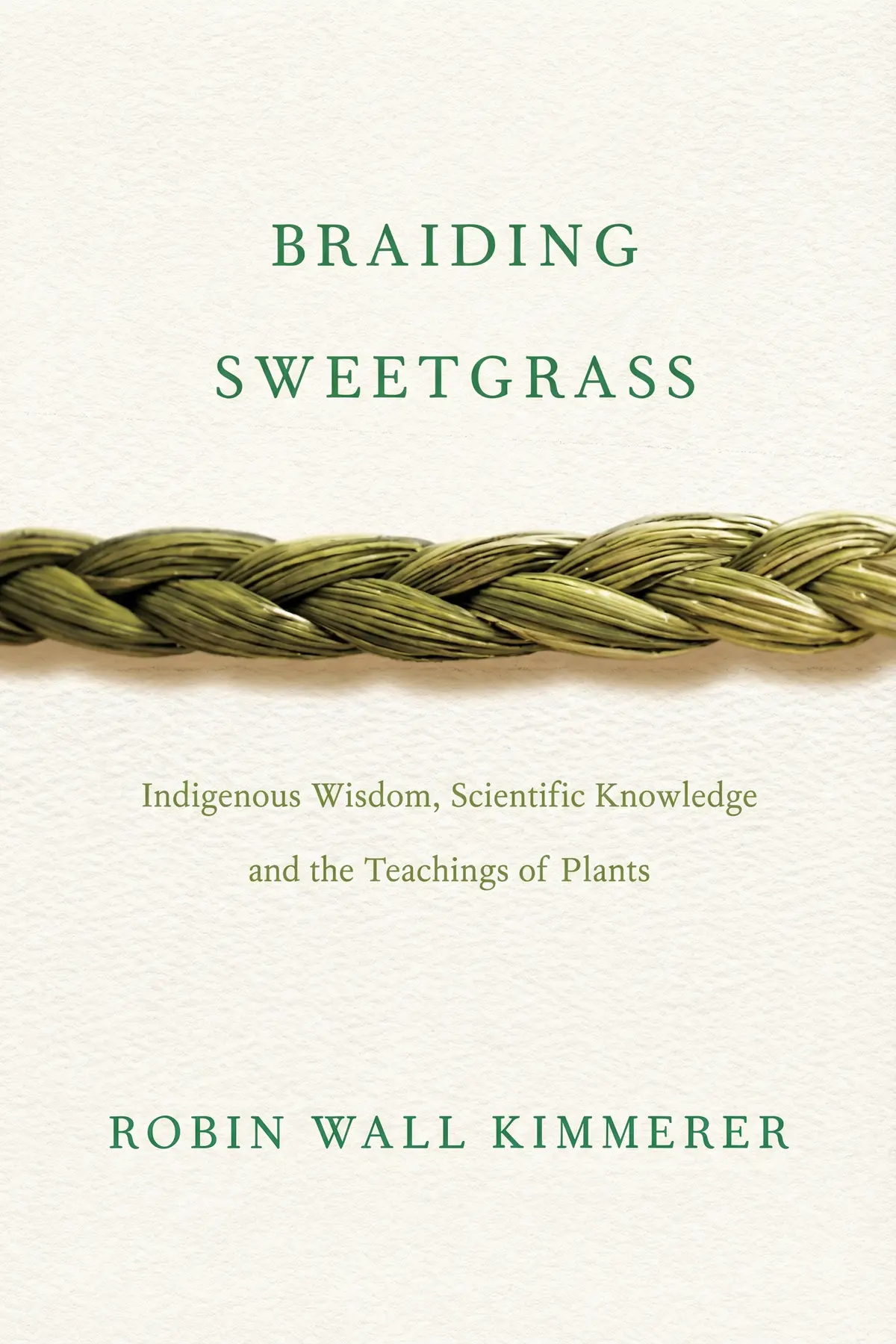
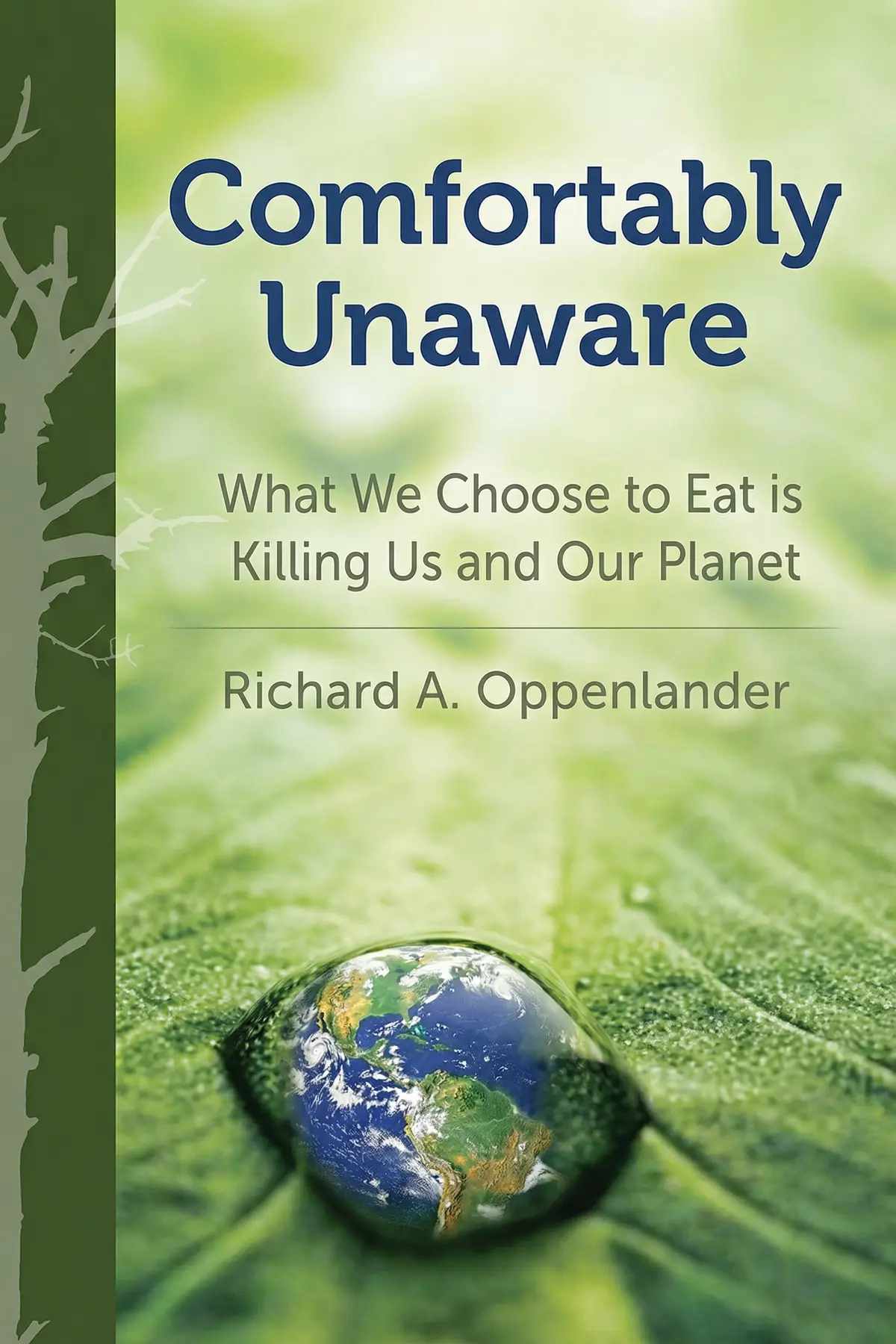
Comfortably Unaware: What We Choose to Eat is Killing Us and Our
Richard A. Oppenlander
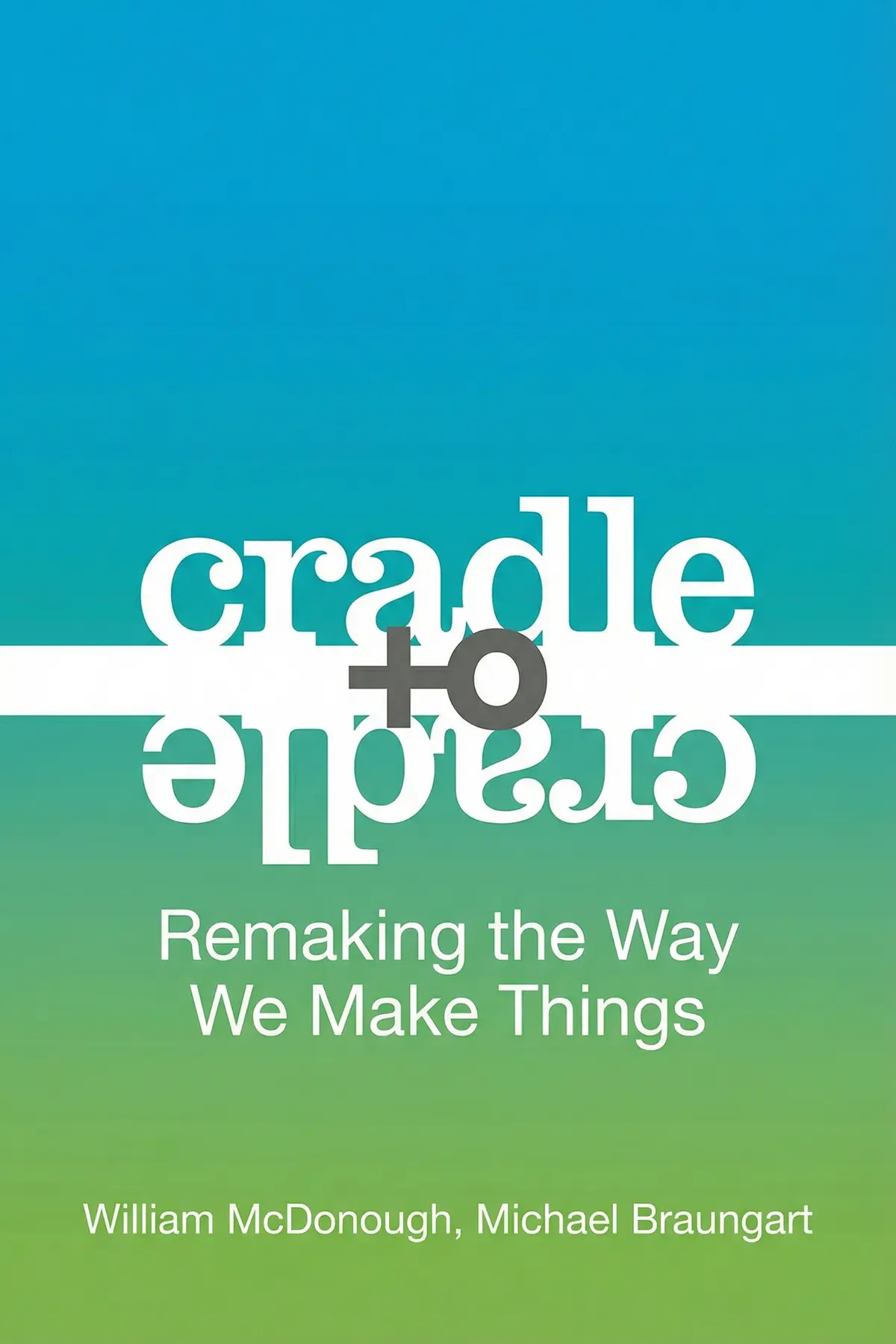
Cradle to Cradle: Remaking the Way We Make Things
William McDonough
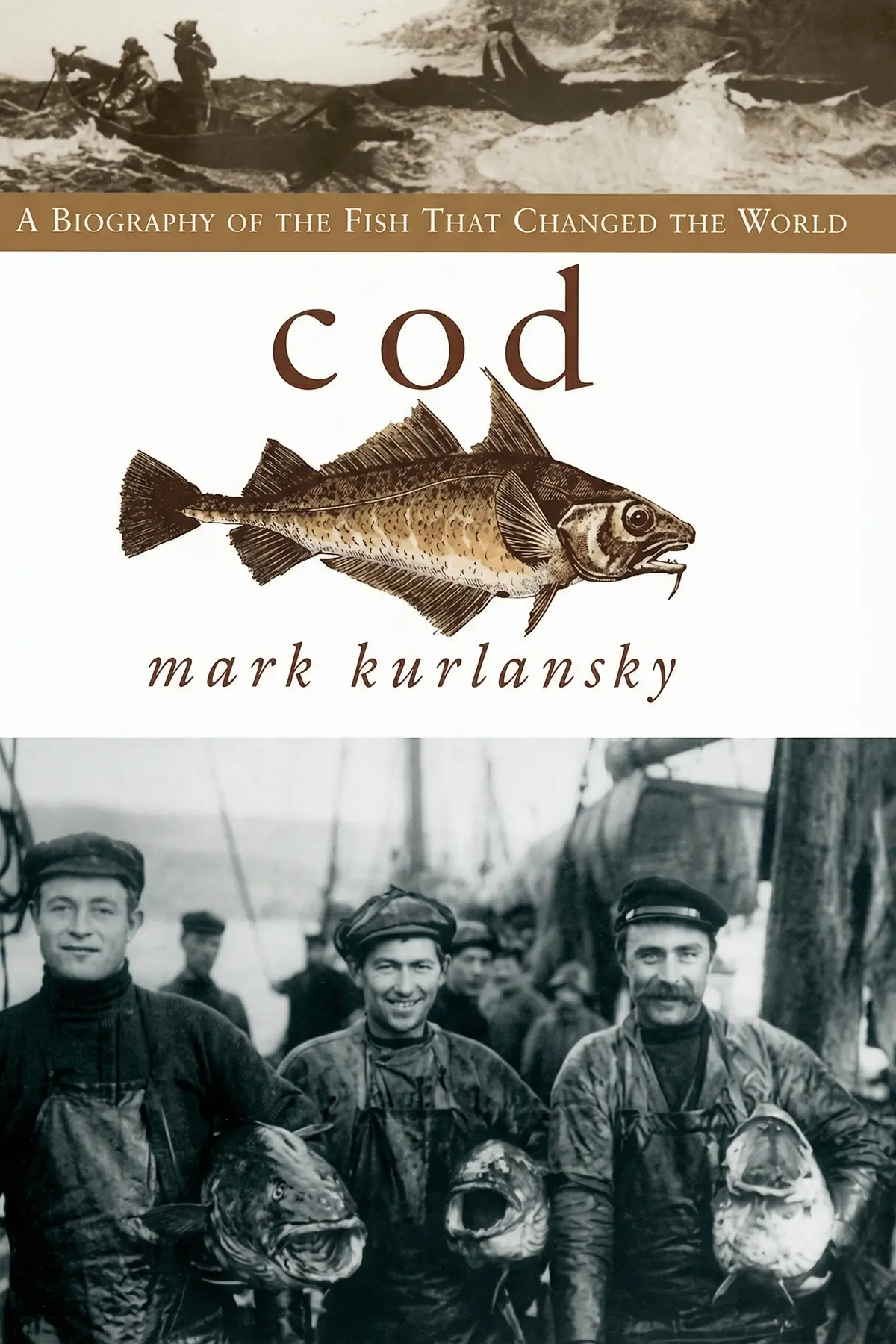
Cod: A Biography of the Fish That Changed the World
Mark Kurlansky
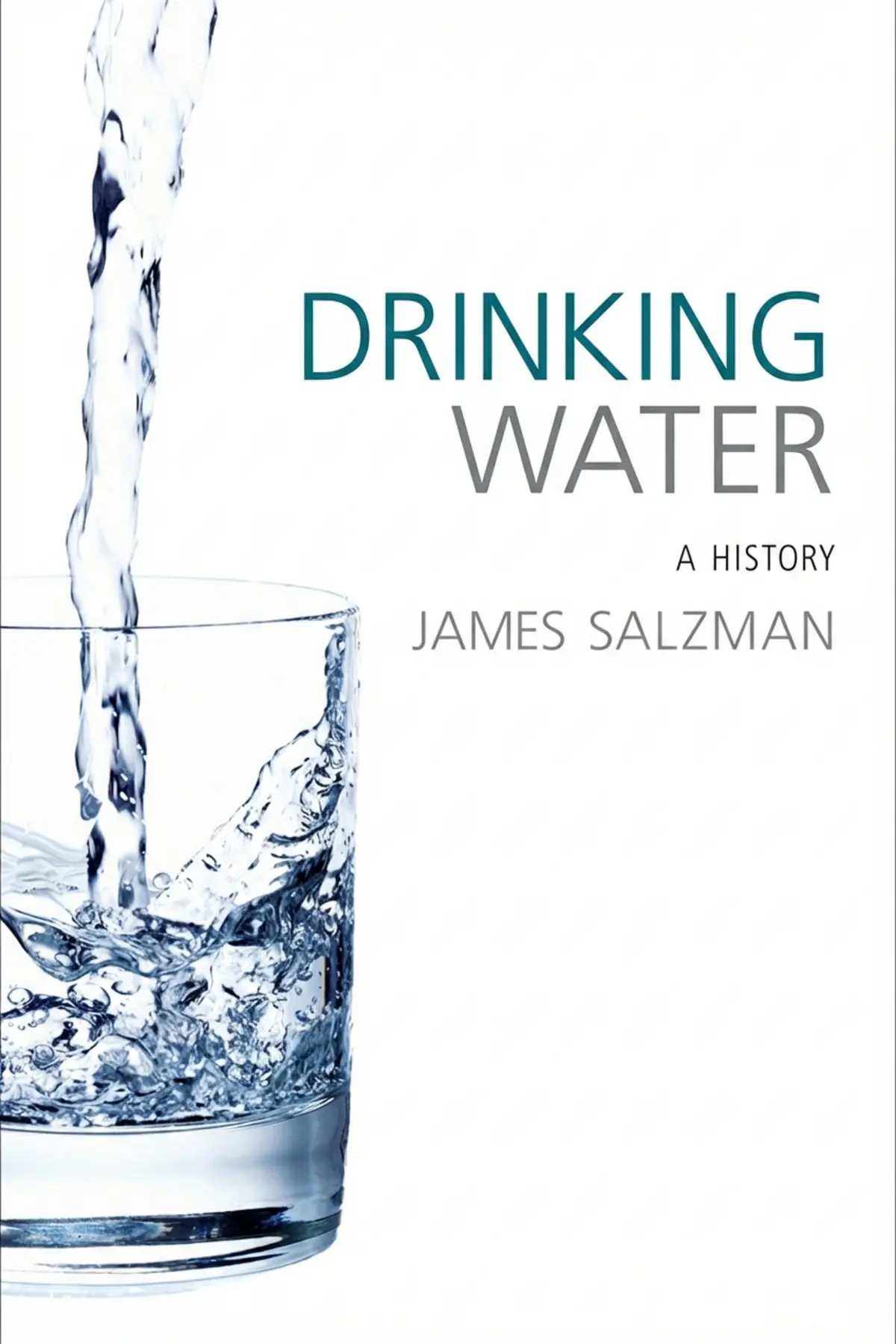
Drinking Water: A History
James Salzman
AUDIO SUMMARY AVAILABLE
Listen to Silent Spring in 15 minutes
Get the key ideas from Silent Spring by Rachel Carson, plus 5,000+ more titles in English and Thai.
- 5,000+ titles
- Listen as much as you want
- 7-day free trial
- Cancel anytime







