
18 min 16 sec
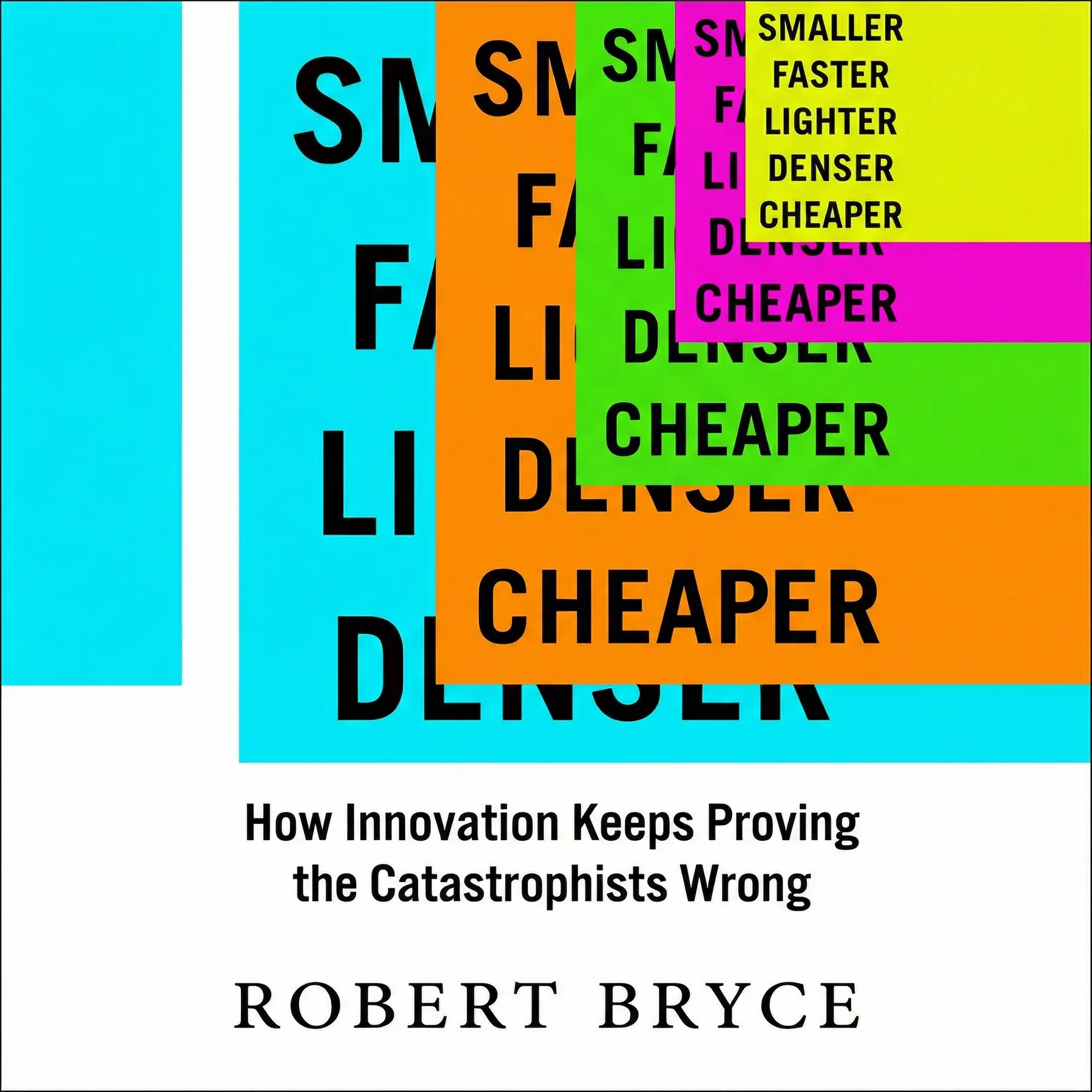
Smaller Faster Lighter Denser Cheaper: How Innovation Keeps Proving the Catastrophists Wrong
By Robert Bryce
Robert Bryce argues that human innovation—by making things smaller, faster, and more efficient—is the only viable path to solving global challenges, countering the pessimistic calls for a return to simpler, low-energy living.
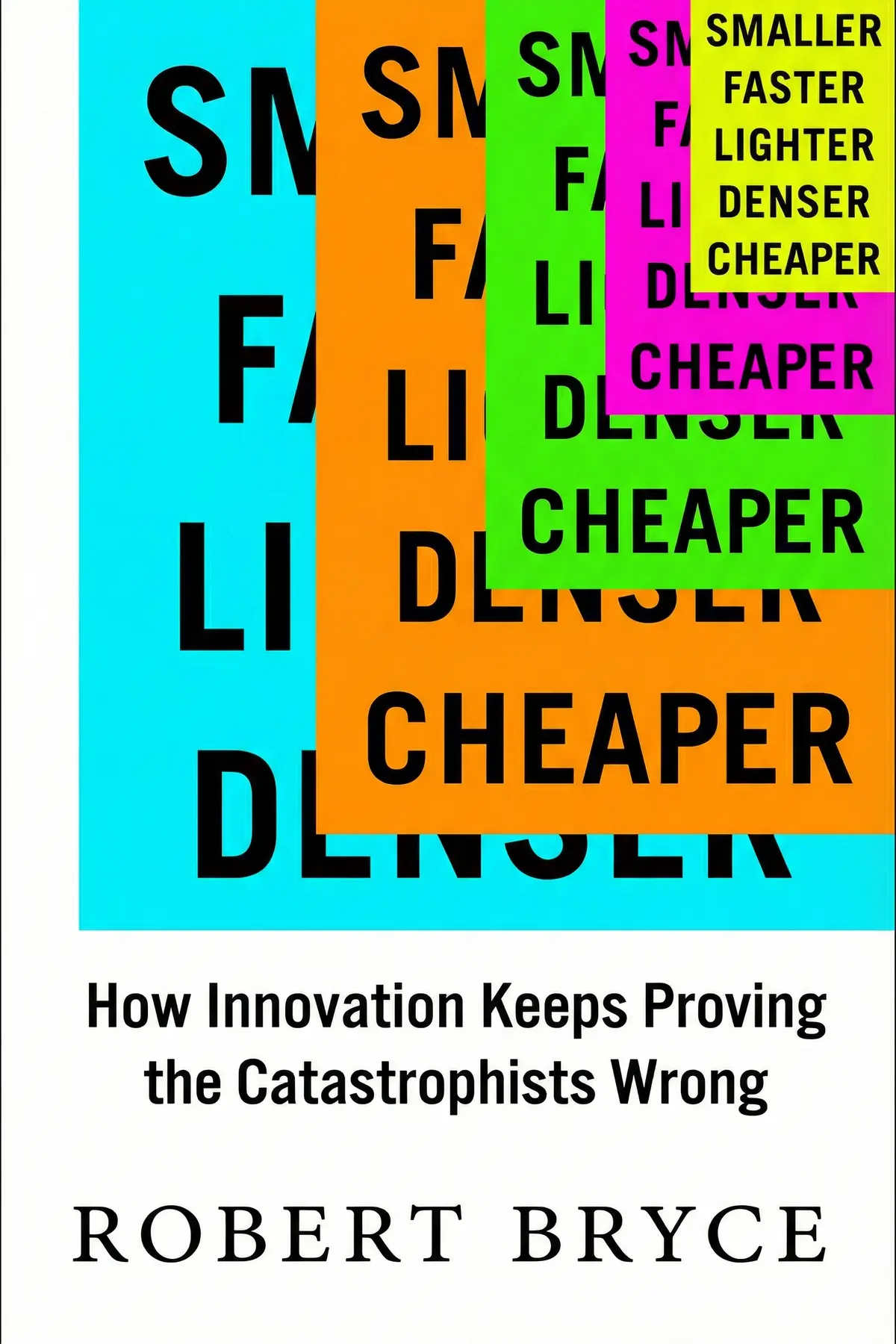
Table of Content
1. Introduction
1 min 44 sec
Imagine looking back at the last century. It has been a period of almost unbelievable transformation. We have seen technology and industry evolve at a pace that would have seemed like magic to our ancestors. Life for the average person today is more convenient, healthier, and more connected than at any point in human history. Yet, alongside this progress, a profound sense of unease has taken root. We see the scars of industrialization on our planet—polluted waters, disappearing species, and a changing climate. This realization has led many to a radical conclusion: that our progress is a mistake and that we must turn back the clock.
There is a growing chorus of voices suggesting that the answer to our problems lies in doing less—consuming less, innovating less, and retreating to a simpler, more localized way of life. They argue that our constant push for more is leading us toward an inevitable catastrophe. But is a retreat really the answer? What if the very tools of innovation that created our challenges are the only ones capable of solving them?
This exploration delves into why moving backward is not just unrealistic, but actively harmful. We will look at how human nature is wired for speed and improvement, and why the drive to make things smaller, faster, lighter, denser, and cheaper is actually our greatest asset. From the psychology of ‘collapse anxiety’ to the hard physics of energy density, we are going to see why pushing forward with innovation is the only moral and practical path for a world that still needs to lift billions of people out of poverty while protecting the environment. By the end, we will see that the future doesn’t belong to the pessimists, but to those who continue to innovate.
2. Confronting the Psychology of Collapse Anxiety
2 min 26 sec
Discover why the constant stream of negative news creates a paralyzing fear of the future and how innovation serves as the ultimate antidote to global pessimism.
3. The Historic Arc of Human Ingenuity
2 min 26 sec
Trace the evolution of human progress from the printing press to modern flight, exploring how our drive for improvement often outweighs the risks of new technology.
4. The False Promise of De-growth
2 min 22 sec
Examine why the popular movement to return to small-scale, local living is a dangerous strategy that would likely result in global poverty and stagnation.
5. Speed as a Catalyst for Efficiency and Inclusion
2 min 34 sec
Uncover the biological roots of our desire for speed and learn how the pursuit of faster technology consistently leads to lower costs and greater global access.
6. The Physical Reality of Energy Density
2 min 31 sec
Explore the scientific limitations of wind and solar power through the lens of energy density and why these sources may struggle to meet global demand.
7. Energy Realism and the Future of Power
2 min 38 sec
Understand why fossil fuels and nuclear energy remain essential for modern life, using real-world examples from Germany and India to highlight the necessity of high-density power.
8. Conclusion
1 min 35 sec
The throughline of our exploration is clear: innovation is not the enemy of the environment or the cause of our impending doom; it is the most powerful tool we have for human flourishing. We have seen how ‘collapse anxiety’ can cloud our judgment, leading us to favor de-growth strategies that would only result in widespread poverty and a loss of the very tools needed to heal the planet. We have also seen how the physical reality of energy density forces us to be pragmatic about where our power comes from, acknowledging that fossil fuels and nuclear energy are essential for a growing, thriving world.
History has shown us time and again that when we face a challenge, the answer is to look for ways to make our solutions smaller, faster, lighter, denser, and cheaper. This drive for efficiency is what allowed the printing press to spread knowledge and the airplane to connect the world. It is what will allow us to navigate the complexities of the twenty-first century.
The actionable takeaway from this journey is a shift in perspective. Instead of viewing progress with suspicion, we should embrace the spirit of innovation. We must reject the notion that the only way to save our world is to shrink it. Instead, we should support the continued advancement of technology, the refinement of our energy systems, and the creative spirit that has always defined humanity. The future is not a place of scarcity and retreat, but a place of potential, provided we have the courage to keep building, keep improving, and keep innovating.
About this book
What is this book about?
In a world increasingly dominated by headlines of environmental doom and social collapse, it is easy to succumb to the idea that our technological progress is our undoing. Smaller Faster Lighter Denser Cheaper offers a powerful counter-narrative, suggesting that the drive for innovation is not the problem, but the ultimate solution. The book explores the concept of 'collapse anxiety' and explains why the growing movement toward 'de-growth'—the idea that we should scale back our civilization and energy use—is fundamentally flawed and potentially dangerous. Through an exploration of energy density, the history of human ingenuity, and the biological drive for speed and efficiency, the text demonstrates how making things smaller, lighter, and more cost-effective has consistently improved human life. It tackles the myths surrounding green energy, providing a realistic look at the massive energy needs of a growing global population. Ultimately, it promises a future where continued innovation in fossil fuels and nuclear power, rather than a retreat from technology, provides the path to prosperity and environmental resilience for everyone on the planet.
Book Information
About the Author
Robert Bryce
Robert Bryce is a prominent American author and journalist with a deep expertise in the energy industry and the complexities of climate change. His work has been featured in leading publications, including the New York Times, the Wall Street Journal, and the Washington Post. Beyond his journalistic contributions, Bryce has authored several influential books, such as Power Hungry and Gusher of Lies, which examine the realities of global energy production and the myths that often surround it.
Ratings & Reviews
Ratings at a glance
What people think
Listeners describe the work as being thoroughly researched and accessible, offering praise for its academic yet manageable writing style and concise format. They value its motivating outlook on technological advancement, with one listener emphasizing the depth of historical trends provided and another specifically mentioning the focus on energy availability. The book earns high marks for its take on energy, with one review pointing out how it challenges global warming notions, and listeners consider it a valuable investment of their time.
Top reviews
Somporn
Wow, this is easily one of the most accessible books on energy physics and economic history I have encountered in years. Bryce has a way of explaining the 'Smaller Faster Lighter Denser Cheaper' trend that makes it feel like an inevitable law of nature. I loved the focus on the diesel engine and the turbine; these are the unsung heroes of our modern age that nobody ever talks about. The book is a fantastic rejoinder to the doomsayers who think we have to return to a pre-industrial lifestyle to save the planet. Instead, Bryce argues that we should lean into our creativity and embrace the technologies that provide high-density power. It’s a very interesting book that is well worth the time for anyone interested in the intersection of policy and technology. To be honest, I came away feeling much more confident about the future of human liberty and prosperity. Highly recommended for any rational optimist.
Show moreJackson
After hearing Bryce on several podcasts, I wanted to see if his written arguments for nuclear and natural gas held up under scrutiny. They do. This book is a celebration of human brilliance and a much-needed defense of the industrial systems that actually keep people fed and warm. He masterfully dismantles the 'degrowth' agenda, showing that it’s not just unrealistic, but actually harmful to the poor. The historical sections are incredibly well-researched, providing context for how we moved from muscle power to the incredible energy density we enjoy today. I appreciated his academic writing style, which remains engaging without being overly dense or dry. Even if you disagree with his political leanings, the data he presents on energy efficiency and commodity prices is hard to ignore. It’s a refreshing, pro-human take on the environmental challenges we face, and it deserves a spot on every shelf.
Show moreChanikarn
This book provides a much-needed academic defense of the industrial systems that underpin our entire civilization. Robert Bryce is a master at taking complex historical trends—like the miniaturization of computing or the scaling of power plants—and turning them into a cohesive narrative about progress. He shows that innovation isn't just about new gadgets, but about the inexorable drive to do more with less. His analysis of the Malthusian collapse theories is particularly sharp, showing how they have been wrong for two centuries and counting. I found the 'N2N' concept to be a brilliant way of framing our energy future. The book is well-researched, easy to read, and serves as a powerful rebuttal to those who want us to forsake technology in favor of some imagined pastoral past. If you want to understand why our world keeps getting better despite the headlines, this is the one nonfiction book you should read this year.
Show moreEnd
Finally got around to reading Bryce’s latest and it’s a refreshing change of pace from the typical climate gloom that dominates the bestseller lists. He provides a well-researched look at how human ingenuity actually works in the real world, focusing on the drive for efficiency and power density. The concept of 'N2N'—moving from natural gas to nuclear—is presented as the only logical path forward for a high-consumption society. I particularly enjoyed the academic but readable writing style; he manages to weave historical trends together in a way that feels both informative and inspiring. While I think he could have been a bit more balanced regarding the genuine risks of fossil fuel extraction, his rebuttal to the Malthusian 'degrowth' movement is absolutely necessary. This is a lighter format than some of his previous technical works, making it a great entry point for anyone interested in the future of energy availability and global prosperity.
Show moreFort
The chapter on the evolution of the roller cone drill alone is worth the price of admission for anyone who likes to know how things work. Bryce does an excellent job of showing that our modern world isn't just a fluke, but the result of a constant, grinding pursuit of efficiency. He debunks a lot of the 'fever dreams' surrounding biofuels and wind energy by showing the math behind why they simply can't scale to meet our needs. I liked that the book didn't require a degree in calculus to follow, even when he was discussing complex energy systems. My only real complaint is that he gets a little too bogged down in attacking his political rivals in the 'Green Left' toward the end. It makes the book feel a bit more like an op-ed than a neutral study. Regardless, it’s a detailed and mostly convincing look at why we should be optimistic about our technological future.
Show moreMay
Look, if you are tired of being told that the end of the world is just around the corner, this is the book for you. Bryce presents an inspiring vision of technological progress that isn't just based on wishful thinking, but on centuries of data. He shows how we are getting more out of less, which is the very definition of sustainability in my book. The writing is clear and the format is lighter than I expected, which made for a quick read over the weekend. He does a great job explaining why energy density is the most important metric for civilization. I do think he oversimplifies the issues with industrial agriculture and tends to cherry-pick his successes, but his core argument is solid. It’s an exceptional text for adults who want to understand the physical reality of our energy preferences. It definitely challenged some of my preconceived notions about global warming and the viability of renewables.
Show moreWatcharaporn
Ever wonder why some energy technologies dominate the market while others seem to struggle for decades despite massive political support? This book attempts to answer that by looking at the inexorable human drive to make things denser and more efficient. The first half is quite strong, offering a detailed history of innovations like the roller cone drill and the evolution of the diesel turbine. However, the second half shifts into a much more aggressive, political tone that I found a bit off-putting. Bryce is clearly a fan of natural gas and nuclear power—the 'N2N' strategy—and he makes a compelling case for their reliability. Still, he brushes off legitimate concerns about fracking and nuclear waste with a wave of his hand. It’s an easy-to-read, academic-style defense of the status quo that offers some great nuggets of history if you can look past the author’s obvious biases against anything 'green'.
Show moreWachira
Picked this up looking for an objective analysis of energy innovation, but I ended up with a mixed bag of fascinating history and frustrating partisanship. Bryce is an engaging writer who makes complex topics like energy density feel accessible to the average person, which is a rare talent. I appreciated the sections on how we've transitioned from wood to coal to oil, getting more work out of less material every time. But as the book progressed, the refrain of 'Smaller Faster Lighter Denser Cheaper' started to feel more like a religious mantra than a scientific conclusion. He seems to assume that because we’ve solved problems in the past, technology will magically fix everything in the future without any sacrifice. It’s a comforting thought, but his mockery of anyone concerned about the environment felt unnecessary. It’s worth a read for the history, but take the optimistic projections with a heavy grain of salt.
Show moreWan
Not what I expected given the glowing blurbs about innovation and human ingenuity on the back cover. The truth is, this book feels like a series of PR projections for various industries wrapped in a thin layer of historical trivia. Bryce mentions 'gravimetric power density' repeatedly without ever offering a satisfying explanation of the physics for those of us who aren't already engineers. I also found it highly hypocritical that he attacks environmentalists for wanting subsidies while completely ignoring the massive government support that propped up the very oil and gas innovations he celebrates. The partisan tone is another major drawback; his frequent jabs at the Obama presidency and the 'alarmist' crowd feel dated and distract from what could have been an interesting technological survey. If you want a more rigorous look at why optimism is justified, you are better off reading Matt Ridley’s work. This felt more like an ideological rant than a piece of serious journalism.
Show moreIce
Robert Bryce’s perspective is frankly dangerous because it celebrates high-energy consumption without acknowledging the ecological bill that is currently coming due. While the author spends a significant portion of the book chronicling the history of engines and computing, he completely neglects the negative externalities like rising sea levels or the true costs of pollution. The text often devolves into repetitive, cheap pot shots at the 'Green Left' rather than providing a serious analysis of how we can sustain this growth indefinitely. I was especially bothered by his take on industrial agriculture; he lauds monoculture while ignoring how heavily it relies on government subsidies and environmental degradation. To be fair, he makes some valid points about the scaling issues of wind and solar, but his refusal to account for the downsides of hydrocarbons makes this a one-sided screed. It is depressing that such a shallow extrapolation of historical trends has gained so much traction among readers looking for an easy out.
Show moreReaders also enjoyed


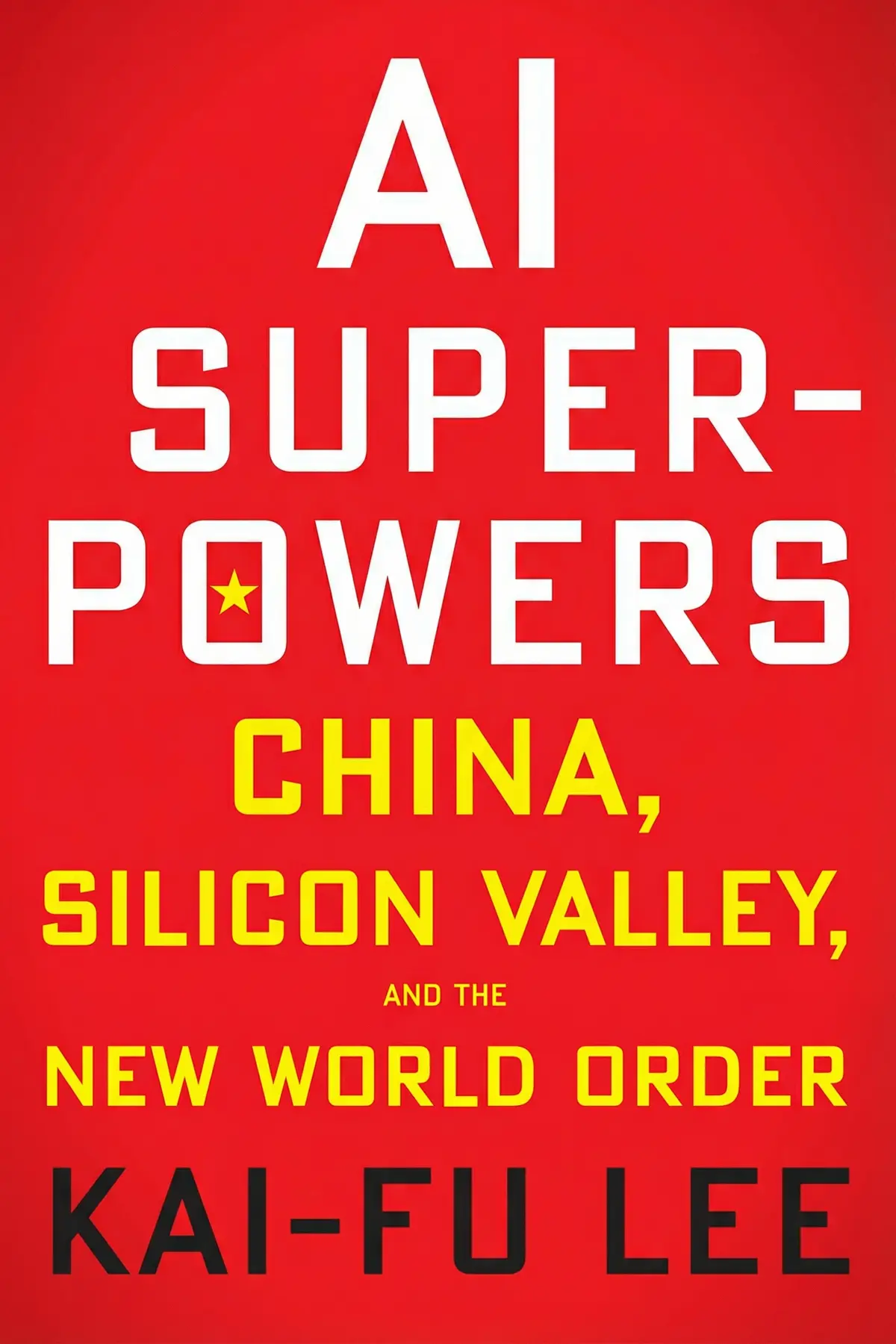

AUDIO SUMMARY AVAILABLE
Listen to Smaller Faster Lighter Denser Cheaper in 15 minutes
Get the key ideas from Smaller Faster Lighter Denser Cheaper by Robert Bryce, plus 5,000+ more titles in English and Thai.
- 5,000+ titles
- Listen as much as you want
- 7-day free trial
- Cancel anytime







