
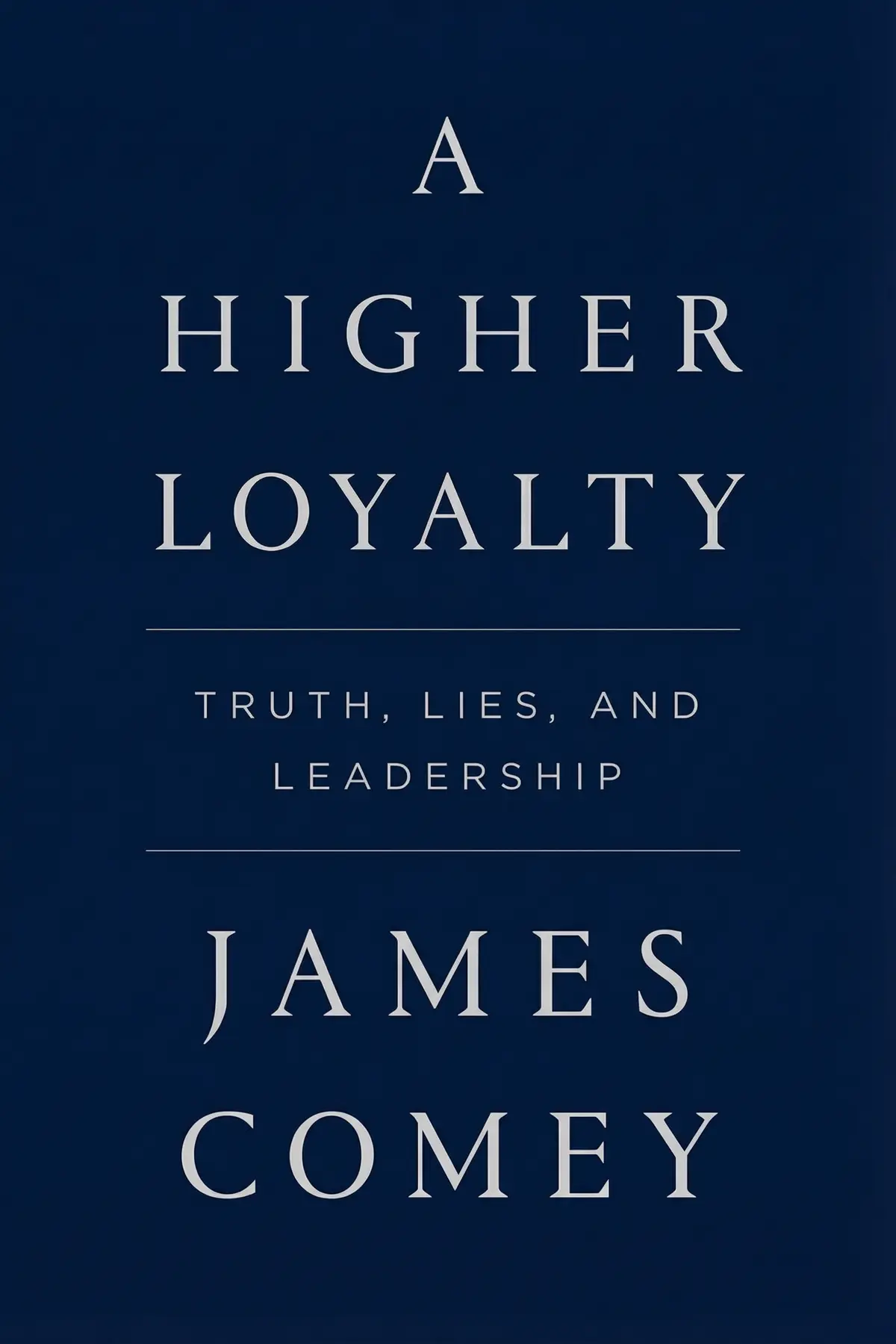
A Higher Loyalty: Truth, Lies and Leadership
James Comey
An exploration of the history, theory, and real-world application of socialist ideals. This summary traces socialism’s evolution from nineteenth-century industrial roots to modern-day social democracies and revolutionary states.
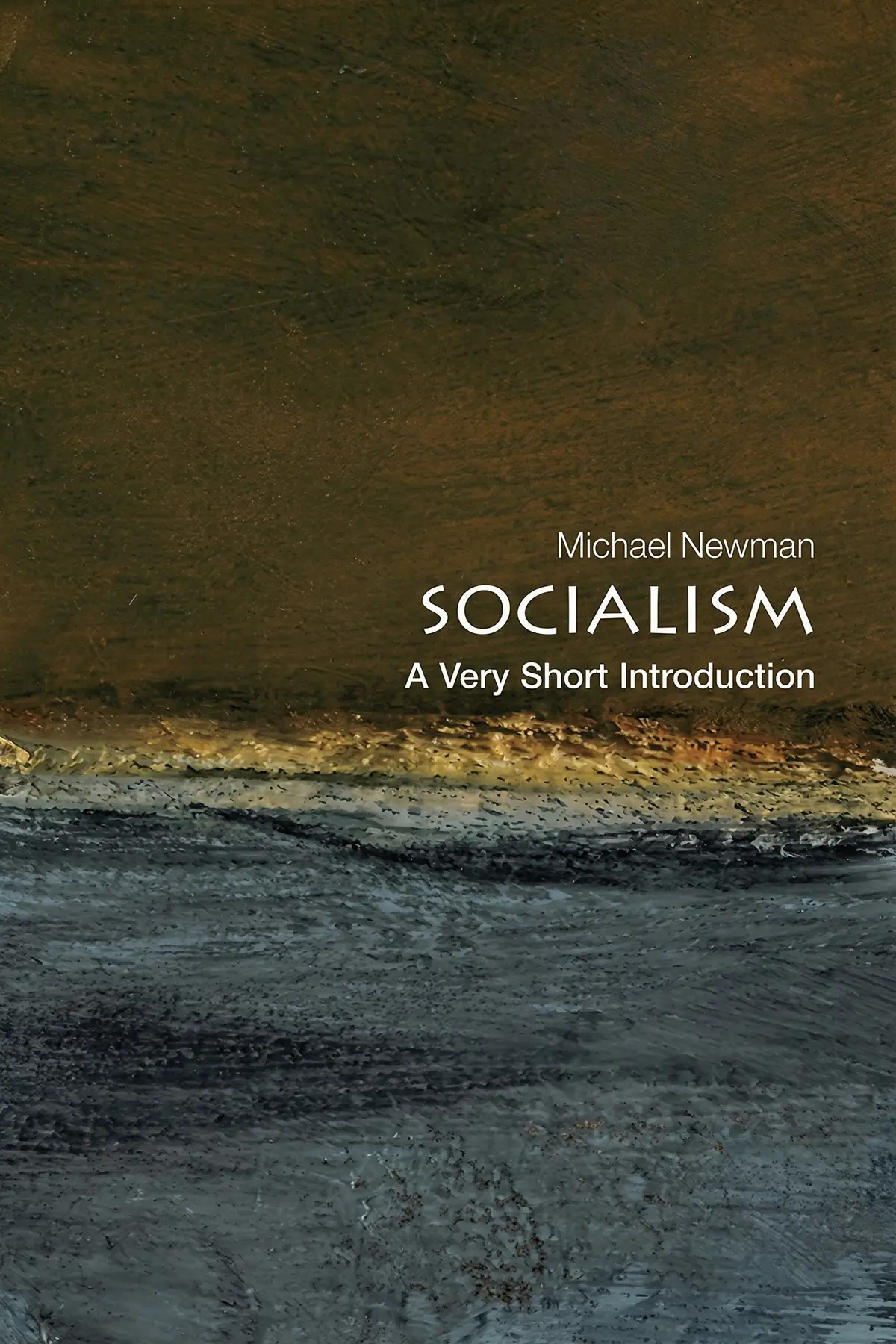
2 min 13 sec
In recent years, the word “socialism” has undergone a remarkable transformation in the public consciousness. For many who grew up during the Cold War, the term was almost exclusively associated with gray, authoritarian regimes and the repression of the Soviet era. However, the world has changed. Since the global financial collapse of 2008 and the subsequent years of economic uncertainty, socialism has returned to the mainstream. Whether it’s through high-profile political campaigns in the United States or debates about the welfare states of Northern Europe, the “S-word” is no longer a taboo. But as the term becomes more common, the clarity of its meaning often fades. What are we actually talking about when we discuss socialism?
To understand the present, we have to look at the origins. Socialism wasn’t born out of a desire for control, but out of a desperate need for liberation. During the nineteenth century, the Industrial Revolution fundamentally reshaped human existence. It pulled millions of people out of rural, communal lives and shoved them into the dark, cramped, and often dangerous environments of growing industrial cities. In these early factories, workers had no power, no safety nets, and very little pay. While the owners of these factories amassed staggering wealth, the people doing the work lived in squalor. It was in this environment of stark inequality that thinkers began to ask: Is there a better way to organize ourselves?
They dreamed of a society that prioritized human needs over the raw pursuit of profit. They imagined a world where cooperation, not competition, was the driving force of progress. Over the decades, these dreams took many paths—some led to the formation of stable, prosperous democracies, while others led to tragic experiments in totalitarianism. This summary explores that complex legacy. We will look at the core principles that unite socialists, the deep divisions that have fractured the movement, and why these ideas remain so persistent today. By the end, you’ll see that socialism is less a fixed destination and more a long-standing argument about how to create a fairer world.
2 min 34 sec
Socialism is often misunderstood as a single government type. Here, we uncover the common threads that link diverse systems from the Caribbean to Scandinavia.
2 min 35 sec
The Industrial Revolution created a new class of workers and a new set of problems. We explore how Karl Marx’s ideas provided a framework for understanding labor.
2 min 28 sec
As the twentieth century dawned, the socialist movement hit a fork in the road. Should they change the system from within, or tear it down and start over?
2 min 36 sec
While much of the world was caught in the Cold War, Sweden carved out a unique path. We explore the success and challenges of the ‘People’s Home.’
2 min 29 sec
Cuba offers a starkly different example of socialism than Scandinavia. We examine the gains and the heavy costs of the 1959 revolution.
2 min 36 sec
In the later half of the twentieth century, socialism had to evolve. We look at how gender and environmental concerns challenged traditional class-based politics.
2 min 40 sec
The rise of free-market capitalism in the 1980s pushed socialism to the sidelines. We discuss the modern challenges and the lessons for a new generation.
1 min 37 sec
As we have seen, socialism is not a dusty relic of the nineteenth century or a failed experiment of the twentieth. It is a living, breathing tradition of thought that continues to evolve in response to the world around it. At its heart, it remains a critique of the idea that life should be a relentless competition for survival. Whether through the lens of Marx’s labor theories or the practical reality of a Swedish daycare center, the core message is that we are responsible for one another.
The journey of socialism has been far from perfect. It has been marked by deep internal divisions and, in its most extreme forms, by devastating human rights abuses. Yet, its successes in improving literacy, healthcare, and basic dignity for millions of people cannot be ignored. The rise of neoliberalism may have pushed these ideas to the margins for a few decades, but the widening gap between the ultra-wealthy and the rest of the world has brought them back with a vengeance.
Ultimately, the story of socialism reminds us that the way our society is organized is not an act of nature. Our economic systems are human creations, and that means we have the power to reshape them. As we look toward an uncertain future, the socialist call for solidarity and equality offers a persistent challenge to the status quo. It asks us to imagine a world where the measure of success isn’t the height of a stock market index, but the well-being and security of the most vulnerable members of our community. That is an idea that, regardless of the labels we use, is unlikely to ever go out of style.
This overview dives deep into the complex world of socialism, a term that has sparked both hope and controversy for over two centuries. It begins by stripping away common misconceptions, showing that socialism is not a single, rigid system but a broad family of ideas centered on equality, cooperation, and the critique of capitalist exploitation. You will journey through the foundational theories of Karl Marx, understanding how the Industrial Revolution’s harsh realities birthed a movement for labor rights and wealth redistribution. The text examines the historic split between democratic reformers and violent revolutionaries, using Sweden and Cuba as contrasting case studies to illustrate how these theories function in practice. Beyond economics, it also addresses how socialism has interacted with—and been challenged by—the rise of feminism and environmentalism. Finally, the summary assesses the state of socialism in the era of global neoliberalism, offering a thoughtful look at what the movement must learn from its past failures to remain a viable alternative in the twenty-first century. It promises a clear-eyed understanding of why these ideas continue to resurface during times of economic crisis.
Michael Newman is a professor of politics at London Metropolitan University. He is an expert in political theory and the history of social movements. In addition to his work on socialism, his other notable books include Ralph Miliband and the Politics of the New Left and Democracy, Sovereignty and the European Union.
Listeners find that although perspectives differ regarding the author's objectivity, many value this work as a brief and very accessible primer on a complicated political subject. Furthermore, listeners appreciate the use of practical examples, like the contrast between Cuba and Sweden, which helps connect abstract ideas to historical reality. They also highlight the deep examination of socialism’s relationship with environmentalism and feminism, with one listener commenting that the book offers "trenchant insights" that aid in understanding 20th-century political developments.
What a surprise this little book turned out to be! I didn't expect such a slim volume to offer such deep insights into the relationship between class struggle and identity politics. Newman explains the nuances between democratic socialism and revolutionary communism with a clarity that is rare in academic writing. The case studies on Sweden and Cuba are worth the price of the book alone because they ground the theory in tangible history. It’s an essential read if you want to understand the roots of current political debates involving figures like Bernie Sanders. This should be required reading in high schools to combat the general ignorance surrounding these terms.
Show moreLook, if you want a concise and highly readable introduction to socialism, this is the gold standard. Newman doesn't just list dates and names; he explores the very soul of the movement and its ongoing challenge to global capitalism. The way he weaves in the impact of globalization makes the historical context feel incredibly modern and urgent. I found his analysis of the 'Green' movement's influence on the Left to be particularly enlightening and well-argued. Even though it was written years ago, the core arguments about wealth distribution and social justice remain as sharp as ever. It is an impressive feat to cover this much ground in under 200 pages without feeling superficial.
Show moreNot what I expected at all, but in the best possible way! I thought this would be a boring dictionary of terms, but it’s actually a compelling narrative of a movement trying to adapt to a changing world. The exploration of how socialism has grappled with feminism and racial justice added a layer of depth I didn't see coming. It’s rare to find an author who can be both sympathetic to their subject and willing to point out its glaring contradictions. This book provides the historical foundation necessary to understand why our current economic systems are under such intense scrutiny. Whether you agree with the ideology or not, the education provided here is absolutely top-notch.
Show moreEver wonder how we got from the Utopian thinkers of the 18th century to the modern welfare states of Europe? Newman does a fantastic job of tracing that trajectory in a way that feels accessible to the average voter. I especially liked the focus on the practical applications in Cuba; it was refreshing to see an account that wasn't just standard fearmongering. The book helps clarify why certain movements succeeded while others imploded after the collapse of the Soviet Union. While the economics can get a bit dense for a 'short' book, the insights provided are trenchant and highly relevant. It’s a solid, thoughtful piece of writing that respects the reader's intelligence throughout.
Show moreFinally got around to reading this, and I must say it’s one of the better entries in this Oxford series. Michael Newman manages to ground abstract theoretical concepts in historical reality by using very specific case studies that illustrate the successes and failures of the Left. The writing is clear and evenhanded, refusing to simply write off socialism as a failed 20th-century experiment. To be fair, he does have a sympathetic tone toward socialist ideals, but he doesn't shy away from addressing internal failings like the historical exclusion of women. It’s a very readable text that provides a much-needed overview of a complex political landscape. I would definitely recommend this to students or anyone looking for a concise starting point.
Show moreAs someone who usually finds political theory dry and off-putting, I was pleasantly surprised by how engaging this was. The author avoids the forced humor found in 'Dummies' books and instead delivers a serious, condensed history of a global movement. You really get a sense of how environmentalism has forced modern socialists to rethink their traditional pro-production stance. My only minor gripe is that some of the right-wing critiques of these systems could have been explored in more detail. Nevertheless, the book succeeds in making the confusing political events of the last century much clearer. It’s a worthwhile investment for anyone who wants to be a more informed participant in modern democracy.
Show moreAfter hearing so much about the 'Very Short Introduction' series, I decided to give this one a shot. It provides a decent enough roadmap of the historical movements, particularly the split between social democracy and revolutionary communism. However, the brevity of the format really works against the complexity of the subject matter here. Some of the case studies, like the one on Sweden, feel a bit dated given the current global economic landscape. It’s a fine appetizer if you need a quick refresher on the 19th-century origins of the movement. Just don't expect it to provide a definitive answer to the massive challenges socialism faces today.
Show morePicking this up was a bit of a gamble, and the result was ultimately mixed. I appreciated the chapter on how socialism intersects with feminism and environmentalism, as these are often ignored in more traditional histories. But the author’s personal leanings are quite apparent throughout the text, which might bother readers looking for a strictly objective analysis. The transition from theory to the real-world examples of Cuba and Sweden was the highlight for me, even if the analysis felt slightly rushed. It serves its purpose as a primer, but you’ll definitely need to read more balanced accounts afterward. For an introductory text, it's okay, but it lacks the 'meat' required to really grasp the underlying mechanics.
Show moreFrankly, I expected more from an Oxford publication than this surface-level summary. The author tactfully avoids discussing the Austrian school's critiques or the actual mechanics of value calculation, which are essential for any serious economic debate. It feels like Newman is writing for people who want to stay in an ideological bubble without being challenged by opposing viewpoints. While the prose is readable, the lack of depth regarding the physiology of socialist systems makes the whole endeavor feel somewhat hollow. You get a basic overlay of the 20th century, but the technical details are almost entirely absent. It’s a bit too elementary for anyone who has read even a single book on political economy before.
Show moreThis book is a massive disappointment because it is riddled with historical inaccuracies and blatant bias. To be fair, the author attempts to condense a huge topic, but conflating Stalinism with the roots of socialism while ignoring the class dynamics of the Nazi party is just lazy scholarship. I found the arguments to be full of fallacies that could easily mislead a novice reader looking for a neutral starting point. It's frustrating when a series meant for education produces something so skewed toward a specific political agenda. If you want a real understanding of production methods rather than just a lecture on ideology, look elsewhere. Honestly, I feel like I wasted my time navigating through these misleading chapters.
Show moreJames Comey
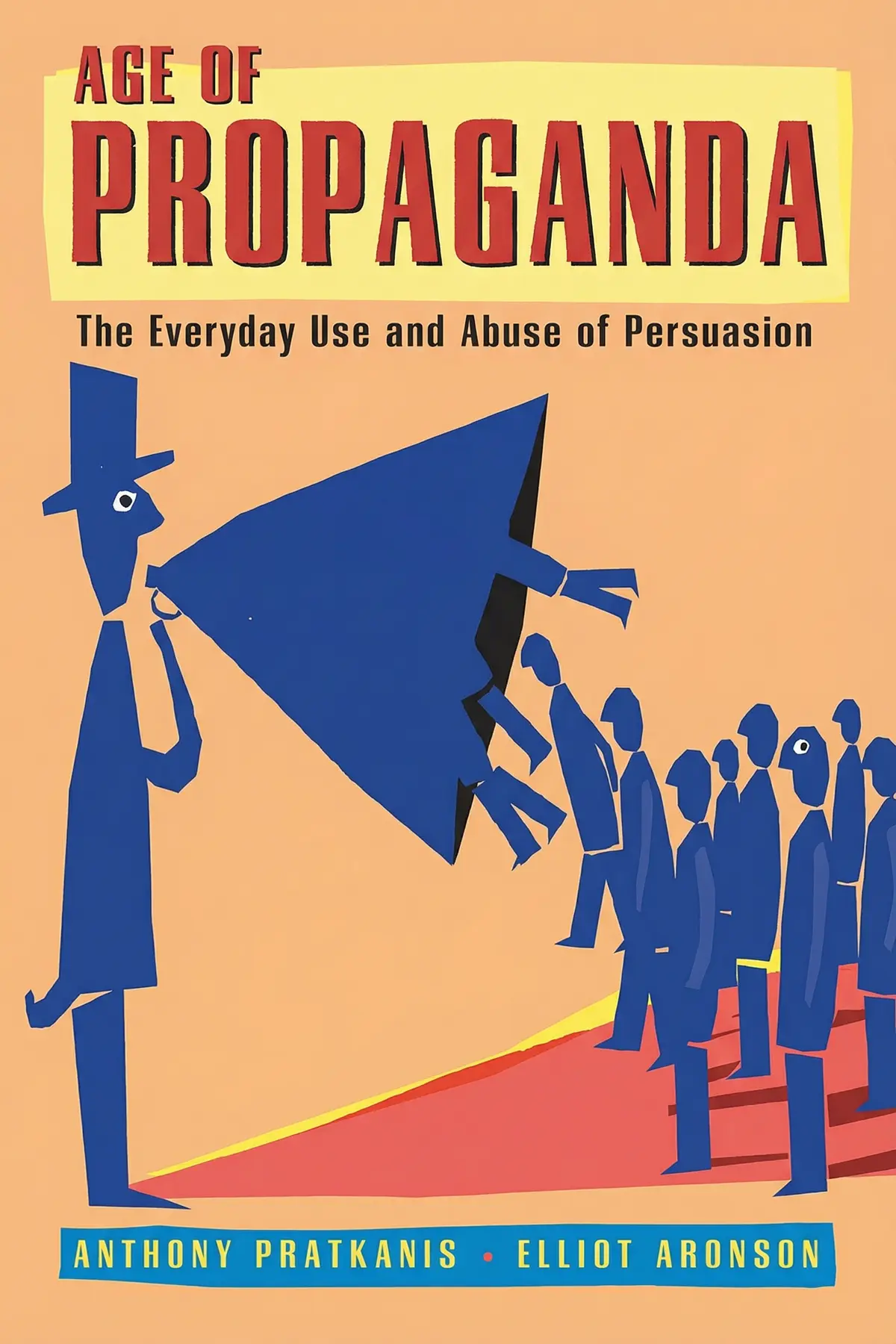
Anthony Pratkanis
Barack Obama

Masaji Ishikawa
John Rawls

Miles Taylor
AUDIO SUMMARY AVAILABLE
Get the key ideas from Socialism by Michael Newman, plus 5,000+ more titles in English and Thai.







