
Abortion: Our Bodies, Their Lies, and the Truths We Use to
Jessica Valenti
Explore the harrowing reality of the Philippine drug war under Rodrigo Duterte. This summary uncovers the rhetoric, systemic violence, and human cost of a state-sponsored campaign that targeted its own citizens.
1 min 30 sec
In the summer of 2016, a seismic shift occurred in the political landscape of the Philippines. With the ascension of Rodrigo Duterte to the presidency, a chilling new era began—one defined by a state-sponsored campaign against its own citizens. This was the start of a six-year war on drugs that would eventually leave a trail of thousands of bodies in its wake. But how does a nation reach a point where mass violence is not only tolerated but actively cheered by a significant portion of the population?
Journalist Patricia Evangelista spent years on the front lines of this conflict, documenting the grisly crime scenes and the even more disturbing rhetoric that fueled them. In this summary, we explore the mechanics of this violence. We’ll look at how language was used as a weapon to strip people of their humanity, how a local history of vigilante justice became a national policy, and how the state manipulated statistics to justify a literal killing spree. This isn’t just a record of death; it’s an investigation into the psychological and systemic structures that allow state terror to flourish. By examining the stories of those who survived and those who didn’t, we gain a profound understanding of the cost of populism when it is coupled with a disregard for human rights. Through Evangelista’s eyes, we see a country grappling with its own shadow, where the line between law enforcement and executioner became perilously thin.
2 min 03 sec
Discover how a single word can transform a neighbor into a monster, paving the way for a society to accept the unacceptable in the name of safety.
1 min 47 sec
Explore the origin story of a leader’s lethal philosophy, born in the streets of Davao and exported to the entire nation as a promise of order.
1 min 48 sec
Uncover the gap between reality and propaganda, and how manipulated data can be used to manufacture consent for a war against the poor.
1 min 46 sec
Step into the reality of Operation Tokhang, where a simple request to surrender often masked a much more lethal and final confrontation.
1 min 55 sec
Hear the harrowing story of a man who survived his own execution, providing a rare and vital counter-narrative to the state’s official version.
1 min 51 sec
Learn how the drug war survived a massive public scandal, merely changing its tactics and moving further into the darkness of vigilante justice.
1 min 25 sec
The six-year war on drugs in the Philippines stands as a dark monument to the power of populist rhetoric and the fragility of human rights. Through the work of Patricia Evangelista, we see how a nation was led down a path of systemic violence, fueled by a narrative that divided citizens into those who were human and those who were ‘monsters.’ The cost of this campaign cannot be measured only in the thousands of lives lost, but also in the erosion of the justice system and the traumatization of an entire society.
We have seen how language was weaponized, how statistics were manipulated, and how the state turned its back on the very people it was supposed to protect—the poor and the marginalized. Yet, in the stories of survivors like Efren Morillo and the persistent pursuit of justice by international bodies, there is a glimmer of accountability. The lesson of this period is clear: when a leader promises that ‘some people need killing,’ the safety they offer is a dangerous illusion. True security and order can only be built on a foundation of law, empathy, and an unwavering respect for the dignity of every individual, regardless of their social standing. As the International Criminal Court continues its work, the world watches, reminding us that while justice may be delayed, the voices of the victims cannot be silenced forever.
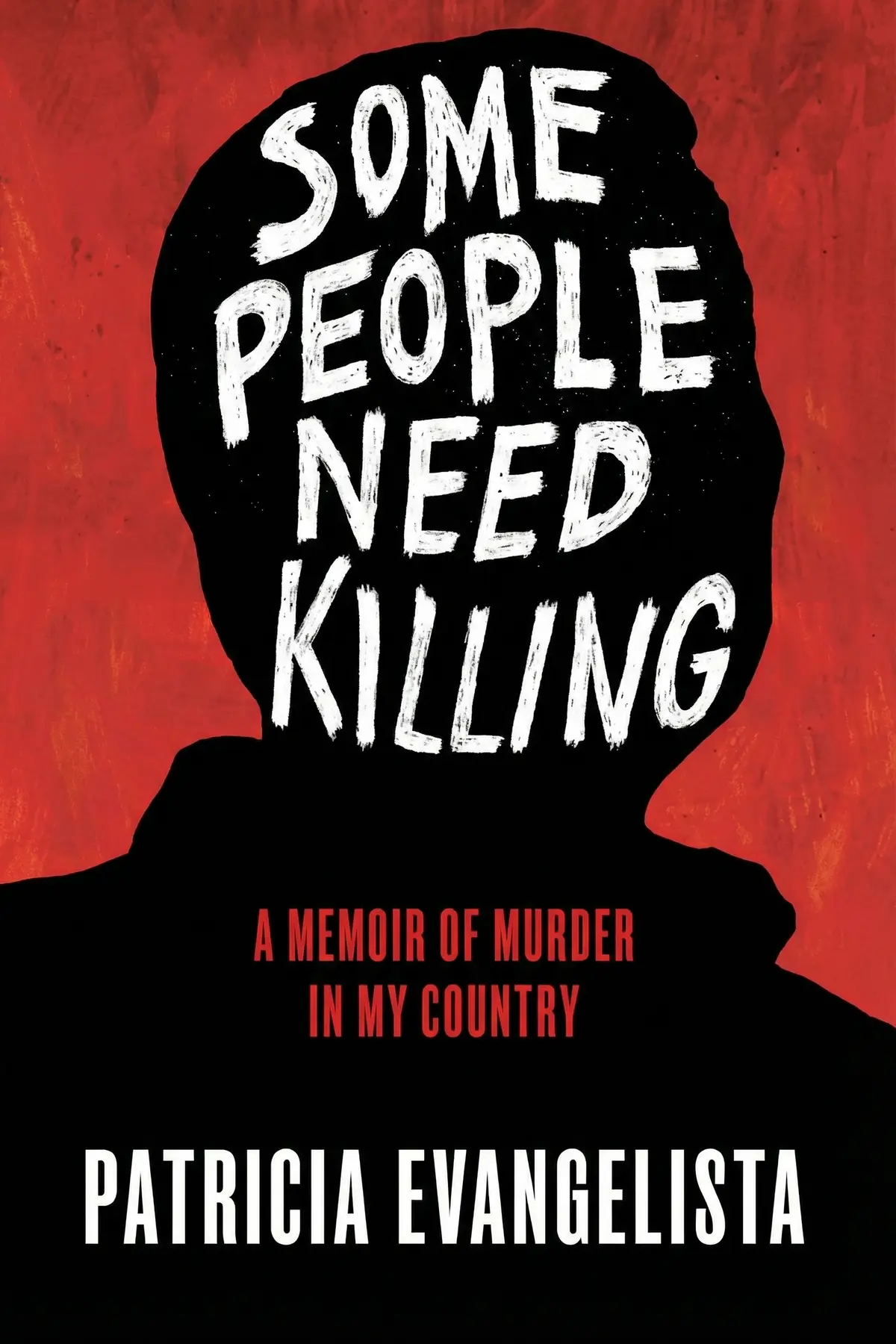
Some People Need Killing is an unflinching examination of the extrajudicial killings that gripped the Philippines from 2016 to 2022. It delves into the rise of Rodrigo Duterte and his populist campaign that promised to solve the country’s problems by eliminating 'drug-crazed' citizens. The book peels back the layers of state-sponsored terror, from the dehumanizing language used in political speeches to the grisly reality of the 'knock and plead' operations that often ended in execution. Through investigative journalism and deeply personal accounts, the summary highlights the stories of both the victims and the survivors who stood up against a system of impunity. It explores how the state manufactured a crisis to justify mass violence and how that violence persisted even when official operations were suspended. Ultimately, this is a story about the dangers of unchecked power and the vital importance of bearing witness to the truth in the face of state-mandated silence. It offers a promise of understanding the mechanisms of modern autocracy and the enduring strength of the human spirit in the quest for justice.
Patricia Chanco Evangelista is a prominent Filipina journalist and documentary filmmaker known for her fearless reporting on conflict, disaster, and human rights. She has been a vital voice in Filipino media, serving as a multimedia reporter for the investigative news outlet Rappler and contributing as a writer-at-large for Esquire magazine. Some People Need Killing is her debut book, cementing her reputation as a leading chronicler of the socio-political landscape in the Philippines.
Listeners find the book expertly crafted and consider it vital reading for those following this subject. Its authenticity is highly regarded, with one listener calling it a masterclass in true journalism. Pacing draws varied reactions, as several listeners find it horrific. The length of the narrative also sees divided feedback, with one listener remarking that it could have been shorter.
This book is a masterclass in what I consider true journalism at its absolute best. Patricia Evangelista doesn't just report on the facts; she immerses you in the humid, terrifying nights of the 'night shift' where the bodies piled up under Duterte’s orders. The way she juxtaposes the cold, hard data of the drug war with the visceral grief of the families left behind is nothing short of haunting. Some might find the prose a bit dense, but I believe the complexity reflects the tangled morality of a nation cheering for its own destruction. It is a harrowing, essential record of a dark era that the world should not be allowed to forget. Frankly, the detail about the 'grammar of violence' and how the state uses language to mask murder was the most chilling part for me. This is not an easy read, but it is a necessary one for anyone who cares about human rights and the fragility of democracy.
Show moreRarely does a piece of non-fiction leave me feeling so utterly devastated yet enlightened at the same time. Patricia Evangelista has written a brave, unflinching account of the slaughter occurring in the Philippines, and her voice is one of pure, righteous exhaustion. I was particularly moved by the stories of the mothers and children in the slums who were caught in the crossfire of a war that seemed to target the poor exclusively. The author’s background as a 'disaster journalist' shines through in her ability to find the humanity in the midst of absolute carnage. She doesn't shy away from the fact that many of her own countrymen supported these killings, which adds a layer of tragic complexity to the whole book. It’s a staggering work of witness. If you want to understand how a populist leader can turn a country against its own people, read this immediately. It is easily one of the most important books of the decade.
Show morePatricia Evangelista has managed to write something that feels both like a historical record and a living, breathing nightmare. The truth is, I had to put this book down several times just to catch my breath because the descriptions of the executions are so vivid. She captures the atmosphere of fear in Manila perfectly, especially the sense that anyone could be next if a neighbor decided to whisper the wrong name to the police. I found the sections on the 'vigilante' kill squads to be the most fascinating and disturbing parts of the whole narrative. It’s a deep dive into the banality of evil. The author’s prose is sharp and rhythmic, echoing her training in oratorical speech, which gives the book a unique, almost poetic quality despite the grim subject matter. This is an essential read for anyone interested in global politics or the ethics of journalism. Absolutely brilliant work.
Show moreEver wonder how a democracy slides into a slaughterhouse with the total applause of its own citizens? This book provides a terrifying answer. Evangelista is a surgeon with words, cutting through the propaganda of the Duterte regime to show the rotting core underneath. I was haunted by the story of 'Simon' and the idea that ordinary people can be convinced that 'some people need killing' for the greater good. The reporting here is top-tier; you can tell she spent years on the ground, risking her safety to get these stories. It’s a visceral, bloody, and deeply moving piece of literature that functions as both a warning and a memorial. Some might find the length intimidating, but every page feels like a necessary act of resistance against forgetting. I cannot recommend this highly enough to anyone who values truth and justice. It is a staggering achievement that I won't stop thinking about for a long time.
Show moreWhy does a book about mass murder spend so much time discussing intransitive verbs and passive voice? At first, I found the author's focus on linguistics and her own history as a public speaker a bit distracting from the main subject. However, as I got deeper into the narrative, I realized she was dissecting how language is weaponized to justify the slogan 'some people need killing.' Evangelista is a gifted writer, though I’ll admit the pacing can feel a bit sluggish in the middle sections where the descriptions of surroundings become very flowery. To be fair, the sheer volume of stories about the dead can become overwhelming to the point of numbness, which might be the author's intent. It really forces you to look at the 'monsters' and see the humans underneath. The book is perhaps a bit too long, but the investigative work is undeniably brave and meticulously detailed.
Show moreI struggled initially with the balance between the author’s personal memoir and the actual reportage of the drug war. I went in expecting a straightforward political analysis of Duterte’s regime, but what I got was something much more intimate and, at times, more frustrating. Evangelista’s style is very deliberate, almost like she’s trying to paint a picture in slow motion with every sentence. While this makes for some beautiful passages, it also means the book clocks in at a very hefty length that might test the patience of casual readers. Still, the accounts of vigilantes like 'Simon' are absolutely gripping and provide a terrifying window into the psyche of those who believe they are doing 'good' by killing. It’s a powerful testament to the victims whose names would otherwise be erased. I’d recommend it, but be prepared for a very heavy, slow-burning experience that demands your full attention.
Show moreAfter hearing so many snippets about Duterte’s drug war on the news over the years, I thought I was prepared for the contents of this book. I was wrong. The level of detail Evangelista provides regarding the police operations and the planting of evidence is truly horrific and eye-opening. The writing itself is quite sophisticated, though I can see why some readers might find it a bit verbose or 'wordy' in certain chapters. Personally, I appreciated the deep dive into Filipino history and the author's own journey, as it provided much-needed context for how someone like the 'Punisher' could rise to power. My only real gripe is that the narrative structure feels a bit disjointed at times, jumping between different years and victims in a way that can be hard to track. Nevertheless, it is a monumental achievement in investigative reporting that deserves every bit of praise it gets for its authenticity and courage.
Show morePicked this up on a whim after seeing it on several 'best of' lists, and it certainly lives up to the hype in terms of its emotional weight. Evangelista is a phenomenal writer who knows exactly how to twist the knife by focusing on the small, tragic details—like the color of a child's backpack at a crime scene. I learned so much about the political landscape of the Philippines that I never knew before. However, the author’s obsession with the 'grammar' of the killings—the way she analyzes the specific words used by Duterte and the police—felt a bit academic and took me out of the story a few times. Got to say, it’s a very heavy lift for a weekend read. It’s a book that demands you sit with the discomfort of what humans are capable of. It’s not perfect, but it’s a vital piece of work for our current political climate.
Show moreThe truth is, this could have been a much tighter and more impactful book if it were about 100 pages shorter. I have immense respect for the author's bravery and the importance of the subject matter, but the delivery felt very repetitive after a while. We get dozens of stories of young men being killed in alleys, and while each one is a tragedy, they start to blend together in a way that diminishes the impact of the individual narratives. I also found the author’s tangents into her childhood and international speaking competitions to be somewhat self-indulgent and irrelevant to the drug war. It felt like she was trying to write a literary masterpiece when a more direct, punchy reporting style might have served the victims better. It’s still a significant historical document, but the pacing issues and the long-winded descriptions of scenery made it a bit of a chore to finish.
Show moreLook, I understand the importance of documenting these atrocities, but the writing style here just didn't work for me. It felt extremely verbose and 'literary' for a book that is ostensibly about a bloody drug war. There are long, sprawling sentences about trees and the layout of neighborhoods that felt like filler, making the already long page count feel even more daunting. I was expecting more of a high-level political analysis, but the book leans very heavily into personal memoir and repetitive scene-setting at the sites of various murders. To be fair, her interviews with the killers themselves are chilling and well-conducted. But overall, the 'staccato' pacing and the constant grammatical asides made it a frustrating experience. It’s an important record, certainly, but I think a more rigorous editor could have made this a much more effective and readable book for a general audience.
Show moreJessica Valenti
Virginia Woolf

Yanis Varoufakis
Yuval Noah Harari
Jacinda Ardern
Pankaj Mishra
Johny Pitts
AUDIO SUMMARY AVAILABLE
Get the key ideas from Some People Need Killing by Patricia Evangelista, plus 5,000+ more titles in English and Thai.







