
22 min 13 sec
Source Code: My Beginnings
By Bill Gates
Explore the formative years of Bill Gates in this deep dive into his early life, covering his childhood in Seattle, the founding of Microsoft, and the mental models that drove his success.
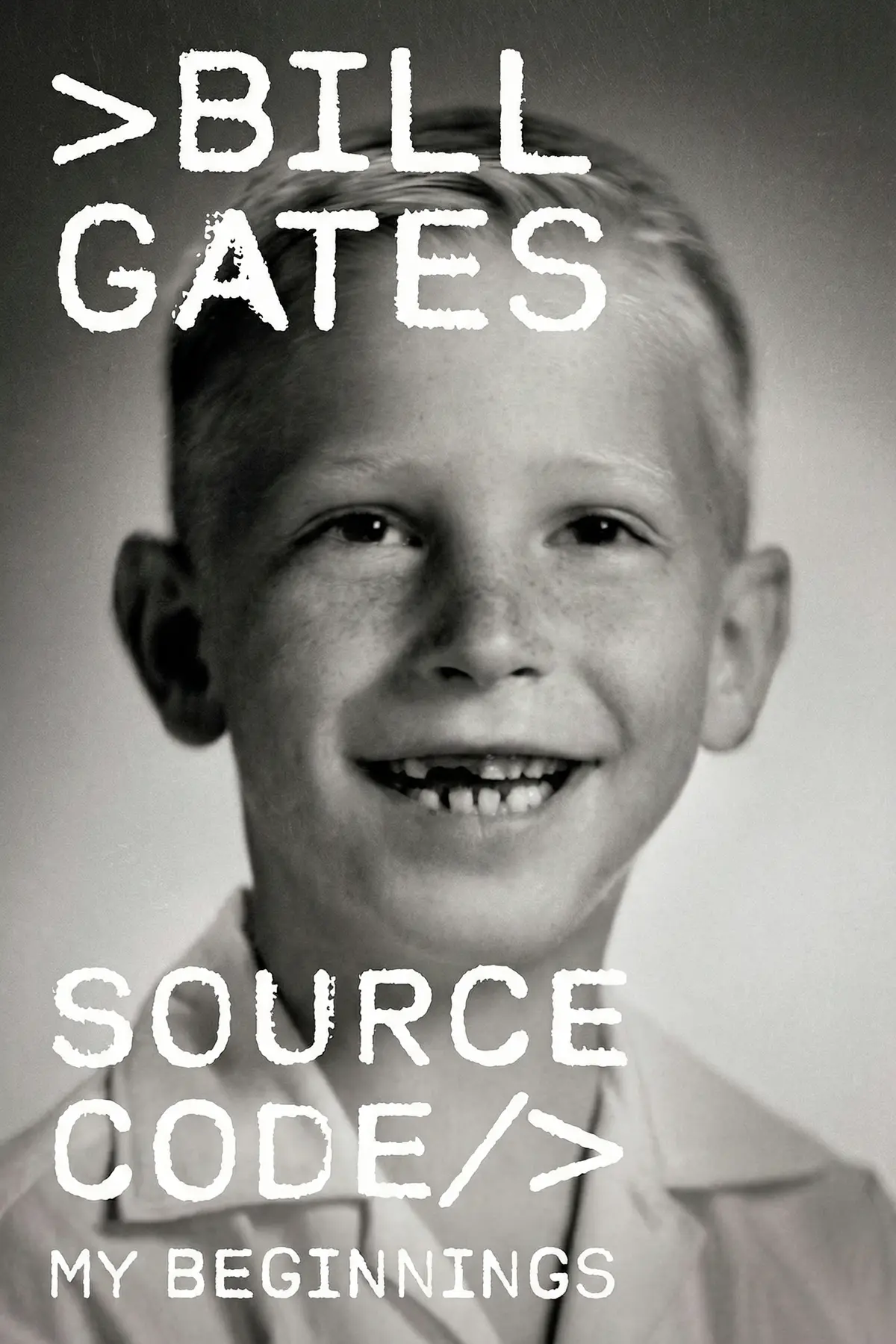
Table of Content
1. Introduction
1 min 38 sec
Every major achievement has a beginning, a hidden set of instructions that determines how everything else will unfold. For Bill Gates, that beginning wasn’t just a single moment of inspiration; it was a long, complex process of development that began in the quiet neighborhoods of Seattle. We often see the billionaire philanthropist or the software titan, but we rarely see the young boy who was obsessed with figuring out the patterns behind every game he played. This narrative takes us back to those early years, examining the “Source Code” of a life that would eventually rewrite the rules of the modern world.
In this exploration, we are not just looking at a business history. We are looking at a personal transformation. Gates reflects on the formative experiences that defined his perspective: the high-pressure family environment, the early exposure to revolutionary technology, and the friendships that served as the engine for his early career. It is a story about how luck meets preparation, and how a deep, almost singular focus can turn a niche hobby into a global industry.
Through these chapters, we will follow the path from his first interactions with a Teletype machine at a private school to the high-stakes legal battles that secured Microsoft’s independence. We will see how a young man who struggled with the social expectations of school found a home in the logical, predictable world of computer code. This is the throughline of his life—a search for mastery and an unshakeable belief that with enough effort and focus, any problem can be solved. Let’s dive into the formative years that set the stage for everything that followed.
2. Mental Models and the Art of Competition
2 min 45 sec
Discover how a young boy’s grandmother taught him that winning isn’t about luck, but about recognizing the invisible patterns that govern every game.
3. The Influence of a Rising City
2 min 40 sec
Explore how the futuristic optimism of 1960s Seattle and the presence of industrial giants like Boeing shaped a young boy’s vision of what was possible.
4. The Lakeside Shift and the Teletype
2 min 41 sec
See how a change in schools led to a meeting with a kindred spirit and the discovery of a machine that would change the course of history.
5. Deep Immersion and the School of Trash
2 min 58 sec
Learn how the scarcity of computer access forced a group of teenagers to go to extreme lengths—including dumpster diving—to learn the secrets of code.
6. Processing Tragedy and Finding a Partner
2 min 30 sec
Follow the emotional journey of a young Bill Gates as he copes with the loss of a best friend and solidifies a partnership that would launch a revolution.
7. The Harvard Interval and the Altair Breakthrough
2 min 36 sec
Go inside the pressure-cooker environment of Harvard where Gates balanced elite academics with the secret coding marathon that birthed Microsoft.
8. Securing Independence and Building the Future
2 min 36 sec
Witness the legal and professional struggles of a young company as Bill Gates fights to reclaim his code and set the stage for a global software empire.
9. Conclusion
1 min 49 sec
The early years of Bill Gates provide a fascinating look at how a specific set of influences can converge to create a global impact. We see a boy who was taught that strategy beats luck, a teenager who found solace in the absolute logic of machines, and a young man who had the foresight to see that software would eventually become the world’s most valuable resource. This narrative of his formative years reminds us that even the most massive achievements are built one line of code at a time, through countless hours of deep focus and a persistent refusal to accept the status quo.
What truly stands out in this journey is the importance of intellectual environment and the power of collaboration. From the competitive games with his grandmother to the intense, late-night coding sessions with Paul Allen, Gates was always part of a system that pushed him to be better. He didn’t succeed in a vacuum; he succeeded because he was part of a community of innovators who were all racing toward the same future. His story is a testament to the idea that when you find a problem that truly captivates you, you shouldn’t just try to solve it—you should try to master the very logic behind it.
As we close this chapter on his early life, the main takeaway is the value of finding your own “source code.” Think about the patterns in your own life that drive your decisions and your passions. Are you relying on luck, or are you building a strategy? Are you waiting for the future to happen, or are you looking for the small, emerging shifts that will define the next decade? By focusing on deep mastery and staying open to the possibilities of new technology, you can begin to write your own path, just as a young Bill Gates did in a small computer room in Seattle all those years ago.
About this book
What is this book about?
This summary explores the origins of one of the world’s most influential figures, focusing on the period before Bill Gates became a global household name. It traces his journey from a competitive child in Seattle to a Harvard dropout who saw the future of personal computing before almost anyone else. The narrative highlights the critical moments that served as his personal source code, including his early fascination with complex systems, the lucky breaks that gave him access to rare technology, and the personal tragedies that shaped his resolve. You will learn about the intense intellectual environment of his upbringing and the pivotal partnerships he formed with friends like Kent Evans and Paul Allen. The book promises to reveal how a mix of privilege, obsession, and strategic thinking allowed a small group of teenagers to launch a software revolution. It provides a behind-the-scenes look at the birth of Microsoft, the struggle for intellectual property rights, and the unwavering belief that software—not just hardware—would change the world forever.
Book Information
About the Author
Bill Gates
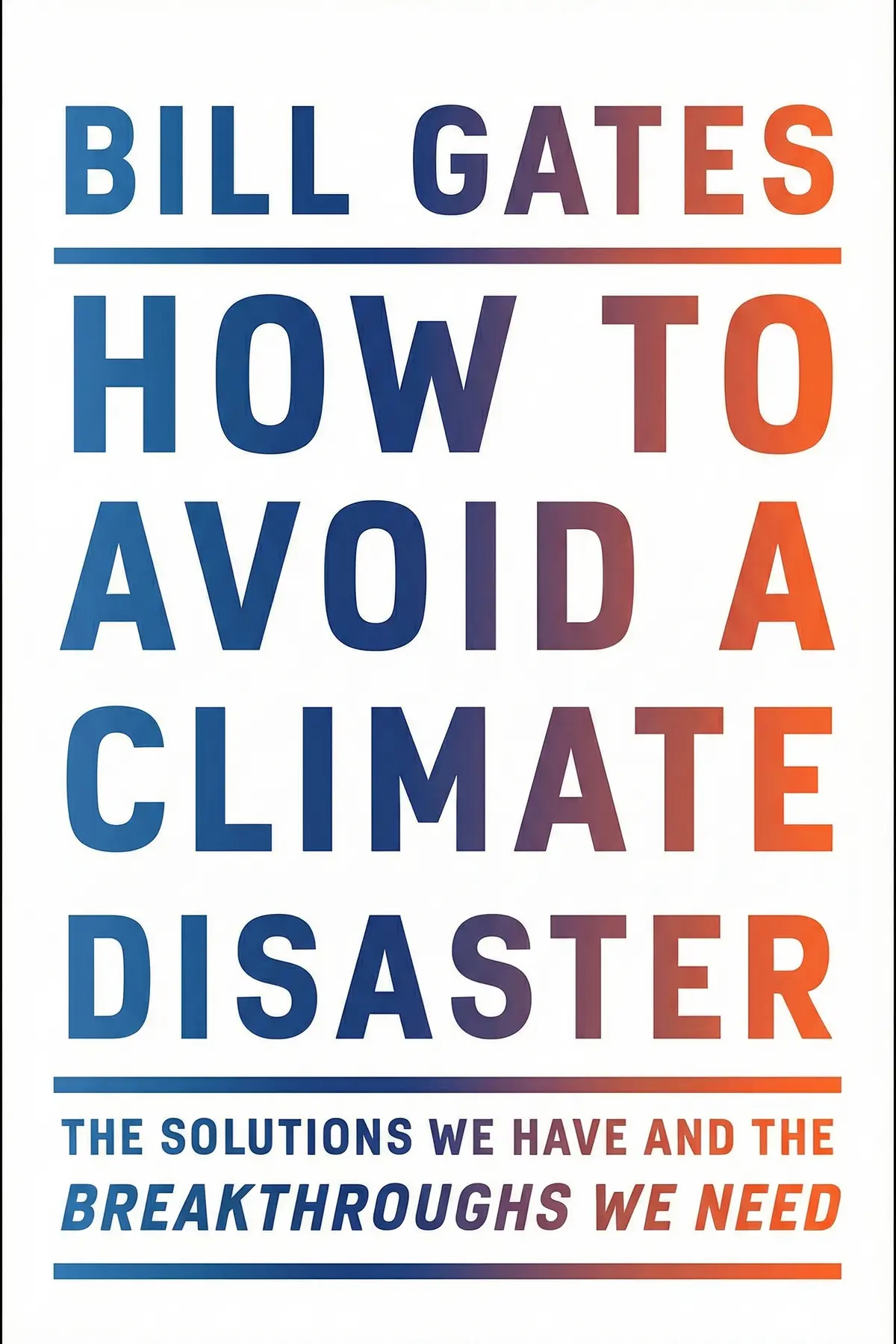
Bill Gates is a technology pioneer, entrepreneur, and philanthropist best known as the co-founder of Microsoft, where he helped shape the personal computing revolution. Beyond technology, he has devoted much of his time and wealth to global health and education initiatives through the Gates Foundation. His other books include How to Avoid a Climate Disaster (2021) and How to Prevent the Next Pandemic (2022).

Ratings & Reviews
Ratings at a glance
What people think
Listeners find this biography to be a captivating and articulate account, characterizing it as a smooth weekend listen that delivers meaningful life lessons. The work provides thorough perspectives on Bill Gates' younger years, as one listener mentions its vivid portrayal of his childhood and another draws attention to its extensive look at PC software history. Listeners value the author's brilliance, with one review specifically citing his encouragement to use his brain.
Top reviews
Noo
Ever wonder what makes a titan tick? 'Source Code' provides a surprisingly candid map of the intellectual architecture behind Microsoft. Gates describes his early access to the DEC PDP-10 with such infectious enthusiasm that you almost feel the hum of the cooling fans yourself. Truth is, his portrayal of the partnership with Paul Allen feels more like a heist movie than a business history, crackling with a sense of urgency and youthful arrogance. I found the reflections on his grandmother, Gami, particularly moving as she clearly laid the groundwork for his mathematical rigor. While some might find the technical jargon a bit dense, it’s essential to understanding how he outpaced the competition. It is a masterclass in how environment and obsession collide to create world-altering change. If you want to understand the origins of the software revolution, this is non-negotiable reading for your weekend.
Show moreLevi
Picked this up on a Friday afternoon and finished it by Sunday night because the pacing is just that good. Gates has a way of explaining complex software concepts that makes you feel smarter just for reading it. It’s an encouraging reminder to use your brain to its full potential, regardless of whether you’re a coder or not. The anecdotes about the Altair 8800 and the mad dash to write BASIC are thrilling, capturing a moment in time when the future was wide open. I loved the inclusion of family photos which grounded the technical talk in a real, relatable childhood. To be fair, he doesn't sugarcoat his early friction with his mother, which adds a necessary layer of human conflict. This is more than a tech book; it’s a lesson in agency and relentless effort. Truly a valuable read for anyone looking for a spark of inspiration from a pioneer's early days.
Show moreDarius
Wow, the chapter regarding Kent Evans was genuinely heartbreaking and added a layer of depth I wasn't expecting from a Bill Gates book. It really highlights how fleeting life can be and how those early friendships define our sense of purpose. Beyond the sadness, the book is a riveting exploration of how a specific set of circumstances—luck, timing, and a massive amount of hard work—aligned perfectly. Gates's intelligence jumps off every page, but he writes in a way that is accessible and never feels like he’s talking down to you. To be fair, his obsession with being '20% better' than everyone else is a bit intense, yet it’s exactly that drive that changed the world. This is a comprehensive look at the foundation of a legacy. I finished it feeling motivated to tackle my own projects with more focus. It’s a brilliant tribute to the early days of hacking and home computing.
Show moreSangduan
To be fair, I went into this expecting a dry business manual and ended up with a vivid portrait of the 1970s tech scene. The story of writing the Altair BASIC interpreter on the fly is the stuff of legend, and hearing it from Gates himself is a treat. He paints a picture of a world where computers were massive machines locked in basements, and his vision to bring them to everyone’s desk feels revolutionary all over again. The book is well-written and flows naturally, making it a very quick read for such a dense subject. I especially enjoyed the parts about his competitive nature—it explains so much about Microsoft’s later business tactics. Frankly, his intelligence is staggering, but his willingness to admit to his youthful arrogance makes him much more relatable. It’s a fascinating look at the 'Source Code' of a man who changed everything. Highly recommended for any tech enthusiast.
Show moreBrooklyn
Finally got around to reading this and I'm left wanting more of the Microsoft era, but as a standalone 'beginnings' story, it's perfect. Gates succeeds in making his early life feel like a high-stakes adventure where every line of code mattered. The transition from a rebellious student to a Harvard dropout with a mission is documented with incredible detail and a surprising amount of humor. Truth is, his family's influence on his philanthropic spirit is clearly laid out here, showing that his later years weren't a total pivot. It’s an engaging, easy read that manages to be both educational and entertaining at the same time. The ending is a bit abrupt, leaving us right at the dawn of his massive success, but it sets the stage beautifully for what’s to come. If you’ve ever wondered how a scrawny kid from Seattle built a global empire, this is where you start. It’s a 5-star look at a brilliant life.
Show moreArt
Bill Gates has always been a polarizing figure, but this memoir humanizes him in ways I didn't expect. Instead of the polished philanthropist we see today, we get the 'weird dude' who dropped acid in high school and struggled with social cues. The family dynamics are the real highlight here, showing how his parents’ high expectations forged his relentless drive. Frankly, his admission of being a 'spoiled brat' at times makes the narrative feel more authentic than most celebrity biographies I've read. You can see the seeds of Microsoft in his competitive school scheduling projects and early payroll software. My only gripe is that he maintains a bit of a clinical distance during the more emotional segments, like the tragic loss of his friend Kent. Despite that, it's an engaging look at how a brilliant, often difficult mind found its footing in an industry that didn't even exist yet.
Show morePatcharaporn
After hearing about his 'Source Code' for years, it's fascinating to finally read his own account of those formative Seattle winters. The book provides detailed insights into the PC software revolution that shifted the world’s trajectory forever. Gates strikes a balance between being self-deprecating about his social awkwardness and being rightfully proud of his technical breakthroughs. Personally, I found the chapters on his time at Lakeside School to be the most compelling because they show the raw potential of a young mind given the right tools. It’s an easy weekend read, perfect for someone who wants to understand the 'why' behind the man. However, the book ends just as Microsoft starts to truly take off, which feels like a bit of a tease. I’m definitely looking forward to the next volume to see how he handled the transition into global dominance. It's a well-written, engaging look at a life defined by obsession.
Show moreNannapat
In my experience, tech memoirs usually skip the awkward childhood bits, but Gates leans into his eccentricities with surprising honesty. He doesn't shy away from his reputation as a difficult kid, showing how his parents’ patience was tested time and time again. The focus on how he processed information and his 'source code' for thinking is actually quite helpful for anyone interested in cognitive performance. I liked how he acknowledged the mentors and teachers who saw his potential when he was just a scruffy kid acting out. Not gonna lie, some of the programming talk went over my head, but the overall narrative of a young man finding his passion kept me hooked. It’s a great glimpse into the history of software through the eyes of one of its chief architects. While a bit self-congratulatory in spots, the life lessons tucked between the lines are genuinely valuable. A solid, engaging biography.
Show moreAmy
The level of technical detail regarding the PDP-10 and early BASIC programming is impressive, though it occasionally drags for the casual reader. While I appreciated the deep dive into the 'source code' of his personality, the narrative voice feels oddly detached from the major life events it describes. He talks about his neurodivergent traits and his habit of rocking with a clinical precision that explains the 'what' but rarely the 'how it felt.' It’s an average read that sits somewhere between a historical document and a personal diary, never quite committing to either. I wanted more insight into the internal shift from being a rebellious teen to a business leader. Instead, we get a lot of focus on school scheduling software. Still, the historical significance of these early years makes it worth finishing. It’s a solid 3-star effort that provides a missing piece of the computing puzzle.
Show moreEye
This felt like a long, self-indulgent exercise in revisionist history that didn't quite land for me. Look, nobody is denying Gates is a genius, but the book spends far too much time justifying his early behavior as 'intense' rather than just admitting he was difficult to be around. The privilege he enjoyed—access to high-end computers in 1968—is mentioned, but the sheer luck of his timing isn't interrogated enough. I found the middle section a total snooze fest, bogged down by dry descriptions of programming minutiae that even an IT veteran might find tedious. It’s a sheltered perspective that ignores the massive socioeconomic advantages that allowed him to take risks others couldn't. By the time he finally leaves Harvard to start Microsoft, I was too bored to care. Not gonna lie, this could have been half as long and twice as impactful if it weren't so focused on his own legend.
Show moreFeatured in
Readers also enjoyed

A Long Way Gone: Memoirs of a Boy Soldier
Ishmael Beah

All Creatures Great and Small
James Herriot

A Promised Land
Barack Obama


A River in Darkness: One Man’s Escape from North Korea
Masaji Ishikawa

A Spy Among Friends: Philby and the Great Betrayal
Ben Macintyre


A Year in the Life of William Shakespeare: 1599
James Shapiro
AUDIO SUMMARY AVAILABLE
Listen to Source Code in 15 minutes
Get the key ideas from Source Code by Bill Gates, plus 5,000+ more titles in English and Thai.
- 5,000+ titles
- Listen as much as you want
- 7-day free trial
- Cancel anytime







