
15 min 09 sec
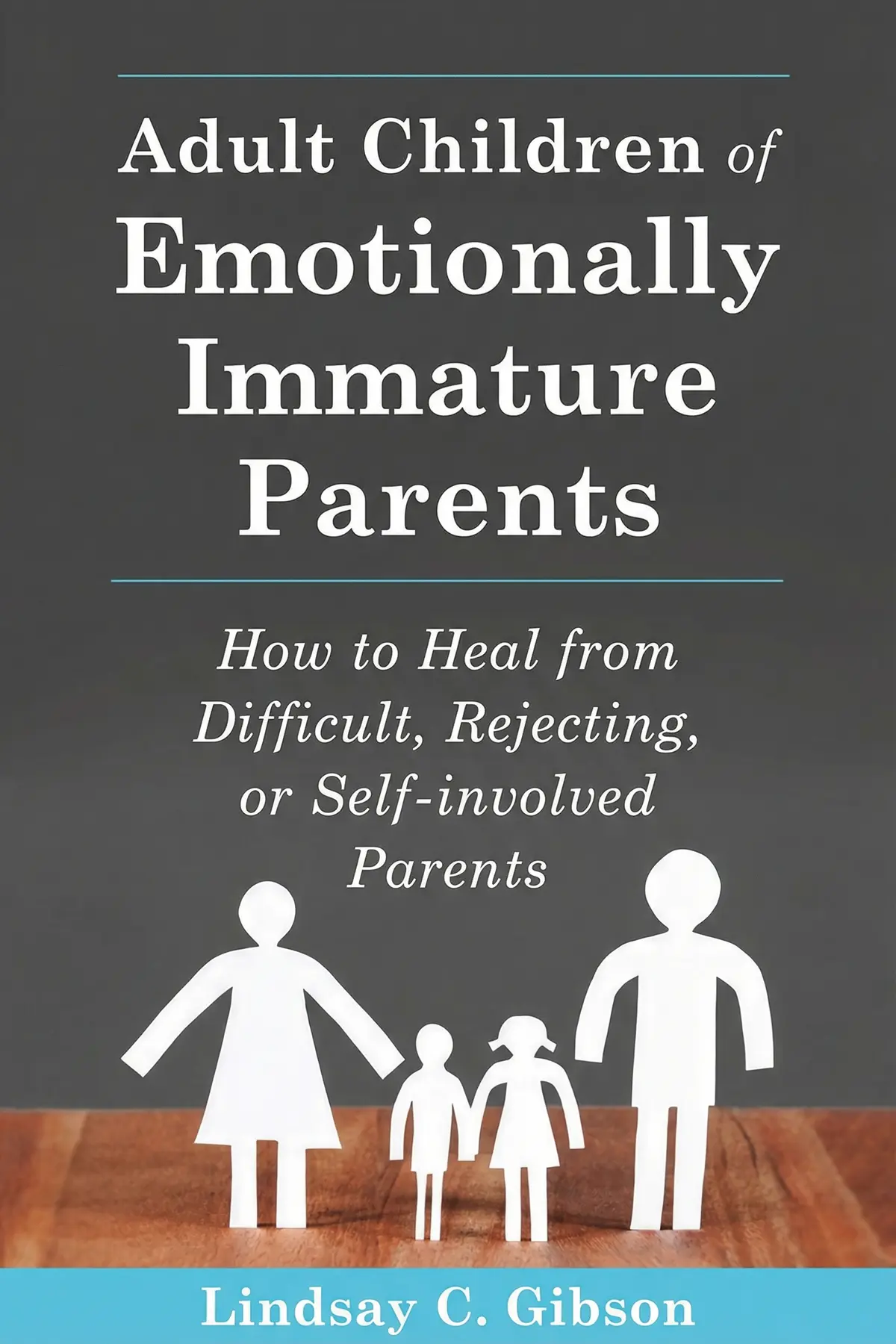
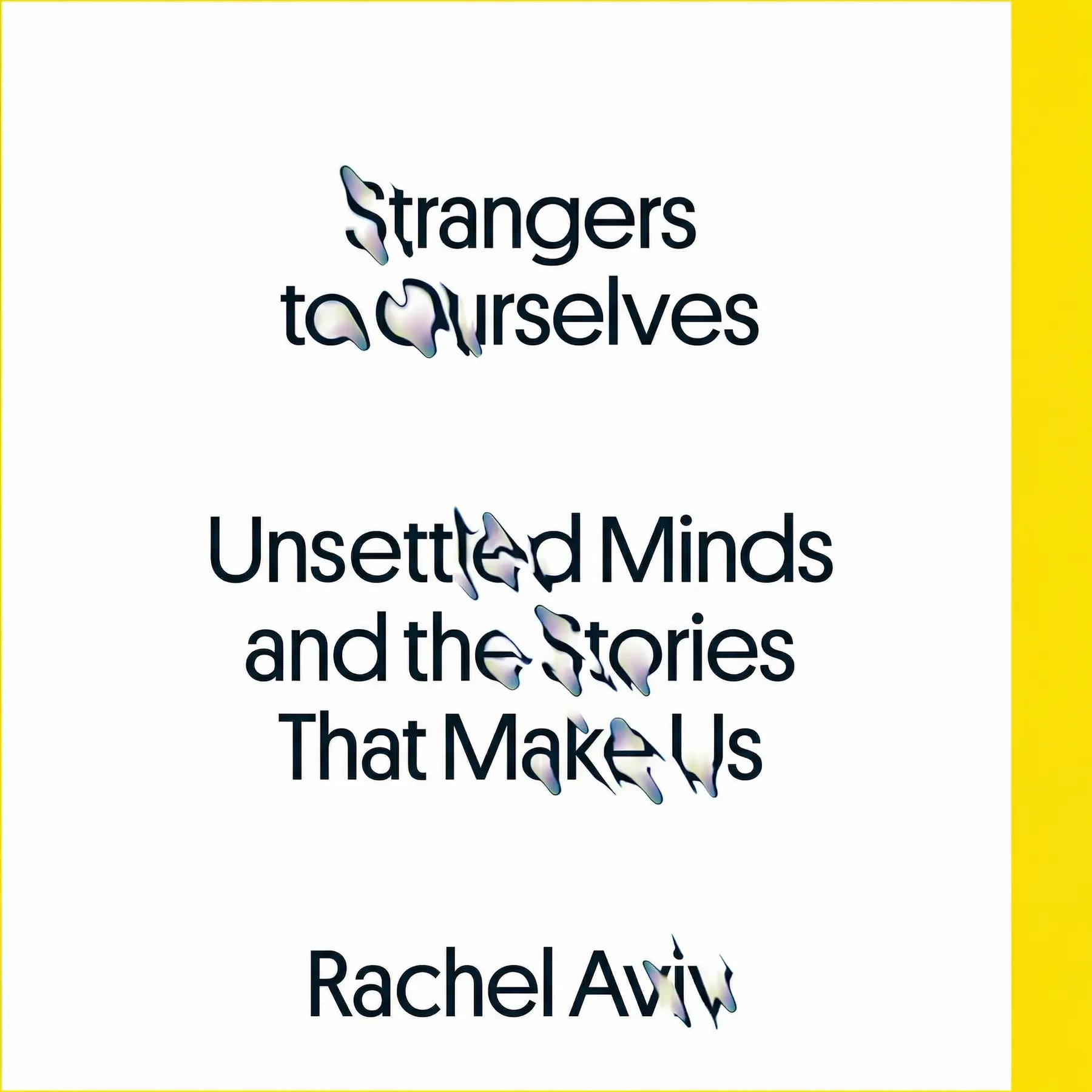
Strangers to Ourselves: Unsettled Minds and the Stories That Make Us
By Rachel Aviv
Strangers to Ourselves explores how psychiatric labels and cultural narratives shape the human experience of mental illness, using intimate personal histories to challenge our standard medical frameworks of the mind.
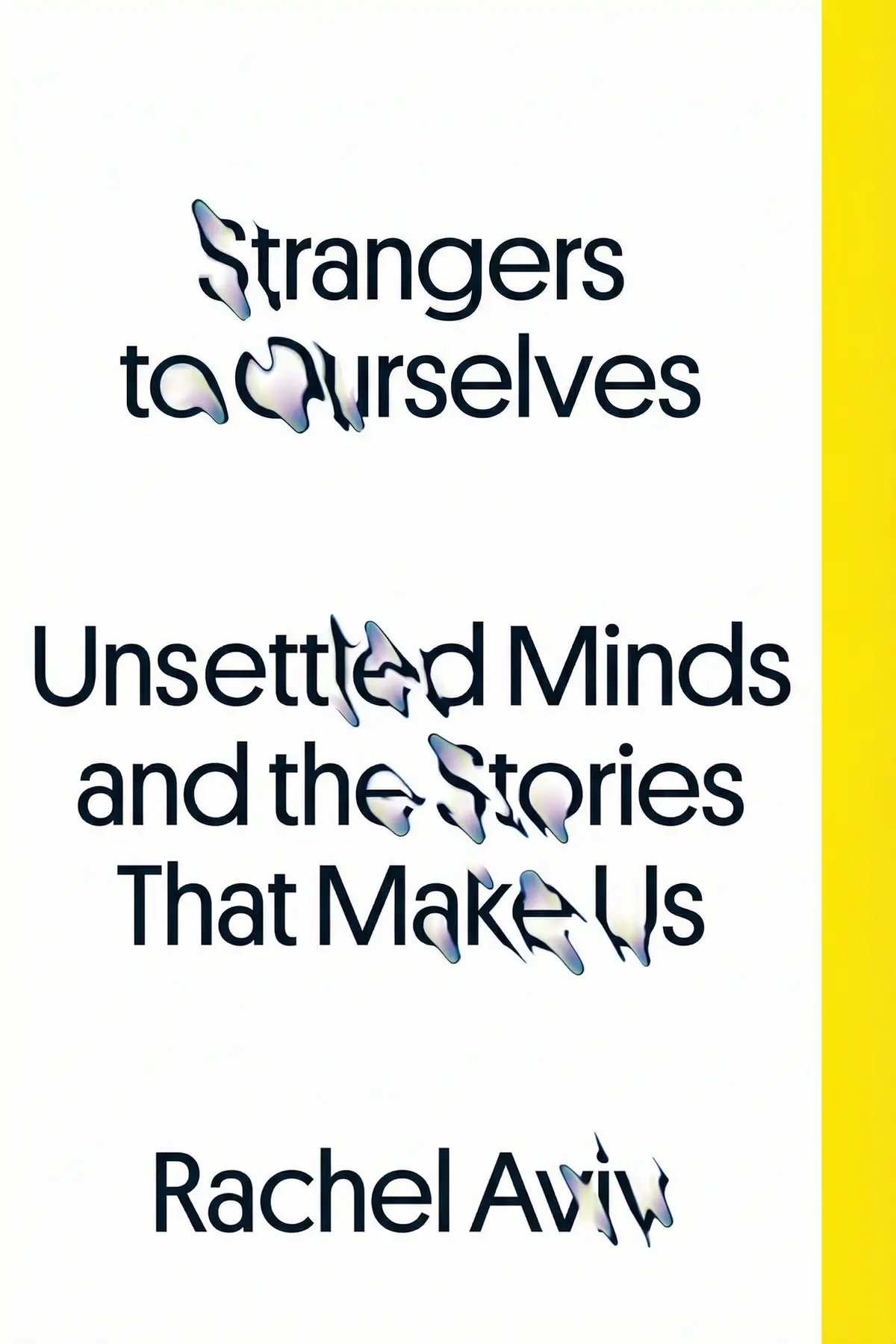
Table of Content
1. Introduction
1 min 42 sec
Have you ever wondered where the boundary lies between a personality trait and a medical condition? In our modern world, we have become accustomed to naming our internal struggles. We reach for terms like depression, anxiety, or bipolar disorder to make sense of our pain. But what happens when these labels start to define us? What if the very words we use to describe our minds end up changing the way our minds function? This is the central question at the heart of our exploration today.
In this journey, we are going to look at the intersection of psychiatry and personal identity. We often think of mental illness as a straightforward biological reality—something like a broken arm or a viral infection. However, the human psyche is far more porous than a bone. It is influenced by the culture we live in, the expectations of our families, and the stories we are told about who we are. When a doctor gives a patient a diagnosis, they aren’t just providing a name for a symptom; they are providing a framework through which that patient will view their entire life.
Through a series of deeply personal accounts, we will see how individuals navigate these frameworks. We’ll meet people who found liberation in their diagnoses, and others who felt trapped by them. We’ll look at how different societies interpret the same behaviors in vastly different ways, and how social factors like race and class can fundamentally alter the way a person’s mental state is treated. By the end, we hope to see the human spirit not as a collection of symptoms, but as a resilient force that is constantly trying to make sense of itself in a complicated world. Let’s begin by looking at how even the youngest minds can be shaped by the clinical labels they are given.
2. The Influence of Early Clinical Labels
2 min 00 sec
Discover how a young child’s struggle with eating turned into a medical diagnosis that threatened to rewrite her future identity and social world.
3. The Conflict Between Psychoanalysis and Biology
2 min 04 sec
Explore the historical shift from talk therapy to medication through the eyes of a doctor who felt failed by both systems.
4. Spiritual Devotion and the Diagnostic Lens
2 min 04 sec
Can a person be both a saint and a patient? Learn how different cultures interpret the same intense religious experiences.
5. The Impact of Social and Racial Injustice on the Mind
2 min 00 sec
Witness how a mother’s psychological crisis was fueled by the systemic pressures of racism and poverty.
6. The Trap of the Perfectionist Facade
2 min 00 sec
Follow the journey of a high-achiever who used psychiatric diagnoses to hide her struggle with the pressure to be perfect.
7. Moving Toward a More Holistic View of the Self
1 min 45 sec
Reconsider the role of psychiatry in our lives and the importance of creating our own personal narratives.
8. Conclusion
1 min 34 sec
As we reach the end of this exploration, we are left with a much deeper understanding of the complexity of the human mind and the systems we use to treat it. We’ve seen how Rachel Aviv’s own childhood brush with anorexia showed the power of social influence and the weight of early labels. We followed Ray’s search for a chemical cure that ultimately left him feeling incomplete, and we saw how Bapu’s spiritual journey was pathologized by a medical system that couldn’t see past its own definitions. Naomi’s story reminded us that we cannot separate the mind from the world it inhabits, and Laura showed us the courage it takes to reclaim one’s identity from a lifetime of medicalization.
The throughline in all these accounts is that mental illness is never just about biology. It is a lived experience that is shaped by everything from our DNA to the history of our ancestors. While psychiatric diagnoses can provide a necessary name for our pain, they should never be the final word on who we are. The most important takeaway is the need for a more expansive and compassionate approach to mental health—one that honors the individual’s own narrative and recognizes the social and cultural forces that influence our well-being.
Moving forward, perhaps we can all be a little more mindful of the stories we tell about ourselves and others. We can strive to look beyond the labels and see the resilient, complex, and deeply human individuals behind them. By embracing a more holistic view of the mind, we can create a world where everyone has the space to find their own path to healing and self-understanding. Thank you for joining us on this insightful journey into the mysteries of the self.
About this book
What is this book about?
This book provides an in-depth exploration of the thin and often blurry line that separates mental health from illness. It moves beyond the clinical definitions found in medical textbooks to examine the lived experiences of individuals who have been diagnosed with various psychiatric conditions. By following the life stories of five different people, including the author herself, the narrative investigates how the stories we tell about our mental states can actually influence the course of the illnesses themselves. The promise of this work is to provide a more compassionate and complex understanding of psychic distress. It looks at how factors like culture, race, family history, and societal expectations intertwine with biology. Readers will gain a perspective that values the individual’s own interpretation of their suffering, suggesting that healing often requires more than just a chemical fix. It is an invitation to reconsider what it means to be 'normal' and how we might build a more holistic system of care for those who find themselves on the edges of sanity.
Book Information
About the Author
Rachel Aviv
Rachel Aviv is a writer and author who currently works as a staff writer for the New Yorker. She’s won several awards for her creative nonfiction writing, including a 2020 Whiting Award. Strangers to Ourselves, her first book, was selected as one of the New York Times 10 Best Books of 2022 and was a finalist for the 2023 National Book Critics Circle Award in criticism.
Ratings & Reviews
Ratings at a glance
What people think
Listeners find the work both accessible and deep, particularly valuing its useful overview of psychiatric history. Furthermore, the writing standards and tempo earn praise, and one listener notes the blend of personal memoir and essay styles. Listeners also describe the book as moving and appreciate the narrative-driven method, with one review highlighting its portrayal of mental health through the stories of individuals.
Top reviews
Suvannee
Aviv has crafted an incredibly haunting exploration of the boundaries between the self and the diagnosis. Through the lens of six different lives, she asks how the stories we are told about our brains actually change the way we live. The narrative regarding Bapu, a woman in India caught between mysticism and schizophrenia, was particularly moving. It challenged my Western assumptions about 'fixing' people. To be frank, the book doesn't offer easy answers or a miracle cure. Instead, it provides a deeply empathetic look at the 'unsettled' mind. The pacing is excellent for a non-fiction work, blending memoir and deep investigative journalism seamlessly. I found the writing quality to be exceptional throughout the entire volume.
Show morePete
I was immediately gripped by the author's own history as a 'childhood anorexic.' To read about a six-year-old learning the 'rules' of a disease from older girls in a ward is heartbreaking. This personal stake gives the rest of the book a unique weight. Aviv doesn't just observe; she understands the high stakes of losing one's identity to a clinical label. Her profiles are meaty and deeply researched, particularly the heartbreaking epilogue about Hava. The book does a wonderful job of deconstructing the pharmaceutical industry's role in our lives without being purely anti-medication. It’s a nuanced, bittersweet meditation on why we are so desperate to label our inner turmoil. This is a rare, heartwarming look at human resilience despite systemic failures.
Show moreKung
Is a diagnosis a map or a cage? This book investigates how psychiatric labels interact with our sense of self. I was fascinated by the story of Bapu in India. Her struggle reveals how Western psychiatric standards can be a form of colonialism, often dismissing spiritual experiences as mere pathology. To be fair, the book is quite dense and demands your full attention. But the effort pays off. Aviv’s prose is elegant, avoiding the sensationalism often found in books about mental illness. She treats her subjects with incredible dignity, even when their actions are difficult to comprehend. It’s a rare book that makes you rethink your entire identity. The storytelling approach makes complex medical history feel deeply personal and urgent.
Show moreZoey
Picked this up on a whim and was stunned by the depth of the research. It’s not just about 'crazy' people; it’s about how all of us use language to understand our suffering. The way Aviv weaves her own childhood anorexia into the narrative of people like Naomi and Ray is masterful. It creates a sense of shared humanity that is often missing from medical texts. The reporting on the Indian mental health system was eye-opening, showing that there are other ways to exist and heal outside of the DSM. It’s an empathetic, thought-provoking work that challenges the idea that a pill can fix a broken story. This is top-tier narrative non-fiction that balances individual stories with grand philosophical questions.
Show moreSophia
Why do some people recover while others become their diagnosis? That is the central question here, and Aviv tackles it with the precision of a master journalist. Her account of being hospitalized at age six for anorexia is chilling. It sets the stage for the other studies, like the case of Ray Osheroff, which perfectly illustrates the historical shift from psychoanalysis to the pill-for-every-ill era. I found the sections on 'Laura'—a woman lost in a sea of psychiatric meds—to be a cautionary tale for our modern age. The writing is unobtrusive but sharp. My only gripe is that some chapters feel a bit more researched than felt, yet the overall impact is undeniable. It’s an essential look at the history of treatment.
Show moreMuk
The chapter on Naomi Gaines stayed with me long after I closed the book. It’s a devastating look at how poverty and intergenerational trauma collide with a mental health system that often ignores the 'whole person.' Aviv is a brilliant storyteller who manages to be clinical and compassionate at the same time. She digs into how a diagnosis can become a self-fulfilling prophecy, especially for those marginalized by society. I did feel that the story of Bapu drifted a bit too much into religious history for my taste, but the insights into how culture shapes madness were fascinating. This isn't a light read, but it is an important one for understanding the stories that make us. The prose is consistently elegant and thoughtful.
Show moreHunter
After hearing so much praise for Aviv’s reporting, I was excited to see how she handled such a delicate topic. The result is a readable, almost cinematic look at the evolution of psychiatry. I especially liked the conflict presented in Ray’s story—the battle between 'talk therapy' and the rising tide of antidepressants. It highlights how the industry shifted toward a corporate provider-consumer model. Look, some sections are definitely slower than others, and the 'Bapu' chapter felt a little long-winded at times. Still, the overarching theme of how we narrate our own pain is incredibly insightful. It’s a sobering look at the limitations of modern medicine. The pacing is generally good, keeping the reader engaged through the denser historical segments.
Show moreDing
This book provides a much-needed bridge between clinical history and personal memoir. As someone who has navigated the mental health system, I found the discussion of 'Laura' particularly resonant. The way she describes losing herself to a cascade of pills is a reality for so many people today. Aviv writes with a sense of curiosity rather than judgment. While the individual stories are tragic, the book as a whole feels strangely hopeful because it restores agency to the patients. My only minor critique is that the ending felt a bit abrupt. I wanted more of a summary of her conclusions, but perhaps the point is that there are no easy conclusions to be had. The insight provided is worth the price of admission.
Show moreSuthinee
Truth is, the hype surrounding this title led me to expect something more transformative. While the writing is undeniably high-quality, I found the case studies so idiosyncratic that they failed to form a cohesive thesis. These aren't representative stories; they are extreme outliers. For instance, the tragic narrative of Naomi Gaines is powerful, but it's more about the failure of the American legal system and systemic racism than it is about 'mental health' in a way that applies to most readers. I appreciated the historical context regarding the transition to over-medicalized therapy. However, I finished the book feeling like I’d read several great New Yorker articles that didn’t quite fit together as a book. It’s good, but not life-changing.
Show morePiyanart
Not what I expected from the glowing blurbs. To be fair, Aviv is a gifted prose stylist, but these case studies felt so niche that I struggled to find a universal truth. I wanted a cohesive argument about mental health, yet what I got was a collection of very specific, tragic biographies. The story of Ray, the doctor who sued his hospital, dragged on for far too long. While the research is clearly there, the 'looping effect' theory felt buried under too much detail. It’s readable, but it didn't give me the 'aha' moment I was looking for. Frankly, it felt like a series of disjointed essays rather than a unified book. I prefer non-fiction that draws clearer conclusions from its data.
Show moreReaders also enjoyed
Alcoholics Anonymous
Alcoholics Anonymous World Services
A Liberated Mind: How to Pivot Toward What Matters
Steven C. Hayes
ADHD an A-Z: Figuring It Out Step by Step
Leanne Maskell
AUDIO SUMMARY AVAILABLE
Listen to Strangers to Ourselves in 15 minutes
Get the key ideas from Strangers to Ourselves by Rachel Aviv, plus 5,000+ more titles in English and Thai.
- 5,000+ titles
- Listen as much as you want
- 7-day free trial
- Cancel anytime







