
21 min 59 sec
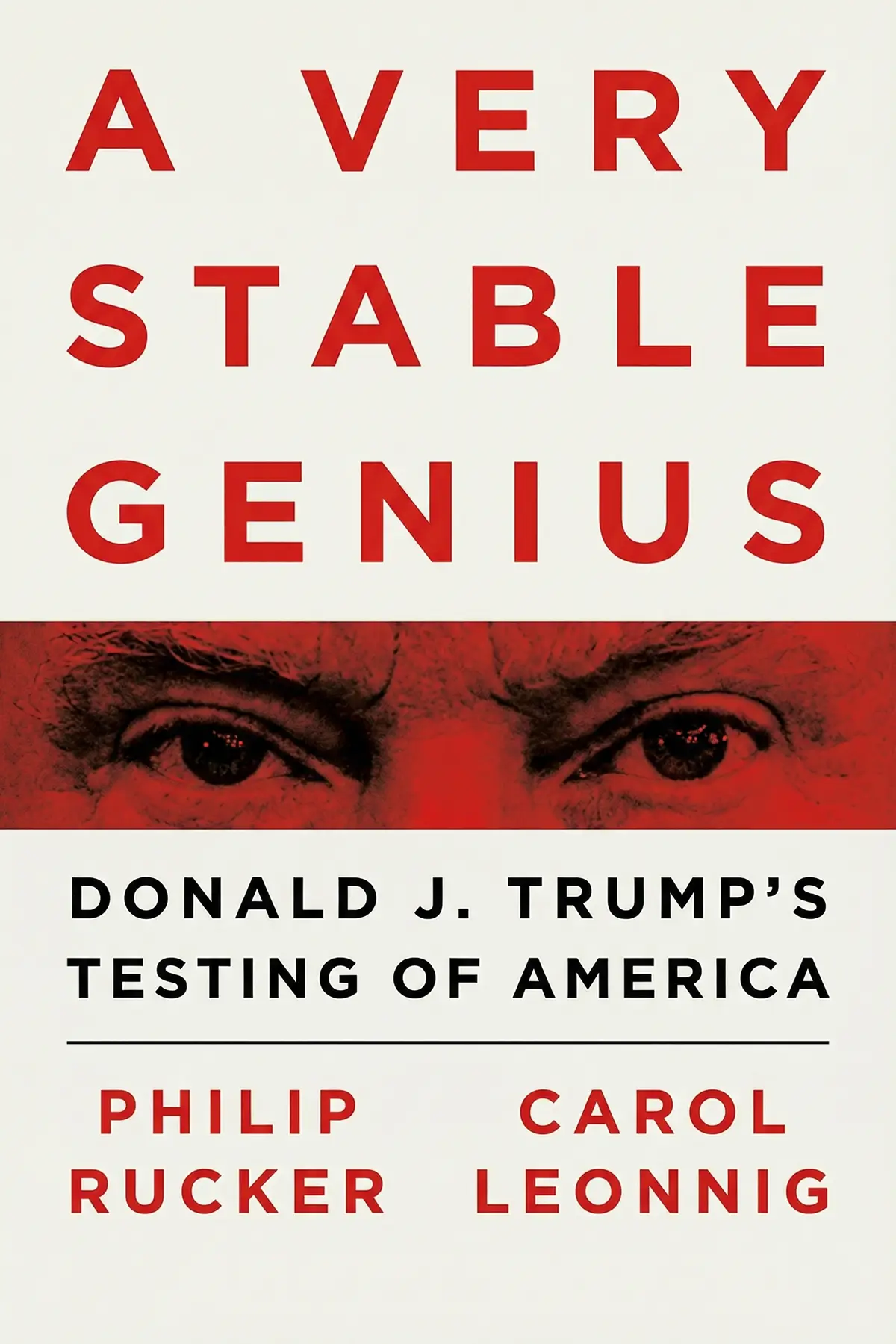
Suicide of the West: How the Rebirth of Tribalism, Populism, Nationalism, and Identity Politics is Destroying American Democracy
Jonah Goldberg explores the historical miracle of Western liberal capitalism, arguing that its foundational principles are being undermined by a dangerous resurgence of tribalism, identity politics, and unaccountable bureaucratic expansion.
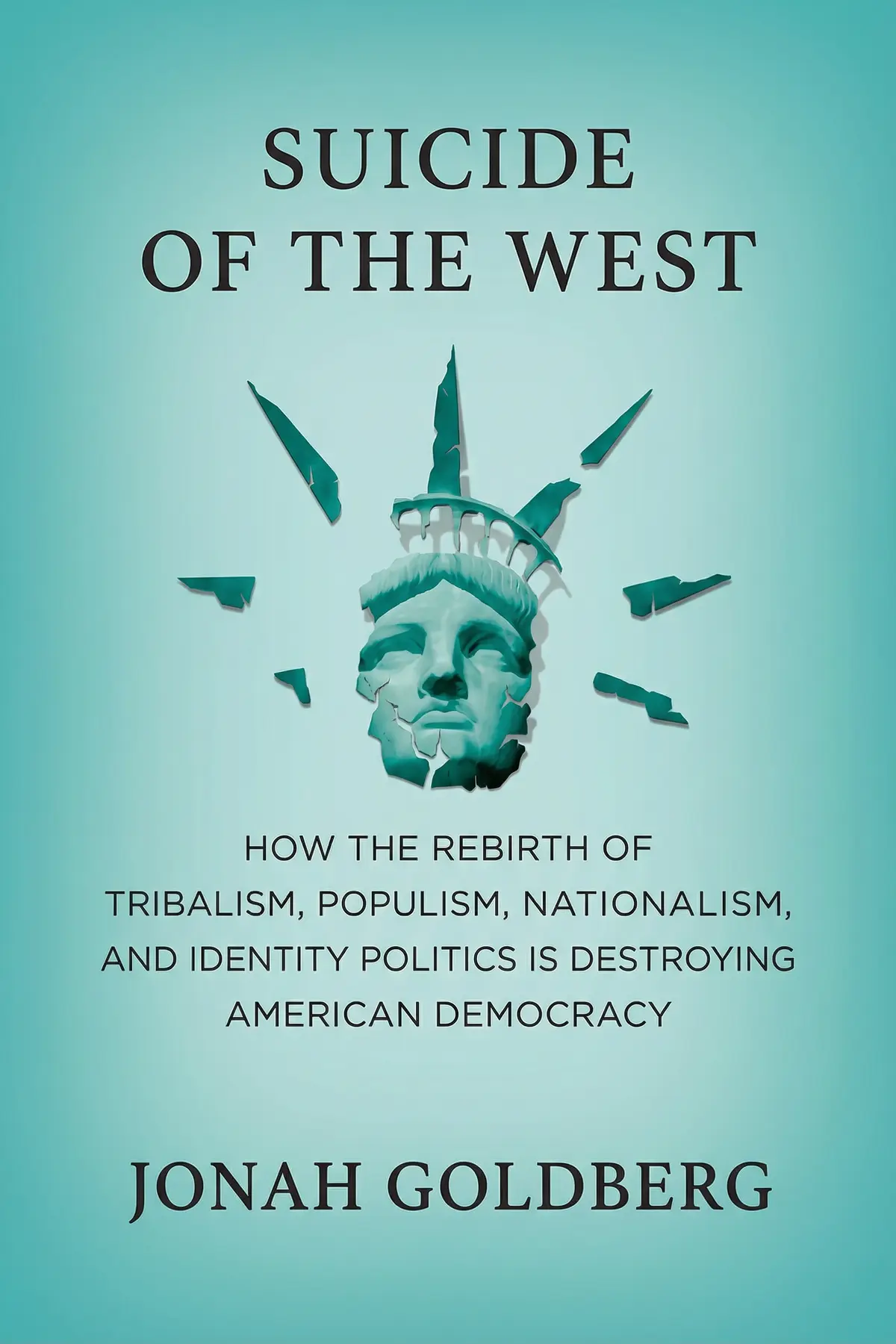
Table of Content
1. Introduction
1 min 44 sec
For the vast majority of human existence, life was a repetitive cycle of scarcity, violence, and tribal conflict. Our ancestors lived in a world where survival was a daily gamble and the collective tribe was everything, while the individual was nothing. But then, a few centuries ago, something unprecedented happened—a sudden, explosive shift in how humans organized themselves, led to a world of unimaginable wealth, personal freedom, and scientific progress. Jonah Goldberg calls this shift “The Miracle.”
In Suicide of the West, we are invited to look at our modern lives not as the inevitable result of human evolution, but as a fragile anomaly that could disappear if we stop tending to it. The tragedy of our current moment is that we’ve begun to take this miracle for granted. We treat our prosperity and our rights like the weather—something that just happens—rather than like a garden that requires constant weeding and care.
As we move through this exploration, we’ll see how the West is currently engaging in a kind of slow-motion cultural suicide. By abandoning the ideas of the Enlightenment and retreating into the comfort of tribal identity and populist anger, we are inviting the old ghosts of human history back into our house. This journey will take us from the philosophy of the 17th century to the bureaucratic halls of modern Washington, and from the evolutionary psychology of our ape ancestors to the fractious world of social media identity politics. The throughline is simple but profound: the Miracle is not natural. If we want to keep it, we have to remember why it was built and what it actually protects us from. Let’s look at how we got here and why we might be on the verge of throwing it all away.
2. The Historic Anomaly of Human Prosperity
1 min 42 sec
Explore why the last three centuries of human history are a radical departure from the thousands of years of poverty and violence that came before.
3. England as the Cradle of the Miracle
1 min 45 sec
Discover the unique combination of geography and legal tradition that allowed the first seeds of modern freedom to take root in England.
4. The Conflict Between Biology and Liberalism
1 min 43 sec
Uncover why our evolutionary history makes the principles of the Enlightenment feel so difficult to sustain in the modern world.
5. The Great Philosophical Divide
1 min 54 sec
Contrast the visions of John Locke and Jean-Jacques Rousseau to see the two paths the West has wrestled with for centuries.
6. The Role and Responsibility of Elites
1 min 46 sec
Examine why societies always produce an elite class and how the West’s survival depends on keeping those elites accountable.
7. The Unchecked Growth of the Administrative State
1 min 35 sec
Learn how the rise of unelected bureaucracy has created a ‘fourth branch’ of government that operates outside democratic control.
8. Economic Stagnation Through Regulation
1 min 42 sec
Trace the parallels between medieval guilds and modern occupational licensing to see how progress is being throttled.
9. The Corrosive Nature of Identity Politics
1 min 46 sec
Understand how the move away from individualism toward group identity is dismantling the core promise of Western equality.
10. The Rise of Populist Nationalism
1 min 38 sec
Analyze how the reaction to identity politics and bureaucratic overreach has fueled a new, dangerous form of tribalism on the Right.
11. The Family as a Bulwark of Liberty
1 min 35 sec
Discover why the decline of the traditional family unit is a central factor in the weakening of Western civilization.
12. Choosing the Miracle Every Day
1 min 30 sec
Reflect on why the survival of the West is not a matter of destiny, but a conscious choice that every generation must make.
13. Conclusion
1 min 39 sec
We have traveled a long road from the ‘nasty, brutish, and short’ lives of our ancestors to the unprecedented heights of the modern West. Along the way, we’ve seen that our prosperity and our freedom are not the default settings of humanity. They are the result of a hard-won, miraculous departure from our natural instincts. This departure—The Miracle—was built on the radical idea that you are an individual, not just a member of a tribe, and that your rights are yours by birth, not by the permission of a king or a bureaucrat.
But as we’ve explored, this miracle is now under threat from within. We are seeing a resurgence of tribalism in our politics, a growing unelected bureaucracy that bypasses the people, and a cultural shift that prioritizes group identity over individual character. We are, in effect, bored with our own success and tempted by the ancient, primal urges that our ancestors spent centuries trying to tame.
The central message of Suicide of the West is a call to awareness. We must stop treating our civilization like a natural phenomenon that will always be there. Instead, we must treat it as a precious inheritance that requires our active protection. The survival of the West depends on a simple but difficult task: we must decide, every day, to be Grateful. We must be grateful for the institutions that protect us, for the market that feeds us, and for the liberty that allows us to pursue our own happiness. If we can rediscover that gratitude and the courage to defend the ideas of the Enlightenment, the Miracle can continue. If we don’t, we will find ourselves returning to the very world of darkness we only just escaped. The choice is ours.
About this book
What is this book about?
Suicide of the West serves as both a historical investigation and a modern warning. It argues that the prosperity and freedom of the modern West are not the natural state of humanity, but rather a miraculous departure from a history defined by poverty, violence, and tribal warfare. This departure, which the author calls the Miracle, was made possible by specific ideas regarding individual rights, the rule of law, and the sanctity of property. However, Goldberg suggests that we are currently living through a period where these essential foundations are being dismantled. Through the lenses of philosophy, sociology, and political history, the book examines how the rise of populism, the growth of an unelected administrative state, and the fragmentation of society into identity-based tribes threaten to revert humanity to its primitive, zero-sum instincts. The promise of the book is to remind readers that the West's survival depends on a conscious, intentional commitment to the Enlightenment values that created the modern world in the first place.
Book Information
About the Author
Jonah Goldberg
Jonah Goldberg is an American conservative writer and pundit. He co-founded The Dispatch, where he is editor-in-chief, and was formerly a Los Angeles Times columnist and a senior editor of National Review. Goldberg is known for his book Liberal Fascism, a blistering attack on left-wing authoritarianism which reached number one on the New York Times best-seller list in 2008.
Ratings & Reviews
Ratings at a glance
What people think
Listeners view this work as indispensable, applauding its deep research and intellectual integrity. The narrative is compelling, with one listener highlighting its nimble prose, while another characterizes it as a reachable chronicle of Western history. Listeners value the book's philosophical framework, with one review drawing attention to its striking analysis of contemporary culture, and find the content profoundly stimulating.
Top reviews
Weera
Jonah Goldberg has managed to craft something truly rare in modern political discourse: a defense of the West that feels both urgent and deeply researched. It’s an intellectual marathon. He argues that our current prosperity is a “Miracle” born from specific Enlightenment ideas rather than some inevitable march of historical progress. While I found the constant references to John Locke a bit repetitive, his point about the “unnatural” nature of capitalism and democracy is profound. We are failing. We are hard-wired for tribalism, and Goldberg shows how easy it is to slide back into that primal state if we stop tending our garden. If you want to understand why our culture feels so fractured, this is essential reading. It demands your full attention.
Show moreBun
Finally, a conservative intellectual who isn’t afraid to call out his own side while still defending the core principles of the American project. Goldberg’s critique of modern tribalism—whether it comes from the progressive left or the populist right—is sharp and intellectually honest. I especially appreciated his analysis of the Trump era, which he handles with a level of nuance that you just don’t see on cable news. He frames the “Suicide” of the title not as an external threat, but as an internal loss of gratitude for the freedoms we’ve inherited. Some of the pop culture references feel a bit forced, but they do help break up the heavy philosophical lifting. This book will make you look at your own political assumptions in a much more critical light.
Show moreTen
It’s rare to find a book that manages to be this thought-provoking without feeling like a dry academic lecture. Goldberg describes our modern prosperity as an “accidental” miracle that we are currently in the process of throwing away through pure ingratitude. His central argument—that we must consciously fight our tribal instincts to maintain a liberal order—is incredibly compelling and well-researched. I found the chapter on the American Miracle to be particularly enlightening, as it connects our founding principles to the broader success of the West. This isn’t just a political book; it’s a deep dive into what it means to be a civilized human in an era of growing decay. Highly recommended for anyone worried about the direction of our country. Read it now.
Show moreAva
Pick this up if you’re feeling disillusioned by the current state of American politics and need a reminder of what we’re actually fighting for. Goldberg’s “gardener” metaphor is a perfect way to describe the constant effort required to keep our civilization from reverting to its natural, violent state. The research is remarkably thorough, yet the writing maintains a light touch that keeps you turning pages. It’s a massive critique of modern culture that doesn’t just complain—it offers a philosophical framework for how to move forward. The truth is, we’ve forgotten how lucky we are to live in this “unnatural” world. This book is a loud, intellectual wake-up call that everyone should heed. It is truly essential reading for the 21st century.
Show moreNam
The core thesis here is that we are essentially living in a high-tech garden that we have forgotten how to weed properly. Goldberg argues that things like human rights and the free market are “unnatural” because they go against our primate instincts for tribalism and zero-sum competition. It’s an incredibly thought-provoking perspective. It makes you appreciate the fragility of our system. While I don’t agree with every one of his shots at the Progressive era, his logic is usually sound and well-documented. The writing is engaging, even if he does get a bit distracted by rabbit trails on occasion. It’s an essential read for anyone trying to make sense of why we all seem so angry lately. We are losing our way.
Show moreElan
Don’t let the size of this book intimidate you; Goldberg has an engaging writing style that makes five hundred pages of history feel like a breeze. He manages to weave together philosophy, history, and current events with a light touch that is rare for this genre. I particularly liked his focus on “mediating institutions” like the family and how their decline contributes to our current social rot. There are a few moments where the #NeverTrump elements feel a bit heavy-handed, but for the most part, it’s a solid piece of scholarship. It’s an accessible history of Western Civilization that feels very relevant to our modern struggles. We need more of this intellectual honesty in our public discourse today.
Show moreSarawut
As someone who enjoys a good deep-dive into political philosophy, I found Goldberg’s framing of the Locke versus Rousseau debate quite fascinating. He manages to explain complex ideas about “the Miracle” of the West in a way that feels accessible to the average reader. To be fair, he definitely has a specific slant that might alienate some people, but his critique of identity politics on both the left and the right is balanced. My only real gripe is that he sometimes ignores competing historical theories to make his “ideas-first” narrative fit more cleanly. Still, the intellectual honesty on display here is refreshing compared to most of what sits on the bestseller list. It is a remarkable critique of our modern culture.
Show moreUbolwan
The section on the current political climate is worth the price of admission alone. Truly. Goldberg offers a brutal, four-star analysis of why the Republican party fractured and how populism replaced principled conservatism. He identifies a “corruption” of the spirit that leads people to trade their individual liberty for the comfort of a tribal mob. While I think he’s a bit too dismissive of the genuine economic pain that drives some of these movements, his warning about the fragility of our “unnatural” order is haunting. We are forgetting. It isn’t always a fun read—it can be quite depressing to see our decline laid out so clearly—but it’s a necessary one. This book serves as a much-needed reminder of what is at stake for our children.
Show moreMason
While Goldberg is clearly a smart guy, this book would have been much better at half the length. He admits the original manuscript was twice as long, and frankly, the editor should have been even more aggressive. There is a lot of filler here—forced humor, weird pop culture references, and a lot of circling back to the same points about Locke. I caught a glaring error about the “Mountain” versus the “Hound” in Game of Thrones that really pulled me out of the narrative. If he can’t get basic pop culture facts right, how can I trust his amateur anthropology? It’s not a bad book, and his defense of capitalism is solid, but the execution is messy and inconsistent. It lacks a clear audience.
Show morePakpoom
I really wanted to like this book given Goldberg’s reputation, but it turned out to be a rambling, boneless mess of a manifesto. The author spends hundreds of pages worshiping at the altar of John Locke while completely ignoring the historical realities that actually built the modern world. He treats the Enlightenment as this magical event that happened in a vacuum, discarding the Scientific Revolution and religious influences with a wave of his hand. Even worse are the factual errors, like the blatant mistake regarding characters in Game of Thrones, which makes me wonder what else he got wrong. It feels like a series of blog posts roughly stitched together. For a book that claims to value reason, it relies heavily on superficial anecdotes and bootstrapping arguments. It was a chore to finish.
Show moreReaders also enjoyed
A Warning
Miles Taylor
Abolish Rent: How Tenants Can End the Housing Crisis
Tracy Rosenthal
Abortion: Our Bodies, Their Lies, and the Truths We Use to
Jessica Valenti

Adults in The Room: My Battle With Europe’s Deep Establishment
Yanis Varoufakis
21 Lessons for the 21st Century
Yuval Noah Harari
A Different Kind of Power: A Memoir
Jacinda Ardern
AUDIO SUMMARY AVAILABLE
Listen to Suicide of the West in 15 minutes
Get the key ideas from Suicide of the West by Jonah Goldberg, plus 5,000+ more titles in English and Thai.
- 5,000+ titles
- Listen as much as you want
- 7-day free trial
- Cancel anytime







