
18 min 27 sec
SuperBetter: The Power of Living Gamefully
SuperBetter explores the transformative power of a gameful mindset. Learn how to leverage game mechanics to build resilience, foster social connections, and overcome life’s toughest challenges with courage and playfulness.
Table of Content
1. Introduction
1 min 45 sec
Consider the sheer amount of time we spend in virtual worlds. On average, millions of people dedicate hours every week to digital environments, whether they are coordinating complex raids in a massive multiplayer game, engaging in a virtual workout, or simply solving puzzles during a commute. For a long time, society viewed this time as a distraction—perhaps even a waste. However, what if the very things that make games so captivating are actually the keys to unlocking our greatest human potential?
This is the central premise we are exploring today. Living gamefully is not about escaping reality; it is about bringing the best versions of ourselves—the versions that are persistent, optimistic, and collaborative—into our real-world struggles. This approach was born out of a moment of deep personal crisis. When the author suffered a debilitating concussion, she found herself trapped in a world of pain and depression. Instead of succumbing to despair, she decided to turn her recovery into a game. She gave herself a secret identity, recruited allies, and began fighting bad guys in the form of symptoms.
What she discovered was that this gameful framework did more than just pass the time. It fostered resilience. It created a path for growth that turned a traumatic event into a springboard for a better life. In the pages ahead, we will look at the science behind why our brains respond so powerfully to games. We will explore how play can literally dial down physical pain, how it can bridge social divides, and how it can rewire our motivation systems. By the end of this journey, you will have a seven-step framework to transform any obstacle into a quest and any setback into a learning experience. You will learn that you don’t just want to get better; you want to get superbetter.
2. The Science of Post-Traumatic and Post-Ecstatic Growth
1 min 59 sec
Discover how trauma and self-imposed challenges can lead to profound personal development by triggering specific psychological states that foster long-term resilience and happiness.
3. Managing the Attention Spotlight and Reaching Flow
2 min 08 sec
Explore how games act as a powerful tool for pain management and trauma recovery by commanding our full cognitive attention and inducing a state of flow.
4. Fostering Social Resilience and Neurological Bonding
2 min 06 sec
Learn how playing games together creates deep physiological connections and helps overcome prejudices by synchronizing our heartbeats and emotions.
5. Boosting Self-Efficacy and the Dopamine Reward System
2 min 07 sec
Discover how games train your brain to become more persistent and optimistic by rewarding effort and building a strong sense of personal agency.
6. Choosing Your Mindset: Self-Expansion vs. Self-Suppression
2 min 16 sec
Understand the critical difference between playing games to escape your problems and playing games to empower yourself to face them.
7. Mastering the Mechanics: Power-Ups and Bad Guys
2 min 07 sec
Transform your daily routine by identifying the small actions that give you strength and the specific obstacles that try to hold you back.
8. Designing the Quest: Allies, Identities, and Epic Wins
2 min 26 sec
Complete your transformation by recruiting a support team, adopting a heroic persona, and aiming for significant, life-changing victories.
9. Conclusion
1 min 33 sec
As we wrap up our exploration of the gameful life, remember that the tools of SuperBetter are always at your disposal. This isn’t just a theory; it is a practical methodology grounded in neuroscience and psychology. By changing the way you frame your struggles, you change the way your body and mind respond to them. You move from a state of being threatened by life to a state of being challenged by it.
The throughline of this journey is simple: you have more power than you realize. Whether you are using the attention spotlight to manage pain, syncing your heartbeat with an ally to build social resilience, or adopting a secret identity to tap into your inner hero, you are taking control of your narrative. Success in this game isn’t measured by perfection, but by determination. This is why keeping score is so important. When you give yourself ‘determination points’ for a hard-won victory, you are acknowledging your own effort and rewarding your brain’s persistence.
The challenge for you now is to start your own six-week adventure. Identify one area of your life where you feel stuck or overwhelmed. Give that challenge a name. Find your first power-up. Identify your first bad guy. Reach out to one ally. Don’t wait for the perfect moment to feel better. Start playing the game today, and you will find that the journey isn’t just a means to an end—it’s an opportunity to discover that you are braver, happier, and more resilient than you ever imagined. You have everything you need to become superbetter.
About this book
What is this book about?
This summary explores the intersection of psychology and game design, revealing how the same mechanics that keep us hooked on video games can be used to heal and grow. It introduces the concept of living gamefully, a strategy developed by Jane McGonigal during her recovery from a traumatic brain injury. The book promises a roadmap for building four types of resilience: physical, mental, emotional, and social. By adopting the rules of a game, listeners can transform their perception of stress, turning threats into challenges. The narrative explains the science of flow and self-efficacy, showing how small daily actions—called power-ups and quests—can lead to profound psychological shifts. Whether you are dealing with a health crisis, a professional hurdle, or a personal goal, SuperBetter offers a structured seven-step framework to help you become the hero of your own life story. It is not just about entertainment; it is about using the psychological strength we find in play to tackle the most serious problems in the real world.
Book Information
About the Author
Jane McGonigal
Jane McGonigal is a professional game designer and writer on the science of games. She was the first person to receive a PhD on the psychological effects of playing games. SuperBetter is her second best-selling book.
Ratings & Reviews
Ratings at a glance
What people think
Listeners find this work rewarding for their mental well-being and enjoy its entertaining approach to personal development. Furthermore, the material is rigorously investigated, with one listener mentioning it backs everything up with tons of science, and listeners find the writing clear and accessible. They also value the high caliber of information, its readability, and its overall effectiveness in improving their lives.
Top reviews
Pruet
Picked this up because I was feeling stuck in a rut with my daily physical therapy. The concept of 'power-ups' changed my entire perspective on how to recover from my injury. Jane McGonigal manages to bridge the gap between hard neuroscience and accessible daily habits in a way that feels both fresh and useful. I particularly loved the section on how Tetris can help mitigate trauma symptoms in patients. While some of the quests felt repetitive, the overall framework for building resilience is quite solid. It is a fun, empowering read that gives you actual buttons to press in real life. If you are a gamer, the metaphors will click instantly for you while reading this book.
Show moreChiw
Wow, I did not expect a book about video games to hit me this hard emotionally. McGonigal’s personal story about her concussion recovery serves as a powerful backbone for this philosophy. I have started identifying all my 'bad guys' and treating my morning walk as a vital quest. The book makes you feel like the protagonist of your life rather than a victim. Some might find the tone a bit too 'cheery,' but the optimistic framing worked for me. The way she explains how gaming builds social resilience is worth the price of the book. It really changed my perspective on why I play games in my free time and how I approach my psyche.
Show moreNew
The chapter on 'allies' and how to recruit people into your recovery process was worth the price. I have always been too proud to ask for help from others during my dark times. Seeing it framed as a multiplayer game made it feel less like a burden to my friends. McGonigal’s prose is clear and she does an excellent job of breaking down complex neurobiology for us. I specifically liked the distinction between playing to escape and playing to tackle a hard challenge. It is a life-improving book that manages to be both fun and deeply serious at the same time. While it is a bit lengthy, the information quality remains high throughout the different sections of the book.
Show moreTang
As someone who has always struggled with traditional self-help, I found this method to be a refreshing change. The author turns the struggle of recovery into a literal game with allies and epic wins. To be fair, the book is quite long and could have probably been condensed into an article. I found myself skimming some of the more anecdotal chapters toward the middle of the book. However, the science regarding cognitive absorption and flow states was absolutely fascinating to read about. It is well-researched and backed by data, though I found some quests to be a bit silly. Despite the fluff, the impact on my mental health has been noticeably positive this month.
Show moreMaja
Ever wonder why we can spend hours failing at a difficult boss fight but give up on habits? McGonigal explores this 'gameful' mindset in a way that is easy to understand and implement daily. I have been using the 'allies' system to keep my sister in the loop about my goals. Having that support makes the 'epic win' feel much more real than just checking a box. My only real gripe is that some of the science felt a bit cherry-picked to fit the narrative. Despite that, the readability is high and the tone is incredibly encouraging for anyone facing a crisis. It is a solid guide that offers a practical toolkit for building personal resilience through play.
Show moreOrawan
Finally got around to reading this, and I’ve got to say, the 'bad guy' framework is a total game-changer. Reframing boring chores as 'quests' gives me that small dopamine hit I need to actually get moving. The writing is punchy and accessible, making it an easy read even for those who usually avoid self-help. Some parts are definitely a bit exaggerated, but the core psychological benefits are there if you do the work. Just don't expect a miracle cure from this book alone without any personal effort. It is a fun way to reframe the struggles you are already dealing with every day. I found the science to be surprisingly solid and easy to follow throughout.
Show moreEllie
Personally, this book changed the way I look at my chronic illness by giving me a new vocabulary. It is a well-written guide that feels like a warm hug from a very knowledgeable friend. Not gonna lie, I cried a bit during the introduction because the author's struggle was so relatable. The steps are easy to follow, and the emphasis on social connection is something many books ignore. It is a bit repetitive in the middle, and I am not convinced about all the claims. Still, the impact on my psyche has been undeniable since I started using the power-ups. I would recommend this to anyone who feels like they are stuck in a dark place and needs a way out.
Show moreAnawin
This book has a fantastic core concept, but the execution feels like it is trying to stretch one single idea into a very long manual. I appreciated the deep dive into how games like Tetris affect the brain’s visual processing to stop cravings. However, the constant repetition of the 'SuperBetter' terminology started to grate on me after I finished the first hundred pages of the text. Frankly, it feels like the author is trying too hard to convince the reader that gaming is not a waste. It is a good framework if you are looking to gamify your life, but be prepared for some filler. You will likely find some useful nuggets of wisdom buried within the longer anecdotal sections if you have the patience to look.
Show moreNook
After hearing so much hype about Jane McGonigal, I went in with very high expectations for this. On one hand, the idea of using Tetris to prevent PTSD flashbacks is a fascinating research point. On the other hand, the book is incredibly wordy and keeps circling back to the same points. In my experience, the actual 'gaming' part of the advice is sometimes a bit thin. It is mostly just standard positive psychology with a fresh coat of paint and new terms. It is not a bad book, and I think it could be very effective for some people. However, it did not quite live up to the revolutionary billing I saw in the media recently.
Show moreBee
Look, I really wanted to love this because I am a lifelong gamer. However, the book eventually lost me with its repetitive structure and questionable scientific interpretations. McGonigal spends a massive amount of time defending gaming culture to an audience that already knows it. The 'quests' are often banal, like standing up or drinking a glass of water. It feels a bit patronizing when you are dealing with serious clinical issues. I found the section on autophagy particularly confusing as it seemed to contradict medical literature. It is well-written in a technical sense, but the signal-to-noise ratio is too low for me. It felt more like a long marketing pitch for her app than a transformative book.
Show moreReaders also enjoyed
A High-Performing Mind: Strengthen Your Mind and Live Your Best Life
Andrew D. Thompson
Alcoholics Anonymous
Alcoholics Anonymous World Services
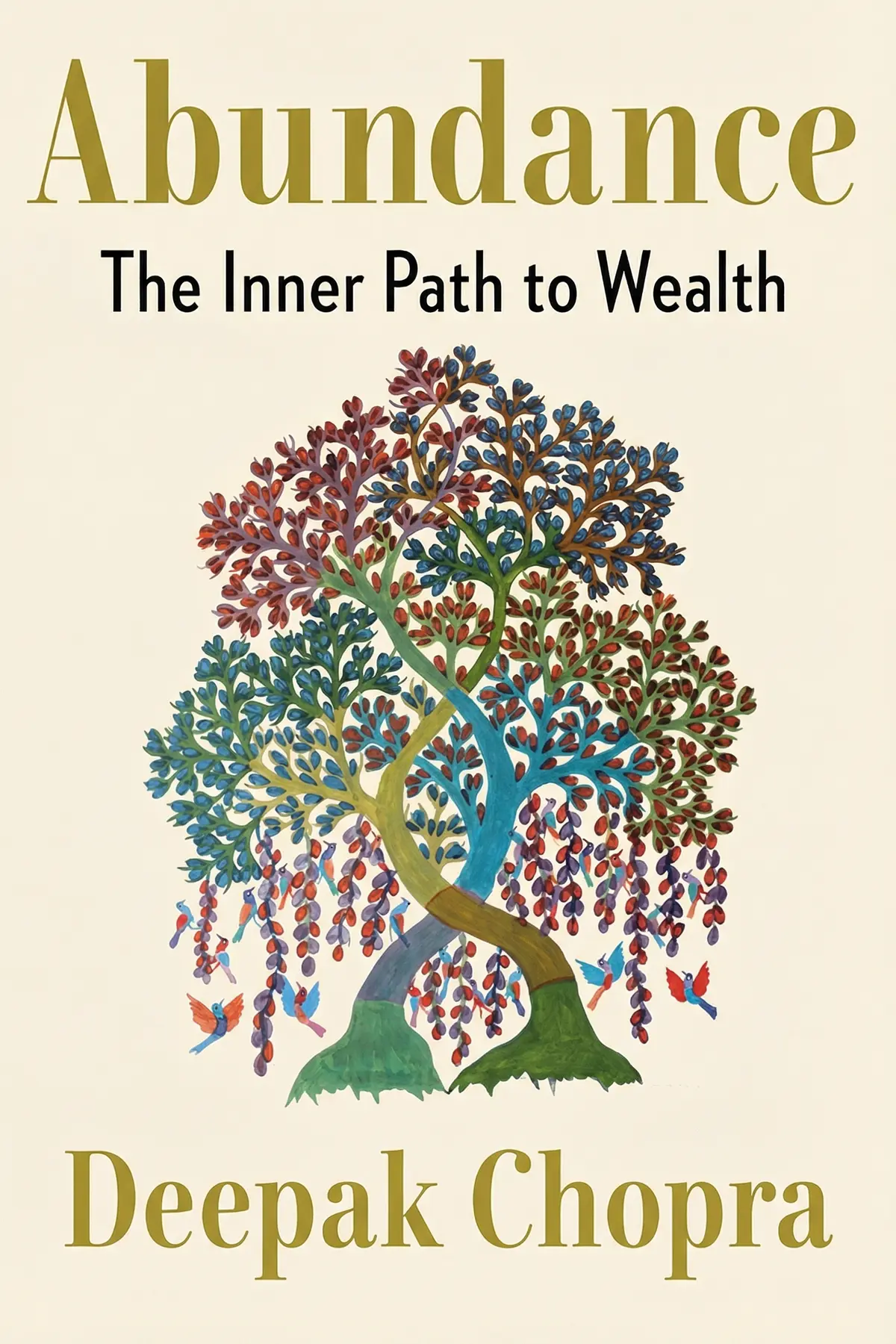
Abundance: The Inner Path to Wealth
Deepak Chopra
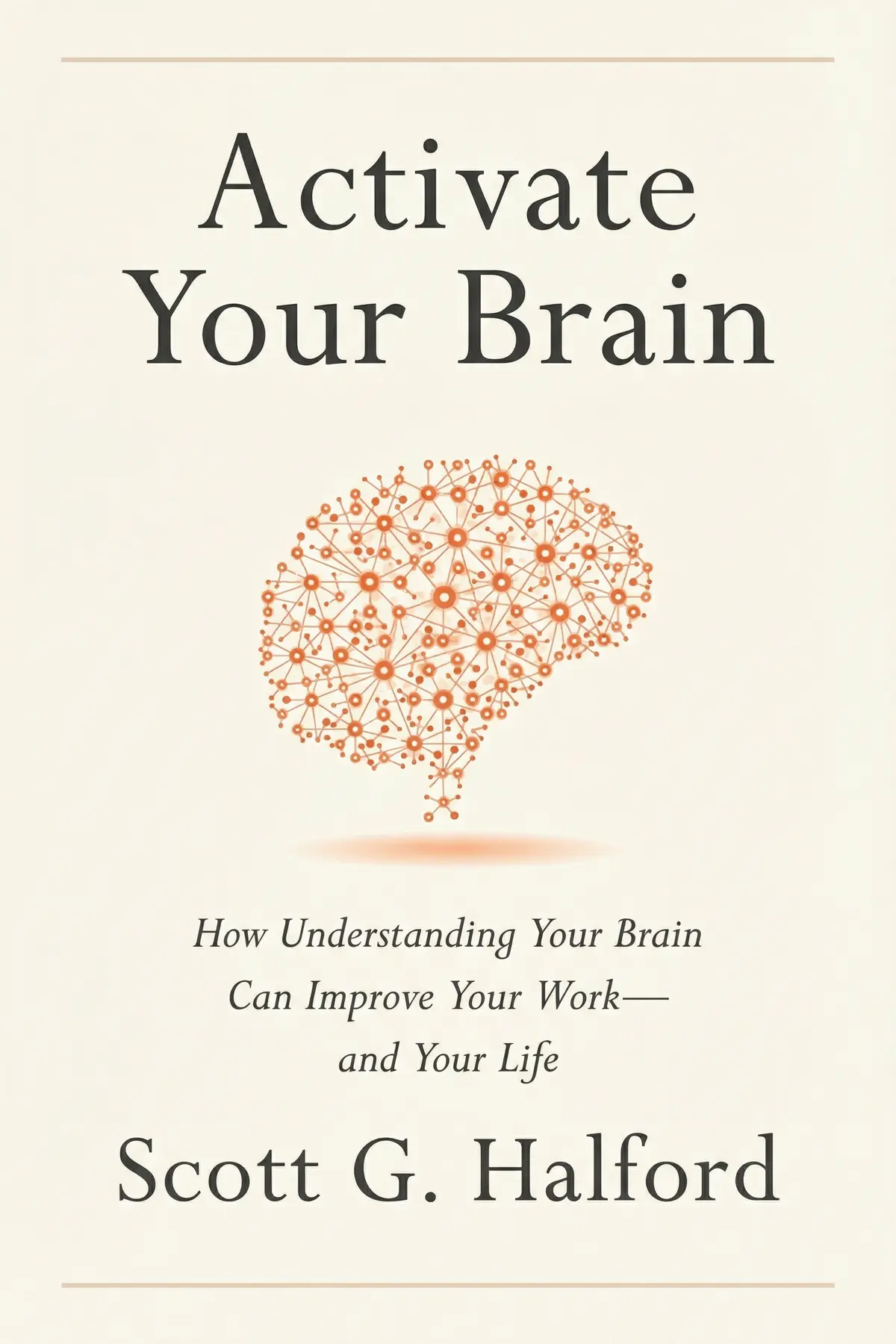
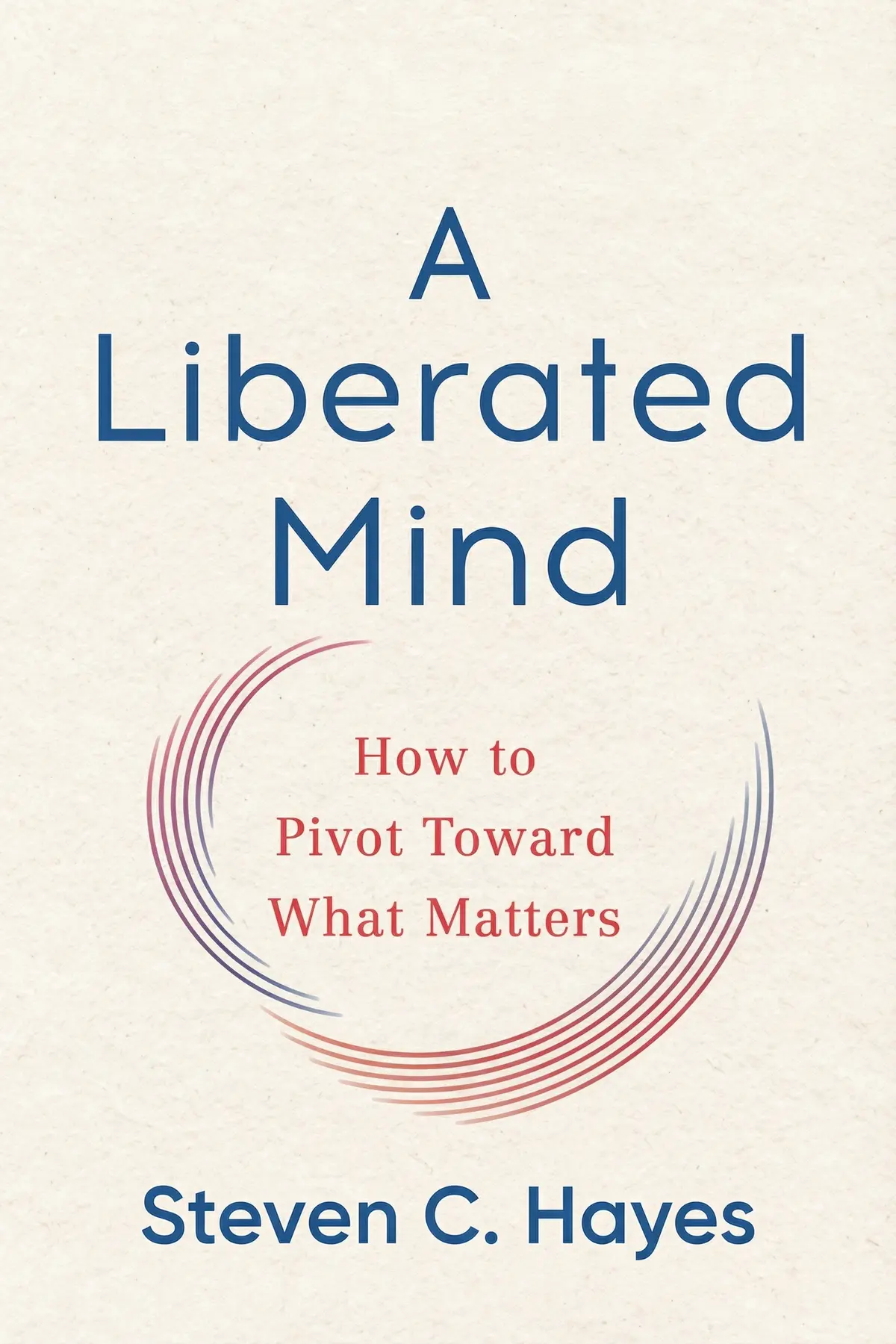
A Liberated Mind: How to Pivot Toward What Matters
Steven C. Hayes
AUDIO SUMMARY AVAILABLE
Listen to SuperBetter in 15 minutes
Get the key ideas from SuperBetter by Jane McGonigal, plus 5,000+ more titles in English and Thai.
- 5,000+ titles
- Listen as much as you want
- 7-day free trial
- Cancel anytime







