
21 min 17 sec
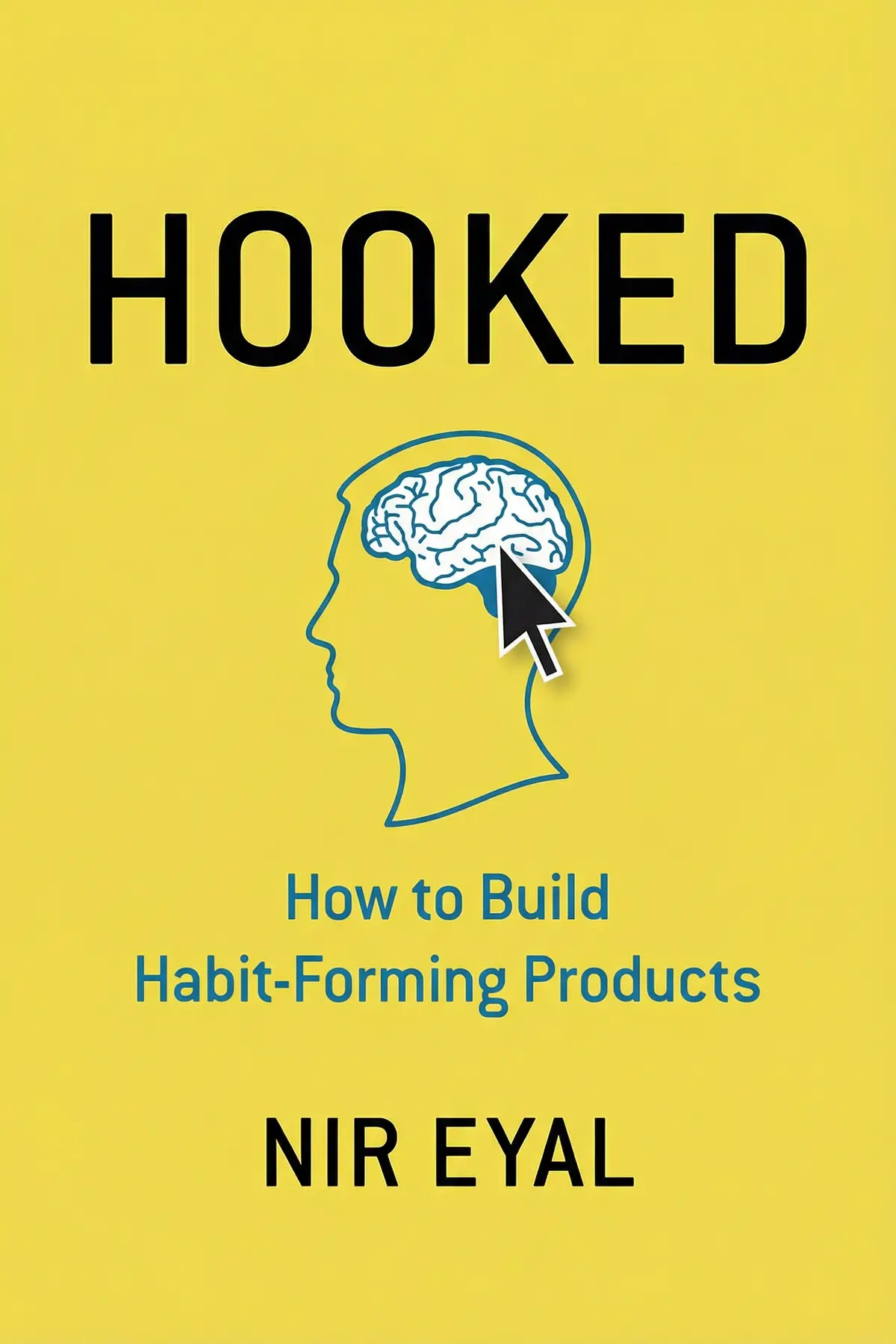
Supremacy: AI, ChatGPT, and the Race that Will Change the World
By Parmy Olson
Supremacy explores the high-stakes battle between tech giants and visionaries as they race to develop artificial intelligence, revealing how corporate power and ambition have reshaped the future of technology.
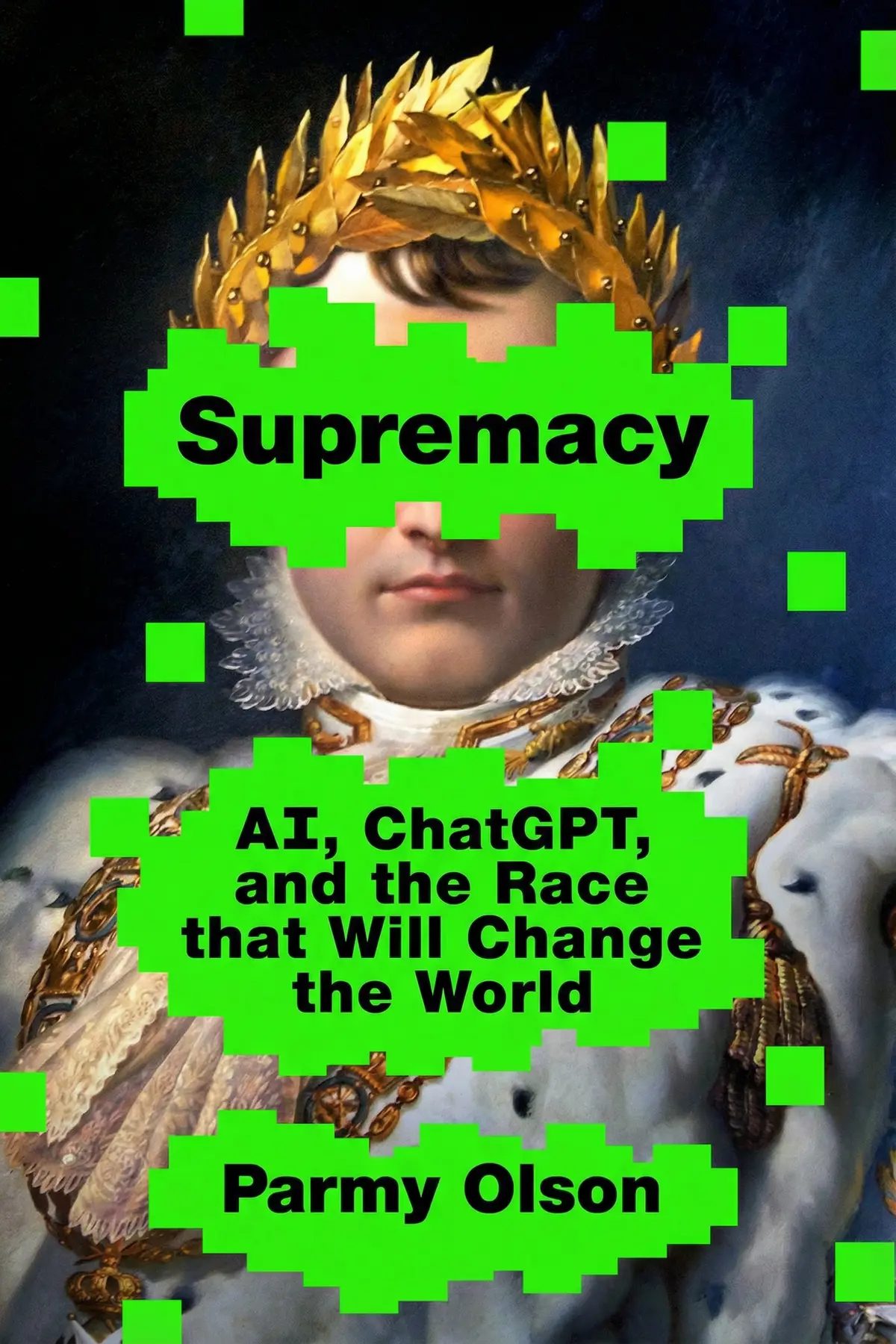
Table of Content
1. Introduction
1 min 32 sec
For decades, the idea of a machine that could think like a human was the stuff of science fiction. It was a distant dream, discussed in university halls and specialized laboratories. But in the last decade, that dream transformed into an all-consuming race for global dominance. This isn’t just a story about code and silicon; it is a story about people, power, and the inevitable friction that occurs when lofty ideals meet the cold reality of corporate profit. At the center of this narrative are two men, Sam Altman and Demis Hassabis, who both set out to change the world for the better, only to find themselves navigating a landscape controlled by the world’s wealthiest tech giants.
As we explore this journey, we’ll see how the pursuit of Artificial General Intelligence, or AGI, moved from a quest for scientific discovery into a desperate struggle for supremacy. We will look at how the need for immense computing resources forced independent researchers into the arms of companies like Google and Microsoft, and what happened when those corporate interests began to overshadow the original mission of safety and ethics. This is a look behind the curtain of the most significant technological shift of our time, revealing the deals made in secret boardrooms and the ideological battles that are currently shaping our future. By the end, we will understand not just how AI is built, but why the race to control it may be one of the most consequential competitions in human history.
2. The Architects of a New Intelligence
2 min 31 sec
Explore the contrasting backgrounds of the two men leading the AI revolution and discover how their early passions for logic and games shaped their vision for the future.
3. The High Cost of Infrastructure
2 min 21 sec
Learn why the dream of independent AI research was cut short by the staggering physical requirements of modern computing and the lure of corporate resources.
4. The Birth of a Challenger
2 min 10 sec
Discover how the fear of a Google monopoly led to the creation of OpenAI and the early struggles that nearly ended the project.
5. The Discovery That Changed Everything
2 min 18 sec
Uncover the story of the technological breakthrough that Google invented but failed to capitalize on, giving its rivals a massive head start.
6. A Billion-Dollar Alliance
2 min 07 sec
See how OpenAI’s desperate need for funding led to a landmark deal with Microsoft, forever changing the organization’s trajectory.
7. The Ethical Friction and the Silencing of Dissent
2 min 12 sec
Explore the darker side of the AI race, where corporate interests clash with researchers who try to sound the alarm on bias and transparency.
8. The ChatGPT Phenomenon
2 min 04 sec
Relive the moment AI went mainstream and understand how a simple research preview triggered a global panic among tech giants.
9. The Battle for the Soul of OpenAI
2 min 14 sec
Go behind the scenes of the dramatic 2023 board coup that briefly ousted Sam Altman and revealed the deep divisions within the AI industry.
10. Conclusion
1 min 48 sec
The journey of artificial intelligence from a scientific dream to a corporate battleground leaves us at a critical juncture. We have seen how visionaries like Sam Altman and Demis Hassabis, despite their initial utopian intentions, were drawn into the orbit of tech monopolies. The sheer scale of resources required to build AGI made this alliance almost inevitable, but the cost has been high. We have traded transparency for speed, and ethical oversight for market share. The consolidation of power within companies like Microsoft and Google means that a handful of executives now hold the keys to a technology that could redefine every aspect of our lives, from how we work to how we perceive reality.
As we look ahead, the “cognitive divide” is a growing concern. The gap between those who control and understand these systems and those who are merely subject to their outputs is widening. The labor that fuels this revolution often happens in the shadows, performed by workers in harsh conditions far away from the polished offices of Silicon Valley. Meanwhile, the environmental impact of these massive computing clusters continues to grow. The race for supremacy is not just about who builds the best chatbot; it is about who gets to decide the rules of the new world. If there is one lesson to be learned from this story, it is that technology is never neutral. It is shaped by the values, the ambitions, and the compromises of its creators. As AI continues to accelerate, our challenge will be to find ways to hold these powerful entities accountable and to ensure that the future of intelligence remains something that benefits all of humanity, rather than just the victors of the race.
About this book
What is this book about?
Supremacy provides a deep dive into the intense competition at the heart of the artificial intelligence revolution. It traces the intersecting paths of key figures like Sam Altman and Demis Hassabis, who began with utopian dreams of using AI to solve the world’s greatest mysteries. However, as the need for massive computing power grew, these visionaries found themselves increasingly beholden to the world's most powerful corporations. The narrative explores the formation and evolution of companies like DeepMind and OpenAI, highlighting the pivotal moments where ethics clashed with profit. From the internal power struggles at Google and Microsoft to the public debut of ChatGPT, the book examines how the pursuit of artificial general intelligence transitioned from a scientific quest into a ruthless corporate race. It offers a cautionary look at how the consolidation of AI power may impact society, privacy, and the very nature of human intelligence.
Book Information
About the Author
Parmy Olson
Parmy Olson is a British-American journalist and author, known for her work covering technology and its impact on society. She has written for major publications such as Forbes, The Financial Times, and The Wall Street Journal, focusing on topics related to Silicon Valley and the rise of artificial intelligence.
Ratings & Reviews
Ratings at a glance
What people think
Listeners find the work informative and thoroughly researched, particularly valuing the historical background. Feedback regarding the prose is varied, as some listeners describe the writing as skillful while others disagree. The discussion of AI content also draws a range of conflicting responses.
Top reviews
Lucia
Wow, this was an absolute ride through the halls of Silicon Valley power. Parmy Olson does a masterclass job of humanizing the rivalry between Sam Altman and Demis Hassabis, showing how their high-minded ideals eventually collided with the reality of corporate greed. I was particularly gripped by the sections detailing how DeepMind almost became a separate entity before Google pulled the leash tight. The level of research is astounding, even if some of the 'sources close to the matter' remain anonymous for obvious reasons. It reads like a high-stakes thriller rather than a dry tech manual, which made it impossible to put down. If you want to understand why our current AI landscape looks the way it does, start here. It is easily one of the most informative books I’ve picked up this year.
Show moreThitima
This book is basically a dual biography of Altman and Hassabis disguised as a tech history, and it works brilliantly. Olson captures the messianic delusions of these tech tycoons perfectly, showing how they rationalized taking billions from Big Tech in the name of 'saving humanity.' The narrative flows quickly and keeps you engaged with anecdotes about poker games at Stanford and late-night negotiations with Satya Nadella. I found the section on the 'ethics boards' particularly revealing—it's a classic tale of corporate interests steamrolling any attempt at actual oversight. Even though it's a non-fiction book, I felt a genuine sense of dread reading about how our data from Reddit and Quora is being used to train these models. It is a brilliant piece of investigative journalism that everyone should read.
Show moreKavya
Picked this up on a whim and was immediately sucked into the high-stakes narrative of the Silicon Valley arms race. The way Olson describes the transition from academic research to multi-billion dollar corporate warfare is both fascinating and deeply unsettling. I had no idea how much influence a small group of investors had on the direction of General Artificial Intelligence. The writing is snappy and the pacing is excellent, making complex topics like deep learning feel accessible to a layperson. Even the parts about the board room drama at OpenAI, which I thought I knew well, had fresh details that surprised me. It's an essential read for anyone worried about the concentration of power in the tech industry. I can't recommend it enough for its clarity and depth.
Show moreAroon
Ever wonder how we ended up with chatbots that sound like humans but act like profit-driven drones? Olson provides a sobering answer by tracing the path from altruistic non-profits to the massive monopolies of Microsoft and Google. To be fair, I found the technical explanations of transformers a bit light, but the personality studies of figures like Elon Musk and Peter Thiel were fascinatingly grim. The book successfully argues that the 'AI apocalypse' talk is often just a shiny distraction from real-world issues like bias and labor exploitation. My only real complaint is that the writing can feel slightly repetitive toward the middle chapters. However, the historical context regarding the 2010s AI winter is worth the price of admission alone. It’s a necessary reality check for anyone drinking the Silicon Valley Kool-Aid.
Show morePrinya
As someone who follows tech news loosely, I found the deep dive into the early days of Y Combinator and DeepMind’s chess-playing origins surprisingly illuminating. The author manages to weave together years of journalistic reporting into a cohesive narrative that explains the current arms race perfectly. I appreciated the specific details about how OpenAI was forced to pivot toward Microsoft just to afford the massive computing power required for GPT-4. Look, the book isn't perfect; some of the chapter endings feel like unnecessary cliffhangers designed for a serial magazine rather than a biography. But the core message about how few people actually control this technology is terrifying and needs to be heard. It’s well-written and serves as a great introduction to the ethics of modern computing.
Show moreDing
Frankly, the most terrifying part of this book isn't the AI itself, but the egos of the men holding the steering wheel. Olson does a great job illustrating how Sam Altman’s background in venture capital shaped OpenAI into something much more aggressive than its founders originally intended. I loved the technical history of how Google accidentally invented the very tech that Microsoft ended up using to beat them. The irony of the 'innovator's dilemma' playing out in real-time is captured with sharp, clear prose. While I agree with other reviewers that the book is a bit male-heavy, that’s more a reflection of the industry than the author’s bias. It’s a solid, well-researched look at the power players of our era. Definitely worth a read for the historical context.
Show moreScarlett
After hearing so much about ChatGPT, I wanted a book that would explain the 'how' and 'why' without being too academic. Supremacy hits that sweet spot of being approachable while still feeling deeply researched and authoritative. The stories about Demis Hassabis's background in game design and chess were particularly interesting to me as they explain his approach to 'solving' intelligence. It’s worrying to see how quickly these companies abandoned their safety goals once the scent of profit was in the air. I do wish there was more focus on the actual workers training these models in the Global South, as that felt like a missed opportunity for a truly comprehensive look. Still, the book is a page-turner and gave me a lot to think about regarding our digital future.
Show moreWeera
The chapter on the founding of OpenAI really highlights the clash between utopian dreams and the hard reality of the almighty dollar. While I found the history of the 'Attention Is All You Need' paper interesting, I felt like the book spent too much time on personality drama and not enough on global implications. Frankly, it felt like a collection of long-form essays stitched together, leading to a lot of repeated information that could have been edited down. I was hoping for more insight into how AI is affecting countries outside of the US and UK, but the focus remains very Western-centric. It’s a decent summary of the last decade in tech, but if you’ve been keeping up with the news, you might not find much that is truly groundbreaking. It’s informative but occasionally feels stretched thin.
Show moreOscar
Not what I expected in terms of technical depth, as it focuses much more on the business maneuvers than the actual code or mechanics of AI. The author clearly knows her stuff, but the book suffers from a bit of an identity crisis between being a business biography and a cautionary tale. I found the sections on the training data—specifically the use of biased platforms like Reddit—to be the most important part of the book. However, the tone can be a bit cynical at times, which makes the reading experience feel somewhat heavy and depressing. To be fair, the subject matter isn't exactly cheery, but the repetitive structure made it feel like a bit of a slog by the end. It's a good primer, but maybe not the definitive word on the subject.
Show moreRose
Finally got around to reading this after seeing it won the FT Business Book of the Year, but I was honestly disappointed. The book feels 100 pages too long because the author constantly repeats the same points about the rivalry and the lack of ethics. If you've read a few long-form articles in the New York Times or Wired over the last three years, you already know 90% of what's in here. The writing style is very 'journalistic' in a way that feels shallow, relying on vague quotes and dramatic flourishes that don't add much substance. I wanted a deeper analysis of the technology itself, but instead, I got a lot of gossip about who was mad at whom in Silicon Valley. It’s fine for a plane ride, but it didn't live up to the massive hype for me.
Show moreReaders also enjoyed


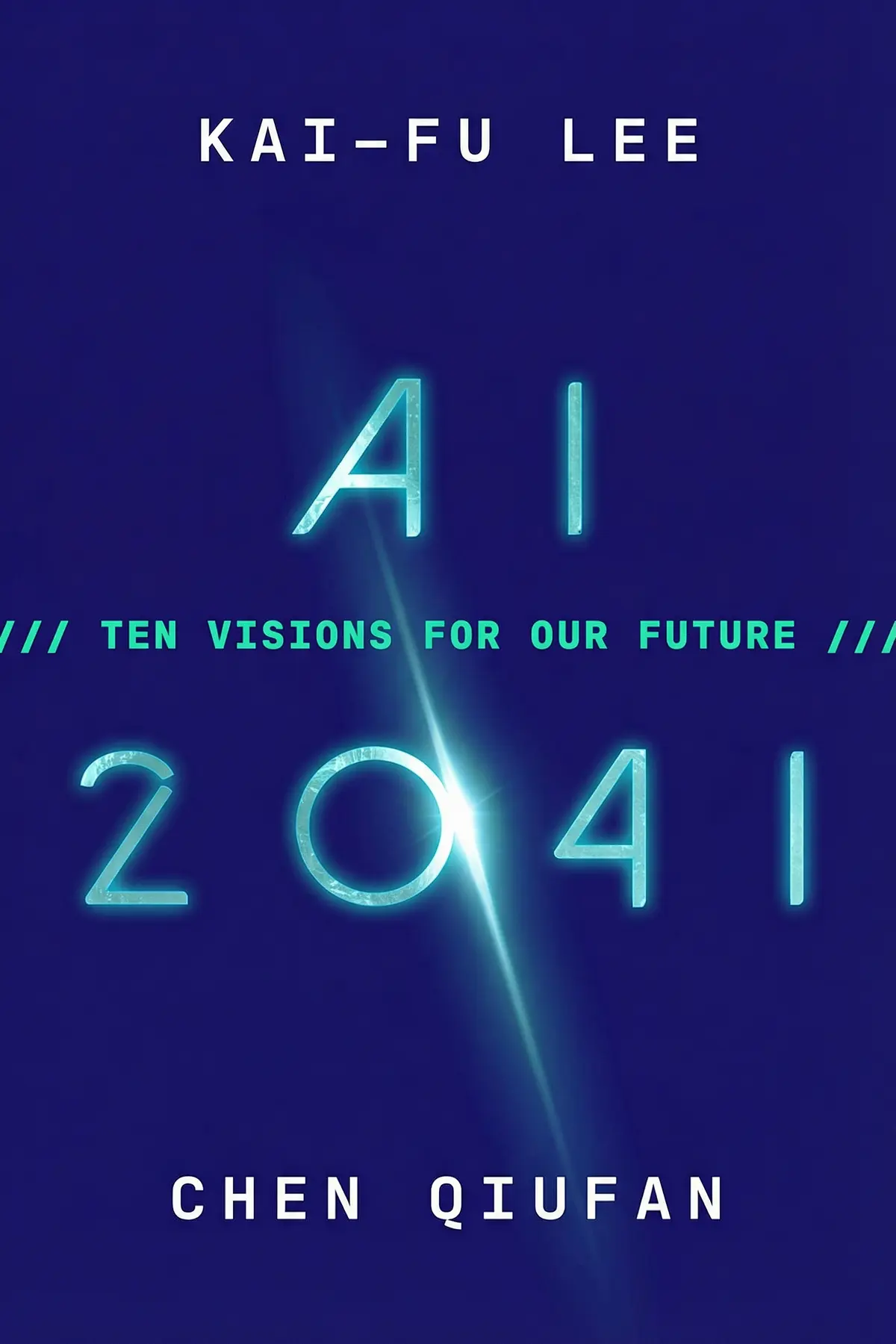
AI 2041: Ten Visions for Our Future
Kai-Fu Lee
7 Powers: The Foundations of Business Strategy
Hamilton Helmer
AUDIO SUMMARY AVAILABLE
Listen to Supremacy in 15 minutes
Get the key ideas from Supremacy by Parmy Olson, plus 5,000+ more titles in English and Thai.
- 5,000+ titles
- Listen as much as you want
- 7-day free trial
- Cancel anytime







