
14 min 53 sec
The 5 Apology Languages: The Secret to Healthy Relationships
Explore why simple apologies often fail and how understanding five distinct apology languages can help you repair broken trust and build more resilient, meaningful connections in all your personal relationships.
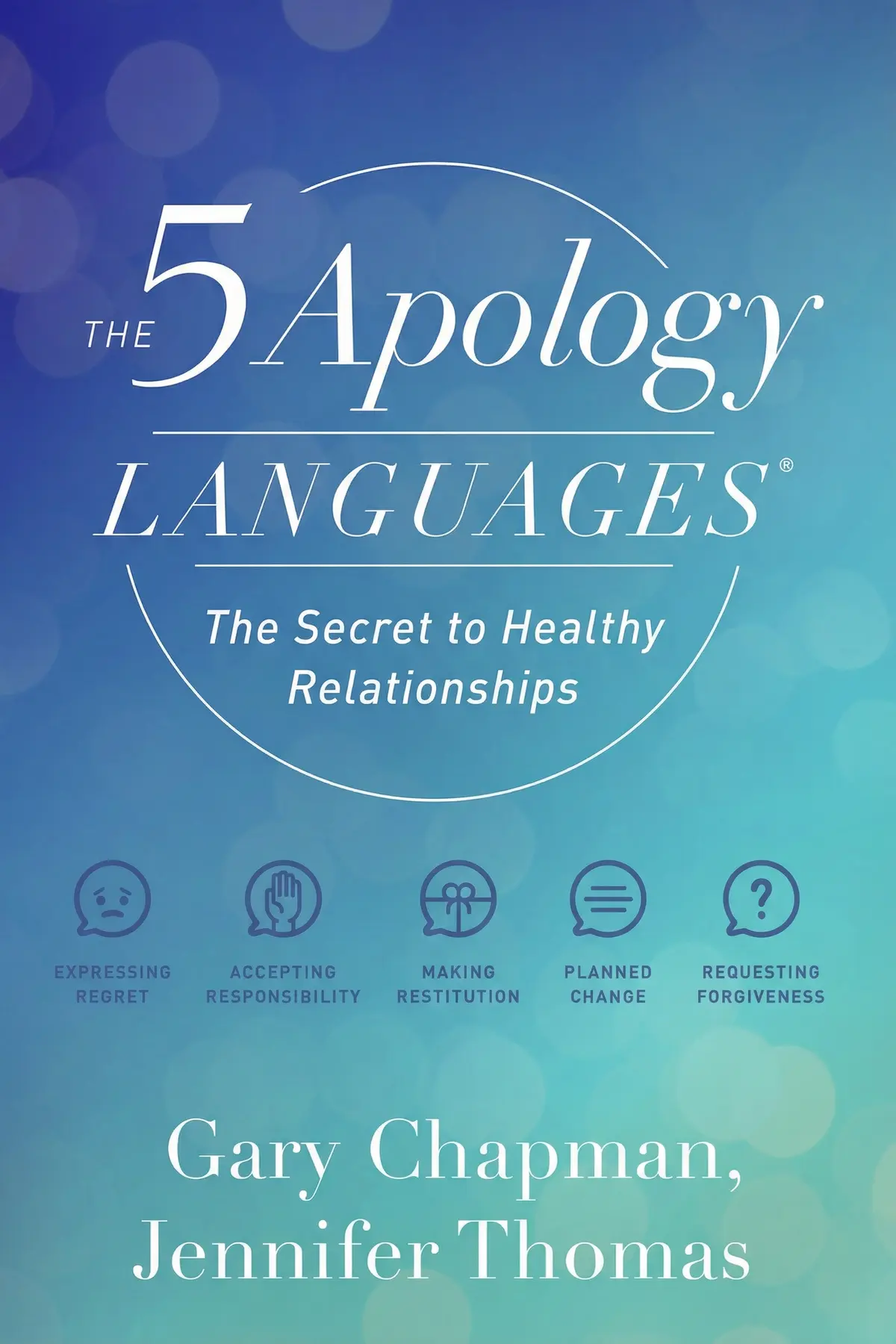
Table of Content
1. Introduction
1 min 43 sec
We have all been in that uncomfortable position where a conflict lingers long after we thought it was resolved. You might have uttered the words, offered a gesture of peace, or explained your side of the story, yet the tension in the room remains thick. You find yourself wondering why your attempt to make things right didn’t land. The most common frustration in these moments is the feeling that you have done your part, and yet the other person still seems to be holding a grudge. But what if the problem isn’t a lack of sincerity? What if the problem is a language barrier?
Just as we have different ways of showing affection, we have deeply ingrained preferences for how we need to be apologized to. For some, the emotional weight of the words matters most; for others, it is the admission of a specific mistake or the promise that the behavior will never happen again. When these expectations are not met, the hurt party feels that their pain has not been fully acknowledged. This disconnect is what often causes relationships to wither over time, as small resentments pile up because they were never properly cleared away.
In this exploration of the five distinct apology languages, we are going to look at how to move past the generic ‘I’m sorry’ and toward a more profound form of reconciliation. We will examine the psychological needs behind different styles of seeking forgiveness and how you can identify the primary language of the people you care about most. Whether you are dealing with a partner, a sibling, or a colleague, understanding these shifts in perspective will allow you to offer apologies that don’t just stop the fighting, but actually start the healing. By the end, you will have a new toolkit for navigating the inevitable mistakes of human interaction with grace and effectiveness.
2. The Importance of Expressing Regret
2 min 25 sec
Discover why some people prioritize the emotional weight of an apology and how a simple focus on empathy can bridge the gap when words feel empty.
3. Taking Ownership Through Responsibility
2 min 38 sec
Explore why admitting fault is a sign of strength and how avoiding the ‘but’ in your apologies can transform a defensive moment into a bridge of trust.
4. Restoring the Balance with Restitution
2 min 12 sec
Learn how tangible acts of kindness and ‘making it right’ can speak louder than words for those who need to see an apology in action.
5. The Power of Planned Change
2 min 17 sec
Understand why repeated mistakes drain the life out of relationships and how creating a visible plan for change can prove your sincerity.
6. The Vulnerability of Requesting Forgiveness
2 min 17 sec
Discover why the simple question ‘Will you forgive me?’ is a powerful tool for restoring equality and respect in a damaged relationship.
7. Conclusion
1 min 21 sec
In our journey through the nuances of the five apology languages, we have seen that the art of making things right is far more complex than a simple two-word phrase. Whether the person you care about is looking for a deep expression of regret, a clear admission of responsibility, a tangible act of restitution, a commitment to changed behavior, or the humble request for forgiveness, the goal is always the same: to show that the relationship is worth the effort of understanding their unique emotional needs.
Learning these languages is not just about resolving conflicts; it’s about building a culture of empathy and respect in your daily life. When we take the time to figure out what our loved ones actually need to hear, we demonstrate a level of care that goes beyond the surface. We show them that we see their pain, we own our mistakes, and we are invested in a better future together.
As you move forward, try to pay attention to the apologies that have felt the most sincere to you in the past, and observe how those around you react when you say you are sorry. By bridging these communication gaps, you can turn moments of failure into opportunities for even deeper connection. True reconciliation is possible, but it requires the right words spoken in the right way. With these tools in hand, you are now better equipped to heal the wounds of the past and protect the trust of the future.
About this book
What is this book about?
Have you ever offered a sincere apology only to find the other person still cold or unsatisfied? This occurs because we all have a specific emotional vocabulary for forgiveness. Just as people express love differently, they also perceive sincerity through unique lenses. When an apology doesn't match the recipient's internal requirements, it can feel dismissive or hollow, even if it was intended with the best of motives. This guide breaks down the five core ways individuals experience and accept apologies: expressing regret, accepting responsibility, making restitution, planning for change, and requesting forgiveness. By identifying which of these languages resonates most with your partner, friends, or family, you can bridge the gap between a mistake and true reconciliation. The promise of this work is a roadmap for navigating conflict with empathy and precision, ensuring that when you say you are sorry, the message is truly received and the healing can begin.
Book Information
About the Author
Gary Chapman
Gary Chapman, Ph.D., is a renowned relationship counselor and author with an academic background in anthropology and philosophy. He has dedicated his career to helping people improve their emotional connections through books like Things I Wish I’d Known Before We Got Married and The Marriage You’ve Always Wanted. Jennifer Thomas, Ph.D., is a psychologist and leadership consultant who specializes in conflict resolution and communication. Together, they combine clinical research with practical, faith-informed advice to provide tools for sustaining healthy, long-term relationships.

Ratings & Reviews
Ratings at a glance
What people think
Listeners find the material highly accessible and value the practical perspectives offered, specifically noting how it clarifies the diverse ways individuals express regret. The book earns acclaim for its ability to strengthen bonds, with one listener detailing how the advice enhanced their marriage. Listeners characterize the work as deeply perceptive, with one listener mentioning that it shifted their entire perspective on making amends.
Top reviews
Narut
As someone who struggled to get through to my partner during arguments, this was a revelation. We always thought a simple "I'm sorry" was enough, but Chapman and Thomas show that's rarely the case for everyone. The five categories—especially Making Restitution—helped us realize we were speaking different languages entirely. My marriage feels much more grounded now that we know how to actually repair the damage. The writing is easy to digest, though the frequent religious anecdotes felt a bit heavy-handed at times. Still, the practical value of the quiz in the back is worth the price of admission alone. It’s a game-changer for anyone wanting to build a more resilient relationship.
Show moreVimolwan
Ever wonder why your apologies never seem to land quite right? This book provides the missing piece of the puzzle. I used to think saying "I was wrong" covered everything, but my wife needs to hear "How can I make this right?" which is the restitution language. Learning these nuances has completely changed our dynamic. The structure is conversational and the advice is immediately applicable. While some people might find the stories repetitive, I think they help anchor the concepts in real-world scenarios. It’s a must-read for anyone who values emotional intelligence and wants to stop the cycle of recurring arguments.
Show morePong
Wow. This actually changed how I look at every conflict in my life. I never realized that my "language" was Planned Change, and that I felt unheard because people weren't telling me how they'd avoid the mistake next time. It's such a simple shift, but it makes a world of difference in feeling acknowledged. The authors provide very clear, pragmatic examples of what to say, which is perfect for someone like me who gets tongue-tied during confrontations. Yes, it’s religious, but the psychological insights are universal. I’ve already started using these techniques at work and with my family with great results.
Show moreNina
The chapter on restitution was worth the entire read for me. I’ve always struggled with guilt and perfectionism, making it hard to admit when I’m wrong. Chapman and Thomas do a great job of explaining how to set aside the ego and actually focus on the other person’s needs. It’s a very empowering book that gives you a literal script for healing relationships. I loved the "Accepting Responsibility" section because it forced me to look at my own defensive habits. It’s insightful, easy to read, and provides the kind of relationship support that is missing from most modern advice columns. Highly recommend!
Show moreIff
After hearing so much about the Love Languages, I figured this would be a similar breakthrough. Truth is, the core concept is brilliant but the book itself feels a bit stretched. It’s one of those "could have been a blog post" situations where the authors use way too many stories to illustrate points that are already quite clear. That said, the breakdown of "Planned Change" versus just "Expressing Regret" was eye-opening for me. I’ve realized I was over-apologizing without offering a plan to fix the behavior. It’s a very pragmatic guide if you can sift through the fluff and the constant switching between Gary and Jennifer’s perspectives.
Show moreAdam
Picked this up for a book club and found the "Requesting Forgiveness" section particularly insightful. It’s a simple concept, but the authors break down why some people feel an apology is incomplete without that final question. To be fair, the writing style can be a bit irritating because the authors switch back and forth so much, making it hard to keep track of who is sharing which anecdote. It’s also very grounded in biblical principles, which is fine, but it might be off-putting if you’re looking for a strictly secular resource. Regardless, the core framework is solid and helpful for any kind of relationship.
Show moreA
Finally got around to reading this after seeing it recommended for marriage support. It’s a very practical book on how to make earnest apologies that actually mean something to the recipient. I appreciated the distinction between "Accepting Responsibility" and "Expressing Regret"—it turns out I’ve been doing one when my partner needed the other! The book is a quick read, very easy to navigate, and the quiz is a great touch. My only gripe is the formatting; the constant personal stories get a bit distracting. However, if you want to understand the mechanics of sincerity, this is a great place to start.
Show morePrayoon
The concept is solid, but the execution left me wanting more. I felt like I had learned everything I needed to know by the middle of chapter four, and the rest of the book was just filler. Honestly, it's a lot of fluff. I’m a highly sensitive person, and some of the emotional baggage in the case studies actually made me feel quite depressed rather than empowered. Also, the emphasis on what felt like over-apologizing struck me as a bit unhealthy in certain contexts. It’s a fairly basic concept that didn’t necessarily need a couple hundred pages to explain. If you've got the five languages down, you’ve basically got the book.
Show moreFatima
This book is essentially a Sunday school lesson wrapped in a self-help cover. I wasn't expecting so much religion to be tied into the advice, and frankly, it felt unnecessary for the topic at hand. The writing itself is a bit clunky, especially when the authors switch voices without clear transitions. I found myself getting annoyed by the "he said, she said" structure. While the five languages themselves are a great framework for communication, the book is bogged down by too many stories that feel a bit dated or overly simplistic. It’s a decent resource if you can ignore the parts that feel like a lecture.
Show moreTaw
I was deeply disturbed by the content in Chapter 9. While I expected a helpful self-help guide, the way the authors addressed physical and sexual abuse felt incredibly irresponsible and light. Suggesting that a woman should forgive a husband who broke her jaw or that an abuse survivor should apologize first to an estranged father is just not okay. It completely overshadowed the decent advice found in the earlier chapters. Furthermore, the tone felt more like a Sunday school lesson than a psychological study, with way too many religious references for my liking. I couldn’t even finish the last section because I was so put off by the handling of trauma.
Show moreReaders also enjoyed
AUDIO SUMMARY AVAILABLE
Listen to The 5 Apology Languages in 15 minutes
Get the key ideas from The 5 Apology Languages by Gary Chapman, plus 5,000+ more titles in English and Thai.
- 5,000+ titles
- Listen as much as you want
- 7-day free trial
- Cancel anytime







