
18 min 33 sec
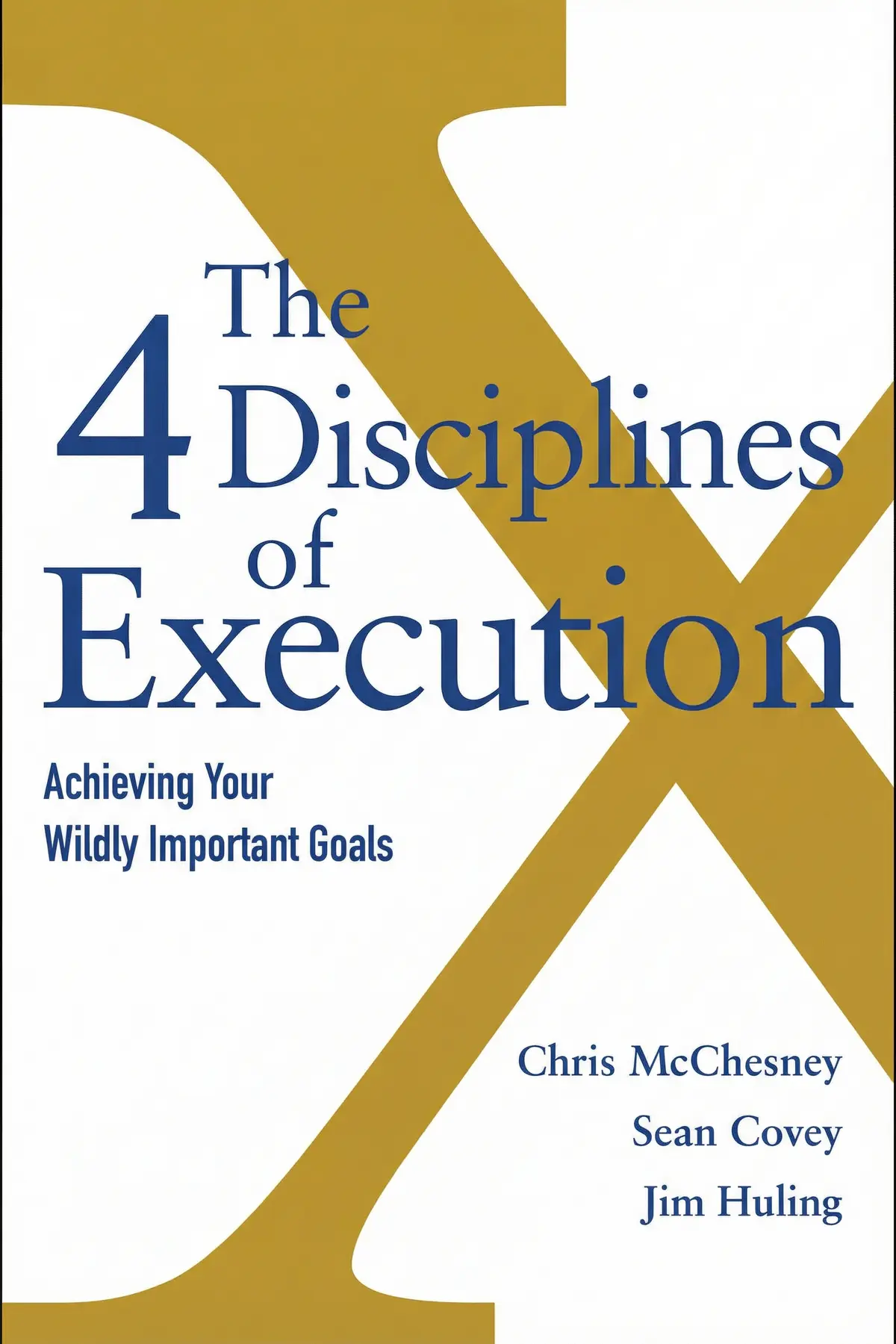
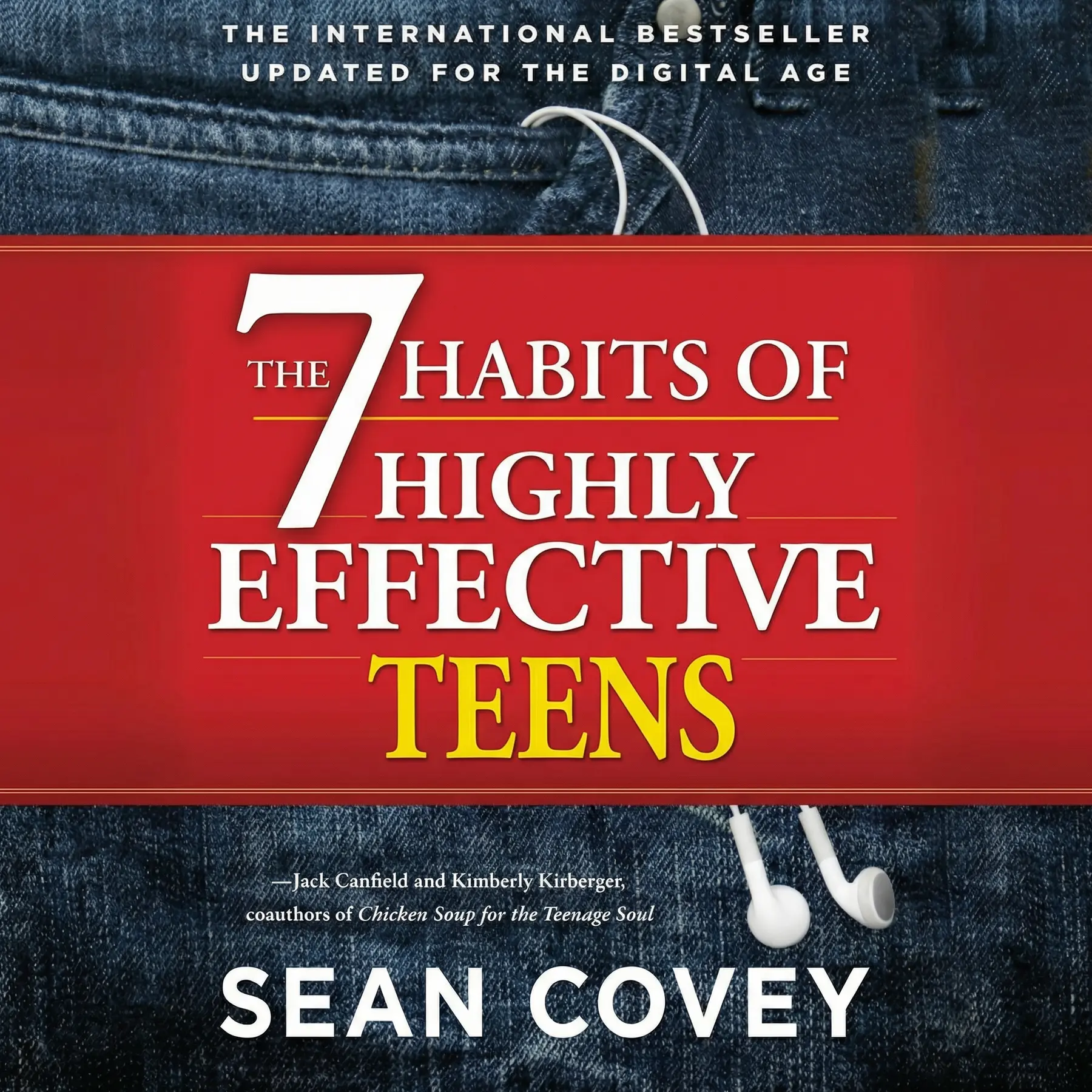
The 7 Habits Of Highly Effective Teens
By Sean Covey
The 7 Habits Of Highly Effective Teens offers a step-by-step roadmap for adolescents to build character, improve relationships, and achieve their goals through timeless principles adapted for the modern, digital-first world.
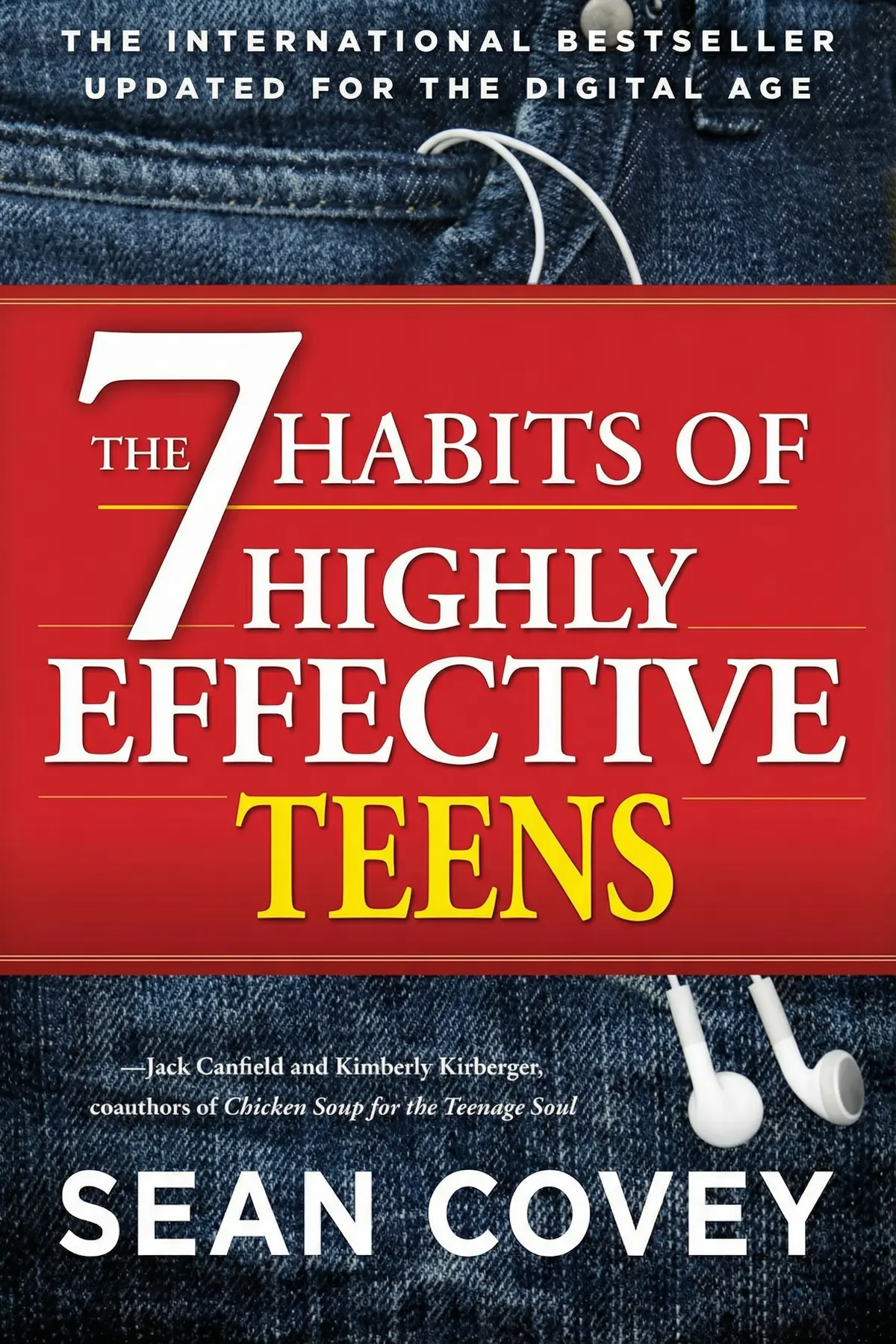
Table of Content
1. Introduction
1 min 41 sec
Adolescence is often described as a bridge—a sometimes shaky, high-altitude crossing between the safety of childhood and the daunting responsibilities of adulthood. For many teenagers, this period feels less like a bridge and more like being caught in a whirlwind of social expectations, academic pressure, and the internal struggle to define who they are. If you’ve ever felt like life is just something that happens to you, rather than something you control, you are not alone.
In The 7 Habits Of Highly Effective Teens, Sean Covey provides a compass for navigating this turbulent time. This isn’t just a list of rules; it’s a systematic approach to building a life of integrity, purpose, and success. By adapting the classic principles developed by his father, Stephen Covey, for a younger audience, Sean Covey offers a set of tools that help teens move from a state of dependence to one of independence, and ultimately, to interdependence.
The journey through these seven habits is structured as a progression. It begins with the ‘Private Victory,’ where you learn to master yourself and your own internal world. From there, it moves to the ‘Public Victory,’ which focuses on how you interact with others and build healthy, productive relationships. Finally, it culminates in a habit of continuous renewal, ensuring that you don’t just reach your goals but sustain your success over a lifetime.
As we dive into these habits, think of them as a roadmap. They don’t just tell you where to go; they show you how to build the character and the skills necessary to get there. Whether you’re dealing with the stress of college applications, the complexity of digital-age friendships, or simply the desire to be a better version of yourself, these habits offer a way forward that is grounded in timeless wisdom and practical action.
2. Taking Ownership of Your Life
2 min 17 sec
Discover how the power of proactivity allows you to stop being a victim of circumstance and start becoming the architect of your own future.
3. Designing Your Destiny
2 min 12 sec
Learn why having a clear vision and a personal mission statement is the secret to making decisions that align with your true self.
4. The Art of Prioritization
2 min 07 sec
Master the discipline of putting first things first to overcome procrastination and find the courage to step out of your comfort zone.
5. Creating a Win-Win Mindset
2 min 07 sec
Shift your perspective from competition to cooperation and learn why true success is even better when it’s shared with others.
6. The Power of Empathetic Listening
2 min 10 sec
Uncover the secret to being truly heard by learning how to first listen with your eyes, ears, and heart.
7. Achieving Synergy Through Cooperation
2 min 05 sec
Discover the magic of synergy, where differences become strengths and 1 plus 1 can equal 3, 10, or even 100.
8. The Importance of Self-Renewal
2 min 13 sec
Explore Habit Seven and learn why regularly ‘sharpening the saw’ is essential for maintaining your energy and effectiveness.
9. Conclusion
1 min 41 sec
The journey through the 7 habits is a process of growth that never truly ends. It’s about moving from the ‘inside out’—starting with your own character and then expanding into your relationships and your contributions to the world. We’ve seen how being proactive gives you the power to choose, how having a vision gives you a destination, and how prioritizing ensures you’re moving toward it every day. We’ve explored how thinking win-win and listening empathically creates the trust necessary for synergy, allowing you to achieve things you could never do alone. And finally, we’ve seen how sharpening the saw keeps you vibrant and ready for the long haul.
As you think about these habits, remember that you don’t have to be perfect. You just have to be persistent. Effectiveness isn’t a destination you reach; it’s a way of traveling. Start small. Pick one habit that resonated with you today and try to apply it in one specific situation tomorrow. Maybe you’ll choose to ‘press pause’ when a sibling annoys you, or perhaps you’ll decide to write down three ‘Big Rocks’ for your upcoming week.
The beauty of these habits is that they are universal. Whether you are navigating middle school or preparing for your first real job, these principles remain the same. They are the keys to a life of integrity, purpose, and genuine happiness. By choosing to adopt these habits, you are making a commitment to yourself. You are choosing to be the architect of your destiny, the master of your moods, and a leader in your community. The road ahead may be challenging, but with these seven habits as your guide, you are more than ready for the journey.
About this book
What is this book about?
This guide translates the world-renowned principles of personal effectiveness into a language and context that resonates with today’s youth. Navigating the stormy waters of adolescence—from social media pressures to academic stress and changing friendships—requires more than just luck; it requires a solid foundation of habits that foster resilience and independence. The book promises to transform how teenagers view themselves and their place in the world. By moving from a reactive state to a proactive one, readers learn how to take control of their destiny. It covers essential life skills like time management, conflict resolution, and the importance of self-care, providing a holistic framework for growing into a successful and well-rounded adult.
Book Information
About the Author
Sean Covey
Sean Covey is the son of Dr. Stephen R. Covey, the acclaimed author of The 7 Habits of Highly Effective People and the founder of FranklinCovey. As a business executive, speaker, and innovator, Sean serves as the President of FranklinCovey Education. His work focuses on transforming global education through principle-centered leadership, continuing his family's legacy of helping individuals and organizations achieve greatness.
Ratings & Reviews
Ratings at a glance
What people think
Listeners find this work compelling and skillfully composed, especially emphasizing its actionable suggestions for achieving success in education and daily life. Furthermore, they value its accessible presentation and view it as a beneficial tool for adolescents, while one listener pointed out its specific utility within high school environments. In addition, listeners perceive the content as highly inspiring, and one mention notes its effectiveness in fostering constructive shifts in personal connections. Nevertheless, views regarding its worth vary; while some feel it is a great investment, others dismiss it as a worthless scam.
Top reviews
Watcharin
Picked this up after my guidance counselor suggested it, and it really hit home. Most self-help books feel like they are written by people who forgot what being fifteen is like, but Sean Covey actually makes it feel manageable. The advice on building a 'Relationship Bank Account' helped me stop fighting with my siblings every single afternoon. I loved the cartoons because they broke up the text and made the harder concepts like 'Put First Things First' less intimidating. Even though some people say the advice is common sense, seeing it laid out in this format makes it easier to actually do. My grades have improved because I’m finally planning my week out instead of just winging it and hoping for the best. It’s a valuable resource if you are struggling with time management or just feeling overwhelmed by high school pressure. Definitely worth the read if you want to take control of your future.
Show moreParichat
Wow, I didn't expect a book to actually change how I look at my friends and my future. To be fair, my mom bought this for me and it sat on my nightstand for a month before I even touched it. Once I started reading, I realized that I was letting my 'Paradigm' get in the way of my happiness. The stories from other teenagers made me feel like I wasn’t the only one dealing with stress and peer pressure. I specifically liked the part about being proactive rather than reactive because I used to get angry so fast over tiny things. Now, I try to think before I explode. The layout is great with all the quotes and diagrams which makes it way more interesting than a regular textbook. This isn't just for 'perfect' kids; it's for anyone who wants to feel a little more in control. Truly a life-changing guide if you actually try the exercises.
Show moreHazel
Finally got around to reading this for a school project, and I'm genuinely surprised by how much I liked it. It’s written in a way that’s easy to understand without being boring like most 'how-to' guides for kids. The chapter on 'Seeking First to Understand' has already helped me get along better with my teachers and my girlfriend. I think the diagrams really help visualize how your choices affect your life in the long run. If you're looking for a way to boost your self-esteem and get organized, this is definitely the right place to start. It feels very uplifting and makes you want to go out and accomplish something big. Highly recommend for any high school student who feels stuck in a rut.
Show moreNuk
This book is essentially a roadmap for navigating the chaos of being a teenager in today's world. I love how it's organized into short, punchy sections that don't feel like a chore to get through. Not gonna lie, I was skeptical at first, but the 'Personal Mission Statement' exercise really helped me figure out what I actually care about. It’s incredibly uplifting and focuses on what you can control rather than what you can’t. My friends and I have been talking about the 'Public Victory' concepts and it's actually making our group dynamic a lot healthier. It’s a great resource if you want to be more than just average. Every teen should have a copy of this on their desk for those days when life feels like too much.
Show moreTanawan
Ever wonder why some kids seem to have it all together while you're just trying to survive the week? This book attempts to answer that by breaking down success into seven actionable habits. While I found the section on 'Synergizing' to be incredibly helpful for group projects, some of the personal stories felt a little bit outdated. For instance, the story about the author wrecking a car he wasn't supposed to drive felt like he got off way too easy. Not every teen has a dad who will just laugh that kind of thing off eventually. Despite some of the cheesier moments and the 90s vibes, the core message about taking responsibility for your own life is solid. It provides practical ideas for school success that actually work if you put in the effort. It's a great toolkit, even if you have to ignore a few of the more unrealistic 'perfect life' examples.
Show moreMia
After hearing so much buzz about this in parenting groups, I decided to read it alongside my thirteen-year-old daughter. Truth is, I was worried it might be too condescending or 'hip,' but the layout is actually very accessible for a younger audience. My daughter enjoyed the cartoons and the quick-hit tips, though she did roll her eyes at some of the older slang used throughout the chapters. From a parent's view, it reinforces the same things we say at home, but somehow it sounds better coming from a book. I do wish the author hadn't painted his own father as such a 'fuddy-duddy' because it feels a bit disrespectful to the man who created the original 7 Habits. However, the focus on self-esteem and goal-setting is exactly what middle schoolers need to hear right now. It's an engaging read that opened up some really good dinner-time conversations for us.
Show morePannipa
As someone who usually hates self-help books, I have to admit that Covey has some good points here. The structure is very clear, making it a valuable resource for teens who need help with time management and prioritizing their goals. Look, some of the anecdotes are definitely 'cringe' and feel like they were written by someone who had a very privileged upbringing. The story about the girl overcoming anorexia through peer acceptance felt a bit oversimplified for such a serious medical issue. But if you look past the occasional fluff, the habits themselves are grounded in reality. The 'Big Rocks' analogy for scheduling changed how I look at my study time completely. It’s an engaging read that provides a lot of value for the price, even if you don't agree with every single example given.
Show moreBook
Direct and to the point, this guide doesn't waste time getting to the heart of teen problems. Frankly, I think every high schooler could benefit from the sections on peer pressure and decision-making. The writing style is very casual, which makes it feel like a conversation rather than a lecture from a parent. I did find a few contradictions where one anecdote seemed to go against the habit being taught, but the overall message stayed strong. It helped me realize that I was being reactive to my friends' drama instead of sticking to my own values. The practical ideas for school and life success are worth the price of the book alone. It's a solid 4-star read that I'll probably look back on when things get stressful again.
Show moreWittaya
Not what I expected, but I can see why it's popular in schools and youth groups. The book is definitely easy to understand, but at times it feels like it's written for ten-year-olds rather than older teens. I'm in my junior year, and some of the cartoons and slang felt a bit like a creepy teacher trying too hard to be 'cool.' In my experience, the advice oscillates between being really deep and being way too saccharine. The 'Relationship Bank Account' is a clever metaphor, but it doesn't account for people who are just toxic and won't change. Still, it’s a decent starting point for anyone who has zero clue how to manage their life. It’s well-intentioned, though I think a good novel about growing up might actually teach these lessons more effectively.
Show moreSomrutai
The chapter on negotiating with parents made me realize how out of touch this book actually is for most people. Personally, I found the author's tone to be extremely condescending, as if every problem can be solved with a simple chart and a positive attitude. The suggestion that a student should just write their own syllabus if they don't like a class is completely unrealistic and would get most of us laughed out of the room. Many of the solutions presented are just common sense wrapped in lame cartoons and 90s-style slang that feels forced. It ignores the reality of kids who don't have perfect, supportive parents or the resources that the author clearly grew up with. While there are a few decent tips on organization, the overall vibe is very 'unicorns and rainbows' and lacks real empathy for complex struggles.
Show moreReaders also enjoyed
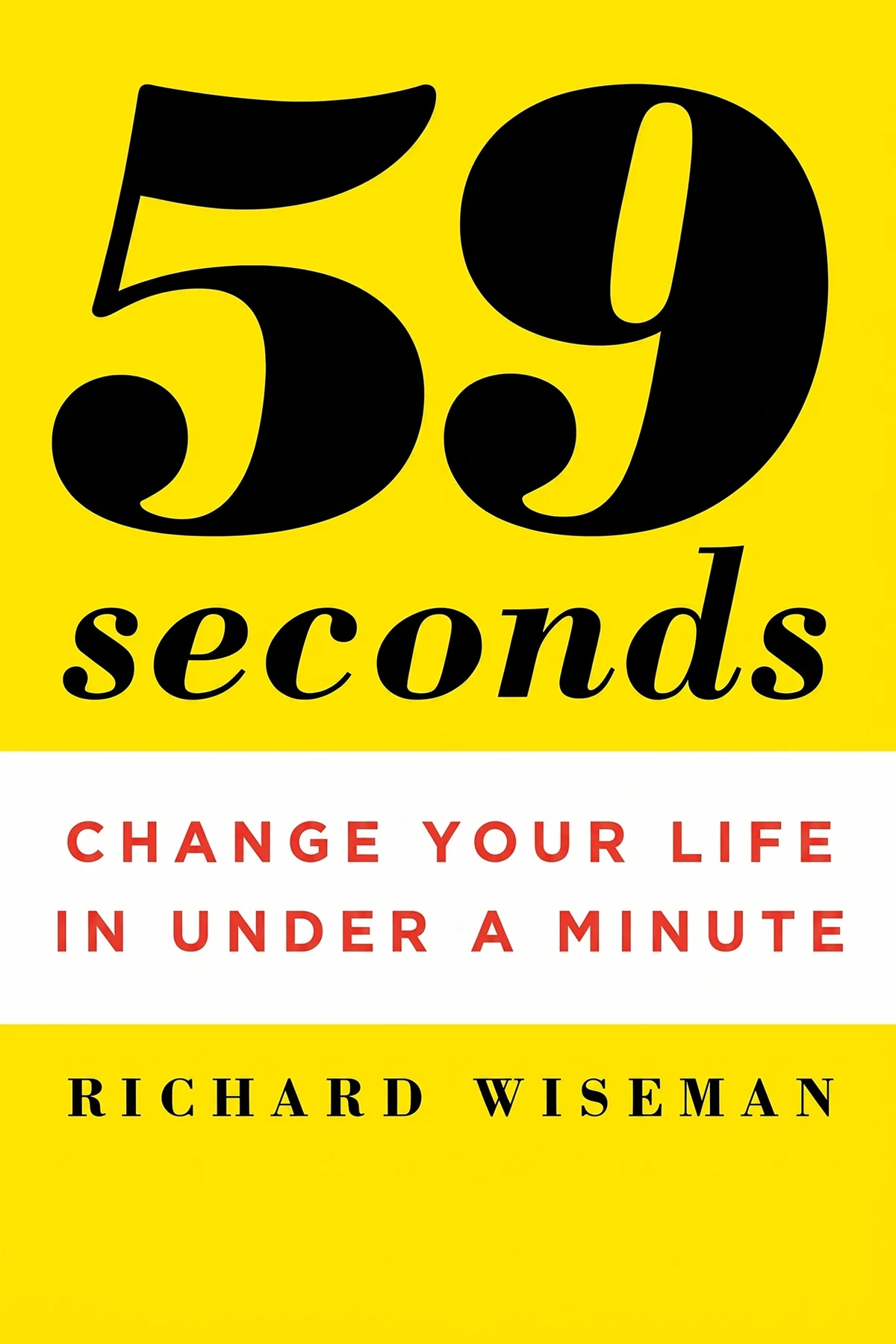
59 Seconds: Change Your Life in Under a Minute
Richard Wiseman
A Guide to the Good Life: The Ancient Art of Stoic Joy
William B. Irvine
A High-Performing Mind: Strengthen Your Mind and Live Your Best Life
Andrew D. Thompson
AUDIO SUMMARY AVAILABLE
Listen to The 7 Habits Of Highly Effective Teens in 15 minutes
Get the key ideas from The 7 Habits Of Highly Effective Teens by Sean Covey, plus 5,000+ more titles in English and Thai.
- 5,000+ titles
- Listen as much as you want
- 7-day free trial
- Cancel anytime







