
13 min
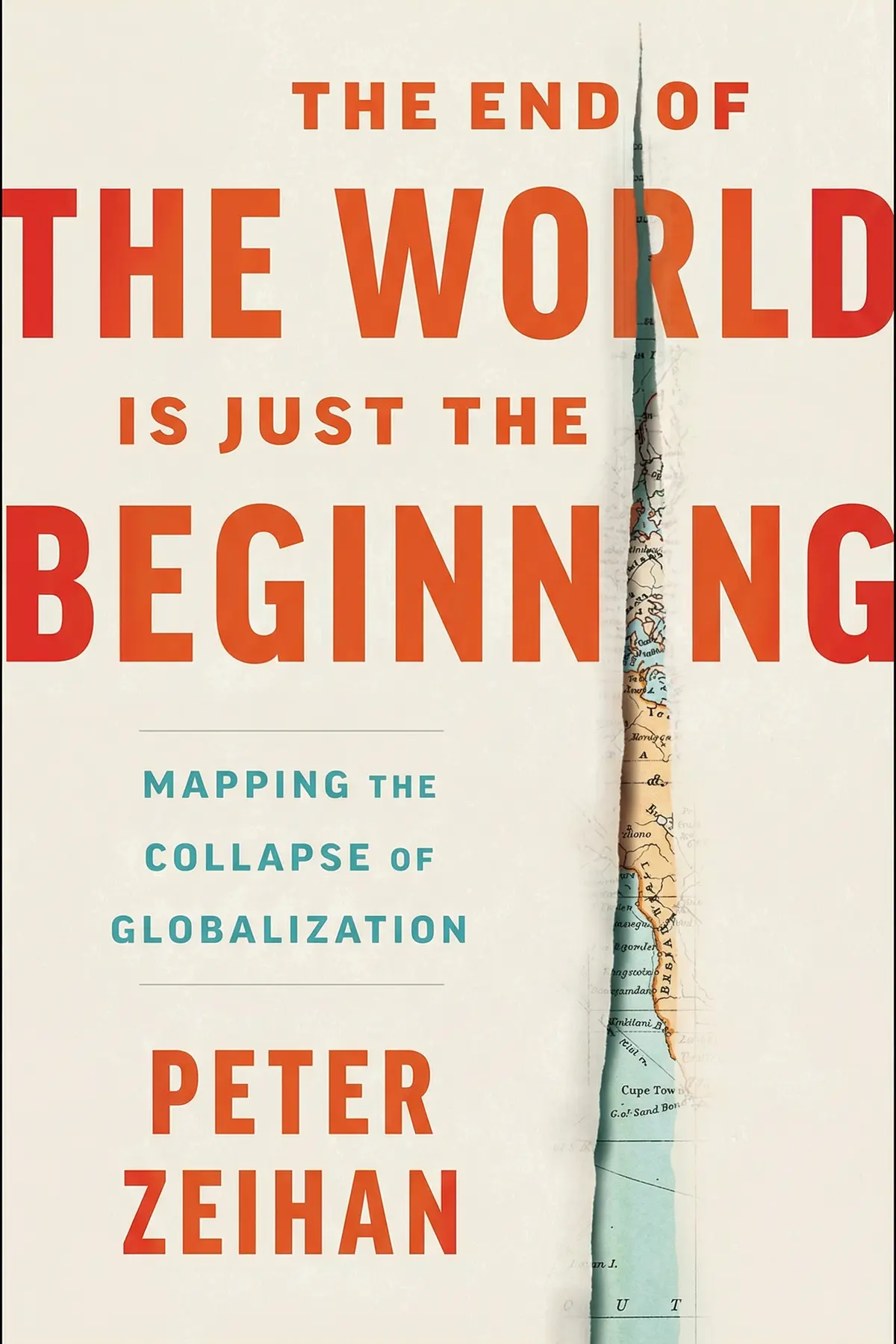
The Accidental Superpower: The Next Generation of American Preeminence and the Coming Global Disorder
By Peter Zeihan
Discover how geography and demographics shaped American dominance. This summary explores why the current global order is temporary and how shifting energy needs and aging populations are leading to a new era of global disorder.
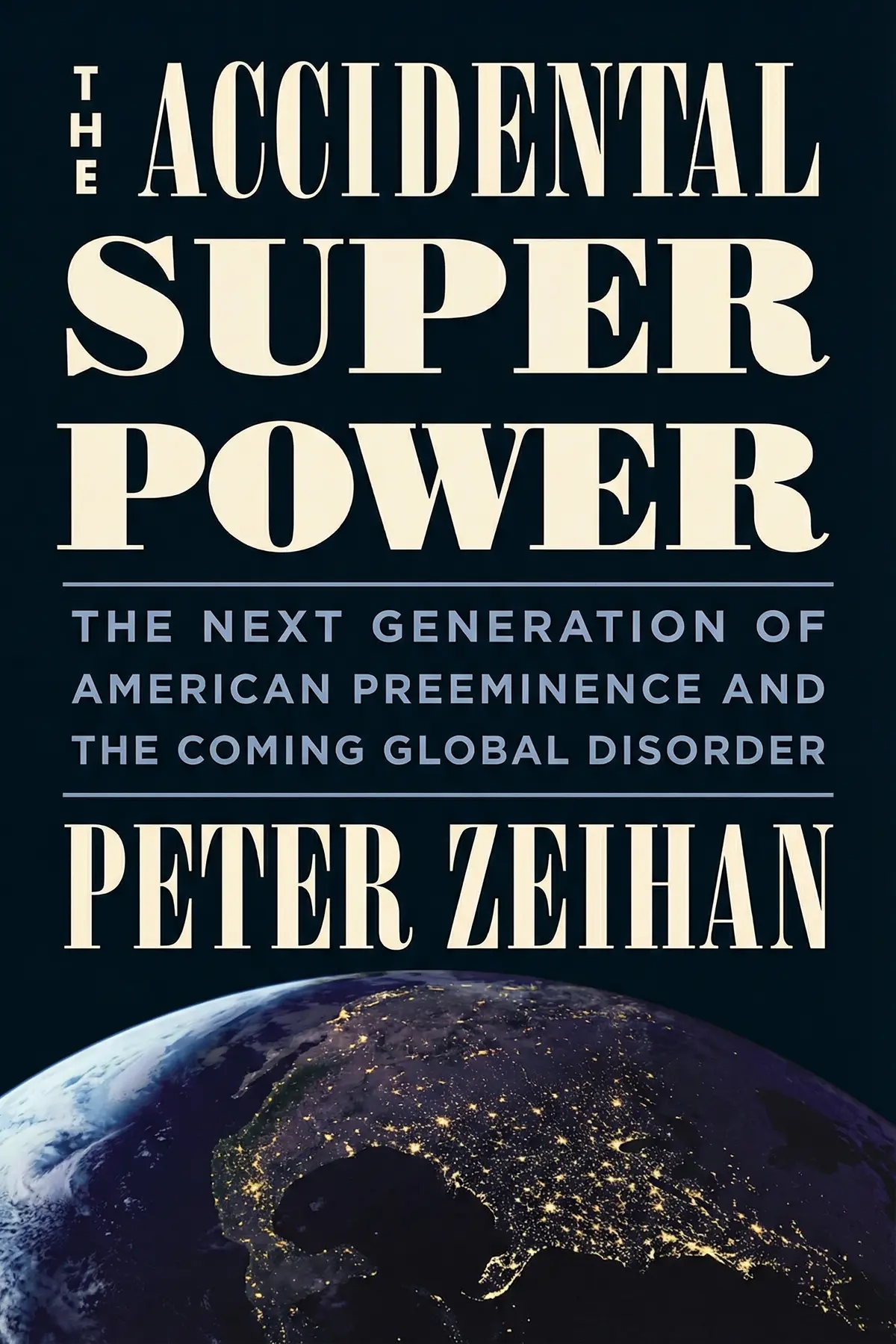
Table of Content
1. Introduction
1 min 29 sec
For decades, we have taken a specific world order for granted. We assume that the seas will always be safe for trade, that energy will flow freely from the Middle East to the rest of the world, and that the United States will act as the ultimate guarantor of this stability. But what if this entire arrangement was an anomaly? What if the peace and prosperity of the last seventy years weren’t the natural state of things, but rather a temporary deal that is now reaching its expiration date?
This exploration dives deep into the forces of geography, demographics, and energy to explain why the United States rose to power—and why it might now be choosing to step back. We often think of superpowers as the result of brilliant leadership or military might alone. While those factors matter, there is a much deeper story rooted in the physical reality of the planet. From the way rivers flow to the way populations age, the deck has been stacked in favor of North America in ways most people never realize.
As we look ahead, we are entering a period where the old rules no longer apply. The incentive for the U.S. to maintain the global system is evaporating, and the consequences for Europe, Asia, and the Middle East could be seismic. This isn’t just a political forecast; it’s a look at the structural shifts that are rewriting the future of our world. Over the next several chapters, we will see why geography remains the ultimate destiny of nations and what happens when the accidental superpower decides it no longer wants to be the world’s policeman.
2. Geography as the Foundation of Empire
1 min 43 sec
Ancient civilizations succeeded not just through ingenuity, but by inhabiting territories with natural defenses and abundant transport routes.
3. The American Geographic Jackpot
1 min 39 sec
The United States possesses a unique combination of navigable waterways and natural isolation that makes it economically and militarily dominant.
4. The Bretton Woods Trade-Off
1 min 43 sec
The modern globalized world was created by a specific American policy that exchanged naval protection for Cold War loyalty.
5. The Demographic Cliff
1 min 42 sec
An unprecedented shift in global population structures is threatening the economic stability of the world’s most developed nations.
6. Energy Independence and the Shale Revolution
1 min 32 sec
New technology has freed the United States from its dependence on foreign oil, removing the primary reason for its involvement in global hotspots.
7. A World of Growing Disorder
1 min 46 sec
As the U.S. withdraws, the global trade system will fracture, leading to higher costs, limited travel, and localized conflicts.
8. Conclusion
1 min 26 sec
The world we inhabit is far more fragile than it appears. As we have seen, the current period of peace and global connectivity was built on a unique set of circumstances: the geographic isolation of the United States, a demographic boom that is now ending, and a strategic deal made in the shadow of the Cold War. The ‘Accidental Superpower’ became the leader of the world because it was the only nation with the resources to do so and a reason to buy the loyalty of others.
Now, the foundation of that world is shifting. The U.S. has found energy independence at home, while its allies and rivals alike are facing a demographic cliff that threatens their very survival. We are moving toward a future that looks much more like the 19th century than the 20th—a world of regional powers, protected trade routes, and frequent conflict.
What does this mean for you? It means the era of cheap, globalized goods and easy international travel may be reaching its peak. It means that the stability we’ve enjoyed is the exception, not the rule. The takeaway is not necessarily one of doom, but of preparation. The United States is likely to remain the most secure and prosperous nation on earth, but it will no longer be interested in carrying the weight of the world on its shoulders. As the global disorder grows, the focus will shift back to the local, the regional, and the physical realities of the land beneath our feet. Understanding these geographic and demographic truths is the only way to navigate the coming storm.
About this book
What is this book about?
The Accidental Superpower examines the foundational forces that built the modern world and why they are currently coming apart. It argues that the United States achieved its status not just through policy, but through a series of geographic lucky breaks, including an unmatched network of navigable rivers and deep oceanic moats. These advantages allowed the US to create the Bretton Woods system—a global trade network that traded security for political loyalty during the Cold War. However, the book suggests this era is ending. As the United States achieves energy independence through the shale revolution, its incentive to police global sea lanes is vanishing. Simultaneously, a demographic crisis is hitting the rest of the industrialized world, as aging populations in Europe and Asia face shrinking workforces and capital shortages. The promise of the book is a provocative look at a future where the US withdraws into its own neighborhood, leaving the rest of the world to navigate a more fractured and volatile landscape.
Book Information
About the Author
Peter Zeihan
Peter Zeihan is an expert in geopolitics, the study of how geographical location impacts economic, cultural, political and military developments. His work has featured in Forbes, Bloomberg, the New York Times and the Wall Street Journal.
Ratings & Reviews
Ratings at a glance
What people think
Listeners find this work to be a captivating listen featuring thoroughly researched substance and intriguing geopolitical perspectives, specifically noting the influence of geography and demographics on the global order. Additionally, they value its intellectually stimulating nature and sound reasoning, with one listener emphasizing how it offers a less-shrill outlook on contemporary events. The prose also garners positive reviews, and listeners are interested by the forecasts derived from logistics. Nevertheless, the tempo results in varied opinions, as some find it fast-paced whereas others remark that it can be somewhat outlandish.
Top reviews
Sam
Peter Zeihan presents an incredibly compelling argument for why the United States is essentially the lottery winner of nations. By breaking down the specific advantages of the American river system and its deep-water ports, he makes a case for geographic determinism that feels both fresh and undeniable. While some might find his tone a bit Amero-centric, the logic regarding how geography dictates economic power is hard to ignore. The way he connects the shale revolution to a total withdrawal from global policing is a fascinating, if slightly terrifying, perspective on the next few decades. Truth is, most geopolitical analysts spend their time talking about personalities, but Zeihan looks at the actual dirt and water. This is a must-read for anyone who wants a framework for understanding why the global order is currently fraying at the edges. It’s fast-paced, well-researched, and offers a less-shrill take on our current era of isolationism.
Show moreWatcharin
Wow. I didn't expect a book about geography to be this much of a page-turner, but Zeihan writes with a certain verve that keeps you hooked. The central thesis is that the US created the modern world order as a bribe to fight the Soviets, and now that the bribe is no longer necessary, we’re packing up our toys and going home. His predictions about Russian aggression in Ukraine, written back in 2014, look hauntingly prophetic today. I loved the maps and the detailed breakdown of how transport costs define the wealth of nations. Frankly, it’s refreshing to read someone who isn't a declinist and instead points out the massive, compounding advantages the US still holds over every other player. Some might call him a sadist for how gleefully he predicts chaos elsewhere, but his data-driven approach is hard to dismiss. It’s an intellectual roller coaster that makes the chaotic news cycle finally make some sense.
Show moreUbolwan
Finally got around to reading this and it’s easily the most fascinating book on world affairs I’ve picked up in years. Zeihan’s ability to weave together shale technology, naval logistics, and birth rates into a unified theory of the future is impressive. It’s a bit like watching an astrologer who actually uses math and maps instead of stars. The way he describes the 'Accidental' nature of American power—based more on the luck of the draw in geography than on brilliant leadership—is a humbling and insightful perspective. I particularly enjoyed the chapter on why Germany is essentially a 'pensioner with a Porsche' and how their demographic collapse will force them into a corner. It’s a fast-paced read that manages to be deeply intellectual without being dry. Whether you agree with his isolationist conclusions or not, you can't deny that his arguments are based on solid, physical realities.
Show moreRungtip
The chapter on Mexico alone makes this book worth the price of admission. Zeihan flips the script on the usual narrative and argues that Mexico is actually the US’s most important partner for the next century due to their complementary demographics. It's a refreshing change from the shrill rhetoric we usually hear about the border. The writing style is punchy and direct, making complex topics like agricultural logistics and deep-water navigation easy to grasp for a layman. I've been recommending this to everyone who feels overwhelmed by the news because it provides a structural way to filter global events. Zeihan makes it clear that while the world is heading toward a period of extreme disorder, the United States is uniquely positioned to thrive. It’s an optimistic take for Americans, but a very grim one for almost everyone else. Definitely a fascinating perspective on the future of the superpower.
Show moreJavier
Not what I expected at all, but in the best way possible. Instead of political theory, you get a book that feels more like an engineering manual for the world order. Zeihan explains why certain nations are destined for greatness and others for collapse based on things as simple as the direction their rivers flow. His take on the shale revolution as a geopolitical 'get out of jail free' card for the US is brilliant. Personally, I think he’s a bit too cynical about the ability of allies like the UK or Japan to strike their own deals, but his core thesis about the end of globalization is hard to dispute. The pacing is excellent and the arguments are presented with a level of confidence that is both infectious and slightly alarming. If you want to understand why the 2020s are so much more chaotic than the 1990s, start here. It’s a masterwork of geopolitical analysis.
Show moreDarius
Picked this up after seeing some wild clips of the author on YouTube and I have to say, the book is much more substantive than the clickbait headlines suggest. Zeihan’s deep dive into demographics is particularly sobering, especially his analysis of how aging populations in Europe and China will lead to an investment apocalypse. I do think he overstates the speed of certain collapses; the idea that China as we know it will simply cease to exist in a decade feels like a bit of a stretch. Also, his definition of the Bretton Woods system is technically inaccurate since it ignores the 1971 shift away from gold, but his larger point about the Pax Americana remains valid. To be fair, he creates a very coherent model for the future, even if he ignores factors like culture or nuclear deterrence. It is a thought-provoking read that definitely changed how I look at global logistics.
Show moreIce
Ever wonder why the US seems so disinterested in the rest of the world lately? This book provides a blueprint for that exact shift, focusing on energy independence and the unique security of 'Fortress America.' Zeihan is a master of explaining how the shale revolution changed the game, making the Middle East essentially irrelevant to US strategic interests. My only real gripe is that he completely ignores India, which seems like a massive oversight for a book about the next fifty years of global power. He spends an entire chapter on Angola but gives the world's most populous nation only a few passing lines? It’s a bit ridiculous. Still, the sections on the demographic inversion are brilliant and provide a clear lens through which to view the coming economic shifts. It’s an engaging, informative read, even if the author’s ego occasionally overshadows his excellent research.
Show moreAisha
After hearing him on a few podcasts, I wanted to see if the written work held up to the hype. The first half of the book is a masterclass in geopolitical theory, explaining how rivers and deep-water ports shaped the rise of empires from Egypt to Great Britain. It’s educational and highly entertaining. However, Zeihan’s predictions in the second half feel a bit like demographic millenarianism. He assumes that because the Boomers are retiring, the entire world’s capital will vanish overnight, which isn't really how global wealth distribution works. Look, I appreciate the bold claims because they force you to think, but he definitely underestimates the resilience of international institutions. He treats the US withdrawal as an absolute certainty, ignoring the fact that we still have bases in over a hundred countries. It’s a solid 4-star read for the framework alone, but take the specific doomsday dates with a massive grain of salt.
Show moreDing
As someone who follows international trade closely, I found the discussion on the 'Bretton Woods' trade-off to be the most valuable part of the book. Zeihan argues that the free trade era was an anomaly, a temporary gift from the US that is now being rescinded. It’s a compelling read that explains a lot of the populism we’re seeing today. My main criticism is the tone; he often sounds like he’s dancing on the graves of other nations. He’s incredibly bearish on Europe and China, often ignoring how these countries might adapt or innovate their way out of crisis. For example, he barely mentions renewable energy, which could totally disrupt his oil-based projections. But, the book was written in 2014, so I can forgive some of the dated tech assumptions. Overall, it’s a valid and thought-provoking argument that everyone should engage with, even if it feels a bit outlandish at times.
Show morePim
I’m going to be blunt: this is essentially high-budget fan fiction for Stratfor alumni. While Zeihan is undoubtedly a charismatic writer, his work is riddled with the kind of overgeneralizations and outright inaccuracies that make a serious historian wince. He claims Phoenix and Las Vegas are near passes in the Rockies, which is geographically illiterate, and his dismissive attitude toward Mexican border cities is just bizarre. He seems to think Tijuana isn't 'meaningful.' The whole book reads like a more aggressive version of Thomas Friedman—full of flat-earth style metaphors that crumble under any actual scrutiny. His 'geographic determinism' completely ignores the power of good governance and human agency. If you enjoy Amero-centric chest-thumping and pessimistic fantasies about the rest of the world starving, you'll love this. Otherwise, don't bother with this level of inaccurate dreck. It’s a shame because the maps are actually quite nice, but the analysis is fundamentally flawed.
Show moreReaders also enjoyed

A Different Kind of Power: A Memoir
Jacinda Ardern
Age of Propaganda: The Everyday Use and Abuse of Persuasion
Anthony Pratkanis
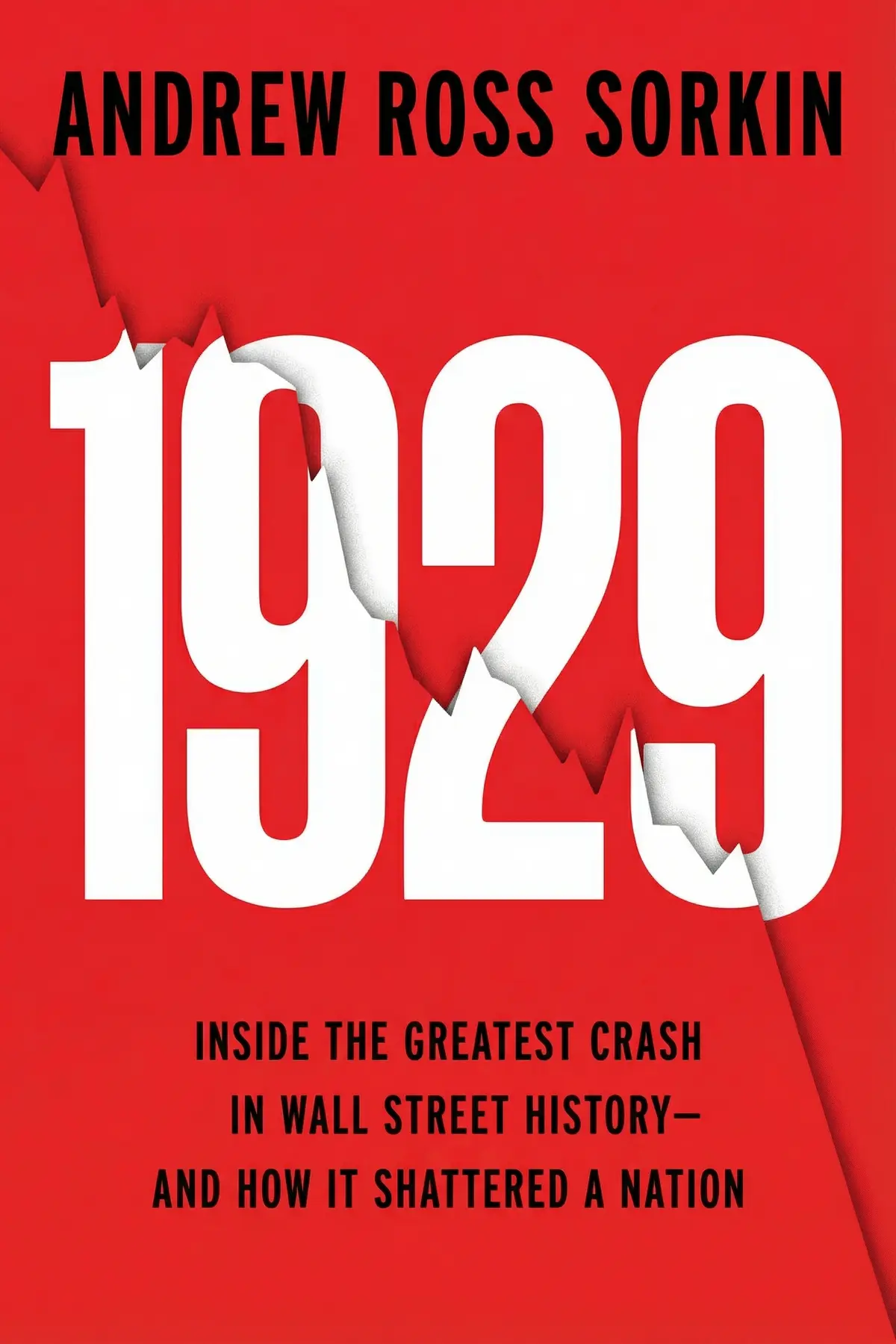
1929: Inside the Greatest Crash in Wall Street History--and How It
Andrew Ross Sorkin
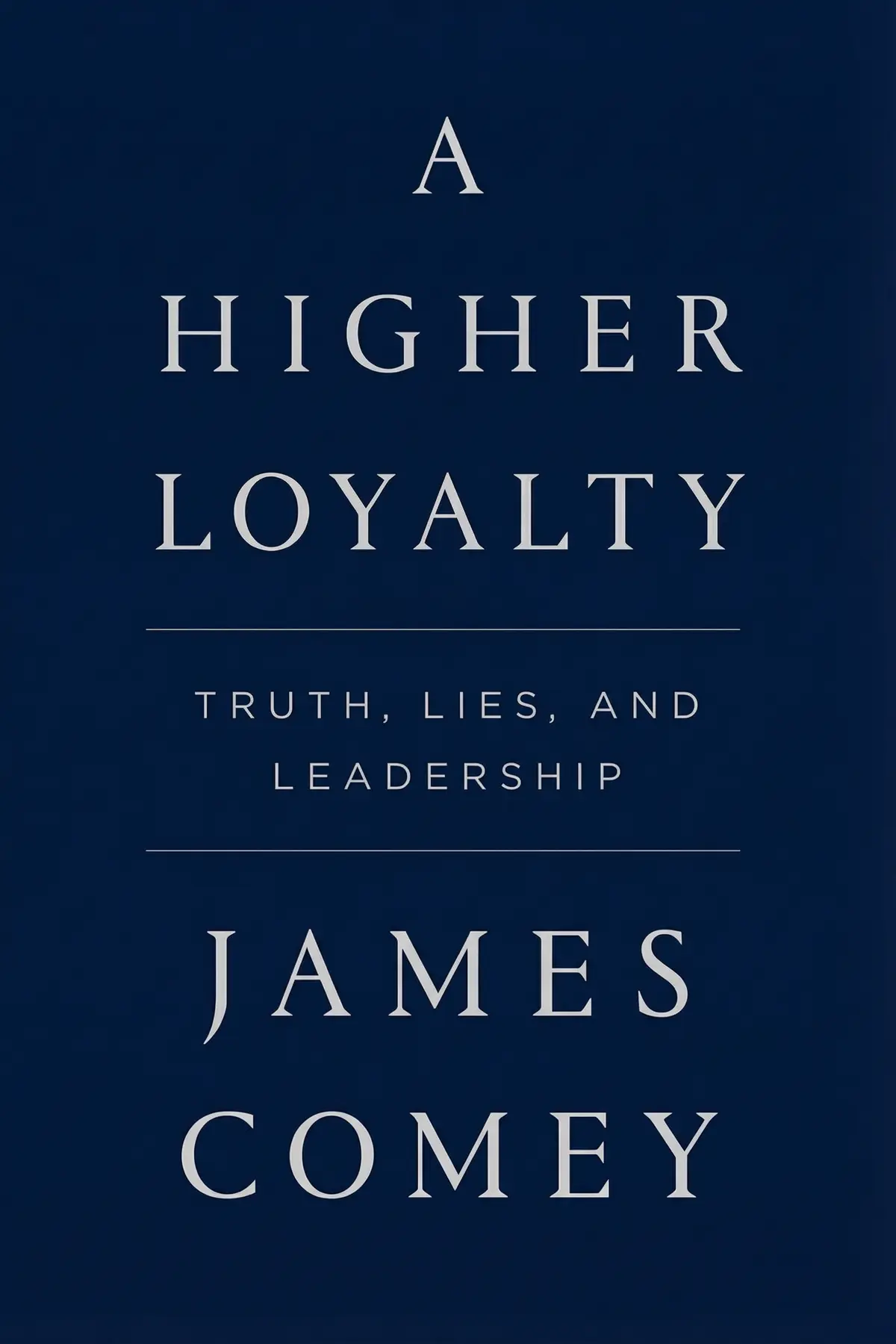
A Higher Loyalty: Truth, Lies and Leadership
James Comey
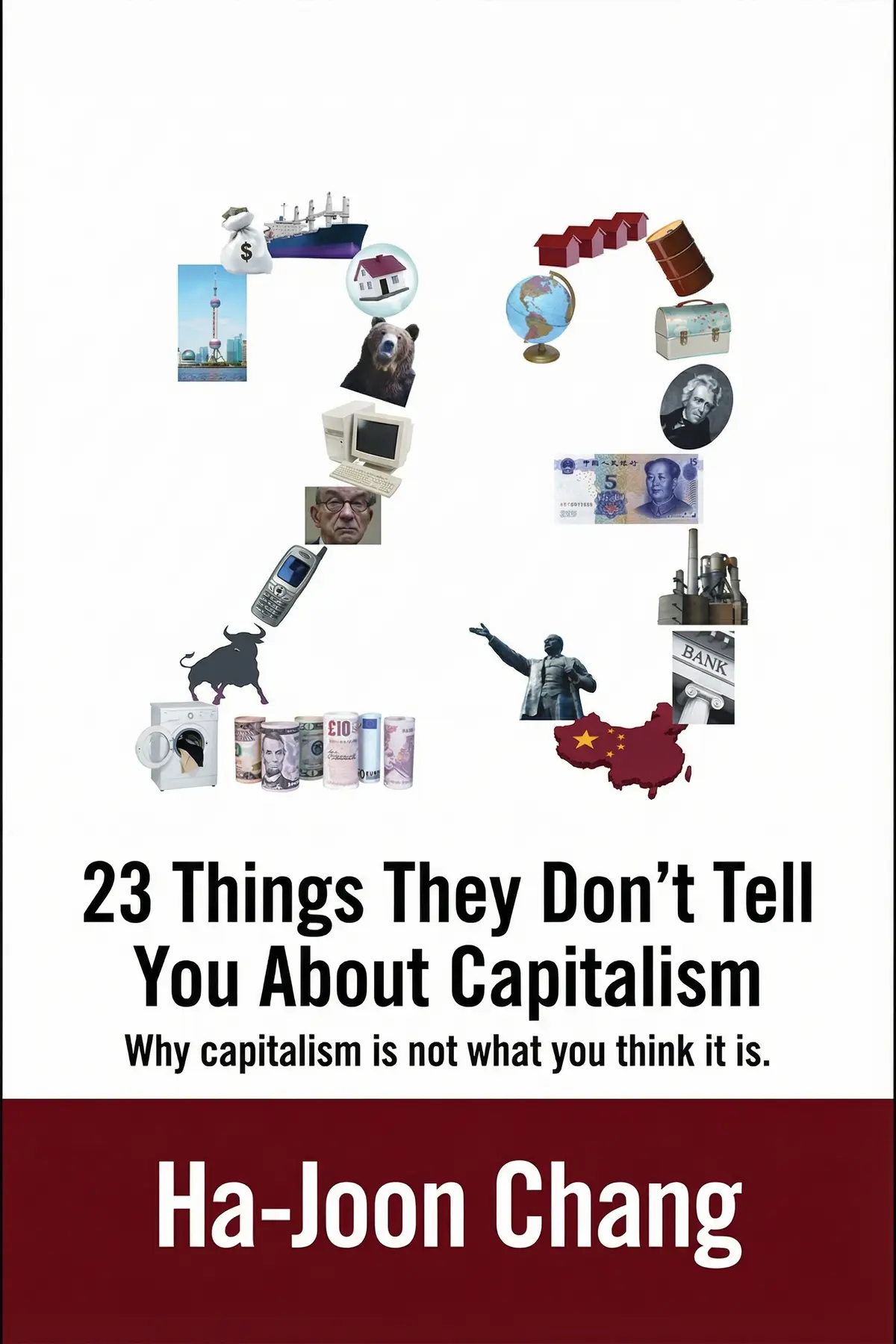
23 Things They Don’t Tell You About Capitalism
Ha-Joon Chang
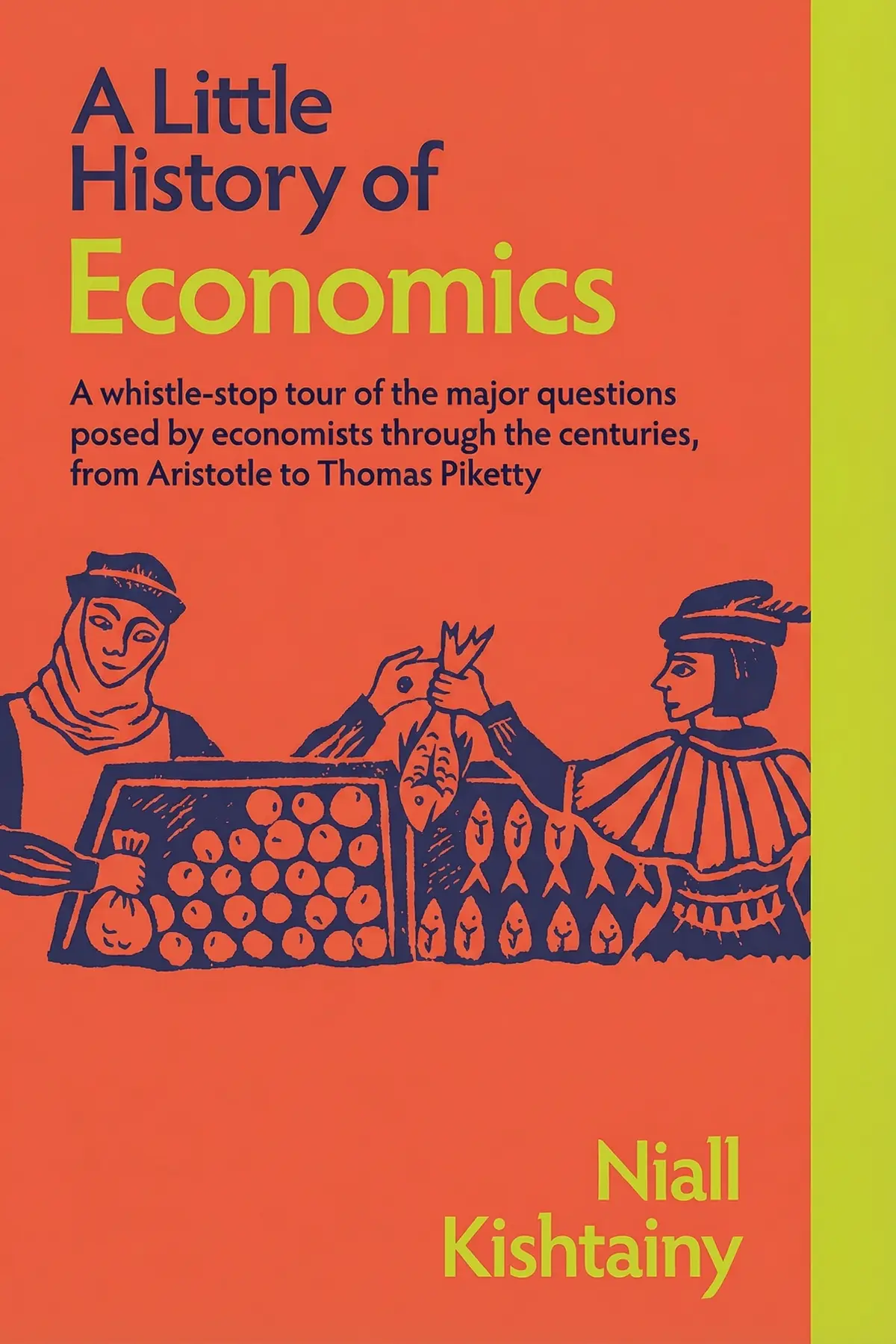
A Little History of Economics
Niall Kishtainy
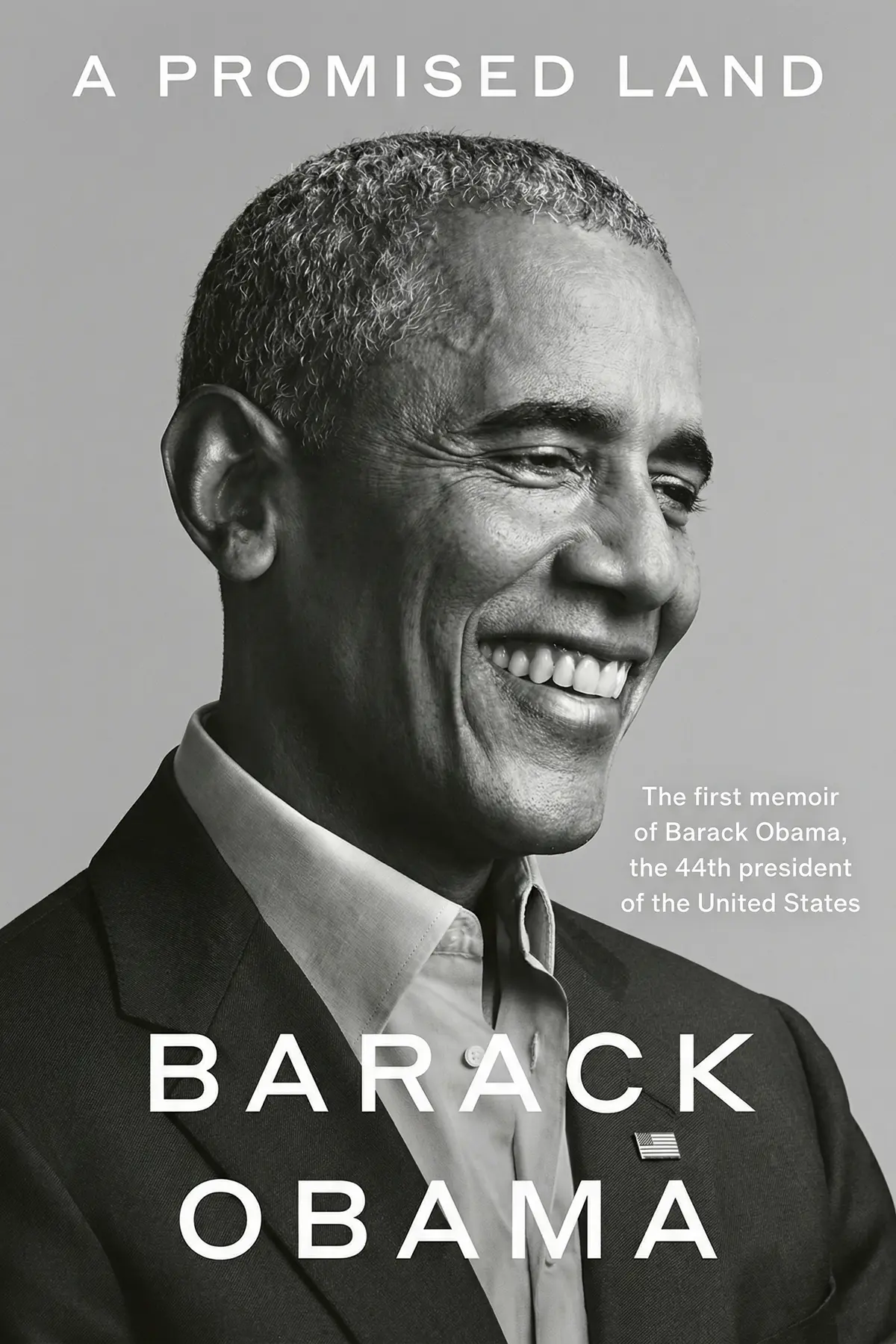
A Promised Land
Barack Obama
AUDIO SUMMARY AVAILABLE
Listen to The Accidental Superpower in 15 minutes
Get the key ideas from The Accidental Superpower by Peter Zeihan, plus 5,000+ more titles in English and Thai.
- 5,000+ titles
- Listen as much as you want
- 7-day free trial
- Cancel anytime







