
18 min 15 sec
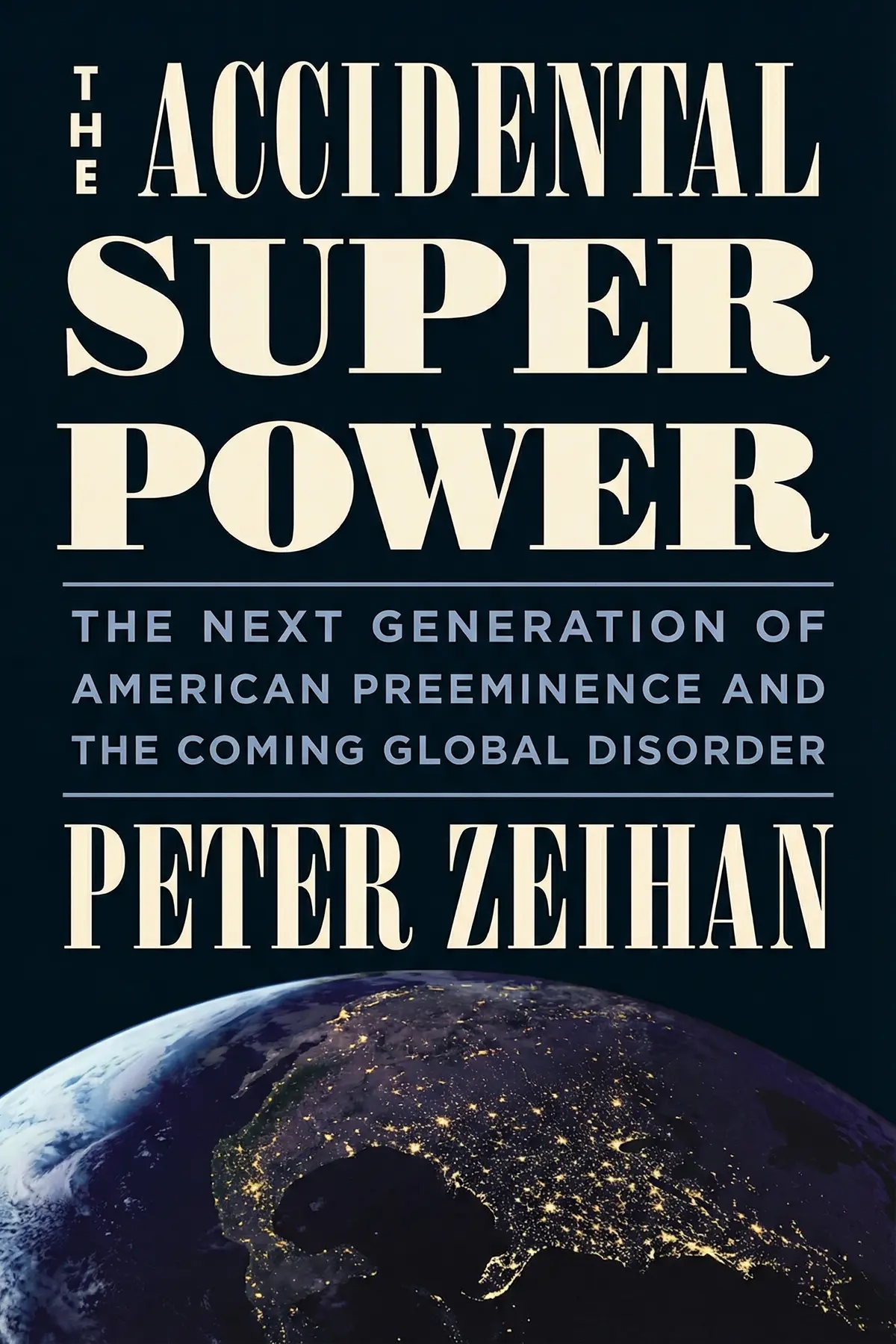
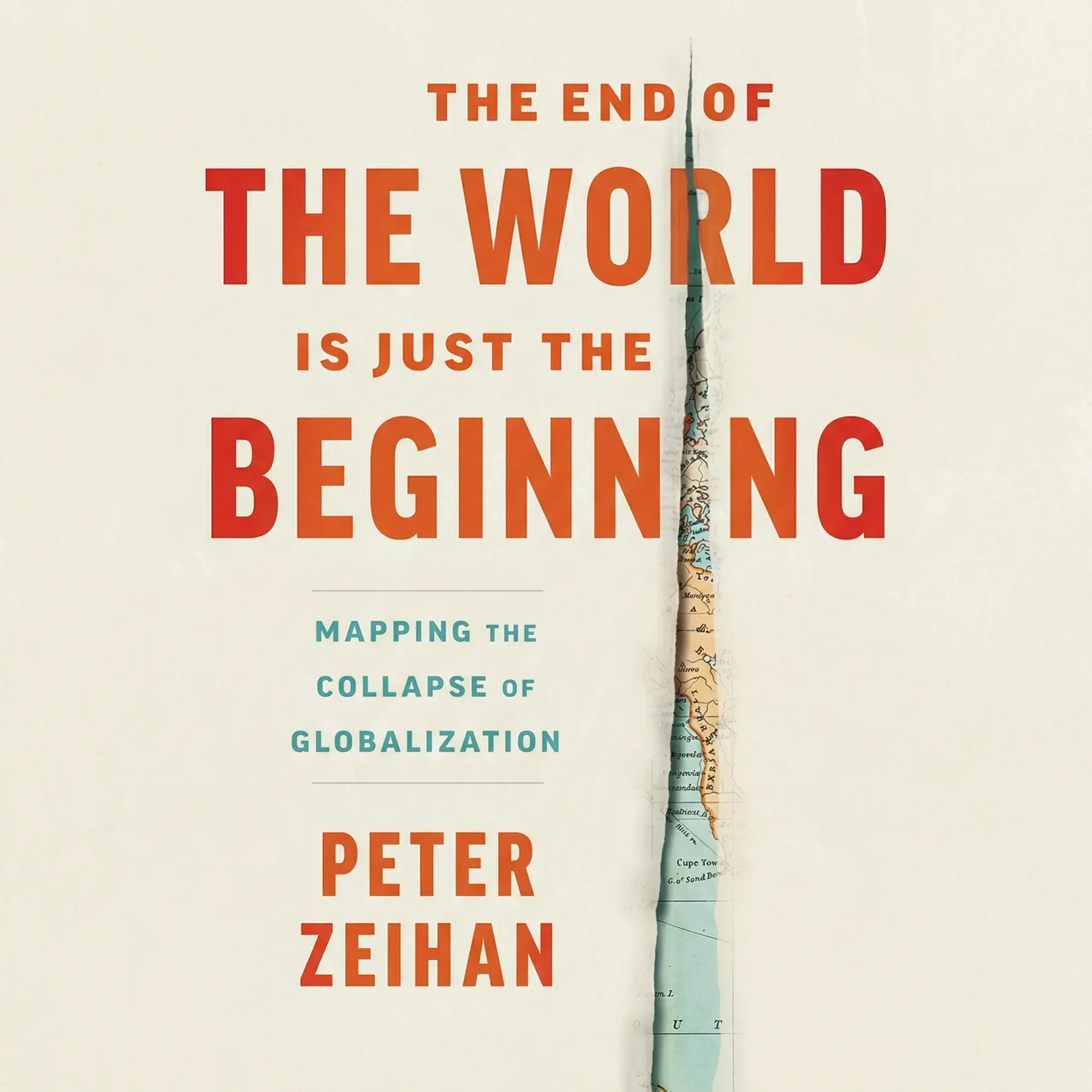
The End of the World Is Just the Beginning: Mapping the Collapse of Globalization
By Peter Zeihan
Explore the inevitable fragmentation of our globalized world as the United States withdraws its security guarantees, forcing a shift toward regionalism and reshaping the future of energy, trade, and demographics.
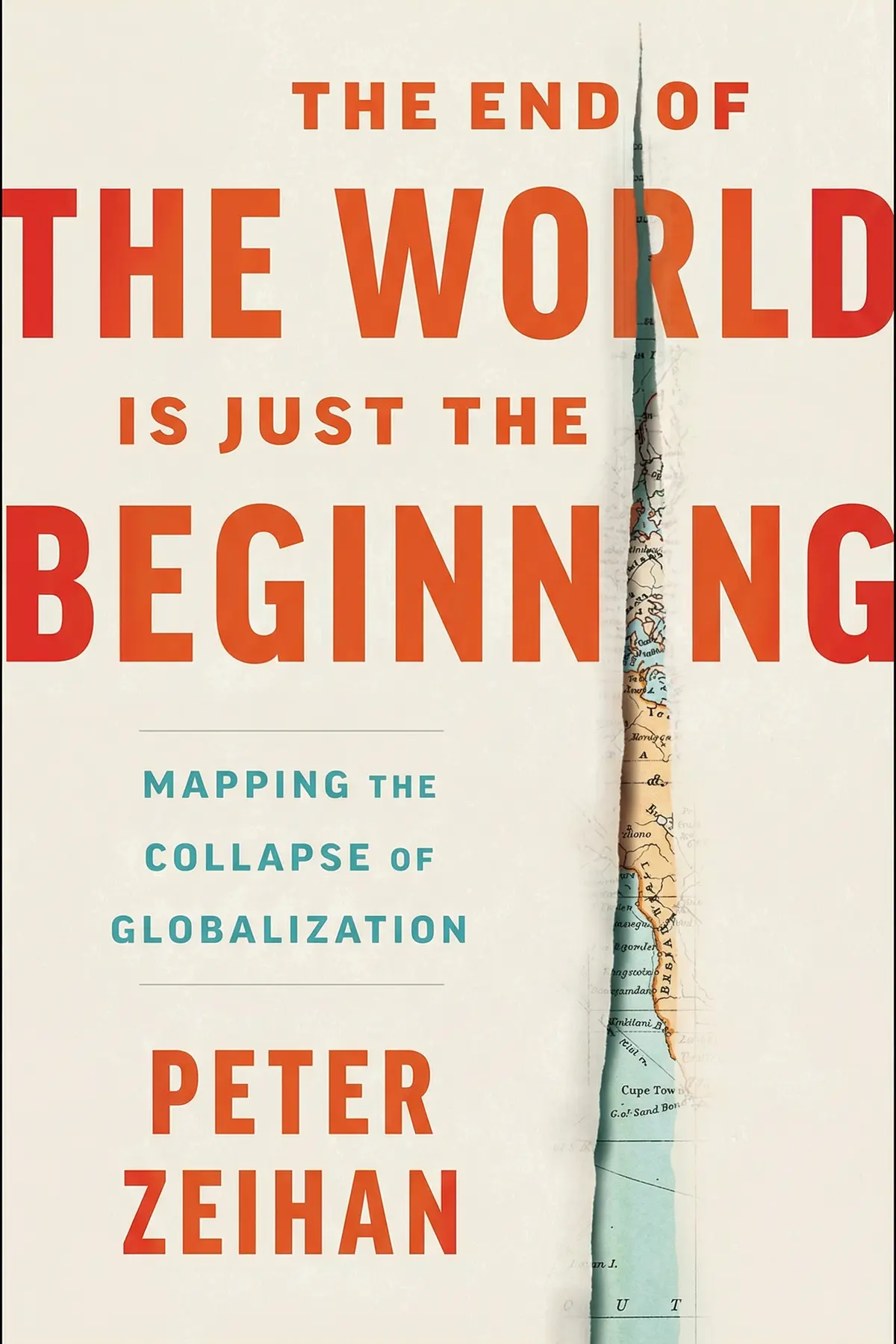
Table of Content
1. Introduction
2 min 10 sec
For nearly eight decades, we have lived in a world that feels remarkably stable, even predictable. If you live in a modern economy, you’ve grown accustomed to a certain level of convenience that would have seemed like magic to your great-grandparents. You can walk into a store or tap an app on your phone, and within moments, you have access to products from every corner of the planet. We’ve come to expect that the lights will stay on, the shelves will be stocked, and the price of goods will remain relatively low. We view this as the natural progression of human history—a steady climb toward a more integrated, efficient, and prosperous global society.
But what if this entire reality was just a historical fluke? What if the peace and prosperity we take for granted weren’t the result of inevitable economic forces, but rather the byproduct of a specific political deal that is now reaching its expiration date?
Geopolitical analyst Peter Zeihan presents a perspective that challenges our fundamental assumptions about how the world works. He suggests that we have spent too much time looking at the world through a purely economic lens—focusing on trade deals, manufacturing statistics, and market growth. In doing so, we’ve ignored the underlying architecture that supports it all: the global security provided by the United States.
Globalization didn’t just happen because people wanted to trade. It happened because the United States made a deliberate choice to order the world in a way that guaranteed the safety of the oceans and the openness of markets. It was a strategic move, a way to build a massive alliance during the Cold War. But the world has changed. The Cold War is long over, and the motivations that once drove America to police every corner of the globe have faded.
As we explore this throughline, we’ll see how the withdrawal of the American security umbrella is set to trigger a massive reorganization of human life. We are moving away from a world of global connections and toward a world of regional clusters. It’s a shift that will affect our food, our fuel, and our very way of life. The era we are entering is not just a minor correction; it is a fundamental transformation. For most of the world, the structures that provided stability are about to vanish, and we are all going to have to learn how to live in the aftermath.
2. The Miracle of the Modern Grocery Store
2 min 10 sec
Have you ever wondered how forty thousand different products end up in your local market? The answer lies in a fragile web of global connections that defies history.
3. The Ghost of Imperial Trade
1 min 53 sec
Before our modern era, trade wasn’t a global free-for-all; it was a series of closed, competing loops that frequently led to devastating conflicts.
4. Bretton Woods and the Great American Bribe
2 min 14 sec
Discover how the United States traded its own industrial dominance for a global alliance, creating the modern world as a weapon against Communism.
5. The Economic Bloodstream: Why Oil Changes Everything
2 min 12 sec
Oil is more than just fuel for your car—it is the foundational ingredient of modern life and the primary reason the U.S. remained globalized after the Cold War.
6. The Shale Revolution and the Rise of Isolationism
2 min 00 sec
A technological breakthrough in American energy has done what decades of politics couldn’t: it has made the global order optional for the United States.
7. The Looming Collapse of Global Supply Chains
2 min 01 sec
What happens when the ships stop moving? From car manufacturing to East Asian stability, the end of global security will have a domino effect.
8. The Transition to a Regionalized World
1 min 58 sec
As the global system fractures, the future will be defined by local geography, demographic health, and the ability to be self-sufficient.
9. Conclusion
1 min 37 sec
The world we have inhabited since 1945 was never the ‘new normal.’ Instead, it was a unique period of history created by a specific set of circumstances that are now vanishing. The era of globalization was a strategic masterpiece designed by the United States to fight the Cold War and secured by a desperate need for foreign energy. Now that the Cold War is a distant memory and the U.S. has achieved energy independence, the foundations of that order are being dismantled.
As the American security umbrella folds, the ‘miracles’ of our daily lives—the endless variety in our stores, the low cost of electronics, the stability of our fuel prices—will become increasingly rare. We are returning to a world where geography matters deeply, where regional powers compete for resources, and where the safety of the high seas can no longer be taken for granted. This shift will be particularly hard on nations that have optimized their entire economies for a global system that no longer exists.
However, understanding this shift is the first step toward navigating it. The throughline of the coming decades will be a move toward regional self-reliance and the rebuilding of domestic capacities. For individuals and businesses, the lesson is clear: the age of easy, globalized efficiency is over. The future belongs to those who can adapt to a more fractured, localized, and volatile world. We are witnessing the end of one world, but it is also the beginning of a new, albeit more challenging, chapter in human history. The ride will be bumpy, but for those who are prepared, there is a path through the collapse.
About this book
What is this book about?
The world as we know it—characterized by seamless trade, cheap energy, and global stability—is not a permanent state of nature. In this analysis, the focus shifts toward the political and strategic foundations that made our modern lifestyle possible. It argues that the current era of globalization was a deliberate, temporary arrangement designed by the United States to win the Cold War. By offering free trade as a bribe to allies, the U.S. created a period of unprecedented prosperity and safety on the high seas. However, those foundations are now crumbling. As the American strategic focus shifts and the nation achieves energy independence through the shale revolution, the incentive to police global shipping lanes is vanishing. This work maps the transition from a unified global economy to a fractured landscape of regional powers. It promises to explain how demographic shifts and the loss of American maritime protection will impact everything from the food on your table to the fuel in your car, signaling an era where the old rules no longer apply.
Book Information
About the Author
Peter Zeihan
Peter Zeihan is an acclaimed expert specializing in the intersections of global energy, demographics, and international security. Before establishing his own independent research and forecasting agency, he honed his expertise at the United States State Department and contributed to several prominent Washington, D.C.-based think tanks. Zeihan is the author of several influential books on geopolitics, including The Absent Superpower and Disunited Nations.
Ratings & Reviews
Ratings at a glance
What people think
Listeners find this work to be an absorbing and expertly crafted listen that is backed by thorough research and extensive statistical data. Furthermore, they appreciate the way it deconstructs the collapse of globalization and shifts their global perspective. The narrative style is approachable and conversational, with one listener highlighting the effective integration of historical context. Listeners also prize the book's stimulating ideas, and one listener notes that it caused them to rethink their expectations for the future.
Top reviews
Thawee
This book is an absolute sledgehammer to everything I thought I knew about the global economy. Peter Zeihan breaks down how the post-WWII 'Order' was essentially a massive bribe by the U.S. to keep the world from falling apart, and how that era is now ending. His focus on geography and demography as the ultimate drivers of history is fascinating and terrifyingly logical. I was particularly struck by the analysis of the U.S. Navy’s role in securing global trade; it makes you realize how fragile our just-in-time delivery systems actually are. While his tone is definitely that of a smirking prophet, the data he presents on population implosions—especially in China—is hard to ignore. It is a dense read, but the conversational style keeps it moving even when he’s talking about the intricacies of shale oil or navigable rivers. Truly a perspective-shifting experience that makes you reevaluate your entire outlook for the future.
Show moreNum
As someone who follows international trade, Zeihan’s take on 'the Order' is both refreshing and terrifying. He argues that the U.S. is withdrawing from its role as global policeman, leaving the rest of the world to fend for themselves against piracy and resource scarcity. The way he frames American shale and the inland waterway system as unfair advantages is brilliant. I loved the deep dive into finance and how the aging of the Boomers will lead to a massive capital crunch. Truth is, most analysts ignore the human element of aging populations, but Zeihan puts it front and center. His prose is fast-paced and punchy, making a 500-page book on geopolitics feel like a thriller. If you want to understand the systemic breakdown of globalization, this is the definitive guide.
Show moreKatya
Zeihan writes with the confidence of a man who has seen the future and is slightly amused by it. This book is a fascinating look at how the 'perfect moment' of the last seventy-five years is coming to a crashing halt. I was particularly impressed by his breakdown of the Russian invasion of Ukraine as a demographic and geographic necessity for Moscow, which provides a much deeper context than the typical headlines. The statistics on China’s population implosion are staggering and force you to rethink the entire 21st-century trajectory. Personally, I found his conversational style very engaging, though his dark humor isn't for everyone. It’s a deeply researched work that manages to make complex topics like fiat currency and fertilizer production feel urgent. This is one of those rare books that actually changes the way you look at the map.
Show moreSureerat
After years of hearing about China's inevitable rise, this book provides a sobering, demographic-driven counter-argument that is impossible to ignore. Peter Zeihan’s analysis of the one-child policy’s long-term effects is the most compelling explanation I’ve seen for why their economy might flame out. He covers everything from the history of bartering to the future of industrial materials, and he does it with a style that is both informative and highly readable. The way he breaks down the U.S. advantage—especially in terms of food and energy security—made me see my own country in a completely different light. It’s a well-written, deeply researched account of the massive shifts we are living through. This isn’t just a book about the end of the world; it’s a manual for what comes next for those lucky enough to be in the right spots.
Show moreDavid
This is quite possibly the most informative yet irritating book I have ever read. Zeihan is an incredible strategist who manages to synthesize geography, history, and economics into a single, terrifying narrative. I was hooked from the first chapter on the role of human waste in agriculture, and the pace never really lets up. His predictions about the end of globalization are backed by a staggering amount of data, even if he doesn't cite his sources in a traditional way. The sections on manufacturing and the 'just-in-time' system were particularly eye-opening given recent supply chain issues. While he can be borderline smug about the U.S. being the big winner, his arguments are based on physical realities that are hard to dispute. It’s a thought-provoking, apocalyptic outline that everyone should read to understand the high stakes of the coming decade.
Show moreWanphen
Ever wonder how a sushi corndog explains the fragility of our modern world? Zeihan uses these kinds of quirky, concrete examples to illustrate how complex global supply chains have become, and why they are about to snap. The book is incredibly well-researched and filled with detailed statistical information, though the lack of formal footnotes is a bit frustrating if you want to verify specific claims. I found his arguments about North American resilience due to its unique geography and energy independence to be quite compelling. However, the writing can be a bit glib at times, especially when he’s writing off entire nations as 'doomed.' It’s a thought-provoking read that definitely challenges the 'China as the next superpower' narrative. You might not agree with every single prediction, but you can’t deny the logic behind his demographic-driven thesis.
Show moreYok
Finally got around to finishing this massive tome and my brain is buzzing. Zeihan’s core argument—that the era of easy globalization is over—is presented with an intensity that is both stimulating and exhausting. The section on the periodic table and the materials needed for green tech was eye-opening, if a bit cynical. He really goes after the practicality of solar and wind, which might offend some, but his points about the physical requirements of the transition are well-articulated. To be fair, the book is a bit repetitive, and he spends a lot of time on the same demographic points across different chapters. Still, the way he integrates history and geography into a cohesive narrative of collapse is impressive. It’s an essential read for anyone trying to understand why the world feels so chaotic right now.
Show moreClara
The deep dive into the periodic table and raw materials was surprisingly the highlight for me in this book. I’ve read plenty of books on the global economy, but few go into such granular detail about where our stuff actually comes from and the geographic hurdles to getting it. Zeihan explains the breakdown of globalization through the lens of transport, energy, and agriculture in a way that feels very grounded in physical reality. I found the chapter on the history of shipping containers and the U.S. Navy’s protection of the seas to be particularly insightful. Frankly, the book is a bit too long and could have used a more aggressive editor to trim the digressions. However, the central thesis about the intersection of geography and declining birth rates is powerful enough to carry it through the slower parts. Definitely worth the time.
Show moreJoseph
Picked this up after seeing the crazy headlines about population decline in East Asia. There are parts of this book that are genuinely brilliant, particularly the early sections explaining the Bretton Woods system and the 'Order.' Zeihan is a master at connecting dots between seemingly unrelated fields like river navigation and financial liquidity. But I’ve gotta say, the book becomes quite exhausting by the halfway mark. It’s a non-stop barrage of 'everything is ending' and 'billions will die,' delivered with a smirk that starts to grate on your nerves. He also completely ignores the potential for AI or robotics to solve some of the labor shortages he predicts. It’s a stimulating intellectual exercise, but the repetitive structure and the author's overweening certainty make it a bit of a slog to finish.
Show moreRodrigo
Not what I expected, to say the least. While the book is certainly ambitious and covers a lot of ground, the level of American exceptionalism is dialed up to a degree that makes it hard to take seriously. Zeihan dismisses almost every other nation—especially China and Germany—as being on the verge of total social collapse while claiming the U.S. will be perfectly fine. It feels more like a nationalistic manifesto than an objective geopolitical analysis. He makes thousands of specific predictions with a smug certainty, yet provides no bibliography to back up his blizzard of statistics. The humor often falls flat, coming across as mean-spirited toward the billions of people he predicts will face famine. It’s a stimulating read if you like 'Big Think' books, but the lack of nuance and blatant bias made it a frustrating experience for me.
Show moreReaders also enjoyed
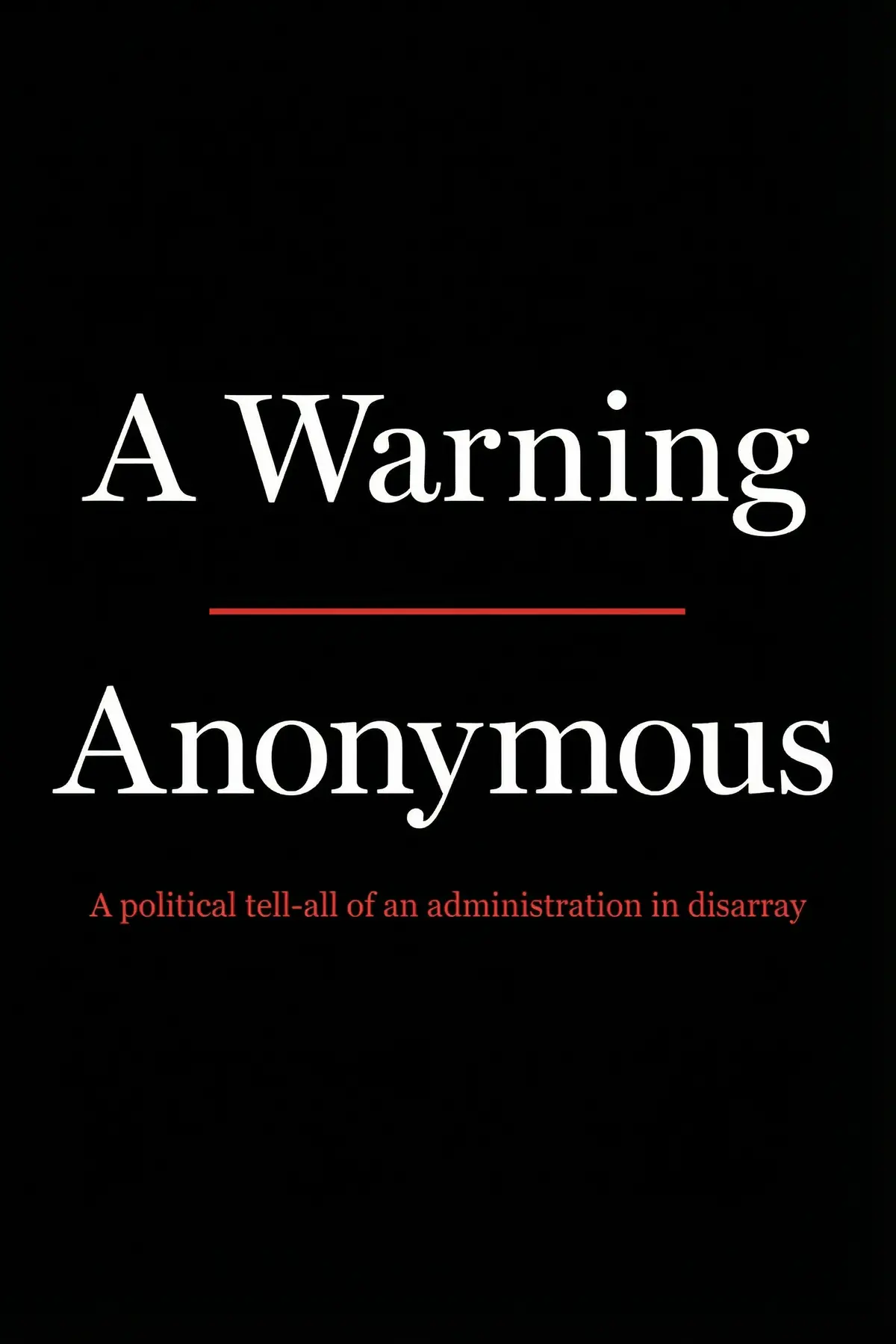
A Warning
Miles Taylor

Adults in The Room: My Battle With Europe’s Deep Establishment
Yanis Varoufakis
Abolish Rent: How Tenants Can End the Housing Crisis
Tracy Rosenthal
Abortion: Our Bodies, Their Lies, and the Truths We Use to
Jessica Valenti
AUDIO SUMMARY AVAILABLE
Listen to The End of the World Is Just the Beginning in 15 minutes
Get the key ideas from The End of the World Is Just the Beginning by Peter Zeihan, plus 5,000+ more titles in English and Thai.
- 5,000+ titles
- Listen as much as you want
- 7-day free trial
- Cancel anytime







