
19 min 27 sec
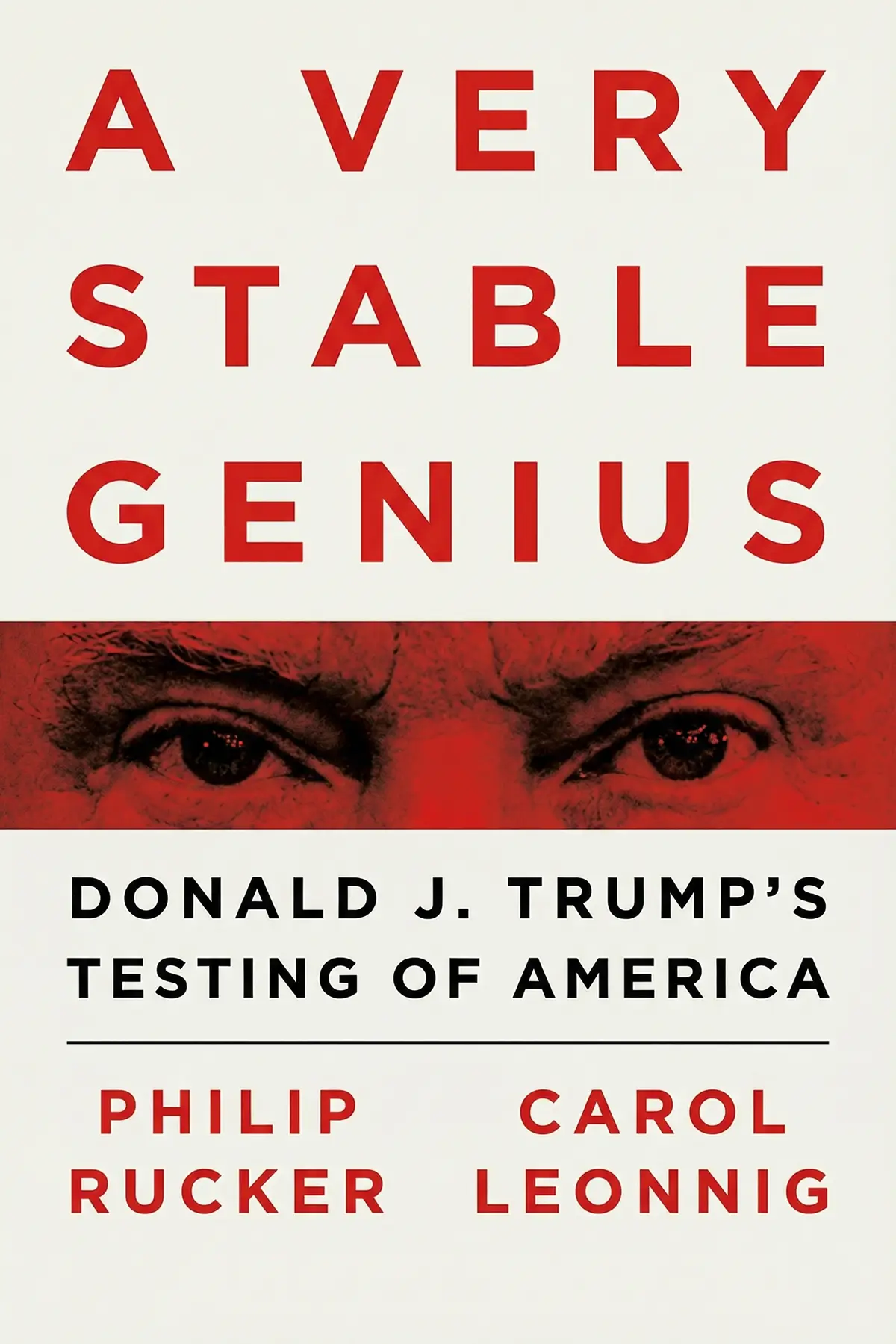
The American War in Afghanistan: A History
A comprehensive analysis of America's twenty-year involvement in Afghanistan, examining the strategic missteps, cultural disconnects, and the resilient insurgency that eventually reclaimed control of the nation after trillions spent.
Table of Content
1. Introduction
1 min 38 sec
In the sweltering heat of August 2021, the world watched as the final United States military transports lifted off from the tarmac in Kabul. The images were haunting: desperate crowds, a chaotic terminal, and the somber realization that twenty years of effort had reached a sudden, jarring end. This moment marked the conclusion of the American War in Afghanistan, a conflict that had spanned two decades, cost trillions of dollars, and claimed thousands of lives. But the exit wasn’t just a logistical move; it was the final chapter of a story defined by ambition, misunderstanding, and the collision of a global superpower with a deeply rooted local culture.
To understand how we arrived at that final flight out of Kabul, we have to look beyond the headlines of the withdrawal. We need to examine the throughline of a conflict that began as a mission of retribution and morphed into an exhausting attempt at nation-building. This summary provides a deep dive into the strategic evolution of the war, from the initial invasion that felt like a total victory to the slow, grinding realization that the insurgency could not be simply bombed into submission.
We will explore the pivotal moments that shaped the conflict: the missed opportunities for peace, the rise of the poppy-funded insurgency, the surge of troops that offered a temporary shield, and the eventual political fatigue that led to the Doha Agreement. Along the way, we’ll uncover the cultural and geographical realities—from the jagged peaks of the eastern mountains to the political infighting in the capital—that made this war a unique and devastating quagmire. This is the story of America’s longest war, an analysis of power and its limits in a land that has a very long memory.
2. A Landscape of Historical Resistance
2 min 08 sec
Discover how the unique geography and diverse ethnic tapestry of Afghanistan created a historical precedent for resisting foreign intervention long before the Americans arrived.
3. The Illusion of Early Victory
1 min 56 sec
The conflict began with a swift and overwhelming display of military force, but the initial triumph masked deep-seated problems that would haunt the occupation for decades.
4. The Resurgence and the Poppy Economy
1 min 56 sec
While the world’s attention shifted elsewhere, the Taliban quietly rebuilt their strength, fueled by illegal trade and growing local grievances against the new government.
5. The Brutal Stalemate of the Eastern Front
2 min 03 sec
Explore the unique challenges of the mountainous border regions, where geography and local tribalism created a vertical labyrinth that defied conventional military logic.
6. The Surge and the Limits of Momentum
2 min 00 sec
In a bid to break the deadlock, the Obama administration committed tens of thousands of additional troops, but the resulting gains proved to be tragically fleeting.
7. Internal Resistance and the Crisis of Legitimacy
2 min 09 sec
Examine why even local movements against the Taliban failed to unite under the central government, revealing the deep-seated lack of trust in the Kabul leadership.
8. The Hollowed-Out State and the Turning Tide
1 min 54 sec
As American support began to wane, the structural weaknesses of the Afghan military were laid bare, leading to a catastrophic collapse in morale and territory.
9. The Final Exit and the Return of the Taliban
2 min 03 sec
The war’s conclusion was marked by a shift in American political will, leading to a controversial peace deal that paved the way for the Taliban’s rapid return to power.
10. Conclusion
1 min 40 sec
The twenty-year American War in Afghanistan serves as a sobering lesson in the limits of military power and the complexities of foreign intervention. What began as a swift and seemingly successful mission to eliminate a terrorist threat evolved into an exhausting, multi-generational effort to reshape a nation from the top down. Despite the trillions of dollars spent and the incredible bravery of individual soldiers, the project ultimately failed because it could not bridge the gap between a high-tech global superpower and the deeply held religious and cultural convictions of a local insurgency.
The throughline of the conflict is one of strategic disconnect. The United States consistently prioritized military solutions for political and social problems, often failing to understand the local dynamics that drove the insurgency. The Taliban, meanwhile, demonstrated an extraordinary ability to endure, using time as their primary weapon. They understood that the Americans would eventually tire of the cost and the lack of progress, whereas they were fighting for their home and their faith.
As we reflect on this history, the primary takeaway is the importance of aligning military objectives with cultural realities. Sustainable stability cannot be imported or imposed; it must grow from within. For anyone looking to understand modern geopolitics or the challenges of nation-building, the story of Afghanistan is a vital case study. It reminds us that victory is not just about who has the most advanced weapons, but who has the most enduring will. The war may be over, but the questions it raises about the role of global powers in local conflicts remain more relevant than ever.
About this book
What is this book about?
The American War in Afghanistan provides a definitive historical account of the United States' longest military conflict. It begins with the immediate aftermath of the September 11 attacks, tracing the initial military success that quickly unseated the Taliban and disrupted al-Qaeda. However, the narrative soon shifts to the complexities of a long-term occupation. The book explores the various phases of the war, from the deceptive peace of the early 2000s to the violent Taliban resurgence and the high-stakes troop surge under the Obama administration. It highlights the recurring challenges faced by four different U.S. presidential administrations, including the difficulty of building a legitimate central government in a land defined by rural traditions and ethnic diversity. Ultimately, the book promises a deep understanding of why military superiority was not enough to overcome the cultural and religious willpower of the insurgency, leading to the eventual withdrawal and the return of Taliban rule.
Book Information
About the Author
Carter Malkasian
Carter Malkasian is a distinguished historian and advisor who served as the special assistant for strategy to the chairman of the Joint Chiefs of Staff from 2015 to 2019. His extensive experience in conflict zones informed his previous acclaimed works, including War Comes to Garmser and Illusions of Victory.
Ratings & Reviews
Ratings at a glance
What people think
Listeners regard this work as an exceptional historical account of the conflict in Afghanistan, with one listener specifically praising its thorough coverage of wartime events. The book is also considered quite accessible, as one listener draws attention to the clear definitions of complex jargon. Additionally, they value the political depth and view it as a premier title on the matter. However, perceptions of the writing style and factual correctness are varied; some describe the prose as excellent while others find it lacking, and several listeners identify clear inaccuracies.
Top reviews
Olivia
Malkasian delivers a definitive, clear-eyed account of our two decades in Afghanistan. Having followed the news for years, I found his ability to simplify complex military terminology and tribal politics incredibly helpful. He breaks down the conflict into manageable phases, making the shifts in strategy under four different presidents easy to track. While it's largely an American-centered narrative, the inclusion of Pashtun perspectives adds a layer of depth often missing from mainstream reports. It is essentially a tragic autopsy of a well-intentioned but fundamentally flawed mission. Some might find the prose a bit dense in the middle sections, but the summaries at the end of each chapter are a godsend for keeping the narrative thread straight. If you only read one book on this war, make it this one.
Show moreMingkwan
Wow, this is an exhaustive and masterfully structured history. Malkasian avoids the trap of making this a dry academic exercise; instead, he crafts a narrative that flows like a tragic epic. I found the sections on the 'lawn mowing' strategy particularly enlightening—the idea that we could have just targeted Al-Qaeda and left rather than attempting to build a whole new state. The author’s ability to speak Pashto clearly served him well, as he brings Afghan figures like Abdul Raziq to life in a way most Western writers can't. My only gripes are some repetitive passages and a writing style that occasionally shifts from engaging to oddly distant. Despite those minor flaws, the political insight into why Obama’s surge didn't quite land is worth the price of admission alone.
Show moreSun
Finally, a comprehensive history that doesn't feel like a dry textbook or a piece of propaganda. The book is incredibly easy to follow, even when dealing with the confusing web of tribal alliances and various insurgent groups. I loved the way Malkasian explained the resurgence of the Taliban in 2006—it wasn't just a military failure, but a social one. He captures the exhaustion of the American public and the way the war just lingered in the background of our lives for two decades. The maps and the clear distinctions between different ethnic groups like the Tajiks and Pashtuns were extremely helpful. Frankly, this should be required reading for anyone in the State Department. It’s a brilliant, if heartbreaking, look at the limits of military power.
Show moreMuk
The chapter on the rise of ISIS and its ripple effects was absolutely gripping. It’s rare to find a book that manages to connect the dots between local village skirmishes and global geopolitical shifts so seamlessly. Malkasian shows how the threat of extremism actually brought unlikely players like Iran and Russia into the fold, complicating an already messy situation. I appreciated the bluntness regarding the 2021 withdrawal; even though the book was finished just before the final exit, the trajectory was obvious. The author’s personal experiences in-country shine through in the vivid descriptions of the landscape. It’s a thick book, but the short chapters and frequent summaries make it a relatively quick read. One of the best military histories I've picked up in years.
Show morePawinee
Look, if you want to understand the 'why' behind the 2021 collapse, this is the definitive text. Malkasian masterfully explains how the Taliban’s unity of purpose outweighed the billions of dollars and superior technology we poured into the country. He dismantles the 'Graveyard of Empires' myth, showing that the real tragedy was the Afghan people caught between various occupiers and their own internal conflicts. The book captures the 'Vietnam-lite' feeling of the later years—the sense of a mission that had lost its way but couldn't find the exit. There are some minor issues with the technical descriptions of military hardware, but the political and social analysis is top-tier. It's a sobering, necessary read for anyone interested in American foreign policy.
Show moreElise
Picked this up shortly after the 2021 withdrawal, and it provided much-needed context for the chaos we saw on TV. Malkasian has this unique vantage point as a former State Department official, which gives the book an 'insider' feel without becoming too bogged down in bureaucracy. I was particularly struck by his discussion on the constant rotation of US commanders—how can you win a war when the leadership changes every year? The book captures the 'what ifs' perfectly, especially regarding the early missed opportunities to bring the Taliban into the political fold. There are a few moments where his analysis feels slightly superficial, perhaps pulling some punches on the military's top brass, but the sheer volume of information here is staggering. It’s a dense read, yet worth every minute.
Show morePriya
Ever wonder why a superpower couldn't defeat an insurgency over twenty years? This book answers that question by looking at the core issue of legitimacy. Malkasian argues that the Taliban’s religious and cultural roots gave them an edge that Western-backed democracy simply couldn't replicate in the rural countryside. I appreciated how he balanced the political maneuvering in D.C. with the gritty realities of patrolling in green camouflage through Afghan villages. However, there are some glaring inaccuracies regarding specific troop movements that might bother the hardcore military buffs. To be fair, though, the overarching themes regarding the failure of nation-building are spot on. It’s a sobering reminder that there isn't always an American solution to global problems.
Show morePensri
After hearing so many political spin over the years, reading this was like getting a cold bucket of water to the face. The truth is that we stayed for twenty years because no one wanted to be the president who 'lost' the war, and Malkasian documents this dithering with painful clarity. He doesn’t shy away from the brutality of the Taliban, but he also highlights the 'heavy-handed' tactics of our own allies that pushed villagers into the arms of the insurgency. While the writing quality is generally high, there are parts that feel a bit disjointed, almost like several separate essays stitched together. Still, the analysis of how ISIS changed the game for both the Taliban and regional powers like Russia is fascinating stuff. It’s a massive undertaking that mostly succeeds.
Show moreHarper
As someone who has followed the Afghan conflict closely, I have mixed feelings about this one. On one hand, it’s arguably the most detailed chronological record we have. On the other, it feels like a concerted effort to give all the major American actors a 'clean chit' by blaming failure on abstract concepts like 'hubris' rather than specific, catastrophic policy choices. The prose is functional but lacks a certain spark, and there are segments where the pacing slows to a crawl. I also noticed a few errors in the dates of certain provincial handovers that made me question the overall precision. It’s a good reference tool, but I wouldn't call it the final word on the war. It feels like the author is still too close to the events to be truly objective.
Show moreWoravit
Not what I expected given the high praise, and frankly, I'm disappointed. While it’s marketed as a 'history of the war,' it’s really more of a history of American decision-making with the Afghan people as a secondary concern. The author’s tendency to describe US atrocities, like the bombing of the Doctors Without Borders hospital, as 'unfortunate mistakes' while calling Taliban actions 'brutal' feels incredibly biased. It's a very mainstream, 'American Empire' lens that refuses to engage with the most damning critiques of the occupation. Plus, the book is riddled with typos and small factual errors that a good editor should have caught. If you want a truly objective look at the human cost of this war, you might want to look elsewhere.
Show moreReaders also enjoyed

A Year in the Life of William Shakespeare: 1599
James Shapiro
A Warning
Miles Taylor

Agent Sonya: The Spy Next Door
Ben Macintyre
1491: New Revelations of the Americas Before Columbus
Charles C. Mann
Alexander Hamilton
Ron Chernow
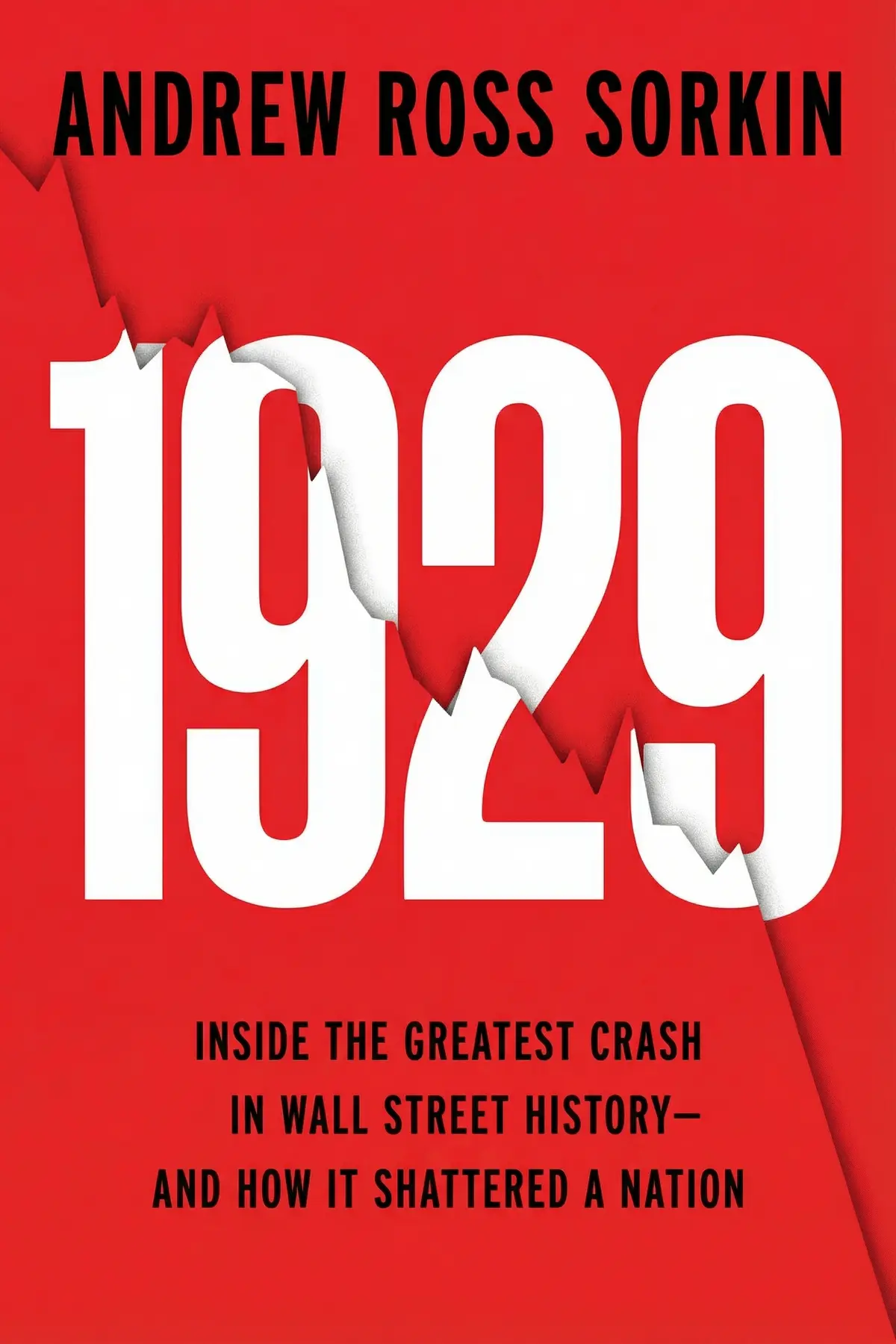
1929: Inside the Greatest Crash in Wall Street History--and How It
Andrew Ross Sorkin
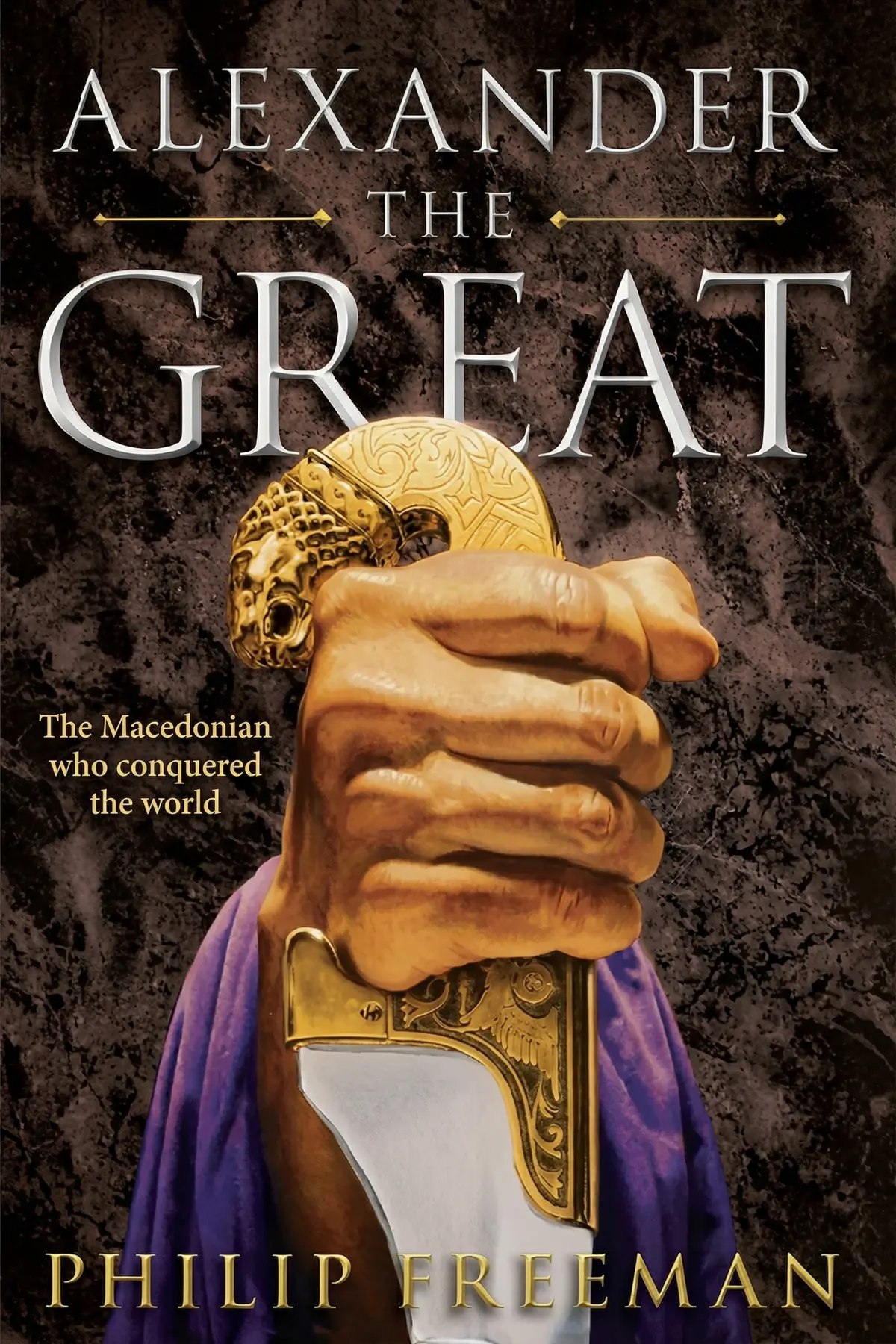
Alexander the Great
Philip Freeman
AUDIO SUMMARY AVAILABLE
Listen to The American War in Afghanistan in 15 minutes
Get the key ideas from The American War in Afghanistan by Carter Malkasian, plus 5,000+ more titles in English and Thai.
- 5,000+ titles
- Listen as much as you want
- 7-day free trial
- Cancel anytime







