
A Liberated Mind: How to Pivot Toward What Matters
Steven C. Hayes
Explore a holistic perspective on mental health that distinguishes between physical triggers and deeper emotional signals. This summary offers practical strategies to balance your biology and listen to your inner wisdom.
2 min 07 sec
Have you ever felt a sudden wave of dread wash over you for no apparent reason? Perhaps you’re sitting at your desk or standing in line for coffee, and suddenly your heart begins to race, your palms grow damp, and your mind starts scanning the horizon for a catastrophe that hasn’t happened yet. In our modern world, we’ve been taught to view these moments as symptoms of a broken brain—a disorder that needs to be managed, medicated, or simply endured. But what if we’ve been looking at the problem from the wrong angle?
Anxiety isn’t a modern invention. Even in the days of ancient Rome, thinkers like Cicero were observing how the mind and body could fall into states of restless disorder. Yet, the scale of the problem today is unprecedented. With hundreds of millions of people affected globally and rates climbing sharply over the last decade, we are clearly facing a crisis of collective unease.
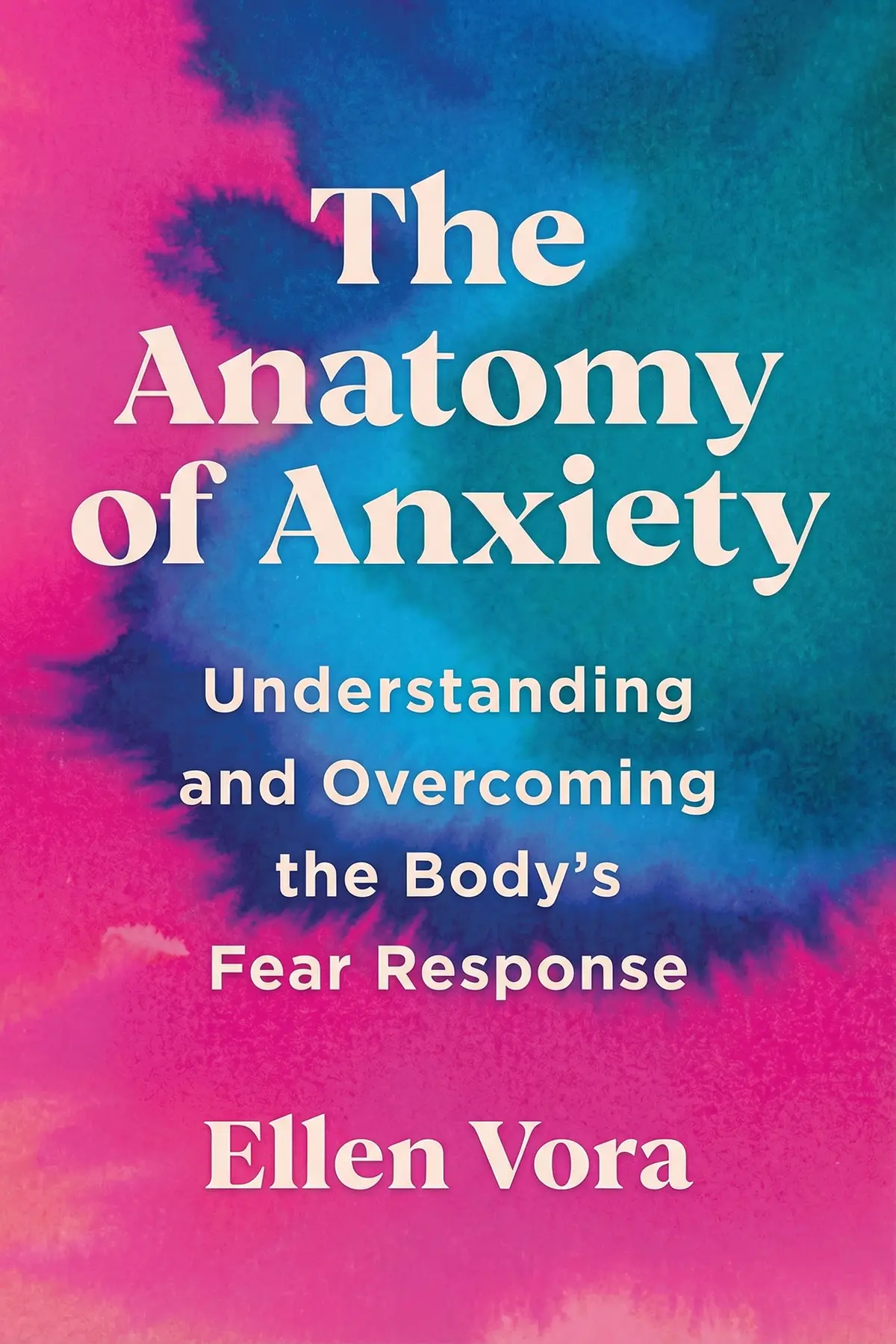
In this exploration of The Anatomy of Anxiety, we are going to look at the work of Dr. Ellen Vora, a psychiatrist who suggests that we need to stop treating anxiety as a monolithic enemy. Instead, she invites us to become investigators of our own internal experience. The core of her philosophy is a powerful distinction: the difference between ‘false’ anxiety and ‘true’ anxiety.
False anxiety is essentially a physiological glitch—a ‘check engine’ light flashing because your body is out of balance due to lack of sleep, poor nutrition, or environmental stress. True anxiety, however, is something far more profound. It is a vital signal from your soul, telling you that something in your life is misaligned with your values or your purpose. Over the next few minutes, we’ll walk through how to quiet the physical noise of false anxiety so that you can finally hear the important messages your true anxiety is trying to deliver. We will look at how the rhythms of the sun, the food on your plate, and the way you move your body all play a role in creating a foundation of calm. Let’s begin this journey of decoding the restless mind.
2 min 41 sec
Discover why not all anxiety is created equal and how identifying the source of your unease can change your entire approach to healing.
2 min 50 sec
Learn how the simple act of reconnecting with natural light and honoring your body’s need for rest can act as a powerful antidote to chronic worry.
2 min 44 sec
Explore the profound connection between your blood sugar and your brain, and why the right fats and starches are essential for a calm mind.
2 min 54 sec
Discover how the wisdom of the animal kingdom and the science of the nervous system can help you shake off the tension that gets trapped in your tissues.
2 min 40 sec
When the physical noise is gone, the remaining unease is often a gift. Learn to listen to your ‘true’ anxiety as a guide for meaningful life changes.
1 min 40 sec
As we come to the end of our journey through The Anatomy of Anxiety, the message is clear: your anxiety is not your enemy. It is a complex, multi-layered communication system that is trying to help you survive and thrive. By learning to distinguish between the ‘false’ alarms of a neglected body and the ‘true’ signals of an unfulfilled soul, you gain the power to change your life from the inside out.
We’ve seen how reclaiming your natural rhythms—through better sleep, intentional light exposure, and stable nutrition—can eliminate the physiological noise that keeps your nervous system in a state of high alert. We’ve explored the importance of discharging trapped stress through movement and connection, allowing our bodies to return to their natural state of ease. And finally, we’ve looked at the profound potential of true anxiety to act as a compass, guiding us toward a life of greater authenticity and purpose.
The next time you feel that familiar flutter of unease, don’t immediately reach for a distraction or a diagnosis. Instead, stop and ask yourself: Is this my body or my soul speaking? Am I hungry, tired, or over-caffeinated? Or is there a truth I’m avoiding? By meeting your anxiety with curiosity instead of fear, you begin the process of healing. You move from being a victim of your symptoms to being the steward of your own well-being. Peace isn’t the absence of all stress; it’s the ability to listen to your inner signals and respond with the care and action they deserve. Take these tools, listen to your body, and let your anxiety guide you home to yourself.
Modern life often treats anxiety as a single, monolithic disorder to be suppressed with medication or therapy. However, The Anatomy of Anxiety suggests a more nuanced approach. By dividing anxiety into two categories—'false' anxiety, which is rooted in physical imbalances, and 'true' anxiety, which serves as an internal compass—this guide helps you decode what your body and mind are trying to tell you. Through the lens of functional medicine and holistic psychiatry, the promise of this work is a return to balance. You will learn how simple shifts in diet, sleep, and movement can silence the physiological 'false alarms' of stress. Once that noise is cleared, you are left with the clarity to address the deeper, more meaningful 'true' anxieties that point toward necessary changes in your lifestyle, relationships, and purpose.
Ellen Vora, MD, is a board-certified psychiatrist who integrates holistic practices such as acupuncture and yoga into her work. She emphasizes a functional medicine approach to mental health, focusing on treating the whole person and addressing the underlying causes of imbalances. She’s also a sought-after speaker and consultant, with expertise in topics like emotional resilience, sleep strategies, and managing stress.
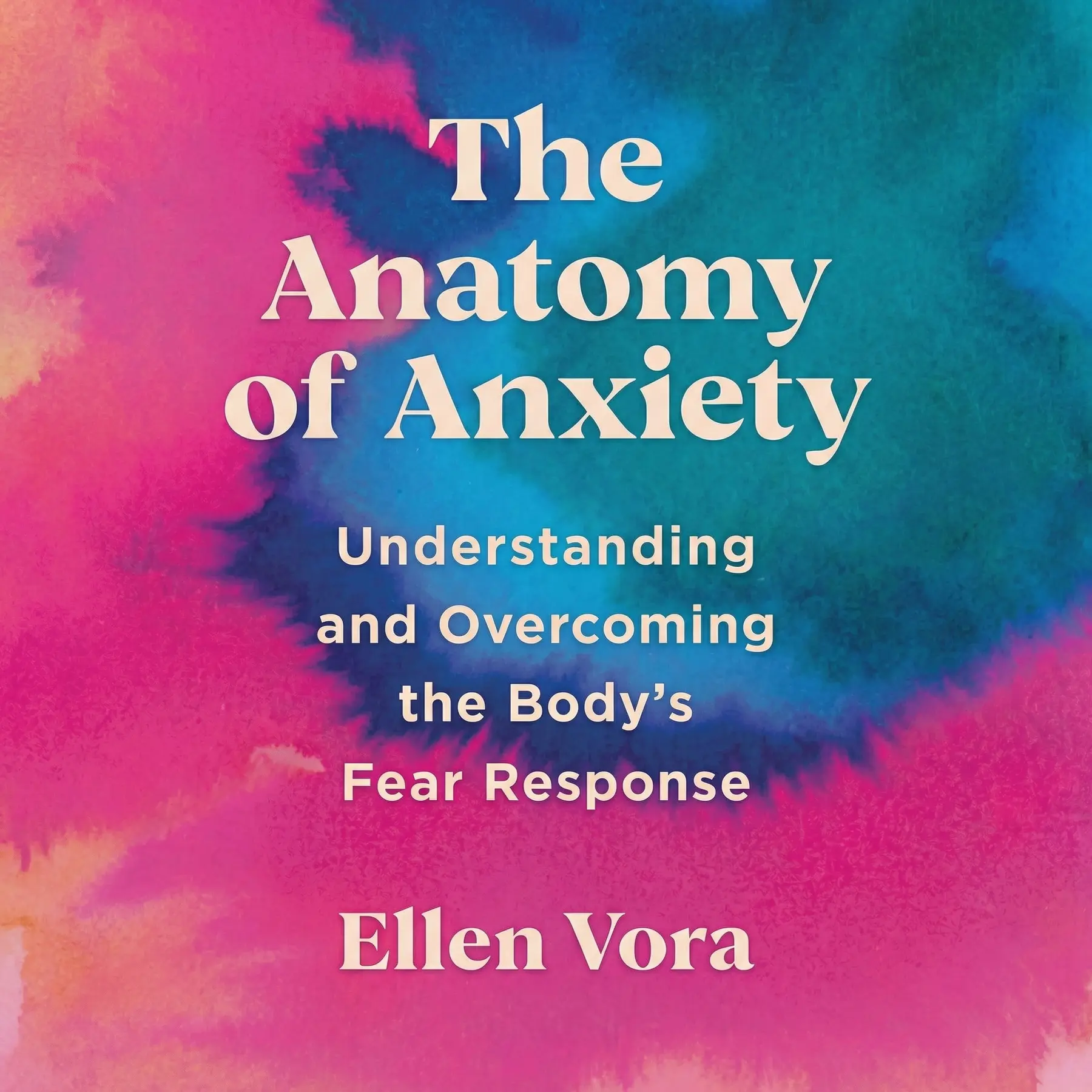
Listeners find this book to be an excellent and thorough manual for managing anxiety, with one listener highlighting its ability to explain how mental well-being is affected by food allergies and diet. Furthermore, the writing is approachable, empathetic, and clear, resulting in an enjoyable experience. They also appreciate the useful content, with one review emphasizing its actionable advice, and the caliber of information, which one listener notes is well-supported by research.
Wow. This book is an absolute banger! I have spent years feeling like my body was failing me, and Dr. Vora explains the science behind that physical pain in a way that feels incredibly liberating and tangible. It sits right up there with 'The Body Keeps the Score' for me, but it feels much more approachable for a daily practice. She connects everything from gut health to trauma in a way that doesn’t dumb down the data but makes it digestible. Every time I had a question about how my diet or my sleep habits were affecting my mood, she addressed it. Truly, I feel more freedom to enter into these holistic practices now. If you have felt the physical weight of stress for years, jump on this information and run with it. It is a brilliant, compassionate roadmap for anyone looking to reclaim their mental wealth.
Show moreFinally, a doctor who looks at the whole person! This isn't just another dry medical text; it's a compassionate, research-backed guide to achieving what Vora calls 'mental wealth.' I loved how she connects gut health, sleep hygiene, and even our relationship with technology to our overall mood. The book is well-written and makes you feel seen rather than judged. For anyone who has felt failed or shunned by modern psychiatric practices, this is for you. It offers real hope for those of us who didn't find total relief from talk therapy alone. The tools aren't one-size-fits-all, but they provide a beautiful range of options for unique needs. I’ve already started changing my afternoon routine based on her advice regarding blood sugar instability, and I’m noticing a difference. We need many more practitioners like Dr. Vora who are willing to look beyond the prescription pad.
Show moreDr. Vora offers a refreshing perspective that feels much more compassionate than the standard clinical approach. Frankly, our modern lifestyle is set up to make us anxious, and this book serves as a comprehensive guide to reclaiming your peace. I specifically appreciated the deep dive into how diet and food allergies impact our mental state. It’s well-supported by research and doesn’t just rely on anecdotes. Even though the list of potential triggers is long, I didn't find it nightmarish; I found it empowering to know there are things I can actually control. The book is well-written and actionable, providing a sense of agency that is often missing in mental health discussions. It’s an enjoyable read that encourages you to stay curious about your own patterns. Highly recommend for anyone looking for a more holistic way to heal.
Show morePicked this up after my therapist mentioned the concept of 'false anxiety,' and I found the distinction between physiological triggers and deep-seated emotional signals to be super helpful. The truth is, my morning coffee and late-night scrolling were doing more damage than I realized. Vora’s writing style is accessible and warm, which makes the heavier scientific bits about inflammation and cortisol much easier to process. However, I did find the food section a bit reductive. It assumes a level of executive function and privilege that not everyone has. While I’m not going to start doing coffee enemas anytime soon, I did appreciate the practical content regarding light exposure and sleep hygiene. It is a solid, comprehensive guide that offers a range of tools for your toolbox, even if some of the advice feels a little 'bootstrap-heavy' for those with severe clinical issues.
Show moreIs anxiety actually a physical illness? That's the provocative question at the heart of this book, and Vora makes a compelling case. Her writing style is accessible and warm, making complex concepts like inflammatory responses and blood sugar instability easy to digest. Personally, I found the practical tips on light exposure and 'true' vs 'false' anxiety to be the most actionable parts. I did roll my eyes at a few of the more extreme suggestions—coffee enemas, really?—and the list of things to avoid is definitely long enough to induce a panic attack on its own. But if you can filter through the more 'woo-woo' elements, there is a lot of legitimate science here that explains why we feel the way we do. It’s a refreshing take that moves the conversation away from just 'it's all in your head' to 'it's also in your gut and your environment.'
Show moreAfter hearing about the link between caffeine and cortisol, I decided to give this a read to see if I could manage my jitters naturally. I’m glad I did! While I didn’t agree with everything—especially the part about 'evolutionary times' which feels overused in non-fiction lately—the overall message is solid. Vora writes with a tone that is slightly more progressive than what you’d find in a typical clinic, though she still has that slight 'doctor knows best' vibe. The book is a good overview of how complicated our internal workings are. I’ve started going outside three times a day for daylight exposure as she suggested, and my sleep has already improved. It’s more action than I’ve taken after reading most self-help books. It’s not a perfect guide, and the food advice is definitely reductive, but it’s more useful than most things on the shelf.
Show moreAs someone who has struggled with chronic panic for years, I found parts of this book validating while other sections felt out of touch. The idea that my anxiety might be a 'canary in the coalmine' for societal issues is a beautiful sentiment, but it doesn't help me manage a crowded office environment. The author provides a lot of information, but it’s almost too much. It’s a laundry list of scary things: gluten, dairy, screens, and even your menstrual cycle. It feels like she’s rattling off worries without providing enough actionable solutions for a normal person living on planet earth. I appreciate her stance that medication isn't the only answer, but the tone can be condescending toward conventional medicine. There are some good tips on technology use, but you have to wade through a lot of contradictions to find the gems.
Show moreThe chapter on food was a bit of a mess, to be honest. While I appreciate the author’s background in holistic medicine, the contradictions regarding diet were hard to ignore. She talks about the benefits of fasting, then pivots to the dangers of restrictive eating for those with a history of EDs, then says restriction healed her. It’s confusing. Also, the book is very America-centric. As an international reader, hearing about the 'toxicity' of the US food system is interesting but not always applicable. Look, there are some good thoughts here, especially regarding 'revenge bedtime procrastination' and the importance of daylight. But the author’s 'doctor attitude' can be a bit much at times. It’s a decent overview of how complicated anxiety is, but I wouldn’t call it the definitive guide. It’s more of a starting point for your own research.
Show moreLook, there are some great nuggets of wisdom here, but you have to dig for them. The distinction between 'true' and 'false' anxiety is brilliant, yet the book often feels like a nightmarish list of things to worry about. Are my curtains toxic? Is my deodorant making me panic? It’s a lot for someone who is already struggling. To be fair, Vora writes in a measured way, but the contradictions—especially around eating habits—are hard to square. One page she’s praising veganism’s ethics, and the next she’s saying vegans would be healthier if they ate meat. It’s a bit of a head-scratcher. If you have situational anxiety and no history of disordered eating, this could be a helpful tool. If you're looking for a structured, step-by-step plan, however, you might find the lack of organization frustrating. My therapist is definitely going to hear about this one.
Show moreI really wanted to love this because the premise of holistic psychiatry is so appealing, but the execution felt totally disorganized. One minute she’s advocating for intermittent fasting to improve sleep, and the next she’s warning that food restriction causes massive anxiety. It is hella triggering. To be fair, she is more progressive than most doctors, but the book reads like a nightmarish list of everything wrong with modern life without giving you realistic ways to fix it. Am I supposed to quit my job, find invisible mold in my office, and throw away my makeup all at once? For someone already struggling with mental health, this 'laundry list' of triggers is overwhelming and, frankly, feels a bit irresponsible. It might be a good read if you are just curious about the subject, but if you are currently in the thick of it, this book might just make you feel like you're doing everything wrong.
Show moreSteven C. Hayes
Leanne Maskell
AUDIO SUMMARY AVAILABLE
Get the key ideas from The Anatomy of Anxiety by Ellen Vora, plus 5,000+ more titles in English and Thai.







