
15 min 57 sec
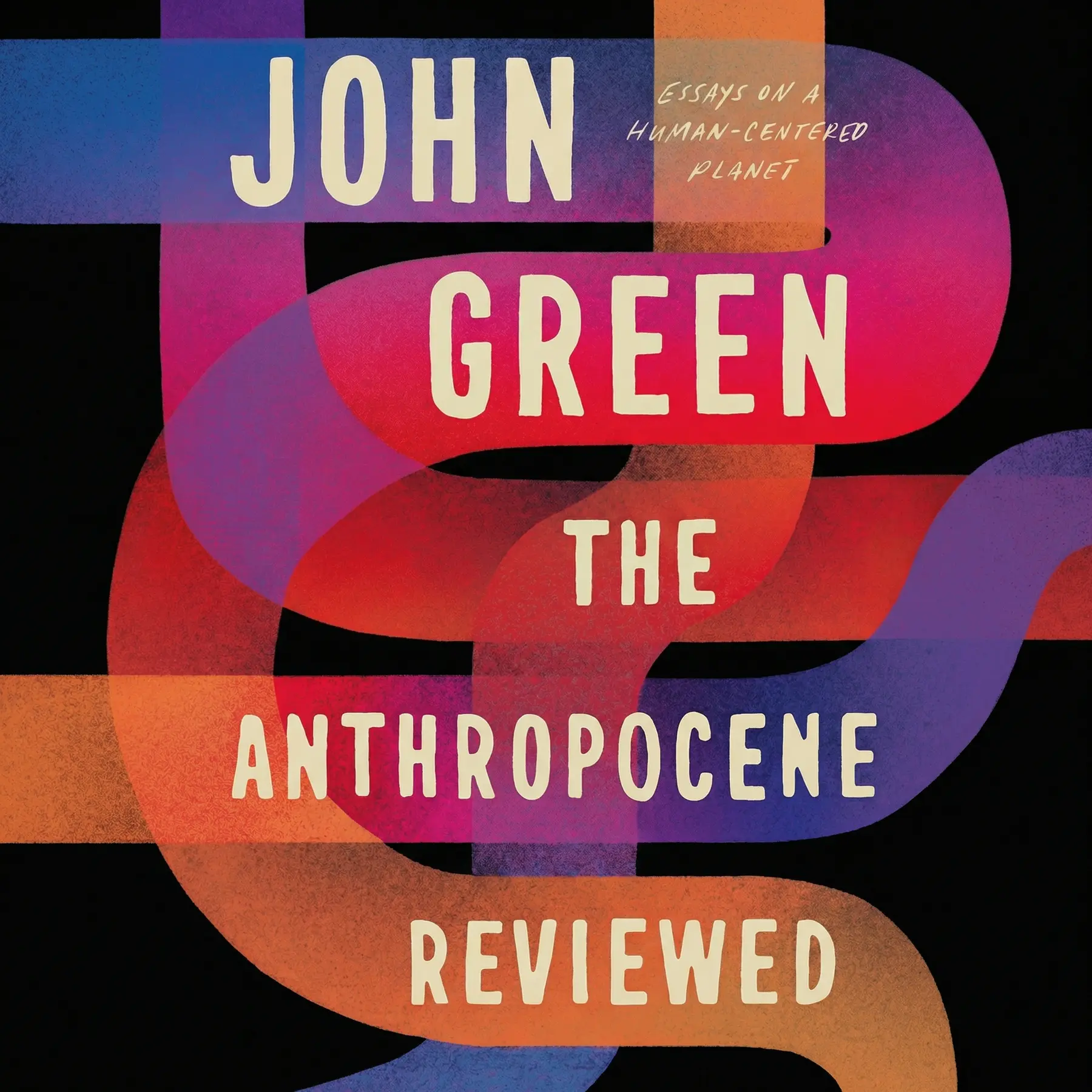
The Anthropocene Reviewed: Essays on a Human-Centered Planet
By John Green
A meditative exploration of the human experience in the Anthropocene, where John Green reviews various aspects of our shared planet—from cave paintings to air-conditioning—with humor and profound insight.
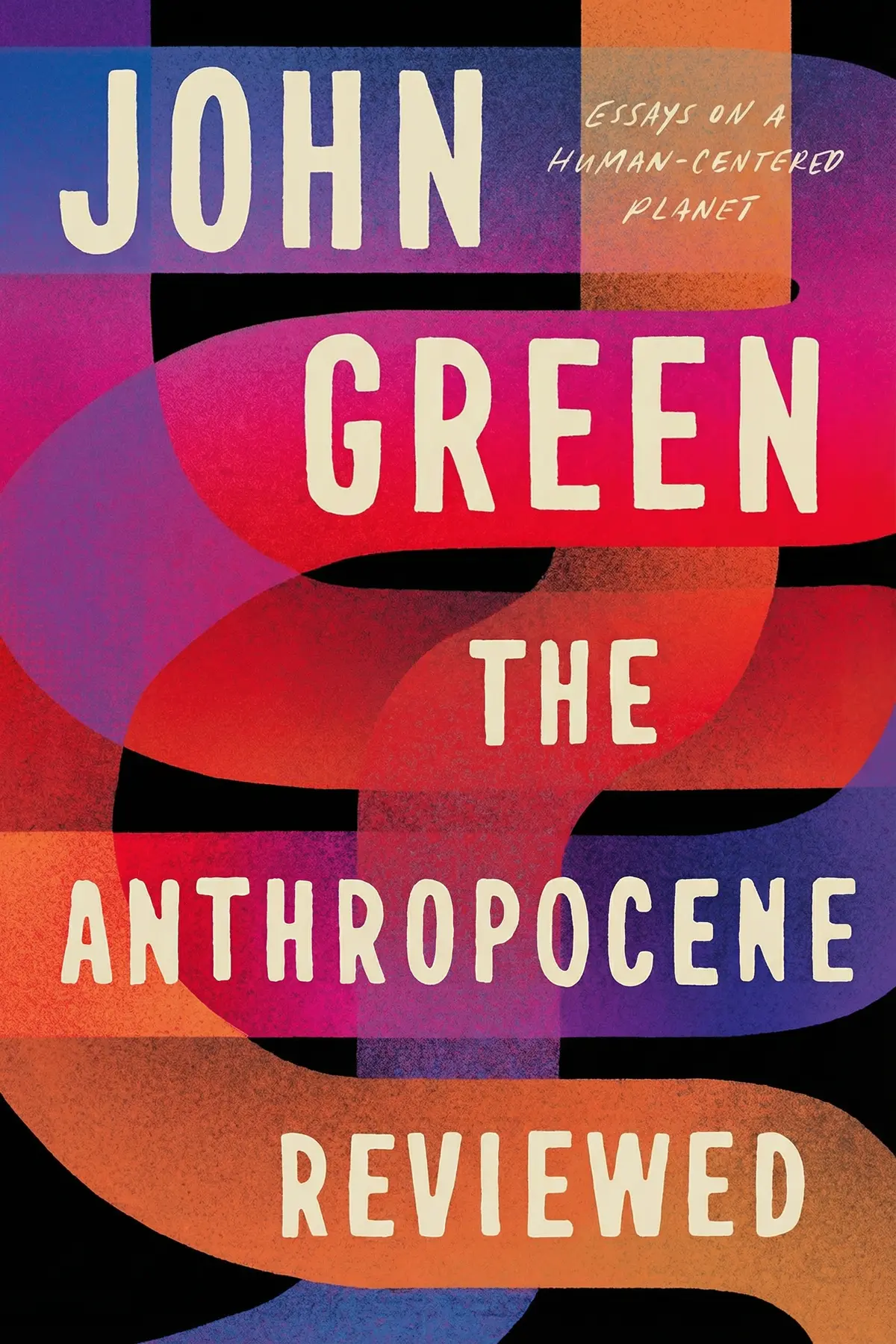
Table of Content
1. Introduction
1 min 23 sec
We live in an age where the human footprint is visible from the deepest trenches of the ocean to the furthest reaches of the atmosphere. This is the Anthropocene—a term used by scientists to describe our current geological epoch, one defined entirely by human intervention and influence. But what does it actually feel like to live in this era? How do we make sense of a world that is simultaneously more connected and more fragile than ever before?
In this summary, we will walk through a series of reflections that look at the planet through a human-centered lens. This isn’t just a scientific survey; it’s an exploration of the small, the strange, and the monumental aspects of our existence. From the way we seek connection on the early internet to the way we’ve unintentionally curated habitats for wild animals, we’ll see how our species has become a planetary force.
Through these stories, we find a throughline: the tension between our remarkable capacity for creation and the undeniable reality of our destructive power. As we navigate these ideas, we’re invited to consider our place in the vastness of time and the legacy we are currently writing in the layers of the Earth. It’s a journey that asks us to look at the mundane world around us—soda machines, stars, and birds—and see them as parts of a much larger, deeply interconnected narrative.
2. Humanity’s Brief Moment in the Cosmos
2 min 15 sec
How does our short existence compare to the infinite timeline of the universe? Explore the unsettling realization of Earth’s finitude and why humans are so fascinated by the end of the world.
3. The Enduring Voice of Ancient Art
2 min 23 sec
Discover the accidental unearthing of the Lascaux Cave and what these 17,000-year-old paintings reveal about our fundamental need to leave a mark on the world, even in times of chaos.
4. Nature’s Unintended Thriving in Human Spaces
2 min 10 sec
The Canada goose was once nearly extinct, but now it dominates our parks. Learn how human-altered landscapes turned a struggling species into a ubiquitous and often aggressive neighbor.
5. Connection and Discord in the Digital Age
2 min 02 sec
Travel back to the early days of the internet, where green text on black screens offered a new kind of sanctuary for the lonely, while also birthing the complexities of modern digital life.
6. The Ethics of Our Digital Footprints
2 min 00 sec
In a world where everyone is a click away, what is the cost of our curiosity? Reflect on the strange intimacy of googling strangers and the emotional weight of finding out the truth.
7. The High Price of Artificial Comfort
2 min 04 sec
Air-conditioning has allowed us to inhabit impossible climates, but at what cost to the planet? Examine the cycle of cooling our homes while heating the world.
8. Conclusion
1 min 40 sec
As we wrap up this exploration of our human-centered planet, we’re left with a mosaic of the Anthropocene. We have seen how our species, despite its brief history, has become the dominant force on Earth. We’ve looked at the ancient walls of Lascaux to see our enduring need for art, and we’ve looked at the Canada goose to see how our built environments create new winners and losers in the animal kingdom. We’ve reflected on the digital spaces that connect us and the cooling systems that both save and threaten us.
What these stories ultimately show is that we are not observers of the world; we are active participants in its creation and its destruction. Every action we take, from the way we use the internet to the way we manage our natural resources, is a vote for the kind of future we want to inhabit. The Anthropocene is an era of immense responsibility, but it is also an era of incredible potential.
In the end, the message is one of mindful engagement. We are invited to look at the world around us with a bit more curiosity and a lot more empathy. By acknowledging both our flaws and our capacity for wonder, we can start to build a more sustainable and compassionate relationship with our planet and with each other. The human story is still being written, and while the challenges are daunting, our history of resilience and creativity suggests that we have the tools to make it a story worth telling. So, as you go back into your day, take a moment to look at the mundane things around you—the birds, the technology, the people—and remember that you are a part of this grand, complex, and beautiful review of existence.
About this book
What is this book about?
This summary delves into the concept of the Anthropocene—the current geological age defined by human activity. Through a series of personal essays, it examines how we interact with the world we have built and the nature we have altered. From the awe-inspiring resilience of the Canada goose to the complex ethics of our digital footprints, the book invites us to look closer at the mundane and the extraordinary. It promises a deeper understanding of our place in the cosmos, acknowledging both our destructive tendencies and our incredible capacity for wonder and creation. By exploring topics as varied as prehistoric art and modern cooling systems, the text reveals the interconnectedness of our lives in these unprecedented times. It encourages listeners to reflect on their own ecological footprint and the legacy they leave behind. Ultimately, the summary provides a hopeful yet realistic perspective on what it means to be human on a planet that is being reshaped by our very presence.
Book Information
About the Author
John Green
John Green is a celebrated writer and digital creator known for his significant influence on modern young adult fiction. He has written highly successful novels such as Looking for Alaska and The Fault in Our Stars, which have received numerous accolades. His stories are frequently praised for their intricate character development and profound explorations of human emotions, including themes of grief, affection, and the pursuit of significance.
Ratings & Reviews
Ratings at a glance
What people think
Listeners find the book absorbing and charming, featuring profoundly sincere material that evokes a broad spectrum of feelings. Furthermore, the prose is lauded for its remarkable command of language, and listeners value the reflective perspective on everyday subjects. They also take pleasure in the wit, noting it moves them to both laughter and tears, while the essays are described as a deeply personal collection of reviews.
Top reviews
Yongyut
The chapter on the Lascaux Cave Paintings alone is worth the price of admission. John Green has this incredible gift for taking something as mundane as a hot dog stand or a Scratch ’n’ Sniff sticker and turning it into a profound meditation on human existence. I found myself laughing at his feud with a garden creature one moment and then wiping away tears the next as he discussed the isolation of the pandemic. It’s deeply personal and heartfelt, feeling less like a collection of facts and more like a conversation with a very smart, very vulnerable friend. While some might find the five-star review format a bit gimmicky, I think it perfectly captures the absurdity of our modern age. He doesn't shy away from the dark parts of the Anthropocene, but he always manages to circle back to hope. I give this book five stars.
Show moreDao
This book is a masterclass in making the ordinary feel extraordinary. I’ll be honest: I never thought I’d care about the history of air conditioning or the migratory patterns of Canada geese, yet here I am, completely enthralled. Green’s ability to weave together disparate threads—global history, personal memoir, and scientific data—is nothing short of wizardry. The emotional resonance of the essays written during the height of COVID really struck a chord with me, capturing that specific brand of existential dread we all felt. It’s a beautiful, messy, and deeply sincere love letter to a planet that is often difficult to love. His prose is so carefully crafted that even a sentence about a soda can feels like poetry. I give The Anthropocene Reviewed five stars.
Show morePakinee
Finally got around to this and it’s a total gut-punch in the best way possible. There is something so incredibly comforting about Green’s voice, especially as he navigates the complexities of the pandemic and the climate crisis. He has this way of acknowledging the sheer scale of global suffering without falling into total nihilism. The essay on the "Notes App" was unexpectedly relatable, and his description of the consciousness-crushing pain of meningitis was terrifyingly vivid. It’s rare to find a book that can make you feel so many conflicting emotions in such a short span of time. Deeply human and remarkably thoughtful, this is a book I’ll be gifting to everyone I know. I give The Anthropocene Reviewed five stars.
Show moreWitthaya
John Green’s prose has this uncanny ability to make you weep over a soda. His review of Diet Dr Pepper isn't just about a drink; it's about the strange, artificial, yet delightful world we've built for ourselves. I was particularly moved by the sections where he discusses his OCD and the rhythmic, grounding process of signing thousands of tip-in sheets. It’s these small, intimate glimpses into his life that make the book feel so authentic. Personally, I think this is his best work to date. He manages to be both a teacher and a student of the world, exploring everything from the "yips" to the end of the world with equal curiosity and grace.
Show moreLena
Truth is, I didn't think I needed a book of essays about air conditioning and teddy bears, but I was wrong. This book arrived at a time when I felt particularly cynical about the world, and Green’s five-star format actually helped me reframe my own perspective. He doesn't ignore the horrors of the plague or the extinction of species, but he chooses to fall in love with the world anyway. That sentiment really resonated with me. The writing is gorgeous, filled with quotable lines and deep insights that stay with you long after you close the cover. It’s a beautiful reminder that there is still wonder to be found in the mundane. Five stars for helping me look up at the stars again.
Show moreKatya
As someone who grew up with his novels, I found this transition into adult nonfiction surprisingly smooth. Green’s writing style is as sharp as ever, but there’s a new layer of maturity here that I really appreciated. He tackles topics like viral meningitis and OCD with a raw honesty that makes the more humorous bits—like his assessment of Diet Dr Pepper—hit even harder. My only real gripe is that a few of the shorter essays felt a bit like filler, almost like expanded Wikipedia entries without enough of his personal voice to anchor them. However, when he hits his stride, especially in the essay about the Kauaʻi ʻōʻō bird, it’s absolutely haunting. It's a thoughtful, wandering journey through our weird world that left me feeling more connected to my surroundings.
Show moreManop
How do you even begin to rate the entire human-influenced era on a five-star scale? John Green manages it with a mix of dry humor and intense earnestness that I found quite refreshing. The structure of the book is perfect for dipping in and out of, though I found myself binge-reading several chapters at once because his words are so addictive. I particularly loved the segments on Halley’s Comet and the Indy 500. Some essays are definitely stronger than others—the one on Monopoly felt a little repetitive compared to the rest—but the overall impact is profoundly moving. It makes you look at the "boring" parts of your life with a bit more wonder. Gotta say, it’s a great companion for a long walk.
Show morePloy
Picked this up on a whim after hearing a few episodes of the podcast, and I was pleased to find that the essays translate beautifully to the page. Green’s perspective is undeniably American, which might alienate some international readers, but his themes of loneliness and the desire for connection are universal. I loved the humor he brought to the Canada geese review—anyone who has lived near a pond knows the terror of those birds and their prodigious output of excrement. The book does lean heavily into sentimentality, which might be a turn-off for some, but I found it felt earned. It’s a 4-star experience for me, even if I still disagree with his ranking of velociraptors!
Show moreBenjamin
After years of reading his YA fiction, I wasn't sure how his nonfiction would land, but this is a lovely collection. It’s quirky, informative, and surprisingly dark in places. The way he discusses the Anthropocene isn't just about climate data; it's about how we feel living through it. I found the essay on Kentucky Bluegrass to be a fascinating look at how humans try to control nature, often to our own detriment. Look, some of it feels a bit like a Google deep-dive, but his emotional honesty keeps it grounded. My only minor complaint is that the pacing can feel a bit stop-and-start due to the essay format, but the strength of the individual pieces usually makes up for it. A very solid 4-star read.
Show moreKanokwan
Not exactly what I expected, to be fair. While the writing is undeniably polished and there are moments of genuine brilliance, the collection felt a bit disjointed at times. At its best, it's a poignant memoir about struggling with mental health and finding beauty in the small things. At its worst, it feels like a series of blog posts that haven't quite been unified into a cohesive book. I found the constant quoting of other authors like Kurt Vonnegut a bit distracting; I wanted more of John’s original thoughts and fewer reminders of what others have said. It’s a decent read for fans of his internet presence, but I’m not sure it entirely holds up as a standalone work of non-fiction. Three stars for some great lines buried in a lot of fluff.
Show moreReaders also enjoyed
Beyond Words: What Animals Think and Feel
Carl Safina
Cod: A Biography of the Fish That Changed the World
Mark Kurlansky
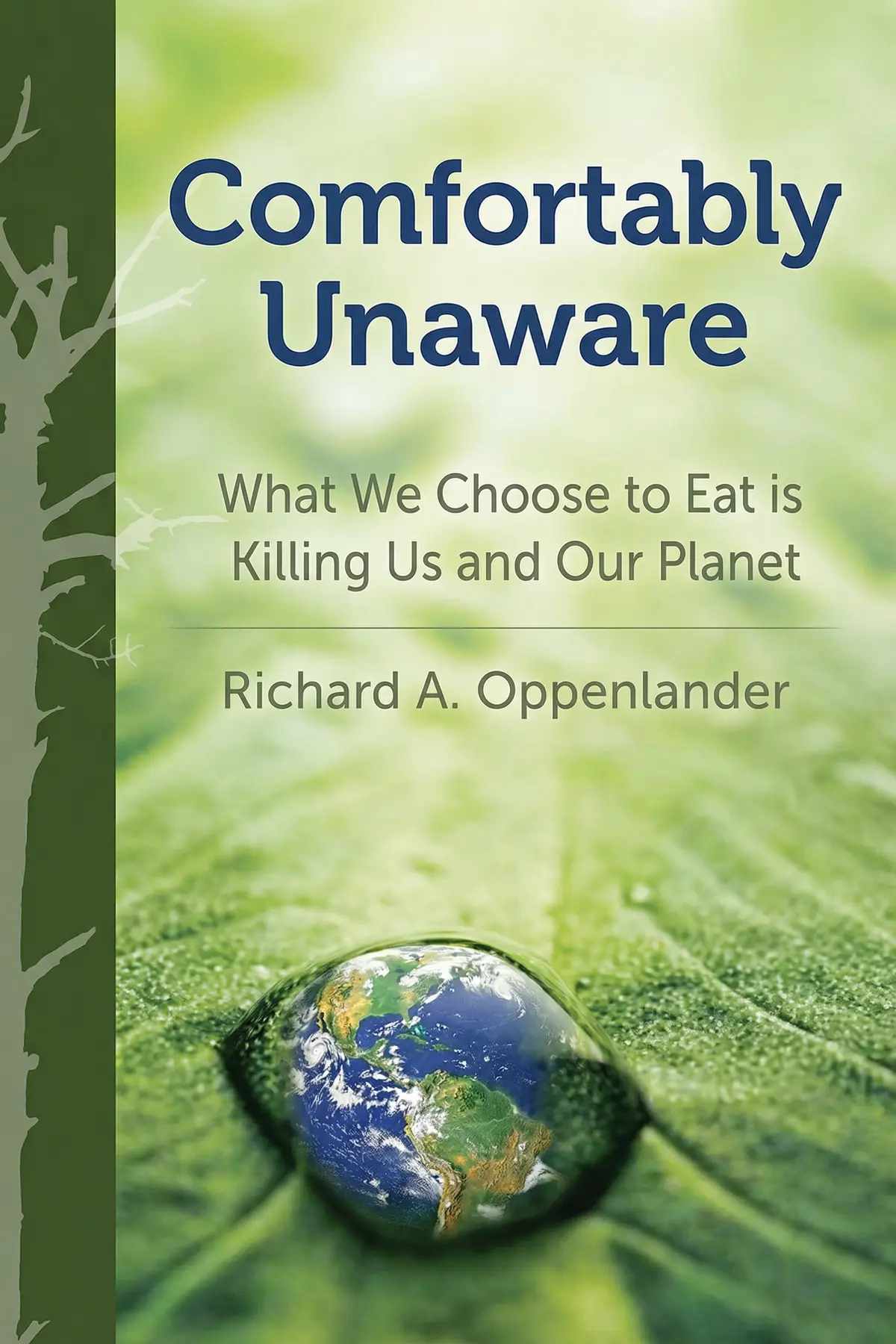
Comfortably Unaware: What We Choose to Eat is Killing Us and Our
Richard A. Oppenlander
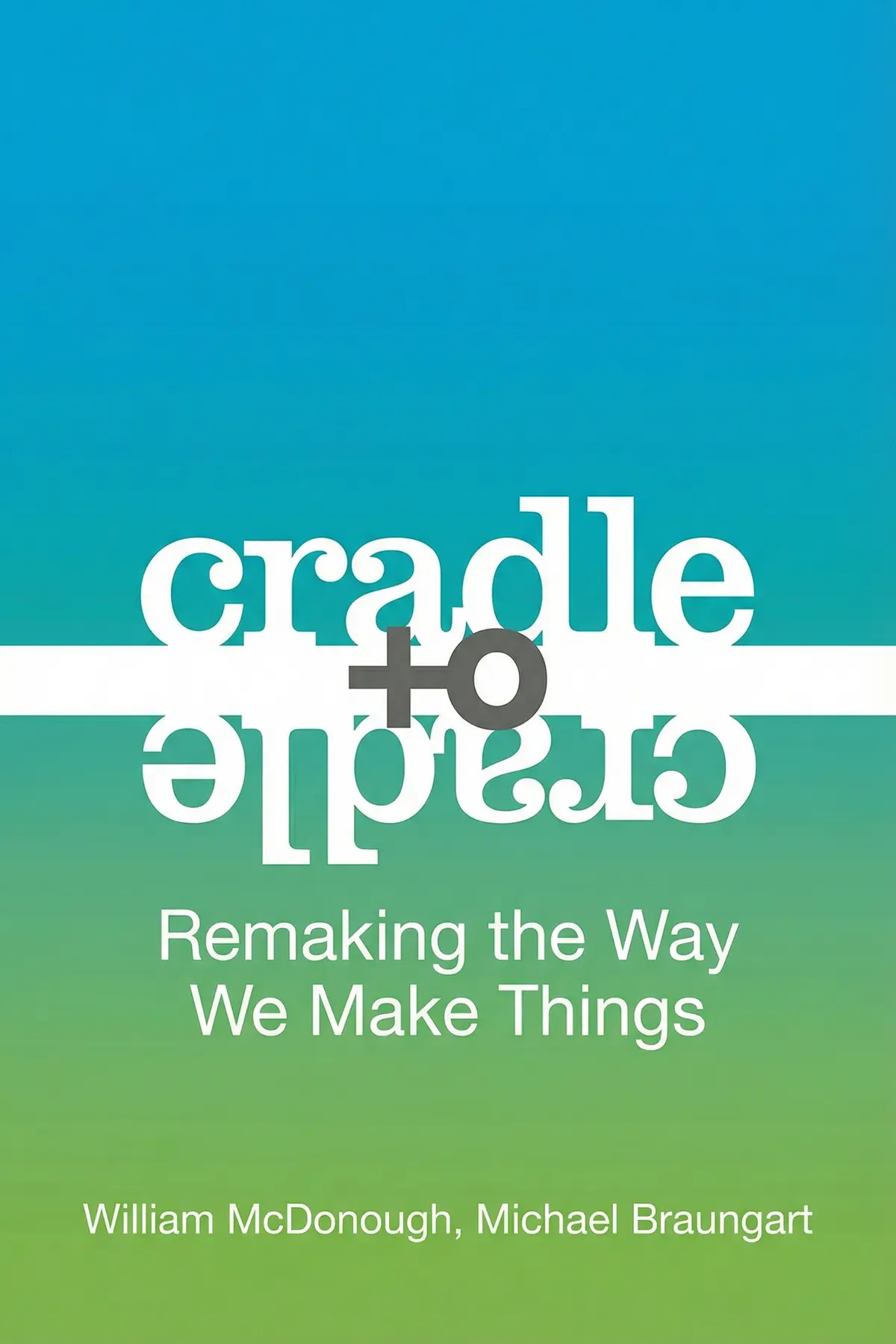
Cradle to Cradle: Remaking the Way We Make Things
William McDonough
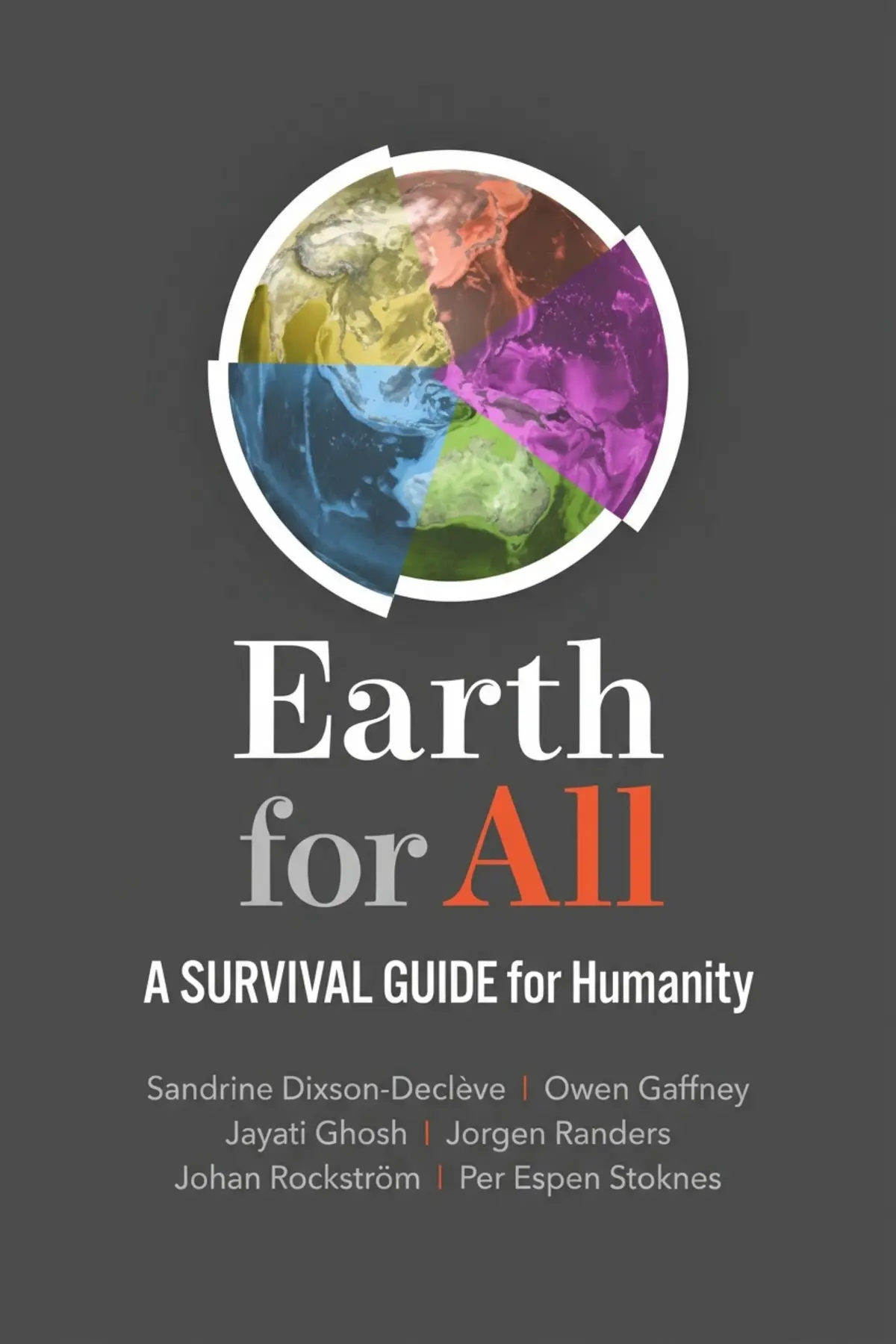
Earth for All: A Survival Guide for Humanity
Sandrine Dixson-Decleve
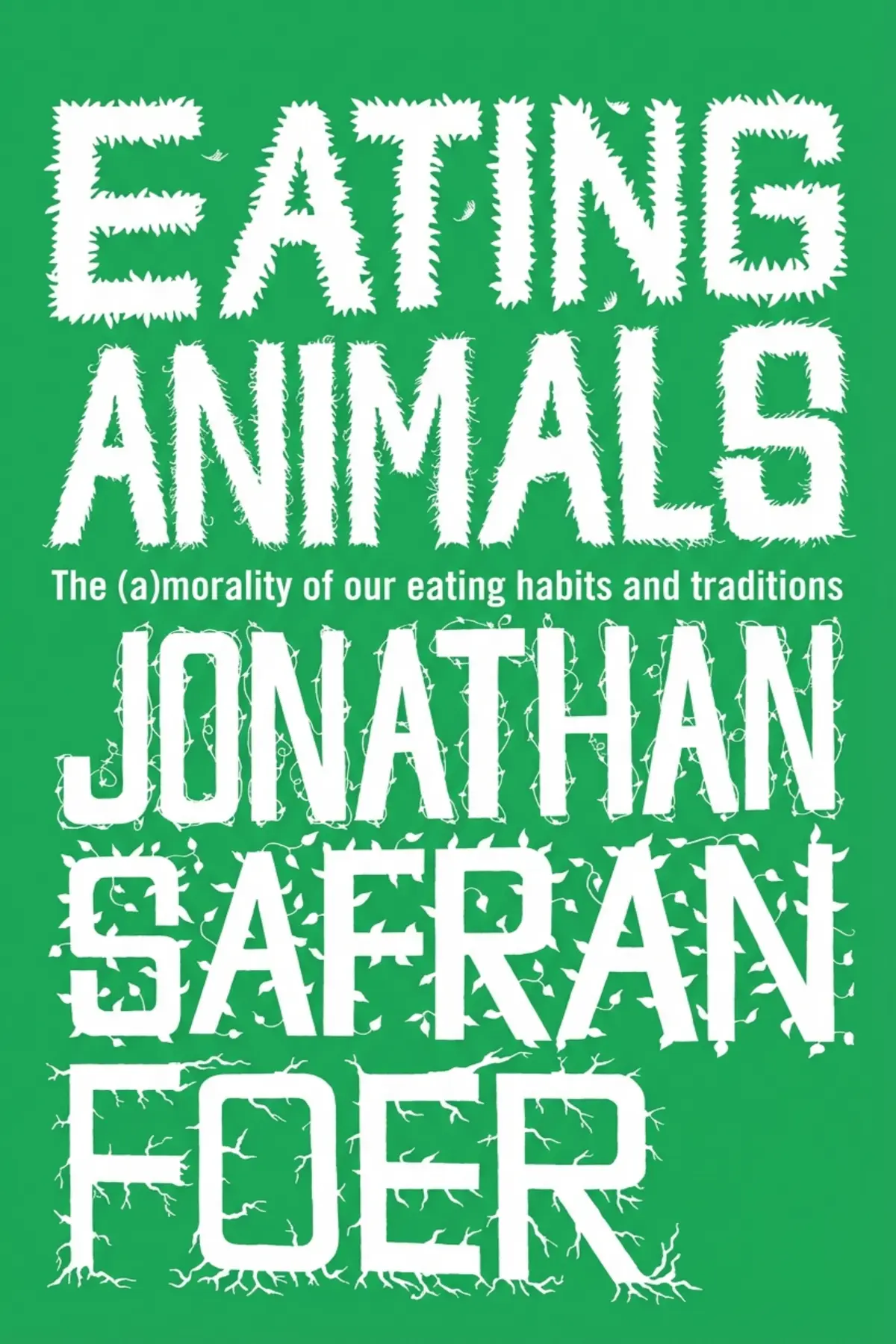
Eating Animals
Jonathan Safran Foer
AUDIO SUMMARY AVAILABLE
Listen to The Anthropocene Reviewed in 15 minutes
Get the key ideas from The Anthropocene Reviewed by John Green, plus 5,000+ more titles in English and Thai.
- 5,000+ titles
- Listen as much as you want
- 7-day free trial
- Cancel anytime







