

19 min 06 sec
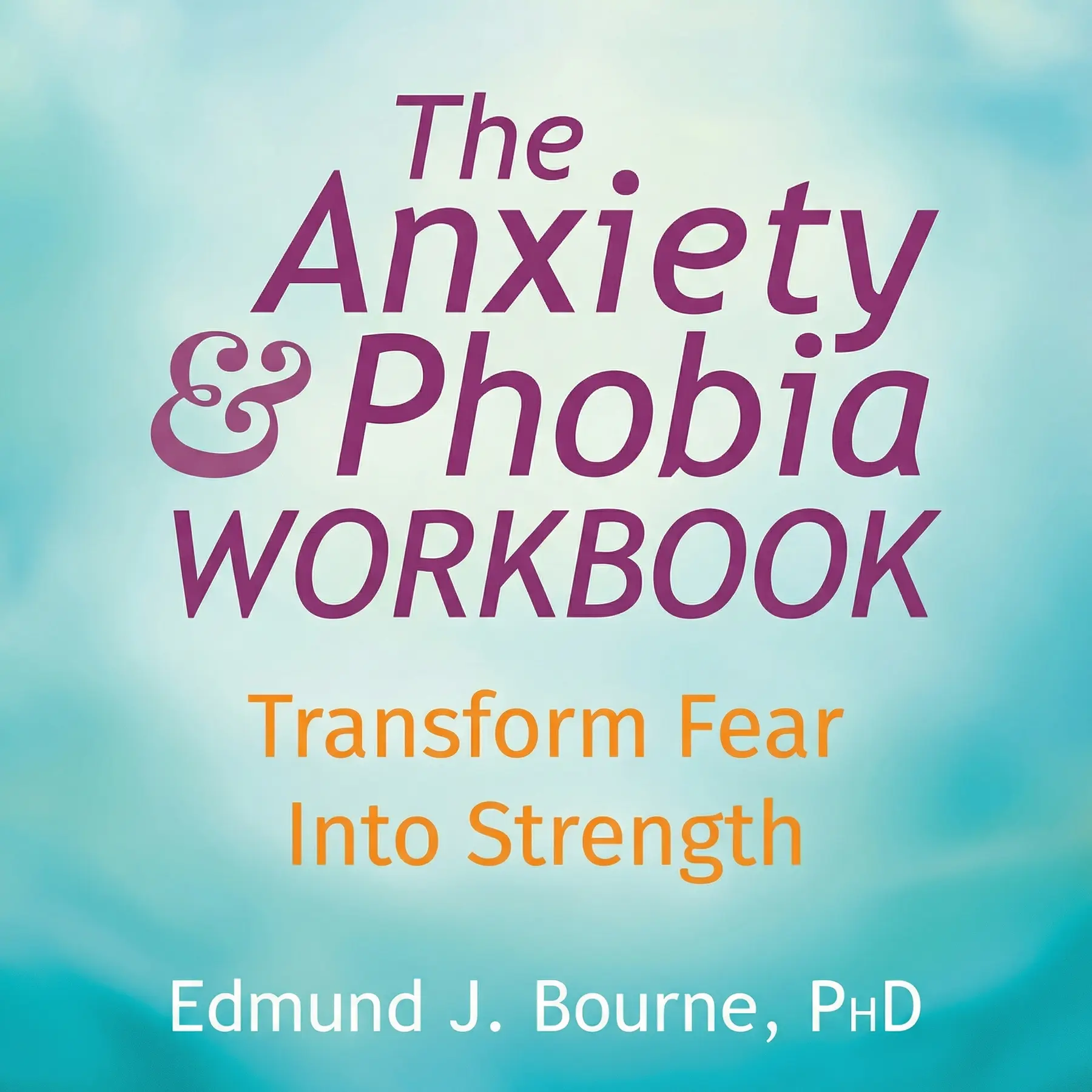
The Anxiety & Phobia Workbook
Discover a comprehensive, holistic approach to managing anxiety and phobias. This guide explores the biological, psychological, and lifestyle factors essential for building lasting resilience and mental well-being.
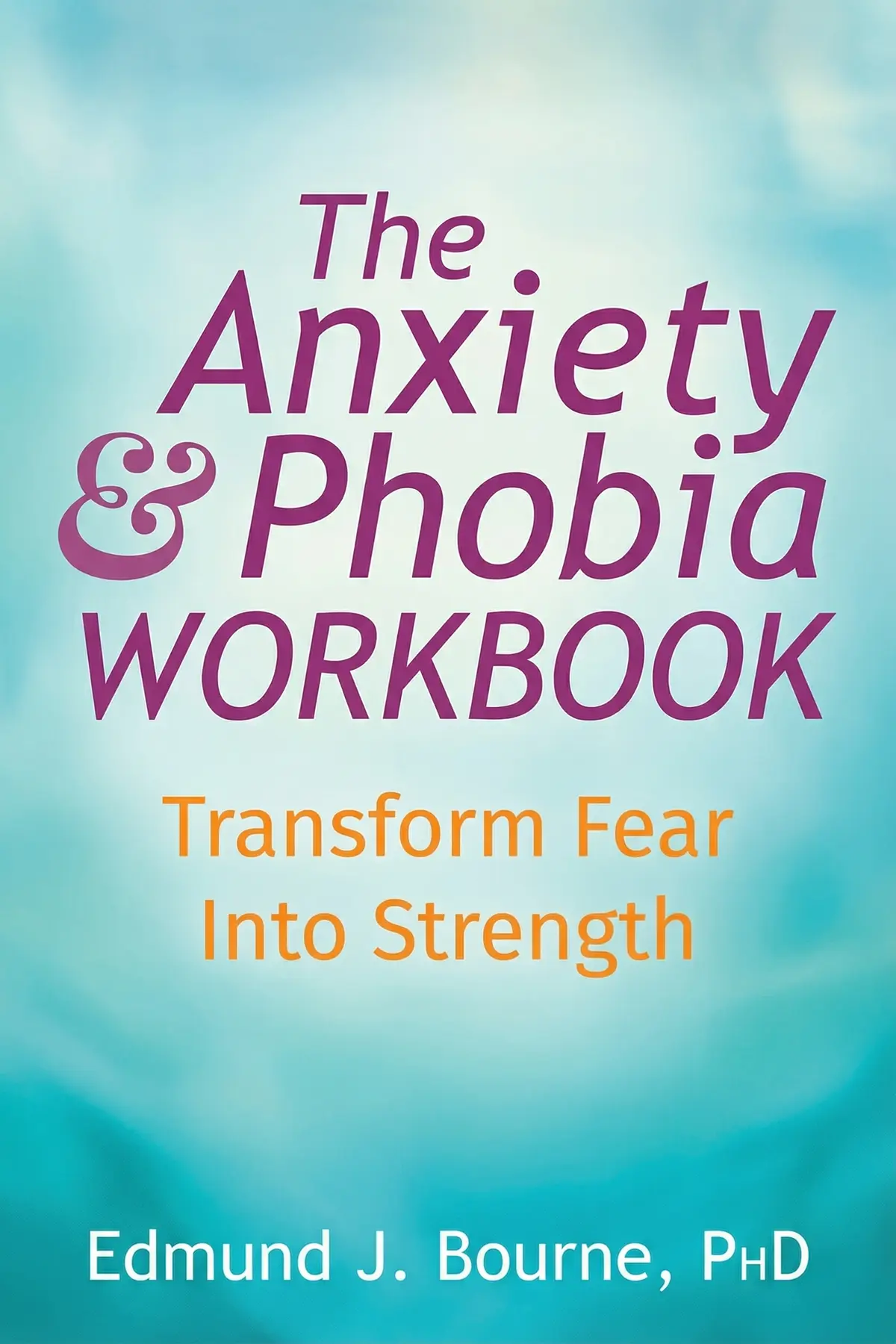
Table of Content
1. Introduction
1 min 31 sec
In our fast-paced, modern world, the feeling of being overwhelmed isn’t just a personal struggle; it has become a widespread phenomenon. For those dealing with the weight of anxiety or the paralyzing grip of a phobia, the standard advice to just ‘relax’ often feels dismissive and unhelpful. The reality is that these conditions are complex, woven from a mix of biological predispositions, past experiences, and the high-pressure environment we navigate every day. To truly find a path forward, we need more than a quick fix; we need a comprehensive understanding of how fear operates in our minds and bodies.
This exploration of the core principles found in the work of Edmund J. Bourne offers a structured, holistic approach to mental health. Instead of looking at anxiety through a single lens, we will examine it as a dynamic interaction of various factors. We will look at why anxiety has reached such high levels in recent decades and identify the specific patterns that keep us stuck in cycles of worry. From the physical benefits of relaxation and exercise to the mental shifts required to challenge negative self-talk, this journey is about building a toolkit for lasting resilience. The throughline here is empowerment—the idea that by taking a multifaceted approach, you can move from a state of being controlled by fear to one where you are actively shaping a life of meaning and calm. Let’s begin by looking at the broader landscape of anxiety today and why it has become such a defining challenge of our era.
2. The Modern Landscape of Anxiety
1 min 35 sec
Anxiety has reached epidemic levels in recent decades, affecting millions across the globe for a variety of complex reasons.
3. Deciphering the Roots of Fear
1 min 25 sec
Anxiety is rarely caused by a single event; it is usually the result of a complex interplay between mind and body.
4. The Four Levels of Influence
1 min 24 sec
Understanding why anxiety starts and why it persists involves looking at four distinct categories of causes.
5. Navigating Cumulative Stress
1 min 16 sec
Major life transitions can pile up, creating a weight of stress that eventually manifests as an anxiety disorder.
6. The Foundations of Recovery
1 min 15 sec
True healing requires a roadmap built on commitment, risk-taking, and clear personal goals.
7. Mastery Through Deep Relaxation
1 min 15 sec
Regular relaxation isn’t just a luxury; it’s a physiological necessity for reducing anxiety and stress.
8. The Role of Physical Movement
1 min 10 sec
Aerobic exercise serves as a potent antidote to anxiety by improving both physical health and mental clarity.
9. Systematic Exposure and Confidence
1 min 15 sec
Overcoming phobias requires a step-by-step approach to facing fears in a controlled, manageable way.
10. Confronting Mistaken Beliefs
1 min 15 sec
The way we talk to ourselves internally can either fuel our anxiety or provide a path to calm.
11. The Trap of Personality Traits
1 min 29 sec
Certain personality characteristics, like perfectionism, can inadvertently contribute to a person’s vulnerability to anxiety.
12. Nutrition and the Mind-Body Link
1 min 15 sec
What we eat directly impacts our nervous system, making diet a crucial component of anxiety management.
13. Values, Meaning, and Future Growth
1 min 24 sec
Aligning your life with your true purpose is the ultimate way to move beyond anxiety and toward fulfillment.
14. Conclusion
1 min 37 sec
In concluding this journey through the strategies for managing anxiety and phobias, it becomes clear that there is no single ‘magic pill’ for mental health. Instead, recovery is a tapestry woven from many different threads. We have seen how widespread this challenge is, and how it is often a logical response to the cumulative stresses of our modern world. From understanding the biological roots of fear to mastering the art of deep relaxation and physical movement, every step you take builds a stronger foundation for the future.
The throughline of this approach is the recognition that you have the power to influence your own internal state. By identifying the maintaining causes of your anxiety—whether they are negative self-talk, avoidance behaviors, or nutritional imbalances—you can begin to dismantle the structures that keep fear in place. Remember the five ingredients of recovery: responsibility, motivation, commitment, risk-taking, and clear goals. These are your tools for transformation.
Ultimately, the goal is to move beyond the limitations of fear and toward a life defined by your own values and purpose. As you implement these changes, be patient and compassionate with yourself. Growth is incremental, and every small victory in facing a fear or choosing a healthier habit is a win. By aligning your daily actions with your broader life goals, you aren’t just managing symptoms; you are creating a more resilient, balanced, and meaningful existence. Take that first step today, knowing that a calmer and more fulfilling life is well within your reach.
About this book
What is this book about?
Living with persistent fear or anxiety can feel like an insurmountable challenge, but it doesn't have to be a permanent state. This summary provides a deep dive into the multifaceted nature of anxiety disorders, from social phobias to panic attacks. It moves beyond simple advice, offering a structured roadmap for recovery that includes physiological, emotional, and cognitive strategies. The promise of this work is a return to control. By understanding the root causes—ranging from childhood environments to modern societal stressors—and implementing practical tools like deep relaxation, systematic exposure, and nutritional adjustments, individuals can transform their relationship with fear. It emphasizes a holistic model, suggesting that true healing comes from aligning one’s daily habits with a deeper sense of personal purpose and values.
Book Information
About the Author
Edmund J. Bourne
Edmund J. Bourne is a respected psychologist and author who previously served as the director of the Anxiety Treatment Center in California. A specialist in the treatment of phobias and anxiety-related conditions, his expertise is reflected in his extensive body of work. In addition to his primary workbooks, he has authored and contributed to several influential titles in the field of mental health, such as Coping with Anxiety and Pocket Therapy for Anxiety.
Ratings & Reviews
Ratings at a glance
What people think
Listeners find the workbook effective for grasping and handling anxiety, particularly panic disorders, and value the accessible breakdowns of difficult notions and hands-on drills. The work is articulately written and systematic, with one listener highlighting its division into four specific parts. Although some find the text easy to follow, others view it as too dense.
Top reviews
Laor
Finally got around to working through this hefty manual after my therapist mentioned it. It is incredibly well-organized into four distinct sections that guide you from the biological roots of fear to cognitive restructuring. I particularly enjoyed the progressive muscle relaxation exercises because they offer immediate physical relief during high-stress weeks. Truth be told, some of the charts feel a bit dated, but the core strategies for de-escalating a panic attack are absolute gold. It is an easy read despite the dense subject matter, making it accessible for those of us who feel too overwhelmed to focus on complex medical texts. This is a must-have resource for your nightstand if you struggle with chronic worry.
Show moreFatima
This workbook provides a remarkably clear roadmap for navigating the labyrinth of phobias and social anxiety. The self-diagnostic surveys at the beginning are worth the price alone because they help you pinpoint exactly which 'mistaken beliefs' are fueling your distress. I appreciated the structured approach to desensitization, though the section on nutrition felt a little speculative and lacked the rigorous evidence found in the earlier chapters. Still, the breakdown of how stress impacts the body is fantastic for anyone needing a logical explanation for their physical symptoms. It manages to be both comprehensive and practical, avoiding the useless fluff often found in the self-help genre.
Show moreCharles
Wow, just wow. This book actually changed the way I view my daily interactions and those 'weird' physical sensations I used to ignore. I never realized that my constant need for control was a direct byproduct of my anxiety until I read the chapter on traits that perpetuate these disorders. The lists of self-nurturing activities are a breath of fresh air, even if I decided to skip the bits about baths and stuffed animals. It’s organized so logically that you can jump to the section you need without feeling lost in the weeds. If you are tired of feeling like your brain is attacking you, give this a real shot. It really is a lifesaver for the modern world.
Show moreKanokporn
Ever wonder why your heart starts racing for no reason? This book gives you the 'why' and then hands you the 'how' to fix it. I loved the variety of coping techniques, from deep breathing to identifying the specific triggers that set off a phobia. The writing style is direct and encouraging, though it can get a bit clinical when discussing the different types of medication. My only real gripe is that it is quite bulky and heavy, which makes it a bit difficult to carry around for daily practice. Regardless, the 'Self-Nurturing' list gave me some great ideas for self-care that I had not considered before. It is a comprehensive guide that actually respects the reader's intelligence.
Show moreCee
Highly recommended by my counselor, this workbook serves as a fantastic companion to actual therapy sessions. The layout is great, with four sections that allow you to tackle the physical, emotional, and cognitive aspects of anxiety separately. I found the section on 'Inner Child' healing to be a bit corny, but the core exercises on relaxation and mistaken beliefs are undeniably effective. It is a bit of an easy read once you get past the scientific jargon in the first few chapters. Not gonna lie, I think everyone could benefit from the sections on goal setting and downtime. It is a life-changing resource for those ready to put in the actual work.
Show moreIce
The chapter on panic attacks is arguably the most helpful thing I’ve read in years. Bourne breaks down the biology of fear in a way that makes the scary sensations feel manageable rather than life-threatening. Frankly, the book is quite long, and the sheer volume of exercises can feel daunting if you’re already in a low-energy state. However, the section on 'Mistaken Beliefs' helped me identify why I always feel like I must be perfectly competent in every situation. I did find the author's take on personal responsibility a bit polarizing at times, as it ignores some external stressors. It is a great workbook to have, but I suggest taking it slow so you do not burn out.
Show moreIsaiah
As someone who has lived with GAD for over a decade, I found the holistic approach in this workbook to be very refreshing. It does not just focus on the mental aspect; it looks at your entire life, including sleep, exercise, and even the 'Self-Affirmations' listed in the appendix. The section on exposure therapy was particularly well-explained, providing a safe way to face fears without feeling completely overwhelmed. Some of the language is definitely stuck in the past, especially the visualization exercises that refer to specific decades like the 80s. However, the practical advice on how to handle 'what-if' thinking has helped me cut my worry time in half. It is well worth the investment for the worksheets alone.
Show morePornpimon
While the technical explanations of anxiety disorders are top-tier, the middle section of the book started to feel slightly repetitive for me. Bourne seems to cycle through the same breathing and meditation exercises for every single phobia mentioned, which made me want to skip ahead to find something new. To be fair, the 'Feeling Journal' is a solid concept, but it is hard to imagine sitting down to write while in the throes of a major panic event. I also struggled with the 'Inner Child' visualization stuff; it felt a bit too New Age and disconnected from the more clinical tone of the first half. It is a useful tool, but be prepared to filter out the parts that do not resonate with your personality.
Show moreFelix
To be fair, Bourne has created a very thorough encyclopedia of anxiety, but it can be a bit complicated for a beginner to navigate. There are so many chapters and subsections that I found myself getting lost in the 'Biological Causes' versus 'Triggering Causes.' I really appreciated the charts that help differentiate between a simple phobia and a full-blown panic disorder, as that distinction was always blurry for me. I did think the 'Listening Partner' idea was a bit impractical for those of us who do not have a large support system. Despite these minor issues, the cognitive-behavioral tools provided here are much better than what you will find in most cheaper self-help books. It is a solid three-star for me because of the density.
Show moreNew
Look, I really wanted to love this given the high praise, but the author's tone in the 'Taking Responsibility' section rubbed me the wrong way. He implies that we are essentially holding onto our disorders, which feels like a slap in the face to anyone dealing with complex trauma or systemic issues. Some of the advice on time management and exercise also comes off as a bit elitist, assuming everyone has the privilege of free time and gym memberships. While the surveys for diagnosing phobias are legitimately helpful, the 'Inner Child' scripts felt incredibly dated and even alienating for younger readers born after the 90s. It is a decent resource for basic anxiety, but it misses the mark on the nuance of lived experience.
Show moreFeatured in
Readers also enjoyed
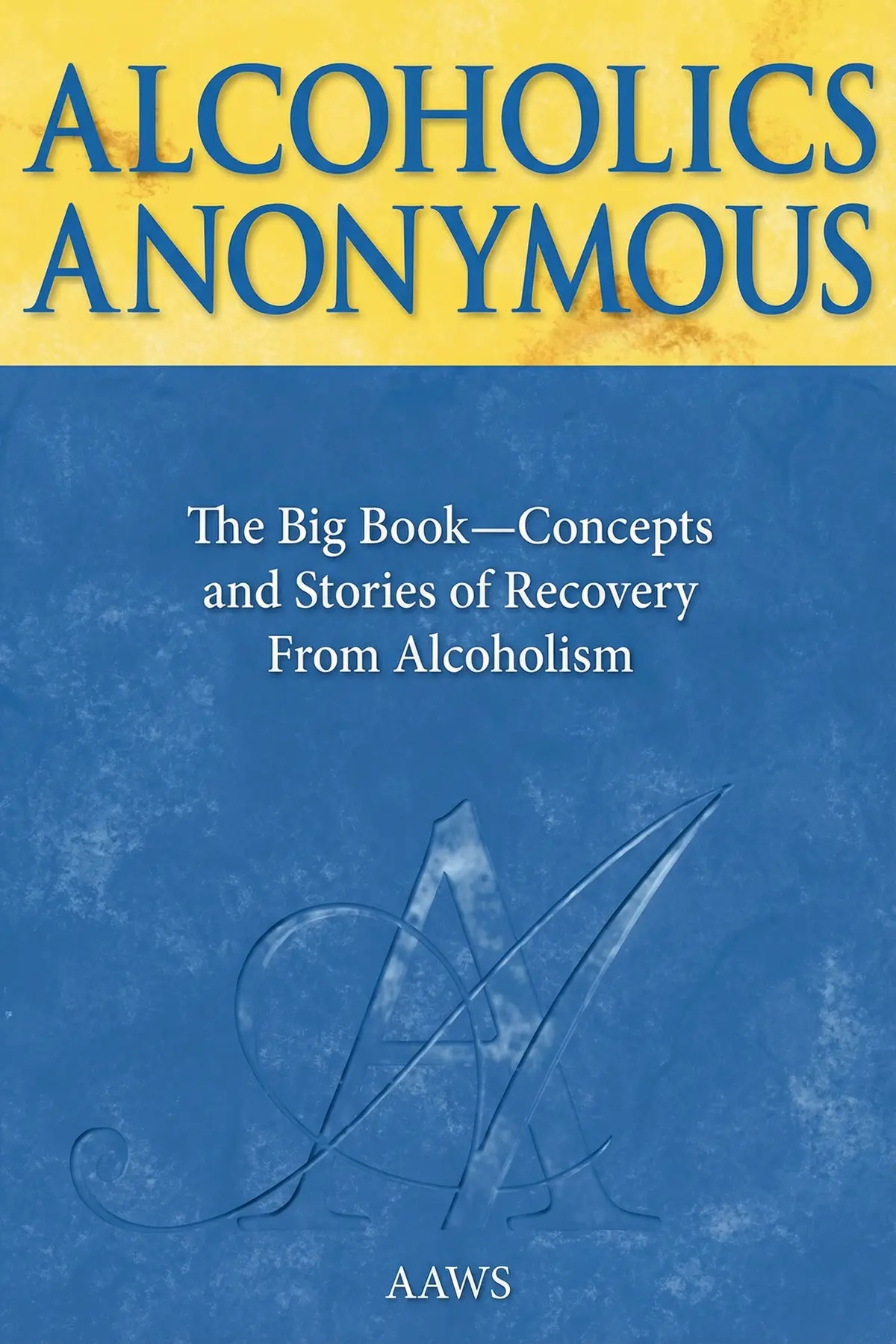
Alcoholics Anonymous
Alcoholics Anonymous World Services
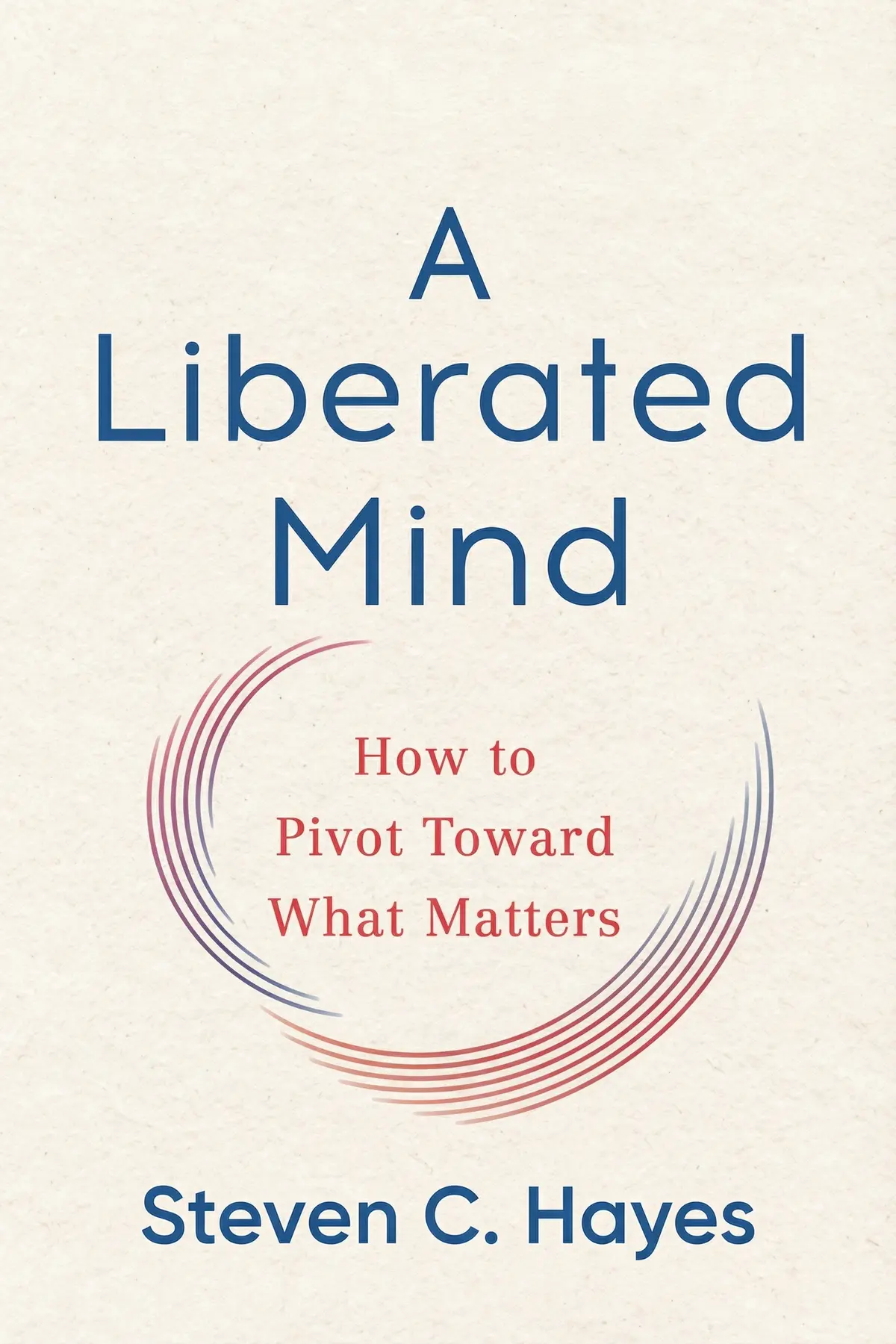
A Liberated Mind: How to Pivot Toward What Matters
Steven C. Hayes
ADHD an A-Z: Figuring It Out Step by Step
Leanne Maskell
AUDIO SUMMARY AVAILABLE
Listen to The Anxiety & Phobia Workbook in 15 minutes
Get the key ideas from The Anxiety & Phobia Workbook by Edmund J. Bourne, plus 5,000+ more titles in English and Thai.
- 5,000+ titles
- Listen as much as you want
- 7-day free trial
- Cancel anytime







